Best time: April to October
Australia from Edmonton: Your Route to the Outback
Published October 4, 2026 · HolidayWow editors · Written with AI, numbers checked against our data ·
Flying from Edmonton to Australia is a long-haul journey, yet the right itinerary can make the route feel clear and rewarding. Start with the season, choose a base that matches your interests, and use a flexible plan to connect cities, beaches, and regional experiences.
In Australia, the best time for a trip is April to October, with daytime highs up to 34 °C.
7 days in Australia in August, Culture, from Vancouver on your own
Plan a trip- Best time to go
- April to October
- Daytime high in January
- 39 °C
- Flight from Vancouver, nonstop
- about 14 h 48


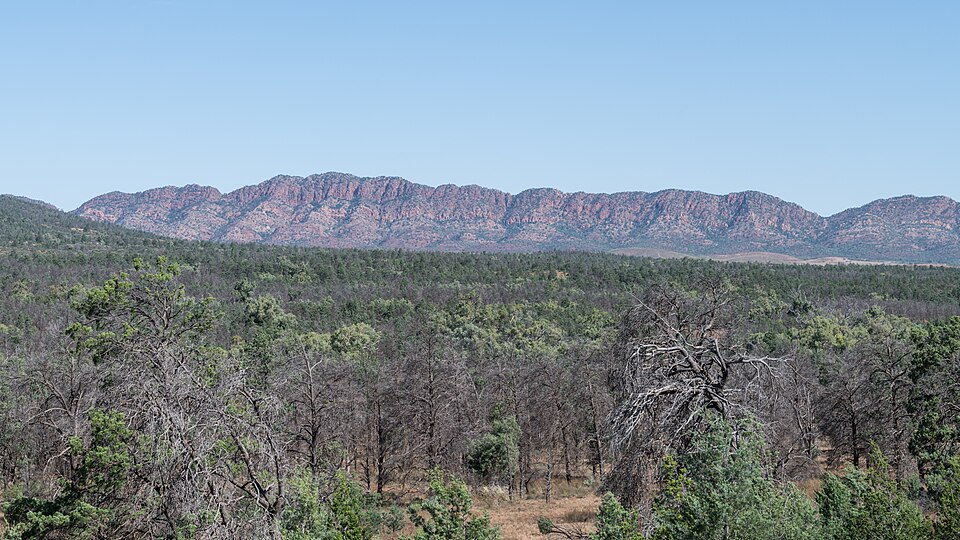
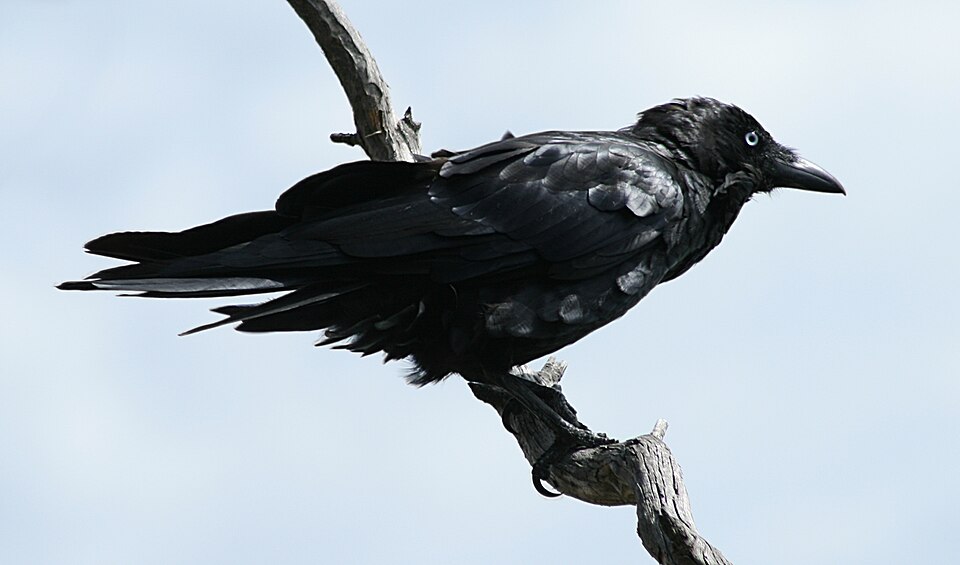
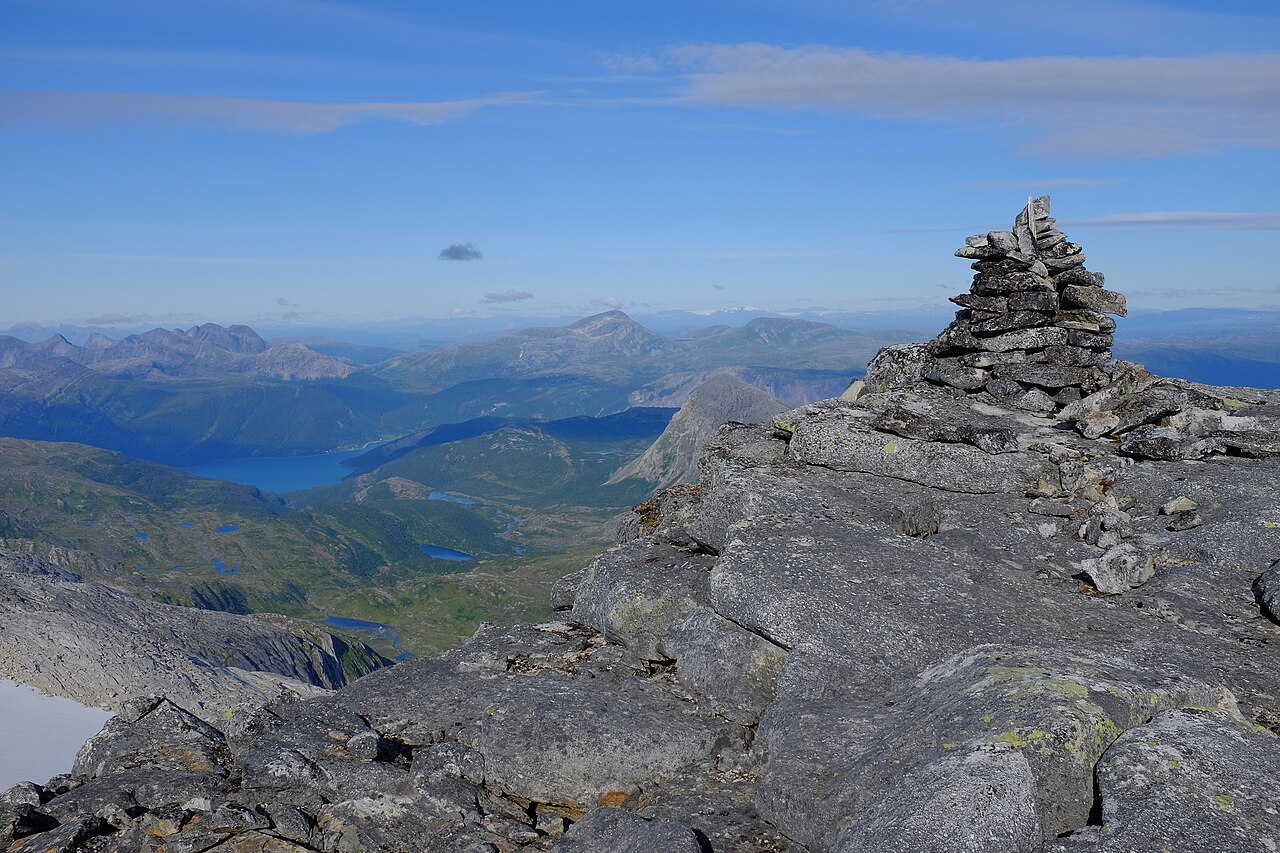
 iPhoto: Bernard Gagnon · CC BY-SA 3.0 · Wikimedia Commons
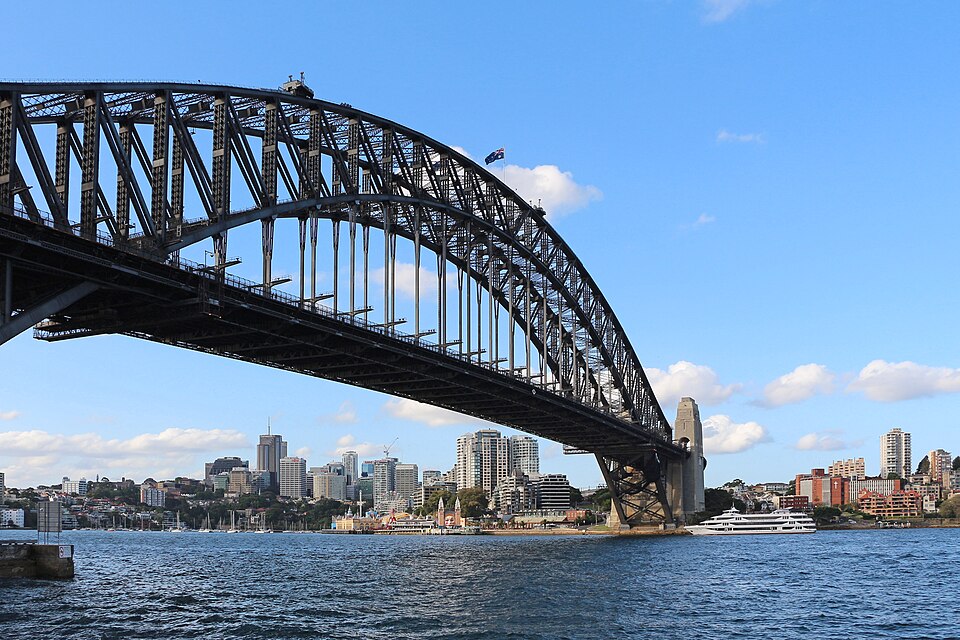
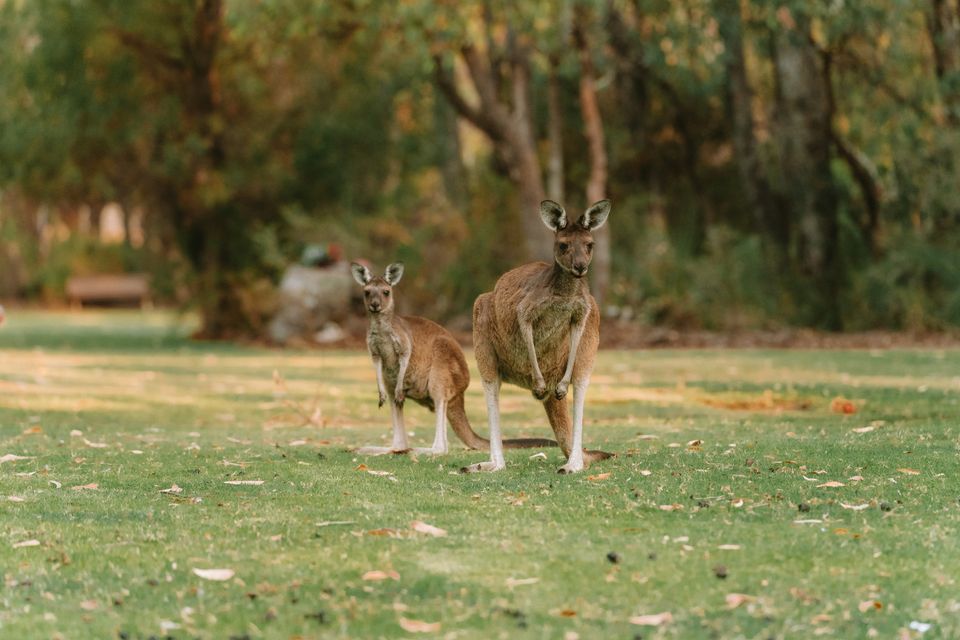
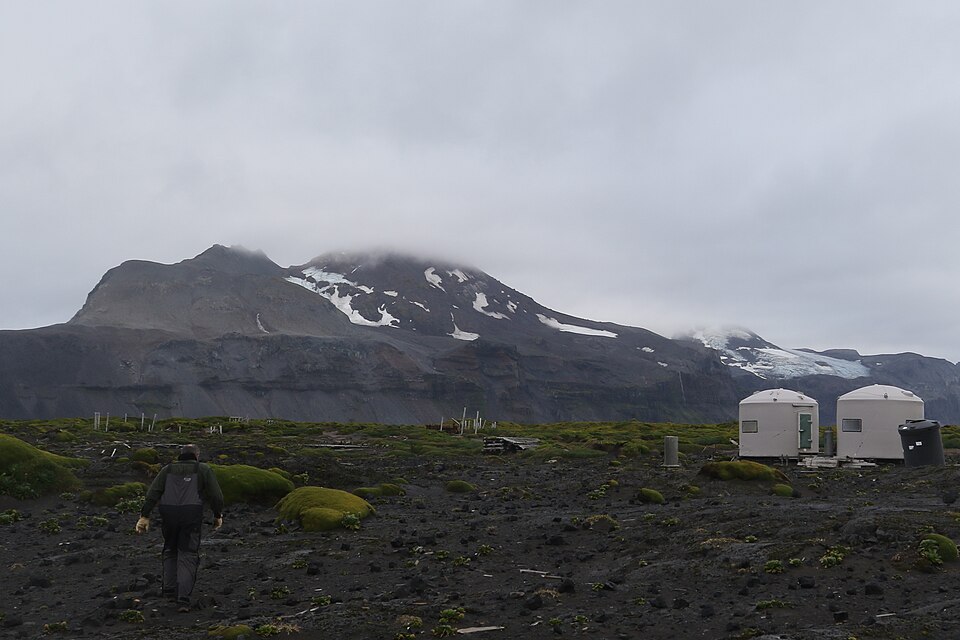
 iPhoto: Alexey V. Kurochkin · CC BY-SA 4.0 · Wikimedia Commons
Australia at a glance
- What’s the vibe?
- Australia has distinct seasons, so your departure month shapes the whole experience. January brings the warmest weather in the climate record, with daytime temperatures around 39 °C in the broad destination data.
- Best time to go
- In Australia, the best time for a trip is April to October, with daytime highs up to 34 °C.
- How to get there?
- From Vancouver, you can be in Australia in about 14 h 48.
Edmonton to Australia starts with the right season
Australia has distinct seasons, so your departure month shapes the whole experience. January brings the warmest weather in the climate record, with daytime temperatures around 39 °C in the broad destination data. It suits travelers who want heat, long daylight, and outdoor energy, while planning calls for breathable clothing and thoughtful pacing.
June offers a different character, with daytime temperatures around 20 °C and cool evenings near 6 °C. Spring months such as September and October bring milder daytime readings of about 29 °C and 34 °C, making them useful for combining sightseeing with comfortable walking. Choose your Australian cities and activities around the weather you want to experience.
That distance makes a well structured itinerary valuable, since each base can become a clear chapter in the trip. A month by itself can be enough for initial planning, and you can add exact dates later when your travel arrangements are ready.
Build an Australian itinerary around a few strong bases
A balanced first visit works well with a small number of bases. Spend time in a city where you want food, museums, and a relaxed evening rhythm, then add a coastal or regional chapter for nature and outdoor experiences. Australia is broad, so choosing two or three bases gives you more time to settle in than crossing the country repeatedly.
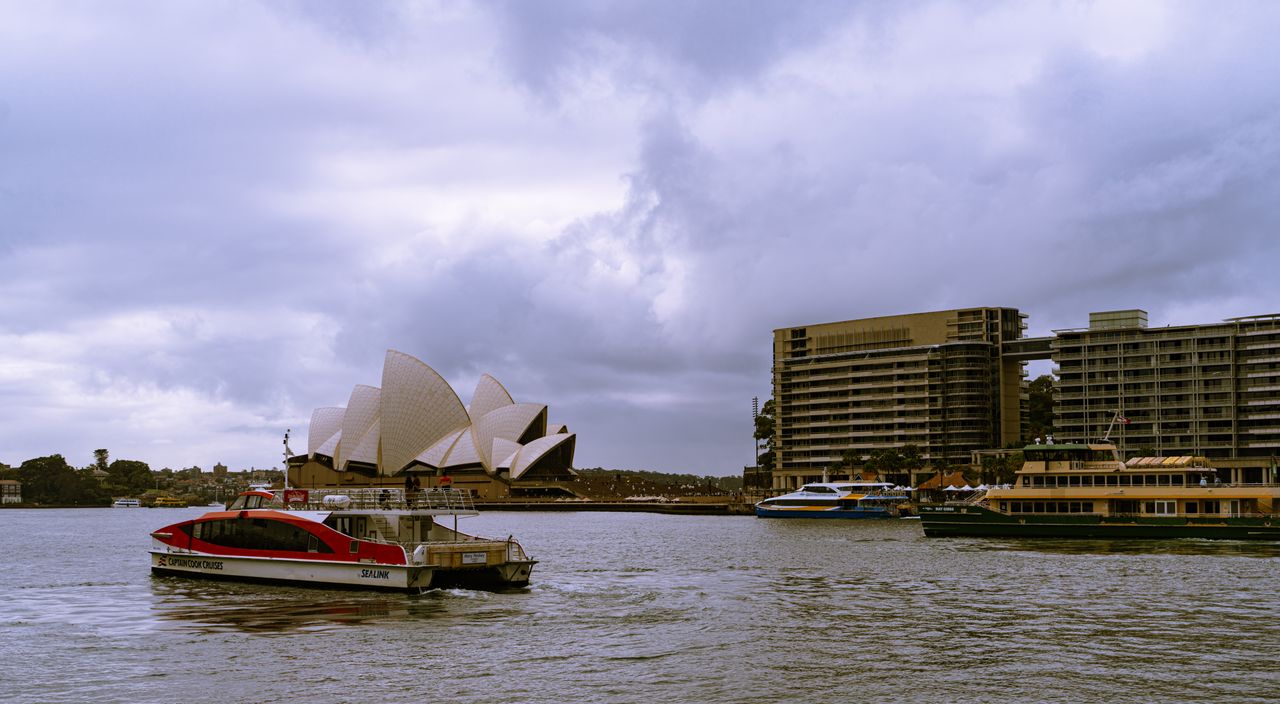
Sydney offers a recognizable harbour setting, city walks, coastal viewpoints, and a strong food scene. Melbourne is a natural fit for a slower urban stay, with neighbourhoods, dining, galleries, and easy reasons to wander through different parts of the city. Add another region when your priorities include beaches, wildlife, wine country, or the landscape of the interior.
HolidayWow can turn a sentence such as “Two weeks in Australia with time for Sydney, Melbourne, and the coast” into a map based plan. The planner reads the place, month, group, pace, and budget, then places each day on the map so your route becomes easy to review and adjust.
What to do in each Australian season
For a summer visit, the destination data shows bright conditions, with January and December both close to 38 °C during the day. Sydney is a good base for harbour walks, coastal scenery, and indoor breaks when the afternoon heat calls for a change of pace. Bring sun protection, refill water bottles, and leave room in the day for slower moments.
Autumn brings comfortable daytime conditions, with March around 35 °C and April around 30 °C. This is a practical season for city sightseeing, harbour ferries, coastal walks, and meals outdoors. In the southern hemisphere, the seasonal transition can feel different from Edmonton, so check the month carefully before choosing your clothing and daily rhythm.
Winter is useful for a different kind of Australia. July records about 21 °C by day and 5 °C at night, with one rain day in the climate data. Indoor dining, museums, markets, and compact city itineraries pair well with this cooler season. A relaxed pace can let you enjoy each neighbourhood without rushing between activities.
From Edmonton to Australia
Australia lies {{dist.home:YEG}} from Edmonton in a straight line. From Toronto it is {{dist.home:YYZ}}. Vancouver lies {{dist.home:YVR}} away. For a trip out of Edmonton, aim for April, May, June and July.

From Montreal it is {{dist.home:YUL}}. Calgary lies {{dist.home:YYC}} away. Door to door, the plan lines up the ride to the airport, the flight with live fares and the transfer on arrival.

Already started
Your trip in Australia
 24 °C by day in August
- from Vancouver about 14 h 48
Day 1
Arrival in Tasmania
Flight from Vancouver in 14 h 48, nonstop. Settle in, first evening by the harbor or in the center.

Day 2
Henbury
Start early; bring water and sturdy shoes.
Day 3
Finke-Gorge-Nationalpark
Start early; bring water and sturdy shoes.
Day 4
Rainbow Valley
Start early; bring water and sturdy shoes.

Day 5
On to Canberra
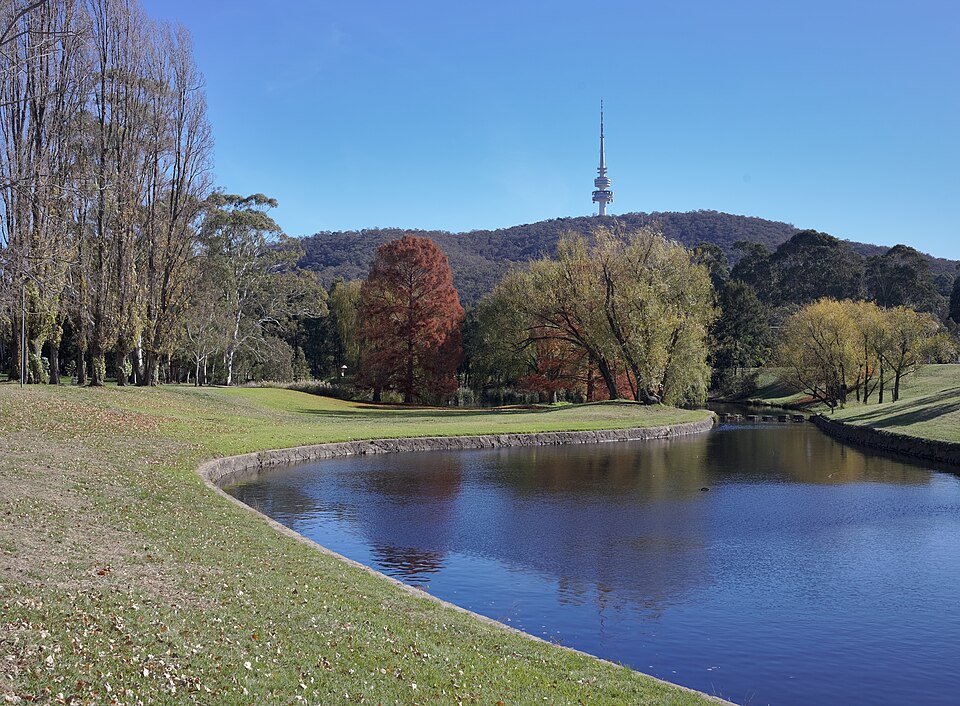
A new base for the next few days; explore Canberra on foot.
Day 6
Angas Downs Indigenous Protected Area
Start early; bring water and sturdy shoes.
Day 7
Last morning and flight home
One last walk, then back to Vancouver.
Look around without an account; sign in to save.
Weather and climate in Australia
The warmest month is January, with 39 °C by day and 24 °C at night. The sunniest month is February, with 11 hours of sun a day.
| Month | Jan | Feb | Mar | Apr | May | Jun | Jul | Aug | Sep | Oct | Nov | Dec |
|---|---|---|---|---|---|---|---|---|---|---|---|---|
| Day °C | 39 | 37 | 35 | 30 | 24 | 20 | 21 | 24 | 29 | 34 | 36 | 38 |
| Night °C | 24 | 22 | 20 | 15 | 10 | 6 | 5 | 8 | 12 | 16 | 19 | 22 |
| Sun h/day | 11 | 11 | 10 | 10 | 9 | 9 | 9 | 10 | 11 | 11 | 11 | 11 |
| Rain days | 5 | 3 | 3 | 2 | 2 | 2 | 1 | 1 | 2 | 3 | 5 | 5 |
Weather in Australia month by month
- January39 °C
- February37 °C
- March35 °C
- April30 °C
- May24 °C
- June20 °C
- July21 °C
- August24 °C
- September29 °C
- October34 °C
- November36 °C
- December38 °C
The best months for Australia
Daytime highs range from 20 °C in June to 39 °C in January. Rain is rarest in July (1 days) and most frequent in January (5 days). The sunniest month is January with 11 hours a day.

For walking and sightseeing in pleasant warmth, aim for April, May, June, July, August and September.
- January: 39 °C, 5 rain days, 11 h of sun
- February: 37 °C, 3 rain days, 11 h of sun
- March: 35 °C, 3 rain days, 10 h of sun
- April: 30 °C, 2 rain days, 10 h of sun
- May: 24 °C, 2 rain days, 9 h of sun
- June: 20 °C, 2 rain days, 9 h of sun
- July: 21 °C, 1 rain day, 9 h of sun
- August: 24 °C, 1 rain day, 10 h of sun
- September: 29 °C, 2 rain days, 11 h of sun
- October: 34 °C, 3 rain days, 11 h of sun
- November: 36 °C, 5 rain days, 11 h of sun
- December: 38 °C, 5 rain days, 11 h of sun
Busy and quiet months in Australia
Search interest for Australia peaks in December and is lowest in August, based on monthly search volumes.
How to shape a April day in Australia
Start early, while the air is still fresh, with the sights that need walking. Midday at 30 °C calls for a slow lunch and a rest. Evenings drop to 15 °C, so plan dinner somewhere warm and keep a layer handy.

Packing for Australia in January
With 39 °C by day and 24 °C at night and 5 rain days in January, pack for heat. Your plan builds this list for you and updates it when you change the dates.
- Light, breathable clothes for the day
- Sun hat and sunscreen
- A refillable water bottle
- A warm layer for the evenings
- Comfortable walking shoes
- A travel adapter for your chargers
Getting there
The quickest way is from Vancouver: you're in Australia in about 14 h 48 on a nonstop flight. The nearest airport is Sydney Kingsford Smith International Airport (SYD), 2,017 km away.
- SYDSydney Kingsford Smith International Airport2,017 km to the destination
- ASPAlice Springs Airport161 km to the destination
| From | Flight time | To | Nonstop flight |
|---|---|---|---|
| Vancouver YVR | about 14 h 48 | SYD | Nonstop |
| Calgary YYC | about 15 h 35 | SYD | |
| Edmonton YEG | about 15 h 42 | SYD | |
| Winnipeg YWG | about 16 h 50 | SYD | |
| Toronto YYZ | about 18 h 16 | SYD | |
| Ottawa YOW | about 18 h 37 | SYD | |
| Montreal YUL | about 18 h 48 | SYD | |
| Halifax YHZ | about 19 h 42 | SYD |
Flight times estimated from the distance, nonstop routes from OpenTravelData.
Travel advice for Australia
Australia ETA by app
The current advice on safety, health and entry is published in full by Travel.gc.ca. Check it before you book and again shortly before you leave.
Checked: October 1, 2026, source: Australian Department of Home Affairs (ETA, subclass 601)
Prices for Australia
Every price for Australia on this page comes live from a partner, in your currency. Open a card to see today's rate for your dates.
Make the long flight work for your group
A long-haul trip is easier to manage when every travel day has a clear purpose. Start with the route from home to the airport, then connect the flight with your arrival transfer and first stay. HolidayWow includes the home departure, the flight, and the transfer to the first accommodation in a door to door plan.

For families, keep the first day light and let the accommodation become the base for meals, unpacking, and recovery. Couples can use a relaxed pace with one or two stops each day. A packed pace suits travelers who want several activities in one day, while the balanced setting offers two or three stops and helps preserve time between them.
Use the plan checker after each edit. Move a museum, beach, or dinner to another day, swap a stop, and let the route update. The map view keeps the whole journey connected, while the shared plan lets companions comment and vote before the final bookings are made.
Compare Edmonton with other Canadian starting points
Edmonton is one of several Canadian gateways for an Australian journey, so compare distance and onward connections when you begin. These distances can help you compare the shape of the journey from different cities.
These figures are useful for a broad comparison, while the current flight and connection choices should be checked live before you settle on a route.
The page can show live partner prices in Canadian dollars, so your planning can stay connected to the same currency used in Canada. The app is free to download and to plan with. Review the map, adjust the pace, and add partner links when the route feels right for your group.
Australia: frequently asked questions
How far is Australia from Edmonton?
The route is a long-haul journey, so compare your available flight connections, departure dates, and arrival plans before booking. A map based itinerary can connect the airport, flight, transfer, and first stay in one sequence.
What is the best time to visit Australia from Edmonton?
The best time depends on the experience you want. January and December are hot, with daytime temperatures around 39 °C and 38 °C. June is cooler, around 20 °C during the day, while March and April offer warm conditions for sightseeing and coastal plans.
How many days should I plan for Australia?
A short first visit can focus on one city and nearby experiences, while a longer trip benefits from several bases. Allow time for each city rather than filling every day with distant stops. HolidayWow can set a relaxed, balanced, or packed pace according to your group and interests.
Can I plan an Australia trip with HolidayWow?
Yes. Describe the trip in one sentence or by voice, including the month, group, interests, and budget. The planner places each day on a map, adds editable stops, and can help organise the home departure, flight, transfer, stays, and activities in one plan.
Can I change Australia itinerary stops after planning?
Yes. You can drag a stop to another day, swap a place, or make a day lighter using HolidayWow. The plan checker reorders the day after each change, and the map helps you see how your route and bases fit together.


Your next trip
Plan your vacation in Australia

Describe your trip in one sentence. When, who with and what matters to you.