Ten years of climate
Temperature, sea, sun and rain days for every month, measured, not guessed. You see how your trip will feel before you go.


The best trip planner app for you depends on how a plan starts, how easily it edits, whether it uses real climate data and real prices, and whether everyone travelling can see the same plan, rather than any single feature on its own.
For a trip where the idea is still rough, a trip planner app that starts from one sentence or a voice note and builds a map-first plan saves the step of turning notes into a route by hand. For a trip that is already mostly decided, an app built around editing and prices matters more than how the plan started.

For a group holiday, the app that matters most is the one that keeps everyone on the same shared plan, with roles for viewing and editing, rather than the one with the most features for a solo traveller.
Some trip planner apps ask for a destination, dates and preferences through a series of screens; others, like HolidayWow, read a single sentence or a voice note for the place, the month, the group, the pace and the budget, and draw the first plan from that straight away. A shorter path to the first draft matters most when the trip idea is still loose.
Either way, the first draft is just the start: what happens when you want to change a stop or a day is usually the better test of an app.

A plan built in a map-first app can be changed by dragging a stop to another day, swapping a place, or lightening a day, with the plan checker re-ordering the route automatically. Three travel paces, relaxed (one to two stops a day), balanced (two to three) and packed (three to five), set for the trip or per day, let the same app suit a slow week and a fuller city break.

An app that needs the whole plan rebuilt after one change asks more of you than one where a drag updates the day and nothing else.
New trip


When, who with, what matters and what's a no. No form, no ten filters. HolidayWow understands the dates, budget, departure point, pace and wishes from one sentence.

New trip
Every idea comes with a total price and a clear answer to why it fits you: weather, flight time, beaches, food, short distances.

Your trip ideas
Sicily
Food · small towns · sea
7 days for 2
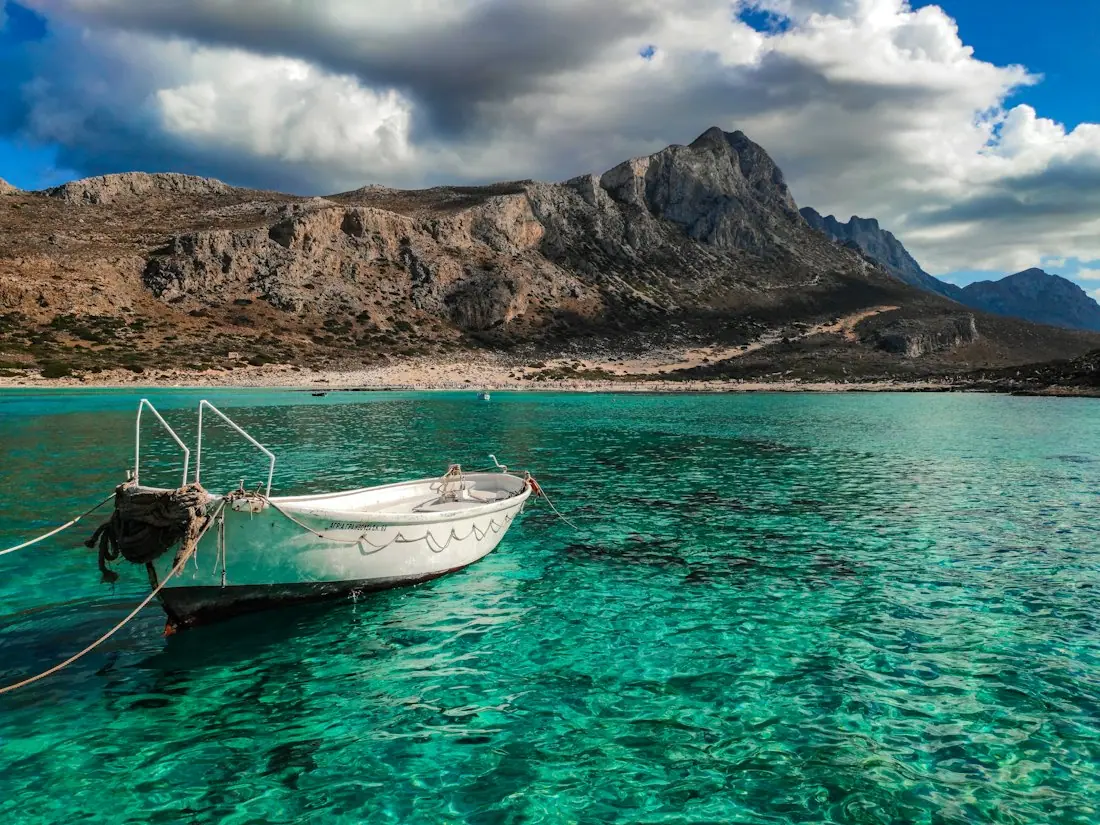
Crete
Sea · tavernas · nature
7 days for 2

Mallorca
Sea · comfort · short distances
7 days for 2
Arrival, transfer, check-in, sunset, dinner. Just say “make it cheaper” or “no car hire” and the trip adapts.

Day 1
Arrival
Arrival in Heraklion Transfer · 35 minCheck-in by the sea
 Sunset
 Taverna at the harbour
Rain on the way? Then the beach day becomes a day at the market and a museum. Flight status, weather and your day plan in one place.

Day 3 · boat trip
Rhodes in July shows day 30 °C, night 25 °C, a sea at 25 °C, 13 hours of sunshine and no rain days, numbers specific enough to plan a beach-heavy pace around, while Crete in December shows day 17 °C, night 14 °C, a sea at 18 °C and 14 rain days, a different shape entirely for the same island group a few months apart. A trip planner app worth using should offer this kind of month-specific detail, built from real climate data, rather than one seasonal line for the whole year.
 CreteiPhoto: Taxiarchos228 · FAL · Wikimedia Commons
 RhodesiPhoto: Böhringer Friedrich · CC BY-SA 2.5 · Wikimedia Commons
Budapest in February (day 6 °C, night minus 2 °C, 8 rain days) and Zakynthos in September (day 26 °C, night 23 °C) show how differently the same app needs to plan for two trips a few months apart.
CreteiPhoto: Taxiarchos228 · FAL · Wikimedia CommonsRhodesiPhoto: Böhringer Friedrich · CC BY-SA 2.5 · Wikimedia Commons
A trip planner app that shows real prices from partners (Booking.com, GetYourGuide, Viator, Trip.com, flight partners), or a button to check the live price, lets you judge a plan on its real cost rather than a rough guess that might change at booking. Booking inside the same app, in pounds, with a trip budget and price watch on the stays you are following, keeps the cost side current as the plan changes.

This is one of the clearest differences between apps: some leave booking to a separate step entirely, while others keep the price next to the plan from the first draft.
One link that opens the same plan for everyone, with roles for who can view and who can edit, voting on stops and comments on a day, turns a personal plan into one a group can use without a separate message thread for every change. A trip film, a short film of the plan on the map, gives a group something to look back on once the trip is booked.


Temperature, sea, sun and rain days for every month, measured, not guessed. You see how your trip will feel before you go.
Direct flights, flight times and transfers from 9 UK airports, worked out from your door to the hotel.

Flights, hotel, transfers and experiences in one sum for everyone traveling, with the provider and when the price was checked. No teaser prices.

Try the same rough idea, a week somewhere warm in July, against a few apps. In HolidayWow, that sentence can return Rhodes at day 30 °C with 13 hours of sunshine, already drawn as a route with timed legs and real prices on the stays, ready to edit by drag and share with a group through one link.

These five points, how the plan starts, how it edits, whether the climate numbers are specific, whether the prices are real, and whether the group can share it, come from what actually changes a trip once planning moves past the first idea. A long list of smaller features rarely matters as much as these five once a trip is a few days from booking.

Weigh the five criteria against how your own trip usually comes together: a rough idea first, or a destination already fixed; a solo trip, or one with other people checking in on the plan. The best trip planner app for a UK bank holiday weekend away may not be the same one that suits a longer summer holiday, and it is fine to use different tools for each as long as the criteria above are checked each time.
It depends on the trip: an app that starts from one sentence suits a rough idea, while one built around easy editing and real prices suits a trip that is already mostly decided. Check how it starts, edits, prices and shares before choosing.
Real prices from partners, or a button to check the live price, let you judge the true cost of a plan rather than a guess that might change once you come to book.
Very, for any trip with more than one traveller. One shared link with roles for viewing and editing keeps everyone on the same plan without separate messages for every change.
Yes. Month-specific numbers for day, night and sea temperature, sunshine hours and rain days let you judge pace and packing properly, rather than relying on a general seasonal guess.
Yes, the app is free to download and to plan with. Real prices for stays, tours and transport are shown by partners inside the plan when you are ready to book.
Yes. A UK bank holiday weekend and a longer summer holiday can suit different approaches, and checking how each app starts, edits, prices and shares helps match the tool to the trip.
Usually not. How a plan starts, edits, prices, shows climate data and shares with a group tends to matter more once a trip nears booking than a longer list of smaller extras.

Your next trip

Describe your trip in one sentence. When, who with and what matters to you.

Where it's warm right now, real fare finds from your airport, bank holiday breaks for your nation and a ready-made trip to take over.