
Best time: June to September
Flights from Birmingham to Devon made simple
Compare available travel options, choose a base such as Exeter, Plymouth or Ilfracombe, then build a route around the coast, moorland and towns that suit your holiday.
In Devon, the best time for a trip is June to September, with daytime highs up to 20 °C and the sea up to 17 °C.
7 days in Devon in July, Beach and hiking, from Manchester on your own
Plan a trip- Best time to go
- June to September
- Sea in August
- 17 °C
- Daytime high in July
- 20 °C
- Flight from Manchester, nonstop
- about 1 h 03


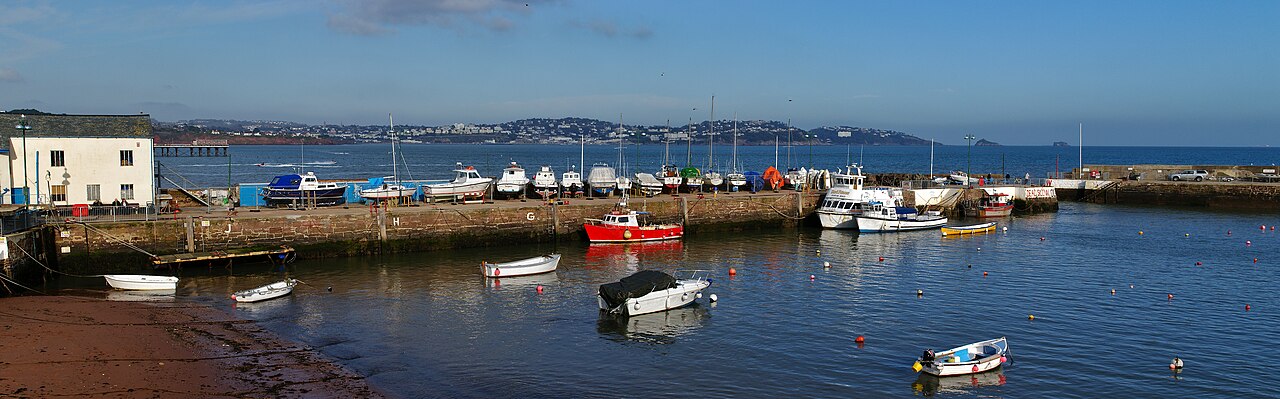
 iPhoto: Lee Maxwell Photography · CC BY 4.0 · Wikimedia Commons
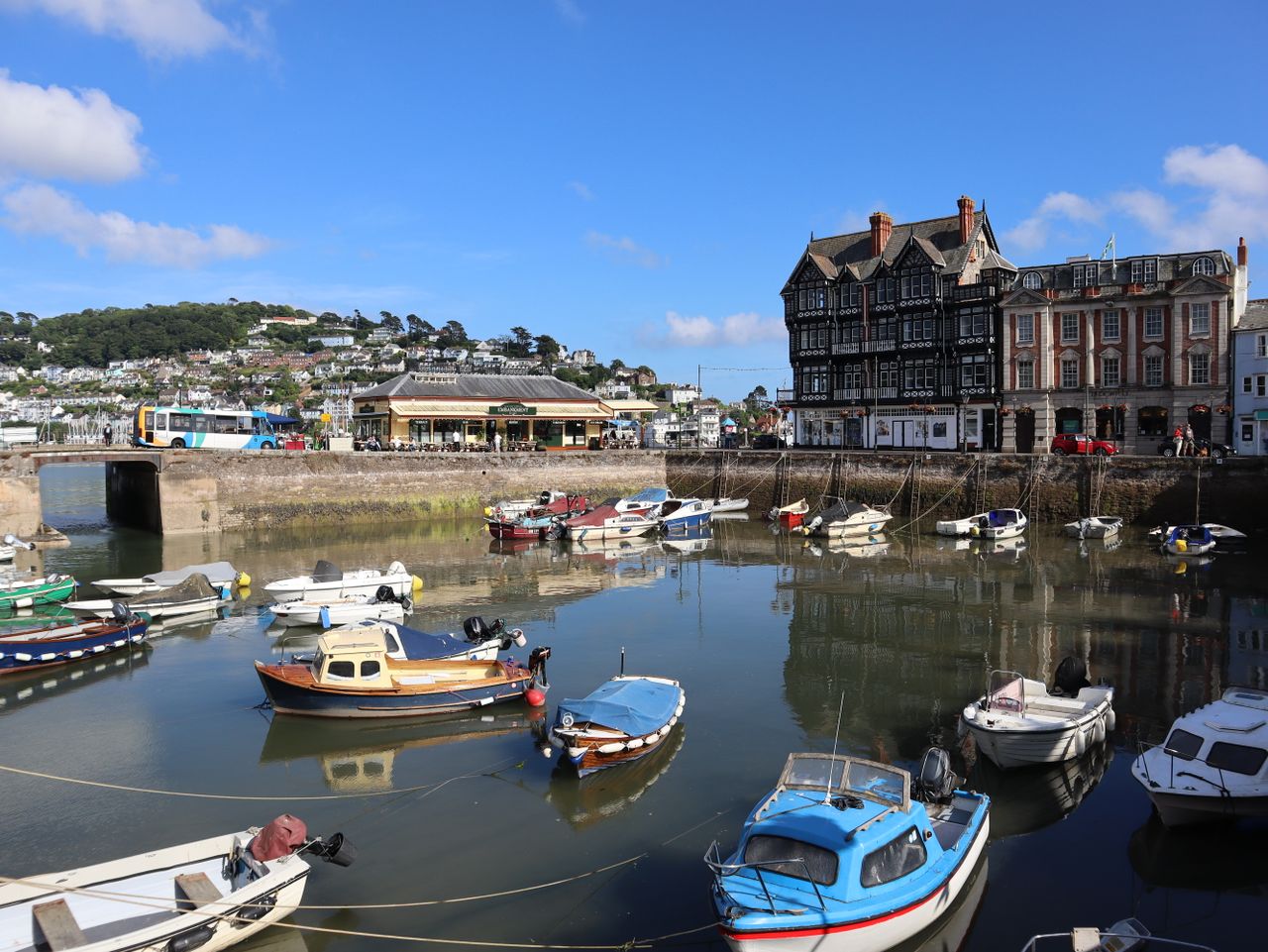
 iPhoto: Lee Maxwell Photography · CC BY 4.0 · Wikimedia Commons
Devon at a glance
- What’s the vibe?
- A journey from Birmingham to Devon can take you to a rail hub, an airport or another transport point, depending on the route available for your dates. Treat the departure airport as the beginning of the journey rather than the whole door to door trip.
- Best time to go
- April offers one of Devon's driest months, with average daytime temperatures of 12 °C, night temperatures of 6 °C and 7 sunshine hours. This is a good season for walks through villages, gardens and open countryside, with a layer for rain and cooler evenings.
- How to get there?
- From Manchester, you can be in Devon in about 1 h 03.
Devon from Birmingham starts with the right connection
A journey from Birmingham to Devon can take you to a rail hub, an airport or another transport point, depending on the route available for your dates. Treat the departure airport as the beginning of the journey rather than the whole door to door trip.
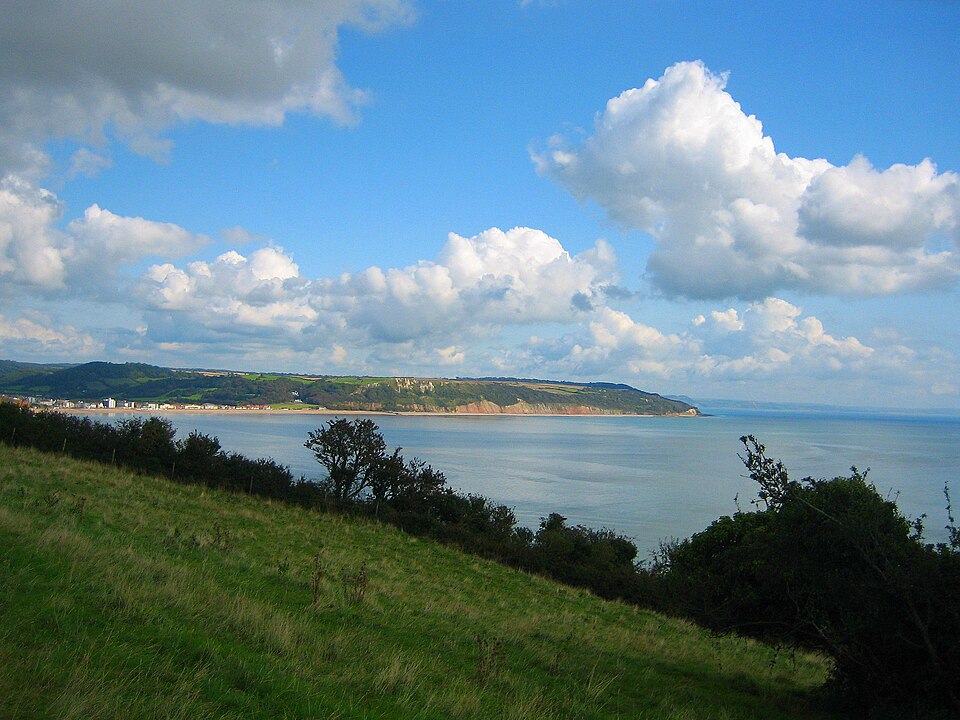
Start by comparing the available arrival points in Devon and the wider South West. Exeter suits travellers who value transport links and a straightforward base. Plymouth brings a strong waterfront setting and easy access to nearby countryside. Dartmouth and Ilfracombe suit slower coastal itineraries, while Exmoor calls for a self drive or a plan built around local transport connections.
Your route should reflect the kind of holiday you want. One base keeps each day simple, while two bases can reveal a wider part of Devon and reduce repeated journeys. HolidayWow reads your place, month, group, pace and budget from a sentence or voice request, then lays the chosen stops and travel legs on a map for a clear view of the whole route.
Choose Exeter, Plymouth or the coast for your base
Exeter works well for a first visit because it gives you access to city culture, the River Exe and routes into Dartmoor and the coast. It also makes sense when your arrival connects through a larger transport hub. From here, you can plan days around local food, cathedral architecture and nearby country before extending the itinerary west or south.
 PlymouthiPhoto: Nilfanion · CC BY-SA 3.0 · Wikimedia Commons
 ExeteriPhoto: mattbuck ( category ) · CC BY-SA 3.0 · Wikimedia Commons
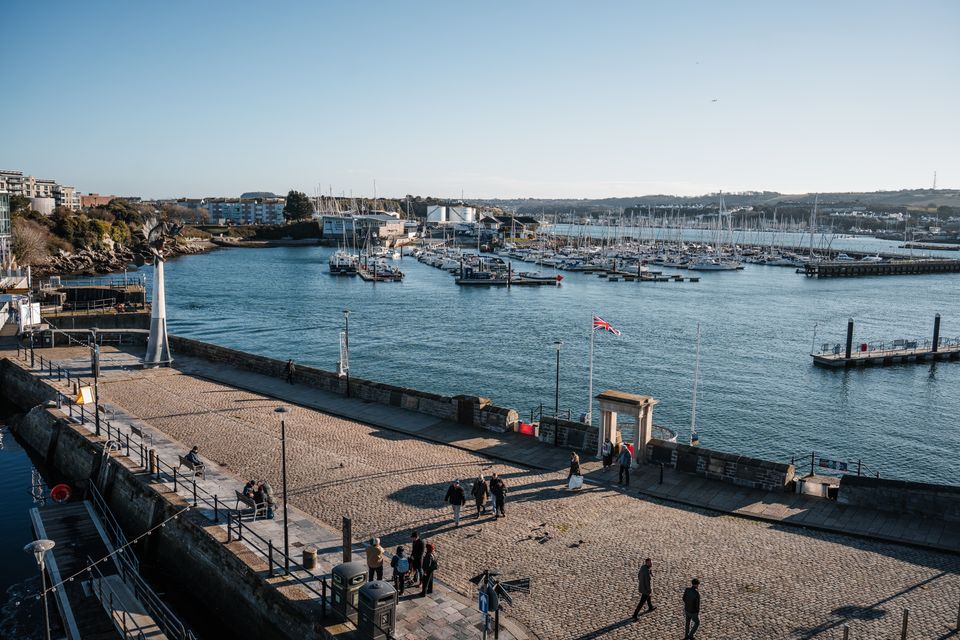
Plymouth has a different appeal, with its waterfront, maritime history and position near Dartmoor. It works particularly well for a family break with a mixture of indoor attractions, beaches and outdoor days. A relaxed pace gives room for the Barbican and Plymouth Sound, while a packed itinerary can add nearby destinations across Devon.
Dartmouth, Salcombe and Ilfracombe suit travellers who want the coast to shape the holiday. Dartmouth pairs steep streets, harbour activity and access by water with towns such as Kingsbridge and Salcombe. Ilfracombe brings a lively harbour, village beaches and the wider North Devon coast. The right base depends on the places you most want to include.
PlymouthiPhoto: Nilfanion · CC BY-SA 3.0 · Wikimedia CommonsExeteriPhoto: mattbuck ( category ) · CC BY-SA 3.0 · Wikimedia Commons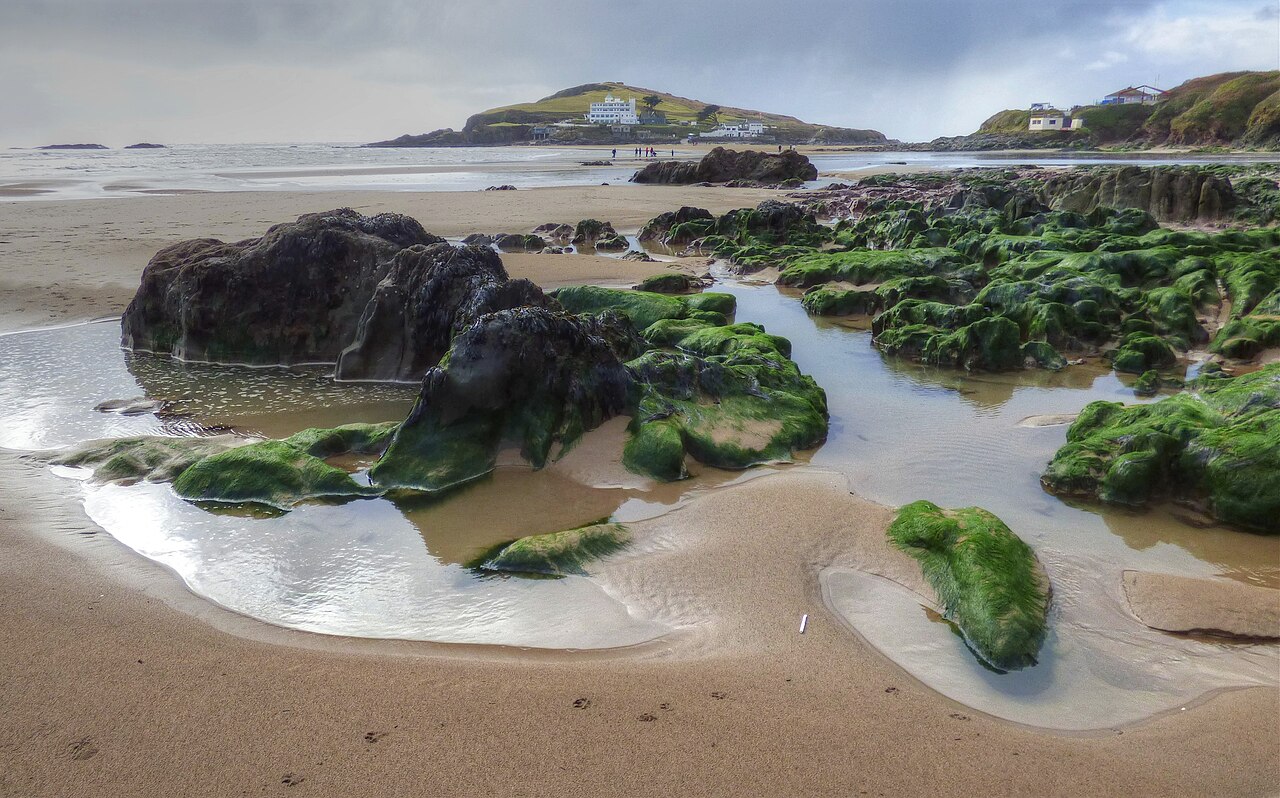
When to visit Devon for walks, beaches and longer days
April offers one of Devon's driest months, with average daytime temperatures of 12 °C, night temperatures of 6 °C and 7 sunshine hours. This is a good season for walks through villages, gardens and open countryside, with a layer for rain and cooler evenings. Spring also brings a fresh look to coastal paths and country towns.
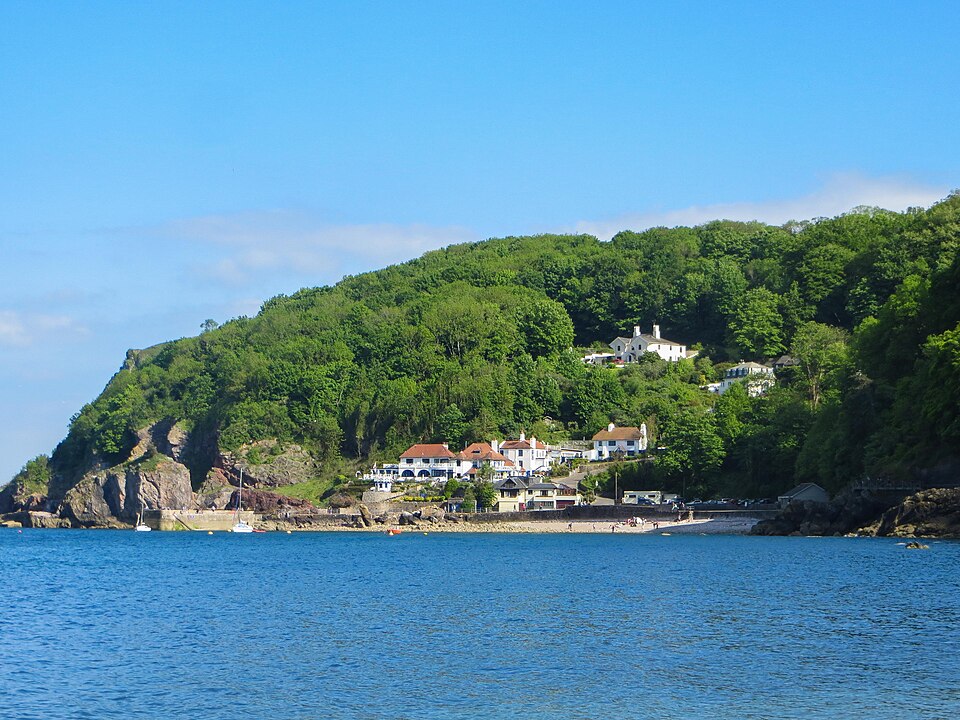

Summer brings the warmest air, with July averaging 20 °C by day, 13 °C at night and 8 sunshine hours. The sea reaches 16 °C in July, which can be refreshing for swimmers and enjoyable for paddleboarding. August remains warm, with daytime temperatures of 19 °C and sea temperatures of 17 °C, making coastal days inviting despite frequent changes in weather.
May and June suit a balanced itinerary, with warmer days and growing daylight for sightseeing and walks. September can be a calm month for late-season visitors, while October and November bring a deeper atmosphere for heritage, food and cosy coastal stops. The generated climate data helps you judge conditions by month, so your packing list and daily plan can reflect the season.
From Birmingham to Devon
From Birmingham, Devon is {{dist.home:BHX}} away as the crow flies. From London Heathrow it is {{dist.home:LHR}}. From London Gatwick it is {{dist.home:LGW}}. From Birmingham, the months that pay off most are July.
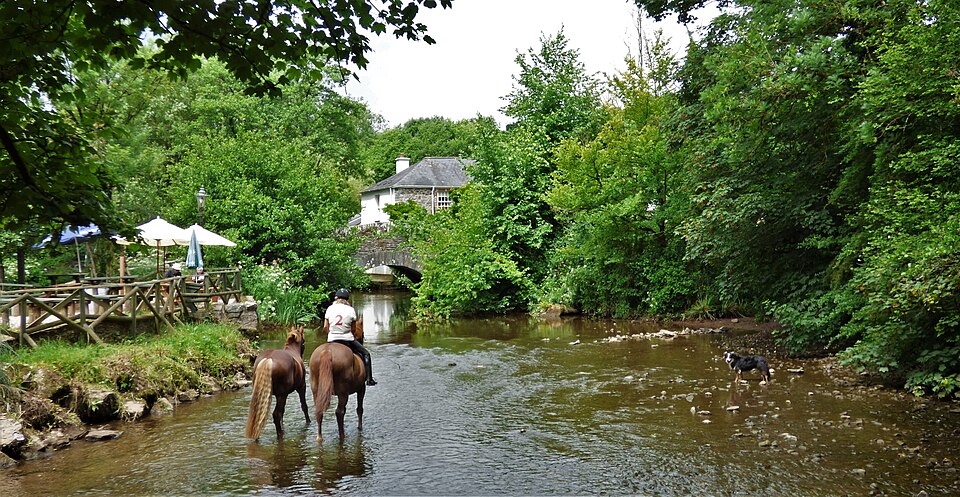
From Manchester it is {{dist.home:MAN}}. London Stansted lies {{dist.home:STN}} away. Door to door, the plan lines up the ride to the airport, the flight with live fares and the transfer on arrival.
Already started
Your trip in Devon
 20 °C by day in July
- Sea 16 °C
- from Manchester about 1 h 03
Day 1
Arrival in Plymouth
Flight from Manchester in 1 h 03, direct. Settle in, first evening by the harbour or in the centre.
Day 2
Oddicombe Beach
Beach day: the sea is around 16 °C in July.
Day 3
Beacon Cove
Beach day: the sea is around 16 °C in July.
Day 4
Coryton Cove Beach
Beach day: the sea is around 16 °C in July.

Day 5
On to Exeter
A new base for the next few days; explore Exeter on foot.
Day 6
Paignton Preston Sands Beach
Beach day: the sea is around 16 °C in July.
Day 7
Last morning and flight home
One last coffee with a sea view, then back to Manchester.
Look around without an account; sign in to save.
Weather and sea temperature in Devon
The warmest month is July, with 20 °C by day and 13 °C at night. The sea reaches 17 °C in August. The sunniest month is June, with 9 hours of sun a day.
| Month | Jan | Feb | Mar | Apr | May | Jun | Jul | Aug | Sept | Oct | Nov | Dec |
|---|---|---|---|---|---|---|---|---|---|---|---|---|
| Day °C | 8 | 8 | 10 | 12 | 15 | 18 | 20 | 19 | 18 | 15 | 11 | 9 |
| Night °C | 5 | 5 | 5 | 6 | 9 | 11 | 13 | 13 | 12 | 10 | 8 | 6 |
| Sea °C | 10 | 9 | 9 | 10 | 12 | 14 | 16 | 17 | 17 | 16 | 14 | 11 |
| Sun h/day | 2 | 3 | 5 | 7 | 8 | 9 | 8 | 7 | 6 | 4 | 2 | 2 |
| Rain days | 18 | 15 | 15 | 11 | 13 | 13 | 14 | 15 | 14 | 18 | 19 | 20 |
Weather in Devon month by month
- January8 °C10 °C
- February8 °C9 °C
- March10 °C9 °C
- April12 °C10 °C
- May15 °C12 °C
- June18 °C14 °C
- July20 °C16 °C
- August19 °C17 °C
- September18 °C17 °C
- October15 °C16 °C
- November11 °C14 °C
- December9 °C11 °C
When to go to Devon
Daytime highs range from 8 °C in January to 20 °C in July. Rain is rarest in April (11 days) and most frequent in December (20 days). The sunniest month is June with 9 hours a day.

The sea stays fresh all year, peaking at 17 °C in August, so the coast is for walks, views and seafood. For walking and sightseeing in pleasant warmth, aim for July.
- January: 8 °C, sea 10 °C, 18 rain days, 2 h of sun
- February: 8 °C, sea 9 °C, 15 rain days, 3 h of sun
- March: 10 °C, sea 9 °C, 15 rain days, 5 h of sun
- April: 12 °C, sea 10 °C, 11 rain days, 7 h of sun
- May: 15 °C, sea 12 °C, 13 rain days, 8 h of sun
- June: 18 °C, sea 14 °C, 13 rain days, 9 h of sun
- July: 20 °C, sea 16 °C, 14 rain days, 8 h of sun
- August: 19 °C, sea 17 °C, 15 rain days, 7 h of sun
- September: 18 °C, sea 17 °C, 14 rain days, 6 h of sun
- October: 15 °C, sea 16 °C, 18 rain days, 4 h of sun
- November: 11 °C, sea 14 °C, 19 rain days, 2 h of sun
- December: 9 °C, sea 11 °C, 20 rain days, 2 h of sun
When people plan trips to Devon
Search interest for Devon peaks in August and is lowest in November, based on monthly search volumes.

How to shape a July day in Devon
Mornings suit an unhurried walk through the old streets or along the water. The warmest hours, at 20 °C, are perfect for being outside. Evenings drop to 13 °C, so plan dinner somewhere warm and keep a layer handy.

Packing for Devon in July
With 20 °C by day and 13 °C at night and 14 rain days in July, pack for changeable mild weather. Your plan builds this list for you and updates it when you change the dates.
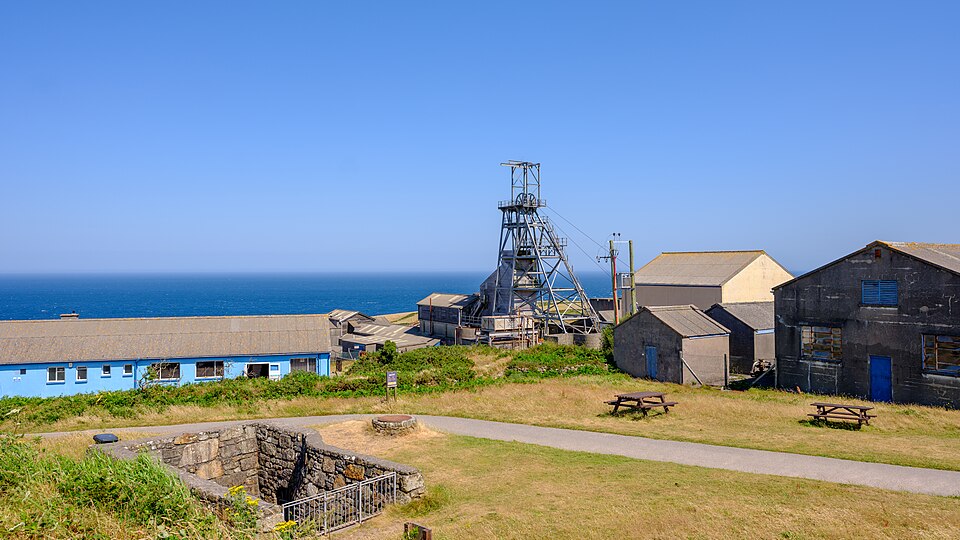 iPhoto: ArildV · CC BY-SA 4.0 · Wikimedia Commons
- Comfortable walking shoes
- A warm layer for the evenings
- A packable rain jacket or umbrella
- A travel adapter for your chargers
iPhoto: ArildV · CC BY-SA 4.0 · Wikimedia Commons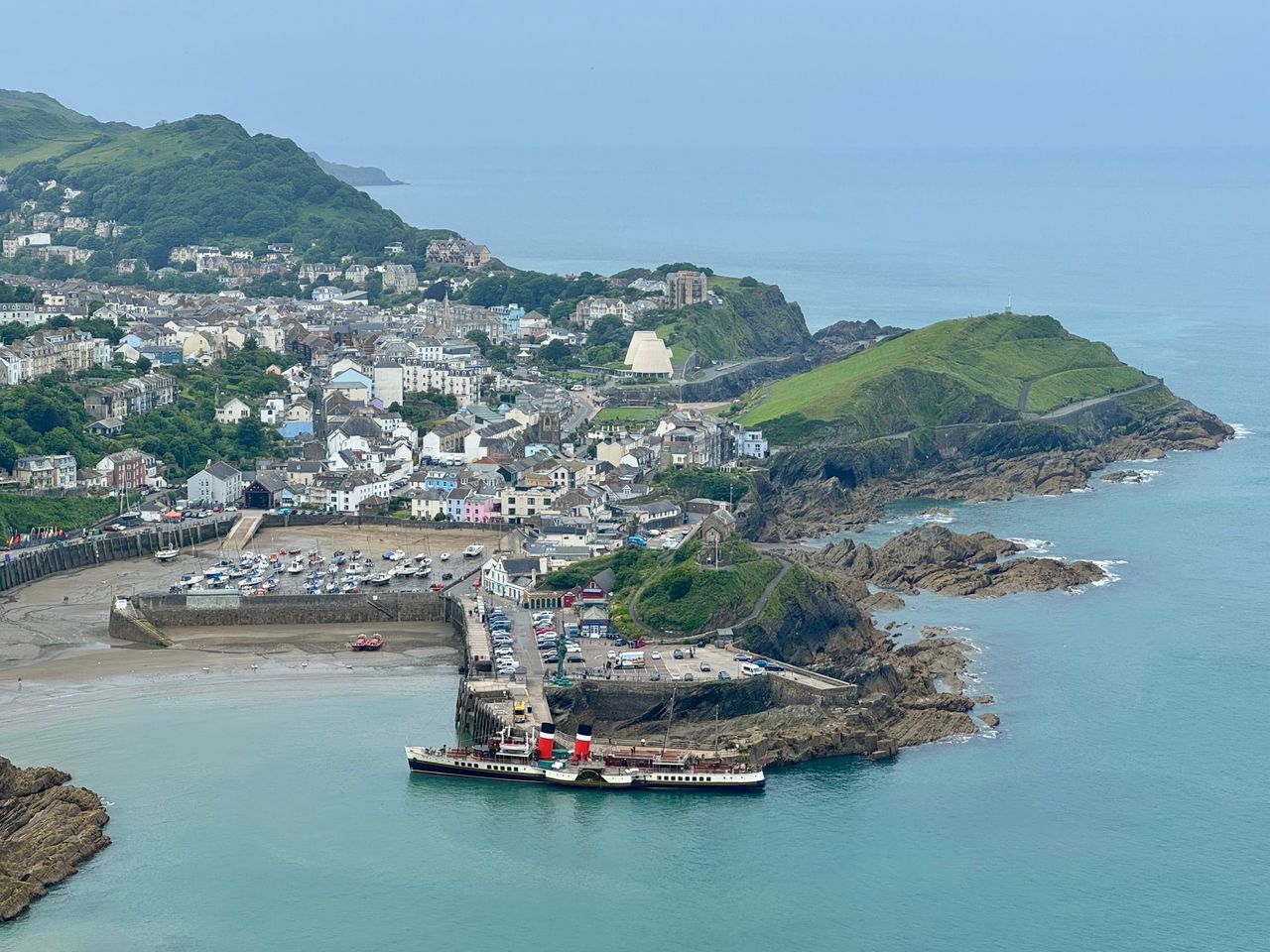
Getting there
The quickest way is from Manchester: you're in Devon in about 1 h 03 on a direct flight. Direct flights leave from 4 UK airports. The nearest airport is Cardiff International Airport (CWL), 52 miles away.
- CWLCardiff International Airport52 miles to the destination
- NQYCornwall Airport Newquay55 miles to the destination
| From | Flight time | To | Direct flight |
|---|---|---|---|
| Manchester MAN | about 1 h 03 | NQY | Direct |
| London Stansted STN | about 1 h 05 | NQY | Direct |
| Edinburgh EDI | about 1 h 12 | CWL | Direct |
| Glasgow GLA | about 1 h 12 | CWL | Direct |
| London Luton LTN | about 1 h 02 | NQY |
Flight times estimated from the distance, direct routes from OpenTravelData.
Prices for Devon
The cards below pull today's partner prices for Devon in your currency, so the number you see is the one you pay.
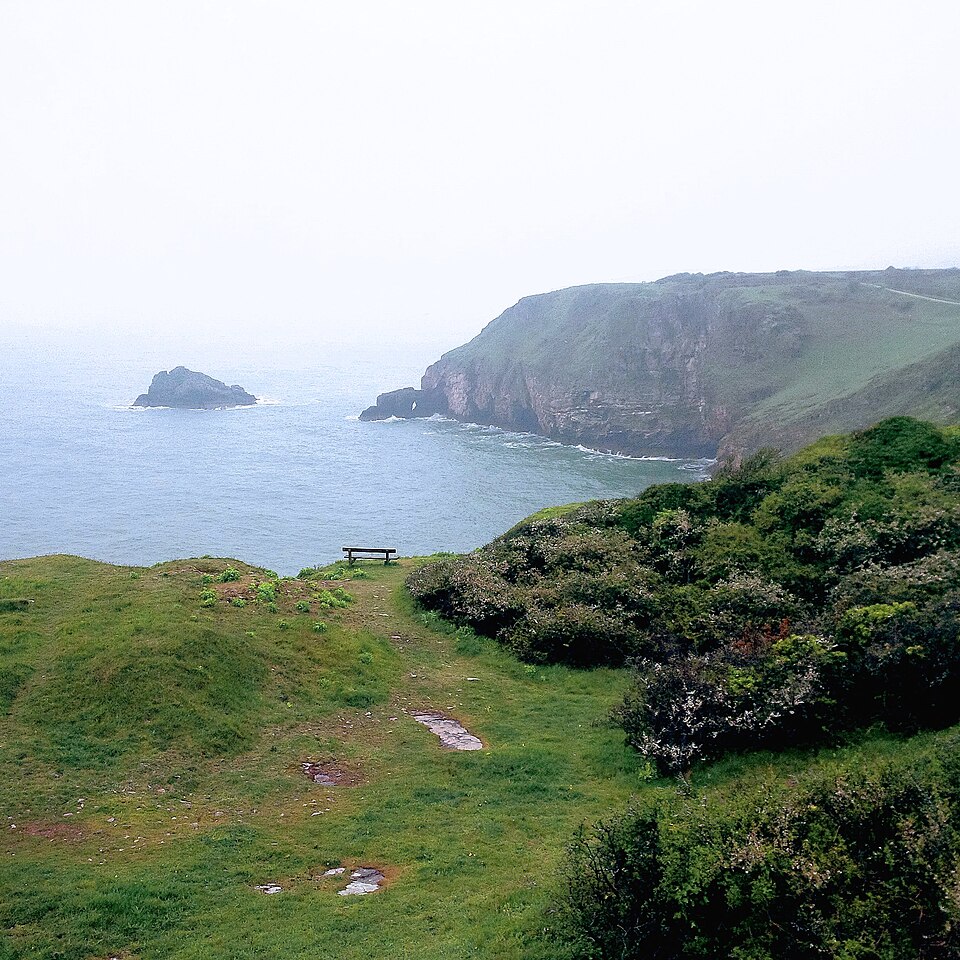
 iPhoto: HA1256 · CC BY-SA 4.0 · Wikimedia CommonsiPhoto: HA1256 · CC BY-SA 4.0 · Wikimedia Commons
Plan Devon as a seven day coastal and countryside break
For a seven day trip, begin in Exeter for a city arrival and a day exploring the River Exe. Move south to Plymouth for its waterfront and maritime attractions, then continue toward the south coast. Each new base can receive a balanced group of sights rather than a rushed collection of places, with travel legs shown directly on the map.


The middle of the holiday can focus on Dartmoor, village scenery and inland food stops. Keep one day flexible for weather and personal interests, since this creates room to follow a clear sky or return to a favourite part of the county. A packed pace suits active travellers, while a relaxed pace gives each base more breathing space.
Finish in Dartmouth, Salcombe or Ilfracombe according to your preferred coast. Dartmouth works well for harbour walks and a slow final day. Ilfracombe opens the route to beaches and North Devon landscapes. HolidayWow lets you move a stop to another day, swap a place and choose relaxed, balanced or packed pacing, with the plan checker reorganising the day after each change.
Getting around Devon once you have arrived
The right transport choice depends on your bases. Rail is useful for reaching larger towns and connecting with Birmingham, while a car gives families and groups flexibility for beaches, villages and rural routes. If you stay in one area, local buses, taxis, walking and seasonal ferry services can shape a slower day without needing a car for every outing.
 iPhoto: HA1256 · CC BY-SA 4.0 · Wikimedia Commons
Allow time for the final connection between your arrival point and Devon. A flight search, rail journey or road transfer can form part of a larger itinerary rather than the complete experience. Check the live options for your dates, and place the arrival and transfer in the same plan so the door to door sequence stays easy to read.
Live prices for stays, transport and activities appear through partner links in your chosen language and currency. The page shows current booking information rather than fixed estimates. For a group, HolidayWow can split costs, share one plan link, assign viewing or editing roles, and collect votes and comments before the final bookings are made.
iPhoto: HA1256 · CC BY-SA 4.0 · Wikimedia CommonsBuild a Devon itinerary around interests and shared plans
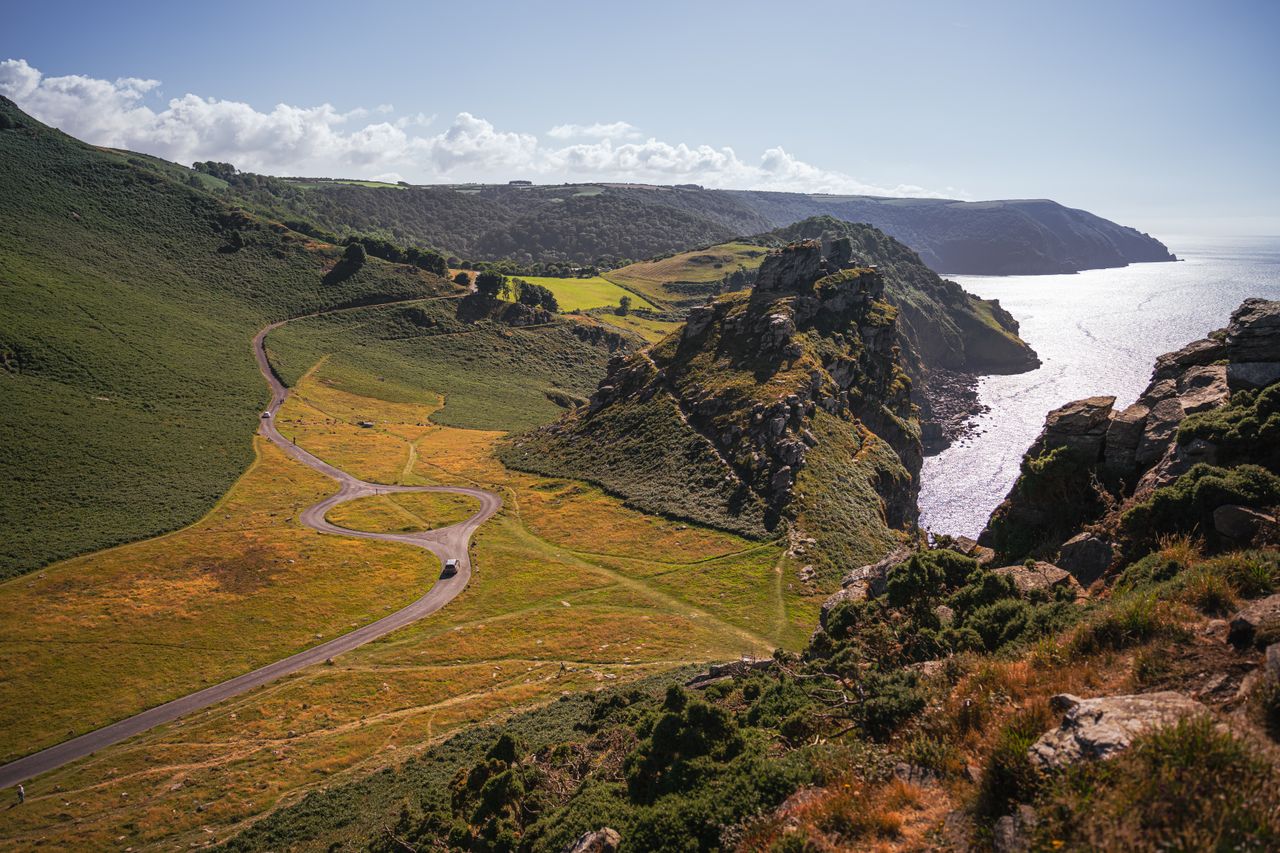
Devon rewards travellers who mix coast and countryside. A walking holiday might include Exmoor, clifftop paths and village routes, while a food trip can follow local markets, seafood restaurants and inland tearooms. History can lead to Exeter Cathedral, Plymouth's maritime story and heritage railway experiences. Families can combine beaches, animal encounters and easy days around a harbour.
Use a month rather than fixed dates if your plans are still forming. HolidayWow works with a month and lets you add dates later, adding weekdays, live weather and live prices to the day cards. The app can also create a packing list and checklist from the plan, month and climate, including useful reminders for a British coastal break.
The Bank Holiday planner can help you connect public holidays and leave days into a longer trip. The app is free to download and to plan with, and large text and voice input make it easy to build or adjust a route. Share the plan with everyone travelling so transport, bases and daily choices stay in one place.
Devon: frequently asked questions
How far is Devon from Birmingham?
Your exact route may involve a rail connection, airport journey, road transfer or a combination of these. HolidayWow places the home, travel legs, stops and accommodation on one map, making the complete door to door plan easier to review.
Which Devon towns make good bases?
Exeter suits visitors who want transport links and access to Dartmoor. Plymouth combines a waterfront city break with heritage and family attractions. Dartmouth, Salcombe and Ilfracombe suit coastal stays, while a village base can support walkers and visitors who prefer slower days in the countryside.
What is the best time to visit Devon?
April offers drier weather for walks, while July and August bring warmer air and sea conditions for coastal days. May, June and September balance outdoor plans with comfortable sightseeing. The right month also depends on whether your priority is walking, beaches, food, heritage or a relaxed break in a particular town.
Can I edit a Devon plan after I start it?
Yes. HolidayWow lets you drag a stop to another day, swap a place or make a lighter day. The plan checker then reorders the day. You can choose a relaxed, balanced or packed pace, set it for the whole trip or adjust individual days as your plans develop.
Can I share a Devon trip with my group?
You can share one plan link with roles for viewing and editing. Group members can vote, comment and keep the itinerary together. The app also supports cost splitting, a home currency budget, a document vault and a packing list, so the practical details can stay connected to the route.


Plan your holiday in Devon

Describe your trip in one sentence. When, who with and what matters to you.