Ten years of climate
Temperature, sea, sun and rain days for every month, measured, not guessed. You see how your trip will feel before you go.

Published October 5, 2026 · HolidayWow editors · Written with AI, numbers checked against our data ·
To plan a family trip, start with who is traveling, choose dates that work with school and PTO, pick a destination that suits every age, and build a daily pace around meals, naps, and downtime. HolidayWow turns those details into an editable map plan, a shared itinerary, a budget, and practical checklists.
The best way to plan a family trip is to begin with the people, not the destination list. Note each child’s age, school schedule, meal needs, bedtime, nap routine, interests, and energy level. Adults should add the days they need for PTO, travel expectations, and the activities they want to include. This creates a useful starting point for a plan that feels comfortable across the whole group.
A good family day has breathing room. Young children often benefit from a main activity, a meal, a rest period, and a shorter evening plan. Older travelers may want more independence, while mixed-age families can share anchors and split into smaller groups for part of the day. HolidayWow reads the group, pace, place, month, and budget from a sentence or voice input, then turns those preferences into a map-first plan with every stop and day visible.
Think about the family’s normal weekly rhythm before setting the pace. A relaxed trip with a smaller number of stops can feel fuller than a packed day that leaves no time for a nap or an unplanned stop. The right balance depends on the children’s ages and the family’s tolerance for change, so keep the first version of the itinerary flexible and make adjustments as people respond to the destination.
School calendars shape family vacation planning. Depending on your family’s situation, spring break, summer vacation, Thanksgiving, or Christmas break may be the natural period to travel. Compare the school dates with adult work schedules before choosing the destination. HolidayWow’s PTO planner uses official US holiday and leave-day data to turn public holidays and available leave into a practical planning window.


A familiar holiday period can also create demand for flights, stays, tours, and transportation, so keep an eye on live partner prices as your plans develop. The page shows current prices or a Check live price button rather than an estimate. That makes it easier to decide when a date range works for the school calendar and when another week gives your family a more comfortable fit.
Build in a little continuity around the dates. A departure early in the week can make the return easier for some families, while a trip around a holiday may suit relatives who also have time away. Add the dates after choosing a month if the first decision is still flexible. HolidayWow can add weekdays, live weather, and live prices to the day cards later.

Destination choice becomes easier when every family member has a reason to enjoy the trip. Younger children may respond well to beaches, pools, animal experiences, or short walks. Older children may want museums, cycling, shopping, surfing, or a sense of adventure. Adults can shape the days around food, scenery, culture, rest, and a few memorable experiences.
 San DiegoiPhoto: JiriMatejicek · CC BY-SA 4.0 · Wikimedia Commons
 AustiniPhoto: Ermell · CC BY-SA 4.0 · Wikimedia Commons
Use the month to check what families will experience on the ground. For a spring break example, San Diego in April has daytime temperatures around 70 °F, nighttime temperatures around 51 °F, sea temperatures around 61 °F, 9 sunshine hours, and 3 rain days. A family can plan beach time, an easy indoor stop, and a relaxed evening without relying on a forecast that may change before departure.
For a different family trip, Austin in May offers daytime temperatures around 87 °F, nighttime temperatures around 66 °F, 8 sunshine hours, and 12 rain days. That combination can suit a group that wants active days with shaded breaks, indoor options, and a slower rhythm during the warmest part of the day. Climate figures help you choose the month and pack for the conditions your family will meet.
San DiegoiPhoto: JiriMatejicek · CC BY-SA 4.0 · Wikimedia CommonsAustiniPhoto: Ermell · CC BY-SA 4.0 · Wikimedia CommonsNew trip


When, who with, what matters and what's a no. No form, no ten filters. HolidayWow understands the dates, budget, departure point, pace and wishes from one sentence.

New trip
Every idea comes with a total price and a clear answer to why it fits you: weather, flight time, beaches, food, short distances.

Your trip ideas
Sicily
Food · small towns · sea
7 days for 2
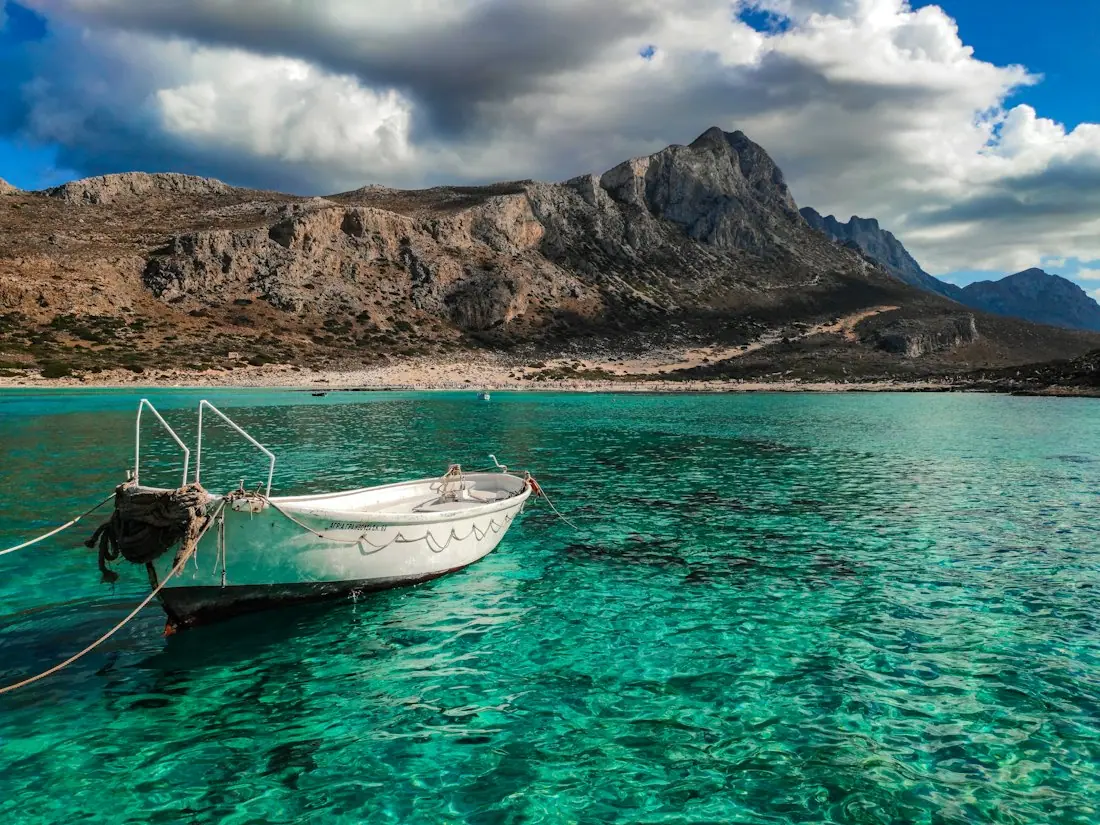
Crete
Sea · tavernas · nature
7 days for 2
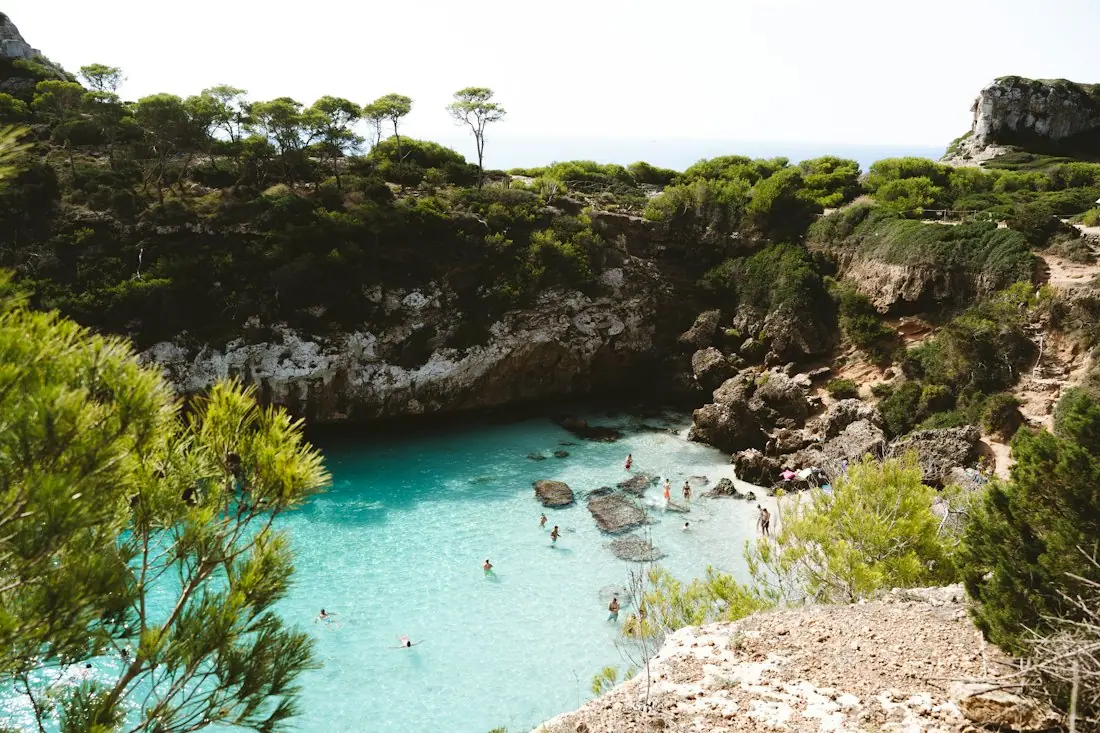
Mallorca
Sea · comfort · short distances
7 days for 2
Arrival, transfer, check-in, sunset, dinner. Just say “make it cheaper” or “no rental car” and the trip adapts.

Day 1
Arrival
Arrival in Heraklion Transfer · 35 minCheck-in by the sea
 Sunset
 Taverna at the harbor
Rain on the way? Then the beach day becomes a day at the market and a museum. Flight status, weather and your day plan in one place.

Day 3 · boat trip
A family itinerary should describe a day people can actually experience. HolidayWow offers relaxed, balanced, and packed travel paces, and you can set one for the trip or change the pace by day. A relaxed plan can include 1 or 2 stops, a balanced plan 2 or 3 stops, and a packed plan 3 to 5 stops. These are planning choices, not rules, and the plan can be adjusted as the family learns what works.

Place the most demanding activity where it fits the group’s energy. A long walk or major attraction may suit the first part of a day, while a quieter meal or pool time can create a useful reset. For mixed ages, give everyone a shared anchor, then leave room for a separate choice. This keeps the group connected without asking every person to have the same appetite for activity.
HolidayWow can redraw the day after you drag a stop, swap a place, or lighten a day. The map makes the sequence easy to discuss with the group, and the plan checker reorders each changed day. That gives you a practical way to answer questions such as where lunch fits, which stop belongs on the travel day, and where a rest period can sit between activities.

A shared map gives the family one clear view of the trip. Every day is drawn as a route, every stop is a pin, and the plan can begin at home with the ride to the airport, the flight, and the transfer to the first stay. This makes the overall shape easy to understand before anyone is waiting at a gate or crossing town.

The map is especially useful when several adults are coordinating different details. One person can review the stay, another can look at activities, and the children can see where the family will be later in the day. HolidayWow includes a side-panel assistant that knows what you selected, such as a day, stop, or moment in the trip film, and changes the plan through the same actions as the buttons.
The trip film lets the plan play as a short film on the map, with the flight arc, bases, and days included. That gives the group a shared preview of the route and makes it easier to discuss the trip before everyone gathers. You can share the plan with one link, assign viewing and editing roles, and let group members vote and comment.
Imagine a family spring break trip to Hawaii. The family can describe it in one sentence, such as “A week in Hawaii with the kids in spring break,” and HolidayWow reads the place, month, group, and desired pace. February climate data shows daytime temperatures around 76 °F, nighttime temperatures around 71 °F, sea temperatures around 75 °F, 8 sunshine hours, and 13 rain days. That information helps the family plan warm beach time, water activities, indoor breaks, and flexible outdoor moments.
 HawaiiiPhoto: E bailey · CC BY-SA 4.0 · Wikimedia Commons
 Los AngelesiPhoto: Tuxyso · CC BY-SA 3.0 · Wikimedia Commons
The home city belongs in the trip conversation. From Atlanta, the live distance token is 813 miles, while from Los Angeles it is 1,233 miles. These tokens keep the distance display current. Use them to compare the family’s departure point and the destination, then let the map show the full journey from home through the arrival area.
A second example can show how a different month changes the packing and daily rhythm. Palm Springs in March has daytime temperatures around 69 °F, nighttime temperatures around 42 °F, 10 sunshine hours, and 3 rain days. The plan can include outdoor activities during the warmer hours and a clear routine for cool evenings. The family can choose the month based on the experience everyone wants, then use the generated packing list and checklist to prepare.
HawaiiiPhoto: E bailey · CC BY-SA 4.0 · Wikimedia CommonsLos AngelesiPhoto: Tuxyso · CC BY-SA 3.0 · Wikimedia Commons
Temperature, sea, sun and rain days for every month, measured, not guessed. You see how your trip will feel before you go.
Nonstop flights, flight times and transfers from 12 US airports, worked out from your door to the hotel.

Flights, hotel, transfers and experiences in one sum for everyone traveling, with the provider and when the price was checked. No teaser prices.

A family budget works best when it covers the categories that shape the trip: getting there, stays, local transportation, activities, and food. HolidayWow builds a budget in your home currency and adds cost splitting for groups, so each person can see the structure of the trip. The plan can also use price watch for stays and tours while your family reviews options.
The page shows live partner prices for stays, tours, and transport, with a Check live price button when a current amount is not displayed. Partner links appear in your language and currency, and booking happens inside the plan. Live pricing gives your family a current basis for choosing dates, rooms, activities, and transport rather than relying on a remembered amount.
A shared budget also makes group decisions easier. Adults can discuss the priorities while children help choose experiences, and the family can vote on places or activities in the shared plan. Keep the budget in the plan, revisit it when a booking changes, and use the cost splitting tools to keep contributions visible for everyone.
Family preparation works best when it is attached to the trip rather than kept in separate notes. HolidayWow creates a packing list and checklist from the plan, month, and destination climate. That makes it easier to include the layers, sun protection, comfortable shoes, medicines, snacks, and activity items your family needs for the specific month and route.
Store passports, tickets, and confirmations in the document vault with the trip they belong to. Everyone in the group can understand where the current information lives, and the shared plan keeps the travel details together. Before departure, review the list as a family, assign items to the person carrying them, and check the plan for the latest booking and transfer details.
For a family with a long travel day, keep essentials accessible and divide larger items among the adults. A shared checklist gives everyone the same view of what is ready. Large text and voice input are available for travelers who prefer them, and the free app lets the family download it and begin planning together.
Start with your school calendar, compare it with adult PTO, and choose a travel window that gives everyone time to participate. Spring break, summer vacation, Thanksgiving, and Christmas break are common options. HolidayWow’s PTO planner uses official US holiday and leave-day data to help turn those dates into a longer trip window.
Describe the trip in one sentence or use voice input, then choose a place, month, group size, pace, and budget. HolidayWow turns those details into an editable map plan with daily routes, stops, a packing list, and a checklist. The family can review the structure together before making bookings.
Choose a pace that leaves room for meals, naps, and downtime. HolidayWow offers relaxed, balanced, and packed settings for the whole trip or for individual days. You can change the pace, move stops, swap places, and let the plan checker reorder the day as the family refines the itinerary.
Yes. Share one plan link with the group, choose who can view or edit, and use voting and comments during planning. The map, day cards, trip film, and selected details stay connected, so relatives and friends can review the same version of the trip.
HolidayWow can plan the trip and show live partner prices for stays, tours, and transport. Booking happens through partner links in your language and currency. The page displays current prices or a Check live price button, helping your family compare options as you make decisions.
HolidayWow provides monthly climate data for day and night temperature, sea temperature, sunshine hours, and rain days. The data comes from NASA POWER for air and NOAA OISST for sea temperatures. Use those monthly figures to choose a month and build a packing list and daily rhythm for your family.
Your next trip

Describe your trip in one sentence. When, who with and what matters to you.

Where it's warm right now, real fare finds from your airport, the best PTO days for your state and a ready-made trip to make your own.