Ten years of climate
Temperature, sea, sun and rain days for every month, measured, not guessed. You see how your trip will feel before you go.


Published October 5, 2026 · HolidayWow editors · Written with AI, numbers checked against our data ·
To plan a trip with AI, describe where you want to go, when you want to travel, who is coming, your pace, and your budget. HolidayWow turns that description into an editable map with daily routes, stops, live prices, weather, packing guidance, and tools for planning together.
The easiest way to plan a trip using AI is to give it a useful starting point rather than a vague destination. Tell the planner the place, month, length, group, pace, and budget in one sentence or through voice. A prompt such as “A week in Hawaii with the kids in spring break” gives the system the context it needs to shape the first plan.
 HawaiiiPhoto: E bailey · CC BY-SA 4.0 · Wikimedia Commons
 HawaiiiPhoto: Frank Schulenburg · CC BY-SA 3.0 · Wikimedia Commons
Include the details that change the shape of your vacation. Mention the people traveling, the amount of time available, the kind of trip you want, and any budget guidance. You can also say whether you prefer a relaxed trip with space between activities or a packed trip that makes the most of each day.
HawaiiiPhoto: E bailey · CC BY-SA 4.0 · Wikimedia CommonsHawaiiiPhoto: Frank Schulenburg · CC BY-SA 3.0 · Wikimedia CommonsOnce you describe the trip, HolidayWow reads the place, month, group, pace, and budget from your words. The result is map first. Each day becomes a route, each stop appears as a pin, and each leg shows its travel time. This gives you a visual structure that you can understand before you begin changing individual details.

You can plan with a month and add exact dates later. Once dates are present, the day cards show the weekday, live weather, and live prices. That sequence works well when your vacation dates are flexible at first. It also lets you compare the shape of the trip with the practical details that become available later.

Climate data helps you check the month before committing to an itinerary. HolidayWow includes day and night temperatures, sea temperature, sunshine hours, and rain days for every month. The data comes from NASA POWER for air conditions and NOAA OISST for sea conditions, so you can use consistent monthly information while shaping the trip.
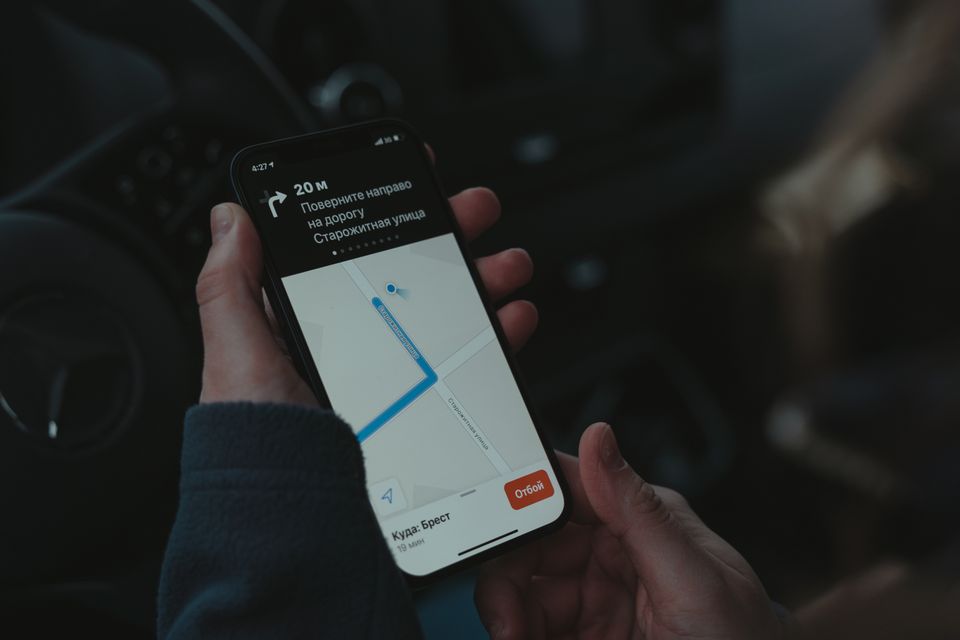
For example, Hawaii in August has a daytime temperature of 83 °F, a nighttime temperature of 77 °F, a sea temperature of 79 °F, 10 sunshine hours, and 9 rain days. That combination supports a beach-focused plan with flexible indoor stops. Park City in March has daytime temperatures of 38 °F, nighttime temperatures of 19 °F, 8 sunshine hours, and 12 rain days, so warm layers and weather-ready activities belong in the plan.
New trip


When, who with, what matters and what's a no. No form, no ten filters. HolidayWow understands the dates, budget, departure point, pace and wishes from one sentence.

New trip
Every idea comes with a total price and a clear answer to why it fits you: weather, flight time, beaches, food, short distances.

Your trip ideas
Sicily
Food · small towns · sea
7 days for 2
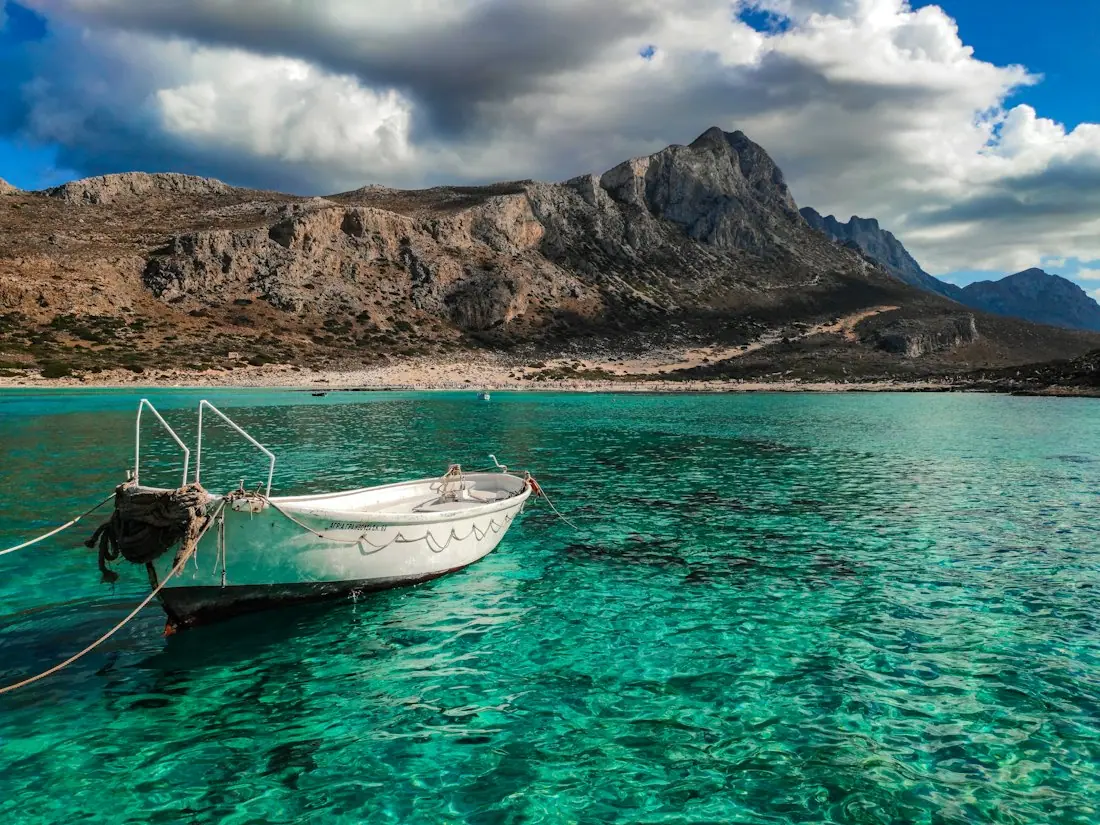
Crete
Sea · tavernas · nature
7 days for 2

Mallorca
Sea · comfort · short distances
7 days for 2
Arrival, transfer, check-in, sunset, dinner. Just say “make it cheaper” or “no rental car” and the trip adapts.

Day 1
Arrival
Arrival in Heraklion Transfer · 35 minCheck-in by the sea
 Sunset
 Taverna at the harbor
Rain on the way? Then the beach day becomes a day at the market and a museum. Flight status, weather and your day plan in one place.

Day 3 · boat trip
An AI-generated itinerary becomes useful when you treat it as a working draft. Drag a stop to another day, swap a place, or make a day lighter. HolidayWow then re-orders the day after each change, so the route reflects the decision you just made instead of leaving the old sequence in place.
Choose a pace that matches your energy and the people traveling with you. A relaxed pace usually calls for 1 to 2 stops a day, a balanced pace for 2 to 3 stops, and a packed pace for 3 to 5 stops. You can set the pace for the whole trip or change it by day, which helps with arrival days, rest days, and days when everyone has extra energy.

After the route feels right, check the practical parts of the trip inside the plan. Stays, tours, and transport come from partners such as Booking.com, GetYourGuide, Viator, Trip.com, and flight partners. HolidayWow shows the live price when a partner provides it, or presents a “Check live price” button. The page uses live partner prices rather than estimates, so you can make decisions from current information.

Booking links appear within the plan in your language and currency. You can compare a stay’s location with the daily route before you open the booking page. For a trip that begins at home, the door-to-door view can include the ride to the airport, the flight, and the transfer to the first stay, giving you a connected view of the journey.
The map becomes more helpful when you add a home city. From Atlanta, Austin is 813 miles away, while Los Angeles is 1,233 miles away. From Atlanta, New Orleans is 417 miles away, and from Los Angeles it is 1,678 miles away. These live distances help you frame the trip without writing a fixed travel time into the itinerary.
 Los AngelesiPhoto: Tuxyso · CC BY-SA 3.0 · Wikimedia Commons
 New OrleansiPhoto: thepipe26 · CC BY 2.0 · Wikimedia Commons
Try the same method with other destinations. San Diego in October is 1,886 miles from Atlanta and 111 miles from Los Angeles. Hawaii in August is 4,493 miles from Atlanta and 2,551 miles from Los Angeles. The map then gives you a shared place to compare the route, arrival day, bases, and daily stops.
Los AngelesiPhoto: Tuxyso · CC BY-SA 3.0 · Wikimedia CommonsNew OrleansiPhoto: thepipe26 · CC BY 2.0 · Wikimedia Commons
Temperature, sea, sun and rain days for every month, measured, not guessed. You see how your trip will feel before you go.
Nonstop flights, flight times and transfers from 12 US airports, worked out from your door to the hotel.

Flights, hotel, transfers and experiences in one sum for everyone traveling, with the provider and when the price was checked. No teaser prices.

A strong US trip plan accounts for the time that your group can actually take away. HolidayWow includes a PTO planner that turns public holidays and leave days into longer trip ideas from official holiday data. The US market name is PTO planner, and the plan can reflect spring break, summer vacation, Thanksgiving, or Christmas break when those periods match your dates.

A family prompt can mention children, school schedules, and the preferred length of the stay. A couple can focus on a shorter city break, while a group can use comments and voting to settle choices. For a first version, give the planner the month and add dates later. The plan then grows from a broad idea into a dated vacation with live weather and live prices on the relevant cards.
Planning works better when everyone can see the same itinerary. Share the plan through one link. Group members can open the same map, view the route, leave comments, and vote on options. Roles determine who can view and who can edit, so you can keep the planning stage open to the group while maintaining control over the plan.

The trip film gives the group another way to understand the vacation. The plan plays as a short film on the map, including the flight arc, bases, and each day. Use it to discuss the overall rhythm of the trip, then return to the map when you need to adjust a particular day. The side-panel assistant also knows whether you selected a day, a stop, or a moment from the film, so you can request a change in context.

The final planning pass connects the route with the details you will use on vacation. Create a trip budget in your home currency, set price watch for stays and tours, and use cost splitting when the group is traveling together. These tools help you keep the financial side of the plan beside the daily schedule instead of scattered across separate notes.
 SplitiPhoto: dronepicr · CC BY 2.0 · Wikimedia Commons
HolidayWow can build a packing list and checklist from the trip, the month, and the climate where you are going. A document vault keeps passports, tickets, and confirmations with the trip they belong to. Large text and voice input also make the planning process comfortable for travelers who prefer those formats. The app is free to download and free to plan with.
SplitiPhoto: dronepicr · CC BY 2.0 · Wikimedia CommonsStart with one clear sentence that names the destination, month, trip length, travelers, pace, and budget. HolidayWow uses those details to build an editable map with daily routes, stops, travel legs, climate information, and planning tools. You can add exact dates after the first version is ready.
Yes. HolidayWow accepts a trip description in one sentence or by voice. You can say the place, dates, group, pace, and budget, then refine the plan through the side-panel assistant. Voice input is useful when you want to capture the idea while moving through your day.
Yes. You can drag a stop to another day, swap a place, or lighten a day. The plan checker re-orders the route after each change. HolidayWow also offers relaxed, balanced, and packed paces, with the ability to set the pace for the trip or for an individual day.
When you add dates, day cards show live weather. HolidayWow also provides monthly climate data, including daytime and nighttime temperatures, sea temperature, sunshine hours, and rain days. The air data comes from NASA POWER, while sea data comes from NOAA OISST.
You can explore stays, tours, transport, and flight options through partner links inside the plan. Prices are live partner prices when available, or the page presents a “Check live price” button. Booking takes place with the relevant partner in your language and currency.
HolidayWow works well for families, couples, and groups because you can describe the travelers and their preferred pace. Shared plans let group members view, comment, and vote, with roles for viewing and editing. The US PTO planner also helps organize trips around spring break, summer vacation, Thanksgiving, and Christmas break.
Your next trip

Describe your trip in one sentence. When, who with and what matters to you.

Where it's warm right now, real fare finds from your airport, the best PTO days for your state and a ready-made trip to make your own.