Ten years of climate
Temperature, sea, sun and rain days for every month, measured, not guessed. You see how your trip will feel before you go.


Published October 5, 2026 · HolidayWow editors · Written with AI, numbers checked against our data ·
To plan a vacation, begin with your available dates, then choose a destination that suits your group, budget, and preferred month. Set the pace before booking, group stays around daily plans, check live prices, and keep every reservation in one adjustable itinerary. HolidayWow can turn one sentence into that working plan on a map.
The best way to plan a vacation is to begin with time, not destinations. Write down the days your group can travel, school commitments, fixed events, and the amount of PTO each person has. American vacation planning often works around spring break, summer vacation, Thanksgiving, and Christmas break, so compare those periods before choosing a month. A firm date range gives you a practical frame for every later choice.

You do not need exact dates to begin. In HolidayWow, a trip can start with a month, and exact dates can be added later. Once the dates are present, each day card receives its weekday, live weather, and live prices. The US PTO planner can also connect public holidays with leave days from official holiday data, helping you see which dates can form a longer break.
After fixing your time, compare destinations using the conditions you value in that month. Climate data can make the choice more concrete. Consider day and night temperatures, sunshine hours, rain days, and sea temperature when the trip includes a beach. These figures describe the destination's monthly pattern and help you decide whether it suits your group and the activities you have in mind.
 NashvilleiPhoto: Quintin Soloviev · CC BY 4.0 · Wikimedia Commons
For a worked example, compare a spring trip to Paris with a summer trip to Nashville. Paris in March has a daytime temperature of 54 °F, a nighttime temperature of 36 °F, 5 sunshine hours, and 11 rain days. Nashville in August reaches 90 °F during the day and 69 °F at night, with 8 sunshine hours and 13 rain days. That contrast gives you two different planning directions before you create daily schedules.
NashvilleiPhoto: Quintin Soloviev · CC BY 4.0 · Wikimedia Commons
Write down who is traveling, what everyone wants from the trip, and how the group wants to spend its days. HolidayWow reads the place, month, group, pace, and budget from a sentence or voice description. A useful starting sentence is, “A week in Hawaii with the kids during spring break.” From there, you can shape the plan around children, a couple, friends, or a larger group.
 HawaiiiPhoto: E bailey · CC BY-SA 4.0 · Wikimedia Commons
 HawaiiiPhoto: Frank Schulenburg · CC BY-SA 3.0 · Wikimedia Commons
Pace changes the shape of each day. A relaxed day has 1 to 2 stops, a balanced day has 2 to 3 stops, and a packed day has 3 to 5 stops. Choose a pace for the whole trip and adjust individual days when you want a morning for a museum, an afternoon at the beach, or an evening with local music. A clear pace keeps the route realistic and gives everyone a useful balance between activities and time at the stay.
HawaiiiPhoto: E bailey · CC BY-SA 4.0 · Wikimedia CommonsHawaiiiPhoto: Frank Schulenburg · CC BY-SA 3.0 · Wikimedia CommonsNew trip


When, who with, what matters and what's a no. No form, no ten filters. HolidayWow understands the dates, budget, departure point, pace and wishes from one sentence.

New trip
Every idea comes with a total price and a clear answer to why it fits you: weather, flight time, beaches, food, short distances.

Your trip ideas
Sicily
Food · small towns · sea
7 days for 2
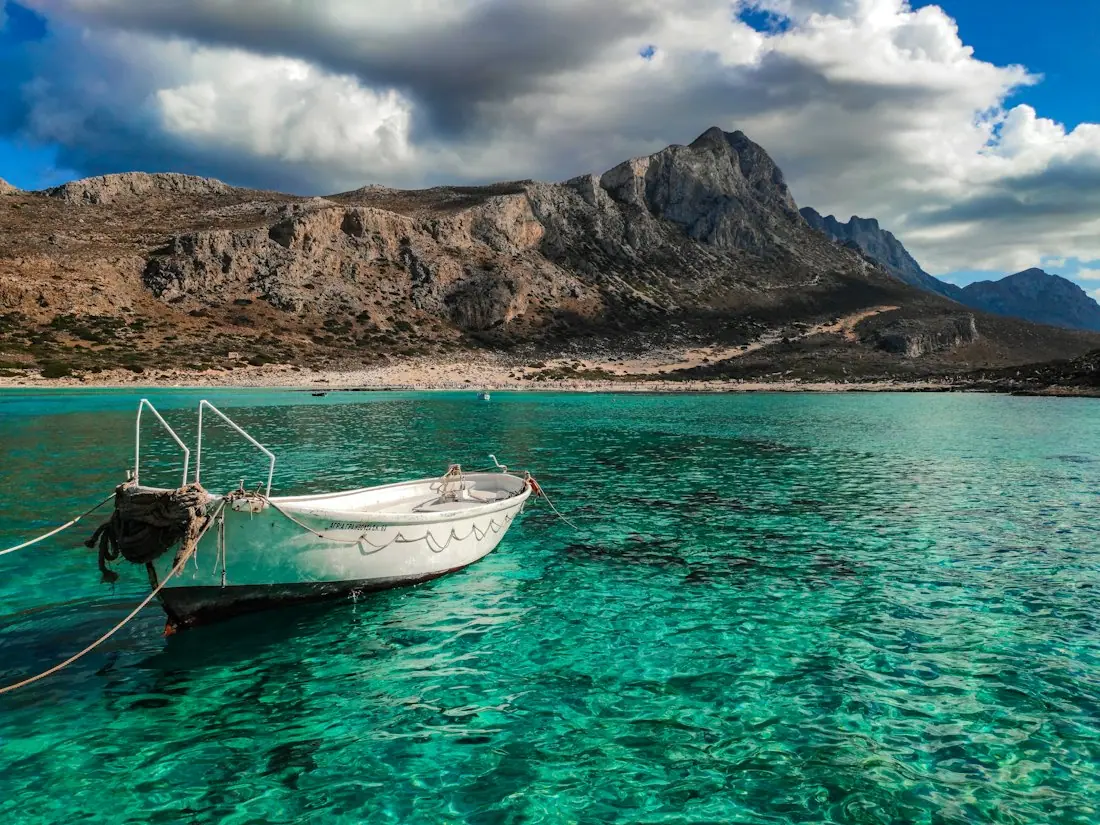
Crete
Sea · tavernas · nature
7 days for 2

Mallorca
Sea · comfort · short distances
7 days for 2
Arrival, transfer, check-in, sunset, dinner. Just say “make it cheaper” or “no rental car” and the trip adapts.

Day 1
Arrival
Arrival in Heraklion Transfer · 35 minCheck-in by the sea
 Sunset
 Taverna at the harbor
Rain on the way? Then the beach day becomes a day at the market and a museum. Flight status, weather and your day plan in one place.

Day 3 · boat trip
Choose a base before filling every hour of the itinerary. Staying in one area for several days can make meals, transportation, and unpacking easier, especially with children or a group. If your vacation calls for several bases, give each one a clear purpose and connect the change to the surrounding day plan. The map makes the relationship between stops, stays, and travel legs visible.
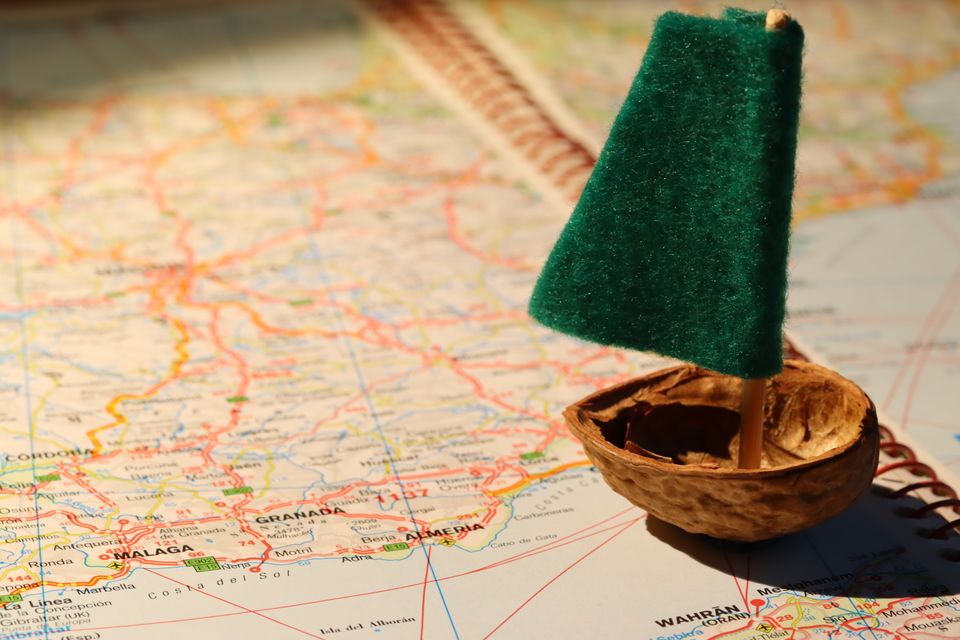
Treat each stay as part of the route rather than an isolated reservation. HolidayWow builds the trip from your home, includes the ride to the airport, the flight, and the transfer to the first stay, then draws each day as a route with pinned stops. This view helps you check whether a stay supports the places you want to visit and whether the days need a gentler rhythm.
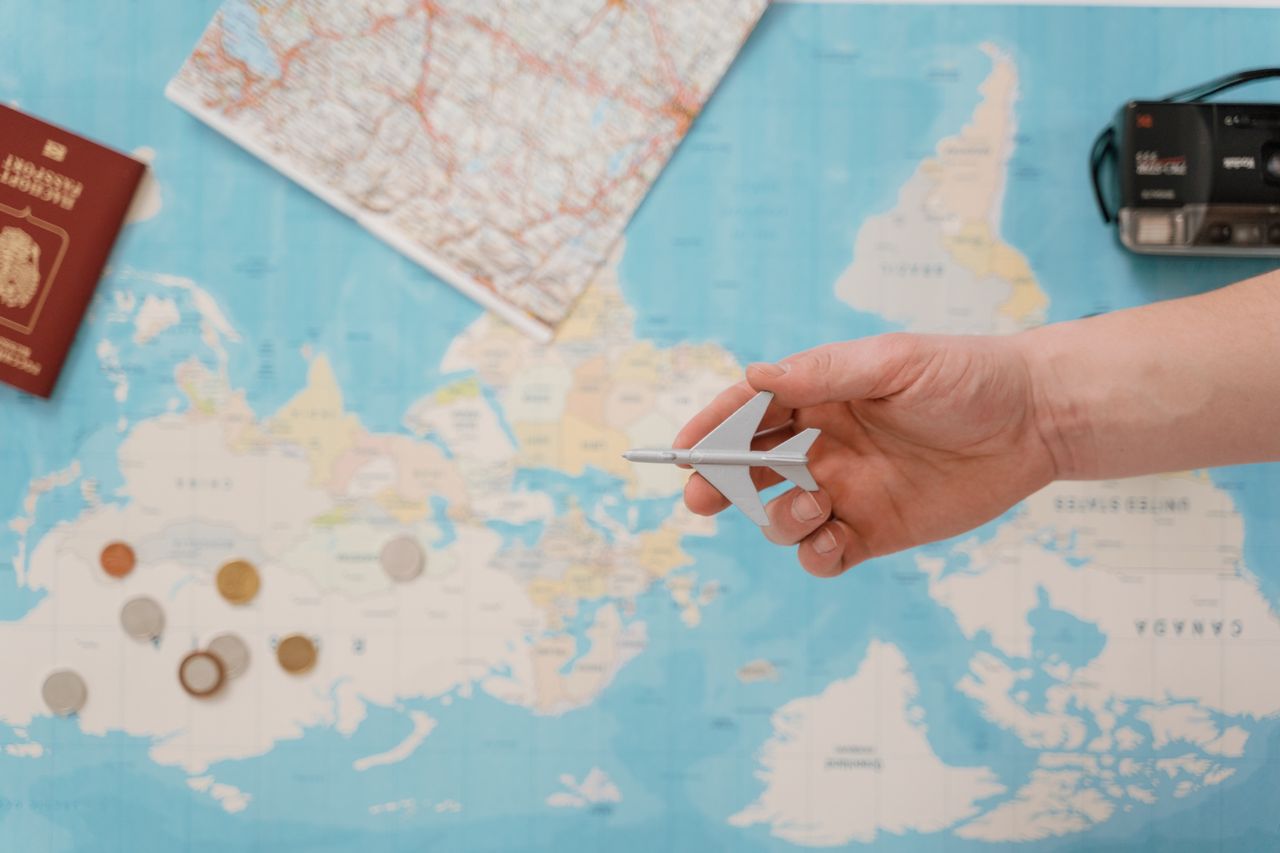
Now turn the trip's main interests into a workable sequence. Select a small number of anchors for the trip, then place them across days that fit the local pattern. Keep related stops together, protect arrival and departure periods, and leave room to follow the weather or the group's energy. The plan should tell you what each day is about while still allowing the day to unfold naturally.
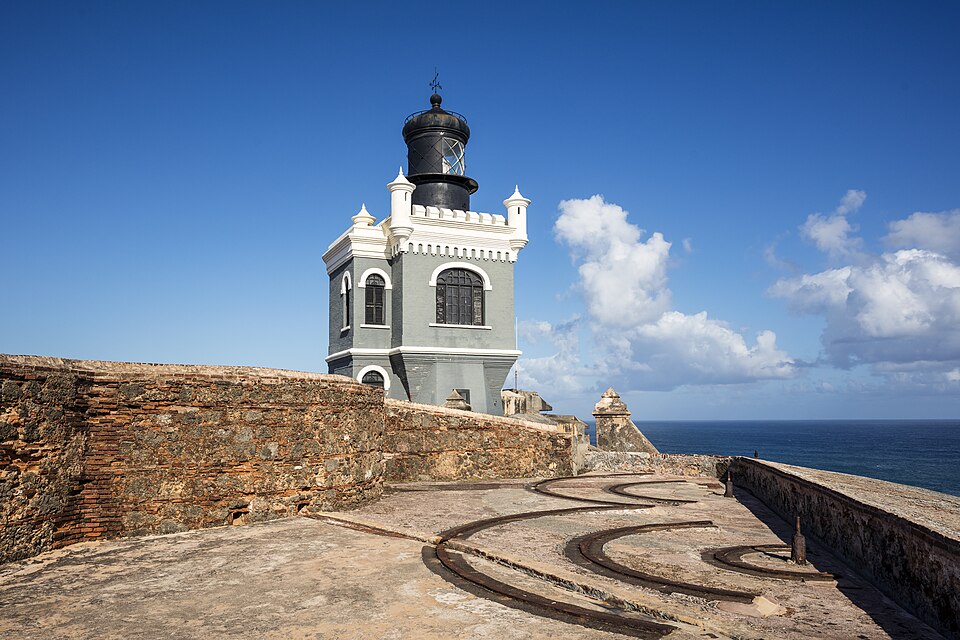 Puerto RicoiPhoto: Godot13 · CC BY-SA 4.0 · Wikimedia Commons
A practical Hawaii example for a family is a week with the kids during spring break. A relaxed pace creates room for pool time, a beach outing, and a shorter activity day. You can then move a stop, swap a place, or make one day lighter and watch the plan checker re-order that day. A December trip to Puerto Rico offers a different planning picture, with daytime temperatures of 82 °F, nighttime temperatures of 76 °F, and a sea temperature of 81 °F.
Puerto RicoiPhoto: Godot13 · CC BY-SA 4.0 · Wikimedia CommonsUse your home city as the starting point for the journey. The distance can help you understand the scale of the trip and decide how you want to structure arrival. From Atlanta, Paris is 4,380 miles away, while Los Angeles is 5,657 miles away. The planner places this context into the door-to-door plan so your home, airport, flight, and first stay form one connected route.
 Los AngelesiPhoto: Tuxyso · CC BY-SA 3.0 · Wikimedia Commons
 Key WestiPhoto: Julian Lupyan · CC0 · Wikimedia Commons
The same comparison can influence a domestic trip. From Atlanta, Nashville is 219 miles away, and Key West is 647 miles away. For a trip from Los Angeles, Nashville is 1,788 miles away and Asheville is 2,027 miles away. Use the map to plan the sequence, then give arrival day a lighter schedule and let the main activities begin once you are settled.
Los AngelesiPhoto: Tuxyso · CC BY-SA 3.0 · Wikimedia CommonsKey WestiPhoto: Julian Lupyan · CC0 · Wikimedia Commons
Temperature, sea, sun and rain days for every month, measured, not guessed. You see how your trip will feel before you go.
Nonstop flights, flight times and transfers from 12 US airports, worked out from your door to the hotel.

Flights, hotel, transfers and experiences in one sum for everyone traveling, with the provider and when the price was checked. No teaser prices.

Review the plan's stays, tours, transport, and flight choices when you are ready to book. HolidayWow shows real partner prices through Booking.com, GetYourGuide, Viator, Trip.com, and flight partners, with a live price or a “Check live price” button. Booking takes place through partner links in your language and USD. This keeps the plan connected to current choices without freezing old estimates into your itinerary.
After booking, keep the practical details with the trip. A budget in your home currency, price watch for stays and tours, and cost splitting can help a group stay aligned. The document vault holds passports, tickets, and confirmations with the relevant trip. A packing list and checklist are built from the plan, month, and climate, so your preparation list reflects the vacation you are actually taking.
A vacation plan works best when the people involved can see it. Share one HolidayWow link for the same itinerary, choose who can view and who can edit, and invite group members to vote and comment. The assistant understands the selected day, stop, or moment in the trip film, so feedback can lead to a concrete change instead of a separate note.

You can play the plan as a short film on the map, including the flight arc, bases, and each day. That view gives the group a shared picture of the trip before departure. Leave the plan open to useful adjustments, from changing a route to selecting a different pace, and your final vacation plan will reflect the decisions made by the people who will travel it.
Start with your available dates, compare destinations for the month, set your budget and pace, choose a base, and build each day's stops around your priorities. Add stays, live prices, bookings, packing details, and travel documents as the plan develops.
The practical order is dates, destination, month, pace, stays, daily stops, live prices, bookings, and preparation. Working in that sequence keeps the route realistic and makes changes easier when the group has new ideas.
Yes. HolidayWow lets you begin with a month and add exact dates later. Once the dates are added, each day card receives its weekday, live weather, and live prices, so the plan can develop at a comfortable pace.
Begin when your available dates and group priorities are clear. A first month can guide the destination, while later steps cover stays, daily stops, partner prices, booking links, packing, documents, and group decisions.
Start with dates, group needs, budget, and pace. A balanced or relaxed pace can make days easier to manage, while a map-based plan keeps the first stay, daily stops, and door-to-door travel in view.
Yes. Drag a stop to another day, swap a place, or make a day lighter. The plan checker re-orders the day after each change, and the assistant can use the selected day or stop to help refine the trip.
Yes. Share a single plan link with viewing and editing roles, invite comments and votes, use cost splitting, and keep the document vault with the trip. The app is free to download and to plan with.

Your next trip

Describe your trip in one sentence. When, who with and what matters to you.

Where it's warm right now, real fare finds from your airport, the best PTO days for your state and a ready-made trip to make your own.