Ten years of climate
Temperature, sea, sun and rain days for every month, measured, not guessed. You see how your trip will feel before you go.
Published 4 October 2026 · HolidayWow editors
Picking the best time to travel usually comes down to a few numbers: how warm the sea is, how many hours of sun a day gets, and how many days bring rain. HolidayWow shows all three for every month before a date is set.
Day and night temperature set the general feel of a month, sea temperature matters for anywhere near the coast, and sunshine hours and rain days decide how much of each day actually works for being outdoors.
HolidayWow shows all of these together for the month a destination is named in, built from NASA POWER air data (2006 to 2025) and NOAA OISST sea data (1991 to 2020), so a month can be judged on its numbers rather than a general impression of what the season there is meant to be like.
Because the same climate numbers are shown for every month, a traveller deciding between two windows for the same trip can weigh sea temperature against sunshine hours directly, rather than guessing which trade-off matters more.
The pace of the plan can also shift to match the month once it is chosen: relaxed (1 to 2 stops a day), balanced (2 to 3 stops) or packed (3 to 5 stops), set to suit the weather rather than a fixed default.

Osaka in March sits around 13°C by day and 2°C overnight, with 6 hours of sun and 11 rain days, a transitional month between the cold of winter and the milder weeks ahead.
 OsakaiPhoto: Martin Falbisoner · CC BY-SA 4.0 · Wikimedia Commons
A traveller comparing March against a warmer month further on can weigh the lower crowds of an early-season trip against the cooler temperatures shown here.
OsakaiPhoto: Martin Falbisoner · CC BY-SA 4.0 · Wikimedia CommonsLombok Island in August runs warm and notably dry, around 29°C by day and 23°C overnight, with 9 hours of sun and 3 rain days, among the driest stretches shown for the island across the year.
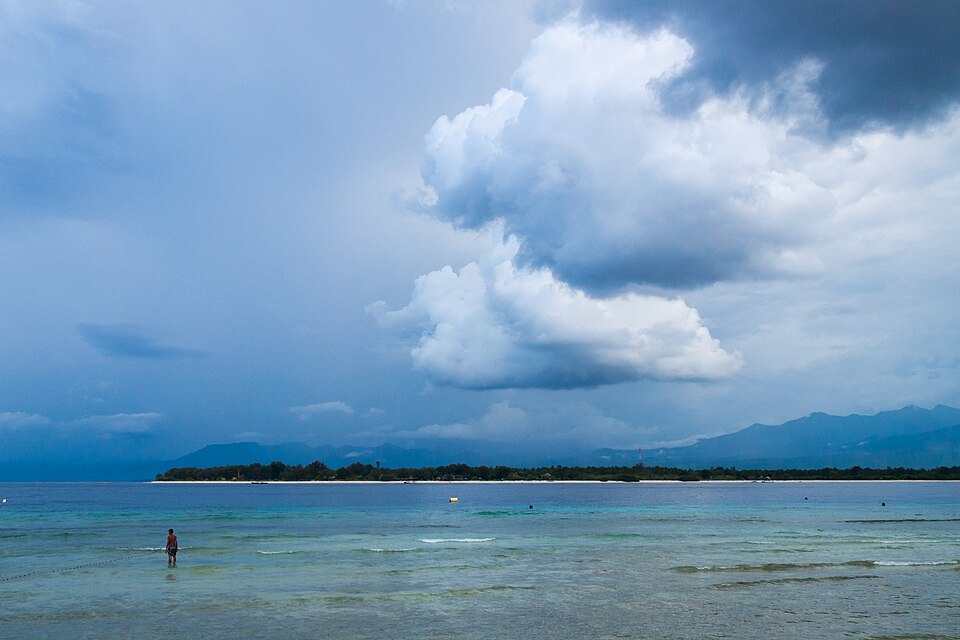 Lombok IslandiPhoto: Vyacheslav Argenberg · CC BY 4.0 · Wikimedia Commons
That combination of warmth, long sunshine hours and few rain days is exactly the kind of signal a best-time comparison is built to surface.
Lombok IslandiPhoto: Vyacheslav Argenberg · CC BY 4.0 · Wikimedia Commons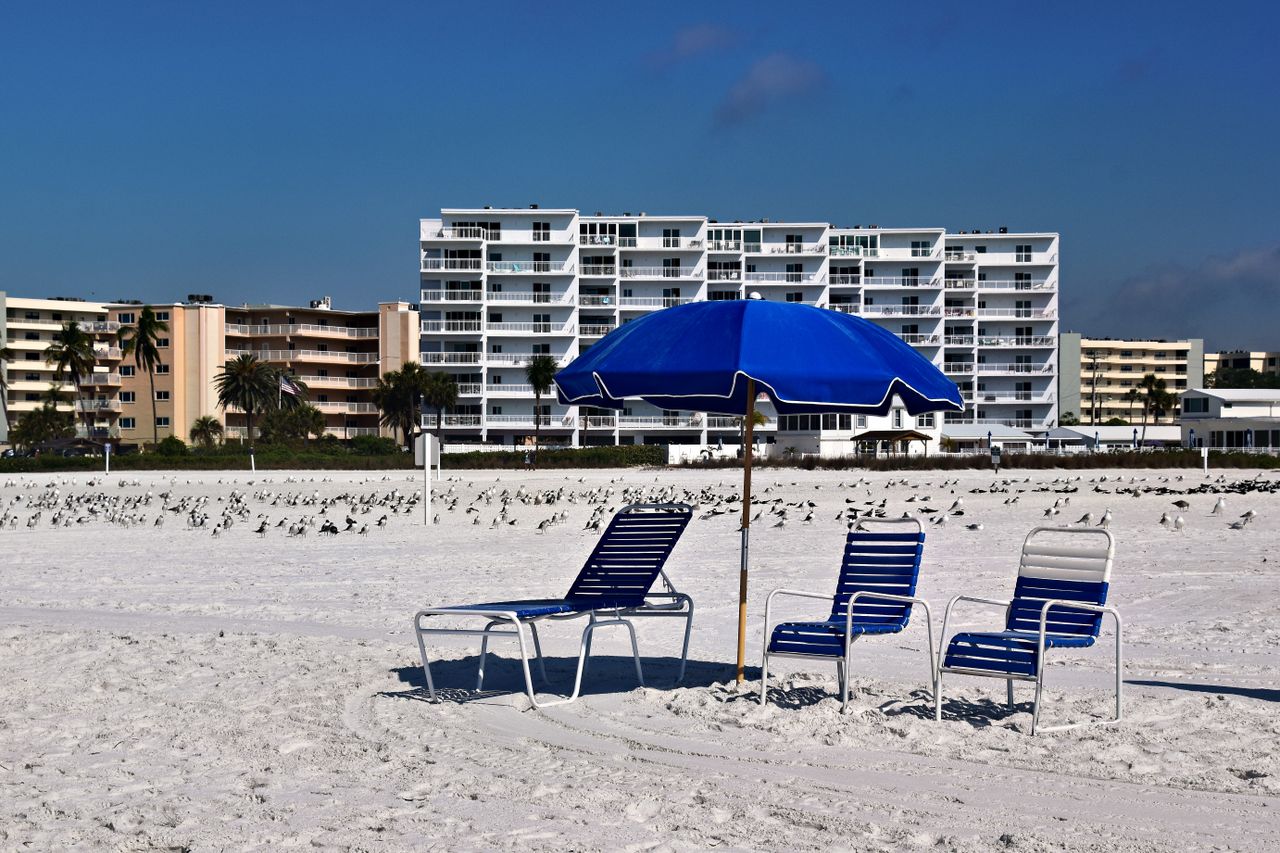
New trip


When, who with, what matters and what's a no. No form, no ten filters. HolidayWow understands the dates, budget, departure point, pace and wishes from one sentence.

New trip
Every idea comes with a total price and a clear answer to why it fits you: weather, flight time, beaches, food, short distances.

Your trip ideas
Sicily
Food · small towns · sea
7 days for 2
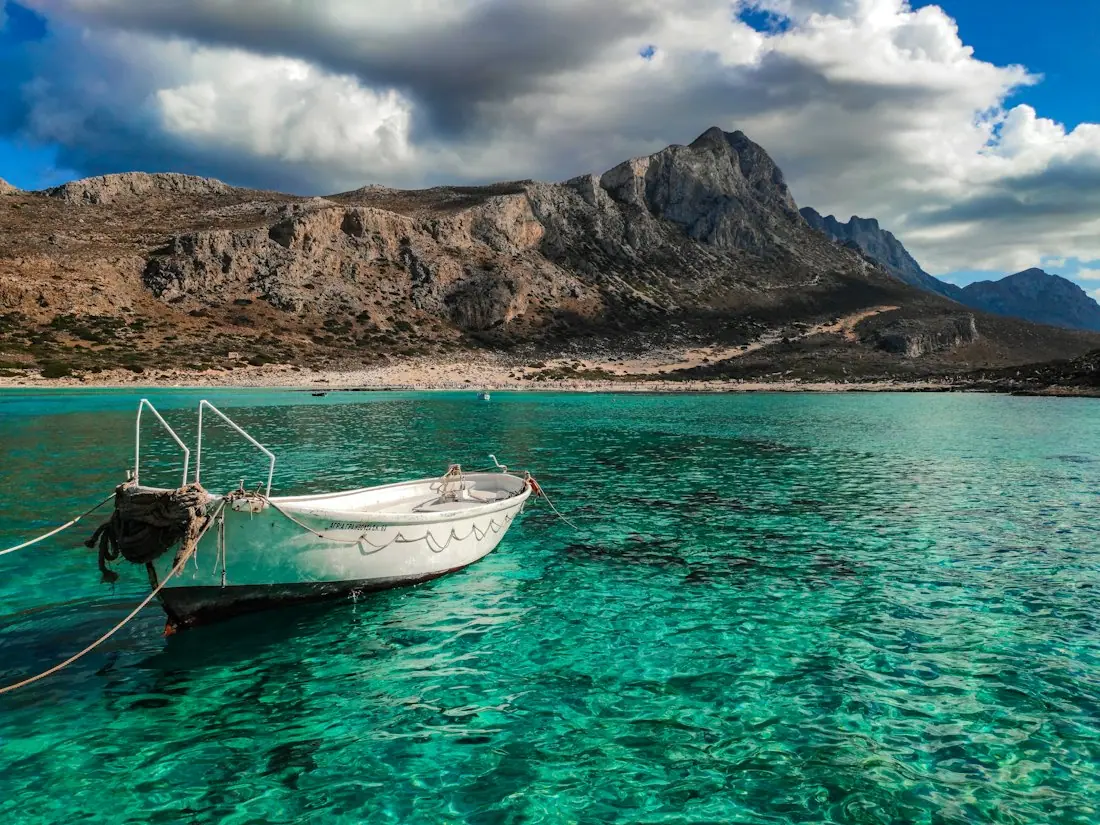
Crete
Sea · tavernas · nature
7 days for 2
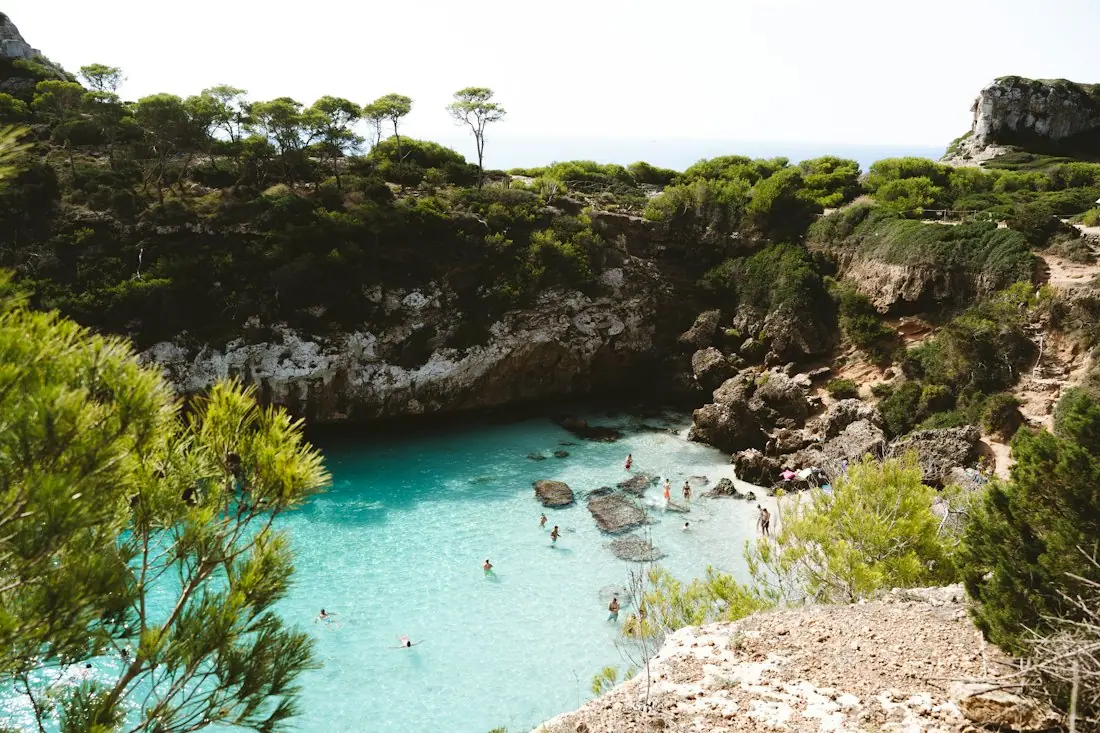
Mallorca
Sea · comfort · short distances
7 days for 2
Arrival, transfer, check-in, sunset, dinner. Just say “make it cheaper” or “no car hire” and the trip adapts.

Day 1
Arrival
Arrival in Heraklion Transfer · 35 minCheck-in by the sea
 Sunset
 Taverna at the harbour
Rain on the way? Then the beach day becomes a day at the market and a museum. Flight status, weather and your day plan in one place.

Day 3 · boat trip
Tasmania in November sits around 15°C by day and 5°C overnight, with 9 hours of sun and 12 rain days, a spring month with long daylight hours even though the rain days remain fairly steady.
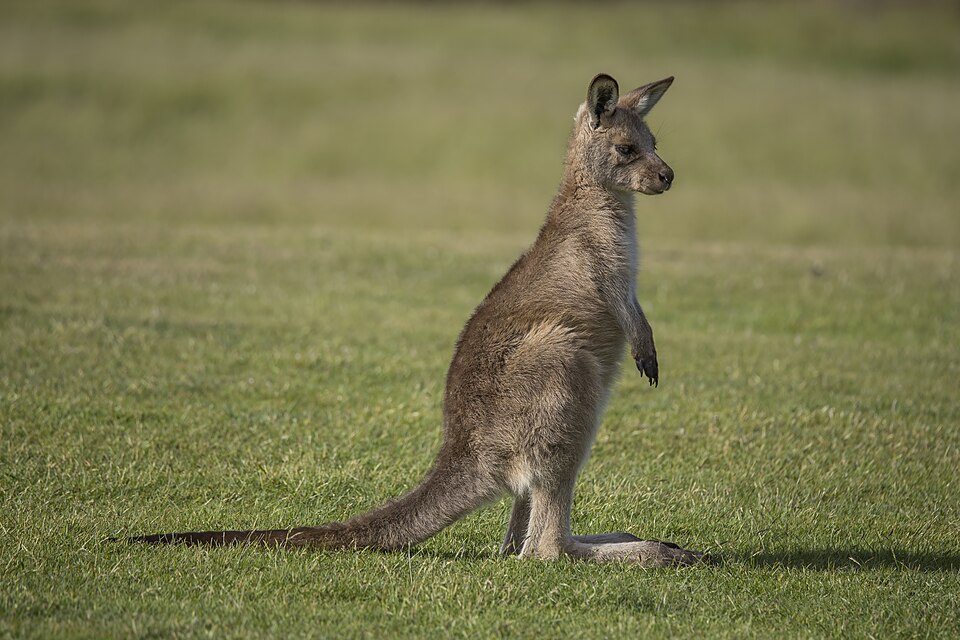 TasmaniaiPhoto: Charles J. Sharp · CC BY-SA 4.0 · Wikimedia Commons
Comparing November against a summer month highlights the trade-off directly: more daylight and milder crowds now, against warmer swimming weather later in the year.
TasmaniaiPhoto: Charles J. Sharp · CC BY-SA 4.0 · Wikimedia CommonsSeoul in September sits around 25°C by day and 17°C overnight, with 6 hours of sun and 11 rain days, a comfortable early-autumn month that sits between the summer heat and the cold that follows later in the year.
 SeouliPhoto: 라성민 · CC BY-SA 3.0 · Wikimedia Commons
A balanced pace suits a month like this well, with enough daylight and mild enough days for a fuller schedule than a colder month would support.
SeouliPhoto: 라성민 · CC BY-SA 3.0 · Wikimedia Commons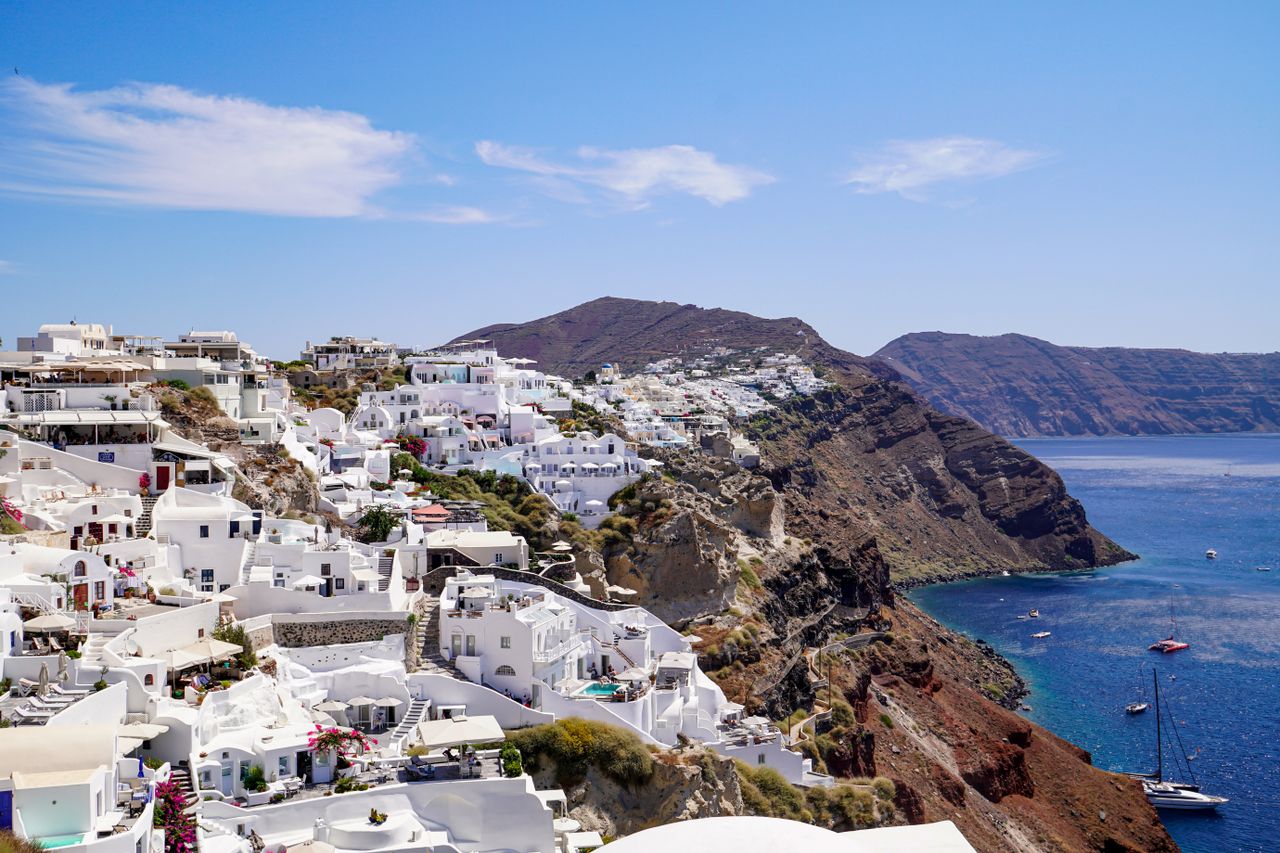
The Gold Coast in October sits around 27°C by day and 16°C overnight, with the sea at 23°C, 8 hours of sun and 10 rain days, a warm spring month with the sea comfortable enough for swimming well before the summer crowds arrive.
 Turkey
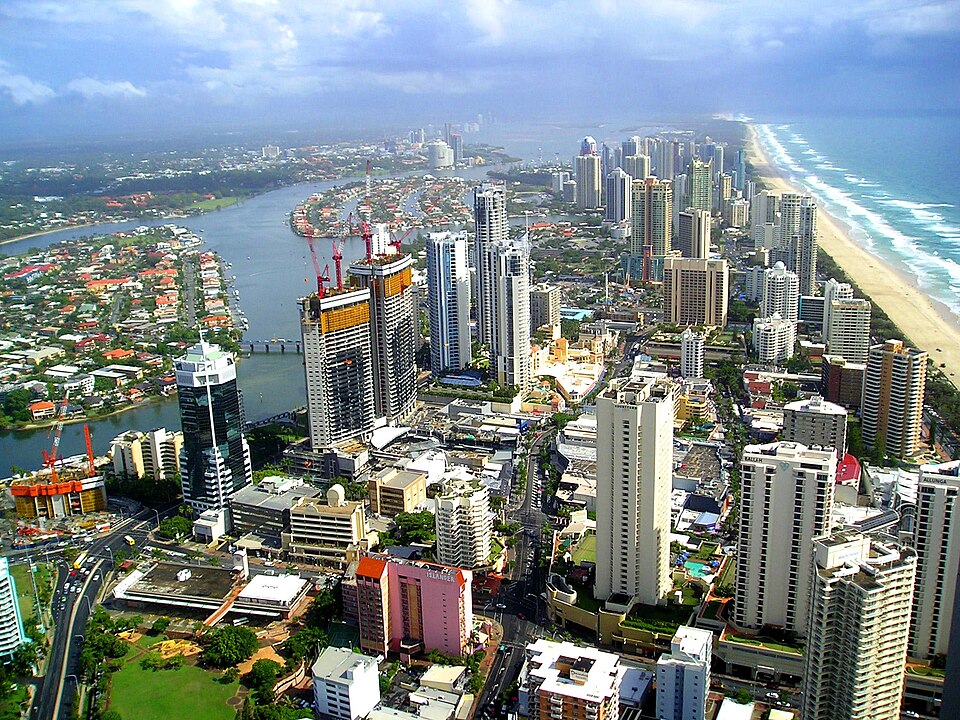 Gold CoastiPhoto: E-CBD · CC BY-SA 3.0 · Wikimedia Commons
At the other end of the scale, Turkey in January runs cold, around 2°C by day and down to minus 7°C overnight, with 5 hours of sun and 9 rain days, showing how differently two destinations can sit in the same calendar month.
TurkeyGold CoastiPhoto: E-CBD · CC BY-SA 3.0 · Wikimedia CommonsSince summer in Australia runs December to February, the best month for an overseas destination often falls in the middle of an Australian school term, and naming the exact dates lets the planner line the trip up against both the climate numbers and the actual leave available.
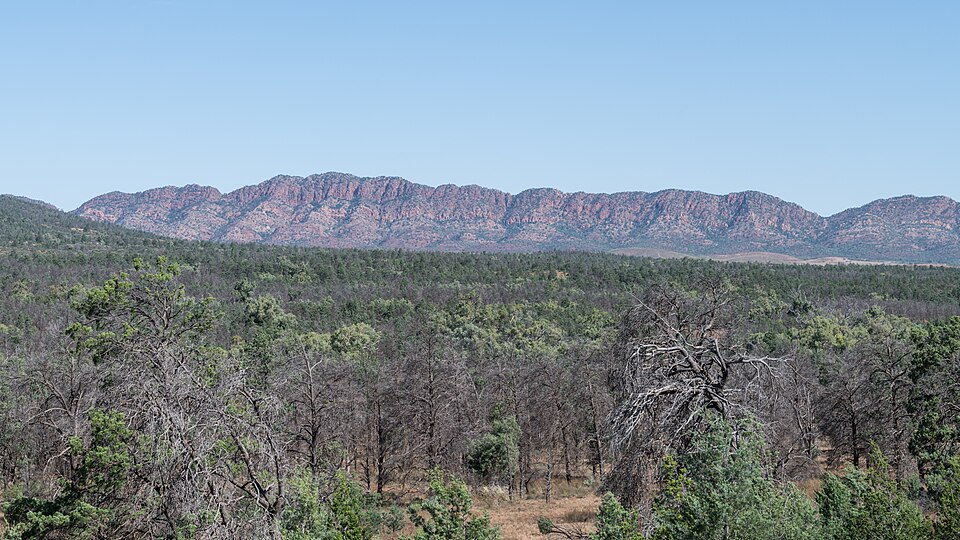 AustraliaiPhoto: DXR · CC BY-SA 4.0 · Wikimedia Commons
With around 20 days of annual leave typical across Australia, the Long Weekend planner shows how a shoulder-season month can be reached with less leave than a peak one, using official public holiday dates to find the stretch.
AustraliaiPhoto: DXR · CC BY-SA 4.0 · Wikimedia Commons
Temperature, sea, sun and rain days for every month, measured, not guessed. You see how your trip will feel before you go.
Direct flights, flight times and transfers from 7 Australian airports, worked out from your door to the hotel.

Flights, hotel, transfers and experiences in one sum for everyone traveling, with the provider and when the price was checked. No teaser prices.
Once a month looks right, stays, tours and transport show live prices from partners (Booking.com, GetYourGuide, Viator, Trip.com, flight partners), with booking happening from inside the plan in Australian dollars.

A trip budget and price watch sit alongside the plan too, useful when a shoulder-season month is being weighed against a pricier peak one, since the saving from travelling slightly earlier or later often shows up clearly once real prices are compared rather than assumed.
The same comparison works for a short domestic trip as it does for a longer overseas one, so a weekend weighed between two nearby months gets the same sea temperature, sunshine and rain day numbers as a two-week trip further afield.
Large text and voice input cover this part of planning too, useful for asking about a month's weather out loud while still deciding on the destination itself.
Name a destination and ask about different months, or describe the trip directly, and the climate numbers for each option appear ready to compare. A side-by-side look at two shoulder months, rather than guessing which one is usually quieter, is often enough to settle the decision on its own.
It shows day and night temperature, sea temperature, sunshine hours and rain days for the month of a destination, so the decision is made on real climate numbers rather than a general impression of the season.
Yes. The same climate numbers are shown for any month named, so two windows for the same trip can be weighed against each other directly.
The app is free to download and to plan with, including every climate number shown for a destination. Booking happens through partner links when you choose to confirm a stay or a tour.
Day and night temperature, sunshine hours and rain days come from NASA POWER (2006 to 2025), and sea temperature comes from NOAA OISST (1991 to 2020).
A shoulder-season month can often be reached with less leave through a long weekend, since the Long Weekend planner shows how public holidays and leave days line up against the calendar.
The climate numbers make a drier or wetter month visible, and the pace, relaxed, balanced or packed, can be set to suit it once the month is chosen.
Naming a destination is enough to see the climate numbers for a given month, and comparing a few months is part of choosing the trip itself.
Yes. Voice input covers this part of planning as well, useful for asking about sunshine hours or rain days out loud while still deciding between two or three possible destinations.
Your next trip

Describe your trip in one sentence. When, who with and what matters to you.

Where it's warm right now, real fare finds from your airport, long weekends for your state and a ready-made trip to take over.