Ten years of climate
Temperature, sea, sun and rain days for every month, measured, not guessed. You see how your trip will feel before you go.
Published 4 October 2026 · HolidayWow editors
Summer in Australia runs December to February, which often means a family holiday lands in a completely different season somewhere else. HolidayWow shows the actual climate numbers for the month, so the plan matches the season you are travelling into.
A family holiday booked during the Australian summer school break can land in the middle of winter, the wet season or a mild shoulder season depending on where it goes, which changes everything from the pace to the packing list.
HolidayWow reads the destination and the month from a sentence about the trip and shows the real climate numbers for that month, so the plan reflects the season the family is actually landing in.
Bangkok in January sits in its dry season, around 33°C by day and 20°C overnight, with 8 hours of sun and 3 rain days, a hot, dry contrast to the Australian summer heading there at the same time of year.
 BangkokiPhoto: Preecha.MJ · CC BY-SA 4.0 · Wikimedia Commons
A relaxed pace with an indoor stop at midday suits the heat here, and the climate numbers make that clear before the family lands rather than as a surprise on day one.
BangkokiPhoto: Preecha.MJ · CC BY-SA 4.0 · Wikimedia Commons
New York in June sits around 22°C by day and 12°C overnight, with 8 hours of sun and 16 rain days, the start of the northern summer, a mild season that still calls for layers in the evening.
 New YorkiPhoto: King of Hearts · CC BY-SA 4.0 · Wikimedia Commons
A family travelling during an Australian winter school break lands in the opposite season entirely here, something the packing list accounts for automatically once the month is set.
New YorkiPhoto: King of Hearts · CC BY-SA 4.0 · Wikimedia CommonsPerth in February sits around 27°C by day and 20°C overnight, with 11 hours of sun and 2 rain days, peak Australian summer, long bright days that suit a packed pace for a family happy to be out and about.
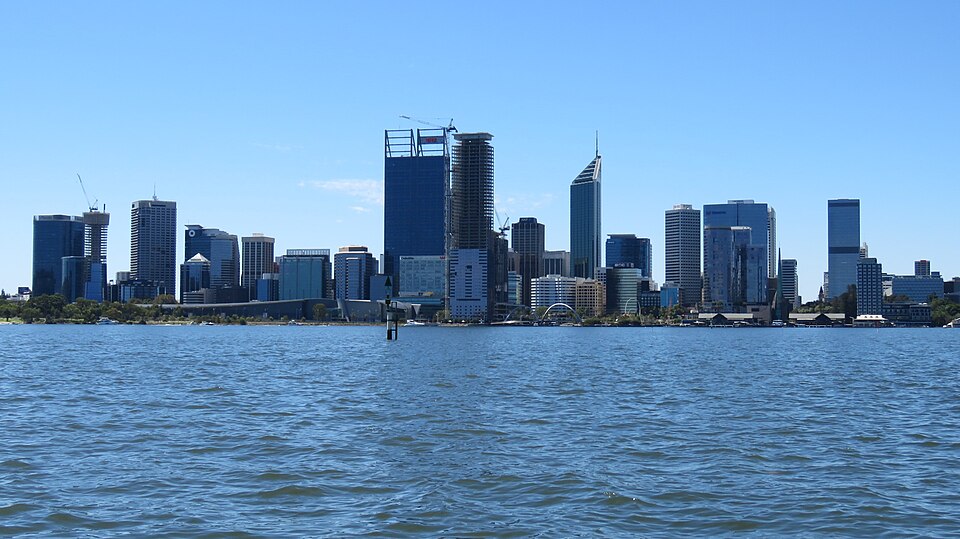 PerthiPhoto: Calistemon · CC BY-SA 4.0 · Wikimedia Commons
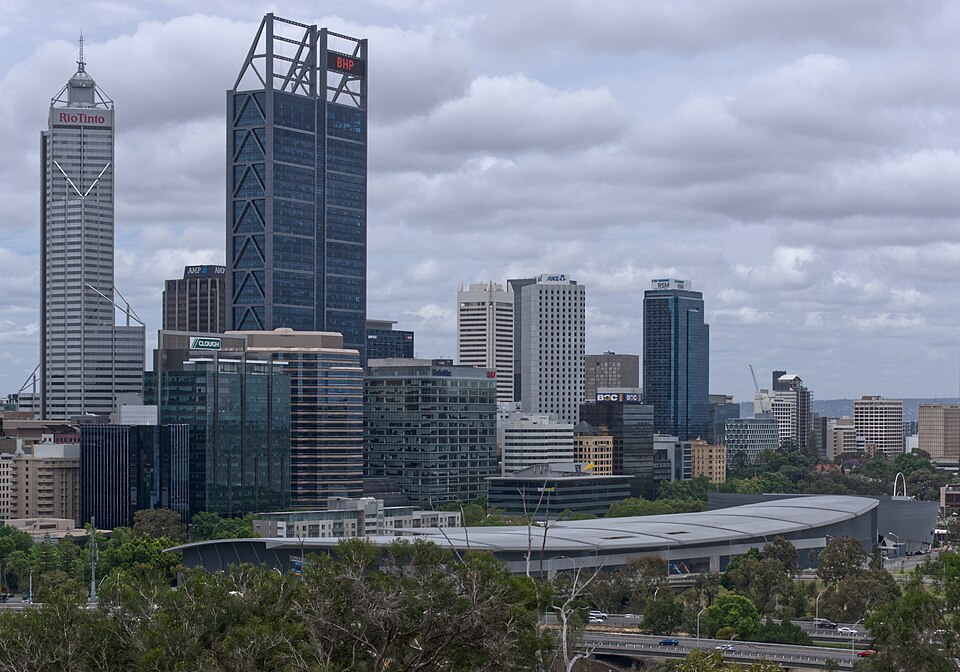 PerthiPhoto: Alexey V. Kurochkin · CC BY-SA 4.0 · Wikimedia Commons
A domestic family holiday like this needs no season adjustment at all, the simplest case where home and destination share the same calendar.
PerthiPhoto: Calistemon · CC BY-SA 4.0 · Wikimedia CommonsPerthiPhoto: Alexey V. Kurochkin · CC BY-SA 4.0 · Wikimedia Commons
New trip


When, who with, what matters and what's a no. No form, no ten filters. HolidayWow understands the dates, budget, departure point, pace and wishes from one sentence.

New trip
Every idea comes with a total price and a clear answer to why it fits you: weather, flight time, beaches, food, short distances.

Your trip ideas
Sicily
Food · small towns · sea
7 days for 2
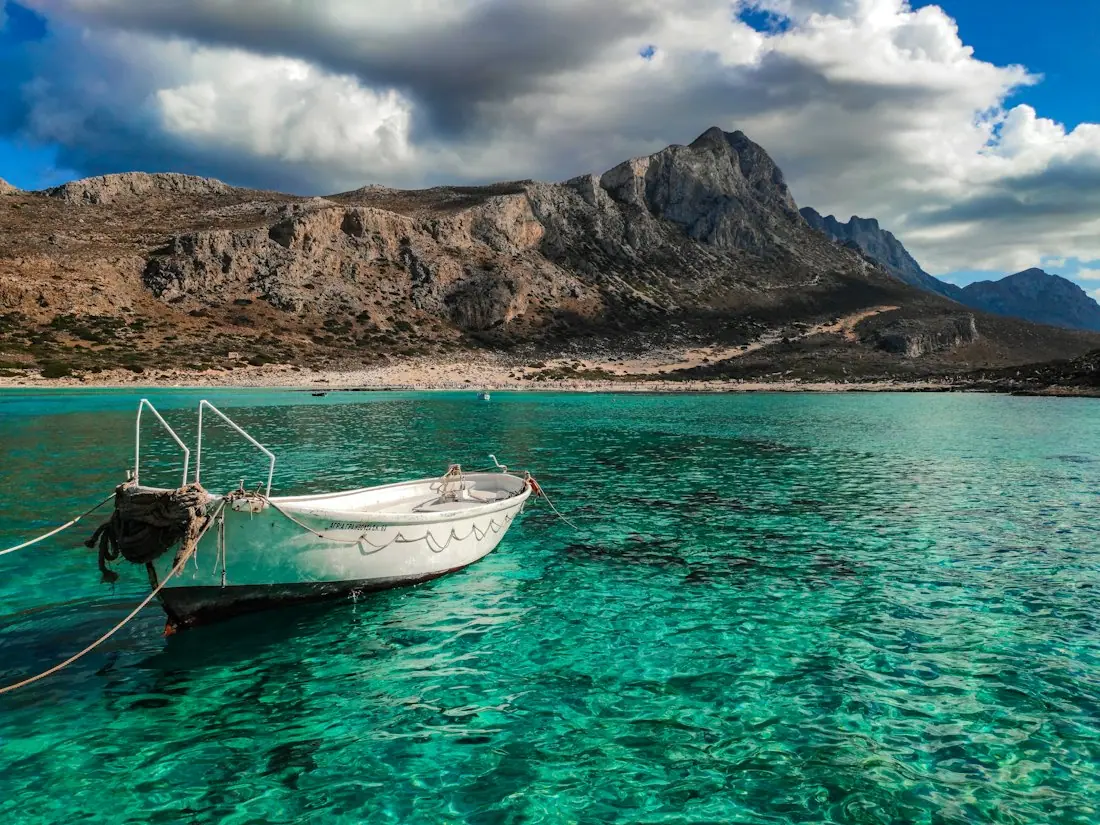
Crete
Sea · tavernas · nature
7 days for 2
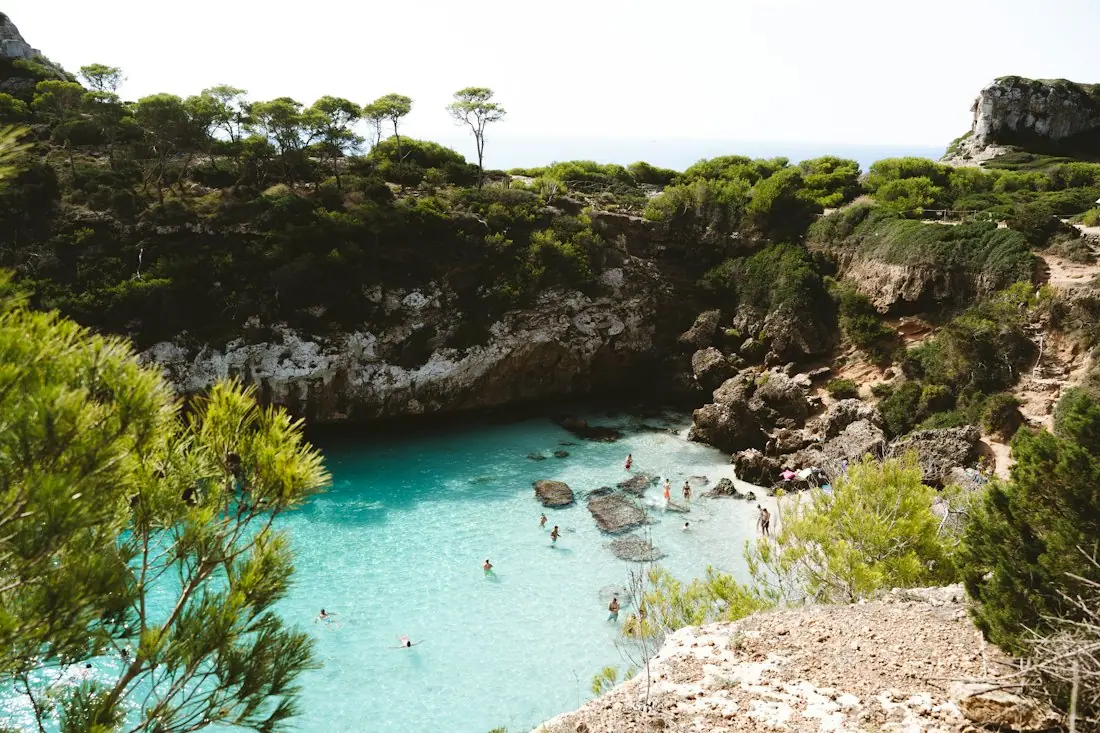
Mallorca
Sea · comfort · short distances
7 days for 2
Arrival, transfer, check-in, sunset, dinner. Just say “make it cheaper” or “no car hire” and the trip adapts.

Day 1
Arrival
Arrival in Heraklion Transfer · 35 minCheck-in by the sea
 Sunset
 Taverna at the harbour
Rain on the way? Then the beach day becomes a day at the market and a museum. Flight status, weather and your day plan in one place.

Day 3 · boat trip
London in May sits around 17°C by day and 7°C overnight, with 7 hours of sun and 11 rain days, a mild spring month that suits a balanced pace with a jacket packed for the evenings.
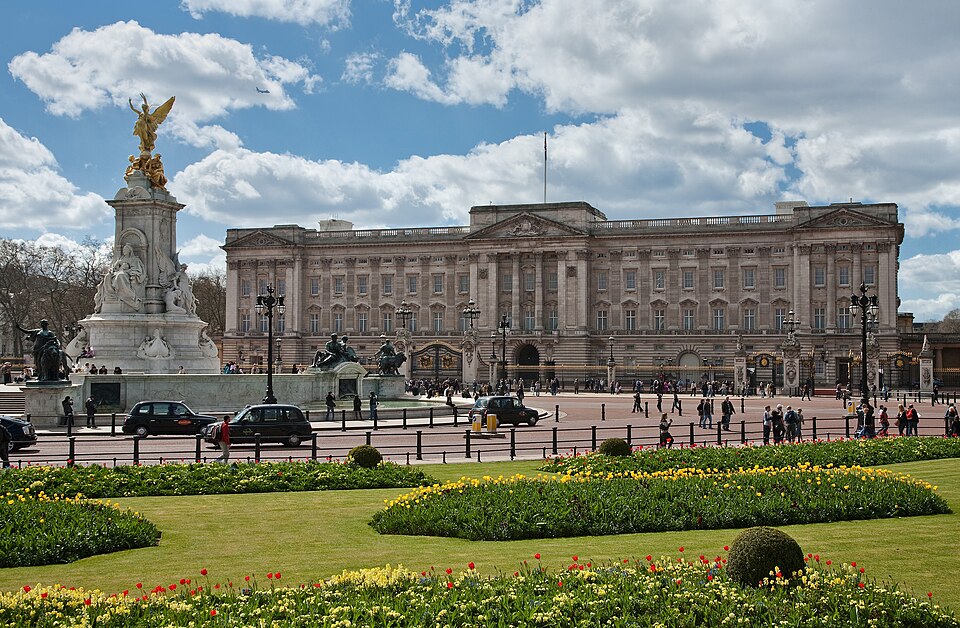 LondoniPhoto: Diliff · CC BY-SA 3.0 · Wikimedia Commons
Travelling here during a different school holiday block again lands the family in a season well short of an Australian summer, worth checking before packing summer clothes out of habit.
LondoniPhoto: Diliff · CC BY-SA 3.0 · Wikimedia CommonsSpain in November sits around 15°C by day and 5°C overnight, with 5 hours of sun and 7 rain days, a cool autumn month suited to a relaxed pace with longer indoor stops for museums and markets.
 Spain
SpainA family expecting a warmer trip based on a general idea of Spain's climate would be caught out here without checking the actual month's numbers first, since packing for the wrong season can be an uncomfortable surprise on arrival.
Spain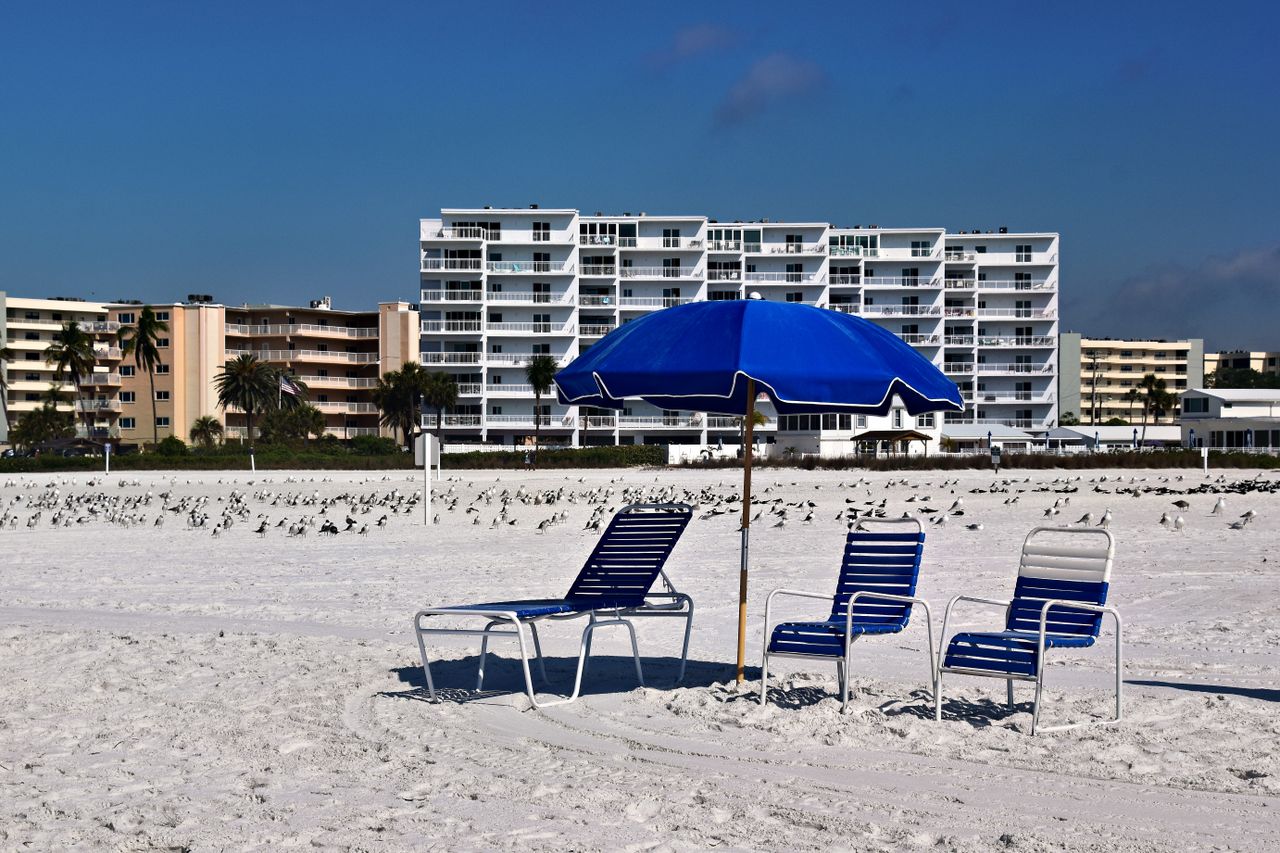
Samoa in September sits around 28°C by day and 27°C overnight, with 8 hours of sun and 17 rain days, warm and humid, a good match for a family wanting a tropical holiday during a spring school break.
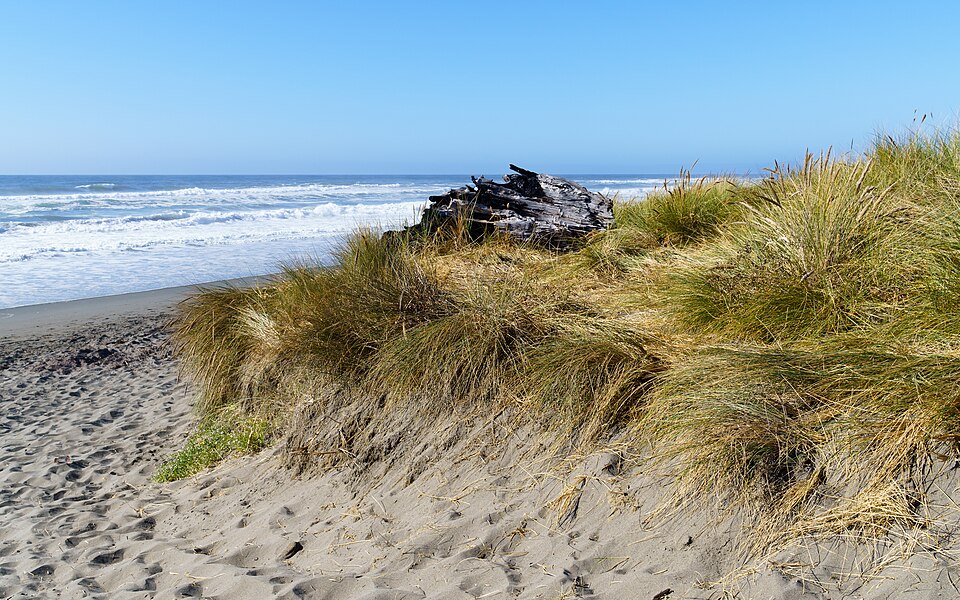 SamoaiPhoto: Frank Schulenburg · CC BY-SA 4.0 · Wikimedia Commons
A relaxed pace with a shaded stop for the showers suits this kind of month, with the plan built around those numbers from the first draft.
SamoaiPhoto: Frank Schulenburg · CC BY-SA 4.0 · Wikimedia CommonsBecause school holidays fall on different weeks by state, naming the exact break, for example 10 days in Bali in the September school holidays, builds the plan around those dates rather than a generic month.
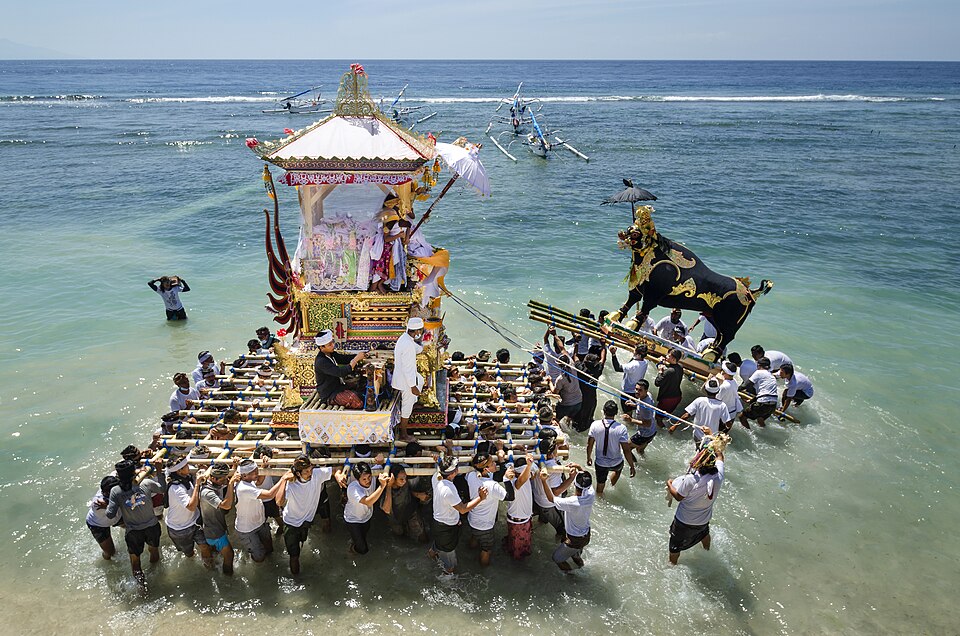 BaliiPhoto: Imadedana · CC BY-SA 4.0 · Wikimedia Commons
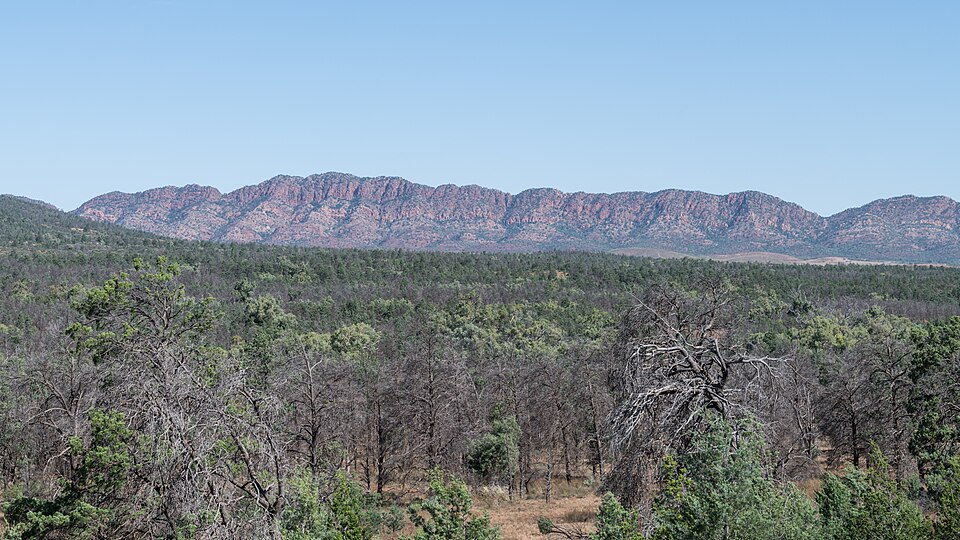 AustraliaiPhoto: DXR · CC BY-SA 4.0 · Wikimedia Commons
With around 20 days of annual leave typical in Australia, the Long Weekend planner shows how a public holiday plus a few days of leave can also turn into a family holiday without needing a full school break at all.
BaliiPhoto: Imadedana · CC BY-SA 4.0 · Wikimedia CommonsAustraliaiPhoto: DXR · CC BY-SA 4.0 · Wikimedia Commons
Temperature, sea, sun and rain days for every month, measured, not guessed. You see how your trip will feel before you go.
Direct flights, flight times and transfers from 7 Australian airports, worked out from your door to the hotel.
Flights, hotel, transfers and experiences in one sum for everyone traveling, with the provider and when the price was checked. No teaser prices.

Stays, tours and transport show live prices from partners (Booking.com, GetYourGuide, Viator, Trip.com, flight partners), with family-sized stays easy to compare once the season and the pace are set.

One link shares the plan with everyone in the family, including grandparents or other relatives joining for part of the trip, with roles for who can view and who can edit. A packing list and document vault round out the plan, built from the same season-matched climate numbers used for the pace.
Seeing the real climate numbers sometimes means adjusting the plan before it is finished: lightening a day planned for a hot month, or adding an indoor stop once the rain days for a month become clear.

Drag a stop to another day, swap it for an indoor alternative, or lighten a day that looks too ambitious for the season, and the plan checker reorders the rest of the trip around the change.

Describe the destination and the month, and the climate numbers for that season appear on the plan, ready to set the pace and the packing list around. Large text and voice input work across every step, useful for a parent checking the season while also managing the kids.
Yes. Real climate numbers, day and night temperature, sunshine hours and rain days, are shown for the exact month you choose, rather than an assumption based on the season at home.
Yes, depending on the destination chosen, and the climate numbers for that month make the actual season clear well before the family packs or sets a pace for the trip.
The app is free to download and to plan with, including every climate number shown and every edit made. Booking happens through partner links when you choose to confirm a stay or a tour.
Yes. The packing list builds itself from the plan, the month and the real climate at the destination, not the season currently happening back home at that same time of year.
Yes. School holidays fall on different weeks by state, and naming the exact break builds the whole plan around those particular dates.
Yes. One link shares the plan with everyone in the family, with roles for who can view and who can edit, voting on stops together.
Yes. Any stop can be dragged, swapped or lightened once the climate numbers are visible, with the plan checker reordering the rest of the trip around the change immediately.
No. Naming a destination and a month shows the climate numbers immediately, which can inform the final choice of destination rather than requiring it to be known well beforehand.
Your next trip

Describe your trip in one sentence. When, who with and what matters to you.

Where it's warm right now, real fare finds from your airport, long weekends for your state and a ready-made trip to take over.