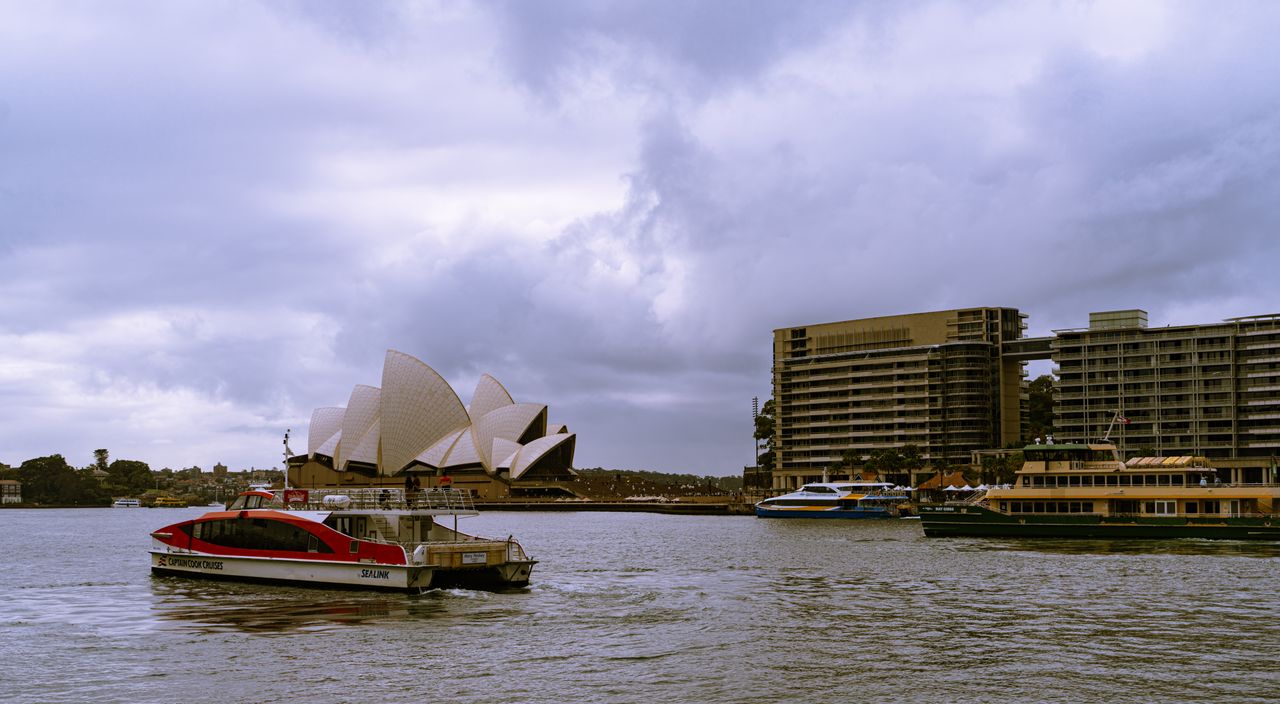
Best time: April to October
Australia trip cost from Edmonton
Published October 5, 2026 · HolidayWow editors · Written with AI, numbers checked against our data ·
An Australia trip from Edmonton is shaped by airfare, accommodation, transport within Australia, activities and your chosen season. Start with a realistic daily budget, compare live partner prices, and build the major costs into a map based plan before booking.
In Australia, the best time for a trip is April to October, with daytime highs up to 34 °C.
7 days in Australia in August, Culture, from Vancouver on your own
Plan a trip- Best time to go
- April to October
- Daytime high in January
- 39 °C
- Flight from Vancouver, nonstop
- about 14 h 48


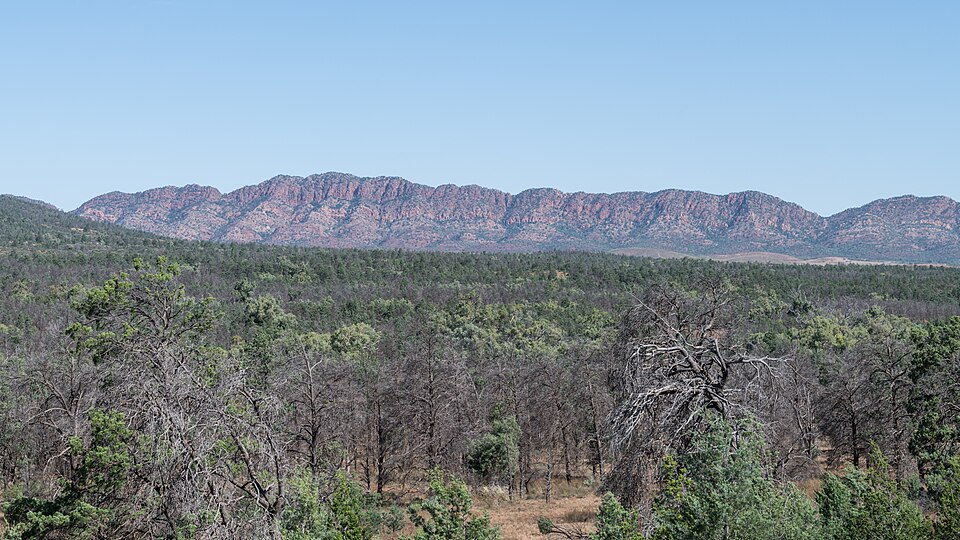
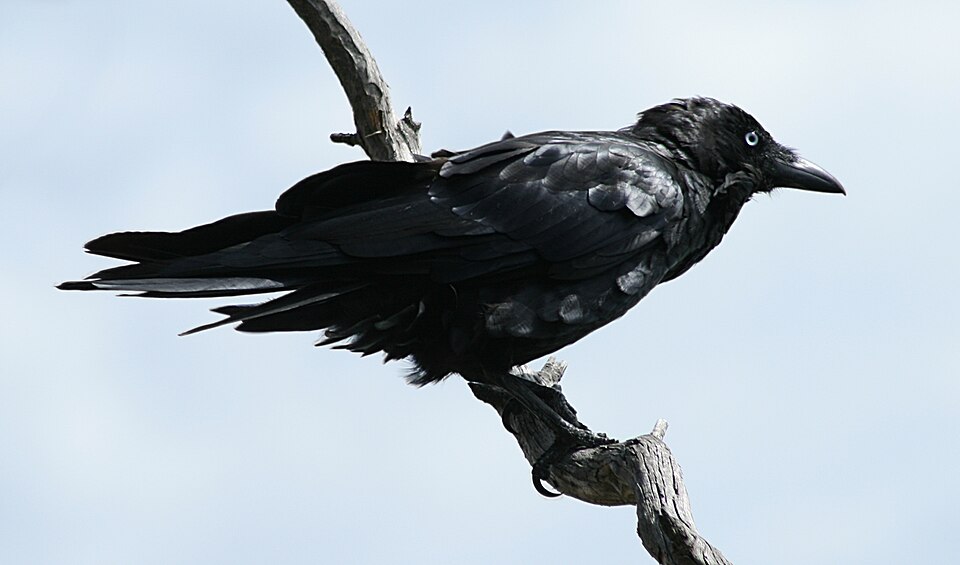
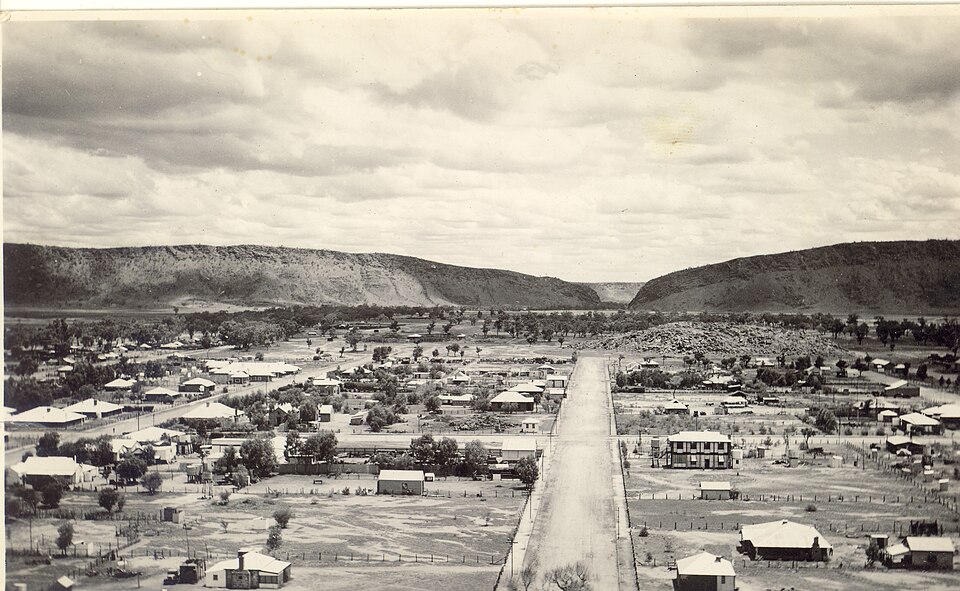
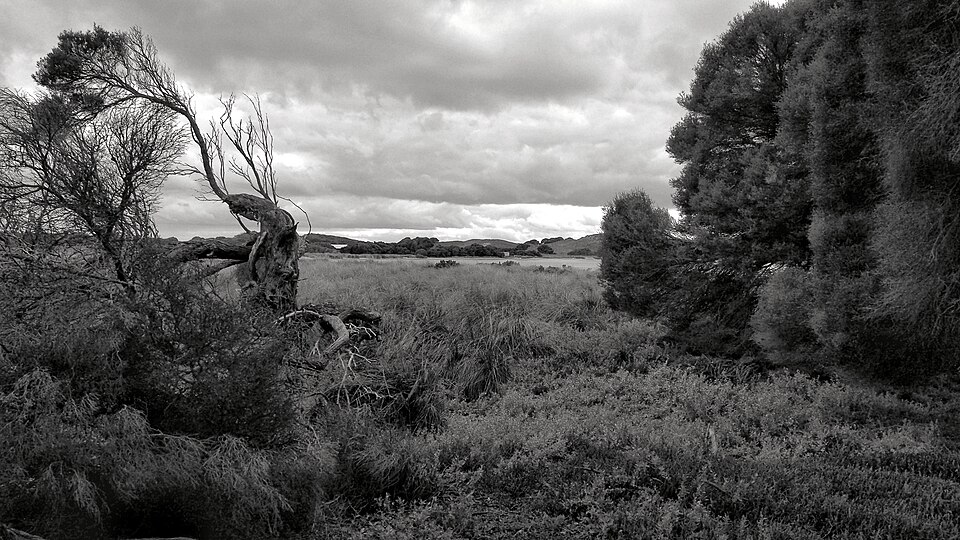
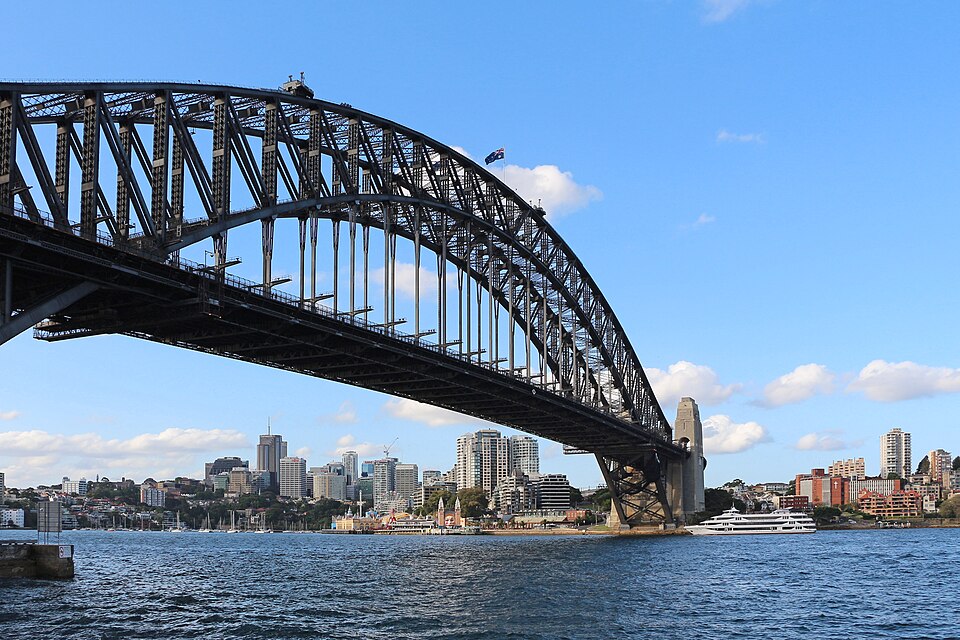 iPhoto: Bernard Gagnon · CC BY-SA 3.0 · Wikimedia Commons
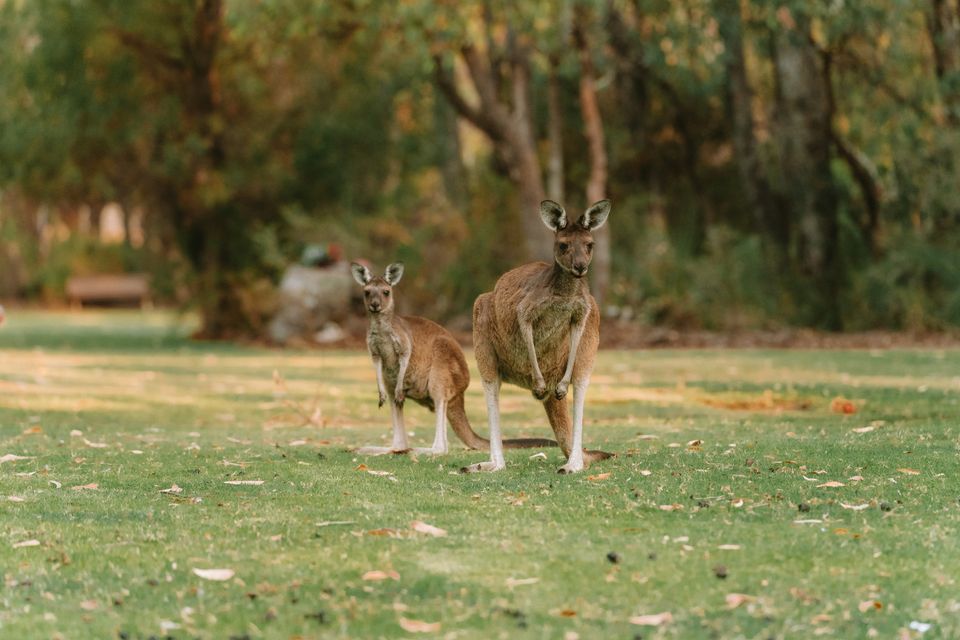
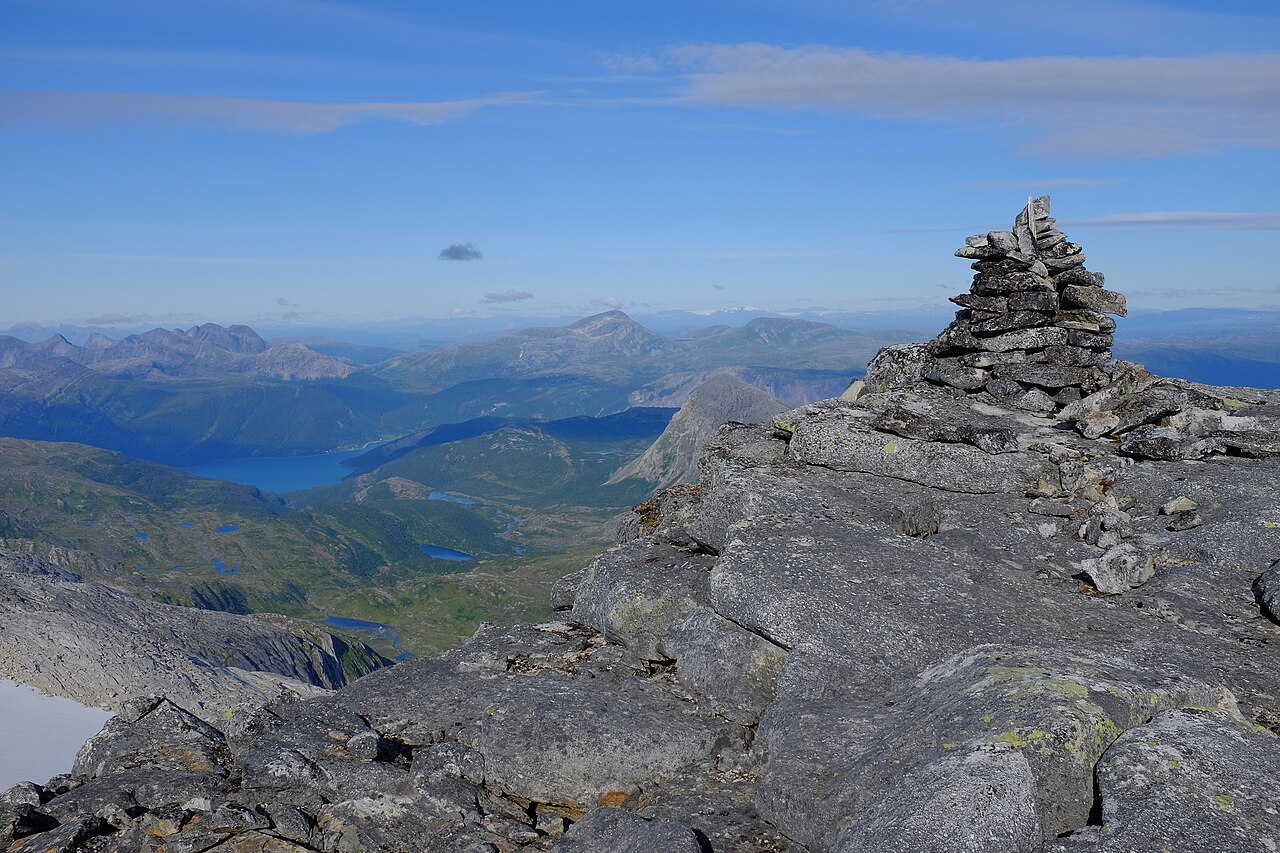
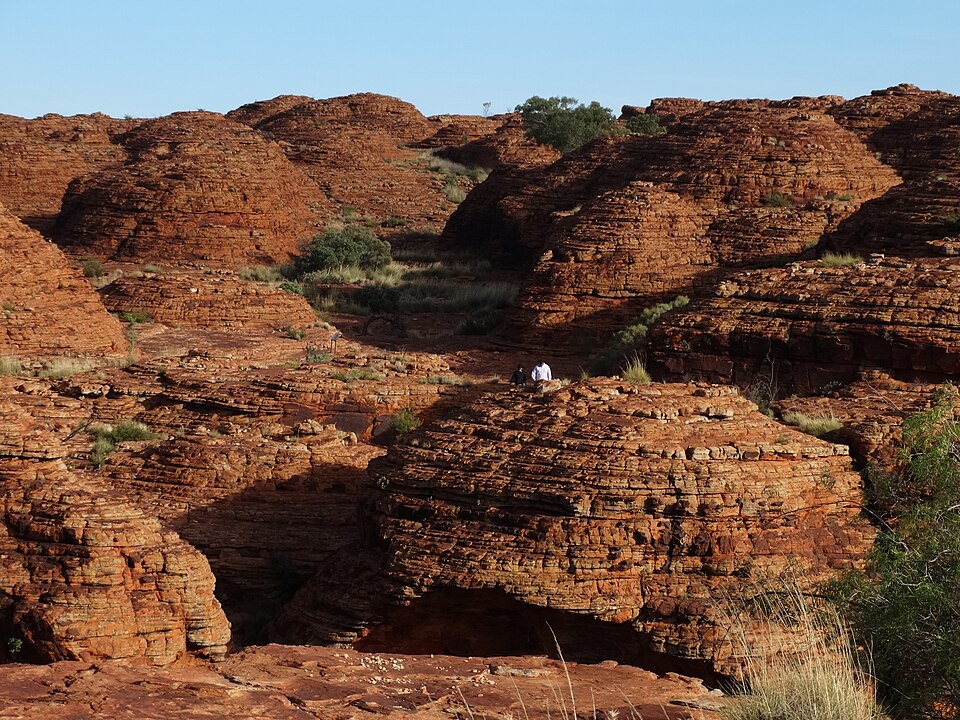
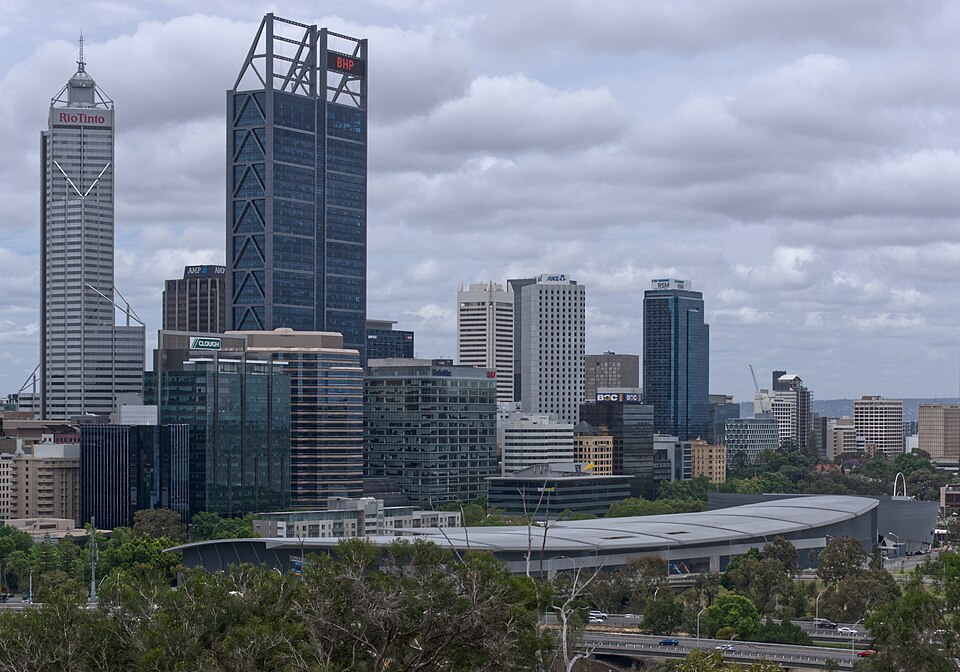 iPhoto: Alexey V. Kurochkin · CC BY-SA 4.0 · Wikimedia Commons
Australia at a glance
- What’s the vibe?
- Begin with the long distance from Edmonton. Edmonton airport is 13,749 km from Australia, so airfare and connection choices deserve early attention.
- Best time to go
- In Australia, the best time for a trip is April to October, with daytime highs up to 34 °C.
- How to get there?
- From Vancouver, you can be in Australia in about 14 h 48.
- What else to know?
- For a relaxed first week, give the arrival city time to settle in and keep the opening day light. Place a central stay on the map, add nearby meals and a flexible outdoor activity, and connect the airport transfer to that base.
Build the budget around the whole journey
Begin with the long distance from Edmonton. Edmonton airport is 13,749 km from Australia, so airfare and connection choices deserve early attention. Treat the outbound and return flights as major parts of the trip budget, then review live options within the plan rather than relying on an old estimate.
Your daily spending depends on the pace, the bases, and the kinds of experiences you choose. Accommodation and local transport form a steady baseline. Meals, tours, attractions and shopping add flexibility, while extra bases can increase both transfer expenses and the time spent moving between destinations.
A useful approach is to separate fixed commitments from choices you will make later. Flights and the first stay establish the trip's structure. Activities, meals and flexible days can follow your interests and the weather. HolidayWow keeps those categories in the home currency, with cost splitting available for group travel.
Choose dates that suit the Australian seasons
Season matters because Australia's weather runs opposite to much of Canada. January is the warmest month in the climate record, with daytime temperatures around 39 °C and an average of 11 sunshine hours. Warm weather works well for cities, coastlines and outdoor plans when you pack for strong sunshine and warm evenings.
The Australian winter brings a different travel rhythm. June has daytime temperatures around 20 °C and nights near 6 °C, while July is cooler still at about 21 °C during the day and 5 °C overnight. Cooler months can suit city stays, food-focused itineraries and warm indoor attractions.
Season can also affect the cost of flights and stays, so compare your preferred dates before fixing the itinerary. March break, summer vacation and Christmas break are important Canadian planning periods. The Long Weekend planner can help organize public holidays and leave days, while the app adds climate guidance for each travel month.
Count stays, bases and Australian transport
Accommodation is easiest to control when each base has a clear purpose. Choose one area for a city arrival, another for a major attraction, and a final base near a coast or regional highlight. Each added base can bring another hotel bill, another transfer, and another set of local travel decisions.
Inside Australia, compare the transport needed between your selected areas. Rail, coach, air and rental vehicles each suit different itineraries, particularly across a country with such a large scale. Add local transit and airport connections to the plan so every travel leg is visible against its corresponding day and stay.
HolidayWow draws each day as a route, with stops placed on the map and the travel time shown for every leg. That structure makes transport spending easier to judge. You can move a stop to another day, lighten a route, or compare a tighter and slower pace before partner links provide current options.
The right months for this trip
Pleasant warmth comes in April, May, June, July, August and September. Take April: 30 °C by day and 2 days of rain.
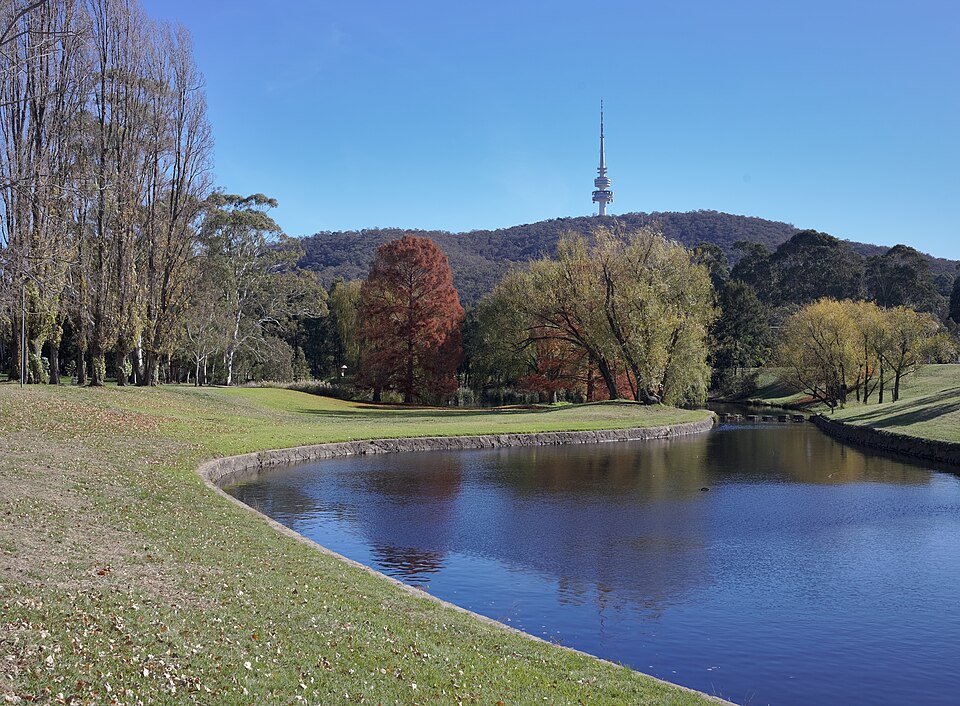

Already started
Your trip in Australia
 24 °C by day in August
- from Vancouver about 14 h 48
Day 1
Arrival in Tasmania
Flight from Vancouver in 14 h 48, nonstop. Settle in, first evening by the harbor or in the center.

Day 2
Henbury
Start early; bring water and sturdy shoes.
Day 3
Finke-Gorge-Nationalpark
Start early; bring water and sturdy shoes.
Day 4
Rainbow Valley
Start early; bring water and sturdy shoes.

Day 5
On to Canberra
A new base for the next few days; explore Canberra on foot.
Day 6
Angas Downs Indigenous Protected Area
Start early; bring water and sturdy shoes.
Day 7
Last morning and flight home
One last walk, then back to Vancouver.
Look around without an account; sign in to save.
Weather and climate in Australia
The warmest month is January, with 39 °C by day and 24 °C at night. The sunniest month is February, with 11 hours of sun a day.
| Month | Jan | Feb | Mar | Apr | May | Jun | Jul | Aug | Sep | Oct | Nov | Dec |
|---|---|---|---|---|---|---|---|---|---|---|---|---|
| Day °C | 39 | 37 | 35 | 30 | 24 | 20 | 21 | 24 | 29 | 34 | 36 | 38 |
| Night °C | 24 | 22 | 20 | 15 | 10 | 6 | 5 | 8 | 12 | 16 | 19 | 22 |
| Sun h/day | 11 | 11 | 10 | 10 | 9 | 9 | 9 | 10 | 11 | 11 | 11 | 11 |
| Rain days | 5 | 3 | 3 | 2 | 2 | 2 | 1 | 1 | 2 | 3 | 5 | 5 |
Weather in Australia month by month
- January39 °C
- February37 °C
- March35 °C
- April30 °C
- May24 °C
- June20 °C
- July21 °C
- August24 °C
- September29 °C
- October34 °C
- November36 °C
- December38 °C
The Australia climate in numbers
January is the hottest month at 39 °C, while June drops to 20 °C. Rain is rarest in July (1 days) and most frequent in January (5 days). The sunniest month is January with 11 hours a day.
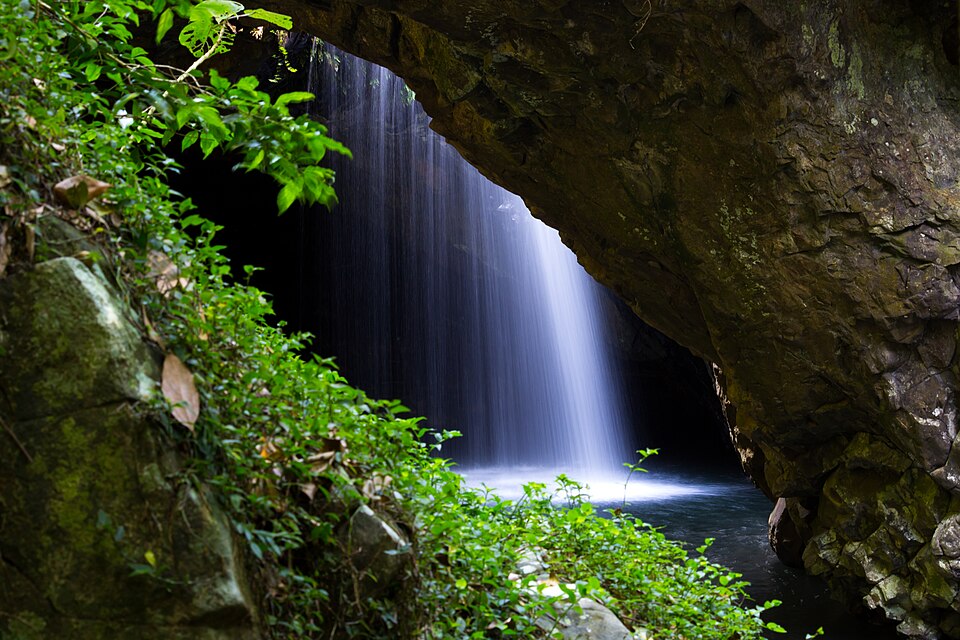
For walking and sightseeing in pleasant warmth, aim for April, May, June, July, August and September.
- January: 39 °C, 5 rain days, 11 h of sun
- February: 37 °C, 3 rain days, 11 h of sun
- March: 35 °C, 3 rain days, 10 h of sun
- April: 30 °C, 2 rain days, 10 h of sun
- May: 24 °C, 2 rain days, 9 h of sun
- June: 20 °C, 2 rain days, 9 h of sun
- July: 21 °C, 1 rain day, 9 h of sun
- August: 24 °C, 1 rain day, 10 h of sun
- September: 29 °C, 2 rain days, 11 h of sun
- October: 34 °C, 3 rain days, 11 h of sun
- November: 36 °C, 5 rain days, 11 h of sun
- December: 38 °C, 5 rain days, 11 h of sun
Busy and quiet months in Australia
Search interest for Australia peaks in December and is lowest in August, based on monthly search volumes.
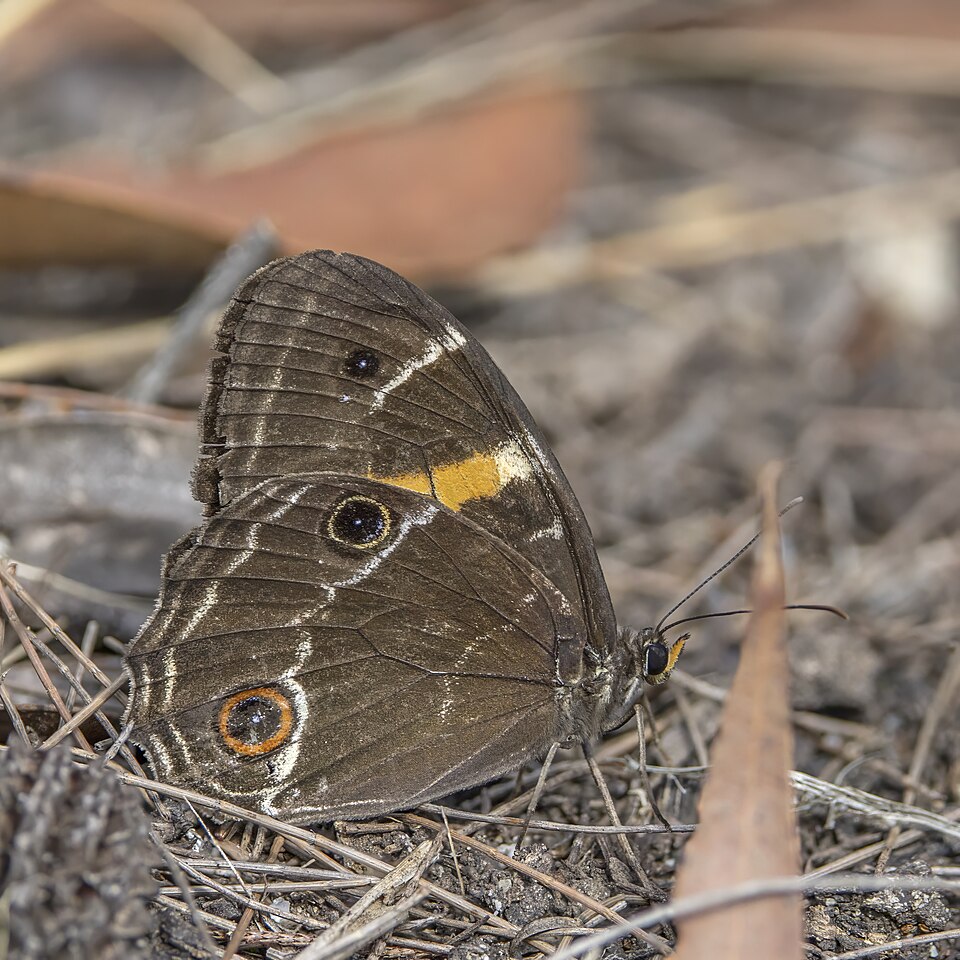

How to shape a April day in Australia
Start early, while the air is still fresh, with the sights that need walking. Midday at 30 °C calls for a slow lunch and a rest. Evenings drop to 15 °C, so plan dinner somewhere warm and keep a layer handy.
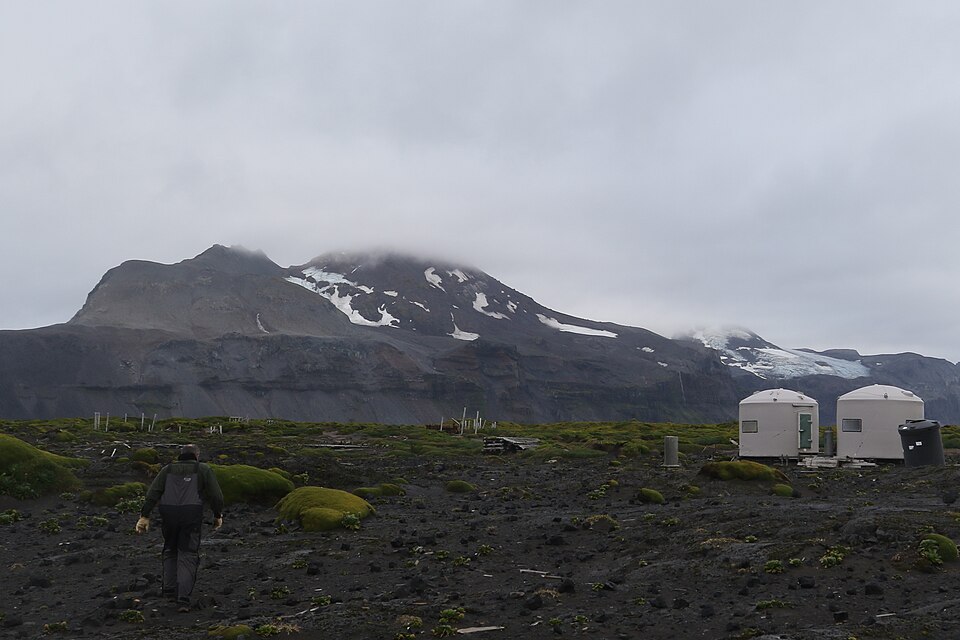

Getting to Australia from home
Australia lies {{dist.home:YEG}} from Edmonton in a straight line. From Toronto it is {{dist.home:YYZ}}. Vancouver lies {{dist.home:YVR}} away.
Door to door, the plan lines up the ride to the airport, the flight with live fares and the transfer on arrival.
Getting there
The quickest way is from Vancouver: you're in Australia in about 14 h 48 on a nonstop flight. The nearest airport is Sydney Kingsford Smith International Airport (SYD), 2,017 km away.
- SYDSydney Kingsford Smith International Airport2,017 km to the destination
- ASPAlice Springs Airport161 km to the destination
| From | Flight time | To | Nonstop flight |
|---|---|---|---|
| Vancouver YVR | about 14 h 48 | SYD | Nonstop |
| Calgary YYC | about 15 h 35 | SYD | |
| Edmonton YEG | about 15 h 42 | SYD | |
| Winnipeg YWG | about 16 h 50 | SYD | |
| Toronto YYZ | about 18 h 16 | SYD | |
| Ottawa YOW | about 18 h 37 | SYD | |
| Montreal YUL | about 18 h 48 | SYD | |
| Halifax YHZ | about 19 h 42 | SYD |
Flight times estimated from the distance, nonstop routes from OpenTravelData.
Travel advice for Australia
Australia ETA by app
The current advice on safety, health and entry is published in full by Travel.gc.ca. Check it before you book and again shortly before you leave.
Checked: October 1, 2026, source: Australian Department of Home Affairs (ETA, subclass 601)
Packing for Australia in April
With 30 °C by day and 15 °C at night and 2 rain days in April, pack for heat. Your plan builds this list for you and updates it when you change the dates.
- Light, breathable clothes for the day
- Sun hat and sunscreen
- A refillable water bottle
- A warm layer for the evenings
- Comfortable walking shoes
- A travel adapter for your chargers
Prices for Australia
The cards below pull today's partner prices for Australia in your currency, so the number you see is the one you pay.

Plan experiences that match your travel style
A relaxed itinerary gives each area room to unfold. You might use one or two stops per day, reserve time for meals, and leave open space for a neighbourhood walk or a change in weather. This pace can concentrate spending on accommodation and a smaller selection of memorable activities rather than continuous movement.

A balanced trip commonly fits two or three stops into a day, while a packed itinerary places more experiences into the same route. A packed plan can create additional transport needs, so check each leg before adding another pin. You can change the pace by day and let the plan checker reorder the route after each change.
Food, guided tours, museums, wildlife experiences and outdoor attractions all belong in the same budget view. The page shows live partner prices or a check live price action for stays, tours and transport. Add activities to the plan early when they shape your route, then revisit flexible choices as the trip approaches.
Use a practical Australian itinerary from Edmonton
For a relaxed first week, give the arrival city time to settle in and keep the opening day light. Place a central stay on the map, add nearby meals and a flexible outdoor activity, and connect the airport transfer to that base. Later days can introduce another region, with a clear view of transfer costs before you commit.
A middle section can focus on one major area, using two or three stops on active days and reducing the number of stops on days when the group wants space. Add a final coastal or city base for the closing days, then connect it to the return journey. This shape gives Edmonton travellers clear spending targets without locking every hour in place.
Describe the trip to HolidayWow in a sentence or by voice. Include who is travelling, the season, the budget and the desired pace. The planner reads those details, creates the map first plan, and gives each day a route. You can then edit stops, add live dates later, share the plan, and track documents in one place.
Australia: frequently asked questions
What are the main costs for an Australia trip from Edmonton?
The main costs are international flights, accommodation, transport between Australian regions, local travel, meals, tours and attractions. Edmonton is 13,749 km from Australia, making the air connection an important starting point. Stay in one or two bases to make daily spending and transfers easier to track.
How can I estimate an Australia trip budget before booking?
Start with flights and accommodation, then add the transport required between your selected areas. Build a daily allowance for meals and activities, with extra room for optional tours. HolidayWow shows live partner prices and a check live price action, so your plan can reflect current options before you book.
Does choosing different Australian months change the cost?
Different months can change airfare, hotel demand, weather and the types of activities you choose. January is the warmest month in the supplied climate record, while June and July bring cooler conditions. Compare your preferred dates and review the month's climate before locking the route and accommodation.
Should I choose a relaxed or packed Australia itinerary?
Choose a relaxed pace when you want time to explore neighbourhoods, settle into a stay and adjust to distances between activities. A balanced pace works well for a mixed group. A packed pace suits travellers who want more stops, but every added stop can also add local transport, meal and activity costs.
Can HolidayWow plan an Australia trip from Edmonton in CAD?
Yes. Describe the trip, group, season, pace and budget, and HolidayWow creates a map based plan. The budget uses your home currency, cost splitting helps groups organise expenses, and price watch covers stays and tours. Partner links show current prices or a check live price action.


Your next trip
Plan your vacation in Australia

Describe your trip in one sentence. When, who with and what matters to you.