Best time: April to October
Australia trip cost from Toronto
Published October 5, 2026 · HolidayWow editors · Written with AI, numbers checked against our data ·
An Australia trip cost from Toronto depends on your destinations, travel dates, accommodation choices, activities, and local transport. Start with a clear map plan, add each booking to your budget in CAD, and compare live partner prices before you commit. Toronto to Australia is 16,407 km, so a well structured itinerary is especially useful.
In Australia, the best time for a trip is April to October, with daytime highs up to 34 °C.
7 days in Australia in August, Culture, from Vancouver on your own
Plan a trip- Best time to go
- April to October
- Daytime high in January
- 39 °C
- Flight from Vancouver, nonstop
- about 14 h 48


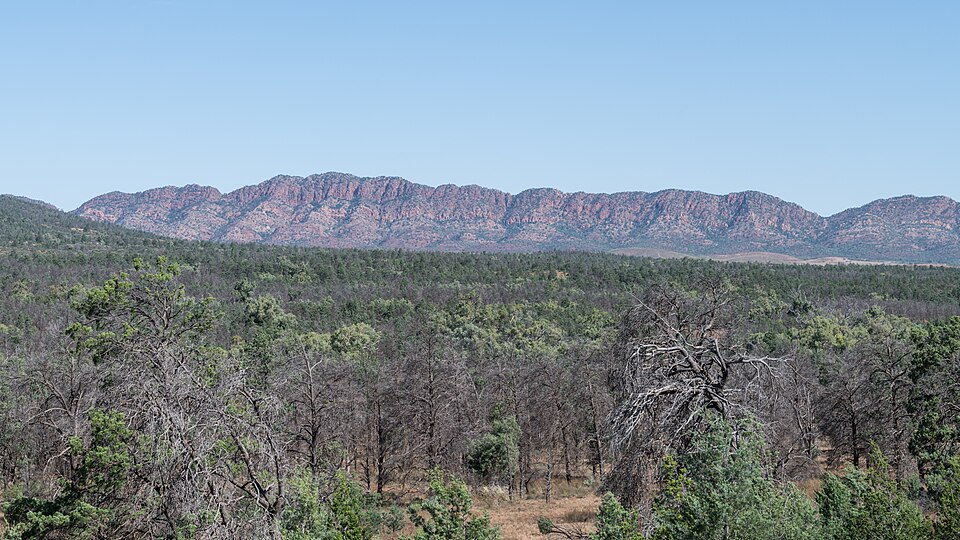
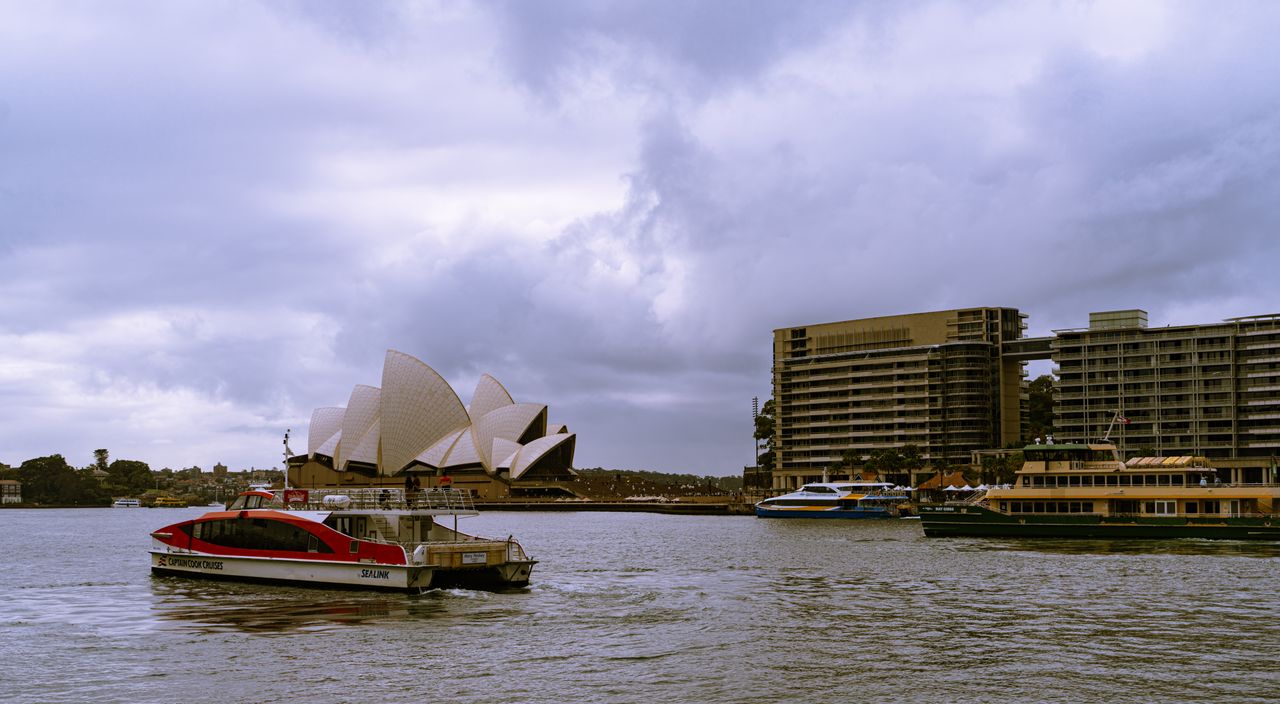
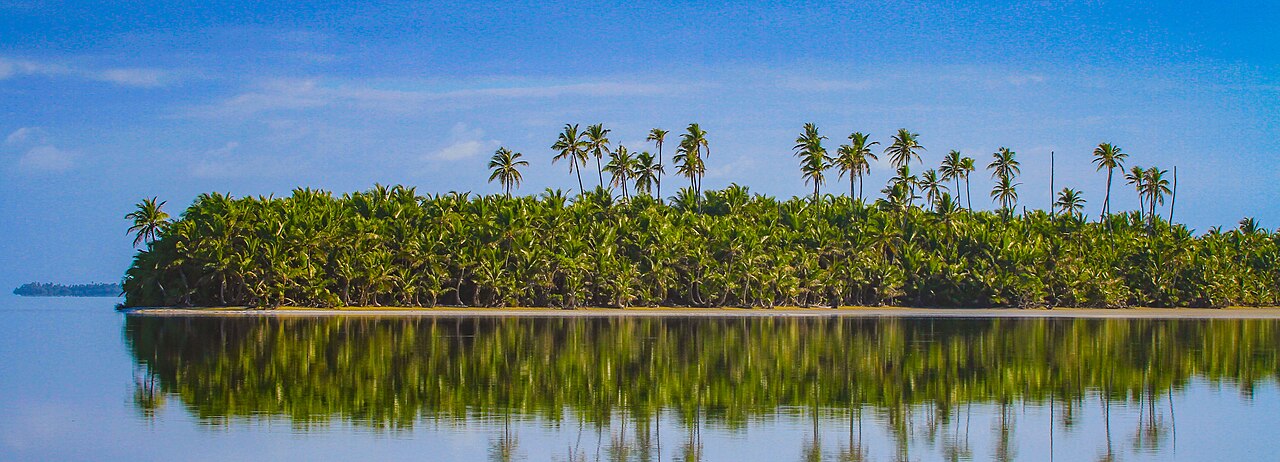
 iPhoto: Bernard Gagnon · CC BY-SA 3.0 · Wikimedia Commons
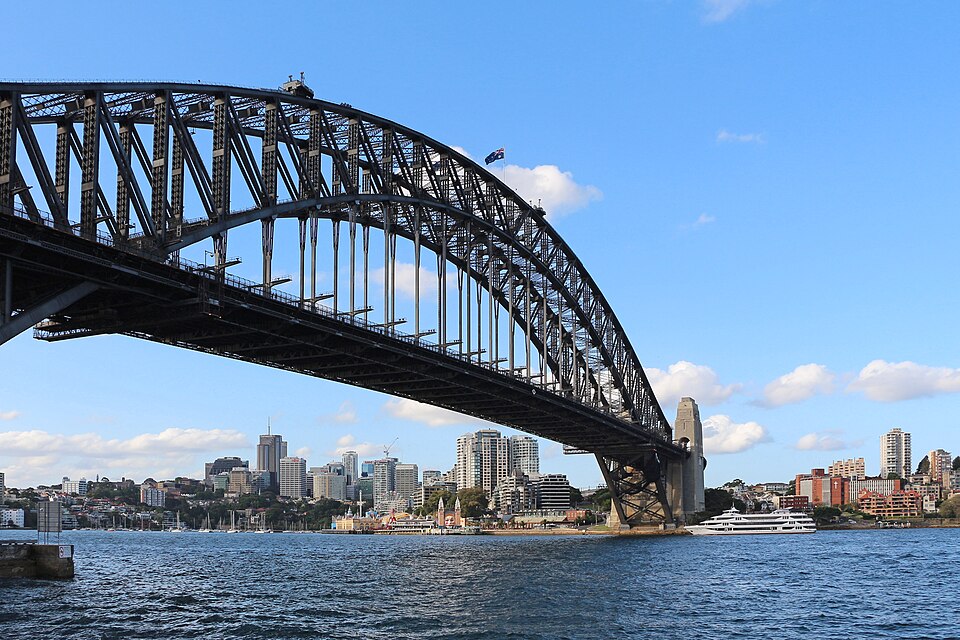
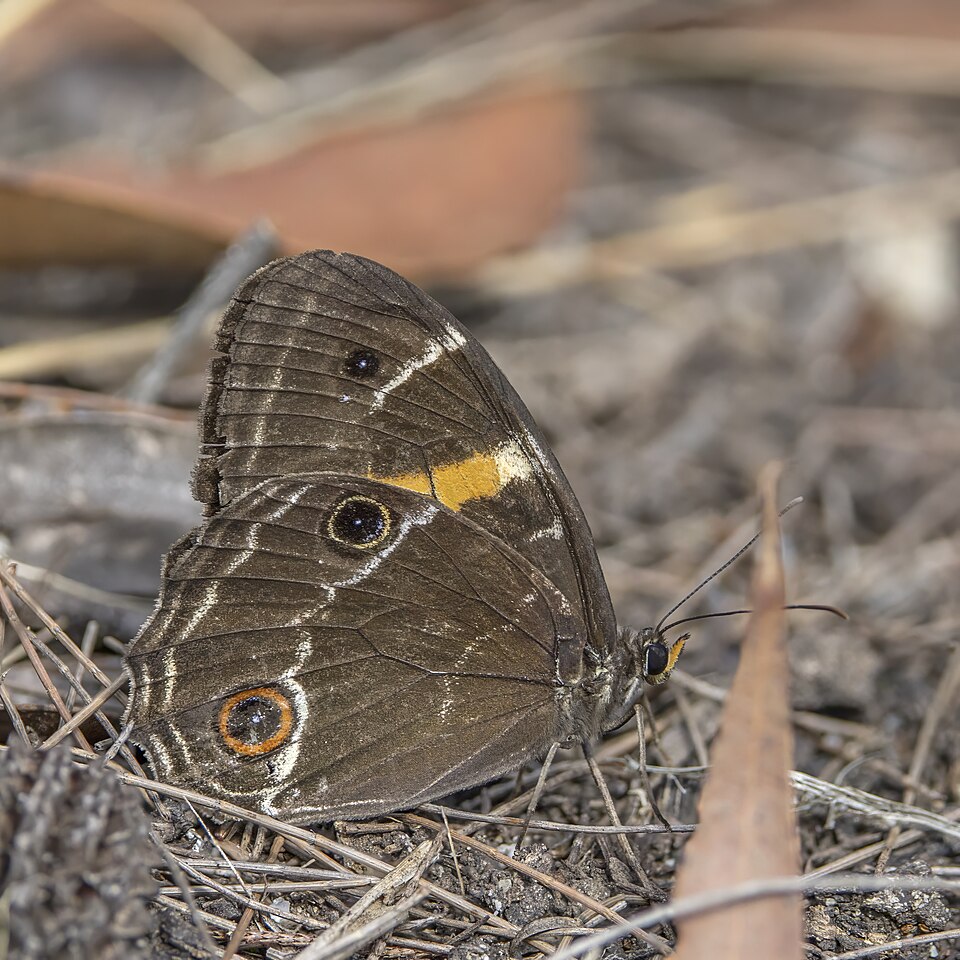
 iPhoto: Alexey V. Kurochkin · CC BY-SA 4.0 · Wikimedia Commons
Australia at a glance
- What’s the vibe?
- Australia rewards travellers who choose their bases before collecting activities. Sydney and Melbourne suit first visits with their distinct food, arts, neighbourhoods, and coastal settings.
- Best time to go
- In Australia, the best time for a trip is April to October, with daytime highs up to 34 °C.
- How to get there?
- From Vancouver, you can be in Australia in about 14 h 48.
Shape the budget around your route
Australia rewards travellers who choose their bases before collecting activities. Sydney and Melbourne suit first visits with their distinct food, arts, neighbourhoods, and coastal settings. A route that connects one of these cities with another Australian base can give you variety while keeping transfers and accommodation decisions manageable.

Think about each destination as part of one connected journey. HolidayWow reads the places, month, group, pace, and budget from your description, then draws daily routes across the map. Every stop appears as a pin, making it easier to judge whether an activity belongs on the route or belongs in another city.
The distance from Toronto is 16,407 km, while the overall spending picture depends on more than geography. The number of bases, the length of your vacation, accommodation location, booked activities, and your approach to meals all shape the trip budget. Fixing those choices early gives each live price a clear place in your plan.
Set aside the main travel expenses
Start with air travel from Toronto, then compare live fares through the partner options shown inside the plan. Booking can happen through links in your language and currency, which keeps the research and decision process in one place. The page displays current partner prices rather than a fixed estimate, so your budget follows the live market.
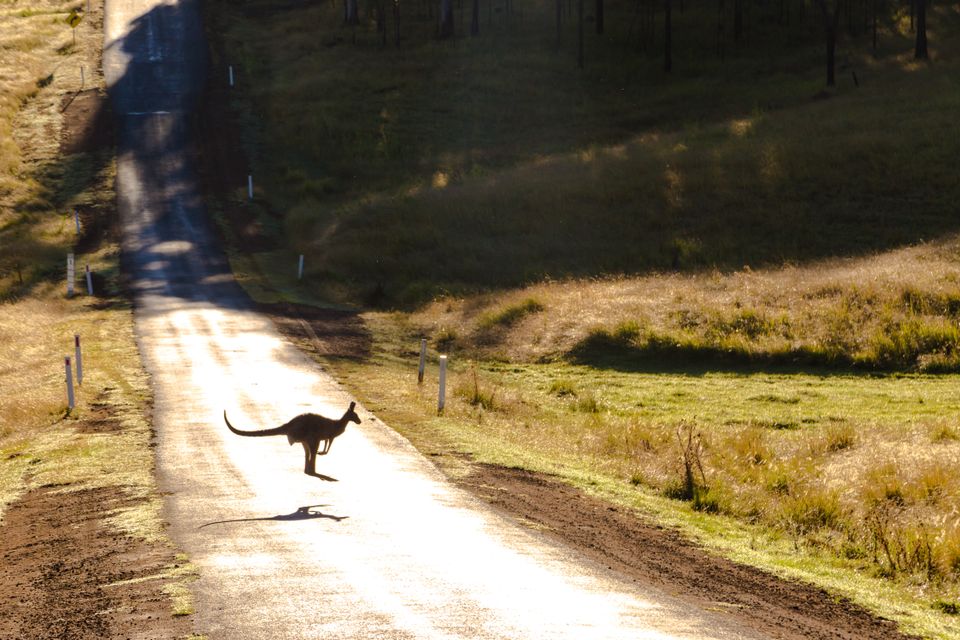
Accommodation deserves a separate line because your choice of neighbourhood can affect both the nightly rate and local movement. Stays are added to the same budget as tours, transport, and other trip components. A price watch can help you keep an eye on selected stays and experiences as your dates take shape.
Flights, stays, and experiences are connected parts of the same financial decision. Set a relaxed, balanced, or packed pace before making bookings. A packed itinerary may bring more stops into each day, while a relaxed pace gives you more time to enjoy meals, neighbourhoods, and the places you have chosen. The right pace supports a realistic budget.
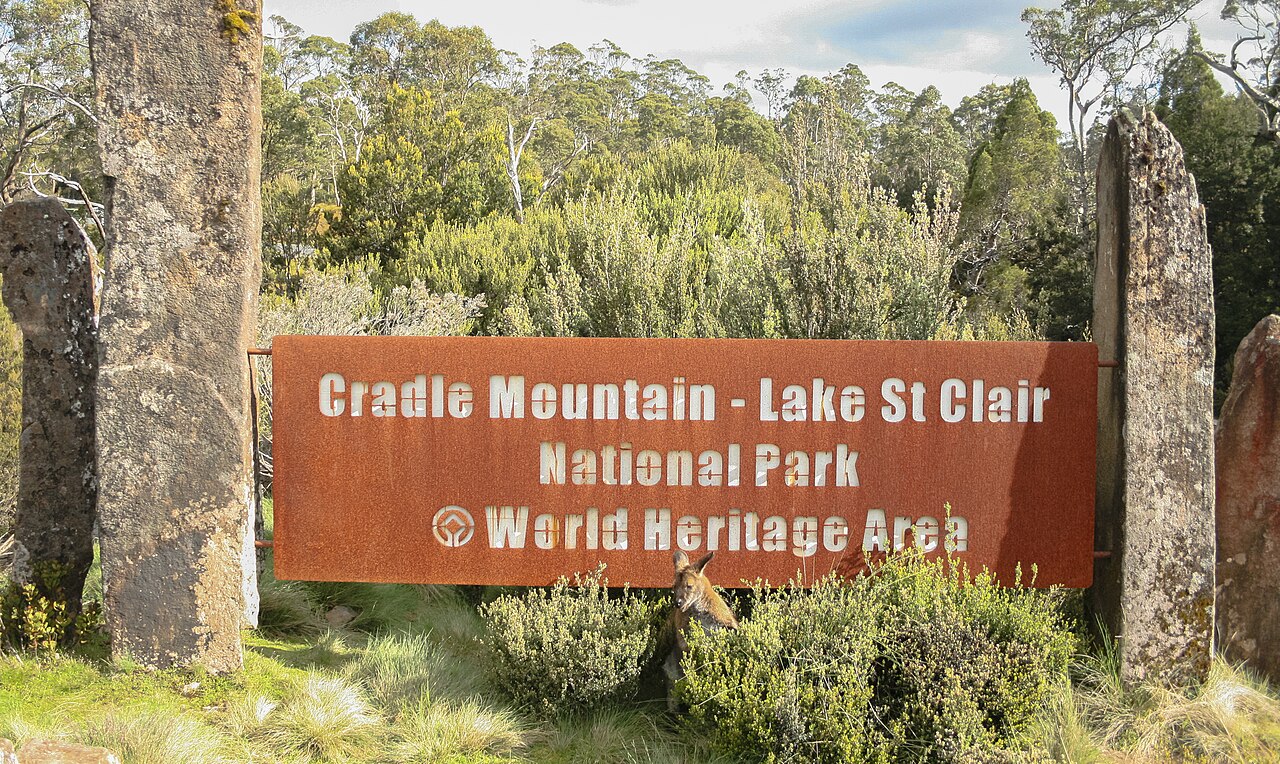
Allow room for movement and daily spending
Local transport belongs beside accommodation and activities because a convenient base can simplify daily journeys. Add available transport options from partners to your plan, then compare them against the routes you will actually use. This approach makes airport transfers, city movement, and trips to nearby attractions easier to review together.
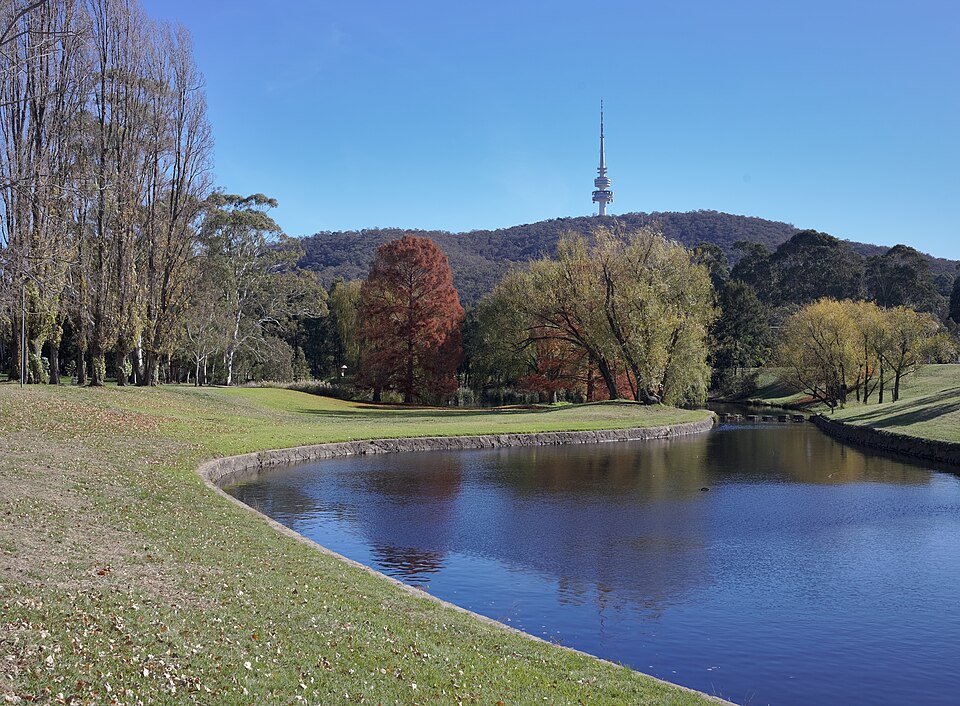
Food, refreshments, and spontaneous purchases belong in a daily spending allowance. Instead of guessing the final total, enter the trip budget in CAD and adjust each booking as the plan develops. For groups, cost splitting can assign shared items to the travellers responsible for them, keeping the budget readable for everyone.
Keep a simple distinction between confirmed costs and flexible spending. Confirmed costs include booked flights, stays, and selected activities. Flexible spending covers meals, local rides, and extras chosen during the trip. This structure helps you make tradeoffs early, when changing a booking or moving an activity between bases can still shape a smooth itinerary.
When this kind of trip works best in Australia
The most comfortable months are April, May, June, July, August and September. In April, for example, days reach 30 °C with 2 rain days.
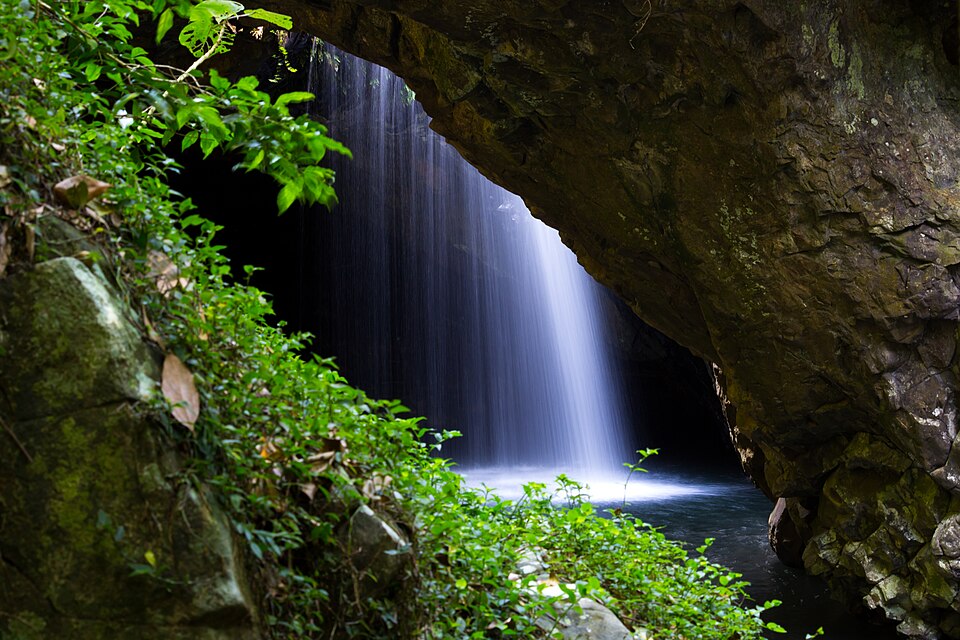
Already started
Your trip in Australia
 24 °C by day in August
- from Vancouver about 14 h 48
Day 1
Arrival in Tasmania
Flight from Vancouver in 14 h 48, nonstop. Settle in, first evening by the harbor or in the center.

Day 2
Henbury
Start early; bring water and sturdy shoes.
Day 3
Finke-Gorge-Nationalpark
Start early; bring water and sturdy shoes.
Day 4
Rainbow Valley
Start early; bring water and sturdy shoes.

Day 5
On to Canberra
A new base for the next few days; explore Canberra on foot.
Day 6
Angas Downs Indigenous Protected Area
Start early; bring water and sturdy shoes.
Day 7
Last morning and flight home
One last walk, then back to Vancouver.
Look around without an account; sign in to save.
Weather and climate in Australia
The warmest month is January, with 39 °C by day and 24 °C at night. The sunniest month is February, with 11 hours of sun a day.
| Month | Jan | Feb | Mar | Apr | May | Jun | Jul | Aug | Sep | Oct | Nov | Dec |
|---|---|---|---|---|---|---|---|---|---|---|---|---|
| Day °C | 39 | 37 | 35 | 30 | 24 | 20 | 21 | 24 | 29 | 34 | 36 | 38 |
| Night °C | 24 | 22 | 20 | 15 | 10 | 6 | 5 | 8 | 12 | 16 | 19 | 22 |
| Sun h/day | 11 | 11 | 10 | 10 | 9 | 9 | 9 | 10 | 11 | 11 | 11 | 11 |
| Rain days | 5 | 3 | 3 | 2 | 2 | 2 | 1 | 1 | 2 | 3 | 5 | 5 |
Weather in Australia month by month
- January39 °C
- February37 °C
- March35 °C
- April30 °C
- May24 °C
- June20 °C
- July21 °C
- August24 °C
- September29 °C
- October34 °C
- November36 °C
- December38 °C
Australia's climate month by month
Daytime highs range from 20 °C in June to 39 °C in January. July is the driest with 1 rain days and January the wettest with 5. January brings the most sun, around 11 hours daily.
Comfortable sightseeing weather, with highs between the low twenties and about thirty degrees, comes in April, May, June, July, August and September.
- January: 39 °C, 5 rain days, 11 h of sun
- February: 37 °C, 3 rain days, 11 h of sun
- March: 35 °C, 3 rain days, 10 h of sun
- April: 30 °C, 2 rain days, 10 h of sun
- May: 24 °C, 2 rain days, 9 h of sun
- June: 20 °C, 2 rain days, 9 h of sun
- July: 21 °C, 1 rain day, 9 h of sun
- August: 24 °C, 1 rain day, 10 h of sun
- September: 29 °C, 2 rain days, 11 h of sun
- October: 34 °C, 3 rain days, 11 h of sun
- November: 36 °C, 5 rain days, 11 h of sun
- December: 38 °C, 5 rain days, 11 h of sun
Busy and quiet months in Australia
Monthly search volumes put the peak for Australia in December and the low point in August.
A day in Australia in April
Use the cool morning hours for the big walk of the day. At 30 °C the middle of the day belongs to shade, a long lunch or a siesta. By night it is 15 °C: a cosy restaurant suits the evening.
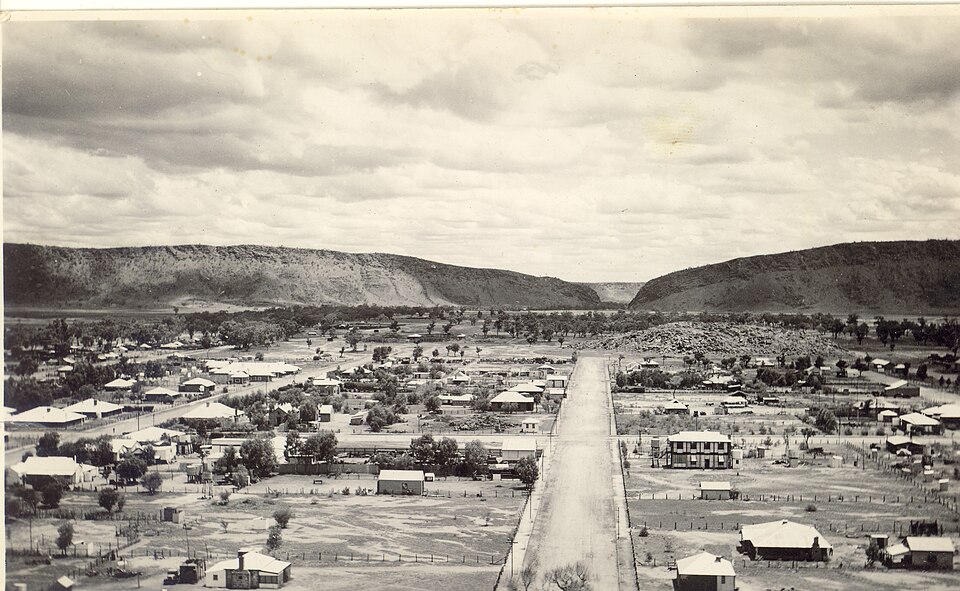

How far is Australia?
Australia lies {{dist.home:YYZ}} from Toronto in a straight line. From Vancouver it is {{dist.home:YVR}}. Montreal lies {{dist.home:YUL}} away.

The plan adds the ride to the airport, the flight with live fares from our partners, and the transfer to your first stay.
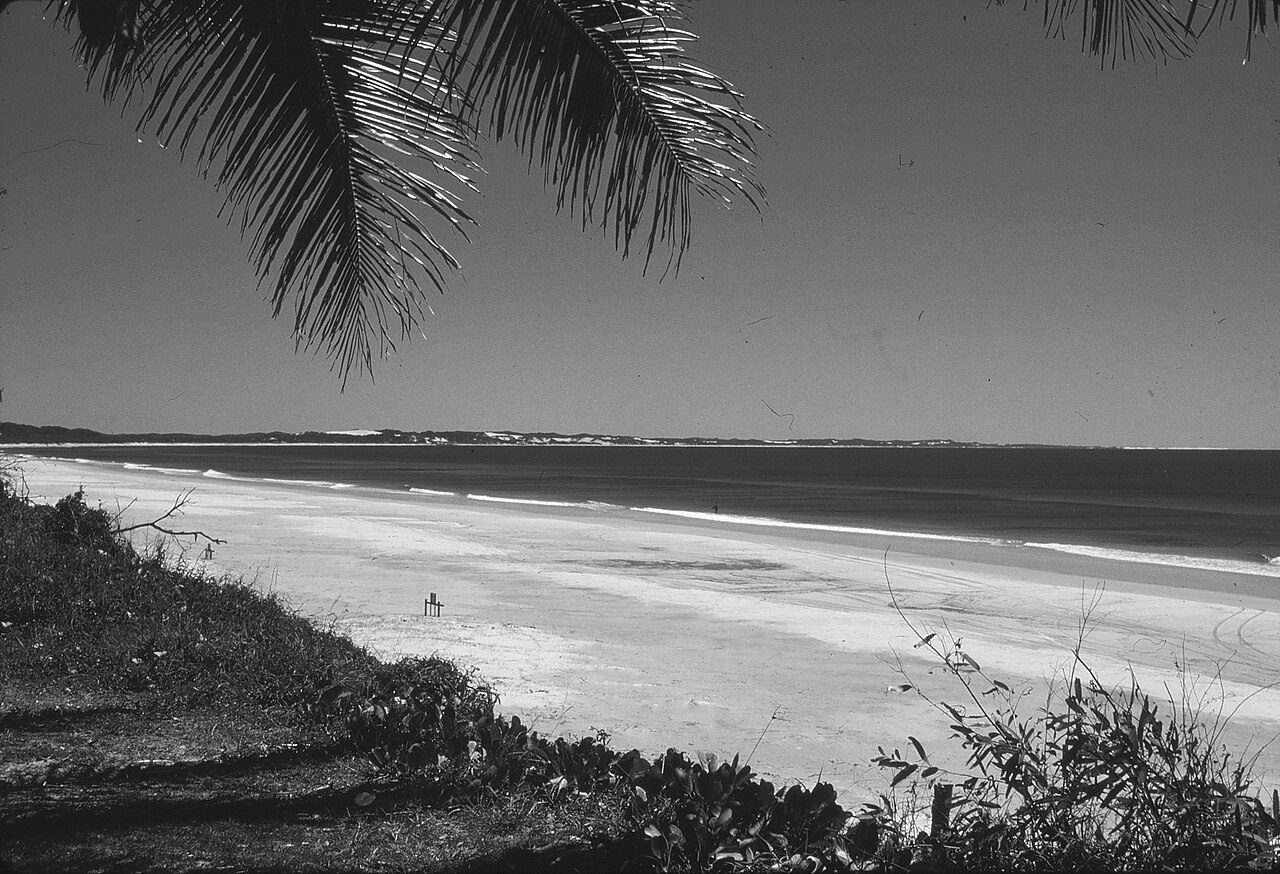
Getting there
The quickest way is from Vancouver: you're in Australia in about 14 h 48 on a nonstop flight. The nearest airport is Sydney Kingsford Smith International Airport (SYD), 2,017 km away.
- SYDSydney Kingsford Smith International Airport2,017 km to the destination
- ASPAlice Springs Airport161 km to the destination
| From | Flight time | To | Nonstop flight |
|---|---|---|---|
| Vancouver YVR | about 14 h 48 | SYD | Nonstop |
| Calgary YYC | about 15 h 35 | SYD | |
| Edmonton YEG | about 15 h 42 | SYD | |
| Winnipeg YWG | about 16 h 50 | SYD | |
| Toronto YYZ | about 18 h 16 | SYD | |
| Ottawa YOW | about 18 h 37 | SYD | |
| Montreal YUL | about 18 h 48 | SYD | |
| Halifax YHZ | about 19 h 42 | SYD |
Flight times estimated from the distance, nonstop routes from OpenTravelData.
Travel advice for Australia
Australia ETA by app
The current advice on safety, health and entry is published in full by Travel.gc.ca. Check it before you book and again shortly before you leave.
Checked: October 1, 2026, source: Australian Department of Home Affairs (ETA, subclass 601)
What to pack for Australia
For April, plan for heat: 30 °C in the day, 15 °C after dark, 2 days of rain. The packing list in your plan adjusts itself to the month and the days you pick.
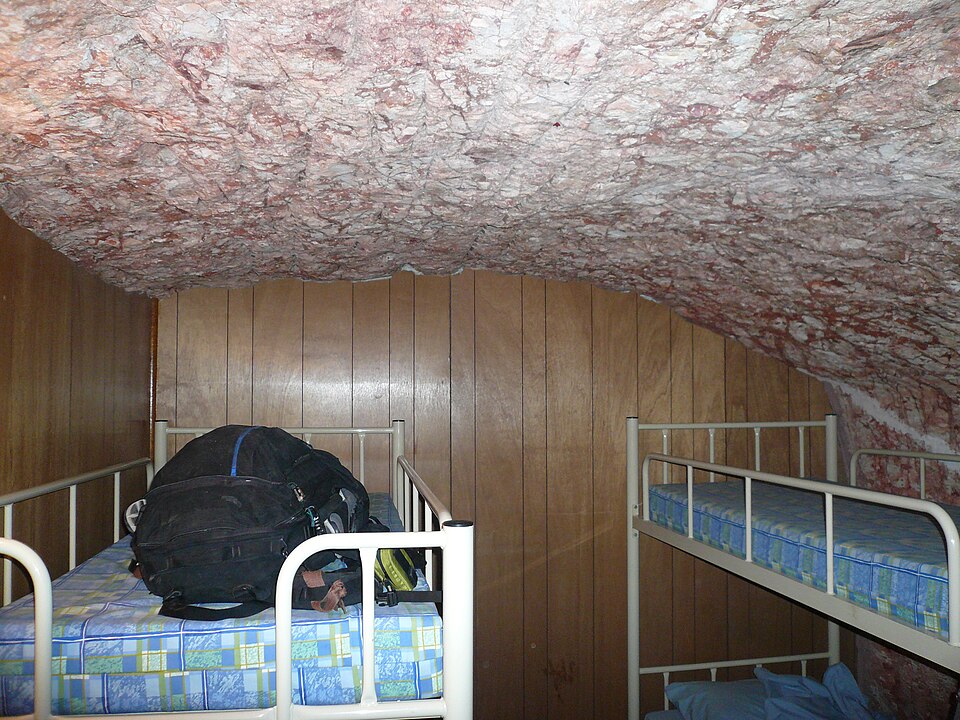
- Light, breathable clothes for the day
- Sun hat and sunscreen
- A refillable water bottle
- A warm layer for the evenings
- Comfortable walking shoes
- A travel adapter for your chargers
Live prices for Australia
Stays, tours and flights for Australia show their live price from our partners, in your currency, right below. We never estimate a price: what you see is what the partner charges today.
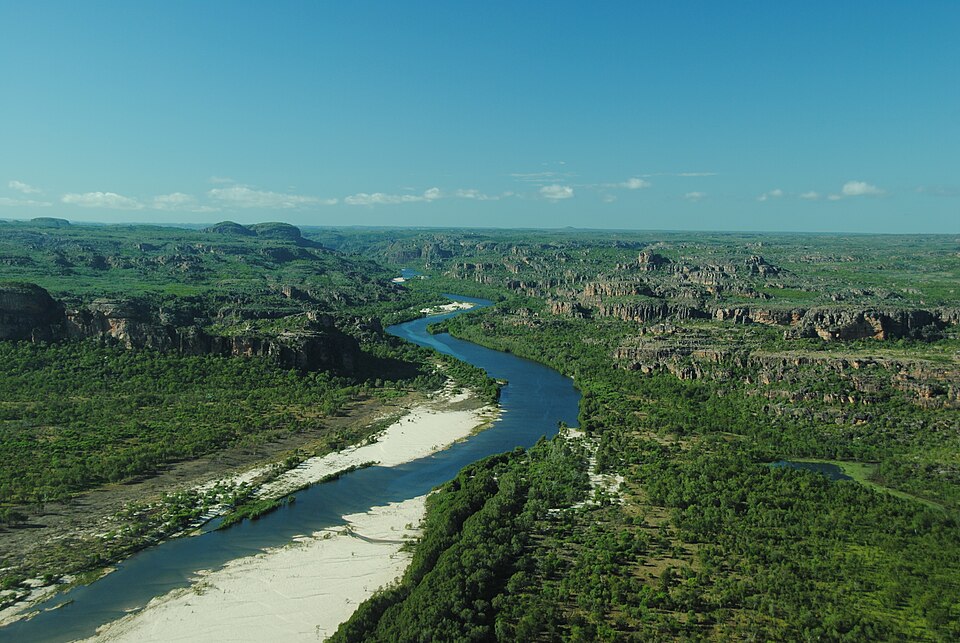
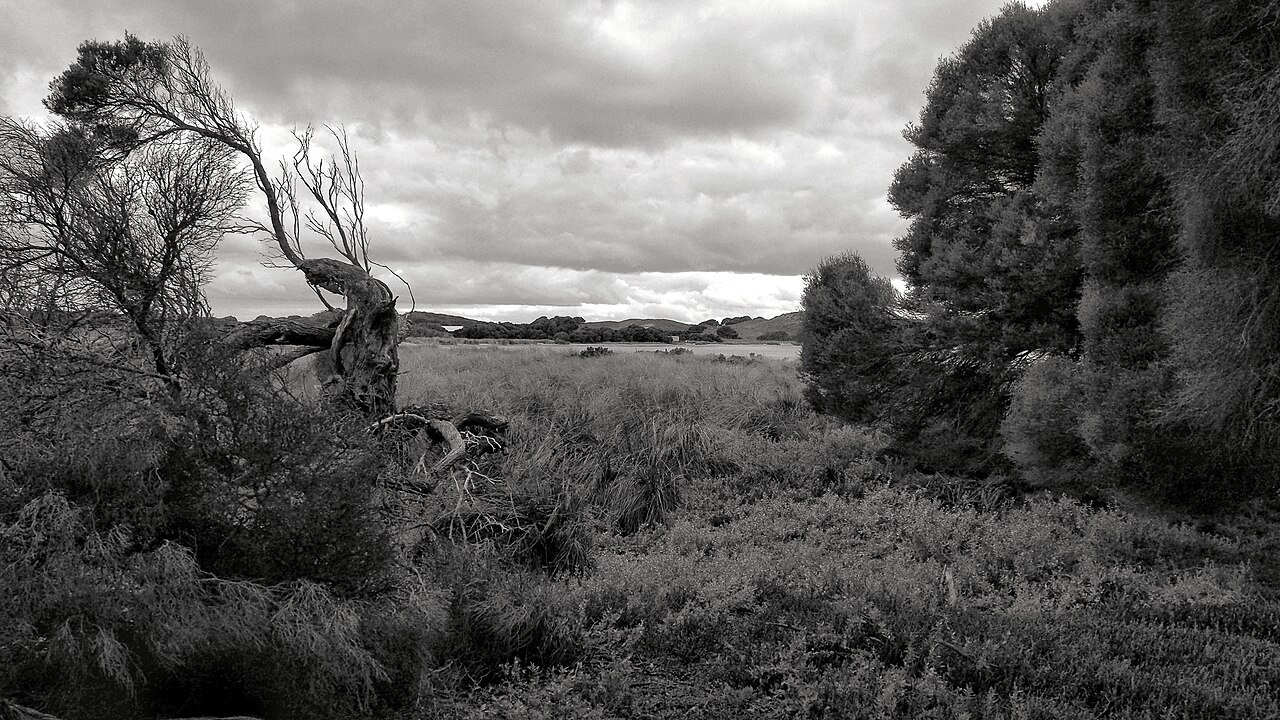
Choose the month with the trip in mind
Seasonal choice changes both your experiences and the way you use your budget. January is the warmest month in the climate record, with daytime temperatures reaching 39 °C in some locations. July is the driest month in the national data, with daytime temperatures around 21 °C and night temperatures near 5 °C.
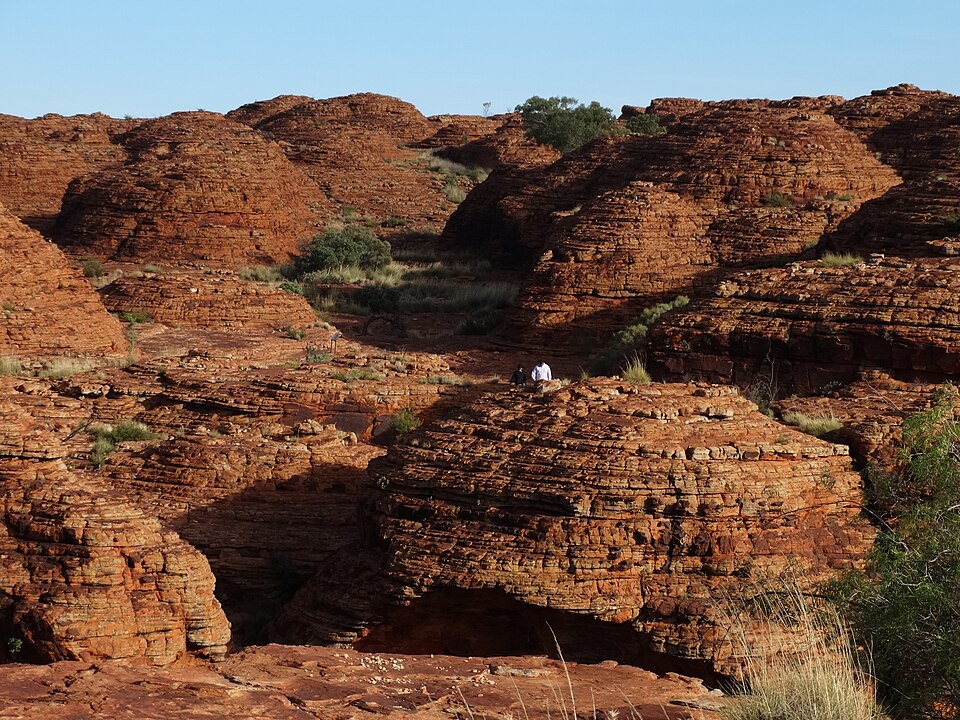
Warm months work well for outdoor sightseeing, harbour activities, and relaxed coastal days. Cooler months suit people who enjoy comfortable walking conditions, indoor attractions, and a slower city pace. Because Australia stretches across several climate zones, the conditions in Sydney, Melbourne, northern Australia, and other regions can vary substantially.
Add a month first, then refine the plan with dates. Each day card can then display its weekday, live weather, and live prices. This sequence lets weather and current availability influence your choices before you lock the schedule, especially when your Canadian dates overlap with Australian summer or winter conditions.
Build a route that supports easy changes
A map first plan gives your cost decisions a clear connection to daily life. You can drag a stop to another day, swap one place for another, or make a day lighter after comparing the route. The plan checker reorders the day following each change, helping the itinerary and activity schedule stay aligned.
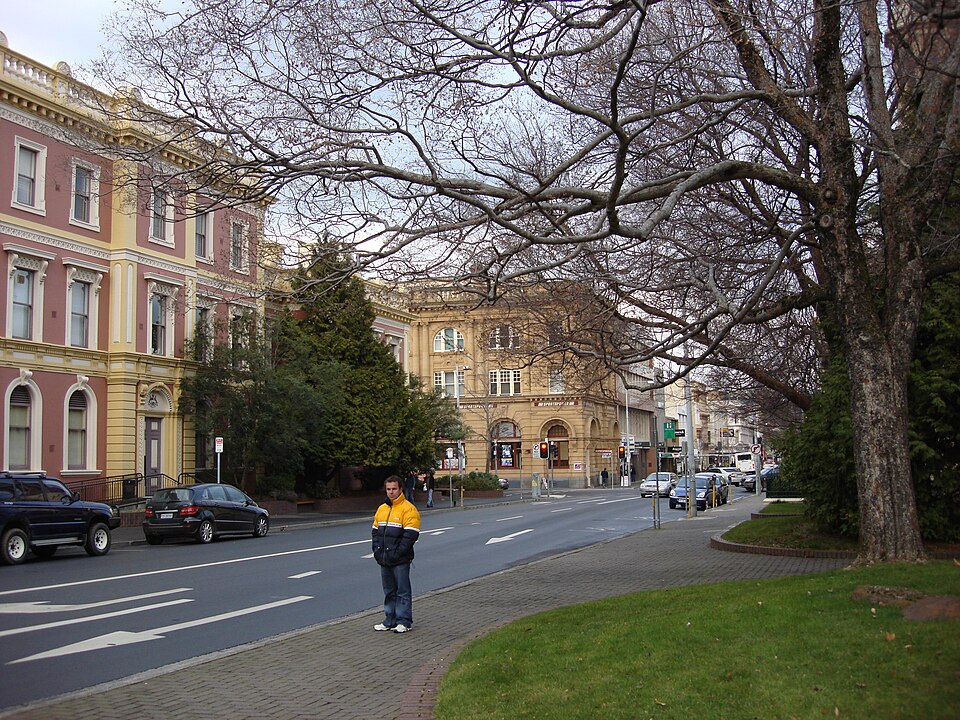
Start with the essentials that define the vacation, then add details. Place the first stay, identify the neighbourhoods or areas that suit your group, and build a balanced daily rhythm. Add dates later if your plans are still forming. This approach keeps a workable trip in view before the itinerary becomes too detailed to adjust.
Use the sharing link when family members or friends need to follow the same route. Viewers can see the plan, editors can make changes, and group members can vote and comment. The document vault keeps passports, tickets, and confirmations with the relevant trip, while the packing list and checklist reflect the places, month, and climate in your route.
Australia: frequently asked questions
What is the main cost for an Australia trip from Toronto?
Your major cost categories are air travel, accommodation, local transport, activities, meals, and extras. The largest choice is usually the route and length of the vacation, followed by the areas where you stay and the experiences you book. Add current partner options directly to a CAD budget in HolidayWow.
How can I organize an Australia trip budget in Canadian dollars?
Create the trip in HolidayWow with your Canadian budget, then add flights, stays, tours, and transport as live partner prices become available. Use the budget tools to track known costs and group shares. A price watch can support your choices while you compare dates, neighbourhoods, and activity schedules.
Should I visit several Australian cities or use one base?
A single base offers a simple pace and keeps daily routes compact. Several cities add variety but introduce additional stays, transfers, and booking decisions. Add each base to the map, compare its role in the vacation, and keep the number of changes aligned with the pace you want during the trip.
How do I account for meals and other daily expenses?
Give meals, refreshments, local rides, and extras their own flexible spending section. Confirmed bookings can sit beside this daily allowance in the trip budget. For a group, use cost splitting to share common expenses while keeping each traveler's personal selections clearly organized.
When should I start planning an Australia vacation from Toronto?
Begin with the month, group, budget, and preferred pace, then shape the route before booking. Add exact dates when your plans are ready so weekday, weather, and live price information can appear with each day. HolidayWow keeps the changing parts editable from the first outline through sharing.


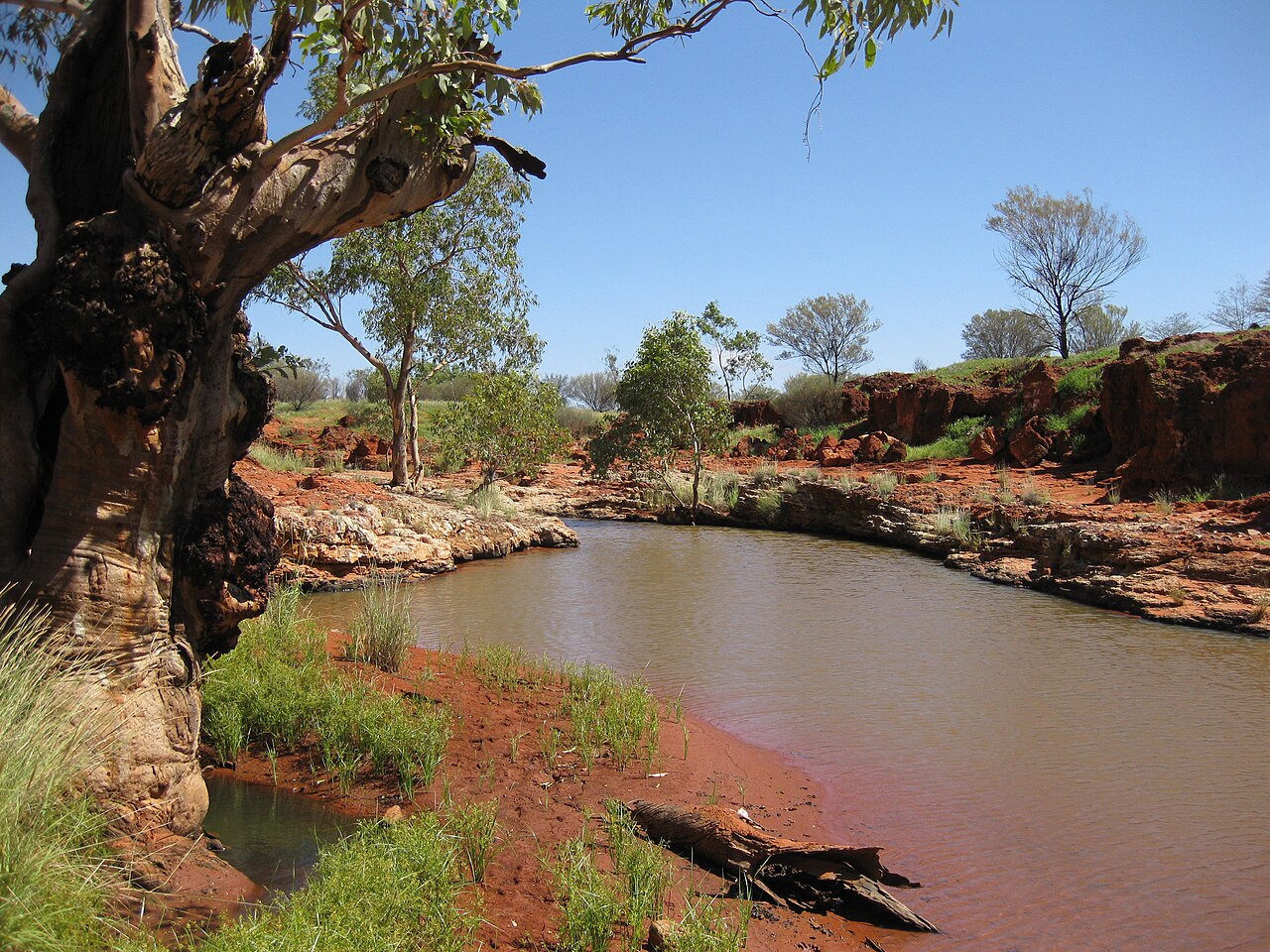
Your next trip
Plan your vacation in Australia

Describe your trip in one sentence. When, who with and what matters to you.