Ten years of climate
Temperature, sea, sun and rain days for every month, measured, not guessed. You see how your trip will feel before you go.
Published 6 October 2026 · HolidayWow editors · Written with AI, numbers checked against our data ·
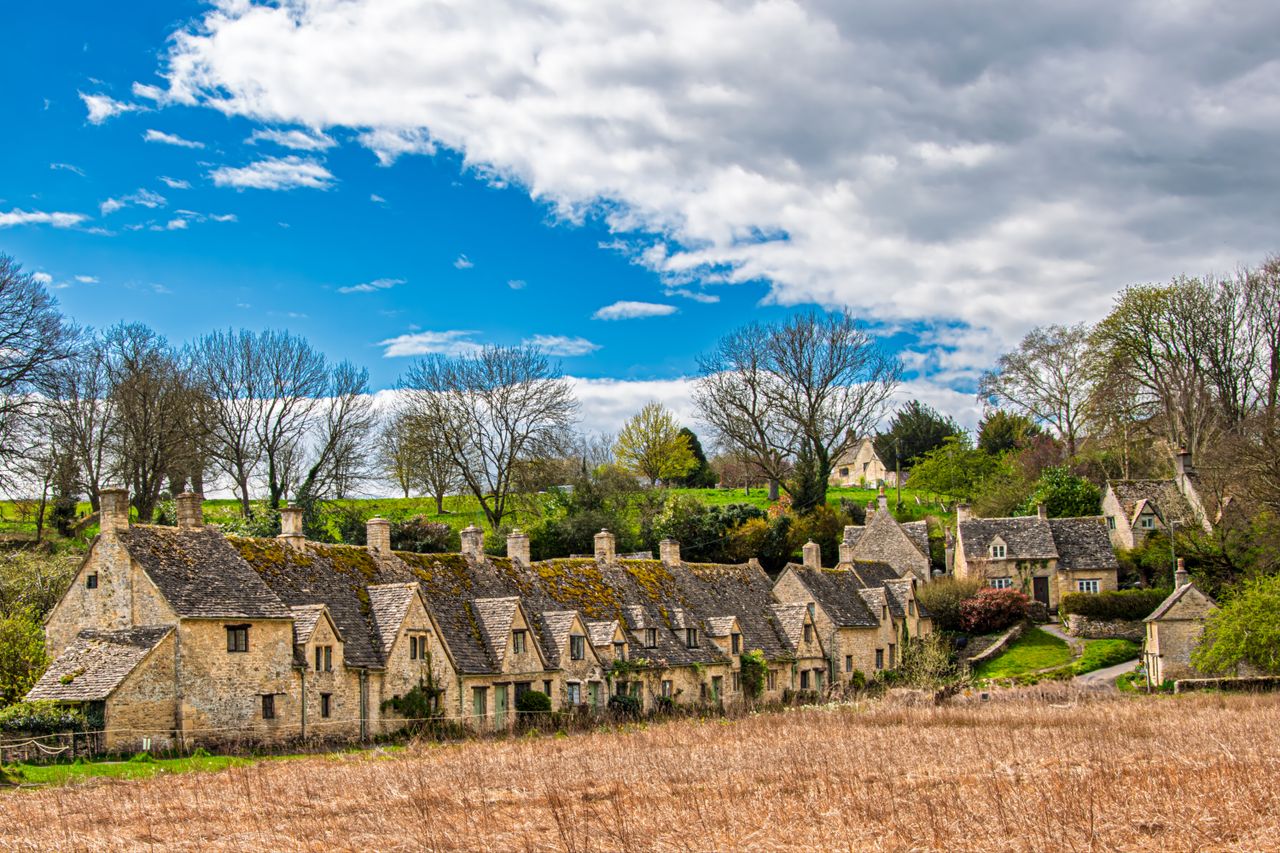
Cotswolds food centres on fresh country produce, handmade bakery goods, local cheeses, traditional British dishes and meals served in historic villages. Build your break around morning markets, lunch stops and relaxed dinners, then organise the route with HolidayWow so every tasting stop has a place on the map.
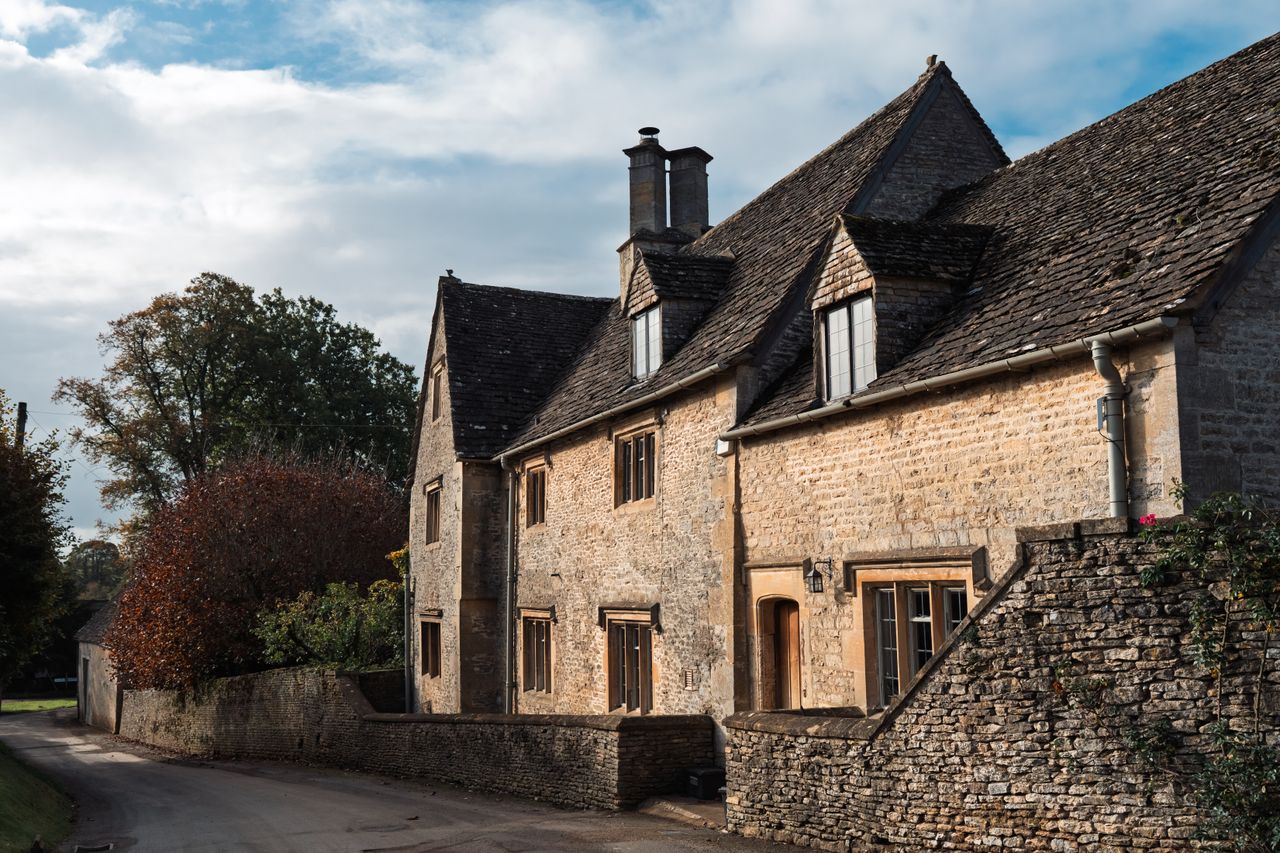
The food of the Cotswolds draws on its farming landscape and traditional village kitchens. Local producers supply ingredients that suit simple British cooking, while bakers, cheesemakers, butchers and growers give holidaymakers plenty to discover. Seasonal vegetables, fruit, meat, poultry and dairy products often take centre stage, prepared with a light hand so the ingredient remains the focus.
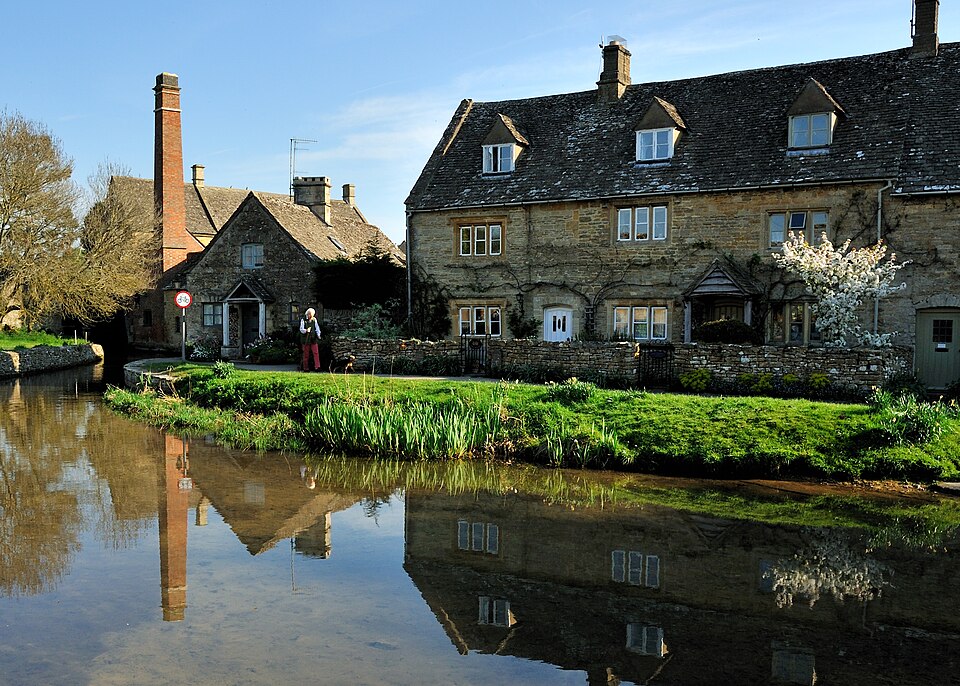 CotswoldsiPhoto: Saffron Blaze · CC BY-SA 3.0 · Wikimedia Commons
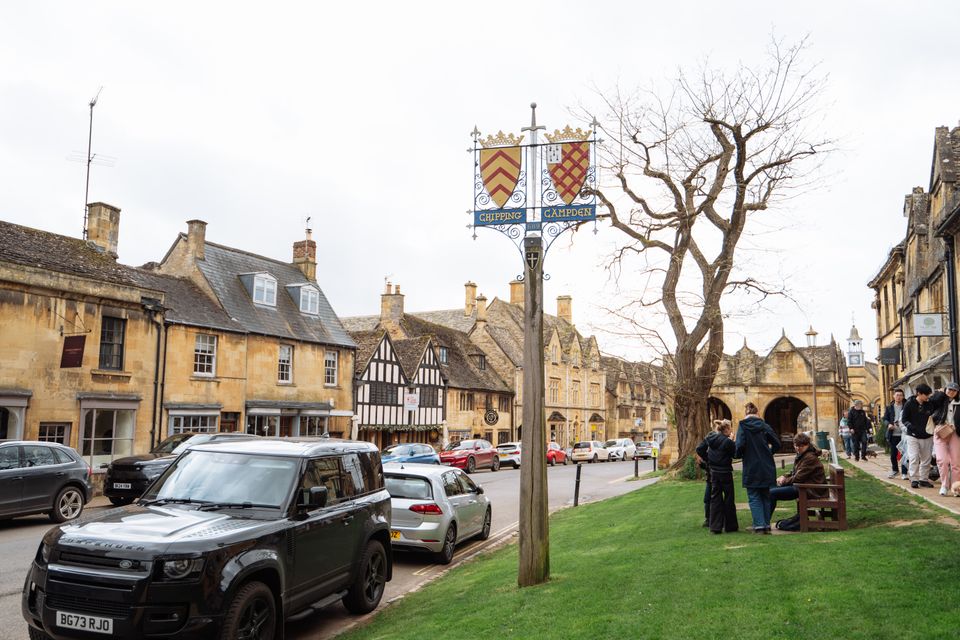
Your base matters as much as the dishes. A village with a bakery, farm shop and good pub dining lets you build a food day without adding a long transfer. Historic places such as Chipping Campden reward time to wander between meals, while other villages work well as a stop during a scenic drive through the countryside. Treat each place as part of the experience, not simply as a pin for a restaurant.
CotswoldsiPhoto: Saffron Blaze · CC BY-SA 3.0 · Wikimedia CommonsStart with one or two villages where you want to spend most of the day. Add a bakery stop for the morning, a market or farm shop around midday, and a pub or restaurant for the evening. HolidayWow turns this sequence into a map with each stop pinned and every day presented as a route, helping you see which places work well together and where a change of pace would help.
You can describe the trip in a sentence or use voice input. The planner reads the place, group, month, pace and budget from your request. A relaxed pace suits tasting days with one or two stops, while a balanced plan gives room for a market, a walk and a main meal. Dates can be added later to bring weekday information, live weather and live prices into the day cards.
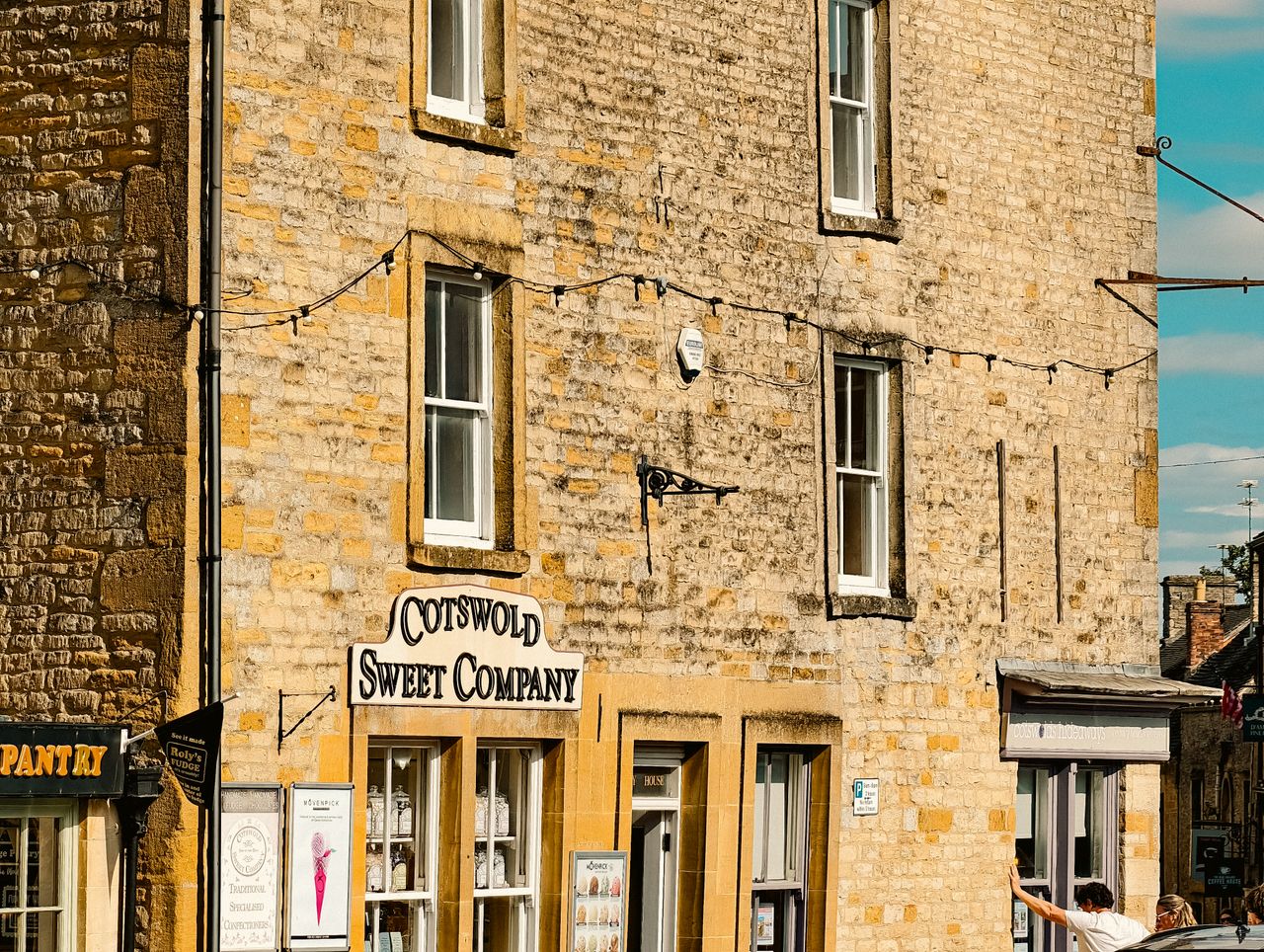
A market morning is an effective way to understand Cotswolds food before choosing a restaurant. Look for seasonal produce, preserves, bread, cakes and regional specialities, then plan lunch close to where you have been browsing. Buying a few items for a simple supper can also give the day a relaxed rhythm, with cooking or food preparation becoming part of the holiday rather than something reserved for restaurants.
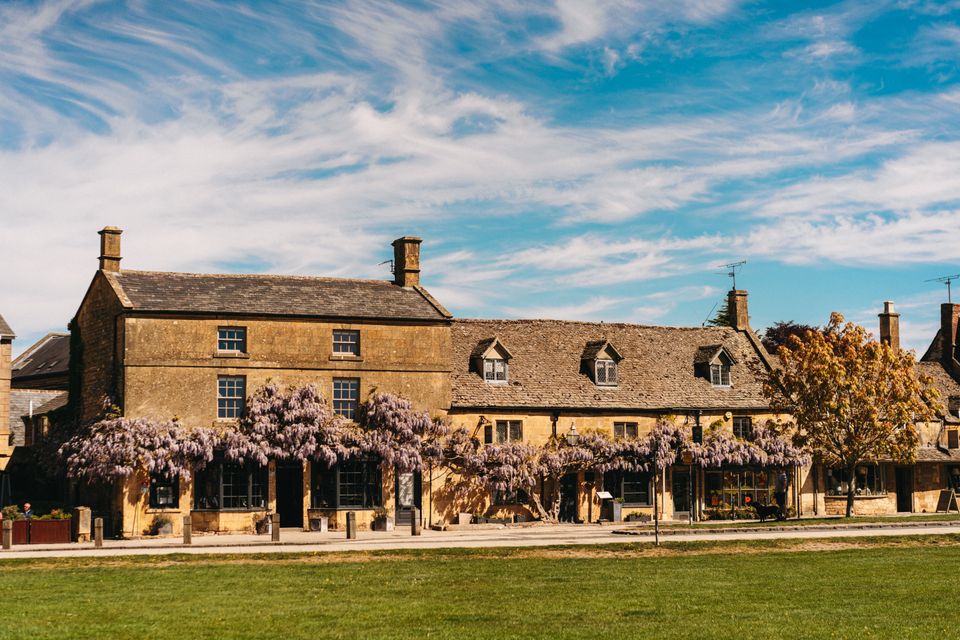
Give the bakery its own stop if you plan to eat there. Arrive early enough to choose from the morning selection, then walk the village before lunch. Keep the next destination sensible and leave room to carry purchases. The map can place the bakery, market and lunch venue in a clear order, while each leg displays its travel time after the route is created.
New trip


When, who with, what matters and what's a no. No form, no ten filters. HolidayWow understands the dates, budget, departure point, pace and wishes from one sentence.

New trip
Every idea comes with a total price and a clear answer to why it fits you: weather, flight time, beaches, food, short distances.

Your trip ideas
Sicily
Food · small towns · sea
7 days for 2
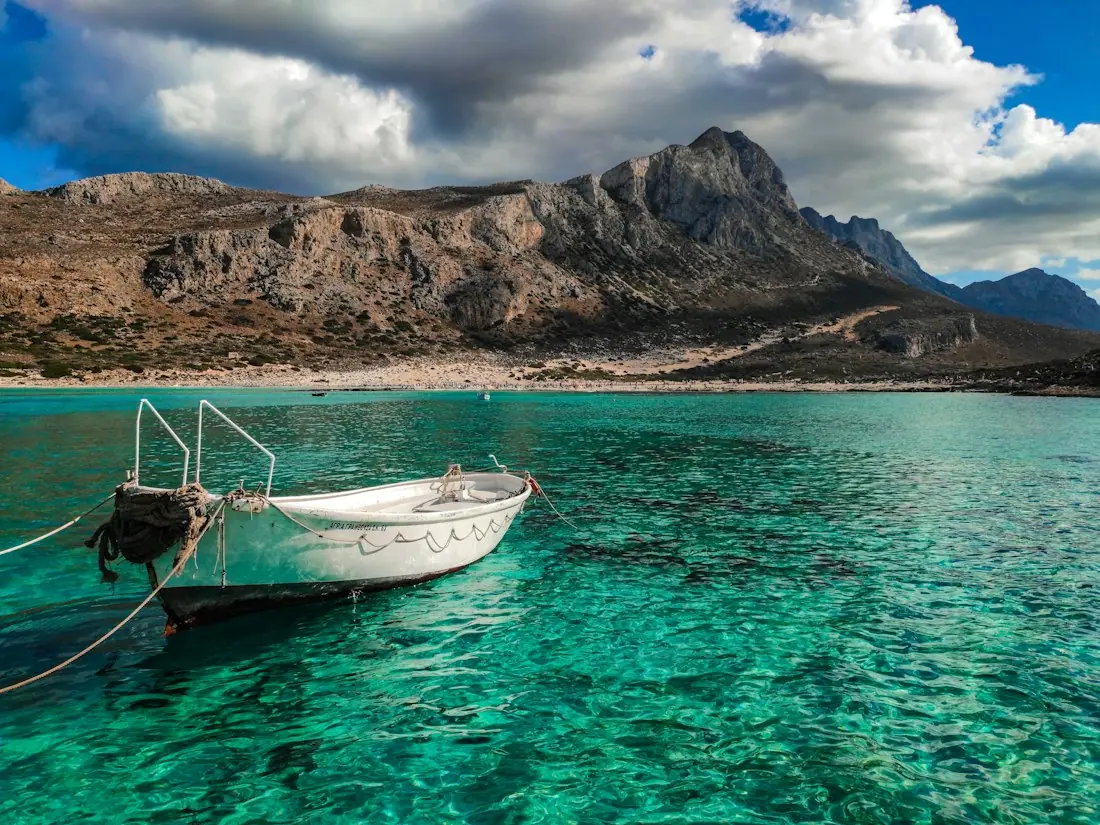
Crete
Sea · tavernas · nature
7 days for 2
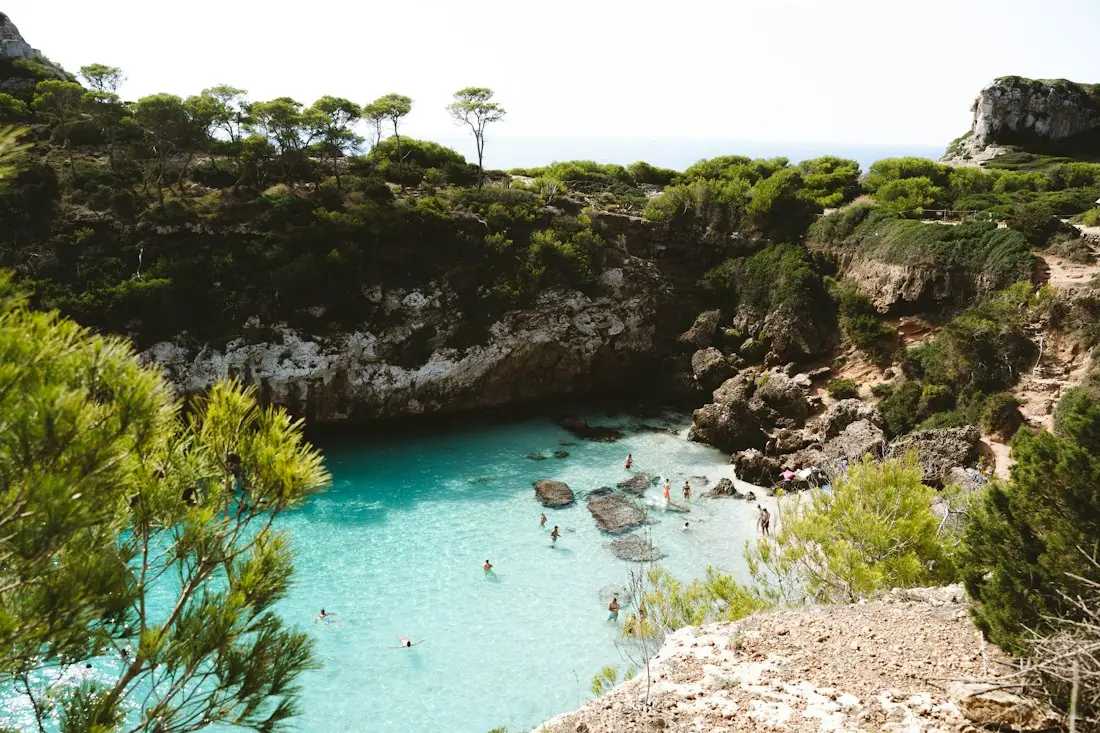
Mallorca
Sea · comfort · short distances
7 days for 2
Arrival, transfer, check-in, sunset, dinner. Just say “make it cheaper” or “no car hire” and the trip adapts.

Day 1
Arrival
Arrival in Heraklion Transfer · 35 minCheck-in by the sea
 Sunset
 Taverna at the harbour
Rain on the way? Then the beach day becomes a day at the market and a museum. Flight status, weather and your day plan in one place.

Day 3 · boat trip
A pub lunch provides a natural setting for traditional British dishes. Look for a pie, roast-style plate, seasonal vegetables or a generous sandwich made with local ingredients. Cotswold pork is a regional association that appears in sausages, hams and cooked dishes, while lamb and beef from surrounding farms also feature strongly on rural menus. Cheeseboards offer another way to compare local and British producers.
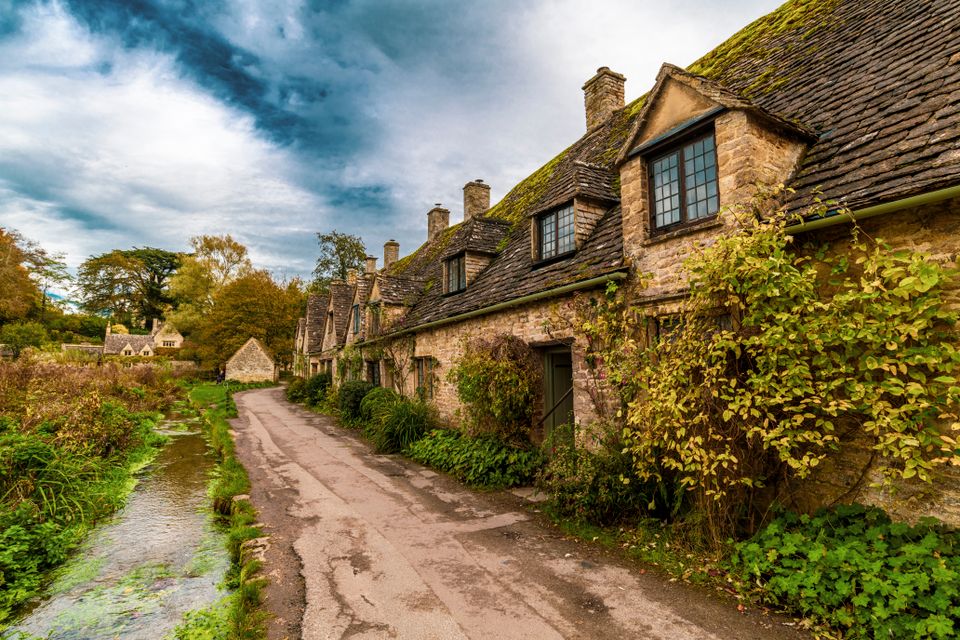
Puddings deserve a place in the itinerary too. A pub crumble, tart or syrup pudding pairs naturally with a country walk. Afternoon tea can introduce local cakes, scones and preserves, particularly if you build the stop around a traditional tearoom. The strongest plan mixes familiar dishes with produce-led meals, giving each day a different expression of the region rather than repeating the same type of dining experience.
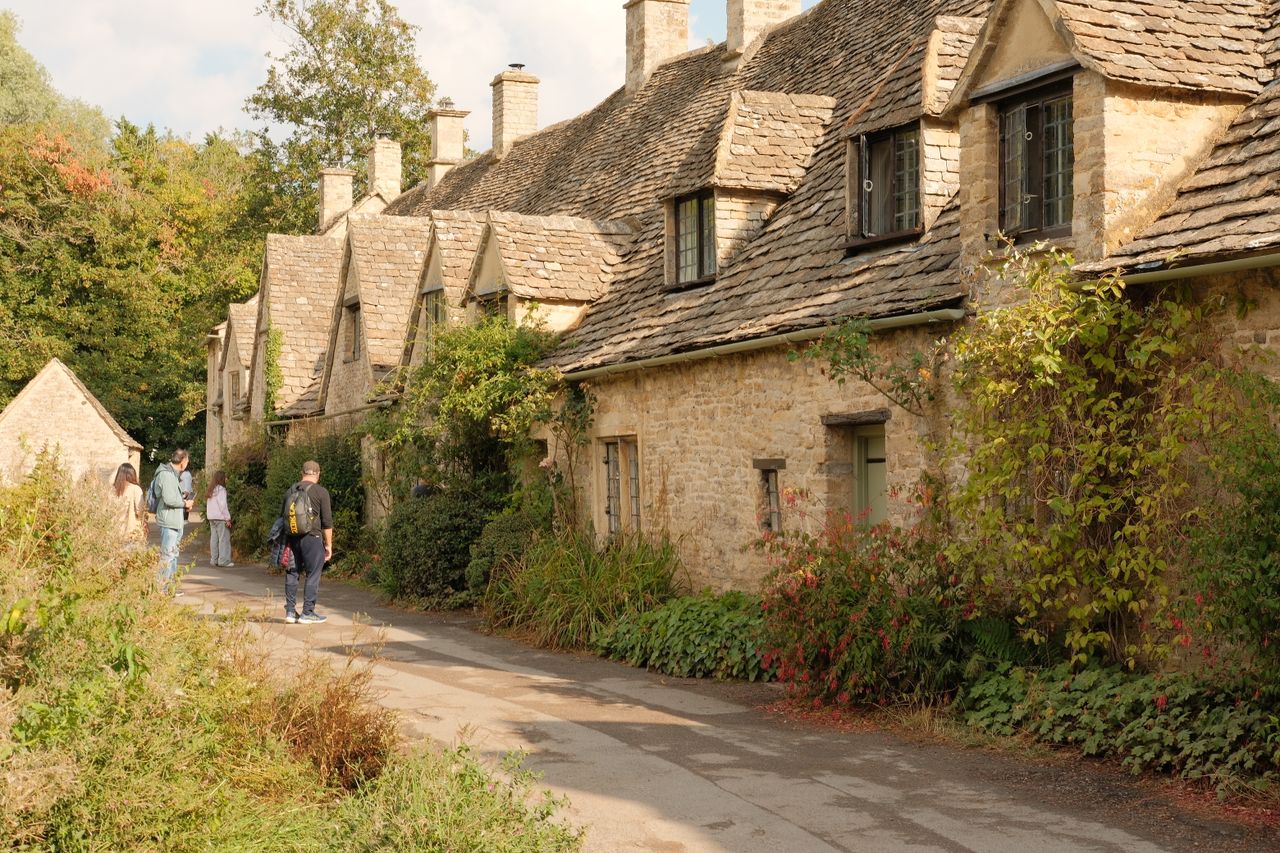
April offers the driest month in the climate data, with average daytime temperatures of 13 °C, average night temperatures of 4 °C and 10 rain days. These conditions suit a food break built around village walks, market visits and flexible indoor tasting stops. Longer daylight hours also make it easier to pair lunch with an afternoon walk through the surrounding countryside.
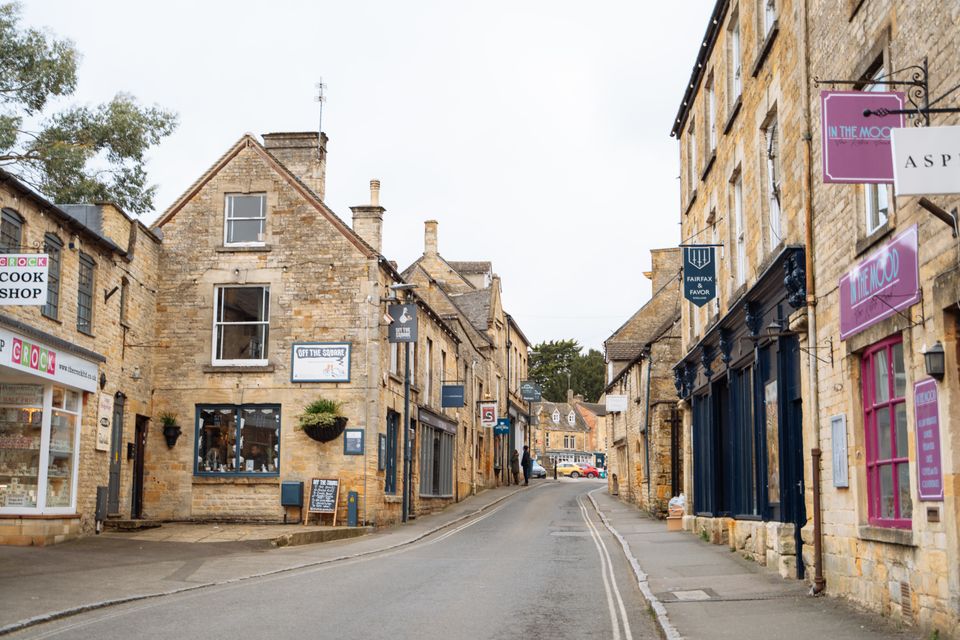
July is the warmest month, with an average daytime temperature of 22 °C and an average night temperature of 12 °C. Outdoor dining, long evenings and scenic walks form a natural part of the day, though July records 14 rain days. Spring brings daytime averages of 10 °C to 16 °C from March to May, making bakery stops and village meals comfortable with a light layer nearby. Choose the month that matches the food experiences you want most.
A food trip works well when each day has one focal village. Spend the morning nearby, choose a substantial midday meal, then take a gentle afternoon walk before dinner. This structure gives you time to enjoy the setting as well as the plate. Two bases can be useful when you want to explore separate parts of the Cotswolds without making every day a long transfer.
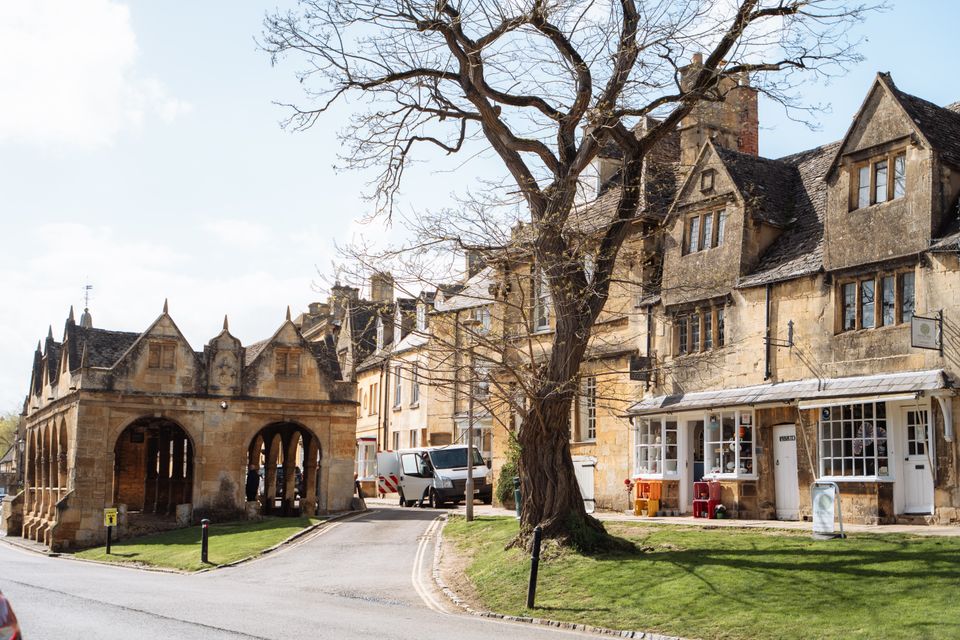
In HolidayWow, select a relaxed pace for a slower programme with one or two main stops, or a balanced pace for two or three. Move a stop to another day, swap a place or lighten the schedule when plans change. The checker reorders the day after each edit, so the route continues to reflect the plan you have chosen. A packed pace is better saved for days built around several specific destinations.
Temperature, sea, sun and rain days for every month, measured, not guessed. You see how your trip will feel before you go.
Direct flights, flight times and transfers from 9 UK airports, worked out from your door to the hotel.

Flights, hotel, transfers and experiences in one sum for everyone traveling, with the provider and when the price was checked. No teaser prices.
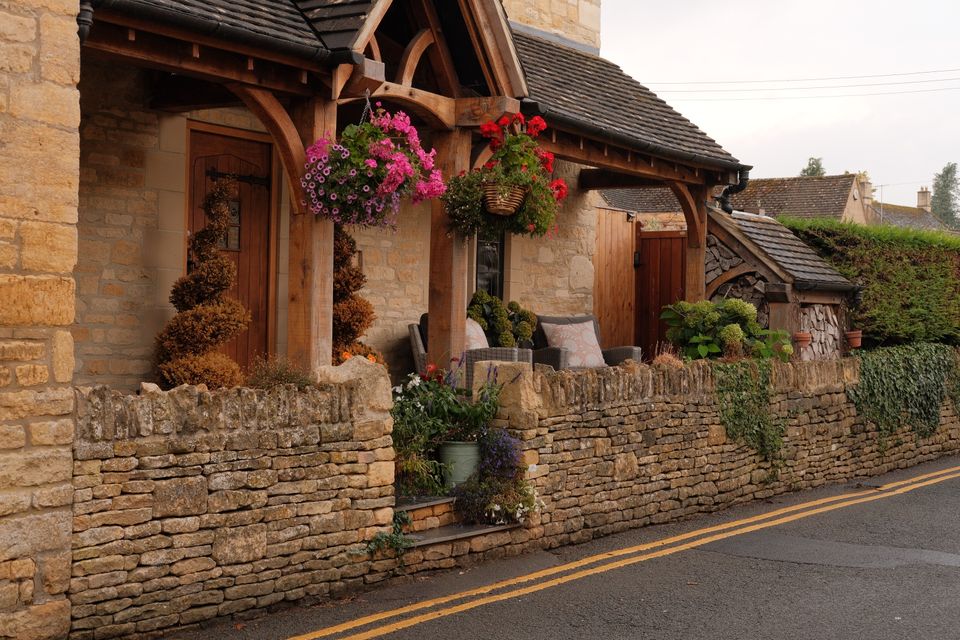
Choose accommodation with practical access to food and enough comfort for a relaxed stay. Check whether the village has a bakery, pub or restaurant close at hand and whether local transport can support a day in another village. The live price shown in the plan reflects current partner availability, and a Check live price button lets you review an option before booking.
HolidayWow brings stays, tours, transport and partner options into the same editable trip. Booking links appear in your language and currency, while the budget uses your home currency and supports price watch for stays and tours. Groups can split costs, vote and comment through a shared plan. A document vault keeps tickets, confirmations and travel documents beside the days to which they relate.
UK school breaks include half term, Easter holidays, summer holidays and Christmas holidays. Families often combine those dates with the Bank Holiday planner to shape a food break around public holidays and available leave. The planner turns official holiday data into a starting point for a longer trip, helping you connect the school calendar with village stays, meals and shared plans.
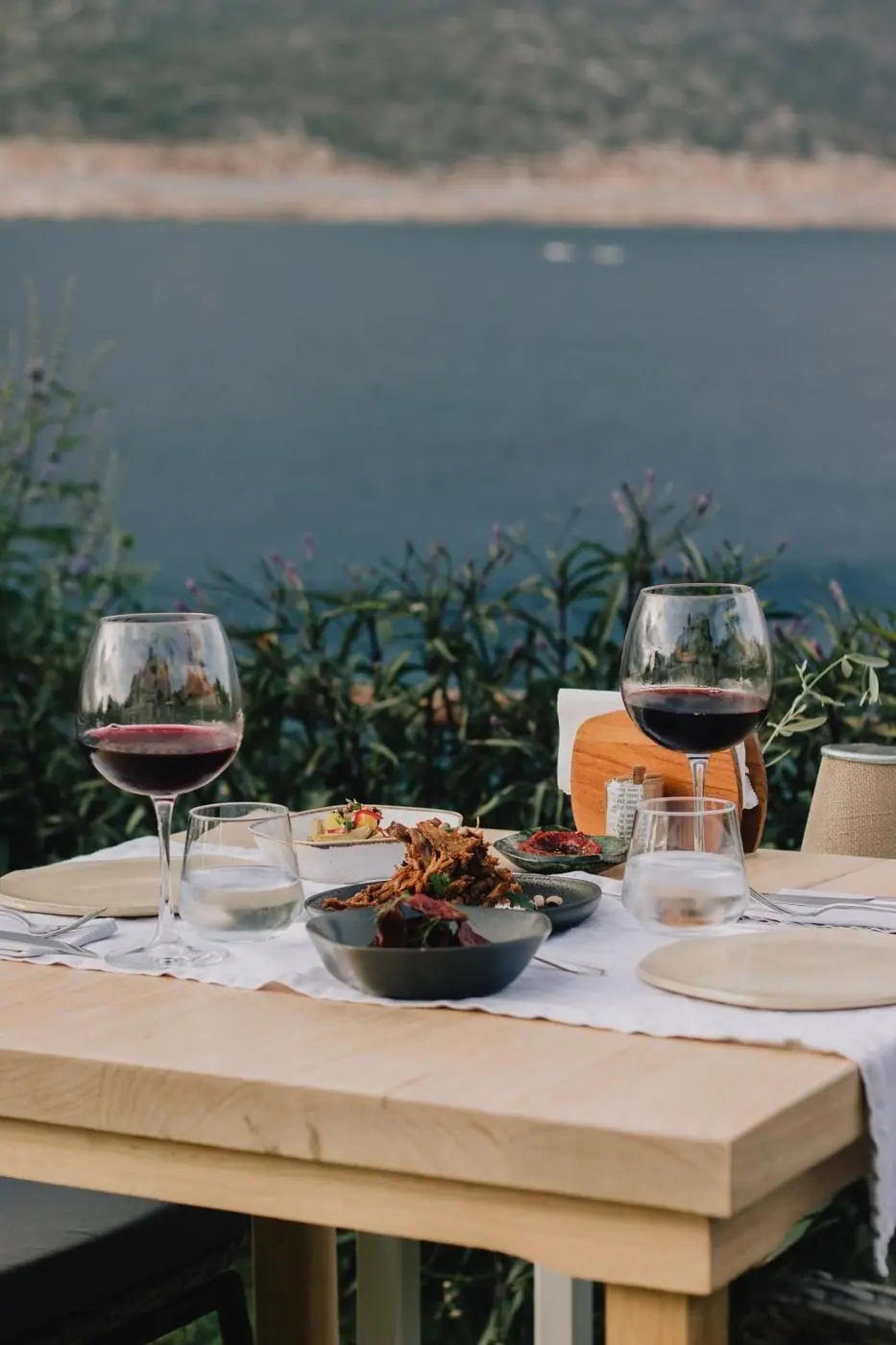
For a group with different needs, start with the dates everyone can manage, then build the food route around them. Share one link so people can review the route, comment on possible meals and vote on stops. Large text and voice input make the plan easier to use while moving around. The app is free to download and to plan with, and each day can later include live weather and current partner prices.
Cotswolds food is closely connected to the surrounding countryside. Common choices include Cotswold pork, farm produce, breads and cakes from village bakeries, British cheeses, preserves and seasonal British dishes. Many food breaks also include a traditional pub lunch, afternoon tea or a meal built around produce bought earlier in the day.
April is the driest month in the climate data, with 10 rain days and average daytime temperatures of 13 °C. July is the warmest month, reaching an average daytime temperature of 22 °C, which suits outdoor meals and evening walks. Choose according to the food and countryside experiences you prefer.
Choose one or two focal villages for each day, then add a bakery, market, farm shop, lunch venue or dinner stop. HolidayWow places the stops on a map and shows the travel time for each leg. A relaxed pace keeps the day simple, while a balanced pace works well for a market, a walk and a main meal.
Yes. You can drag a stop to another day, swap a place and make a day lighter. The plan checker then reorders the day after each change. The same planning actions are available through the side-panel assistant, which understands the selected day, stop or moment in the trip film.
Stays, tours and transport are shown through partner links with live prices or a Check live price button. Booking happens within the plan in your language and currency. The trip also includes a budget, price watch for stays and tours, cost splitting for groups, and a document vault for confirmations.
The planner is designed for different groups, with shared links, viewing and editing roles, comments and voting. You can choose a relaxed or balanced pace for individual days. The UK Bank Holiday planner can also connect public holidays and leave days with half term, Easter, summer or Christmas holidays when planning with children.
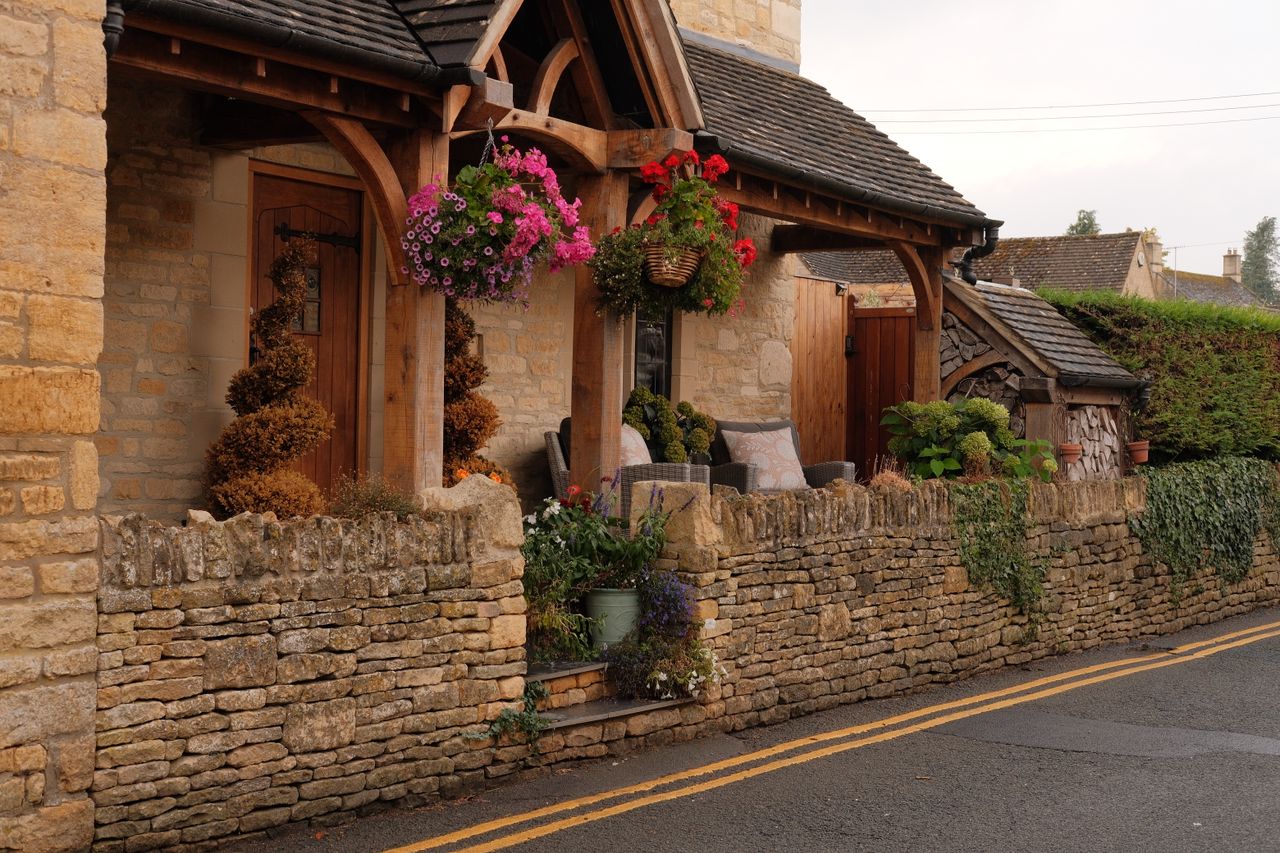
Your next trip

Describe your trip in one sentence. When, who with and what matters to you.

Where it's warm right now, real fare finds from your airport, bank holiday breaks for your nation and a ready-made trip to make your own.