Ten years of climate
Temperature, sea, sun and rain days for every month, measured, not guessed. You see how your trip will feel before you go.

Published 8 October 2026 · HolidayWow editors · Written with AI, numbers checked against our data ·
Start with the family's real needs, compare the right month, build a manageable daily pace and keep every plan in one place. HolidayWow helps you turn a sentence about the group, destination and month into an editable map-based itinerary, with family decisions, live prices, documents and sharing tools together.
A useful family trip plan starts with the people travelling, not the destination list. Note the adults and children involved, each person's energy, any mobility needs, mealtime patterns and the amount of time available. Families planning around UK school life can also use half term, Easter holidays, summer holidays or Christmas holidays as the boundary for the journey. The Bank Holiday planner helps connect public holidays and leave days into a longer trip using official holiday data.
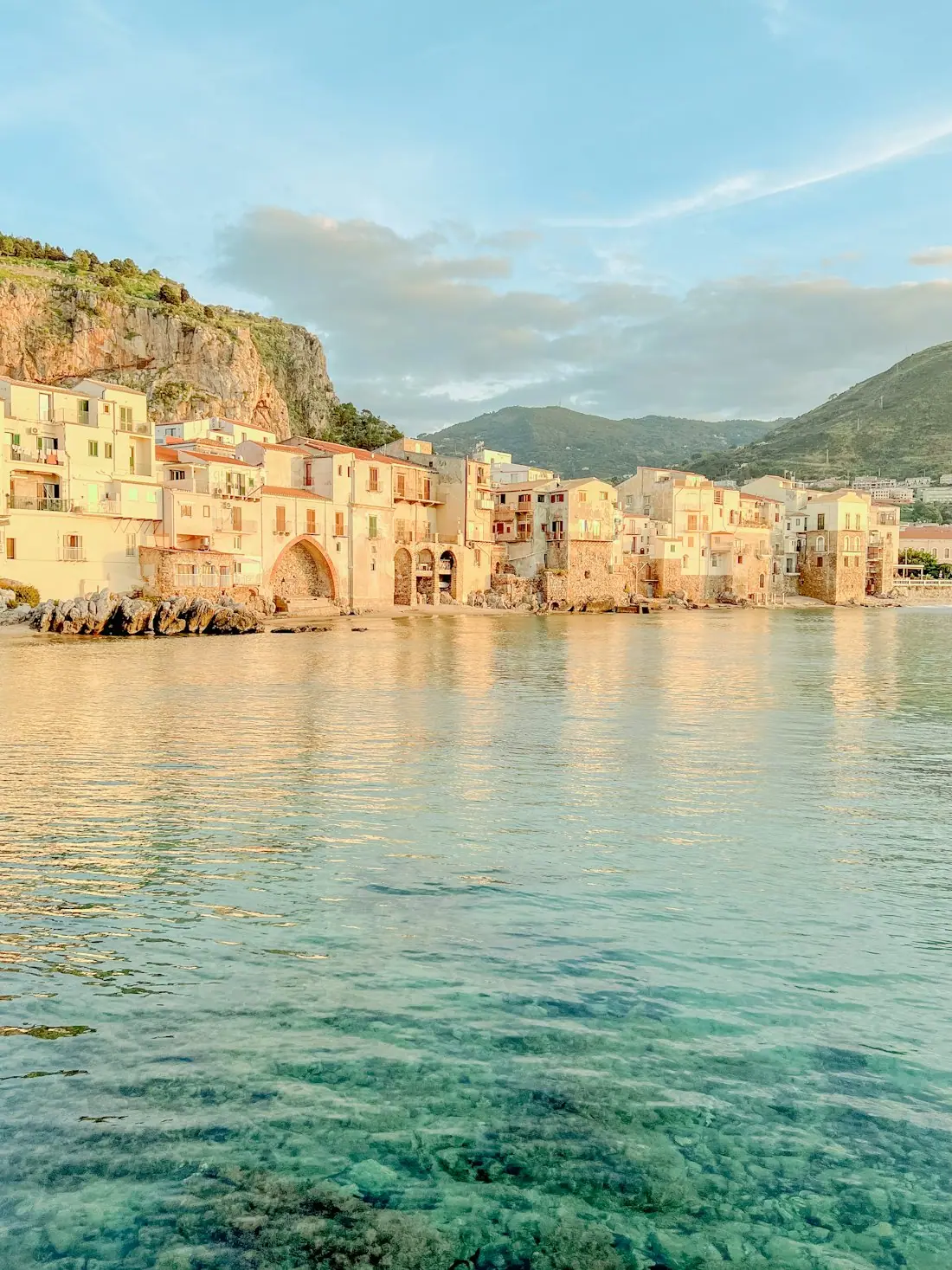
 Cyprus
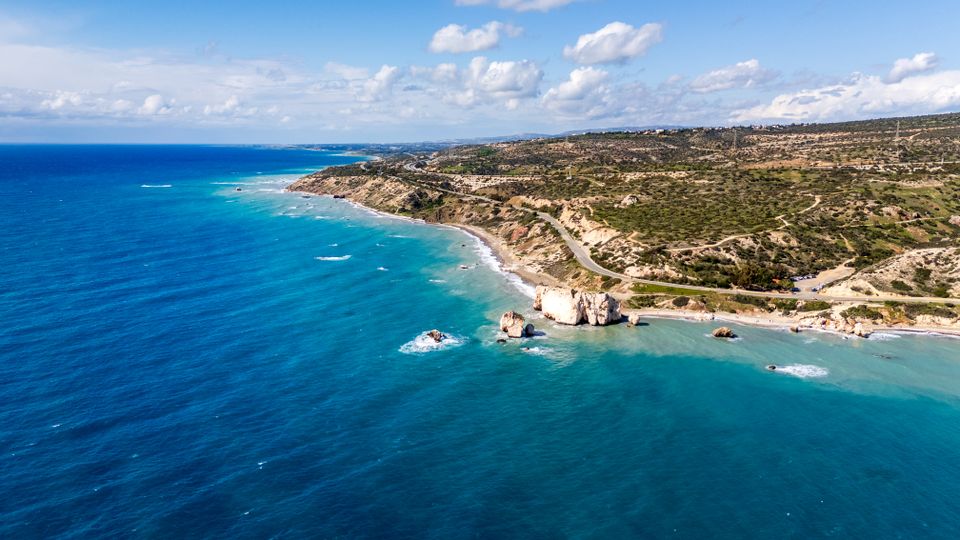
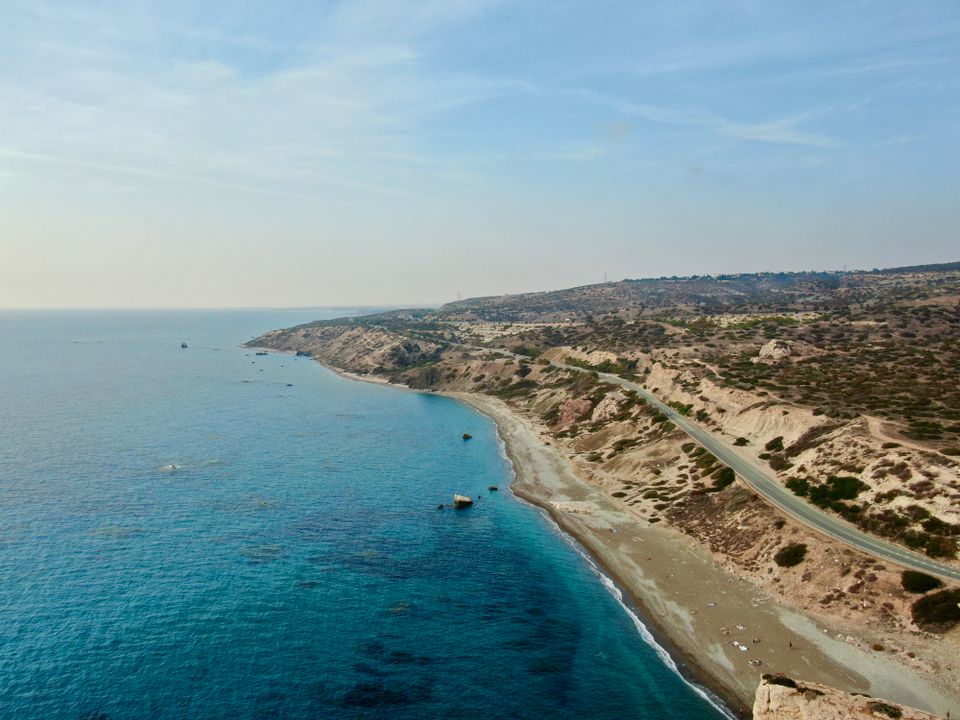 Cyprus
Write the starting idea as one sentence. For example: “A week in Cyprus in March for two adults and two children, with a relaxed pace and time for outdoor days.” HolidayWow reads the destination, month, group, pace and budget from your words. The result is a map-first plan in which every day has a route, every stop has a pin and each leg shows its travel time. This gives the family a shared starting point that everyone can understand and edit.
CyprusCyprusCompare family holiday months through the conditions that affect daily plans. A destination with a warm daytime figure may still have cool evenings, while rain days and sunshine hours can influence whether sightseeing, outdoor play or indoor activities belong in the first draft. HolidayWow includes climate data for every month, including day and night temperatures, sea temperature, sunshine hours and rain days. The figures come from NASA POWER and NOAA OISST, giving you a consistent basis for comparison.
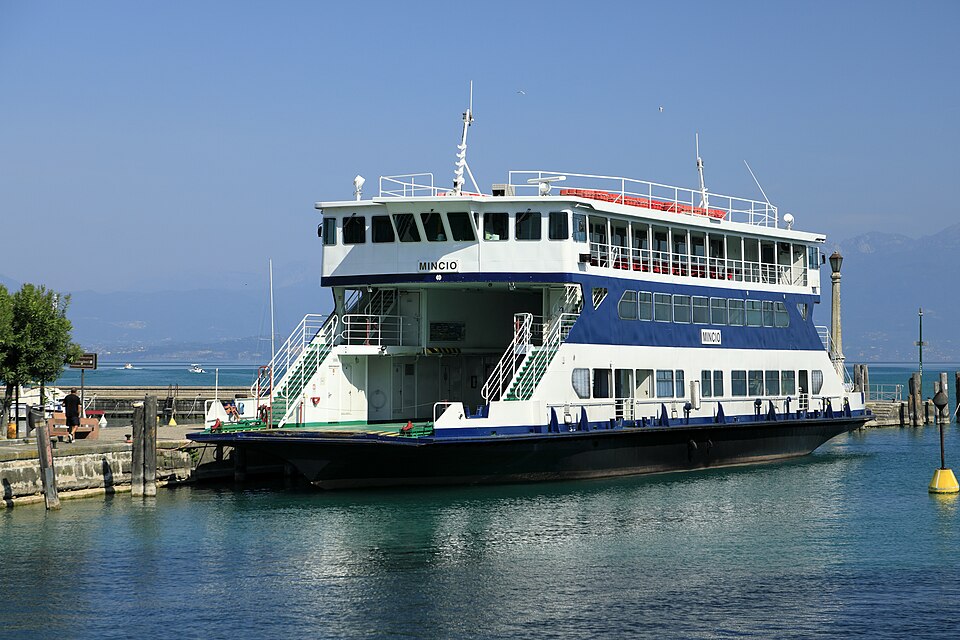 Lake GardaiPhoto: Falk2 · CC BY-SA 4.0 · Wikimedia Commons
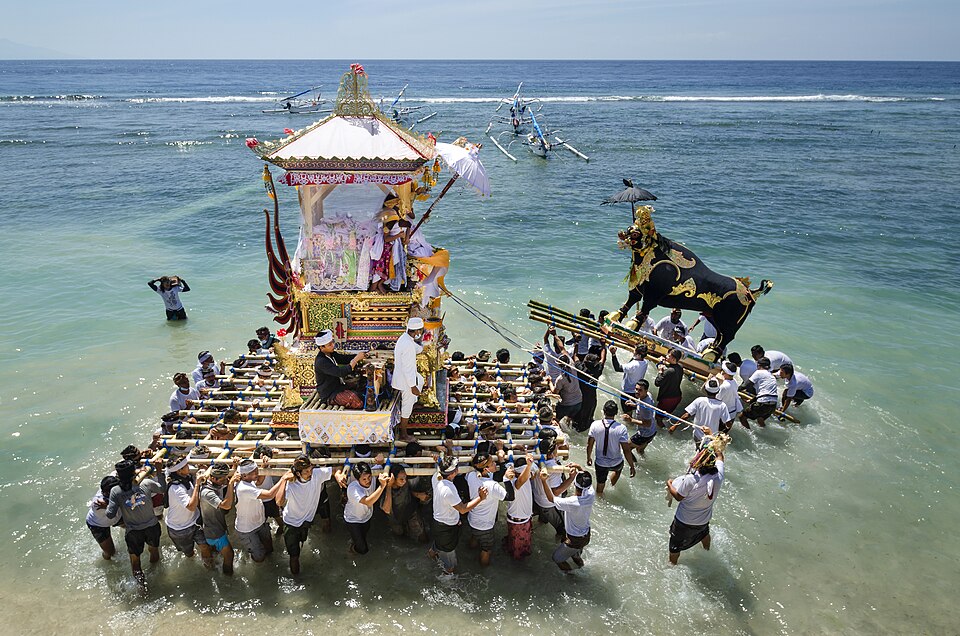 BaliiPhoto: Imadedana · CC BY-SA 4.0 · Wikimedia Commons
For a February family break, Lake Garda has daytime temperatures of 9 °C, nighttime temperatures of 1 °C, five sunshine hours and seven rain days. This profile suits warm layers, flexible indoor choices and a relaxed schedule. In July, Bali reaches daytime temperatures of 27 °C and nighttime temperatures of 22 °C, with eight sunshine hours and eight rain days; the sea is also 27 °C. That supports a different mix of pool time, outdoor play and flexible weather days.
Lake GardaiPhoto: Falk2 · CC BY-SA 4.0 · Wikimedia CommonsBaliiPhoto: Imadedana · CC BY-SA 4.0 · Wikimedia CommonsFamily planning works best when each day reflects the ages in the group. Younger children often need uncomplicated transitions, regular meals and time at the accommodation. Older children may value a landmark, an activity or a change of scenery. Adults benefit from the same clarity, especially when they are organising luggage, transfers and shared costs. Write these needs into the brief before the first route takes shape.
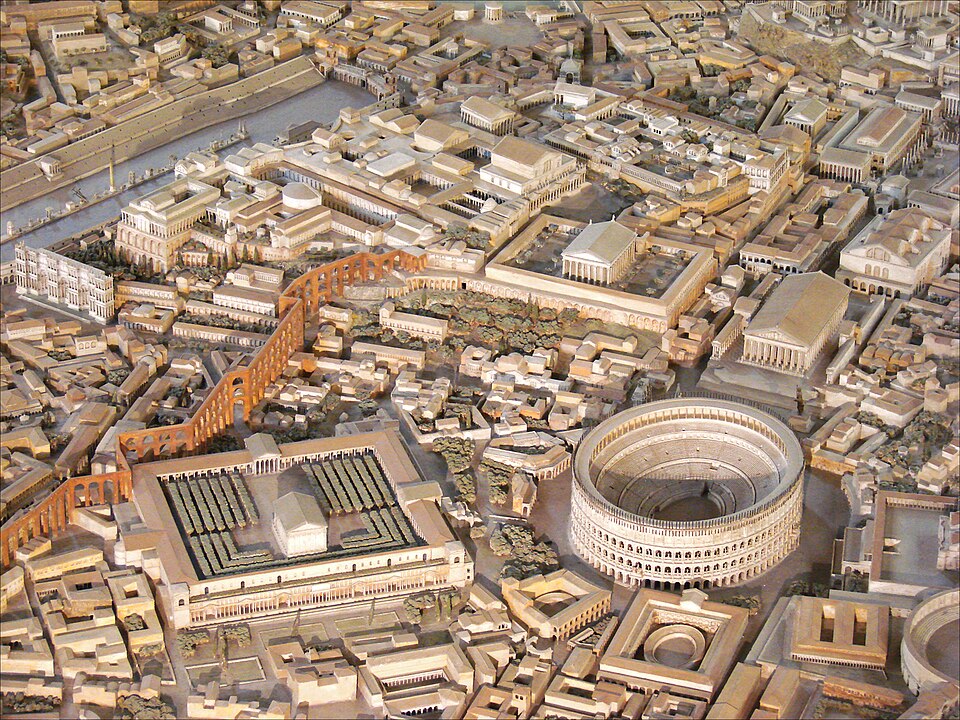 RomeiPhoto: Jean-Pierre Dalbéra from Paris, France · CC BY 2.0 · Wikimedia Commons
 Cape Verde
A destination such as Rome can suit a family interested in history and walking through a city, while Cape Verde offers a warm-weather option with daytime temperatures of 25 °C, nighttime temperatures of 23 °C, eight sunshine hours and five rain days in December. The choice should reflect your family's interests and normal pace. HolidayWow lets you set a relaxed, balanced or packed pace for the whole trip or adjust individual days as plans develop.
RomeiPhoto: Jean-Pierre Dalbéra from Paris, France · CC BY 2.0 · Wikimedia CommonsCape VerdeNew trip


When, who with, what matters and what's a no. No form, no ten filters. HolidayWow understands the dates, budget, departure point, pace and wishes from one sentence.

New trip
Every idea comes with a total price and a clear answer to why it fits you: weather, flight time, beaches, food, short distances.

Your trip ideas
Sicily
Food · small towns · sea
7 days for 2
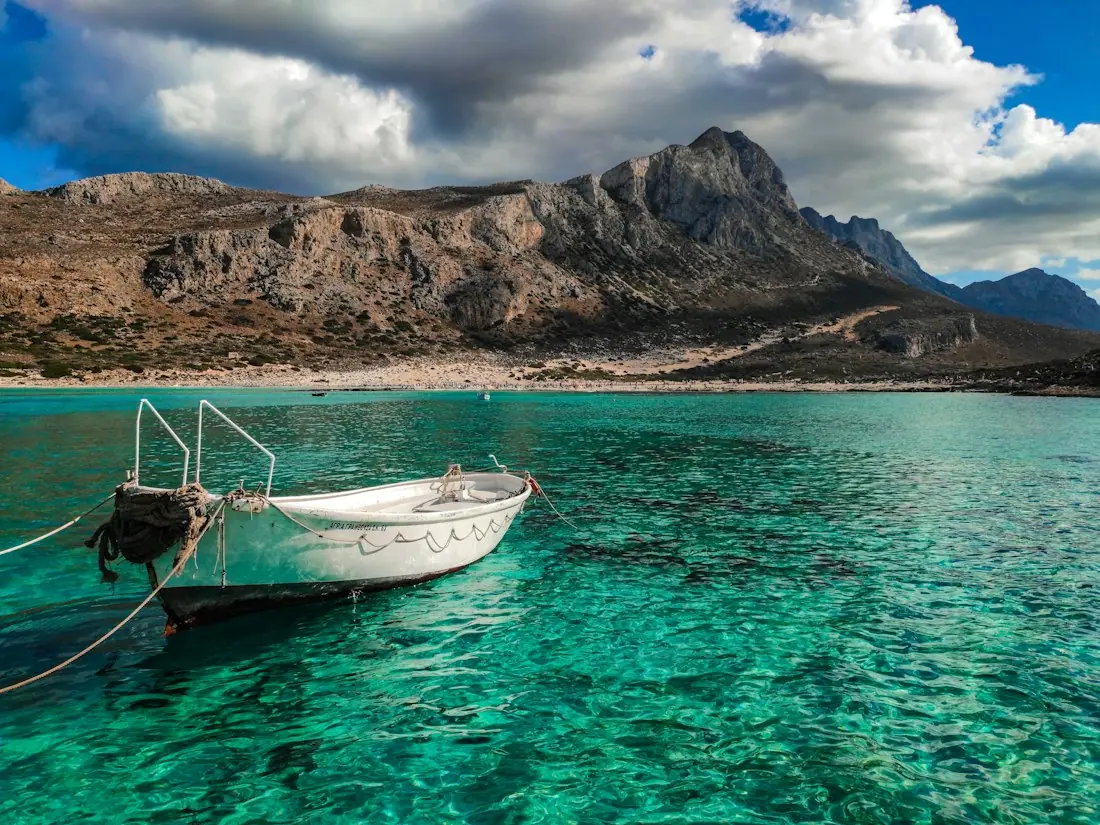
Crete
Sea · tavernas · nature
7 days for 2
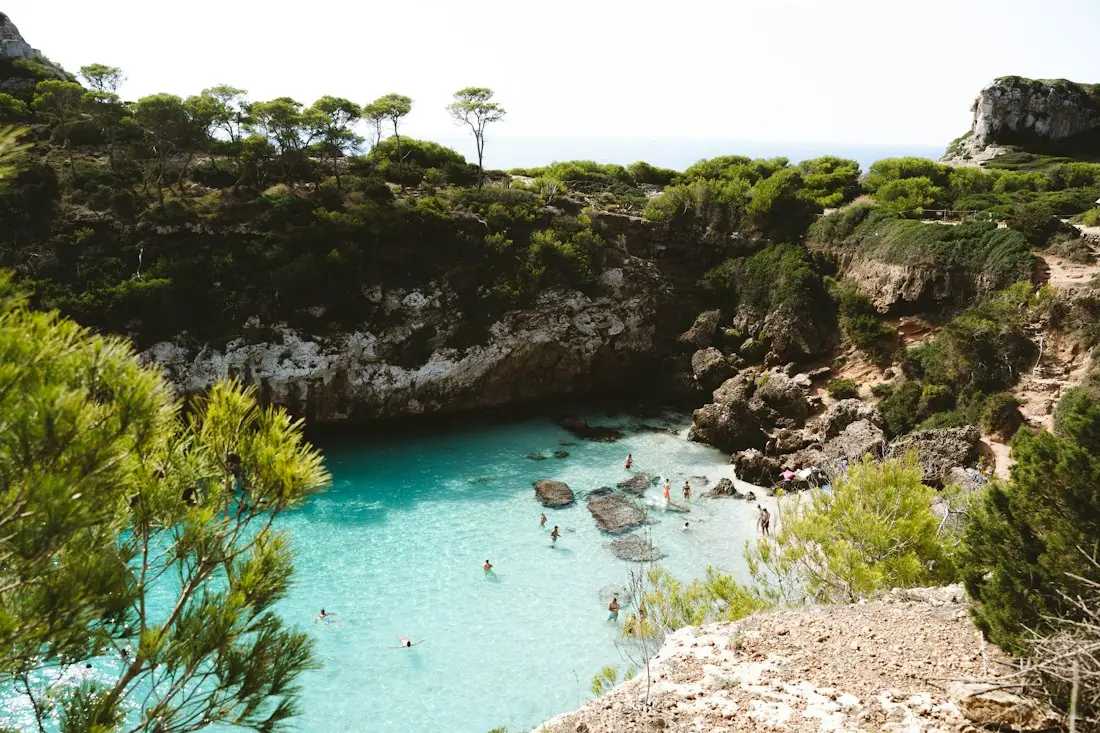
Mallorca
Sea · comfort · short distances
7 days for 2
Arrival, transfer, check-in, sunset, dinner. Just say “make it cheaper” or “no car hire” and the trip adapts.

Day 1
Arrival
Arrival in Heraklion Transfer · 35 minCheck-in by the sea
 Sunset
 Taverna at the harbour
Rain on the way? Then the beach day becomes a day at the market and a museum. Flight status, weather and your day plan in one place.

Day 3 · boat trip
Begin with the main experience that everyone is looking forward to, then add the practical details around it. A family day can centre on a beach morning, a museum visit, a scenic route or time in a resort area. Add one or two secondary stops rather than filling every interval. This makes the itinerary easy to follow and gives the group room to respond to tiredness, weather or a change of appetite.

In Lake Garda, the map could pair a family favourite with a shorter nearby stop and leave an open return to the accommodation. In Rome, the plan can use October's seven sunshine hours as a prompt for outdoor days, alongside the month's daytime temperature of 23 °C, nighttime temperature of 13 °C and nine rain days. Each day appears as a route, so the family can see the shape of the day before booking individual arrangements.
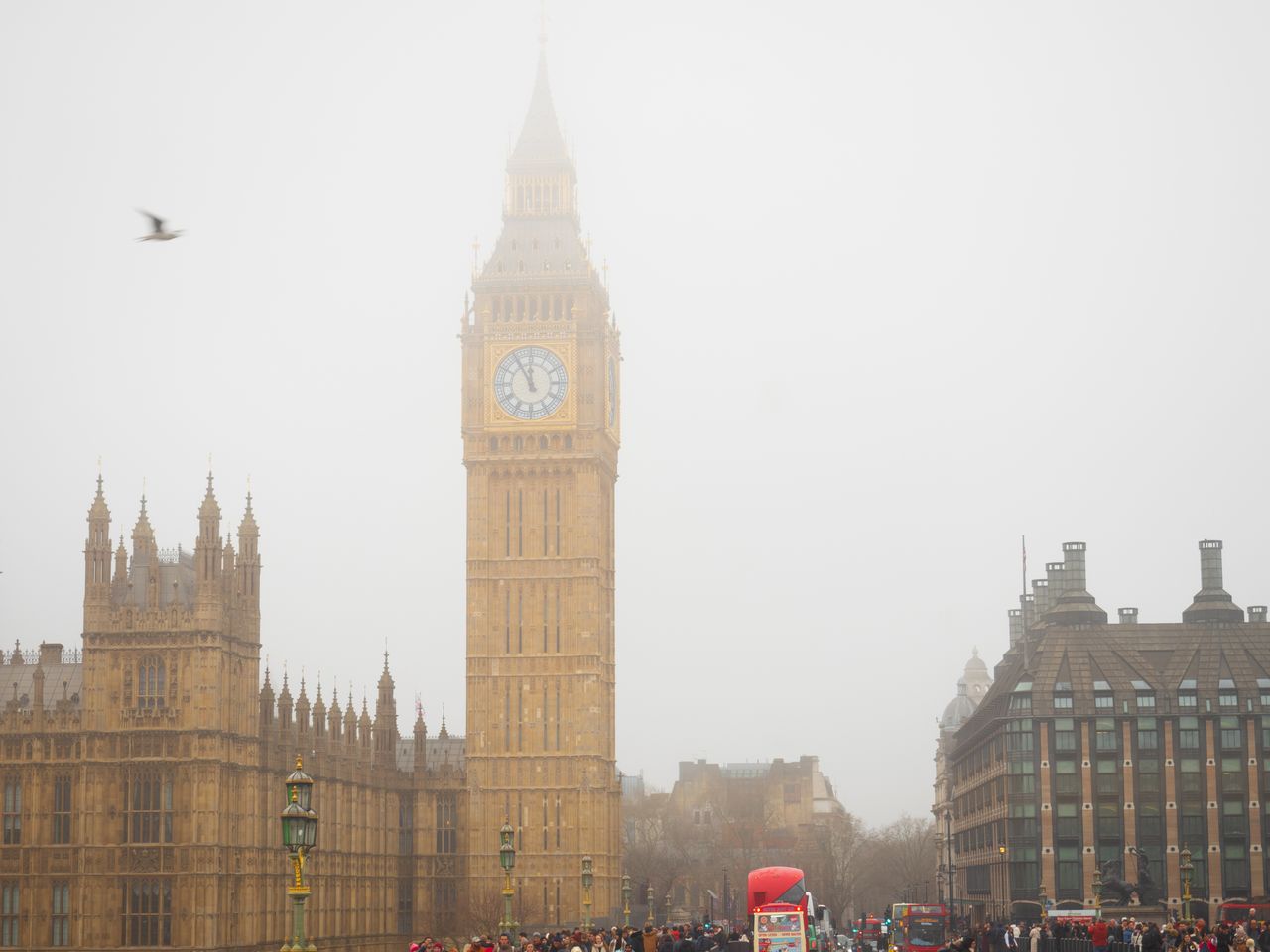
The first plan is a working draft, so make changes before the details become fixed. Drag a stop to another day, swap one place for another or make a day lighter. The plan checker re-orders the day after each change, helping the route remain coherent. The side-panel assistant knows which day, stop or moment of the trip film you have selected and can change the plan through the same actions as the buttons.
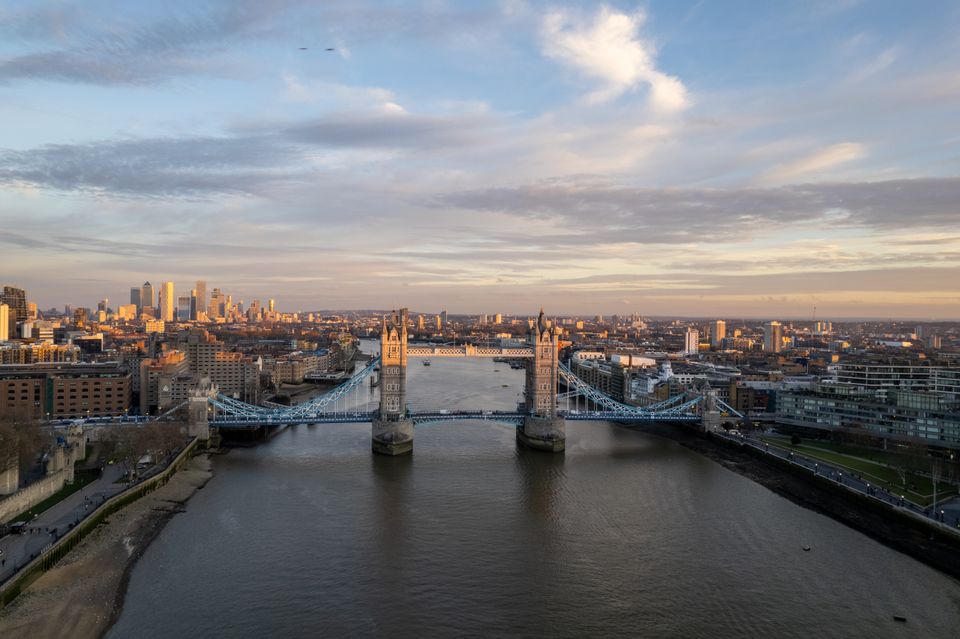
A useful family editing round asks three questions: Can the children manage this pace? Is there time for food, rest and changing? Will the return journey still work? You can then move activities across days without rebuilding the whole holiday. Dates are optional, so start with a month and add dates later. Once dates are present, each day card gains its weekday, live weather and live prices.
When comparing accommodation, look at the facilities your family will use rather than a single headline feature. Consider the space needed for people and luggage, the practicalities of meals, children's daily routines, pool access and the ease of reaching planned activities. A central base can reduce changing, while a resort-style stay can make a slower daily rhythm easier to organise. Use the map to compare each base with the places the family hopes to visit.
Cyprus in March gives day and night temperatures of 18 °C and 10 °C, eight sunshine hours and seven rain days, with a sea temperature of 17 °C. These figures help you decide how much outdoor time to schedule and where an indoor option could fit. HolidayWow brings stays, tours and transport from partners such as Booking.com, GetYourGuide, Viator, Trip.com and flight partners, with the live price or a “Check live price” button.
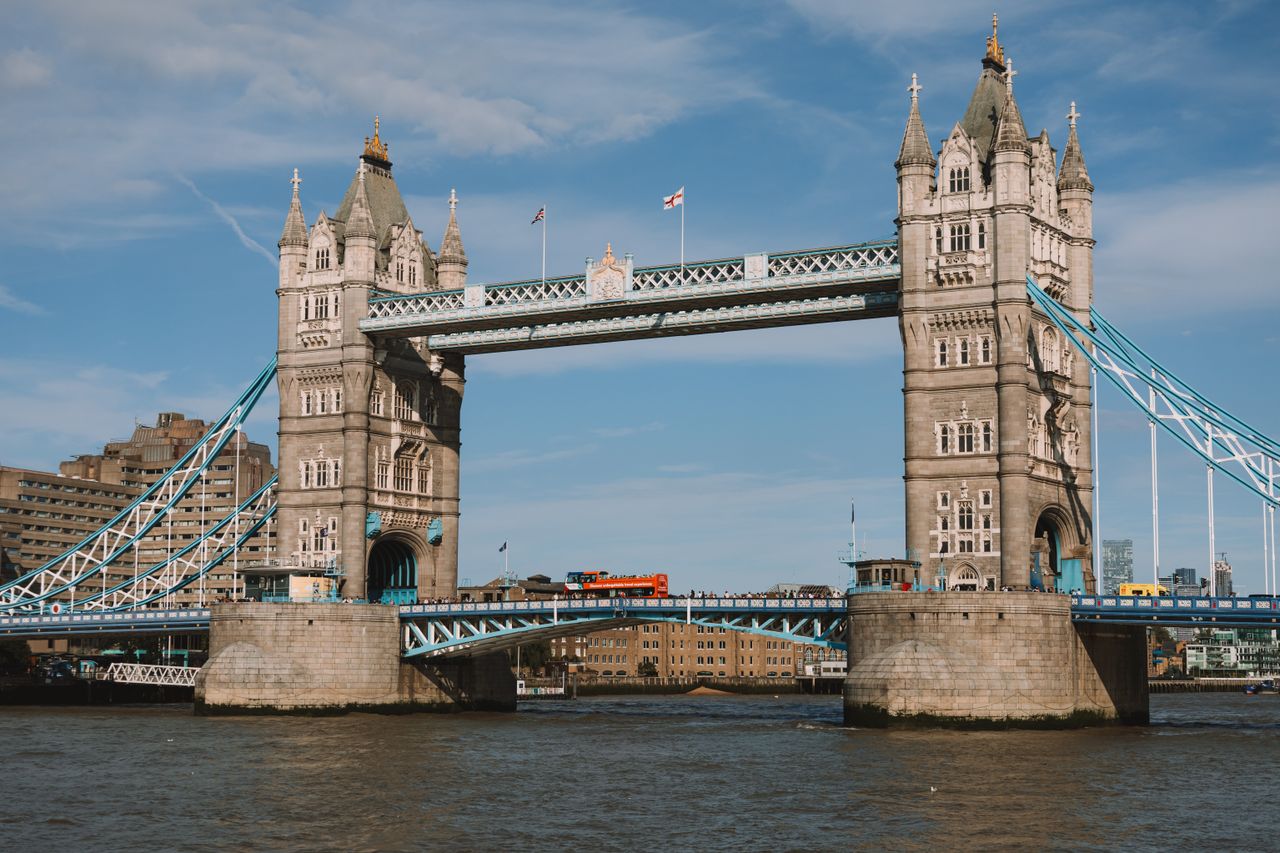
Temperature, sea, sun and rain days for every month, measured, not guessed. You see how your trip will feel before you go.
Direct flights, flight times and transfers from 9 UK airports, worked out from your door to the hotel.

Flights, hotel, transfers and experiences in one sum for everyone traveling, with the provider and when the price was checked. No teaser prices.
Family trip planning often involves more than one person choosing places, dates or activities. Share the plan through one link so everyone sees the same route, stops and daily rhythm. Roles can separate who can view from who can edit, while group members can vote and comment. A comment attached to a day keeps a practical question with the relevant part of the plan, such as confirming a meal or choosing between two nearby activities.

HolidayWow also includes a trip budget in your home currency, price watch for stays and tours, and cost splitting for groups. Keep the budget linked to the itinerary rather than on a separate note. As options are discussed, the plan remains the shared reference. The trip film also presents the flight arc, bases and each day on a map, giving the family a clear way to review the shape of the journey together.
The final planning pass should cover the details that help a family travel calmly. Build the packing list and checklist from the plan, the selected month and the destination climate. Add passports, tickets and confirmations to the document vault, keeping them beside the trip they belong to. The app is free to download and to plan with, and booking can take place inside the plan through partner links in your language and currency.
 LondoniPhoto: Diliff · CC BY-SA 3.0 · Wikimedia Commons
From a London departure point, the distance to Rome is 900 miles from London Heathrow and 876 miles from London Gatwick. The same live distance approach can be used for every destination in your family plan. Door-to-door planning can include the ride to the airport, the flight and the transfer to the first stay, while large text and voice input support family members who prefer those formats.
LondoniPhoto: Diliff · CC BY-SA 3.0 · Wikimedia CommonsWrite one sentence describing the destination, month, group, length and pace. HolidayWow reads the place, month, group, pace and budget from your words, then turns the idea into a map-first plan. You can refine every day, share it with the group and add dates later.
Compare daytime and nighttime temperatures, sea temperature, sunshine hours and rain days for the destinations you are considering. Cyprus in March, for example, has daytime temperatures of 18 °C, nighttime temperatures of 10 °C, eight sunshine hours and seven rain days. Those figures help shape a plan for the whole family.
Yes. Use half term, Easter holidays, summer holidays or Christmas holidays as the planning window. The Bank Holiday planner uses official holiday data and combines public holidays with leave days, which is useful when you want a longer family journey.
Yes. You can move a stop to another day, swap a place, reduce the number of activities or change the pace for an individual day. The plan checker re-orders the day after each change, so the map continues to reflect the revised route.
Yes. Share one link and set roles for viewing and editing. Group members can vote and comment, while the budget supports price watch and cost splitting. Stays, tours and transport show live partner prices or a live price check button, with booking handled through partner links.
Yes. Dates are optional, so you can start with a month and shape the route before dates are settled. Add dates later and the day cards gain weekdays, live weather and live prices, giving the family a more detailed plan as the holiday takes shape.
Your next trip

Describe your trip in one sentence. When, who with and what matters to you.

Where it's warm right now, real fare finds from your airport, bank holiday breaks for your nation and a ready-made trip to make your own.