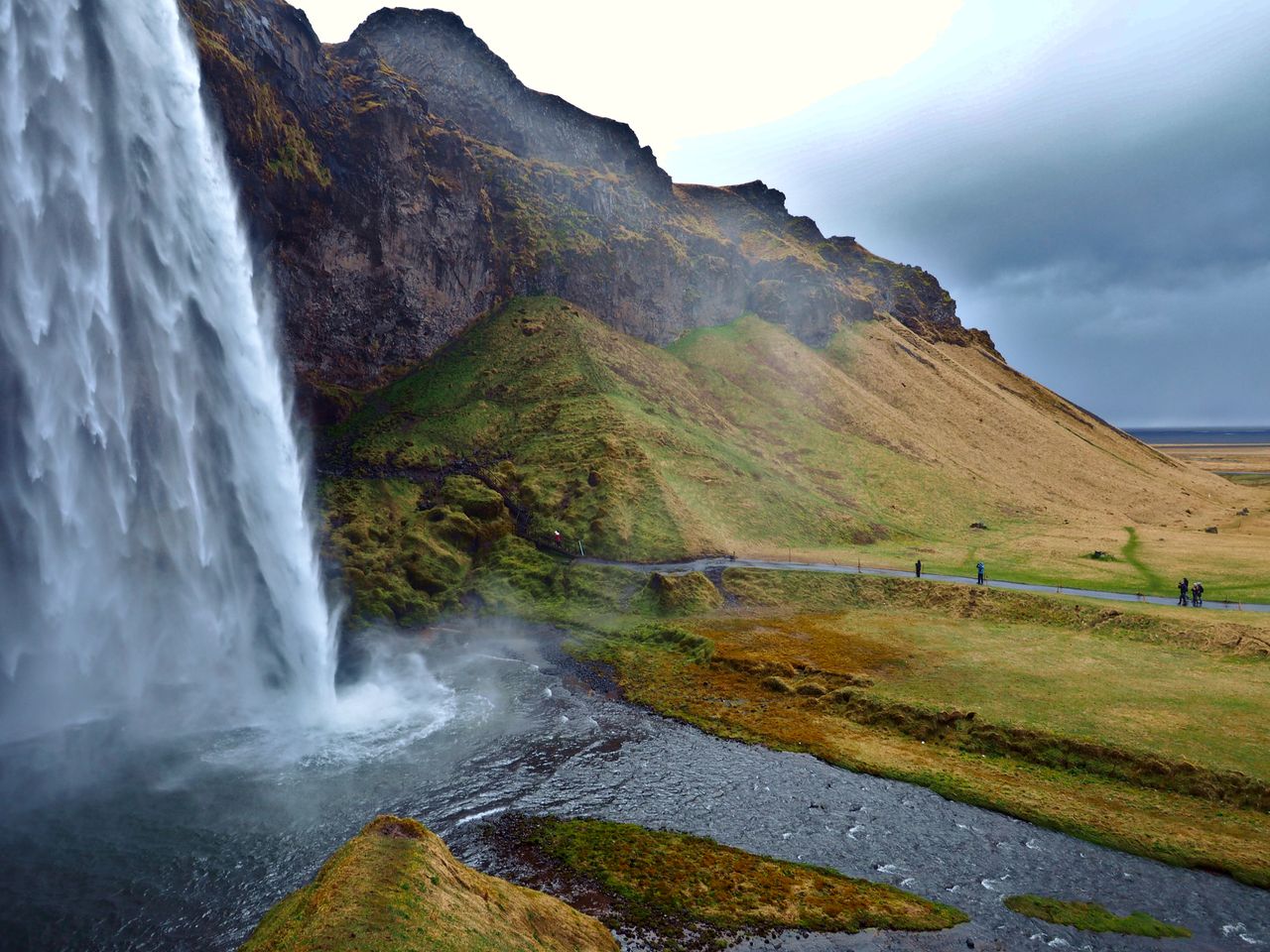
November: -4 °C by day
Iceland weather for every kind of holiday
Published 14 October 2026 · HolidayWow editors · Written with AI, numbers checked against our data ·
Iceland weather changes quickly, so the best time to visit depends on whether you want summer road trips, winter snow, long daylight hours or northern lights. Summer brings the mildest temperatures, while spring and autumn suit quieter exploration with flexible plans.
In Iceland, every month is a good time to travel, with daytime highs from -5 °C to 6 °C.
Weather looks good?7 days in Iceland in July, Beach and hiking, from Edinburgh on your own
Plan a trip
Now in Iceland
-11 °C
Mostly clear
Wind 13 mph, Humidity 68%
As of 23:14 local time
The next 7 days
- Tomorrow
 -8° / -12°Partly cloudy
- Wednesday
 -8° / -11°Cloudy
- Thursday-8° / -10°Partly cloudy
- Friday-5° / -8°Cloudy
- Saturday
 4° / 0°heavy rain29 mm rain
- Sunday3° / 2°Changeable4 mm rain
- Monday2° / -3°Partly cloudy2 mm rain
When to visit Iceland for warmer days and longer routes
From June to August, Iceland offers the most comfortable conditions for travelling around the country by car. Day temperatures reach 5 °C in June, 6 °C in July and 6 °C in August, with night temperatures sitting at 0 °C or 2 °C. These figures make outdoor days easier to plan, particularly around waterfalls, geothermal areas and coastal walks.
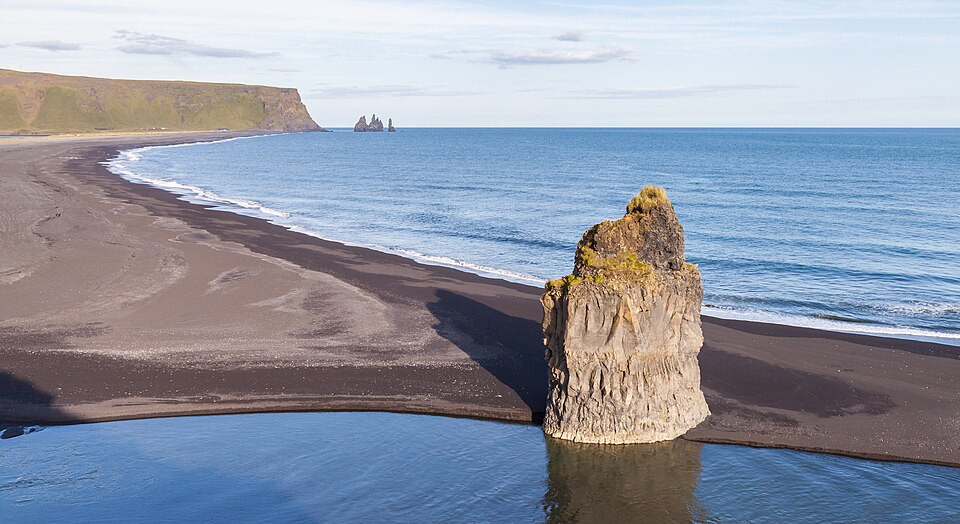
June brings nine sunshine hours and eighteen rain days, while July has seven sunshine hours and twenty rain days. August records six sunshine hours and nineteen rain days. The weather can still change during a single day, so waterproof layers and flexible stops add comfort to a self-driving itinerary.
Summer suits couples, families and groups who want a broad route across Iceland. The Ring Road becomes easier to combine with detours, and you can spend more time outside. Choose Reykjavík as a first base, then move towards the south coast, waterfalls or the quieter northern routes.
Spring weather for waterfalls, green landscapes and flexible days
April and May are useful choices for visitors who want spring scenery without the peak summer feel. April records a daytime temperature of -2 °C and a night temperature of -8 °C, with eight sunshine hours and nineteen rain days. May brings a daytime reading of 1 °C, a night reading of -3 °C, nine sunshine hours and eighteen rain days.
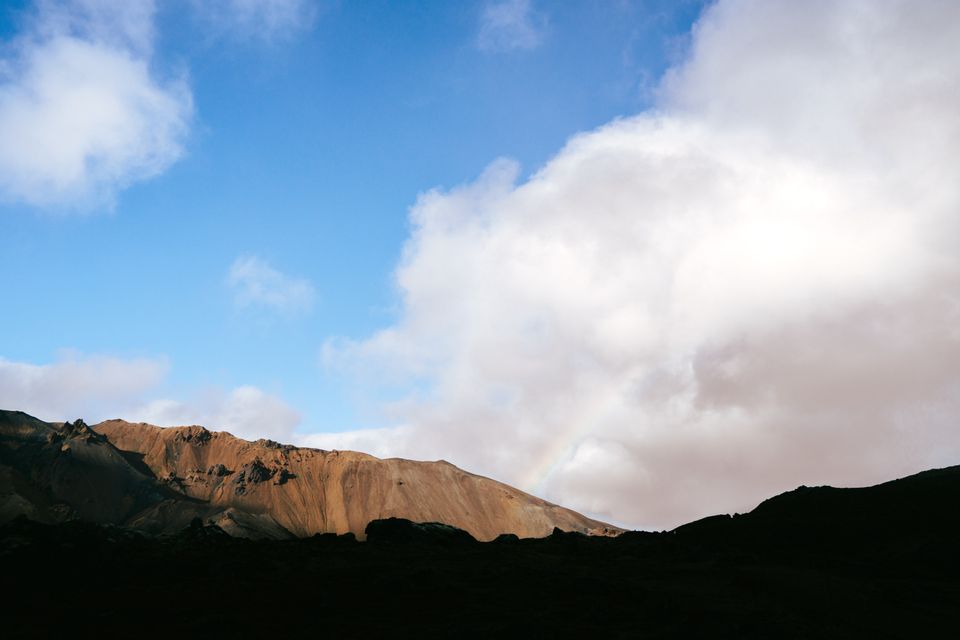
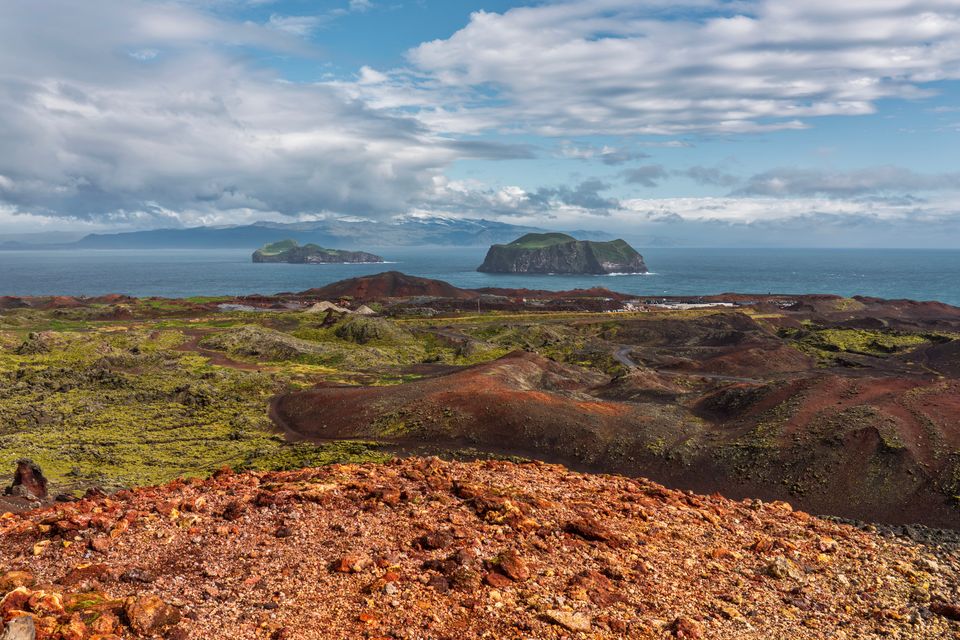
May is the driest month in the climate data, with 67 mm of rain. That makes it a good month for pairing Reykjavík with the Golden Circle, Seljalandsfoss and Skógafoss, while keeping time for a shorter drive or a slower walking day. The landscape often feels fresh, and many routes remain easy to adjust around the forecast.
Spring works well for visitors using UK half term or Easter holidays. You can organise a week around one region rather than attempting a full circuit. A relaxed pace gives you time for hot springs, short hikes and photography stops, with the option to move a wet-weather day indoors or to a nearby town.
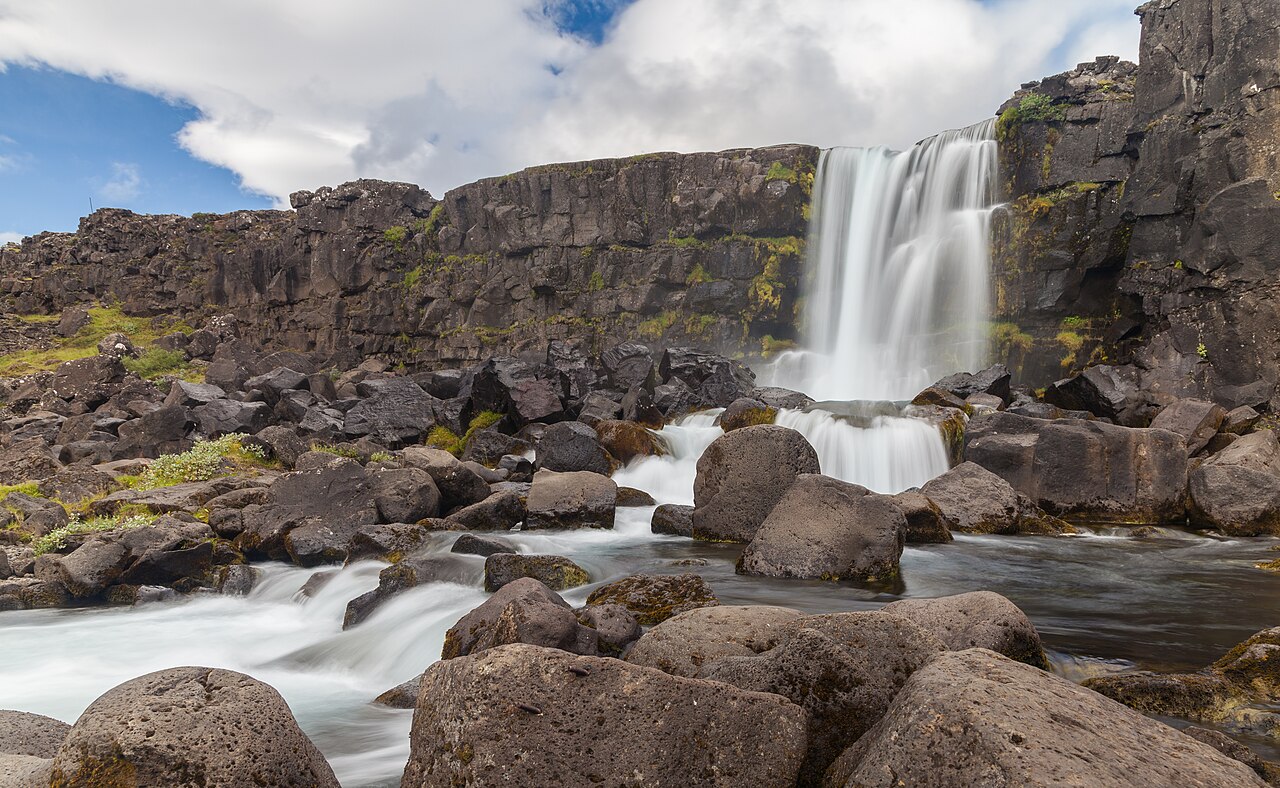
What's the weather like in Iceland in November?
In November, days in Iceland average -4 °C and -8 °C at night. In December, days in Iceland average -5 °C and -10 °C at night.
- November-4°-8 °C at night
 1 hours of sun a day21 rain days
- December-5°-10 °C at night0 hours of sun a day22 rain days
| Month | Jan | Feb | Mar | Apr | May | Jun | Jul | Aug | Sept | Oct | Nov | Dec |
|---|---|---|---|---|---|---|---|---|---|---|---|---|
| Day °C | -5 | -5 | -4 | -2 | 1 | 5 | 6 | 6 | 3 | -1 | -4 | -5 |
| Night °C | -10 | -10 | -10 | -8 | -3 | 0 | 2 | 2 | -1 | -5 | -8 | -10 |
| Sun h/day | 1 | 1 | 4 | 8 | 9 | 9 | 7 | 6 | 4 | 2 | 1 | 0 |
| Rain days | 23 | 21 | 23 | 19 | 18 | 18 | 20 | 19 | 22 | 22 | 21 | 22 |
Autumn weather for northern lights and changing light
September and October bring a different character to an Iceland holiday. Day temperatures are 3 °C in September and -1 °C in October, with night temperatures of -1 °C and -5 °C. Sunshine hours fall to four in September and two in October, creating atmospheric conditions for observing the northern lights away from bright town centres.

September has twenty-two rain days and 106 mm of rain, making waterproof clothing useful for coastal roads, waterfalls and walking routes. October also has twenty-two rain days, with 96 mm of rain. Keep plans focused on a handful of strong experiences, such as a glacier walk, a lagoon visit or a night sky session, rather than compressing many destinations into each day.
Autumn can reward travellers who value atmosphere and seasonal scenery. The light changes quickly, roads are quieter in many rural areas and the days lend themselves to slow meals and cosy accommodation. Check local conditions for each activity, then build in a spare day so weather changes can shape the route rather than dictate it.
Winter weather for snow, ice caves and northern lights
January and February are the coldest months in the climate record, with day temperatures of -5 °C and night temperatures of -10 °C. December also records -5 °C by day and -10 °C at night. Winter is a strong choice for snow landscapes, ice caves, northern lights and winter activities, provided your route follows current local guidance.
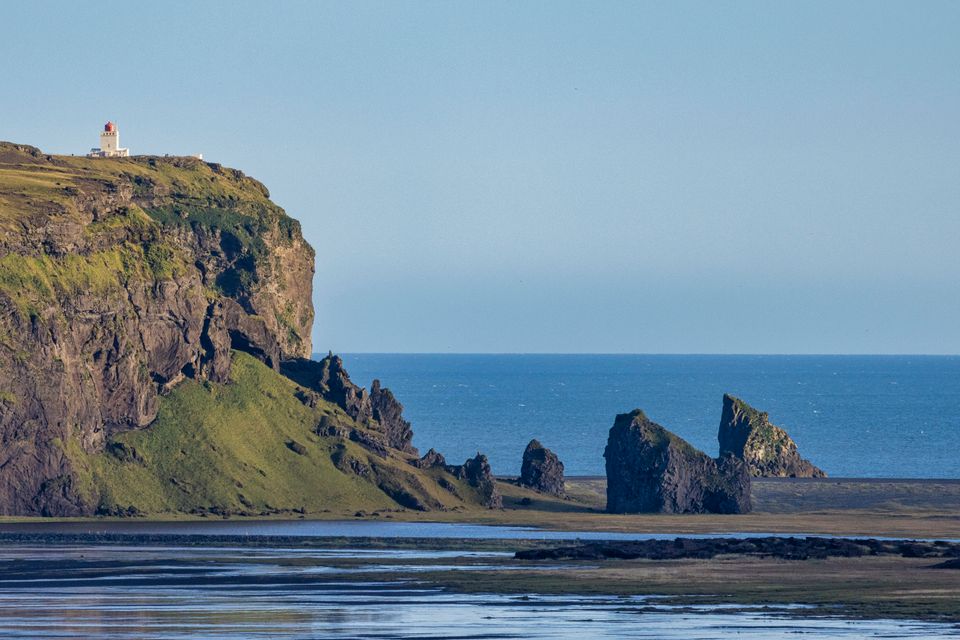
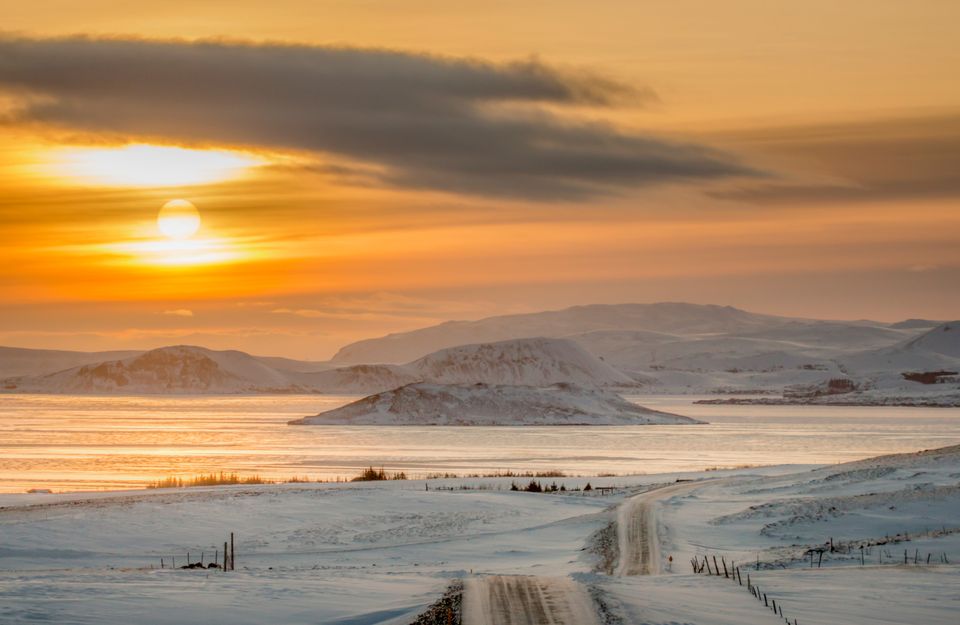
January has one sunshine hour and twenty-three rain days, while February has one sunshine hour and twenty-one rain days. These figures show why daylight and visibility deserve a place in your planning. A short trip based around one area can be more rewarding than a demanding route that depends on several long transfers.
For a winter break, consider Reykjavík for your first base and then add a guided winter experience. The planner can set a relaxed pace, with one or two stops per day, and its map view makes each day easier to review. Add a document vault for tickets and confirmations, and keep your packing list ready for gloves, waterproofs and warm layers.
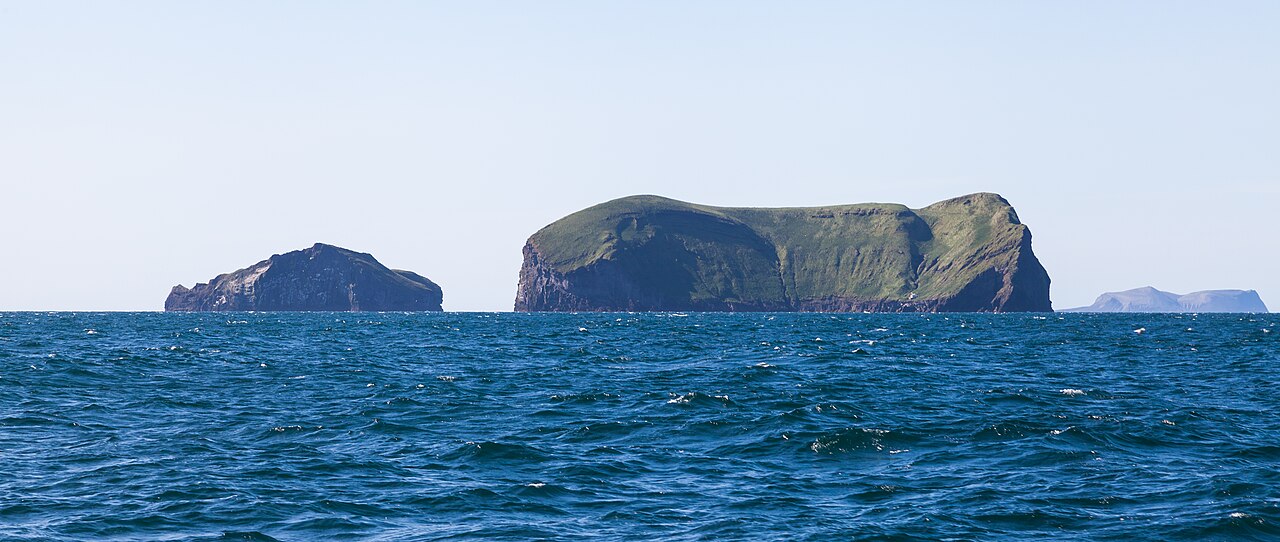
Best time to travel in Iceland
In Iceland, every month is a good time to travel, with daytime highs from -5 °C to 6 °C.
Everything about a holiday in IcelandWeather in Iceland month by month
- January-5 °C
- February-5 °C
- March-4 °C
- April-2 °C
- May1 °C
- June5 °C
- July6 °C
- August6 °C
- September3 °C
- October-1 °C
- November-4 °C
- December-5 °C
How to plan around Iceland’s fast changing conditions
Iceland works well when your itinerary balances fixed activities with flexible sightseeing. A booked glacier walk or lagoon visit can anchor the day, while a waterfall, café, viewpoint or short walk fills the open space. This approach suits a seven-day route because it leaves room for a change in wind, rain or road conditions.
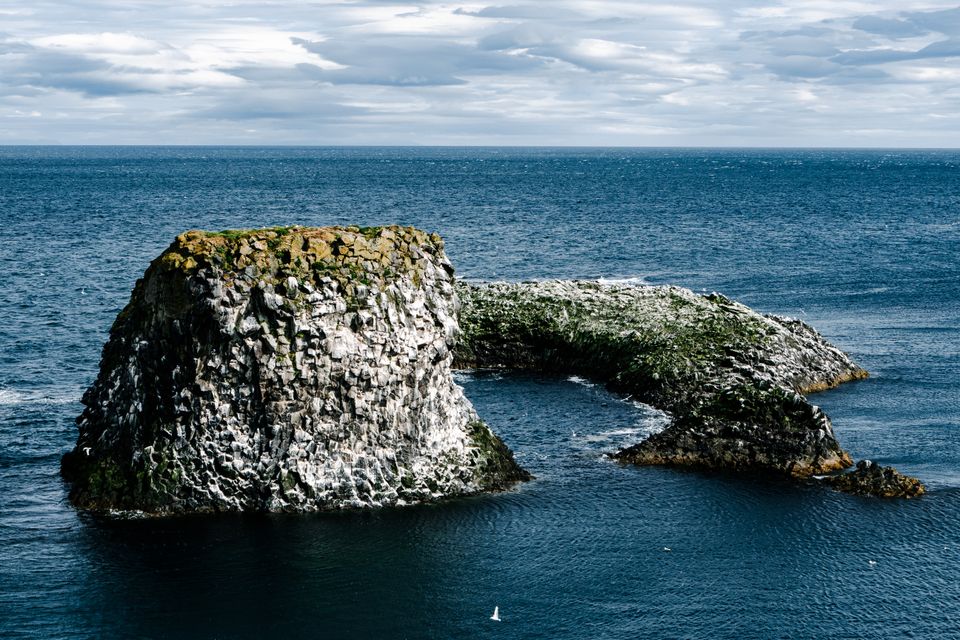
For a three-day visit, base yourself in Reykjavík and choose nearby experiences such as the Golden Circle, geothermal bathing or a coastal outing. For seven days, divide the route between the capital, the south coast and a second region. HolidayWow can read the month, group, pace and budget from a sentence, then draw each day and stop on the map.
Use the Bank Holiday planner when you are building a longer trip around UK public holidays and leave days. The plan can be shared with your group through one link, with comments and voting for places. Add dates later if you want weekday cards, live weather and live partner prices beside the route.
Already started
Your trip in Iceland
- 6 °C by day in July
 from Edinburgh about 2 h 09
 iPhoto: Jakub Hałun · CC BY-SA 4.0 · Wikimedia Commons
Day 1
Arrival in Reykjavík
Flight from Edinburgh in 2 h 09, direct. Settle in, first evening by the harbour or in the centre.

Day 2
Eiríksjökull
Start early; bring water and sturdy shoes.
Day 3
Hvítárvatn
Start early; bring water and sturdy shoes.
Day 4
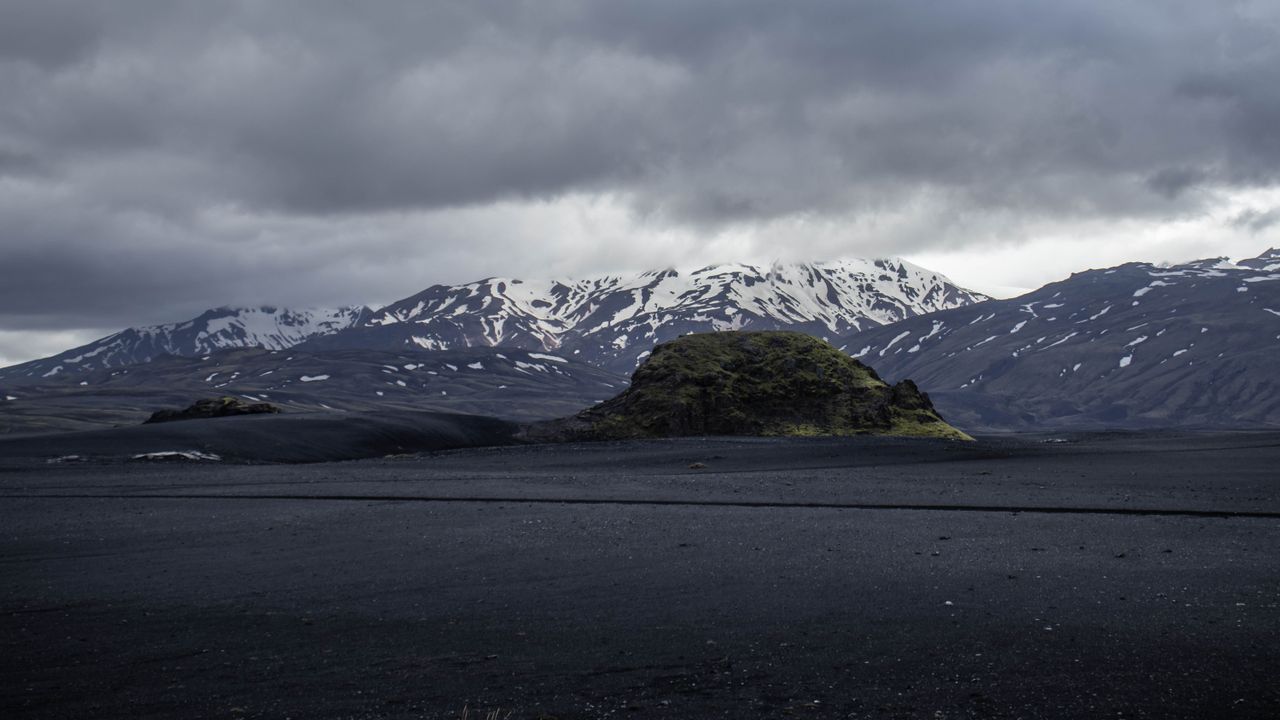
Kerlingarfjöll
Start early; bring water and sturdy shoes.
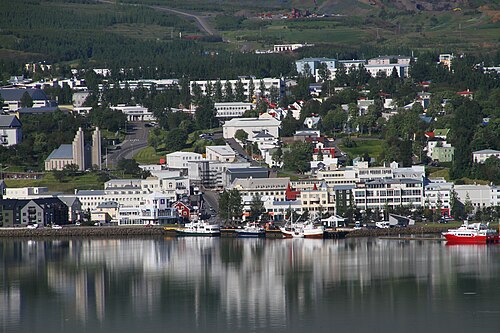 iPhoto: Gerd Eichmann · CC BY-SA 4.0 · Wikimedia Commons
Day 5
On to Akureyri
A new base for the next few days; explore Akureyri on foot.
Day 6
Súlur
Start early; bring water and sturdy shoes.
Day 7
Last morning and flight home
One last walk, then back to Edinburgh.
Look around without an account; sign in to save.
Weather in Iceland: frequently asked questions
What is the best time to visit Iceland?
June, July and August are the warmest months, with daytime temperatures of 5 °C to 6 °C. April and May suit spring scenery and flexible travel, while September and October offer stronger chances for northern lights and quieter winter atmospheres.
Is Iceland suitable for a family holiday?
Yes. Summer is convenient for families because daylight is longer and road journeys are easier to plan. Keep days balanced with two or three stops, include rest time for children, and choose accommodation near the main route or in a town with useful evening activities.
Can I see the northern lights in Iceland?
The northern lights are most relevant between September and March, when darker nights create better viewing conditions. Choose a rural base with clear skies, check the local outlook and leave a flexible evening for the activity. Cloud cover can change throughout the night.
What should I wear for Iceland weather?
Waterproof and windproof layers are useful throughout the year, alongside warm gloves, a hat, sturdy footwear and thermal layers for winter. Summer temperatures can feel mild in daylight, yet wind near waterfalls and the coast can change how clothing feels.
How far is Iceland from UK airports?
Distances shown from UK airports include London Heathrow at 1,143 miles, Manchester at 993 miles and Edinburgh at 817 miles. The page keeps these live distances with the destination information so you can compare your starting point while planning.


Your next trip
Plan your holiday in Iceland

Describe your trip in one sentence. When, who with and what matters to you.