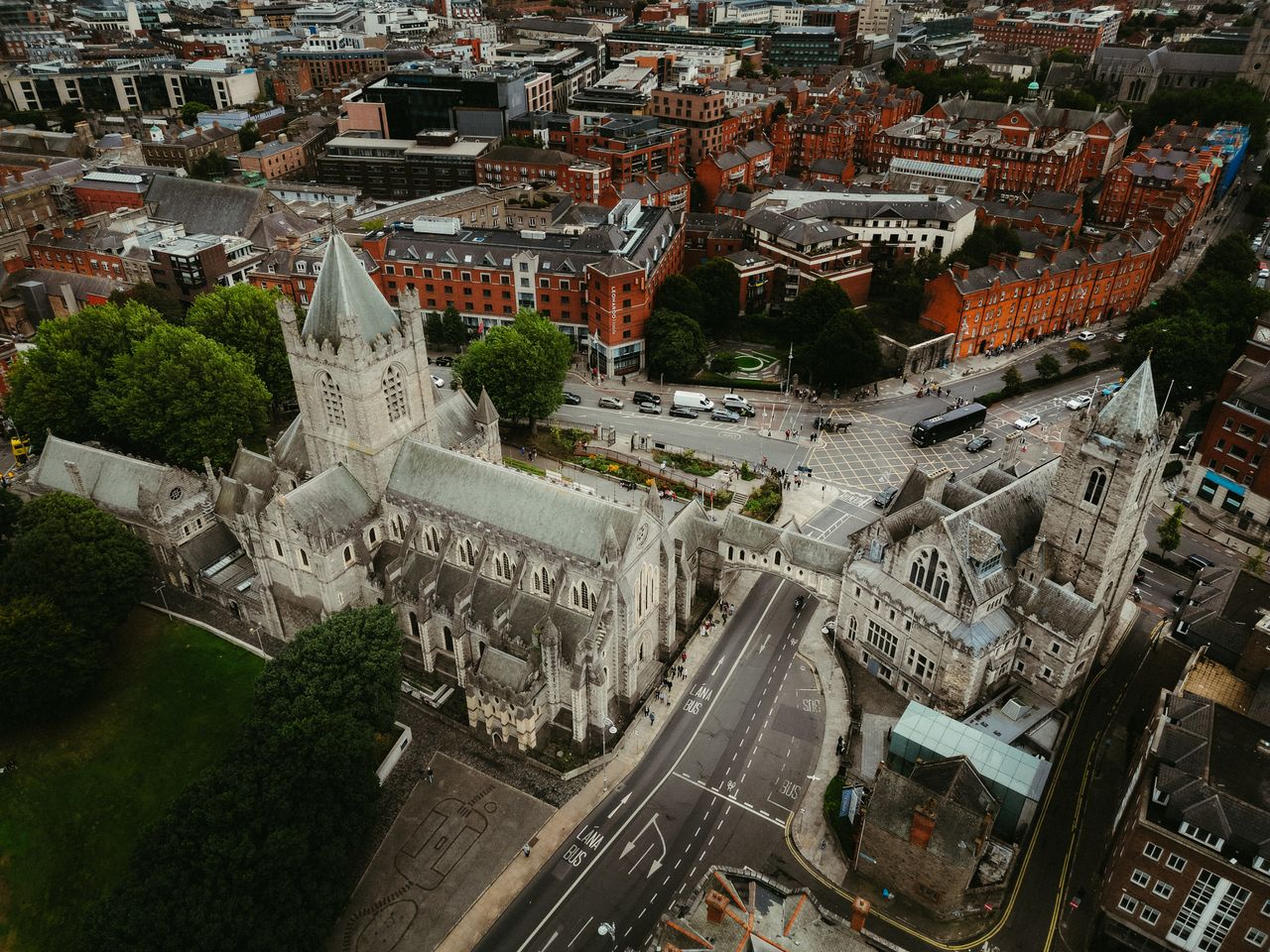
8 °C by day
Dublin in February: A Practical City Break Guide
Published 6 October 2026 · HolidayWow editors · Written with AI, numbers checked against our data ·
Dublin in February suits visitors who enjoy city history, warm pubs, changing skies and a relaxed pace. Temperatures are cool, so plan indoor attractions alongside walks through the centre and make time for coffee, galleries and excellent food.
In February, expect average highs of 8 °C in Dublin and 4 °C at night. The sun shines for about 3 hours a day, rain falls on 15 days of the month.
7 days in Dublin in February, Culture, from London Heathrow on your own
Plan a trip- Daytime highs in February
- 8 °C
- Sun per day
- 3 h
- Flight from London Luton, nonstop
- about 1 h 07


Why February works for a Dublin visit
February gives you a clear reason to explore Dublin at walking pace. The month brings cool daytime conditions, with an average high of 8 °C and an average night temperature of 4 °C. Bring layers and choose a stay near the centre or along the River Liffey to make daily outings straightforward.
There is a good mixture of indoor and outdoor experiences. Visit Trinity College, the National Museum of Ireland and the Book of Kells, then walk around St Stephen’s Green when the weather is clear. February also suits travellers who want a city break with an unhurried rhythm rather than a packed sightseeing schedule.
The month has 15 rain days, so keep indoor options close by. A theatre performance, gallery visit or meal at a Dublin pub works well between outdoor stops. The shorter daylight period also makes it simple to organise morning sightseeing and evening dining without rushing the final activity.
February compared
January is about as warm, with 8 °C by day; March is warmer, with 9 °C by day.
- January8°2 h sun
- February8°3 h sun
- March9°4 h sun
Where is it warmest in County Dublin in February?
The warmest place in February is in Dublin with 8 °C, followed by Wicklow Mountains with 8 °C.
A balanced February route through central Dublin
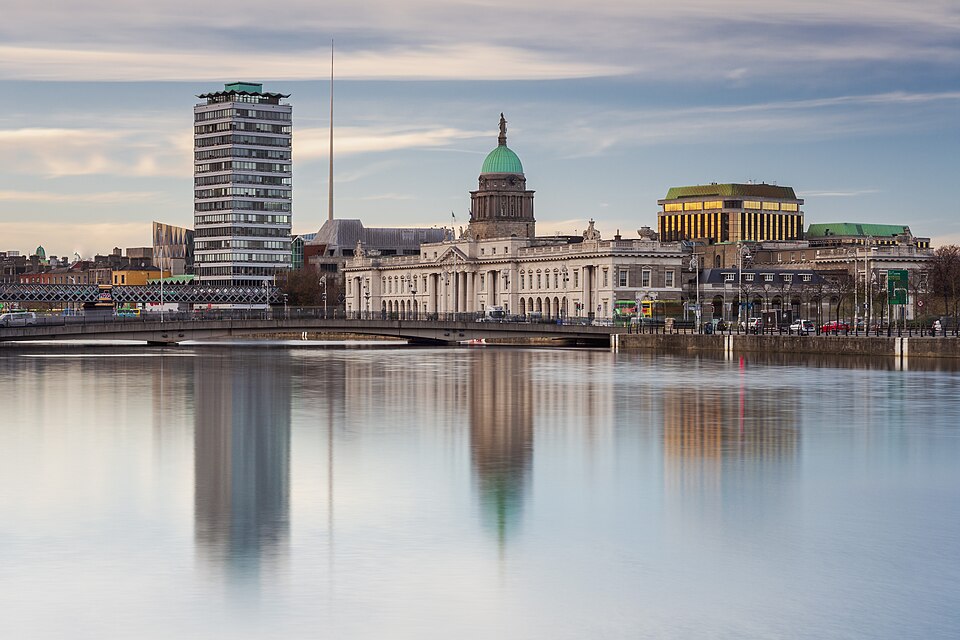
Start with Trinity College and the Book of Kells, then continue towards Merrion Square and the National Gallery. These stops place history, architecture and green space within a compact route. After lunch, head towards O'Connell Street for a broad view of the city and an easy place to pause.
 iPhoto: Diliff · CC BY-SA 3.0 · Wikimedia Commons
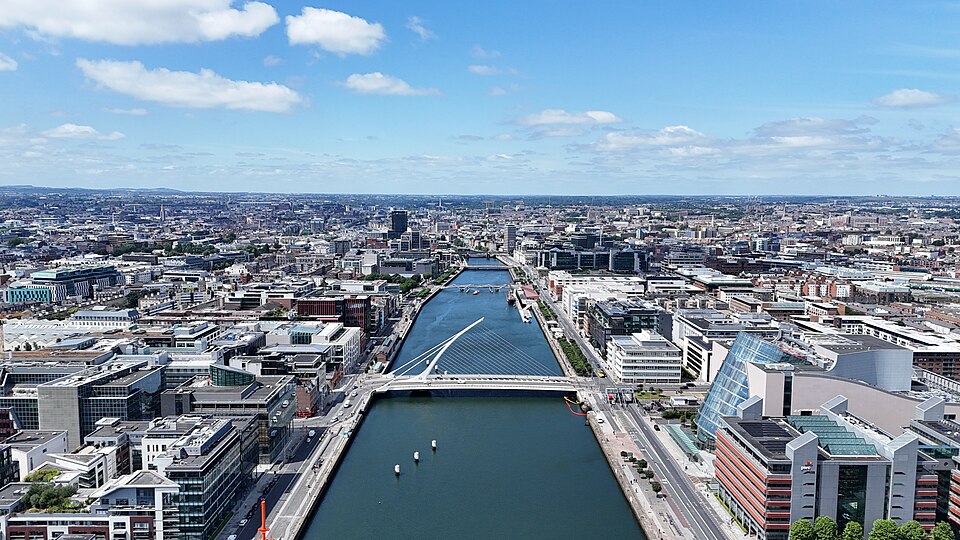
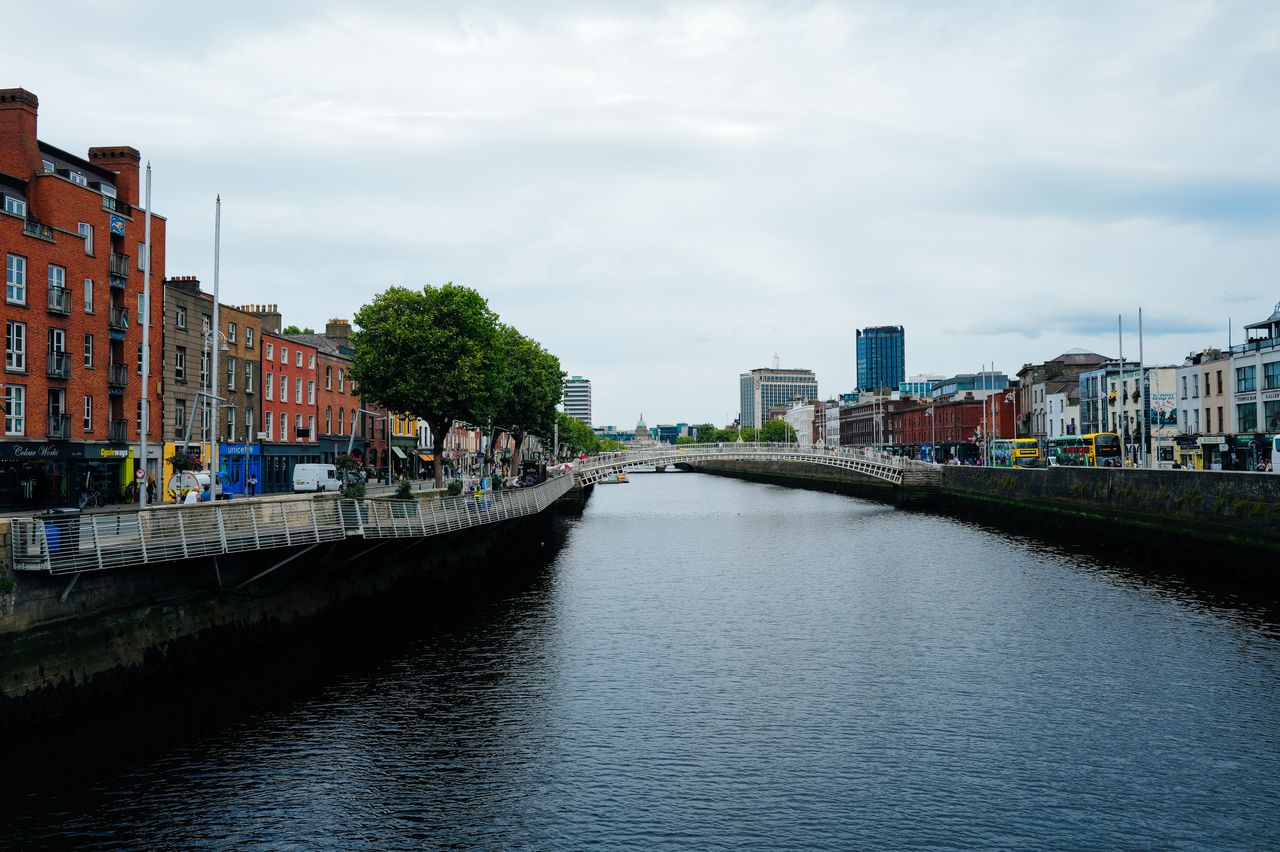
Spend the later part of the day around the River Liffey. Walk across the Ha’penny Bridge, see the riverside architecture and browse nearby shops. In suitable weather, extend towards the Samuel Beckett Bridge and the Four Courts area. Keep the route flexible so a shower can change the order.
For a relaxed evening, return to the centre for a pub meal or a restaurant reservation. Dublin works well when you leave room between activities. You can visit a cultural attraction in the afternoon, settle into a local neighbourhood for dinner and keep the final part of the evening free for an unhurried walk.
iPhoto: Diliff · CC BY-SA 3.0 · Wikimedia Commons
Best days for Dublin sights and slower moments
A three-day visit works well for a February city break. On the first day, focus on the historic centre, including Trinity College, Temple Bar, Christ Church Cathedral and the Ha’penny Bridge. These places offer a straightforward introduction to Dublin and make it easy to adjust the day around the weather.

Use the second day for culture and neighbourhoods. Choose the National Museum, the National Gallery or another indoor attraction, then explore St Stephen’s Green and Merrion Square. Keep the afternoon flexible for a meal, a gallery stop or a rest at your accommodation rather than filling every hour.
For a longer stay, use one day for a coastal or countryside excursion and another for Dublin at your own pace. The February half-term dates vary by UK region, so check the relevant school calendar when travelling with children. The Bank Holiday planner can help organise UK leave days and public holidays around the trip.
February weather in Dublin
Dublin is cool in February, which suits long walks, museums and slow evenings. Days reach 8 °C on average and nights 4 °C, with about 3 hours of sunshine a day. Rain falls on 15 days of the month, 73 mm in total.
In the warmth ranking of the year it comes in at number 11.

How February compares in Dublin
January brings 8 °C by day and March 9 °C, so February is part of the climb towards warmer weeks. For rain the count is 16, 15 and 15 days across the three months. If you want more warmth, March delivers it; if you prefer room to breathe, February is the sweet spot.
 iPhoto: Jakub CA · CC BY 4.0 · Wikimedia Commons
- January: 8 °C, 16 rain days, 2 h of sun
- February: 8 °C, 15 rain days, 3 h of sun
- March: 9 °C, 15 rain days, 4 h of sun
iPhoto: Jakub CA · CC BY 4.0 · Wikimedia CommonsHow to shape a February day in Dublin
Mornings are crisp, so begin with a museum or a covered market and head out once it warms up. The warmest hours, at 8 °C, are perfect for being outside. Evenings drop to 4 °C, so plan dinner somewhere warm and keep a layer handy.
 iPhoto: LynxesDesmond · CC0 · Wikimedia Commons
 iPhoto: LynxesDesmond · CC0 · Wikimedia Commons

Which week of February to pick
School breaks in this month include February half-term (Kent County Council), February half-term (Department of Education Northern Ireland), February half-term (City of Edinburgh Council), from the official calendars. The weeks clear of school breaks are 22 February to 28 February. 1 February to 7 February, 8 February to 14 February and 15 February to 21 February overlap with school holidays, so stays fill faster then.
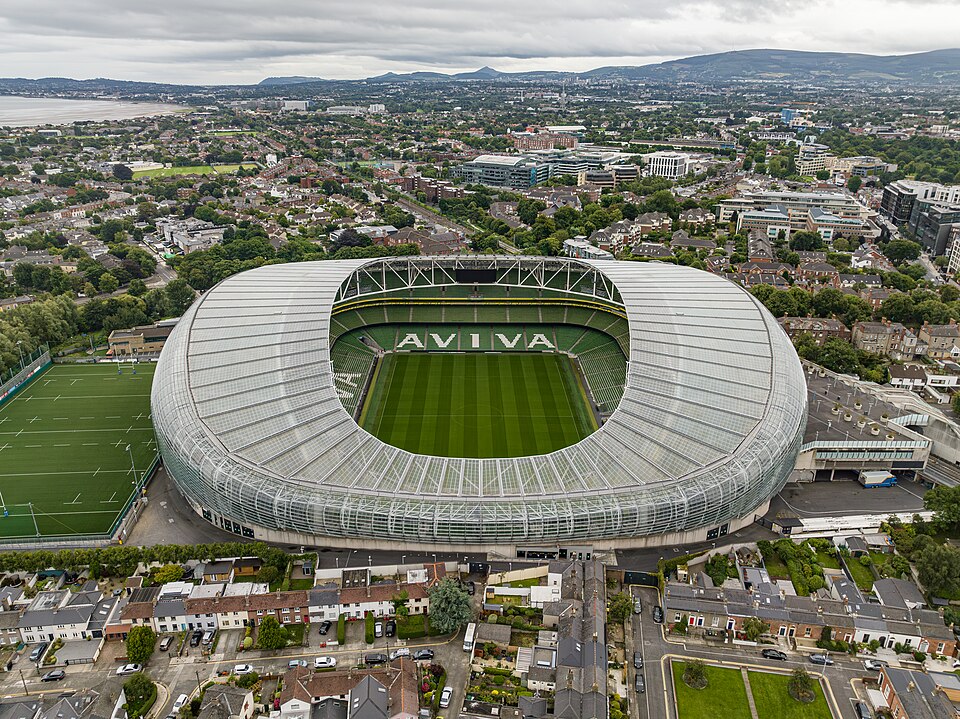
Already started
Your trip in Dublin
 8 °C by day in February
- from London Heathrow about 1 h 09
Day 1
Arrival in Dublin
Flight from London Heathrow in 1 h 09, direct. Settle in, first evening by the harbour or in the centre.
 iPhoto: William Murphy · CC BY-SA 3.0 · Wikimedia Commons
Day 2
Parnell Car Park
Start early; bring water and sturdy shoes.
 iPhoto: Robert Linsdell · CC BY 2.0 · Wikimedia Commons
Day 3
Fr Collins Park
Start early; bring water and sturdy shoes.

Day 4
Brickfield Park
Start early; bring water and sturdy shoes.
Day 5
Carysfort Park
Start early; bring water and sturdy shoes.
Day 6
Santry Demense
Start early; bring water and sturdy shoes.
Day 7
Last morning and flight home
One last walk, then back to London Heathrow.
Look around without an account; sign in to save.
Weather in Dublin month by month
- January8 °C
- February8 °C
- March9 °C
- April11 °C
- May14 °C
- June17 °C
- July18 °C
- August18 °C
- September16 °C
- October14 °C
- November10 °C
- December8 °C
Getting there
The quickest way is from London Luton: you're in Dublin in about 1 h 07 on a direct flight. Direct flights leave from 4 UK airports. The nearest airport is Dublin Airport (DUB), 5 miles away.
- DUBDublin Airport5 miles to the destination
| From | Flight time | To | Direct flight |
|---|---|---|---|
| London Luton LTN | about 1 h 07 | DUB | Direct |
| London Heathrow LHR | about 1 h 09 | DUB | Direct |
| London Stansted STN | about 1 h 10 | DUB | Direct |
| London Gatwick LGW | about 1 h 11 | DUB | Direct |
Flight times estimated from the distance, direct routes from OpenTravelData.
Travel advice for Ireland
The current advice on safety, health and entry is published in full by GOV.UK Foreign travel advice. Check it before you book and again shortly before you leave.
Getting to Dublin from home
From London Heathrow, Dublin is {{dist.home:LHR}} away as the crow flies. From London Gatwick it is {{dist.home:LGW}}. From Manchester it is {{dist.home:MAN}}.
Flight times to Dublin
- from London Luton1 h 07direct
- from London Heathrow1 h 09direct
- from London Stansted1 h 10direct
- from London Gatwick1 h 11direct
Door to door, the plan lines up the ride to the airport, the flight with live fares and the transfer on arrival.
Flight times to Dublin
- from London Luton1 h 07direct
- from London Heathrow1 h 09direct
- from London Stansted1 h 10direct
- from London Gatwick1 h 11direct

Your February packing list
With 8 °C by day and 4 °C at night and 15 rain days, pack for cold. Your plan builds this list for you and updates it when you change the dates.
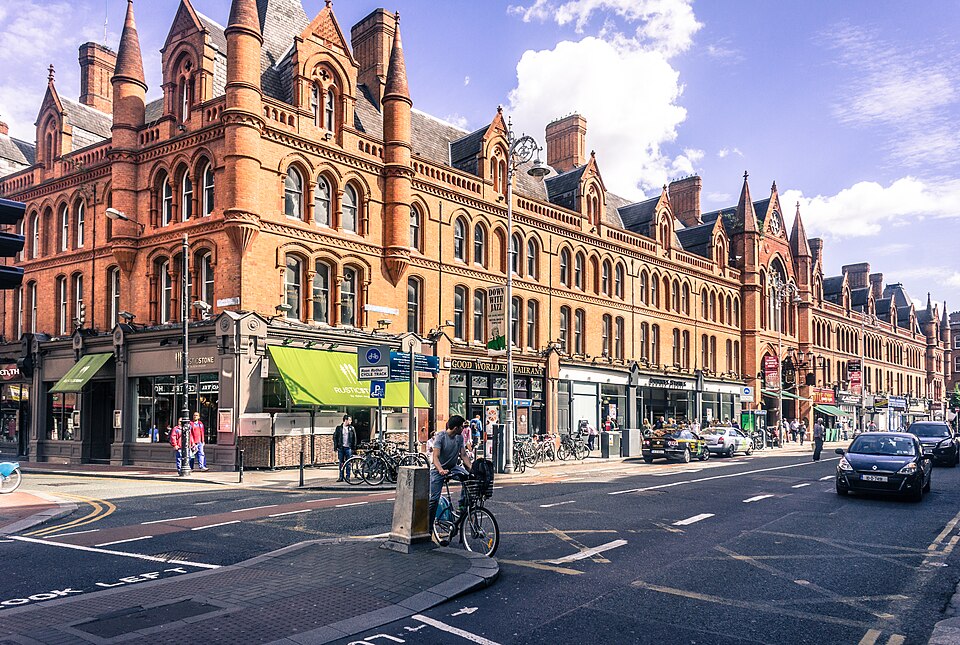 iPhoto: William Murphy · CC BY-SA 2.0 · Wikimedia Commons
- Comfortable walking shoes
- A proper coat, gloves and a hat
- A packable rain jacket or umbrella
- A travel adapter for your chargers
iPhoto: William Murphy · CC BY-SA 2.0 · Wikimedia CommonsPrices for Dublin
The cards below pull today's partner prices for Dublin in your currency, so the number you see is the one you pay.

Food, pubs and February evenings
Dublin is a rewarding base for food in February because the city centre brings many options within walking distance. Plan a lunch near your first sightseeing stop, then book dinner in an area that matches your evening. Traditional Irish dishes, cafés, seafood and international menus are all part of the city’s dining scene.


A pub visit can be part of the holiday rather than an extra activity after a full day. Settle into a traditional pub for a warm drink, a meal or a small evening gathering. During colder weather, a relaxed indoor meal also gives you time to review the next day and check the live conditions.
Allow time for a proper breakfast or coffee before setting out. The month has 3 hours of sunshine in the climate data, so bright breaks are best used for walks and outdoor photography. Keep indoor attractions as the dependable part of the day and let the forecast shape the sequence.
Planning a flexible Dublin holiday in February
Describe the trip in one sentence or by voice using HolidayWow, for example a February break in Dublin with a relaxed pace. The planner reads the place, month, group and budget, then places each day on the map with stops and routes. This gives you a clear structure before you begin making local decisions.
 iPhoto: Stephen Bergin steve_ · CC0 · Wikimedia Commons
The plan is editable, so you can move a museum to another day, lighten a route or swap an indoor stop. Choose relaxed, balanced or packed travel according to the pace you want. A month is enough to start, and dates can be added later when weekday details, live weather and current partner information suit your plans.
Live prices for stays, tours and transport appear through partner links, with booking available inside the plan. Share the route with your group, assign viewing or editing roles and use the packing list and checklist for practical preparation. The document vault keeps passports, tickets and confirmations connected to the holiday.
iPhoto: Stephen Bergin steve_ · CC0 · Wikimedia CommonsDublin in February: frequently asked questions
Is Dublin a good place to visit in February?
Dublin is a good choice for a city break in February, particularly for history, culture, food and flexible days. Average daytime and night temperatures are 8 °C and 4 °C, so pack layers and combine outdoor walks with museums, galleries, pubs and cafés.
What should I do in Dublin in February?
Visit Trinity College and the Book of Kells, explore Christ Church Cathedral, walk beside the River Liffey and use the Ha’penny Bridge as a central landmark. St Stephen’s Green and Merrion Square add outdoor time, while galleries and museums provide useful options during wet weather.
How many days should I spend in Dublin in February?
Three days give you time for the main historic sights, a culture day and a relaxed evening. A longer stay gives you room for nearby excursions and a slower pace. HolidayWow can place each day on the map and let you move stops between days as your plans take shape.
Can I visit Dublin in February during half term?
Yes. February half-term dates differ across the UK, so check the calendar for your region before choosing travel dates. Kent and Edinburgh run from 13 to 21 February 2027, while Northern Ireland runs from 11 to 14 February 2027. Plan indoor activities around the school break.
Is HolidayWow free for planning a Dublin holiday?
The app is free to download and to plan with. You can describe your February trip in Dublin, create a map based itinerary, adjust the pace and share the plan with others. Current partner prices for stays, tours and transport are shown in the plan when you are ready to book.


Your next trip
Plan your holiday in Dublin in February

Describe your trip in one sentence. When, who with and what matters to you.