Best time: May to October
Tokyo from Adelaide: A Practical City Break Guide
Published 4 October 2026 · HolidayWow editors · Written with AI, numbers checked against our data ·
Tokyo from Adelaide is a rewarding long-haul city trip, with a convenient airport connection and plenty of neighbourhoods to explore. Choose your season carefully, use rail passes or local transport, and base yourself near a station for an easy daily rhythm. HolidayWow helps organise the route, stays and activities in one map first plan.
In Tokyo, the best time for a trip is May to October, with daytime highs up to 31 °C.
7 days in Tokyo in June, Culture, from Brisbane on your own
Plan a trip- Best time to go
- May to October
- Daytime high in August
- 31 °C
- Flight from Brisbane, nonstop
- about 8 h 44


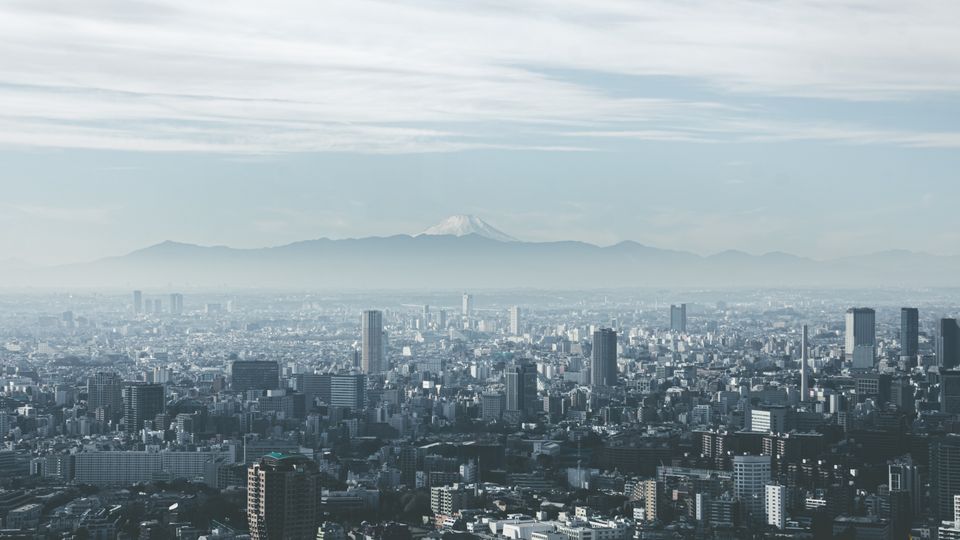
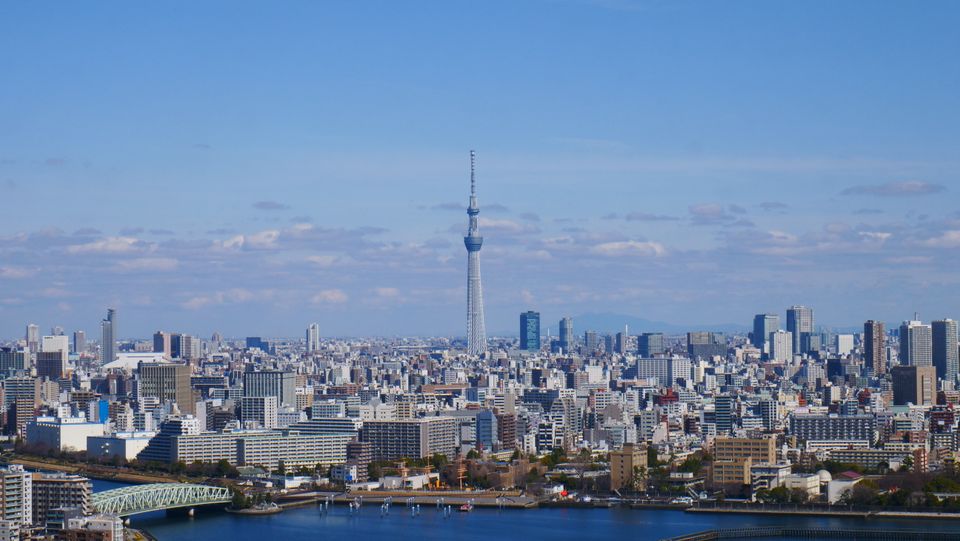
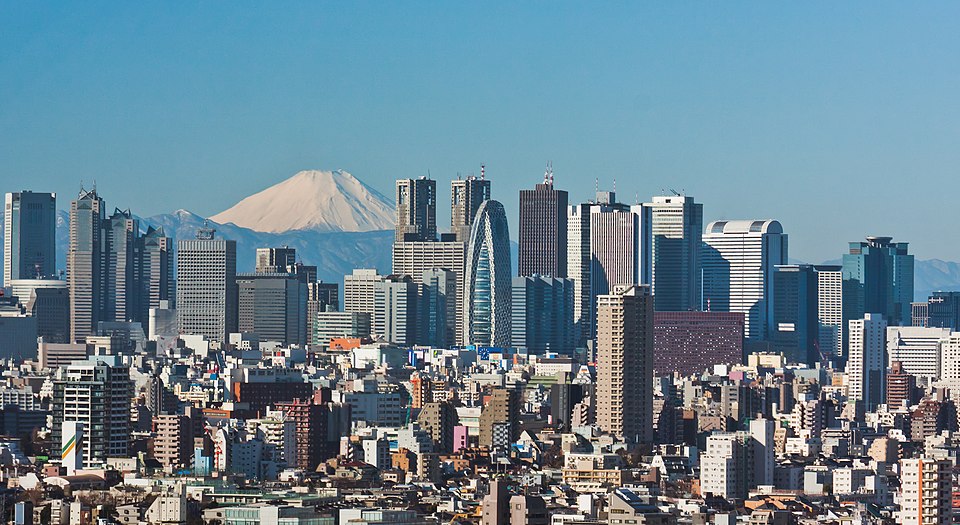
Tokyo at a glance
- What’s the vibe?
- Tokyo works well in every season, and the best choice depends on the kind of holiday you want. Spring brings comfortable daytime temperatures and fresh city energy, while summer offers long evenings outdoors.
- Where to stay?
- A central base gives you the most freedom for a first Tokyo visit. Shinjuku is convenient for rail connections, shopping and a broad choice of restaurants.
- Best time to go
- In Tokyo, the best time for a trip is May to October, with daytime highs up to 31 °C.
- How to get there?
- From Brisbane, you can be in Tokyo in about 8 h 44.
- What else to know?
- Tokyo rewards a mix of planned highlights and spontaneous stops. Reserve the experiences that matter most, such as a popular restaurant, a special tea ceremony or a guided cultural activity, then leave room for neighbourhood markets and cafés.
Choosing the right season for Tokyo from Adelaide
Tokyo works well in every season, and the best choice depends on the kind of holiday you want. Spring brings comfortable daytime temperatures and fresh city energy, while summer offers long evenings outdoors. Autumn suits sightseeing and food-focused trips, and winter brings clear, cool days for walks through the major sightseeing districts.
The climate data gives August as the warmest month, with average daytime temperatures of 31 °C and nights around 24 °C. January is the coolest month, with daytime temperatures of 9 °C and nights near 1 °C. Pack layers according to the season, especially when you are moving between a warm daytime and cooler indoor evenings.
Rain can appear throughout the year, so a compact umbrella and a light waterproof jacket are useful additions. The driest month is January, while June has the highest recorded rainfall in the climate data. Allow time for indoor attractions, museums and excellent food when the weather changes.
Getting from Adelaide to Tokyo with a clear connection
Compare flight options through the live booking links and check the departure and arrival airports before selecting a fare. A connection can make the travel day easier by linking the Adelaide flight to onward travel within Japan.

After arriving in Tokyo, plan the transfer from the airport before worrying about the evening's activities. Narita and Haneda connect with rail and other transport options, and a station-based hotel can make the first morning more straightforward. Keep your first evening simple, with a nearby dinner and an early night after the flight.
For the return journey, leave a generous margin between the Tokyo transfer and the onward flight. The page can keep your flights, document vault and itinerary together, helping you see each booking in the same plan. This arrangement is especially useful when your flight continues to another Australian city or your Tokyo stay ends early in the morning.
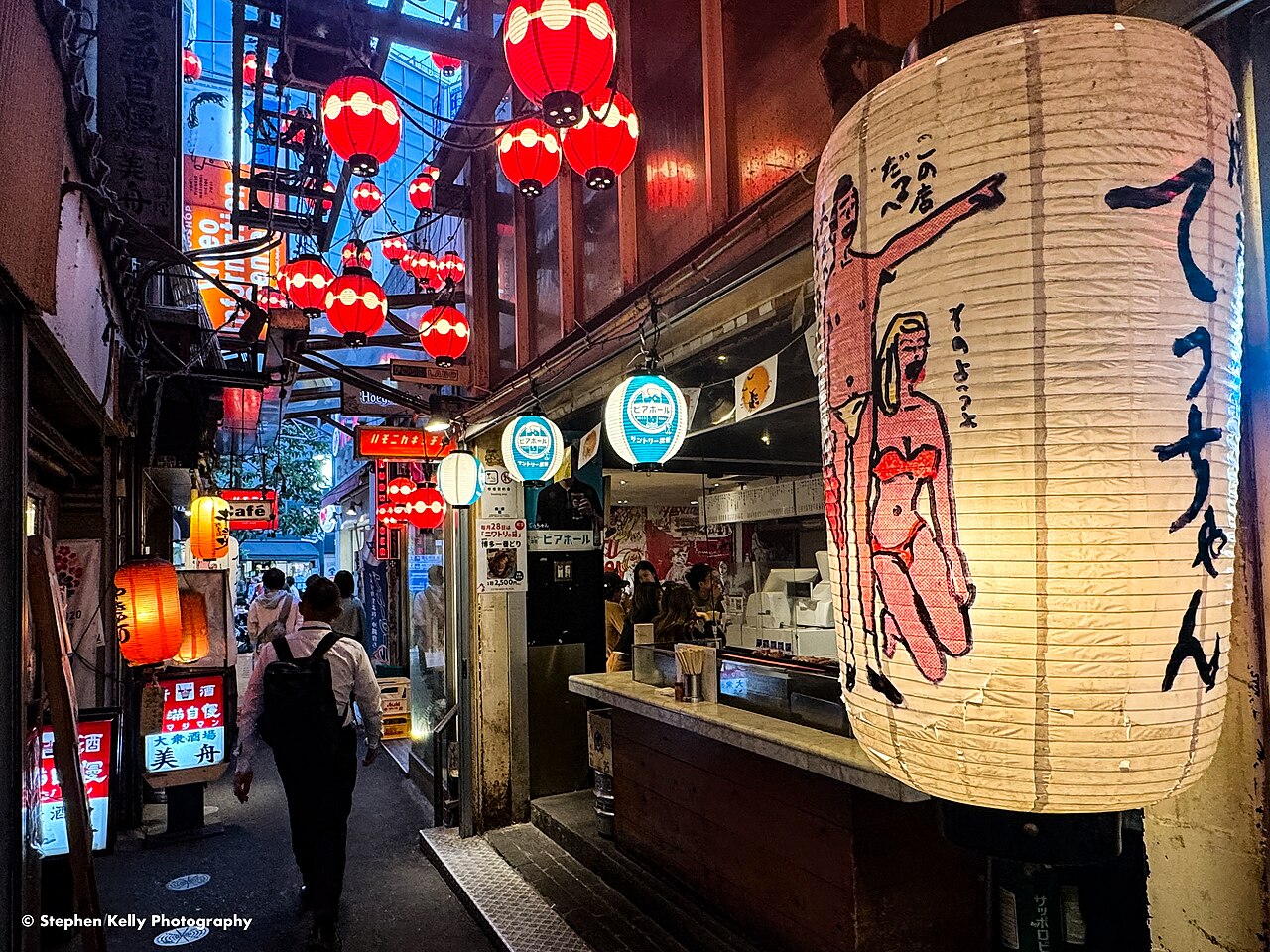
Where to stay for a Tokyo city break
A central base gives you the most freedom for a first Tokyo visit. Shinjuku is convenient for rail connections, shopping and a broad choice of restaurants. Shibuya offers a lively atmosphere and easy access to central Tokyo, while Asakusa has a more local feel and places major sights close at hand.
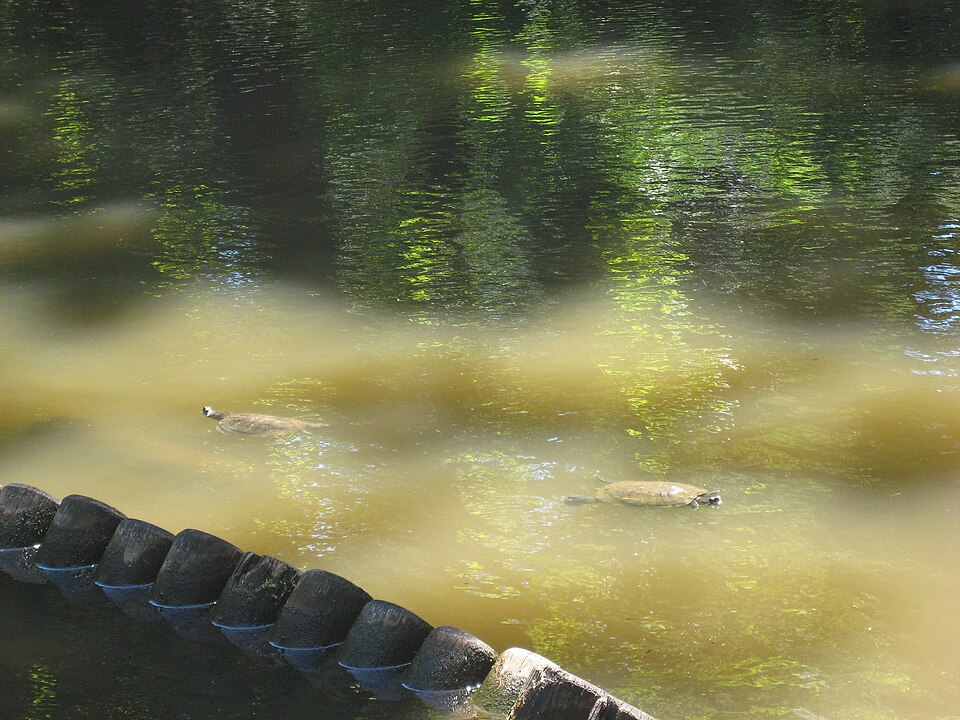 iPhoto: Syced · CC0 · Wikimedia Commons
Choose a hotel or serviced apartment near a rail station when you plan several day trips. This makes the daily return simple and gives you access to transport across the wider city. You can spend one morning in Ueno, an afternoon in Harajuku and an evening around Shinjuku without rebuilding the route each day.
HolidayWow can place each stay on the map and connect it to the daily route. Drag a stop to another day, swap a hotel area or make a day lighter when your flight schedule calls for it. The planner also works with live accommodation prices, so compare the current options directly in your plan.
iPhoto: Syced · CC0 · Wikimedia CommonsTokyo from Adelaide
From Adelaide, Tokyo is {{dist.home:ADL}} away as the crow flies. Sydney lies {{dist.home:SYD}} away. Melbourne lies {{dist.home:MEL}} away. From Adelaide, the months that pay off most are May, June, July and September.
 iPhoto: Mccunicano · CC BY-SA 4.0 · Wikimedia Commons
From Brisbane it is {{dist.home:BNE}}. From Perth it is {{dist.home:PER}}. The plan adds the ride to the airport, the flight with live fares from our partners, and the transfer to your first stay.
iPhoto: Mccunicano · CC BY-SA 4.0 · Wikimedia Commons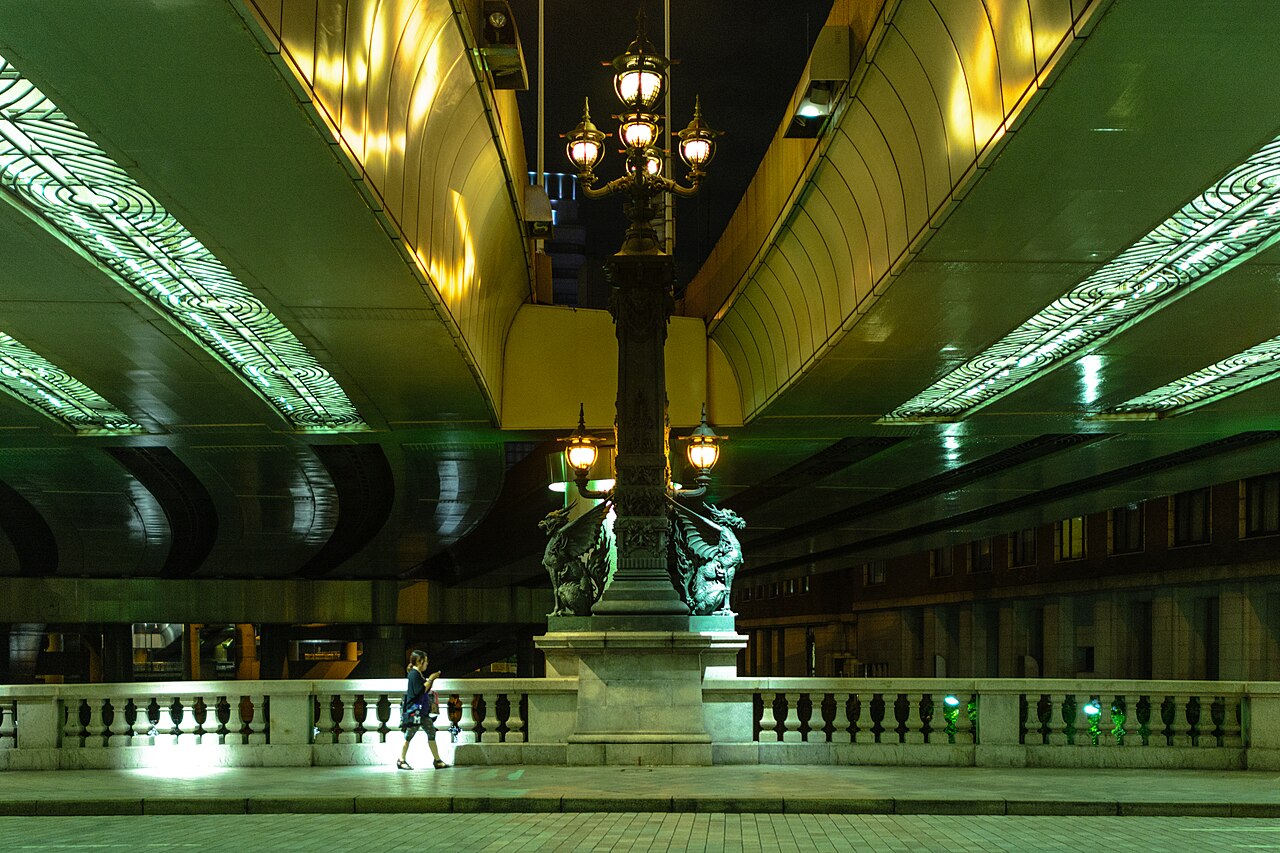
Already started
Your trip in Tokyo
 26 °C by day in June
- from Brisbane about 8 h 44
Day 1
Arrival in Tokyo
Flight from Brisbane in 8 h 44, direct. Settle in, first evening by the harbour or in the centre.

Day 2
Ueno-Park
Start early; bring water and sturdy shoes.
Day 3
Yoyogi-Park
Start early; bring water and sturdy shoes.
Day 4
Inokashira-Park
Start early; bring water and sturdy shoes.
Day 5
Yumenoshima Park
Start early; bring water and sturdy shoes.
Day 6
Kasai-Meerespark
Start early; bring water and sturdy shoes.
Day 7
Last morning and flight home
One last walk, then back to Brisbane.
Look around without an account; sign in to save.
Weather and climate in Tokyo
The warmest month is August, with 31 °C by day and 24 °C at night. The sunniest month is August, with 7 hours of sun a day.
| Month | Jan | Feb | Mar | Apr | May | Jun | Jul | Aug | Sept | Oct | Nov | Dec |
|---|---|---|---|---|---|---|---|---|---|---|---|---|
| Day °C | 9 | 10 | 14 | 18 | 23 | 26 | 30 | 31 | 28 | 22 | 17 | 12 |
| Night °C | 1 | 2 | 5 | 9 | 14 | 19 | 23 | 24 | 21 | 15 | 9 | 4 |
| Sun h/day | 6 | 6 | 6 | 6 | 6 | 5 | 6 | 7 | 5 | 5 | 5 | 6 |
| Rain days | 5 | 7 | 12 | 12 | 13 | 16 | 16 | 15 | 16 | 14 | 11 | 7 |
Weather in Tokyo month by month
- January9 °C
- February10 °C
- March14 °C
- April18 °C
- May23 °C
- June26 °C
- July30 °C
- August31 °C
- September28 °C
- October22 °C
- November17 °C
- December12 °C
Tokyo through the year
Daytime highs range from 9 °C in January to 31 °C in August. January is the driest with 5 rain days and June the wettest with 16. August brings the most sun, around 7 hours daily.
 iPhoto: kiwa dokokano · CC BY-SA 3.0 · Wikimedia Commons
Comfortable sightseeing weather, with highs between the low twenties and about thirty degrees, comes in May, June, July, September and October.
- January: 9 °C, 5 rain days, 6 h of sun
- February: 10 °C, 7 rain days, 6 h of sun
- March: 14 °C, 12 rain days, 6 h of sun
- April: 18 °C, 12 rain days, 6 h of sun
- May: 23 °C, 13 rain days, 6 h of sun
- June: 26 °C, 16 rain days, 5 h of sun
- July: 30 °C, 16 rain days, 6 h of sun
- August: 31 °C, 15 rain days, 7 h of sun
- September: 28 °C, 16 rain days, 5 h of sun
- October: 22 °C, 14 rain days, 5 h of sun
- November: 17 °C, 11 rain days, 5 h of sun
- December: 12 °C, 7 rain days, 6 h of sun
iPhoto: kiwa dokokano · CC BY-SA 3.0 · Wikimedia CommonsDemand for Tokyo through the year
Monthly search volumes put the peak for Tokyo in January and the low point in July.
 iPhoto: kiwa dokokano · CC BY-SA 3.0 · Wikimedia CommonsiPhoto: kiwa dokokano · CC BY-SA 3.0 · Wikimedia Commons
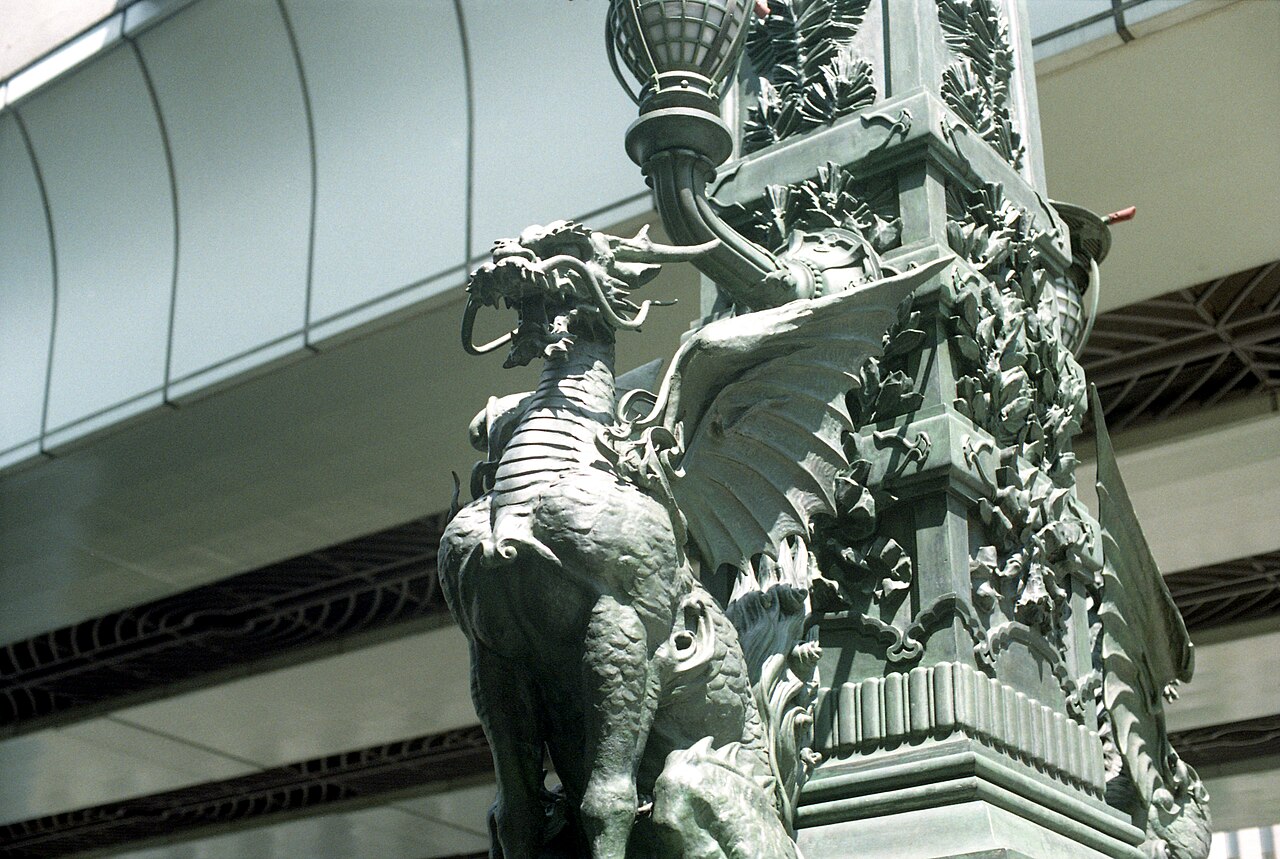 iPhoto: shikabane taro · CC BY 3.0 · Wikimedia Commons
A day in Tokyo in May
Begin with a long walk while the light is soft. Around midday it reaches 23 °C, ideal for the outdoor highlight of the day. By night it is 14 °C: a cosy restaurant suits the evening.
 iPhoto: shikabane taro · CC BY 3.0 · Wikimedia Commons
 iPhoto: shikabane taro · CC BY 3.0 · Wikimedia Commons
What to pack for Tokyo
For August, plan for heat: 31 °C in the day, 24 °C after dark, 15 days of rain. The packing list in your plan adjusts itself to the month and the days you pick.
 iPhoto: kiwa dokokano · CC BY-SA 3.0 · Wikimedia Commons
- Light, breathable clothes for the day
- Sun hat and sunscreen
- A refillable water bottle
- A warm layer for the evenings
- A packable rain jacket or umbrella
- Comfortable walking shoes
- A travel adapter for your chargers
iPhoto: kiwa dokokano · CC BY-SA 3.0 · Wikimedia CommonsGetting there
The quickest way is from Brisbane: you're in Tokyo in about 8 h 44 on a direct flight. Direct flights leave from 4 Australian airports. The nearest airport is Tokyo Haneda International Airport (HND), 15 km away.
- HNDTokyo Haneda International Airport15 km to the destination
- NRTNarita International Airport56 km to the destination
- IBRIbaraki Airport80 km to the destination
| From | Flight time | To | Direct flight |
|---|---|---|---|
| Brisbane BNE | about 8 h 44 | NRT | Direct |
| Gold Coast OOL | about 8 h 50 | NRT | Direct |
| Sydney SYD | about 9 h 30 | HND | Direct |
| Melbourne MEL | about 9 h 54 | NRT | Direct |
| Adelaide ADL | about 9 h 31 | HND | |
| Perth PER | about 9 h 36 | HND | |
| Canberra CBR | about 9 h 38 | HND |
Flight times estimated from the distance, direct routes from OpenTravelData.
Travel advice for Japan
The current advice on safety, health and entry is published in full by Smartraveller. Check it before you book and again shortly before you leave.
Live prices for Tokyo
Every price for Tokyo on this page comes live from a partner, in your currency. Open a card to see today's rate for your dates.
A seven day Tokyo route from neighbourhood to neighbourhood
Begin in Shinjuku for a broad view of the city, then use the train to reach Harajuku and Shibuya. Keep the middle of the day focused on a major sight or shopping area, and leave the evening free for a local meal. This shape gives you variety without making the first day feel hurried.

Next, spend time around Ueno and Asakusa, where temples, markets and traditional streets create a different rhythm from the western districts. Add a quieter afternoon in a park or garden, then return to your base for a relaxed dinner. The balanced pace works well for travellers who want a mix of culture and city energy.
Finish with a day in central Tokyo for museums, architecture or a food itinerary, followed by a final evening near your accommodation. If the weather is warm, spend longer outdoors. If rain arrives, use the day for indoor cultural stops and keep the route compact.
Practical planning for food, transport and changing plans
Tokyo rewards a mix of planned highlights and spontaneous stops. Reserve the experiences that matter most, such as a popular restaurant, a special tea ceremony or a guided cultural activity, then leave room for neighbourhood markets and cafés. A relaxed pace gives you time to notice the city between the major attractions.

Use the trip film to see the daily route as a sequence on the map, including flight arcs, bases and each day. Share one link with family or friends, assign viewing or editing roles, and invite comments on the route. If a stop feels unsuitable, ask the assistant to change it and the plan checker will reorder the day.
A packing list and checklist can reflect the month, climate and activities in your plan. Keep passport details, tickets and confirmations in the document vault. The app is free to download and plan with, and the Long Weekend planner can help organise public holidays and Australian leave days into a longer holiday.
Tokyo: frequently asked questions
How far is Tokyo from Adelaide?
The distance helps you understand the scale of the journey, while the live flight and booking options show the current connections and prices. A well-planned arrival and departure can make the long-haul trip feel easier from the beginning.
What is the best time to visit Tokyo from Adelaide?
Tokyo is enjoyable across the year, with spring and autumn offering comfortable sightseeing conditions. Summer is warm, with August reaching an average daytime temperature of 31 °C, while winter is cooler, with January daytime averages of 9 °C. Choose the season that matches your preferred pace and outdoor activities.
Should I stay in Shinjuku, Shibuya or Asakusa?
Shinjuka and Shibuya suit travellers who want convenient transport, shopping and a broad restaurant scene. Asakusa offers a more atmospheric base near traditional sights and a strong local atmosphere. Staying near a rail station makes it easier to connect neighbourhoods and return to your hotel after a full day.
How do I organise a Tokyo itinerary?
HolidayWow reads a trip described in one sentence or by voice, then places days, stops and bases on a map. You can set a relaxed, balanced or packed pace, drag stops between days and swap places through the assistant. This makes a Tokyo itinerary easy to adjust as bookings and weather conditions change.
Can I keep flights and hotel details with my Tokyo plan?
Yes. Your flights, stays, activities and transport can sit together in the same plan, with live partner prices shown through booking links. The document vault keeps passports, tickets and confirmations connected to the trip, while sharing options let everyone view the same route and leave comments.

Plan your holiday in Tokyo

Describe your trip in one sentence. When, who with and what matters to you.