Ten years of climate
Temperature, sea, sun and rain days for every month, measured, not guessed. You see how your trip will feel before you go.
Published 4 October 2026 · HolidayWow editors · Written with AI, numbers checked against our data ·
Plan Aconcagua hiking by turning your destination, travel month, group needs and preferred pace into a clear itinerary. You can organise the route on a map, adjust each day, review monthly temperatures, check live prices and share the plan with your trekking party before travelling from Australia.
A good Aconcagua hiking plan starts with the whole journey, not the first walking day. Enter your trip in one sentence or by voice, including the month, destination, group and preferred pace. HolidayWow reads those details and creates a map first itinerary with every day, stop and travel leg placed in sequence.
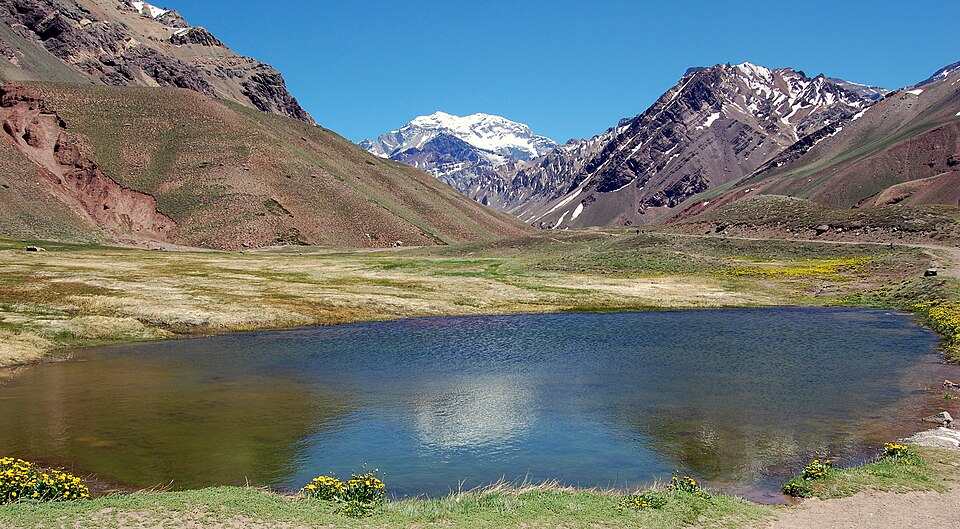 AconcaguaiPhoto: Lucash · CC BY-SA 3.0 · Wikimedia Commons
You can shape the plan around a relaxed, balanced or packed rhythm. A relaxed day may hold one or two stops, while a balanced day can include two or three. This makes the itinerary easier to review for a group with different needs, particularly when weather, rest days and changing mountain conditions call for a flexible approach.
AconcaguaiPhoto: Lucash · CC BY-SA 3.0 · Wikimedia CommonsJanuary and February stand out for the warmest daytime temperatures in the climate record, with January averaging 16 °C and February also reaching 16 °C. Both months offer strong sunshine totals of 13 and 12 hours, making them practical choices for planning around stable daytime walking conditions.
December averages a daytime temperature of 14 °C and 13 sunshine hours. March also reaches 14 °C and records 12 sunshine hours, though its average night temperature falls to -2 °C. Spring and autumn can suit travellers who prefer a cooler mountain rhythm, with November offering 12 sunshine hours and a daytime average of 11 °C.
The seasonal temperature range deserves careful attention. April has a daytime average of 9 °C and a night average of -4 °C. May is colder, with daytime and night averages of 4 °C and -7 °C, before the mountain reaches its coolest monthly readings in July at -1 °C by day and -12 °C at night.
August records a daytime average of 1 °C and a night average of -11 °C. September begins the move toward warmer conditions, with averages of 4 °C by day and -8 °C overnight. These figures help you build a season mindset and discuss clothing, health and itinerary decisions with qualified local specialists.
New trip


When, who with, what matters and what's a no. No form, no ten filters. HolidayWow understands the dates, budget, departure point, pace and wishes from one sentence.

New trip
Every idea comes with a total price and a clear answer to why it fits you: weather, flight time, beaches, food, short distances.

Your trip ideas
Sicily
Food · small towns · sea
7 days for 2
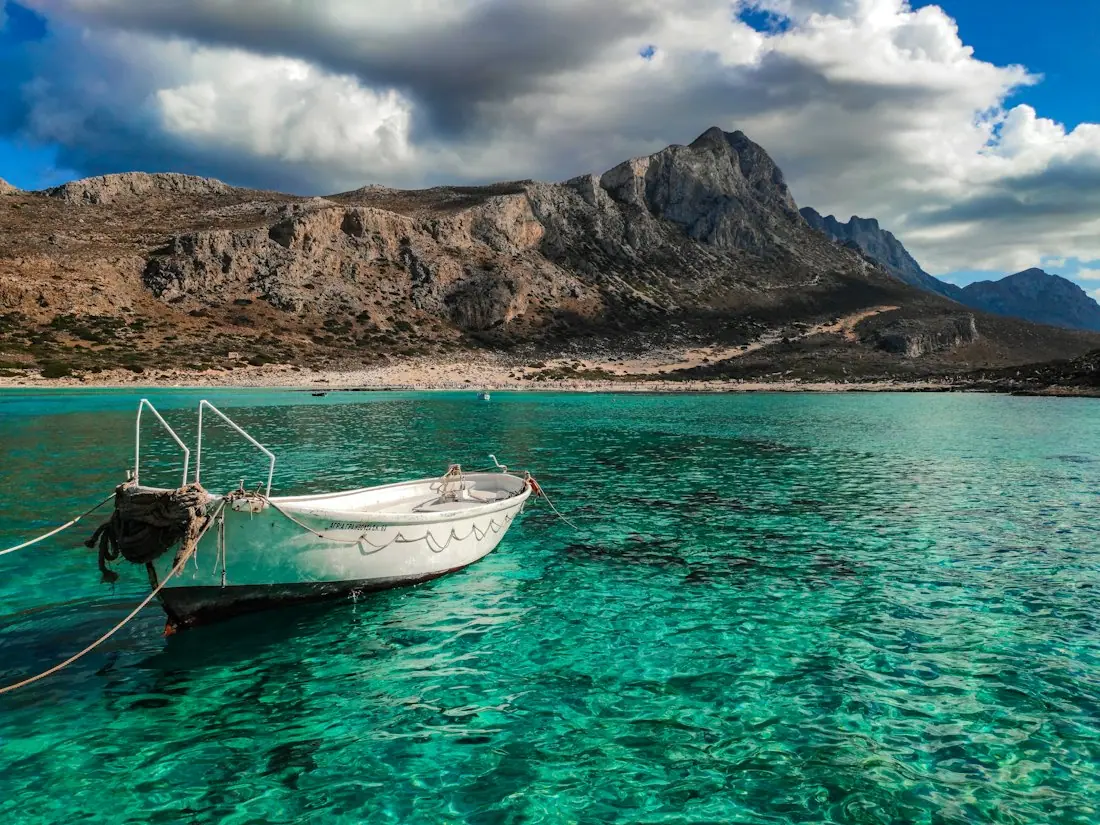
Crete
Sea · tavernas · nature
7 days for 2
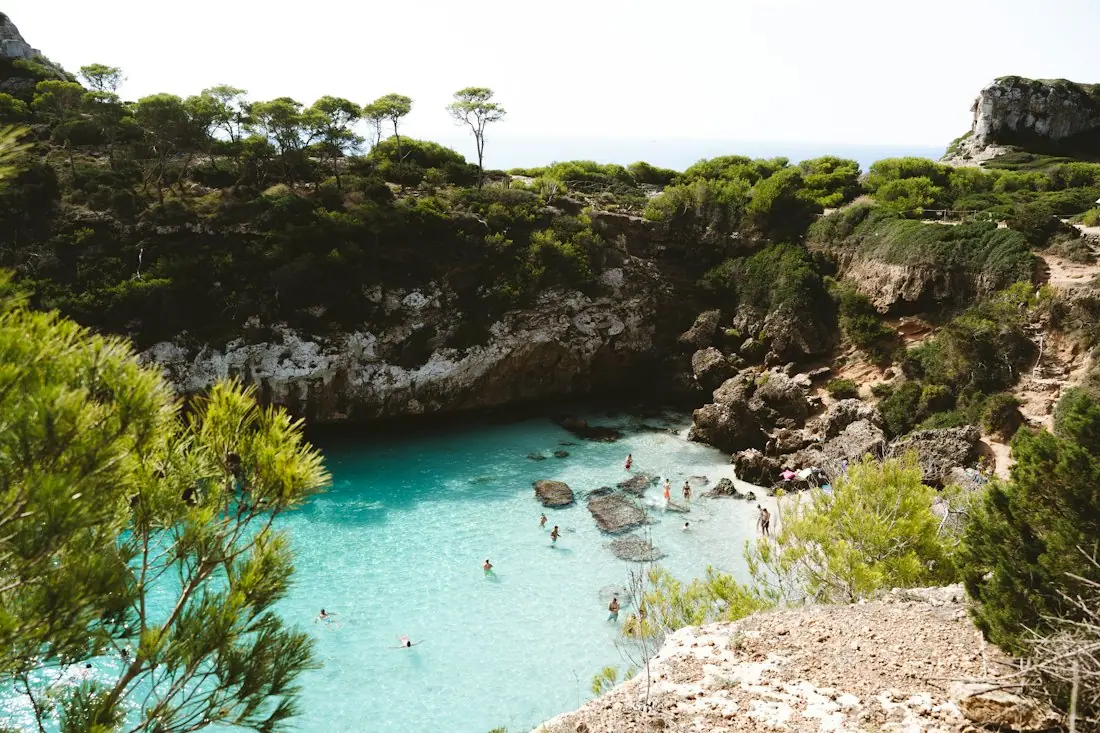
Mallorca
Sea · comfort · short distances
7 days for 2
Arrival, transfer, check-in, sunset, dinner. Just say “make it cheaper” or “no car hire” and the trip adapts.

Day 1
Arrival
Arrival in Heraklion Transfer · 35 minCheck-in by the sea
 Sunset
 Taverna at the harbour
Rain on the way? Then the beach day becomes a day at the market and a museum. Flight status, weather and your day plan in one place.

Day 3 · boat trip
Aconcagua's climate record shows more rain days in January and June, with five in each month. Their recorded rainfall totals are 16 mm and 39 mm. April stands out as the driest month, with two rain days and 8 mm of rain, while September and November also record two rain days with 9 mm each.
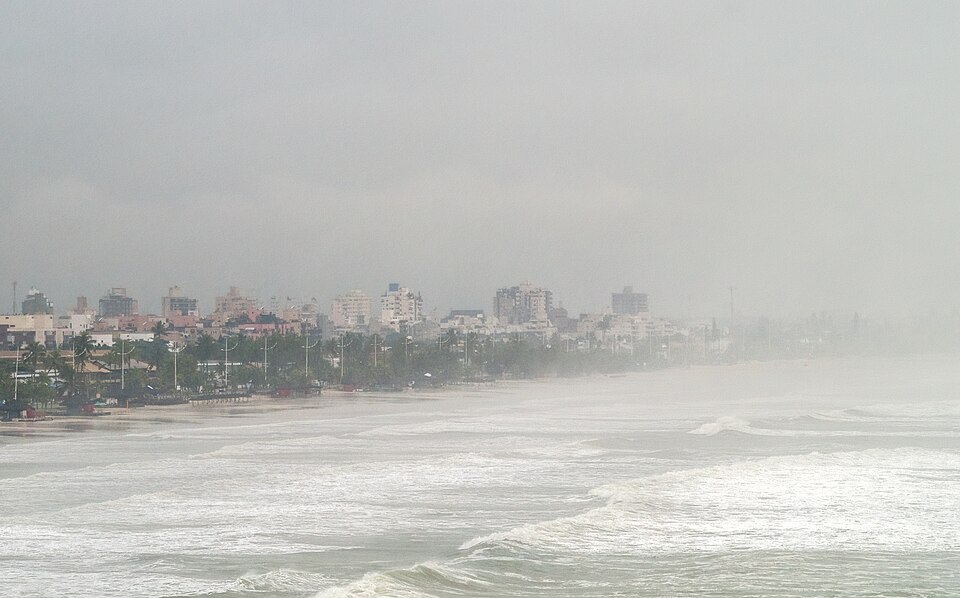 RainiPhoto: Ermell · CC BY-SA 4.0 · Wikimedia Commons
Sunshine varies across the year. June and July each average five sunshine hours, whereas December reaches 13 hours. Weather data is useful for comparing seasons, but a mountain itinerary should also leave room for local guidance. Use your plan to organise the trip, then confirm the current outlook and conditions through appropriate local sources before each stage.
RainiPhoto: Ermell · CC BY-SA 4.0 · Wikimedia CommonsYou can start with a month rather than fixed dates, then add dates when your arrangements are ready. Each day card can then show its weekday, live weather and live prices. This approach lets you develop the Aconcagua hiking holiday in stages while keeping the destination, pace and group requirements in view.
Editing is straightforward. Move a stop to another day, swap a place or make a day lighter, and the plan checker reorders the revised day. The side panel also responds to a selected day, stop or moment in the trip film, allowing changes to be made through the same actions as the plan buttons.
A door to door plan can begin at your home and include the ride to the airport, the flight and the transfer to your first stay. These live distances help you frame the scale of the journey.
Your party can open the same plan through one link, with viewing and editing roles. Group members can vote and comment, helping trekking companions compare proposed days and agree on changes. A shared budget supports cost splitting, while price watch keeps stays and tours connected to the plan. HolidayWow can also organise public holidays and leave days through its Australian Long Weekend planner.
Temperature, sea, sun and rain days for every month, measured, not guessed. You see how your trip will feel before you go.
Direct flights, flight times and transfers from 7 Australian airports, worked out from your door to the hotel.
Flights, hotel, transfers and experiences in one sum for everyone traveling, with the provider and when the price was checked. No teaser prices.
Aconcagua requires thorough preparation, and your digital trip file gives the practical details a clear home. The packing list and checklist are built from your plan, travel month and destination climate. The document vault keeps passports, tickets and confirmations with the relevant Aconcagua hiking holiday.
Do not treat a travel planner as a substitute for current mountain information, qualified advice or an approved expedition service. Use the map and checklist to coordinate, then confirm route choices, permits, equipment expectations and local conditions with appropriate specialists. Live prices for stays, tours and transport appear through partner links in your language and Australian currency.
January and February are the warmest months in the climate record, each averaging 16 °C during the day. March and December reach 14 °C, while spring and autumn provide cooler conditions. Your choice should also reflect qualified local advice and the expedition plan.
July is the coolest month in the climate record, with an average daytime temperature of -1 °C and an average night temperature of -12 °C. June and August are also cold, with night averages of -11 °C, so cold weather preparation belongs in every winter planning conversation.
Yes. You can move a stop to another day, swap a place or make the day lighter. The plan checker reorders the day after each change. You can also select a day, stop or moment in the trip film and ask the side panel assistant to make the adjustment.
You can begin with the destination and month, then add dates later. Once dates are present, every day card can display its weekday, live weather and live prices. This gives you a useful planning structure while you organise the details of a mountain journey.
HolidayWow shares one plan through a link, with roles for viewing and editing. Group members can vote and comment on proposed changes. The trip budget includes price watch for stays and tours and cost splitting for group payments, keeping practical decisions connected to the itinerary.
The planner shows live prices from booking partners in your language and Australian currency, or provides a live price check where supported. Stays, tours and transport are connected to the relevant part of the plan. Final pricing and availability should be confirmed with each partner before you book.

Describe your trip in one sentence. When, who with and what matters to you.

Where it's warm right now, real fare finds from your airport, long weekends for your state and a ready-made trip to take over.