Ten years of climate
Temperature, sea, sun and rain days for every month, measured, not guessed. You see how your trip will feel before you go.
Published 4 October 2026 · HolidayWow editors · Written with AI, numbers checked against our data ·
Auckland beaches suit swimming, walks, family outings and city breaks, with the right choice shaped by the season, local conditions and your preferred pace. Summer offers warm air and sea temperatures, while winter suits walkers and scenic coastal days. Use the climate guide to match each beach with your holiday style.
The best beaches in Auckland depend on what you want from the day. Ocean beaches suit swimmers, surfers and broad coastal walks, while sheltered beaches work well for families and calm-water outings. A city trip can combine a morning at the beach with restaurants, shops and transport connections, or you can base yourself near one coast for a relaxed week.
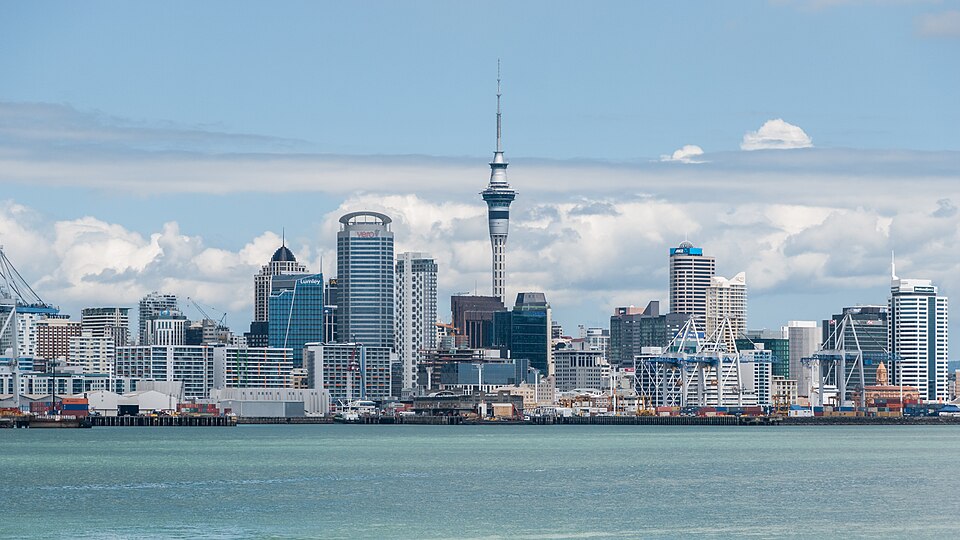 AucklandiPhoto: DXR · CC BY-SA 4.0 · Wikimedia Commons
Think about the season as well as the sand. Auckland's warmest month is February, with average daytime temperatures of 24 °C, nights at 18 °C and a sea temperature of 21 °C. January is the driest month, while November also offers 20 °C days, 14 °C nights and 8 sunshine hours. These conditions suit beach days, paddling and outdoor itineraries.
AucklandiPhoto: DXR · CC BY-SA 4.0 · Wikimedia CommonsSummer brings the strongest combination of air and sea temperatures. In January, the sea averages 20 °C, while February reaches 21 °C. March remains warm at 21 °C in the sea and 22 °C during the day. These months work well for beach walks, swimming and waterside picnics, with a light layer for cooler evenings.
Autumn and winter suit beachcombing, cliff walks and enjoying ocean views from the shore. April has a sea temperature of 19 °C and daytime highs of 20 °C. July and August are cooler, with 14 °C daytime temperatures, 10 °C nights and sea temperatures of 14 °C. September brings 16 °C days while the sea remains at 14 °C, making a brisk coastal walk a comfortable choice.
Families can balance swimming time with easy access to parks, playgrounds and picnic areas. Choose a beach that suits the age and energy of each child, then build in a relaxed meal or rest period. The relaxed pace allows everyone to enjoy the shoreline without rushing between several distant parts of Auckland.

A sunny month can make the strongest family beach day. December offers average daytime temperatures of 22 °C, 8 sunshine hours and a sea temperature of 19 °C. November provides 20 °C days, 8 sunshine hours and 17 °C sea temperatures. January and February are warmer, while March can suit families who want beach time with a greater chance of changeable conditions, as the month records 10 rain days.
New trip


When, who with, what matters and what's a no. No form, no ten filters. HolidayWow understands the dates, budget, departure point, pace and wishes from one sentence.

New trip
Every idea comes with a total price and a clear answer to why it fits you: weather, flight time, beaches, food, short distances.

Your trip ideas
Sicily
Food · small towns · sea
7 days for 2
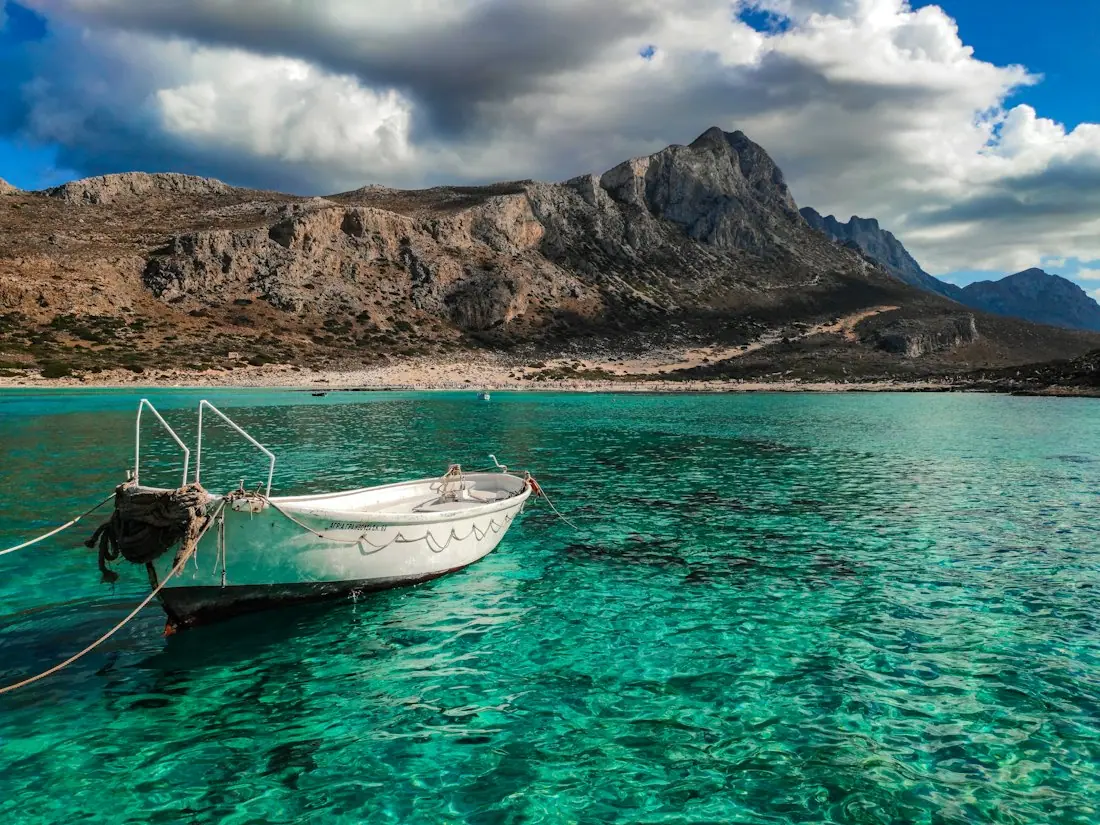
Crete
Sea · tavernas · nature
7 days for 2
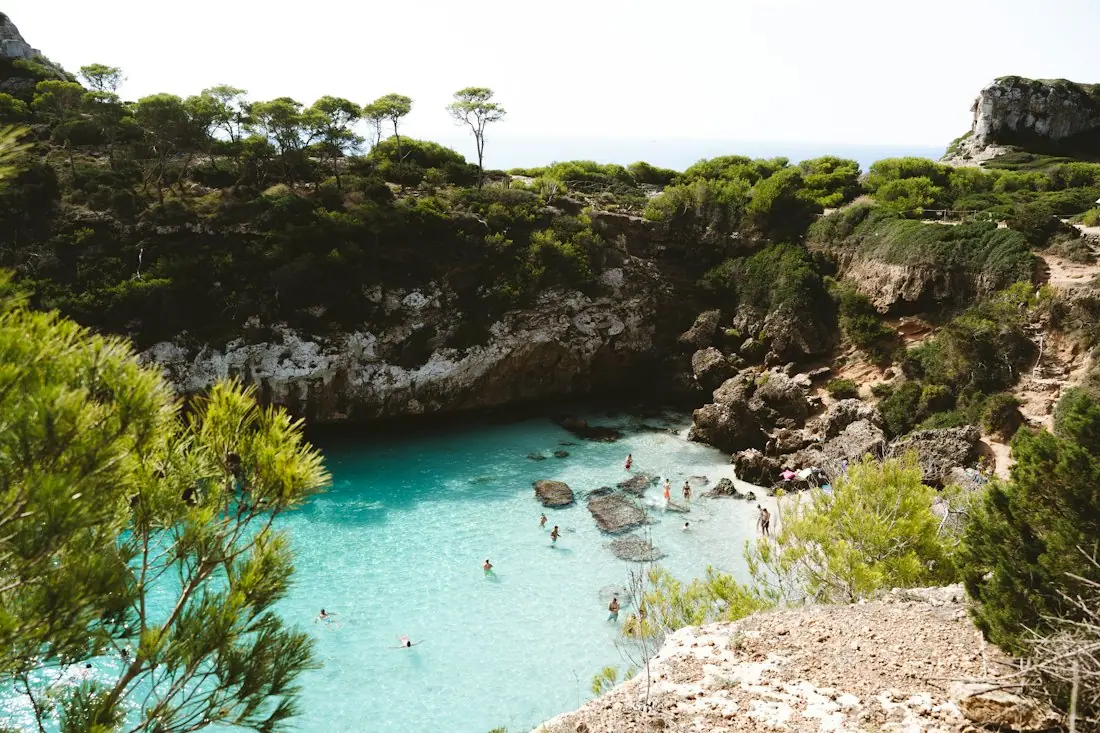
Mallorca
Sea · comfort · short distances
7 days for 2
Arrival, transfer, check-in, sunset, dinner. Just say “make it cheaper” or “no car hire” and the trip adapts.

Day 1
Arrival
Arrival in Heraklion Transfer · 35 minCheck-in by the sea
 Sunset
 Taverna at the harbour
Rain on the way? Then the beach day becomes a day at the market and a museum. Flight status, weather and your day plan in one place.

Day 3 · boat trip
Auckland's beaches work well as destinations for walks rather than places for a fixed swimming session. Coastal paths connect beach access points, open water and elevated viewpoints, so you can choose a short morning route or spend a full day following the shoreline. Pack shoes suitable for changing surfaces and check the weather before leaving.

Winter offers peaceful conditions for walking. June and August each record 5 and 6 sunshine hours respectively, with daytime temperatures of 15 °C and 14 °C. The lower sunshine total calls for flexible plans, while the mild daytime temperature supports comfortable walks around midday. Spring offers a useful transition, with October and November providing 7 and 8 sunshine hours.
Your preferred water activity helps determine which Auckland beach fits the trip. Open-ocean beaches provide a setting for surfing and open-water swims, whereas sheltered coastal spots suit families who prefer a gentler place to splash. Local conditions, lifeguard coverage and the suitability of the day's water should guide each outing.
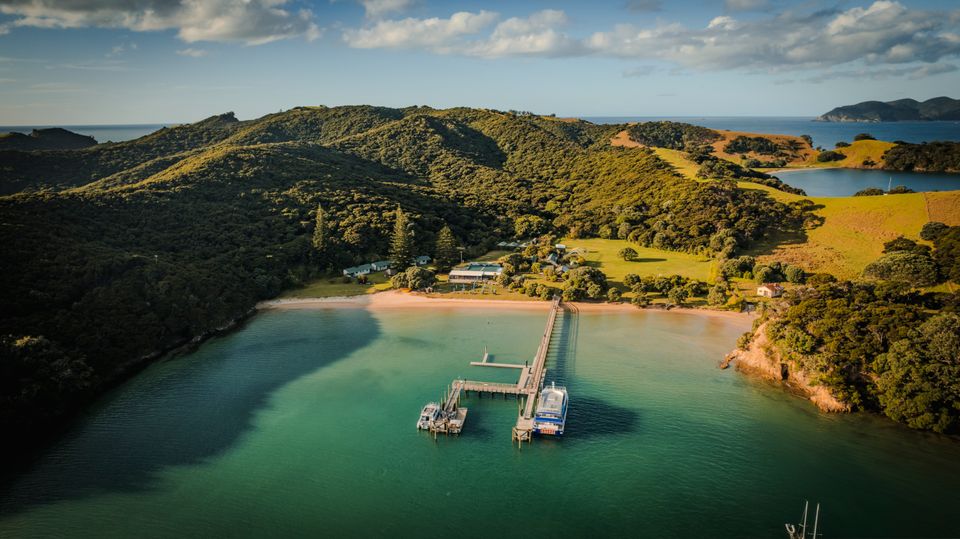 New Zealand
Warmer water extends the beach season. January, February and March all have sea temperatures of 20 °C or 21 °C, while December reaches 19 °C. From April through September, many visitors use the shoreline for walks, beach sports and views across the water. The Long Weekend planner can help organise public holidays and leave days into a New Zealand holiday with enough time for several beach days.
New ZealandAuckland's climate changes across the year, so a flexible itinerary makes beach travel easier. January is the driest month, with 73 mm of rain across 8 rain days. February also records 8 rain days and 62 mm of rain. May and June are wetter, with 118 mm and 124 mm respectively, so indoor and coastal walking options can complement days at the beach.
Keep the plan adjustable rather than filling every hour with water activities. HolidayWow reads the place, month, group, pace and budget from a sentence or voice description, then places days and stops on a map. You can choose a relaxed, balanced or packed pace and move stops between days as the weather and the group change.
Temperature, sea, sun and rain days for every month, measured, not guessed. You see how your trip will feel before you go.
Direct flights, flight times and transfers from 7 Australian airports, worked out from your door to the hotel.

Flights, hotel, transfers and experiences in one sum for everyone traveling, with the provider and when the price was checked. No teaser prices.
Choose an accommodation base according to the kind of holiday you want. A central base offers access to the city and several beach options, while a stay near one coast creates a calmer daily rhythm. Look at transport connections, parking needs and the distance to your preferred shoreline before settling on a neighbourhood.
Stays, tours and transport are available through partner links with live prices. The plan displays current options in your language and Australian currency, or provides a live price check when appropriate. A trip budget, price watch and cost splitting can help families and groups organise shared bookings, while packing lists and checklists help keep beach clothing, sun protection and travel documents together.
Travelling from another Australian city can shape your first and final beach days.
 AustraliaiPhoto: DXR · CC BY-SA 4.0 · Wikimedia Commons
Allow the itinerary to begin with arrival rather than rushing to a beach. The door to door planner starts at home, includes the ride to the airport, the flight and the transfer to the first stay. You can share the route with the group, add dates later and use live weather and price information within the day cards.
AustraliaiPhoto: DXR · CC BY-SA 4.0 · Wikimedia CommonsThe best choice depends on the season and the style of swimming. Auckland's sea reaches 21 °C in February and March, 20 °C in January and 19 °C in December. Choose an open-ocean beach for active swimming, or a sheltered beach for a family splash, and check local conditions before entering the water.
February offers the warmest month in the climate guide, with 24 °C daytime temperatures, 18 °C nights and 21 °C sea temperatures. January is the driest month with 8 rain days. March remains warm, with 21 °C sea temperatures and 22 °C daytime temperatures, making summer the strongest period for beach holidays.
Winter is suited to coastal walks, beachcombing, surf and enjoying ocean views. July and August have daytime temperatures of 14 °C and sea temperatures of 14 °C, with sunshine averages of 5 and 6 hours. A flexible beach plan with warm layers and alternative activities works well through the cooler months.
Look for a beach with suitable water conditions, easy access and space for a relaxed family routine. A sheltered beach can suit younger children, while an open-ocean beach offers more active play and swimming. November and December provide 8 sunshine hours, with December reaching 22 °C during the day and 19 °C in the sea.
Rain varies through the year. January records 73 mm across 8 rain days, while June receives 124 mm across 16 rain days. August and July have 16 and 15 rain days respectively. Keep some beach days flexible and add coastal walks, pools, restaurants or other suitable activities to the plan.
Describe the holiday, group, month, pace and budget in HolidayWow, then review the map of daily routes and stops. You can change the pace, move a stop to another day and swap places. Add dates when ready to reveal weekdays, live weather and live prices, then share the plan with the group.

Describe your trip in one sentence. When, who with and what matters to you.

Where it's warm right now, real fare finds from your airport, long weekends for your state and a ready-made trip to take over.