Ten years of climate
Temperature, sea, sun and rain days for every month, measured, not guessed. You see how your trip will feel before you go.
Published 4 October 2026 · HolidayWow editors · Written with AI, numbers checked against our data ·
Things to do in Antananarivo include exploring rice fields, hilltop neighbourhoods, historic palaces and local markets. You can also visit nearby royal heritage sites, learn about Malagasy history and use each day of your stay as a base for a broader Madagascar itinerary.
Begin in the historic centre around Analakely, where narrow streets rise above the city and red brick architecture reflects the influence of the Merina kingdom. The former royal palace, known as the Rova, offers a strong introduction to the capital's royal history. Its palace, tombs and ceremonial spaces sit within an elevated complex that makes a useful first stop for visitors who want context before exploring the surrounding neighbourhoods.
The city also rewards time spent simply moving between districts. You can walk around central Antananarivo, pause for a local meal and watch everyday life unfold around the busy commercial streets. The hilly terrain means that each journey can reveal a different view, with houses layered across green slopes and the city spreading into the surrounding plateau. A relaxed pace suits Antananarivo well because the streets invite observation as much as sightseeing.
The Rova is one of the clearest places to begin understanding Antananarivo. The site brings together royal buildings, sacred spaces and tombs connected with the Merina monarchy. Taking time to read the displays helps place the capital within the wider story of Madagascar, from highland traditions to the formation of a unified kingdom and the later colonial period.
 MadagascariPhoto: Anai171 · CC BY-SA 4.0 · Wikimedia Commons
Pair the visit with a walk through the city centre and time for a café or lunch overlooking the streets. History here is not confined to a single museum. It is visible in the capital's layout, architecture and ceremonial spaces. Allow yourself to absorb the setting rather than treating the visit as a quick photo stop, and you will understand more about why Antananarivo became Madagascar's political and cultural centre.
MadagascariPhoto: Anai171 · CC BY-SA 4.0 · Wikimedia CommonsMarkets are an excellent way to experience Antananarivo's daily rhythm. You can browse local produce, woven goods, clothing and household items while learning how the city's central neighbourhoods function. A market visit works well alongside other central activities because it gives you a chance to taste what is being sold and to speak with local vendors when you feel comfortable doing so.

Allow time to wander beyond a single main aisle. The surrounding streets contain small shops, food stalls and craft sellers, each offering a different view of urban life in the capital. Keep your pace comfortable and carry a reusable water bottle. Combining the market with a relaxed city walk gives you an activity that is both practical and engaging, whether you are seeking a meal, a gift or a first impression of local life.
New trip


When, who with, what matters and what's a no. No form, no ten filters. HolidayWow understands the dates, budget, departure point, pace and wishes from one sentence.

New trip
Every idea comes with a total price and a clear answer to why it fits you: weather, flight time, beaches, food, short distances.

Your trip ideas
Sicily
Food · small towns · sea
7 days for 2
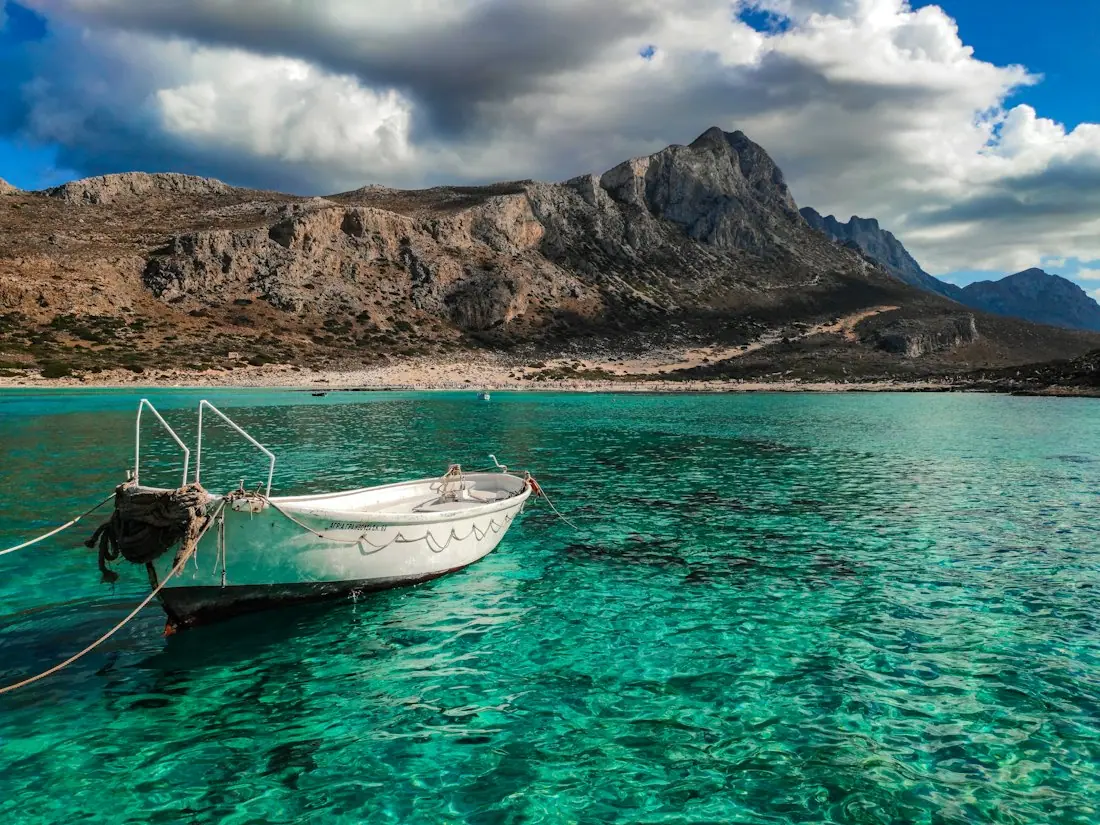
Crete
Sea · tavernas · nature
7 days for 2
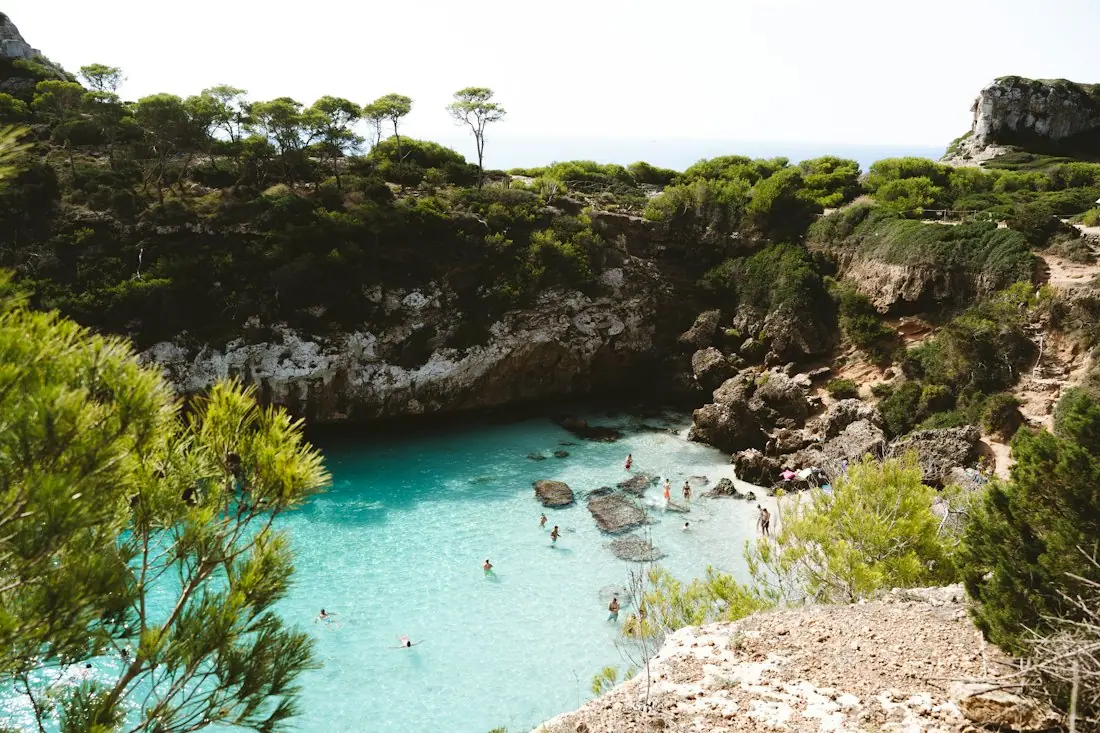
Mallorca
Sea · comfort · short distances
7 days for 2
Arrival, transfer, check-in, sunset, dinner. Just say “make it cheaper” or “no car hire” and the trip adapts.

Day 1
Arrival
Arrival in Heraklion Transfer · 35 minCheck-in by the sea
 Sunset
 Taverna at the harbour
Rain on the way? Then the beach day becomes a day at the market and a museum. Flight status, weather and your day plan in one place.

Day 3 · boat trip
A museum visit helps bring the capital's history into focus. Look for collections that explain Malagasy communities, traditional arts, language and daily life. The details add meaning to what you see in the streets, especially when you move between a city neighbourhood, a historic site and a market. Many visitors find that a little background makes the rest of an Antananarivo itinerary more rewarding.
You can also explore the city's creative side through galleries and craft spaces. Displays range from contemporary work to pieces rooted in Malagasy materials and techniques. The right stop depends on your interests, so a useful approach is to combine one cultural visit with an outdoor neighbourhood walk. This creates a balanced day in which you encounter the capital's institutions, people and landscape without trying to move too quickly between them.
Ambohimanga is the strongest heritage day trip to consider from Antananarivo. The former royal capital contains historic buildings, sacred royal grounds and a landscape that reflects the importance of the Merina kingdom. It gives you a different perspective from the capital while remaining closely connected to the history you can encounter at the Rova.
Plan the visit as a full or relaxed day rather than squeezing it between several city activities. The site rewards time for the palace complex, the surrounding village and the countryside between Antananarivo and Ambohimanga. A guide can add useful context to the royal sites and local history, while a private arrangement can suit a family or small group that prefers a flexible pace.
The weather shape changes what feels most comfortable during your city holiday. September is the driest month in the climate record, with daytime temperatures of 21 °C, night temperatures of 10 °C, 10 sunshine hours and 12 rain days. It is a practical choice for walks through central neighbourhoods, heritage visits and the open landscape around Ambohimanga. Layers remain useful because the nights are cooler than the afternoons.
November is the warmest month, reaching 25 °C by day and 14 °C at night, with 9 sunshine hours and 24 rain days. January is warmer still at 24 °C by day and 16 °C overnight, and it is also the wettest month, with 29 rain days and 457 millimetres of rain. June and July bring daytime temperatures of 18 °C, making them cooler choices for city days. Choose your month according to the balance between daytime warmth, rainfall and the pace you prefer.
Temperature, sea, sun and rain days for every month, measured, not guessed. You see how your trip will feel before you go.
Direct flights, flight times and transfers from 7 Australian airports, worked out from your door to the hotel.

Flights, hotel, transfers and experiences in one sum for everyone traveling, with the provider and when the price was checked. No teaser prices.
HolidayWow turns a description of your trip into an editable map plan. Tell it that you are visiting Antananarivo, add the length of your holiday and describe the group or pace you prefer. The planner reads the place, month, group, pace and budget from your words, then places your days and stops on a map for you to review.
You can choose a relaxed, balanced or packed pace and change individual days as your plans develop. Drag a stop to another day, swap an activity or make the schedule lighter. The plan checker reorders the day after each edit, while the map shows the shape of the route. This makes it easier to keep a heritage visit, a market and a day trip together without turning every day into a fixed schedule.
Antananarivo is a long-distance destination from Australia, and your plan can include the journey from home. The map also supports Perth, Adelaide, the Gold Coast and Canberra, helping you compare the starting point that suits your Australian holiday.
 AustraliaiPhoto: DXR · CC BY-SA 4.0 · Wikimedia Commons
 CanberraiPhoto: Thennicke · CC BY-SA 4.0 · Wikimedia Commons
Once the route is in place, share the plan through a single link. Group members can view the same itinerary, vote and comment, with roles for editing and viewing. A trip budget can be kept in your home currency, with cost splitting for the group and price watch for stays and tours. Live partner prices appear in the plan through Booking.com, GetYourGuide, Viator, Trip.com and flight partners, so you can organise the holiday through the same working plan.
AustraliaiPhoto: DXR · CC BY-SA 4.0 · Wikimedia CommonsCanberraiPhoto: Thennicke · CC BY-SA 4.0 · Wikimedia CommonsStart with the Rova, Analakely, local markets and central neighbourhoods. Add a museum for Malagasy history and craft traditions, then make time for Ambohimanga if you want to explore the royal heritage outside the city. A relaxed walking pace suits the hilly capital well.
Use a rainy day for museums, galleries, indoor heritage visits and time spent with the city's markets and food stalls. January records 29 rain days, while September has 12. The climate data can help you choose the month that best matches your preferred mix of indoor and outdoor activities.
Ambohimanga is a rewarding heritage destination for anyone interested in Malagasy royal history. The former royal capital offers historic buildings, sacred grounds and a change of scenery from Antananarivo. Give the visit enough time to explore the site and the surrounding landscape rather than treating it as a brief stop.
A short city break works well for the Rova, central neighbourhoods, markets and museums, while a longer stay gives you room for Ambohimanga and a relaxed pace. HolidayWow can organise a plan by month first, then add dates later when your travel arrangements are ready.
September offers the driest climate record, with 10 sunshine hours and daytime temperatures of 21 °C. November is the warmest month at 25 °C, while June and July are cooler at 18 °C during the day. Choose the month based on your preference for warmth, sunshine and rainfall.
Yes. You can drag stops between days, swap places, make a day lighter and choose a different travel pace. The planner reorders the edited day, and you can share the same plan with your group through viewing and editing roles.

Describe your trip in one sentence. When, who with and what matters to you.

Where it's warm right now, real fare finds from your airport, long weekends for your state and a ready-made trip to take over.