Hawaii trip cost from Orlando
Published October 6, 2026 · HolidayWow editors · Written with AI, numbers checked against our data ·
A Hawaii trip from Orlando costs most from airfare, island accommodations, transportation, activities, and meals. The page shows live partner prices in US dollars, so you can compare current options, choose a realistic pace, and build the trip budget around what you actually find.
In Hawaii, every month is a good time to travel, with daytime highs from 76 °F to 83 °F and the sea up to 80 °F.
7 days in Hawaii in May, Beach and hiking, from Los Angeles on your own
Plan a trip- Best time to go
- All year
- Sea in September
- 80 °F
- Swim season, sea from 70 °F
- All year
- Flight from San Francisco, nonstop
- about 5 h


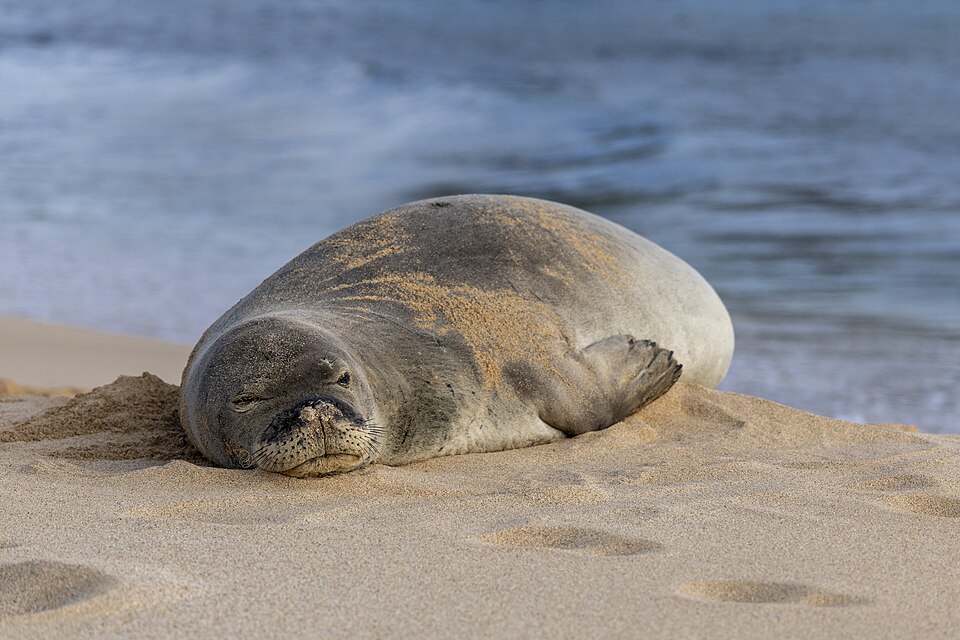
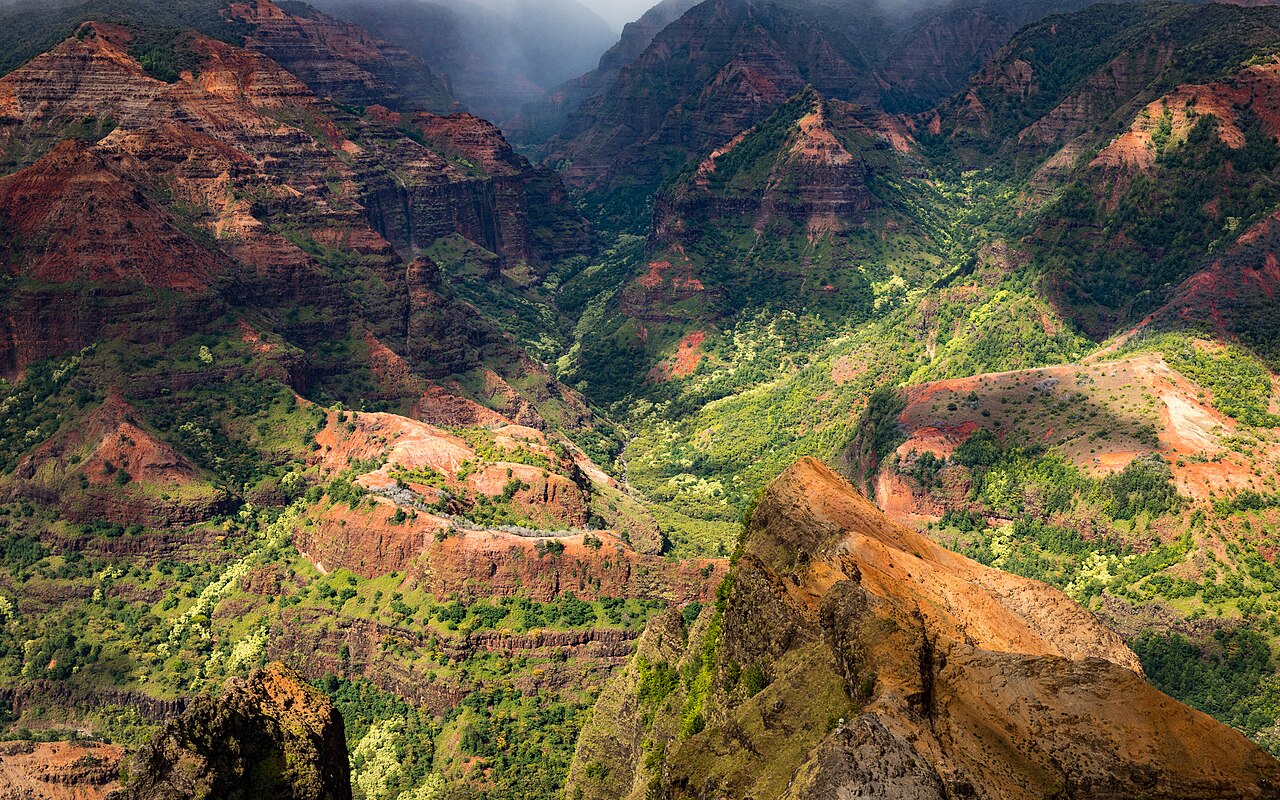
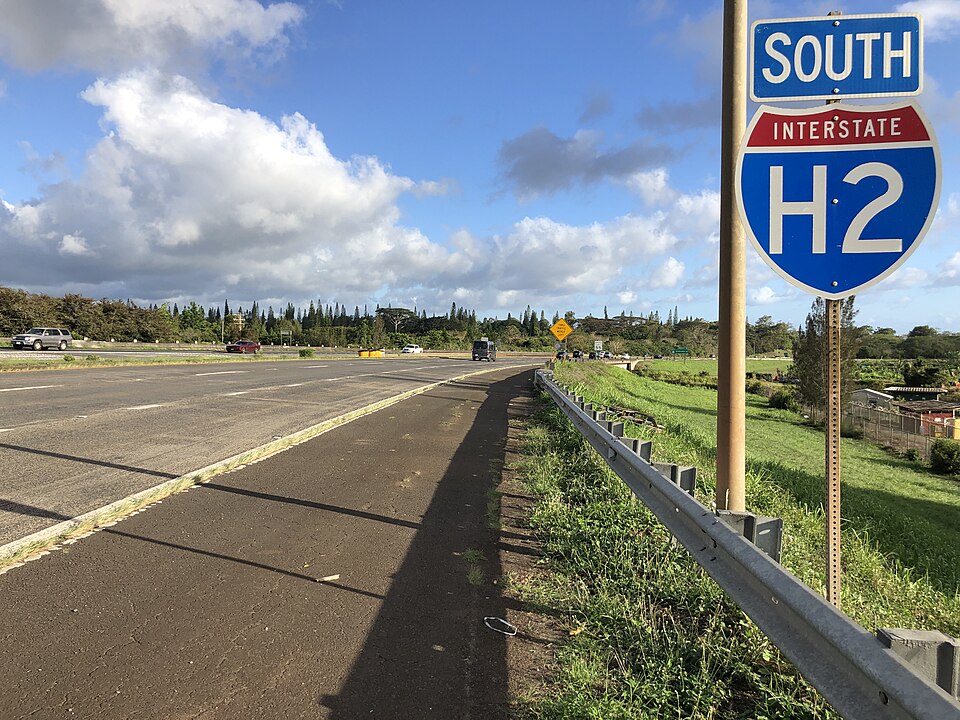
 iPhoto: Diego Delso · CC BY-SA 3.0 · Wikimedia Commons
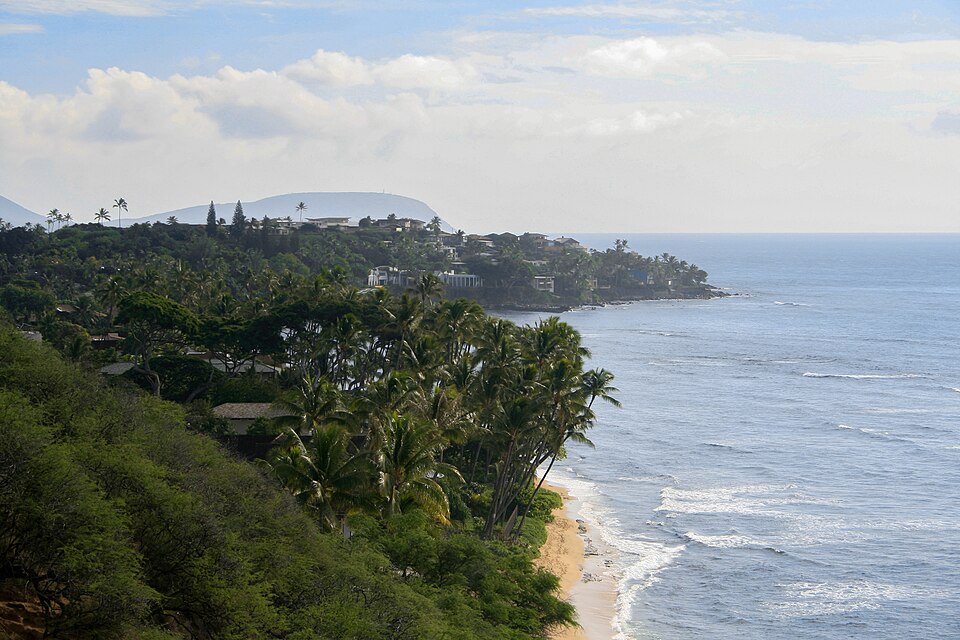
 iPhoto: Famartin · CC BY-SA 4.0 · Wikimedia Commons
Hawaii at a glance
- What’s the vibe?
- Start with the shape of the trip rather than a guessed total. A stay on one island keeps the daily plan and transportation simple.
- Best time to go
- August is the hottest month at 83 °F, while January drops to 76 °F. Rain is rarest in June (9 days) and most frequent in December (16 days).
- How to get there?
- From San Francisco, you can be in Hawaii in about 5 h.
Set the framework for your Hawaii budget
Start with the shape of the trip rather than a guessed total. A stay on one island keeps the daily plan and transportation simple. Visiting several islands adds flights, transfers, and separate hotel arrangements, so record each new base as its own budget decision. Orlando is 4,748 miles from Hawaii, making the departure market an important part of the comparison.
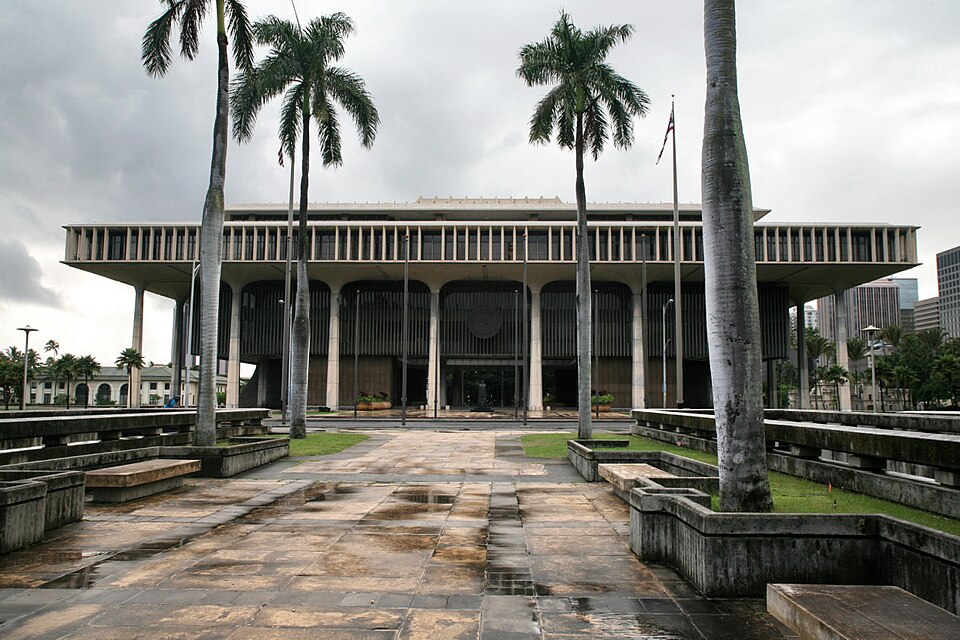
Your main cost groups are transportation from Orlando, stays, movement on the island, activities, and meals. Parking, local rideshare, luggage needs, and a final night near the departure point can also shape the total. Put each item in the trip budget as soon as you find a live option, then compare it with the rest of your plan.
Set a daily spending target before choosing paid activities. A relaxed day may combine one major experience with free time at the beach or a park. A busier day can support several bookings, yet it uses more transportation and meal spending. This approach gives each day a clear role and makes the overall Hawaii trip easier to review.
Compare airfare and island transportation together
Begin with the Orlando end of the journey. Review current flight options from MCO, then check the arrival connection needed to reach your first stay. A through itinerary can be easier to follow when the flight and onward transfer are shown together. Save the current details inside the plan so the group sees the same booking information.
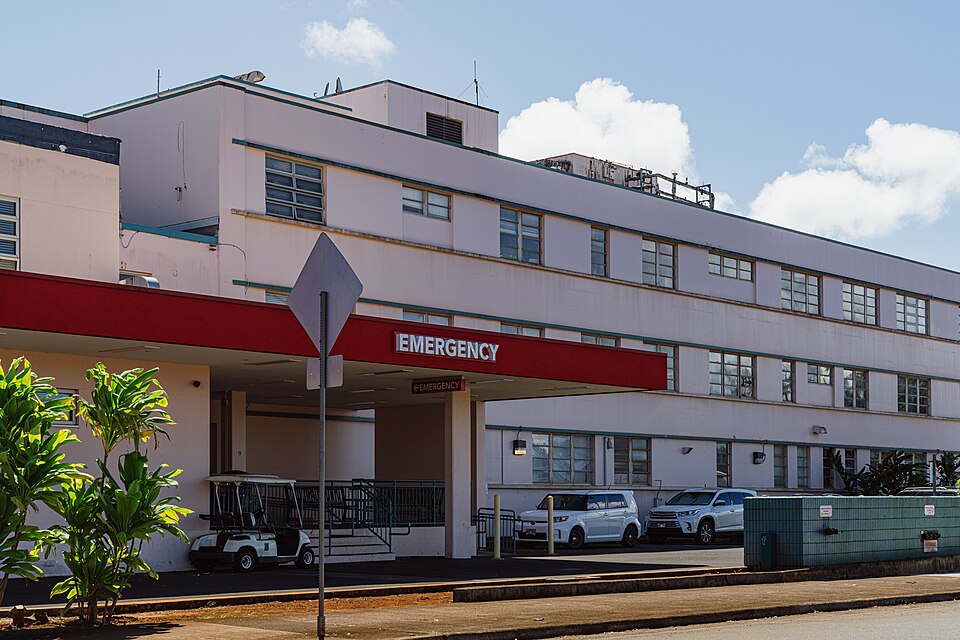
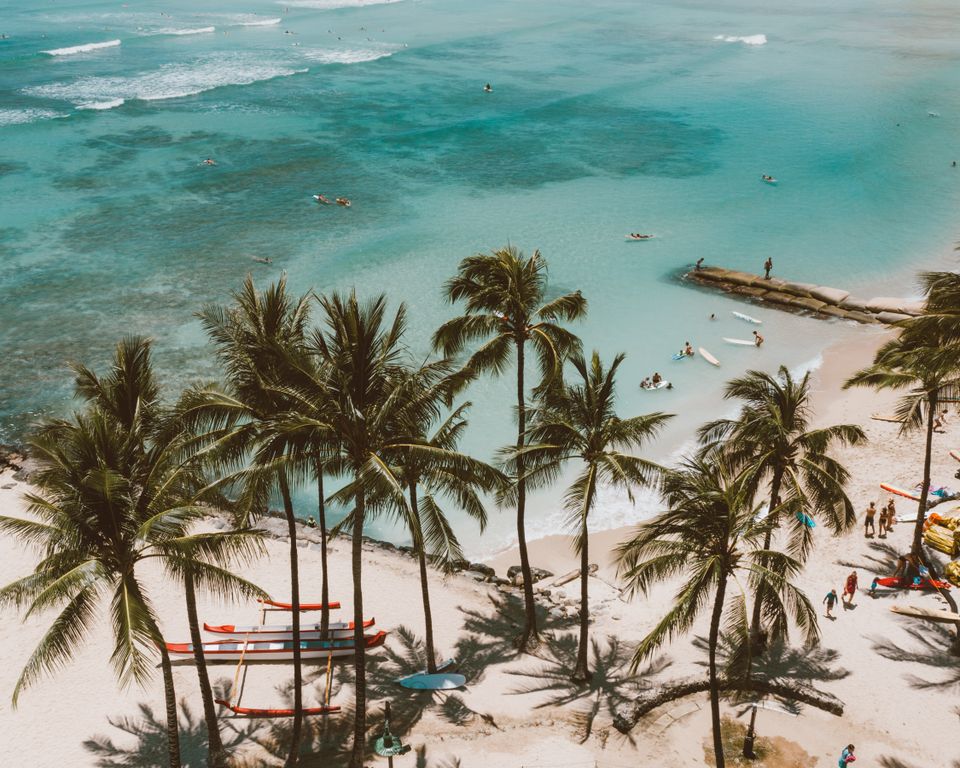
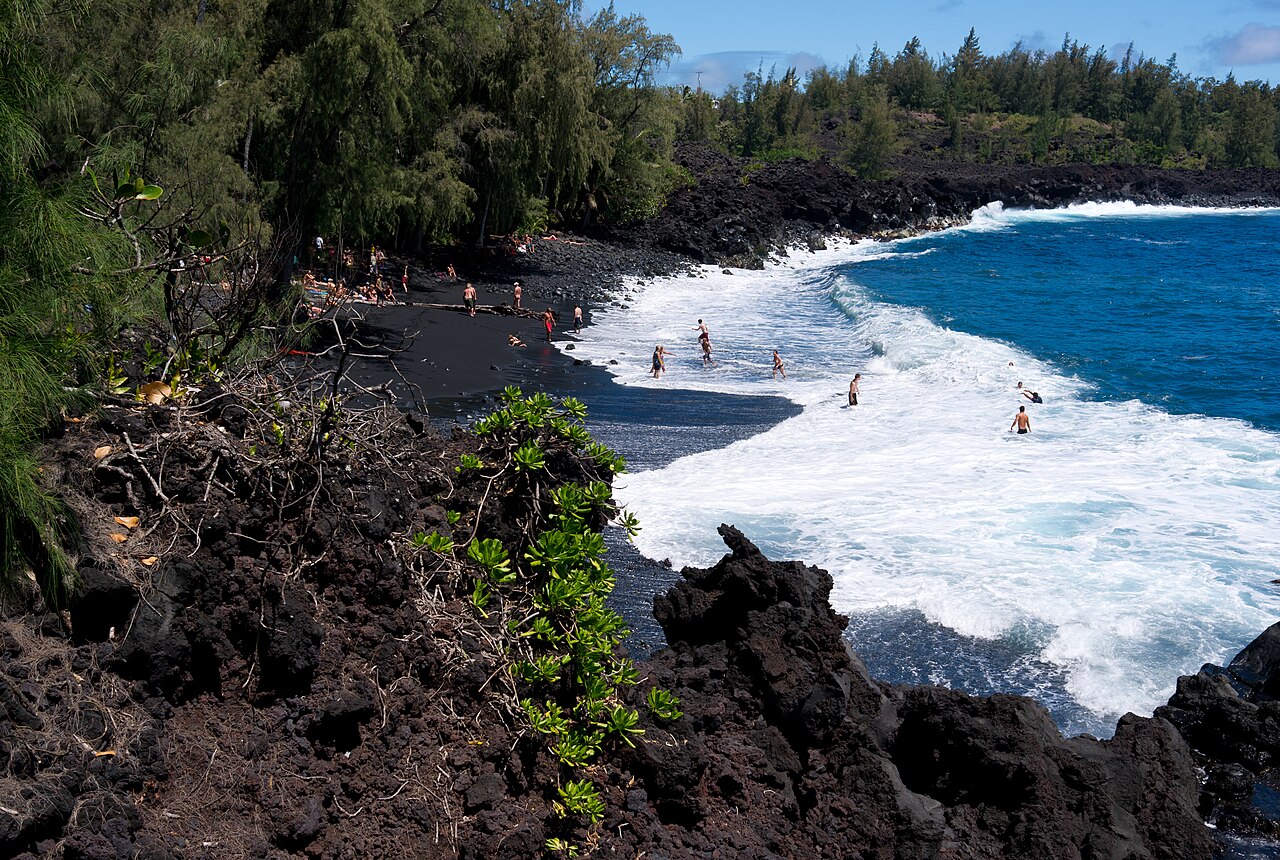
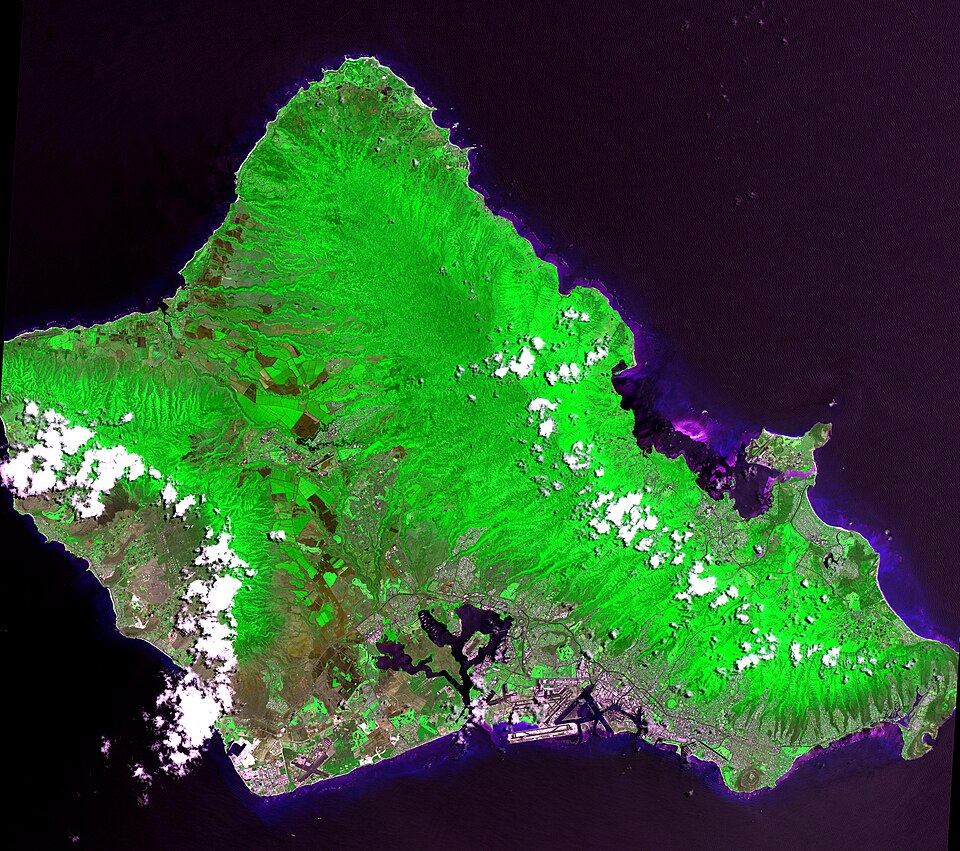
After arrival, compare the cost of staying near one activity area with the cost of moving bases. Island flights and inter island ferries should be treated as separate transport items, alongside rental cars, rideshare, buses, and parking. Hawaii's road and sea connections shape how easily you can combine beach time with inland sights, so the map is a useful budget tool.
HolidayWow displays live partner prices for transport and keeps booking links within the plan. A price watch can cover stays and tours, while the trip budget records the figures you select. Since fares and availability change, compare live options near the time you book and revisit the budget whenever the group changes its dates or bases.
Choose stays around the daily experience
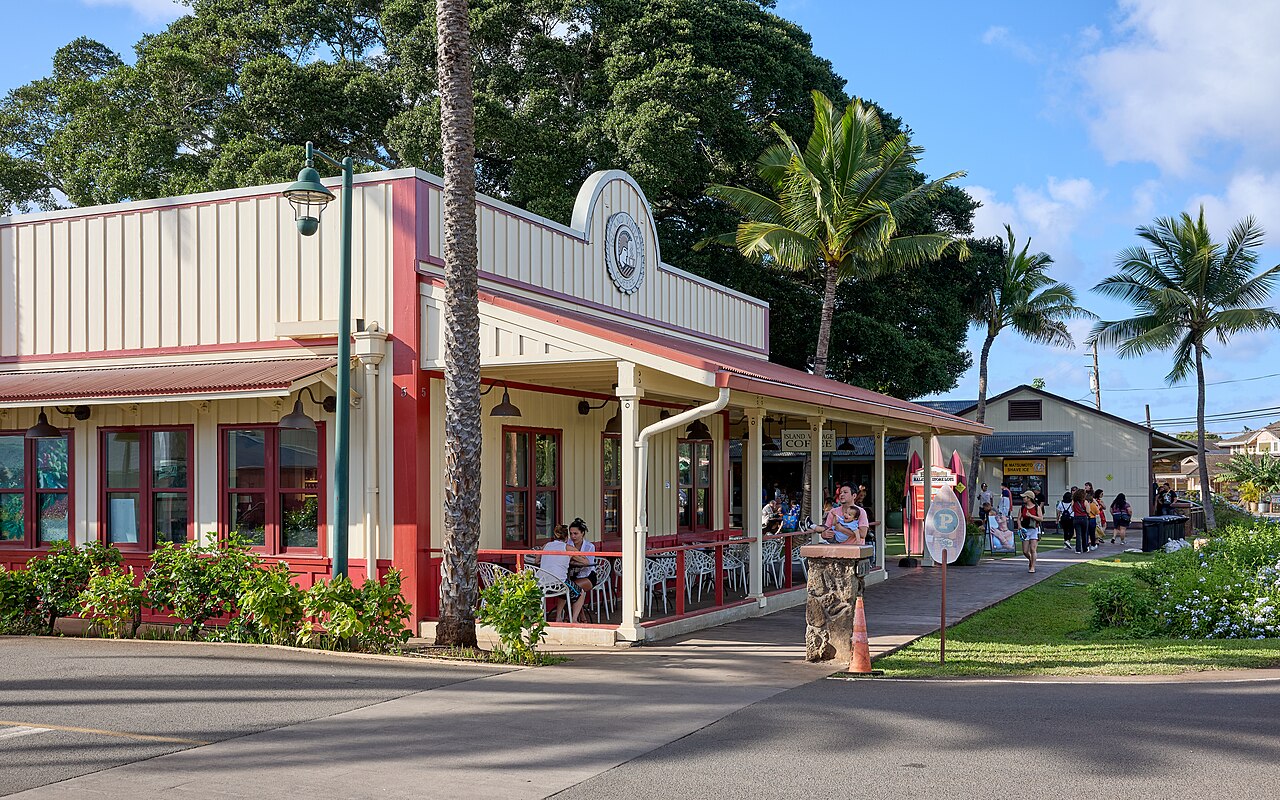
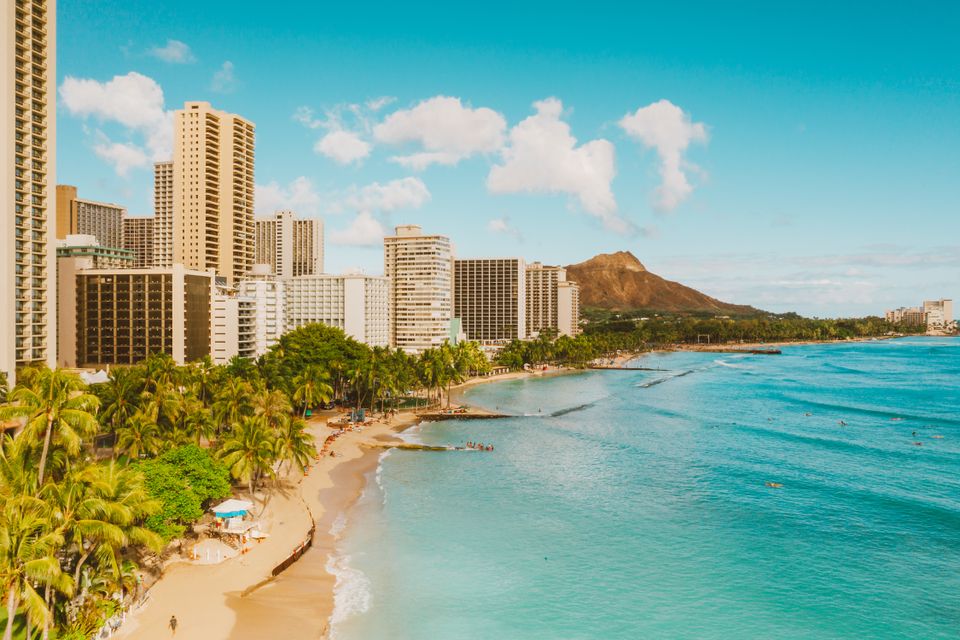
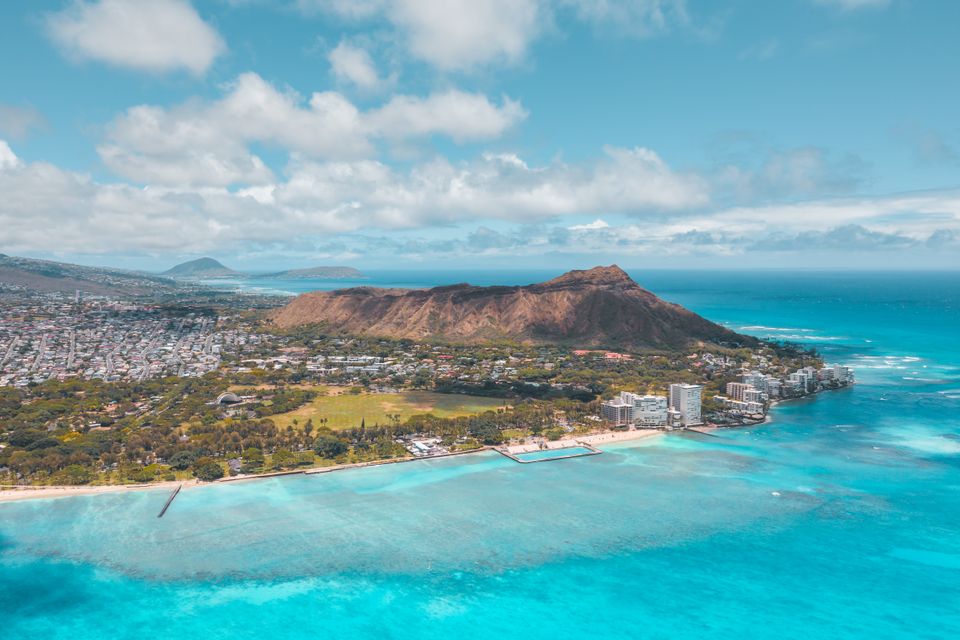
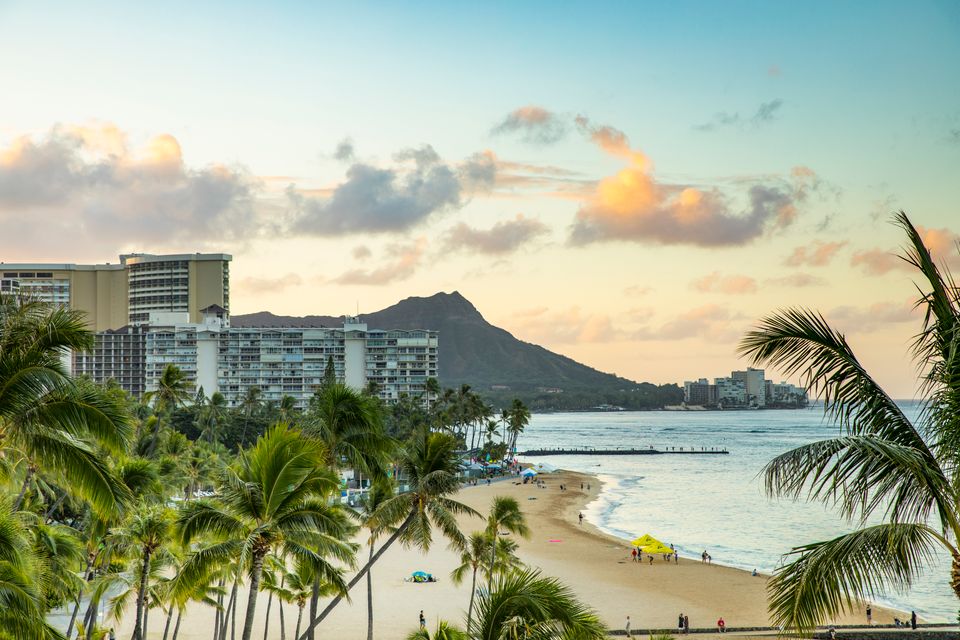
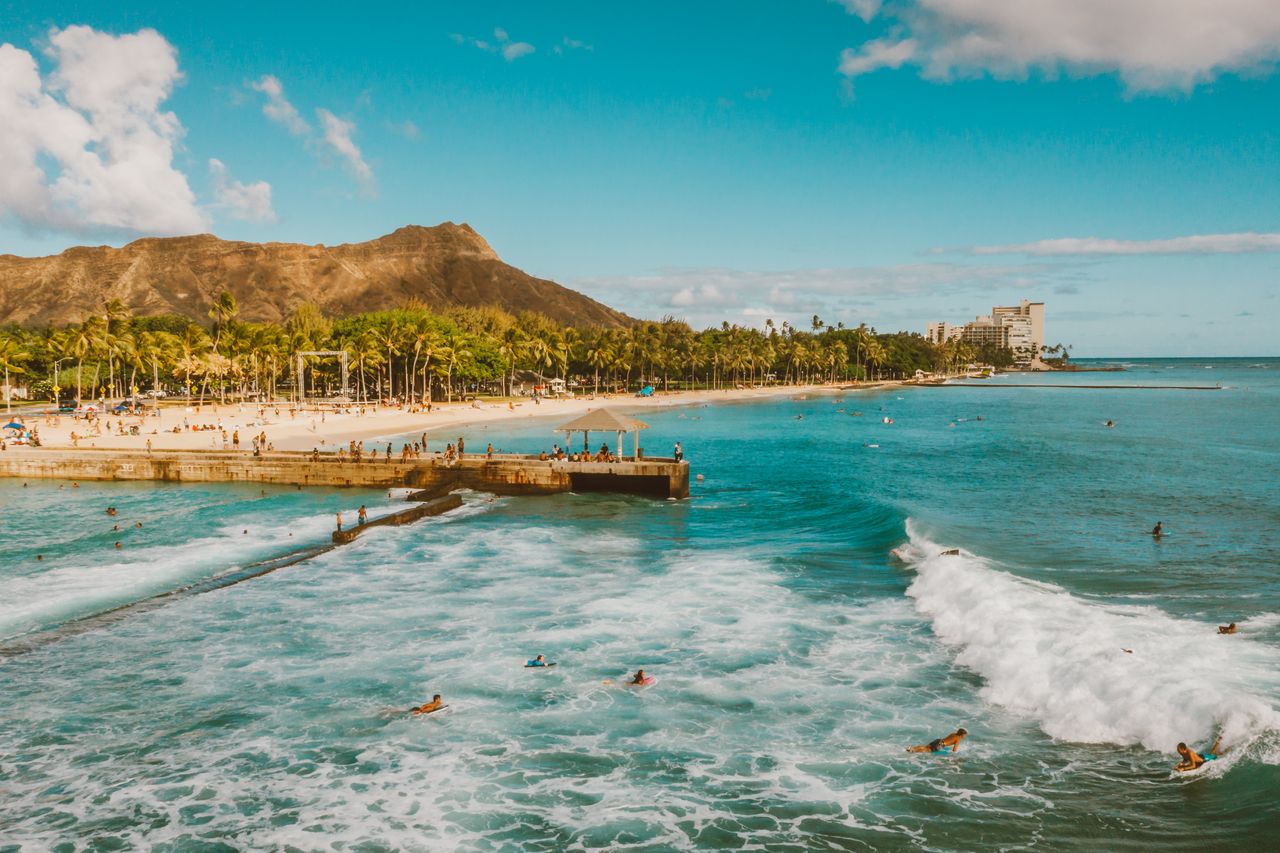
A stay near Waikiki gives you easy access to the beach, Honolulu, and Diamond Head. That convenience can reduce local rides and make simple days easy to build. A quieter coastal area may suit a relaxed pace, while a location near a different island activity area can save daily movement. Compare live stay prices with the experiences you actually plan.
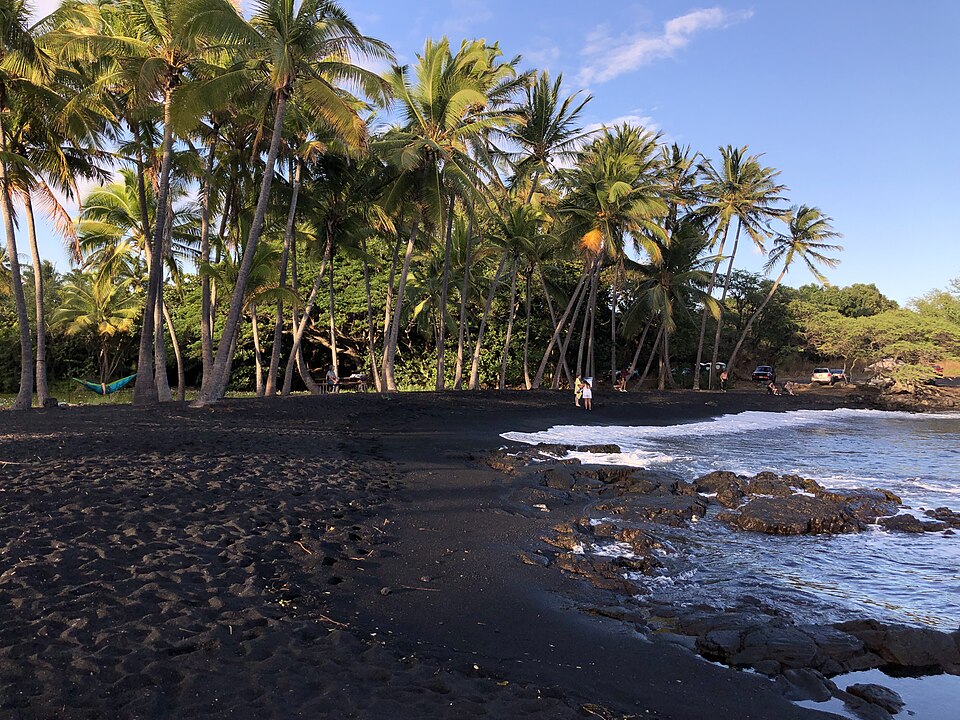
 iPhoto: Famartin · CC BY-SA 4.0 · Wikimedia Commons
Include the whole stay in the comparison, not just the nightly figure. Check the dates around arrival and departure, along with parking, taxes, and any activity fees shown by the provider. If the group changes hotels, add each transfer as a transportation line. The planner keeps bases visible on the map, which helps reveal when a move is worth the added cost.
You can open current stay options from partner links in the plan and keep the selected result beside the day cards. Share the plan so family members or friends can comment before the booking decision. A document vault then keeps confirmations with the correct stay, making the final trip easier to organize.
iPhoto: Famartin · CC BY-SA 4.0 · Wikimedia CommonsThe right months for this trip
Pleasant warmth comes in January, February, March, April, May, June, July, August, September, October, November and December. Take January: 76 °F by day and 11 days of rain.
Already started
Your trip in Hawaii
 79 °F by day in May
- Sea 77 °F
- from Los Angeles about 5 h 17
Day 1
Arrival in Honolulu
Flight from Los Angeles in 5 h 17, nonstop. Settle in, first evening by the harbor or in the center.
Day 2
Waikīkī
Beach day: the sea is around 77 °F in May.
Day 3
Lanikai Beach
Beach day: the sea is around 77 °F in May.
Day 4
Sandy Beach
Beach day: the sea is around 77 °F in May.

Day 5
On to Oahu
A new base for the next few days; explore Oahu on foot.
Day 6
Sunset Beach
Beach day: the sea is around 77 °F in May.
Day 7
Last morning and flight home
One last coffee with a sea view, then back to Los Angeles.
Look around without an account; sign in to save.
Weather and sea temperature in Hawaii
The warmest month is August, with 83 °F by day and 77 °F at night. The sea reaches 80 °F in September. The sunniest month is June, with 11 hours of sun a day.
| Month | Jan | Feb | Mar | Apr | May | Jun | Jul | Aug | Sep | Oct | Nov | Dec |
|---|---|---|---|---|---|---|---|---|---|---|---|---|
| Day °F | 76 | 76 | 76 | 78 | 79 | 81 | 82 | 83 | 83 | 82 | 80 | 78 |
| Night °F | 72 | 71 | 71 | 72 | 74 | 75 | 76 | 77 | 77 | 77 | 75 | 73 |
| Sea °F | 75 | 75 | 75 | 76 | 77 | 78 | 78 | 79 | 80 | 80 | 79 | 77 |
| Sun h/day | 7 | 8 | 8 | 9 | 10 | 11 | 10 | 10 | 9 | 8 | 7 | 7 |
| Rain days | 11 | 13 | 15 | 12 | 11 | 9 | 10 | 9 | 11 | 14 | 15 | 16 |
Weather in Hawaii month by month
- January76 °F75 °F
- February76 °F75 °F
- March76 °F75 °F
- April78 °F76 °F
- May79 °F77 °F
- June81 °F78 °F
- July82 °F78 °F
- August83 °F79 °F
- September83 °F80 °F
- October82 °F80 °F
- November80 °F79 °F
- December78 °F77 °F
The Hawaii climate in numbers
August is the hottest month at 83 °F, while January drops to 76 °F. Rain is rarest in June (9 days) and most frequent in December (16 days). The sunniest month is June with 11 hours a day.
The sea is warm enough for proper swimming in January, February, March, April, May, June, July, August, September, October, November and December, peaking at 80 °F in September. For walking and sightseeing in pleasant warmth, aim for January, February, March, April, May, June, July, August, September, October, November and December.
- January: 76 °F, sea 75 °F, 11 rain days, 7 h of sun
- February: 76 °F, sea 75 °F, 13 rain days, 8 h of sun
- March: 76 °F, sea 75 °F, 15 rain days, 8 h of sun
- April: 78 °F, sea 76 °F, 12 rain days, 9 h of sun
- May: 79 °F, sea 77 °F, 11 rain days, 10 h of sun
- June: 81 °F, sea 78 °F, 9 rain days, 11 h of sun
- July: 82 °F, sea 78 °F, 10 rain days, 10 h of sun
- August: 83 °F, sea 79 °F, 9 rain days, 10 h of sun
- September: 83 °F, sea 80 °F, 11 rain days, 9 h of sun
- October: 82 °F, sea 80 °F, 14 rain days, 8 h of sun
- November: 80 °F, sea 79 °F, 15 rain days, 7 h of sun
- December: 78 °F, sea 77 °F, 16 rain days, 7 h of sun
Demand for Hawaii through the year
Search interest for Hawaii peaks in January and is lowest in November, based on monthly search volumes.


How to shape a January day in Hawaii
Mornings suit an unhurried walk through the old streets or along the water. The warmest hours, at 76 °F, are perfect for being outside, by the sea if you like. Evenings drop to 72 °F, so plan dinner outside and keep a layer handy.


Getting to Hawaii from home
Hawaii lies {{dist.home:MCO}} from Orlando in a straight line. Atlanta lies {{dist.home:ATL}} away. Los Angeles lies {{dist.home:LAX}} away.
 iPhoto: wlcutler · CC BY-SA 2.0 · Wikimedia Commons
Door to door, the plan lines up the ride to the airport, the flight with live fares and the transfer on arrival.
iPhoto: wlcutler · CC BY-SA 2.0 · Wikimedia Commons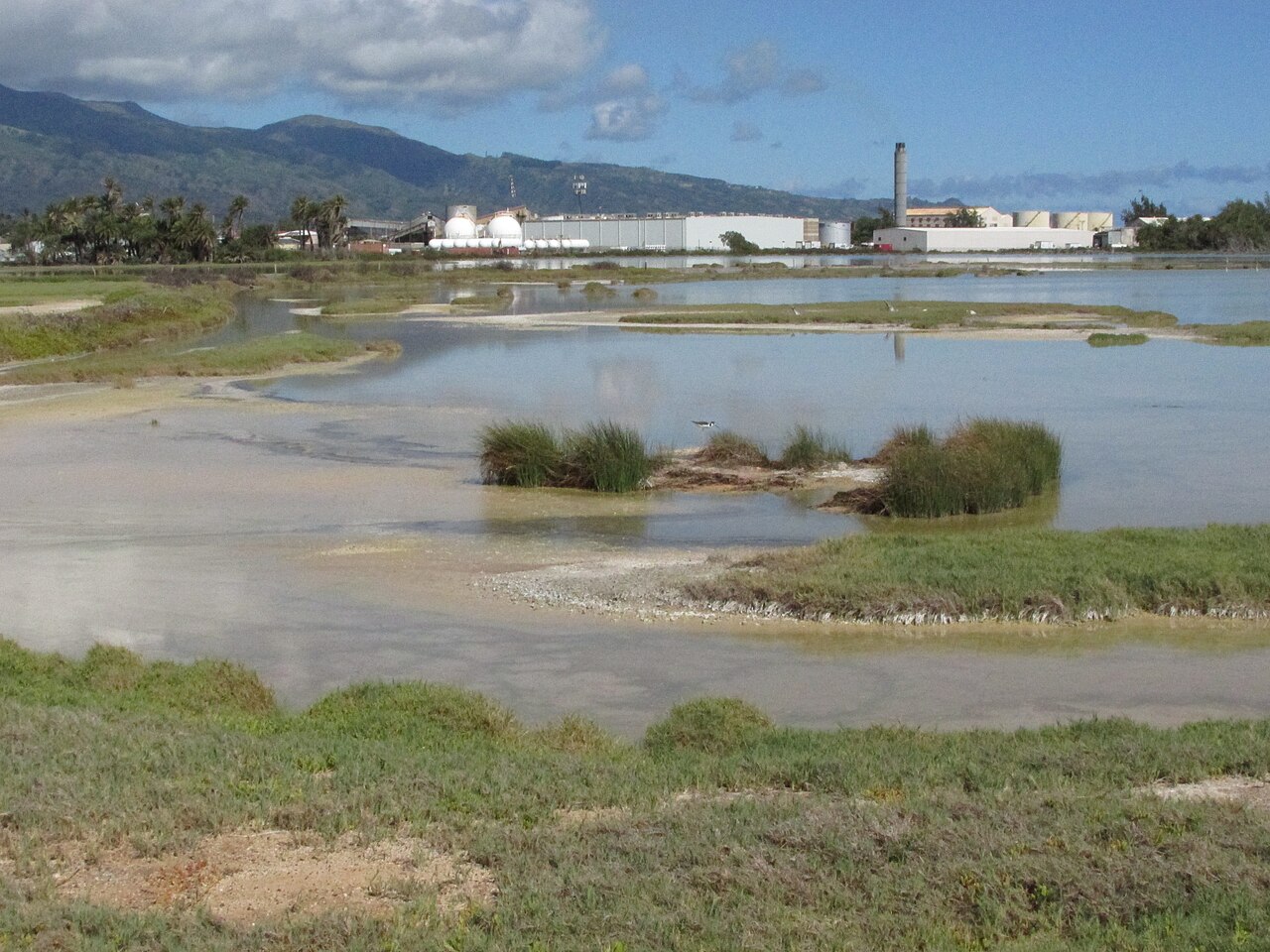
Getting there
The quickest way is from San Francisco: you're in Hawaii in about 5 h on a nonstop flight. Nonstop flights leave from 9 US airports. The nearest airport is Daniel K. Inouye International Airport (HNL), 13 miles away.
- HNLDaniel K. Inouye International Airport13 miles to the destination
| From | Flight time | To | Nonstop flight |
|---|---|---|---|
| San Francisco SFO | about 5 h | HNL | Nonstop |
| Los Angeles LAX | about 5 h 17 | HNL | Nonstop |
| Seattle SEA | about 5 h 31 | HNL | Nonstop |
| Denver DEN | about 6 h 46 | HNL | Nonstop |
| Dallas/Fort Worth DFW | about 7 h 32 | HNL | Nonstop |
| Chicago O'Hare ORD | about 8 h 22 | HNL | Nonstop |
| Atlanta ATL | about 8 h 50 | HNL | Nonstop |
| Newark EWR | about 9 h 40 | HNL | Nonstop |
| New York JFK JFK | about 9 h 42 | HNL | Nonstop |
| Orlando MCO | about 9 h 18 | HNL | |
| Miami MIA | about 9 h 29 | HNL | |
| Boston BOS | about 9 h 55 | HNL |
Flight times estimated from the distance, nonstop routes from OpenTravelData.
Packing for Hawaii in January
With 76 °F by day and 72 °F at night and 11 rain days in January, pack for changeable mild weather. Your plan builds this list for you and updates it when you change the dates.
 iPhoto: wlcutler · CC BY-SA 2.0 · Wikimedia Commons
- Comfortable walking shoes
- A warm layer for the evenings
- A packable rain jacket or umbrella
- Swimwear and a beach towel
- A travel adapter for your chargers
iPhoto: wlcutler · CC BY-SA 2.0 · Wikimedia CommonsPrices for Hawaii
Every price for Hawaii on this page comes live from a partner, in your currency. Open a card to see today's rate for your dates.
Match spending to your Hawaii pace
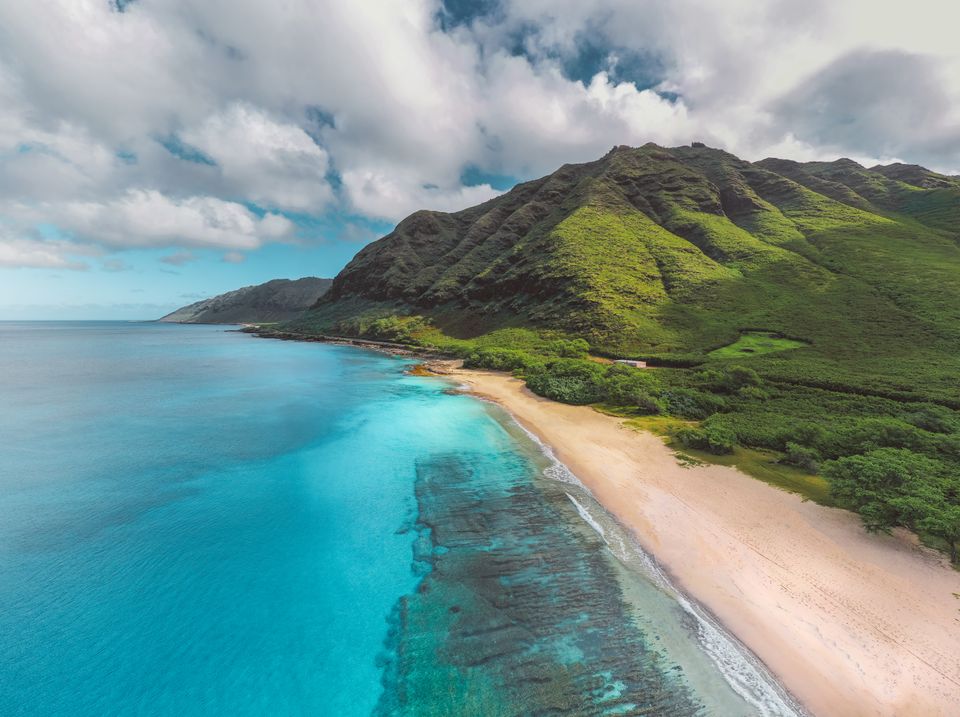
A relaxed trip works well with a small daily plan and time to return to the beach. Honolulu and Waikiki support a simple mix of shoreline time, dining, and nearby attractions. Add a smaller number of paid experiences and you keep more room in the budget for meals, transport, and a comfortable change of island if the trip calls for it.
A balanced pace gives you room for two or three stops in a day. It works well for couples, families, and small groups who want to see more while preserving open time. A packed pace suits travelers who value variety and already know which sights matter most. Set the pace in HolidayWow, then let the map show the travel attached to every day.
For a week, you could spend early days recovering from the Orlando flight, then build a compact sightseeing day near the main stay. Add a beach or park day, reserve another day for a booked activity, and leave the final period flexible for shopping, meals, or weather. This structure gives each expense a purpose and keeps transport from becoming scattered.
Pick the month that fits your priorities
June offers the driest month in the Hawaii climate record shown here, with daytime temperatures around 81 °F and sea temperatures around 78 °F. August and September are the warmest months, reaching 83 °F by day, while the sea reaches 80 °F. These seasons suit travelers who want warm beach conditions and plenty of time outdoors.
January is the coolest month, with daytime temperatures around 76 °F and sea temperatures around 75 °F. December is the wettest month in the record and also has reduced sunshine hours compared with the middle of the year. The climate data can guide your priorities, while live partner prices show the financial side of each choice at the moment you are ready to plan.
Build a spending plan around the month rather than assuming every season behaves the same. Add a packing list based on the plan and climate, then review the budget after adding exact dates. When live weather becomes available in the day cards, you can adjust outdoor plans while keeping your stay, bookings, and cost priorities in view.
Hawaii: frequently asked questions
What is the main cost for a Hawaii trip from Orlando?
The main cost groups are airfare from Orlando, accommodation, island transportation, activities, and meals. Staying on one island can simplify transport, while several islands add flights and transfers. Use current partner prices, then place each selected option in the trip budget for a clear comparison.
How can I compare live Hawaii prices in one plan?
HolidayWow shows live prices and partner booking links for stays, tours, transport, and flights. You can add the options you choose to a budget in US dollars, use price watches for stays and tours, and share the same plan with everyone traveling from Orlando.
Does the Hawaii planner work for family trips?
Yes. Describe the destination, group, month, pace, and budget in one sentence or by voice. The planner can use a relaxed or balanced pace, place each stop on the map, split costs for the group, and keep tickets and confirmations beside the relevant itinerary days.
Should I plan a one-island or multi-island Hawaii trip?
A one-island trip keeps stays and transport focused around one region. Several islands add air or sea connections and more bases, while providing access to a wider range of landscapes and activities. Add every new transfer and stay to the budget before committing to the route.
Can I edit the Hawaii trip after planning from Orlando?
Yes. Drag a stop to another day, swap a place, or lighten a day, and the plan checker reorders it. Dates are optional at the start and can be added later, giving each day its weekday, live weather, and live partner prices.

Your next trip
Plan your vacation in Hawaii

Describe your trip in one sentence. When, who with and what matters to you.