Best time: May to October
Japan Solo Trip: See More on Your Own Terms
Published October 9, 2026 · HolidayWow editors · Written with AI, numbers checked against our data ·
Japan is an excellent solo destination for travelers who enjoy clear rail connections, distinctive neighborhoods, thoughtful food, and a rich mix of old and new. Choose two or three bases, build each day around a neighborhood or attraction, and leave room for a quiet café, a long walk, or a detour that appears along the way. A solo plan works well when it is structured enough to feel easy but flexible enough to follow your energy.
In Japan, the best time for a trip is May to October, with daytime highs up to 85 °F.
7 days in Japan in September, Culture, from Los Angeles on your own
Plan a trip- Best time to go
- May to October
- Daytime high in August
- 85 °F
- Flight from San Francisco, nonstop
- about 10 h 01


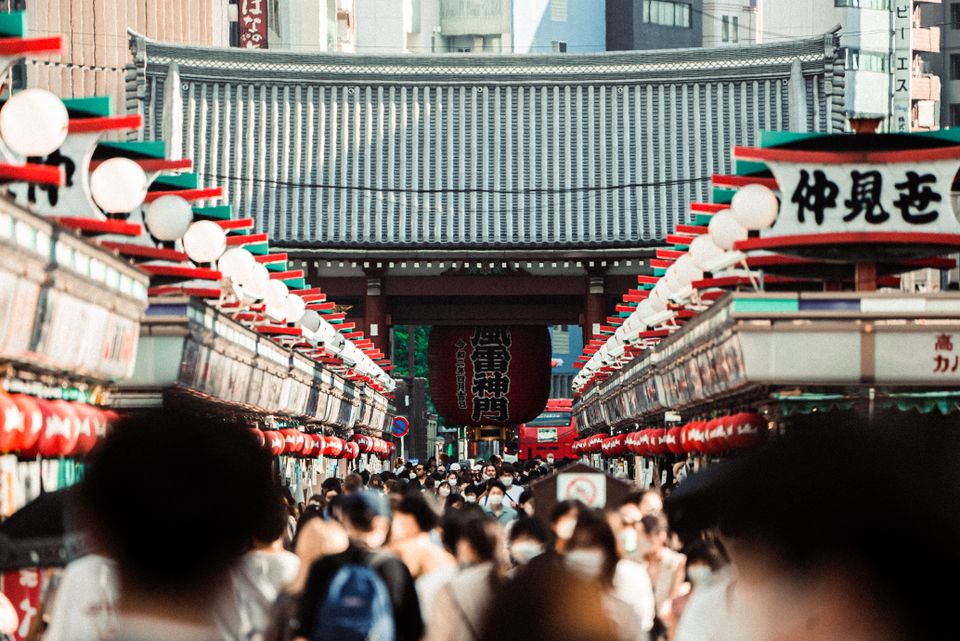
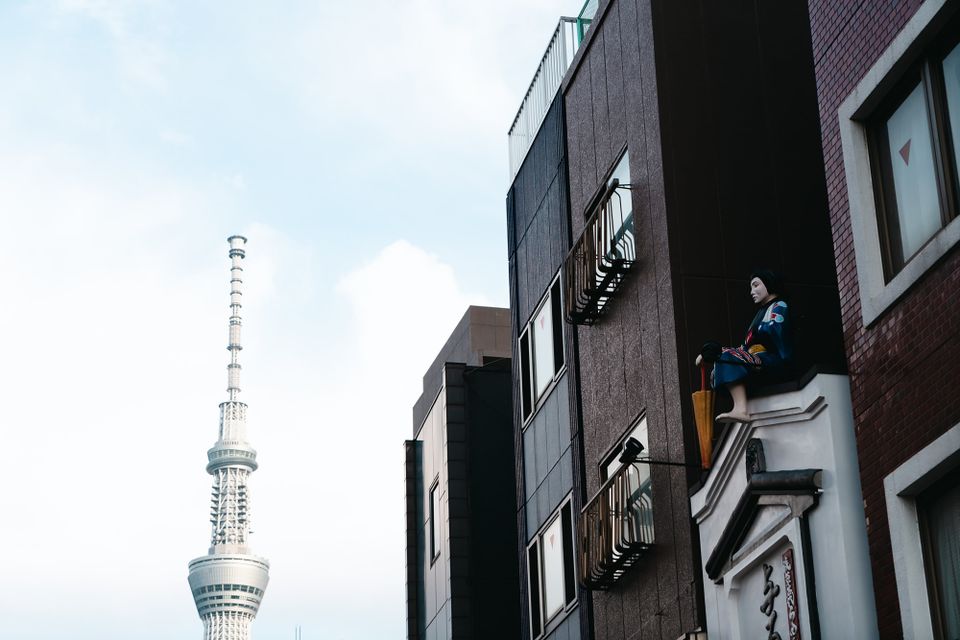
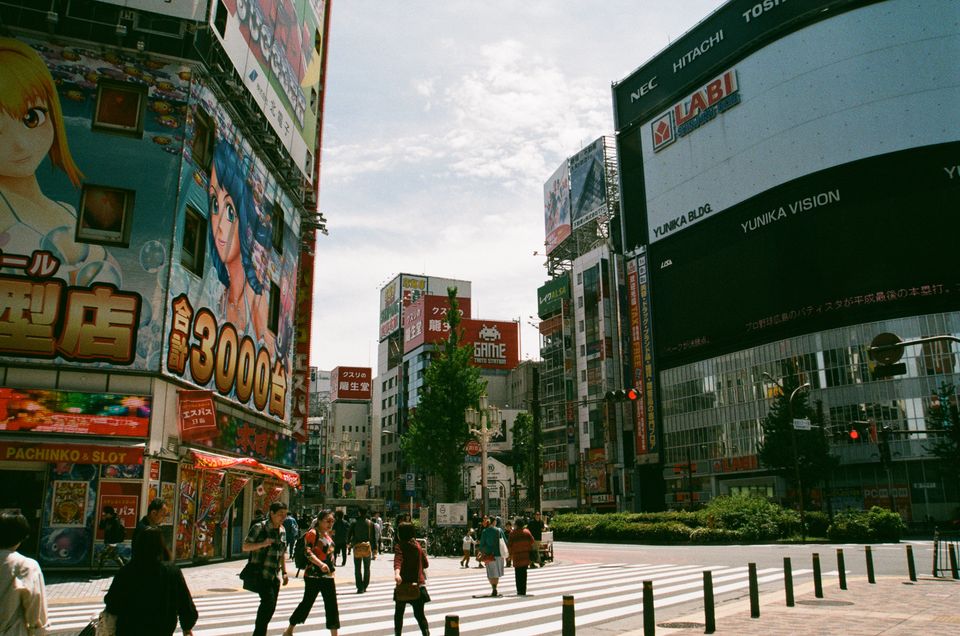
Japan at a glance
- What’s the vibe?
- For a first visit, Tokyo and Kyoto make a strong starting pair. Tokyo gives you a fast introduction to the country through neighborhoods such as Asakusa, Shibuya, Harajuku, and Ginza.
- Best time to go
- In Japan, the best time for a trip is May to October, with daytime highs up to 85 °F.
- How to get there?
- From San Francisco, you can be in Japan in about 10 h 01.
- What else to know?
- Japan rewards a little preparation. Carry your passport and travel documents in the document vault inside the plan, and keep confirmations attached to the relevant day.
A Japan solo trip works well with a few bases
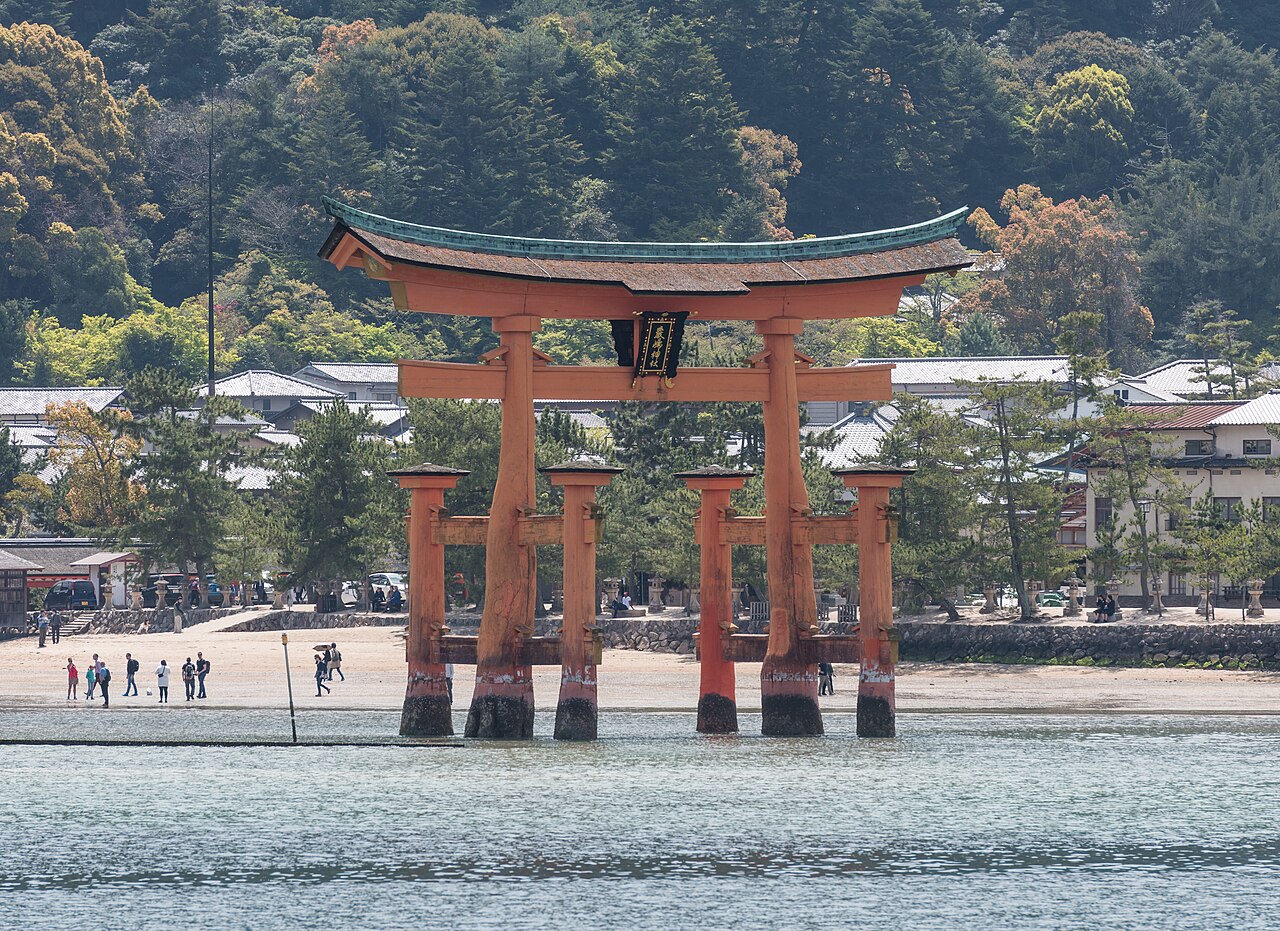
For a first visit, Tokyo and Kyoto make a strong starting pair. Tokyo gives you a fast introduction to the country through neighborhoods such as Asakusa, Shibuya, Harajuku, and Ginza. Kyoto offers a slower rhythm around temple gardens, traditional streets, tea houses, and local markets. Add Osaka for energetic food streets and easy connections, or choose another base such as Hiroshima or Hakone to give the trip a different character.
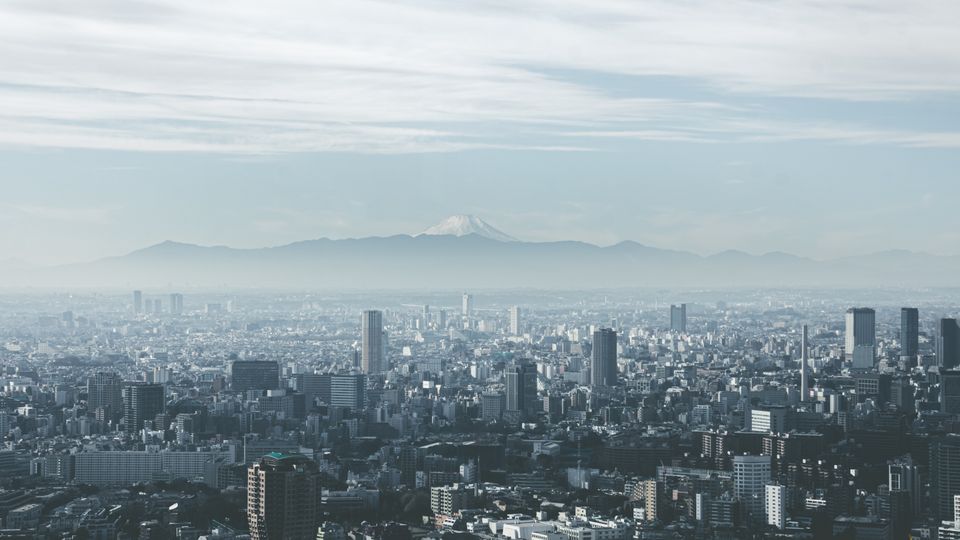 Tokyo
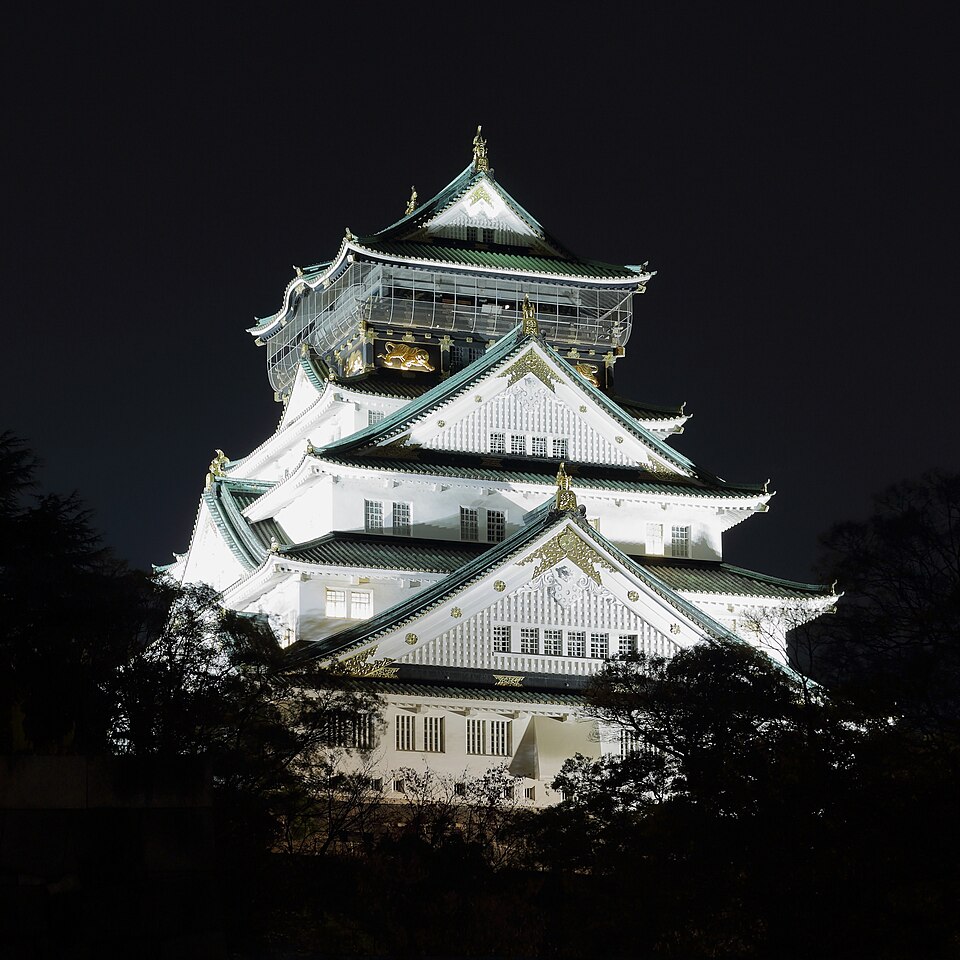 OsakaiPhoto: Martin Falbisoner · CC BY-SA 4.0 · Wikimedia Commons
Staying in one neighborhood rather than moving constantly can make a solo trip more comfortable. Look for a central area with a station nearby, a simple walk to breakfast, and access to trains for day trips. A hotel with a public bath or lounge can also give you a place to pause after a full day. Choose the base that matches your interests: convenience for a city break, access to nature for walking, or a neighborhood with a strong evening food scene.
TokyoOsakaiPhoto: Martin Falbisoner · CC BY-SA 4.0 · Wikimedia CommonsHow to plan a solo route across Japan
Start with one sentence describing the trip you want. Tell the planner that you are traveling alone, name the month or dates, and include the pace that feels right. HolidayWow can turn that request into a map-first plan with each day arranged as a route, every stop placed on the map, and the order checked after changes. You can set a relaxed pace with one or two stops, a balanced pace with two or three, or a packed pace with three to five.
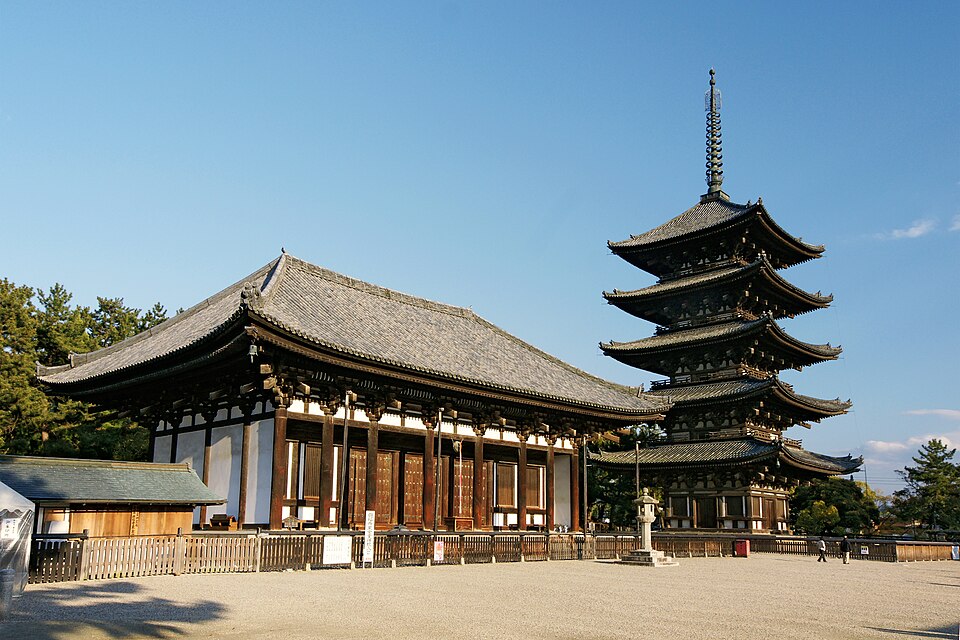 NaraiPhoto: 663highland · CC BY-SA 4.0 · Wikimedia Commons
 KobeiPhoto: Martin Falbisoner · CC BY-SA 4.0 · Wikimedia Commons
Build the trip around anchors rather than filling every hour. In Tokyo, choose a museum district, a shopping neighborhood, and a temple visit on separate parts of the trip. In Kyoto, pair a famous site with a nearby park, market, or tea experience. If you add Osaka, use it as a base for local food and a day in Nara or Kobe. The map helps you see the shape of the route, while the plan checker reorders the day after you move or swap a stop.
NaraiPhoto: 663highland · CC BY-SA 4.0 · Wikimedia CommonsKobeiPhoto: Martin Falbisoner · CC BY-SA 4.0 · Wikimedia Commons
Already started
Your trip in Japan
 79 °F by day in September
- from Los Angeles about 10 h 37
Day 1
Arrival in Osaka
Flight from Los Angeles in 10 h 37, nonstop. Settle in, first evening by the harbor or in the center.

Day 2
Arashiyama
Start early; bring water and sturdy shoes.
Day 3
Yoshino-yama
Start early; bring water and sturdy shoes.
Day 4
Mount Kongō
Start early; bring water and sturdy shoes.

Day 5
On to Kyoto
A new base for the next few days; explore Kyoto on foot.
Day 6
Hiei-zan
Start early; bring water and sturdy shoes.
Day 7
Last morning and flight home
One last walk, then back to Los Angeles.
Look around without an account; sign in to save.
Weather and climate in Japan
The warmest month is August, with 85 °F by day and 72 °F at night. The sunniest month is May, with 7 hours of sun a day.
| Month | Jan | Feb | Mar | Apr | May | Jun | Jul | Aug | Sep | Oct | Nov | Dec |
|---|---|---|---|---|---|---|---|---|---|---|---|---|
| Day °F | 43 | 45 | 53 | 62 | 71 | 77 | 83 | 85 | 79 | 69 | 58 | 48 |
| Night °F | 28 | 29 | 34 | 42 | 52 | 61 | 70 | 72 | 65 | 53 | 41 | 32 |
| Sun h/day | 4 | 4 | 5 | 6 | 7 | 5 | 5 | 7 | 5 | 5 | 5 | 3 |
| Rain days | 9 | 9 | 11 | 11 | 11 | 14 | 16 | 15 | 15 | 11 | 8 | 10 |
Weather in Japan month by month
- January43 °F
- February45 °F
- March53 °F
- April62 °F
- May71 °F
- June77 °F
- July83 °F
- August85 °F
- September79 °F
- October69 °F
- November58 °F
- December48 °F
Match the season to the kind of Japan trip you want
Japan changes noticeably through the year. January is the coolest month, with average daytime temperatures of 43 °F and nighttime temperatures of 28 °F. July and August are the warmest, reaching average daytime temperatures of 83 °F and 85 °F, with nighttime temperatures of 70 °F and 72 °F. November is the driest month in the climate data, with 8 rain days, while July records the most rain days at 16.
Spring brings comfortable daytime conditions for walking through Tokyo, Kyoto, and the gardens around Nara. October is another appealing choice for city sightseeing, with an average daytime temperature of 69 °F and nighttime temperature of 53 °F. Summer works well for travelers who want long daylight hours and indoor stops, while winter suits travelers who enjoy cool weather, hot meals, and a quieter city pace. Choose the month according to the experiences you want, then add clothing and daily items from the plan’s packing list.
A seven-day Japan solo itinerary
For a first seven-day outline, spend the opening days in Tokyo. Use the first day to settle into your neighborhood, visit a major cultural site, and find a dependable meal nearby. On the second day, explore a different part of the city and leave the afternoon open for a shopping street, park, or museum. A third day can take you to Hakone for mountain scenery, an outdoor walk, and a return to Tokyo. The fourth day can move you onward to Kyoto by train.
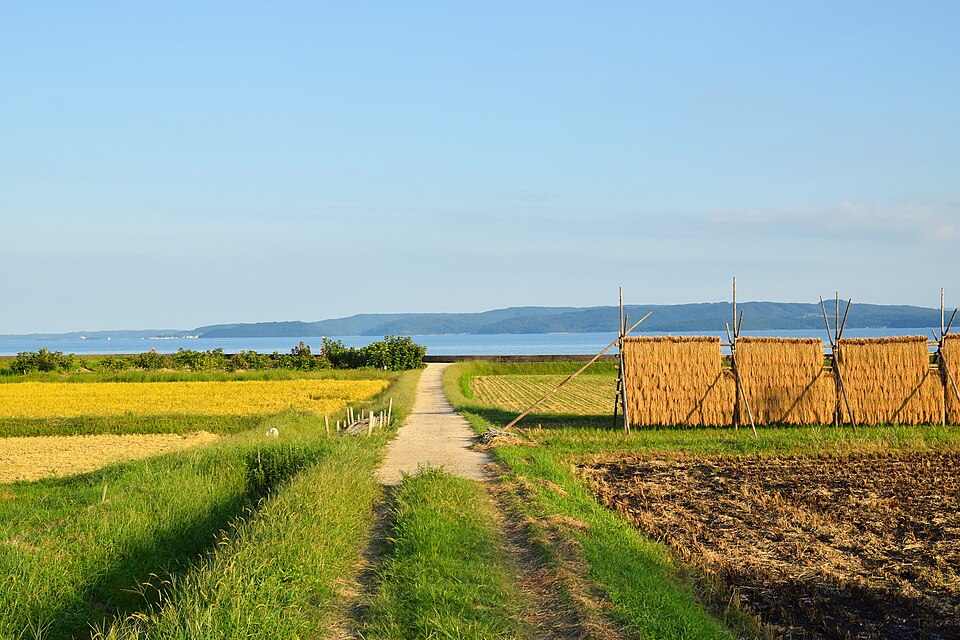

Give Kyoto a balanced middle section. Use one day for the major temple and garden areas, another for a neighborhood walk, a market, and a slower meal. A day trip to Nara or Osaka adds a change of scenery without requiring a permanent second base. On the final day, return to Kyoto or continue toward Osaka, depending on the pace you selected. The plan is easy to change when a museum takes your interest, a train connection works better for your route, or you want another day in one city.
- Days one to three: Tokyo neighborhoods, culture, and Hakone
- Day four: move to Kyoto
- Days five and six: Kyoto gardens, markets, and a nearby day trip
- Day seven: Kyoto or Osaka departure
Getting there
The quickest way is from San Francisco: you're in Japan in about 10 h 01 on a nonstop flight. Nonstop flights leave from 4 US airports. The nearest airport is Tokyo Haneda International Airport (HND), 217 miles away.
- HNDTokyo Haneda International Airport217 miles to the destination
- NGOChubu Centrair International Airport47 miles to the destination
| From | Flight time | To | Nonstop flight |
|---|---|---|---|
| San Francisco SFO | about 10 h 01 | HND | Nonstop |
| Los Angeles LAX | about 10 h 37 | HND | Nonstop |
| Chicago O'Hare ORD | about 12 h 06 | HND | Nonstop |
| New York JFK JFK | about 12 h 58 | HND | Nonstop |
| Seattle SEA | about 9 h 22 | HND | |
| Denver DEN | about 11 h 14 | HND | |
| Dallas/Fort Worth DFW | about 12 h 24 | HND | |
| Boston BOS | about 12 h 53 | HND | |
| Newark EWR | about 12 h 56 | HND | |
| Atlanta ATL | about 13 h 10 | HND | |
| Orlando MCO | about 13 h 54 | HND | |
| Miami MIA | about 14 h 14 | HND |
Flight times estimated from the distance, nonstop routes from OpenTravelData.
Travel advice for Japan
The current advice on safety, health and entry is published in full by the U.S. Department of State. Check it before you book and again shortly before you leave.
Practical advice for traveling alone in Japan
Japan rewards a little preparation. Carry your passport and travel documents in the document vault inside the plan, and keep confirmations attached to the relevant day. Learn enough Japanese to order food, ask directions, and understand station signs. Trains are easy to use, but check each connection carefully before leaving a station. Keep a local address written down for your accommodation and share your day’s route with someone you trust.
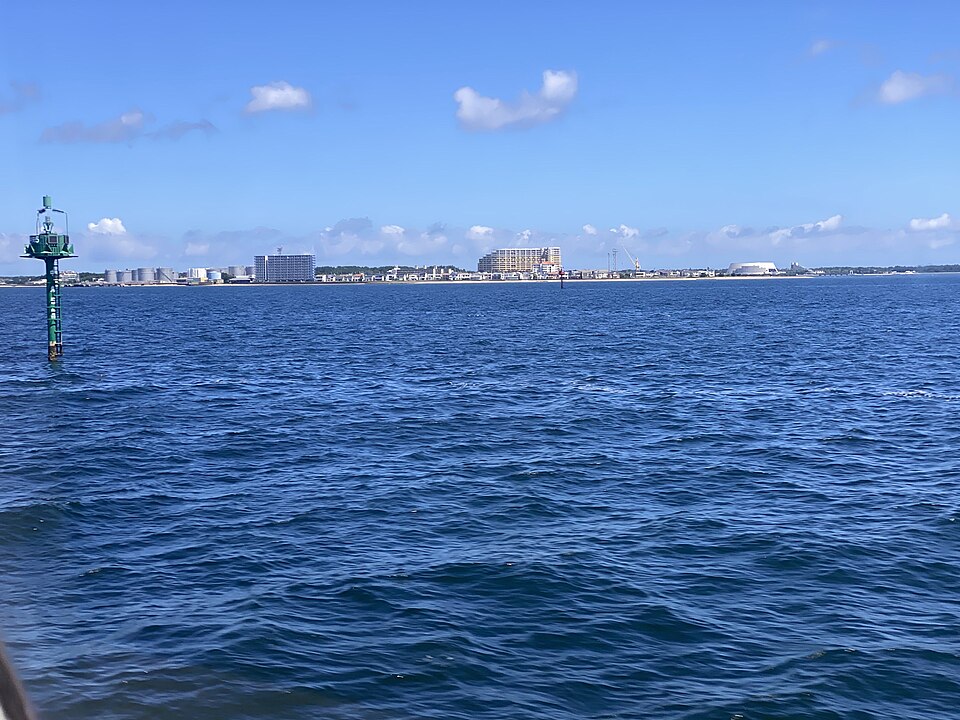
Solo dining is straightforward. Concession counters, ramen shops, izakaya, cafés, and restaurant districts give you many ways to eat alone, from a quick counter meal to a relaxed dinner. Choose a comfortable pace and keep distant stops manageable on one day. HolidayWow’s plan checker helps keep the day in order after you move a stop, while the document vault, live price checks, packing list, and shared plan keep practical details connected to the trip.
Japan: frequently asked questions
Is Japan a good destination for a solo trip?
Japan suits solo travelers who appreciate organized rail travel, distinctive neighborhoods, varied food, and a strong culture of planning. A traveler who builds a flexible route around two or three bases can experience major cities, temples, gardens, shopping, and day trips without constantly changing hotels.
How many days are ideal for Japan as a solo traveler?
Seven days gives you enough room to explore Tokyo and Kyoto while including a day trip or a short stop in another region. The route can work at a relaxed or balanced pace, with each day shown on the map and adjustable whenever your interests or energy change.
What is the best way to organize a solo itinerary in Japan?
Organize it around a few bases, named neighborhoods, and one or two main experiences per day. HolidayWow can read your travel pace, budget, month, and group size from a sentence or voice request, then place stops on a map that you can edit by dragging, swapping, or making a day lighter.
Can one person enjoy Japan’s food and neighborhoods alone?
Yes. Solo travelers can use neighborhood food streets, ramen shops, cafés, markets, izakaya, and temple districts at their own pace. Keeping each day’s route realistic makes it easier to stop for a second coffee, browse a market, or return to a place that deserves more time.
Can I plan Japan with dates added later?
Yes. You can begin with a month and add dates later. Once dates are included, each day card can show its weekday, live weather, and live prices, while the planner continues to organize the route around your chosen pace.


Your next trip
Plan your vacation in Japan

Describe your trip in one sentence. When, who with and what matters to you.