November: 64 °F by day
Best Time to Visit Portugal for Weather and Travel
Published October 12, 2026 · HolidayWow editors · Written with AI, numbers checked against our data ·
The best time to visit Portugal depends on whether you want beach weather, comfortable sightseeing, Atlantic walks, or a quiet food and culture trip. May through September is the main travel window, with July and August warmest and September offering a useful balance of warmth and a gentler pace.
In Portugal, the best time for a trip is June to September, with daytime highs up to 74 °F.
Weather looks good?7 days in Portugal in August, Beach and hiking, from New York JFK on your own
Plan a trip
Now in Portugal
65 °F
Rain
Wind 20 mph, Humidity 95%
As of 01:40 local time
The next 7 days
- Today
 69° / 65°Cloudy5 mm rain
- Tomorrow69° / 64°Rain14 mm rain
- Thursday
 64° / 60°Partly cloudy
- Friday64° / 55°Cloudy
- Saturday65° / 55°Rain12 mm rain
- Sunday63° / 55°Partly cloudy
- Monday59° / 50°Cloudy
Best Time to Visit Portugal for the Vacation Style You Want
The best time to visit Portugal for a classic vacation is May through September. This stretch combines comfortable daytime temperatures with a good range of sunny days for Lisbon, Porto, the Algarve, and the Atlantic coast. May and June work well for travelers who want room for museums, old towns, gardens, and walking tours. July and August suit swimmers and travelers who want the warmest countrywide days. September is a smart choice for beach plans combined with sightseeing and a more spacious summer itinerary.
Your preferred activities matter more than a single calendar date. Algarve beaches call for warm, dry conditions, while Porto rewards travelers who enjoy cafés, architecture, museums, and riverside walks. Northern coastal towns suit people who enjoy surf towns and ocean views. Lisbon works across much of the year, especially when you can balance outdoor days with indoor cultural stops. Choosing your base before your dates gives the weather a clearer role in the trip.
Spring and Early Summer Bring Comfortable Touring Weather
March begins to open up the touring season. The average daytime temperature reaches 61 °F, while sunshine climbs to 8 hours. April is similar in rain pattern and offers 9 sunshine hours, making it useful for Portugal’s historic centers and rural scenery. May then provides a clear change in feel, with 11 sunshine hours, 6 rain days, and average daytime and nighttime temperatures of 67 °F and 59 °F. That combination favors flexible days with both city walks and time outdoors.
June is a strong month for a trip that needs activity. Average daytime temperatures reach 70 °F, and the climate record shows 11 sunshine hours. You can plan visits to Lisbon, Belém, Porto, Braga, Coimbra, or the Douro Valley without centering every day around weather recovery. The Algarve and coastal areas also suit June travelers who want a beach component. A relaxed pace leaves space for a morning walk, an afternoon cultural stop, and an evening beside the water.
July and August Deliver Portugal’s Warmest Weather
July and August are the straightforward answers when your priority is warm weather. July reaches an average daytime temperature of 73 °F, with 12 sunshine hours and 1 rain day. August is the warmest month at 74 °F, with nighttime temperatures near 65 °F and 11 sunshine hours. These conditions suit the Algarve, Cascais, Ericeira, northern beaches, and a stay focused around ocean swimming or outdoor dining.

The warmest weather is most useful when your accommodation supports a beach-centered rhythm. Build each day around a morning swim, a shaded midday pause, and a later coastal walk or excursion. You can also divide a summer trip between a coastal base and Lisbon or Porto. This keeps warm-weather days central while giving your itinerary cultural variety. Book your chosen base first, then place nearby activities on a map so the strongest beach conditions fit into the days that matter most to you.
What's the weather like in Portugal in November?
In November, days in Portugal average 64 °F and 57 °F at night. In December, days in Portugal average 60 °F and 54 °F at night.
- November64°
 57 °F at night
 5 hours of sun a day12 rain days
- December60°54 °F at night5 hours of sun a day10 rain days
| Month | Jan | Feb | Mar | Apr | May | Jun | Jul | Aug | Sep | Oct | Nov | Dec |
|---|---|---|---|---|---|---|---|---|---|---|---|---|
| Day °F | 59 | 59 | 61 | 63 | 67 | 70 | 73 | 74 | 73 | 70 | 64 | 60 |
| Night °F | 52 | 52 | 53 | 56 | 59 | 62 | 64 | 65 | 64 | 62 | 57 | 54 |
| Sun h/day | 5 | 6 | 8 | 9 | 11 | 11 | 12 | 11 | 9 | 7 | 5 | 5 |
| Rain days | 11 | 9 | 10 | 10 | 6 | 3 | 1 | 1 | 5 | 9 | 12 | 10 |
September Offers Warm Coastal Days with Room to Explore
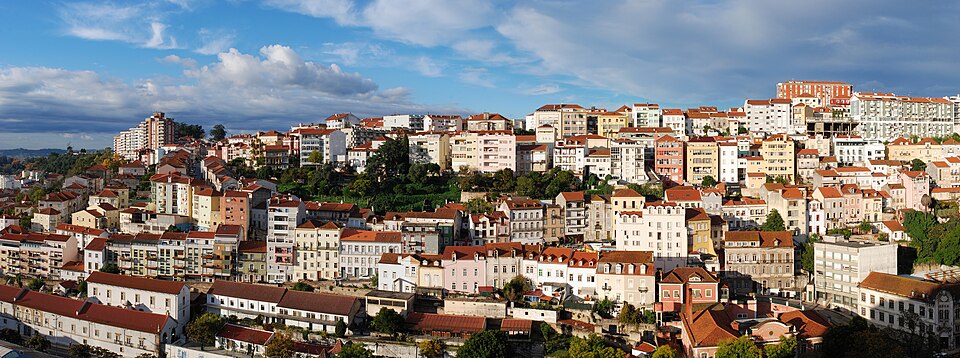
September is a useful shoulder-season choice because Portugal remains warm while the summer travel pattern eases. Average daytime and nighttime temperatures are 73 °F and 64 °F. The month records 9 sunshine hours and 5 rain days, which creates room for beaches, walking, and city itineraries. You can visit the Algarve, continue through coastal towns, or pair Porto with northern scenery. A packed schedule is less useful here, so a balanced pace allows for changing beach and inland plans.
 iPhoto: Alvesgaspar · CC BY-SA 3.0 · Wikimedia Commons
September also works well for travelers who want a trip centered on food, culture, and the sea. Spend part of the vacation in Lisbon, where mornings can begin in the historic center and afternoons can move toward the Tagus waterfront. Porto works as a base for river views, port cellars, local food, and nearby towns. Along the Atlantic, coastal paths and ocean views become part of the day rather than a single beach stop. September gives you warm daytime conditions for all three styles.
iPhoto: Alvesgaspar · CC BY-SA 3.0 · Wikimedia Commons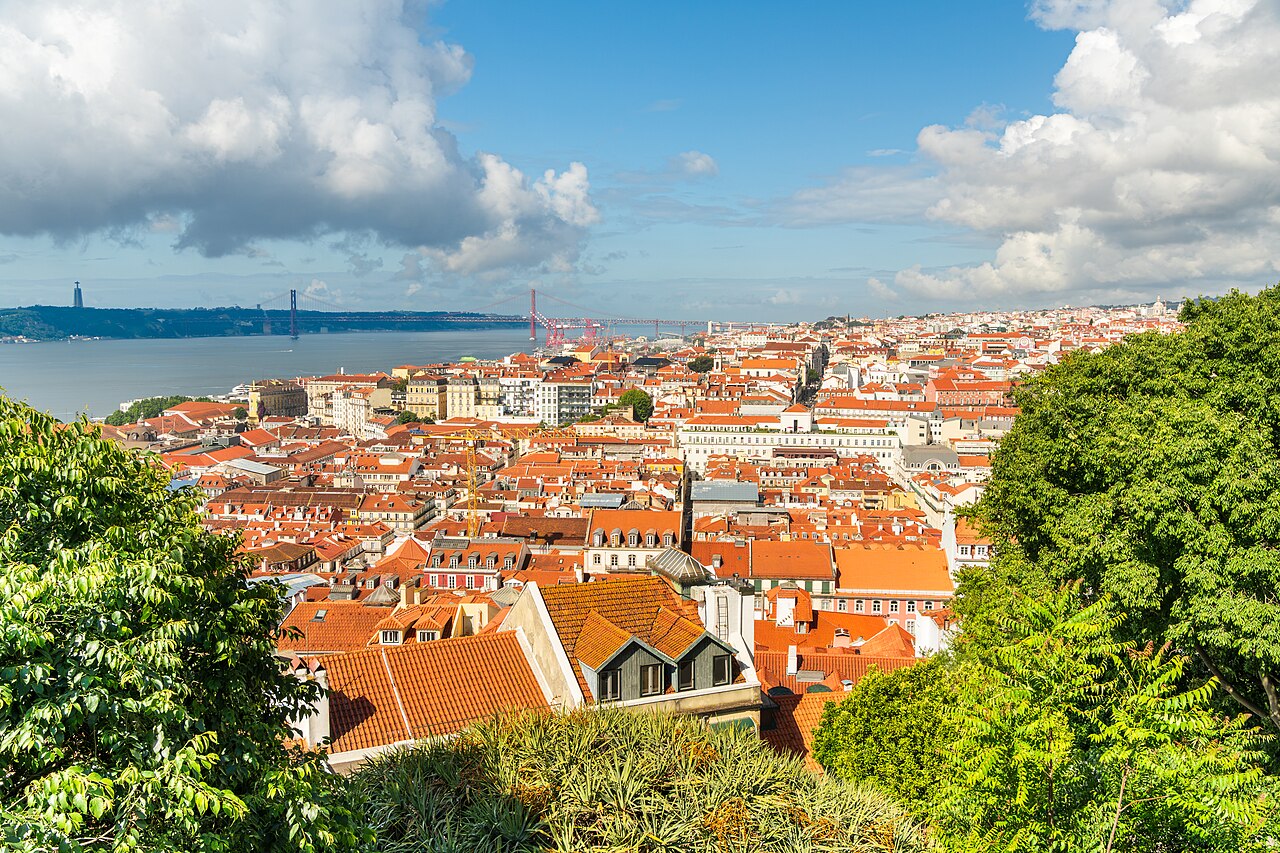
Autumn and Winter Favor Food, Culture, and Slower Travel
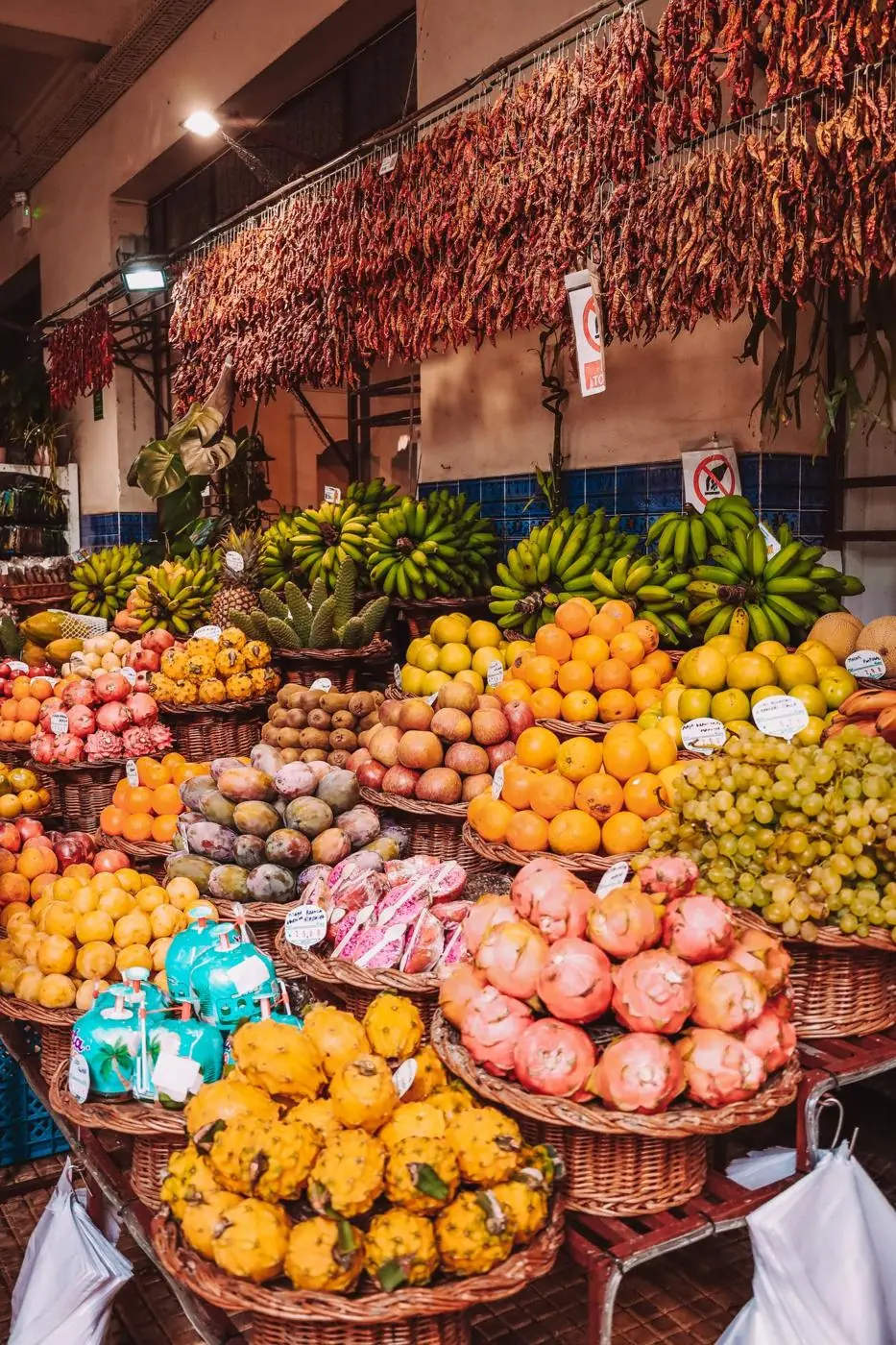
October is a rewarding month for travelers who want warm days alongside a more measured vacation pace. The average daytime temperature is 70 °F, with 7 sunshine hours. Lisbon, Porto, Coimbra, Braga, and the Douro Valley all work well for food-focused and cultural itineraries. November records 12 rain days and 87 mm of rain, so a weather-led plan benefits from strong indoor interests. Museums, dining rooms, historic buildings, and wine regions provide plenty of reasons to keep each day purposeful.
Winter remains useful for Portugal city breaks. January is the coolest month, with an average daytime temperature of 59 °F and nighttime temperatures near 52 °F. December reaches 60 °F during the day and 54 °F at night. Layering helps you move between warm interiors and cool Atlantic air. Choose a base that supports independent walking and a short day plan. Winter travel also feels effective when you pair Lisbon with another Portuguese city rather than rushing through a long route.
Choose the Region Before the Month
The Algarve works well for travelers focused on beaches, warm weather, and resort-style stays. The Lisbon coast adds city access, cultural landmarks, and Atlantic walks. Ericeira has a strong identity as a surf town, while the northern coast appeals to travelers seeking ocean scenery and active days. Porto and the Douro Valley provide a stronger emphasis on food, architecture, wine country, and culture. Lisbon, Braga, and Coimbra make practical bases for sightseeing and connections across Portugal.
 LisboniPhoto: tjabeljan · CC BY 4.0 · Wikimedia Commons
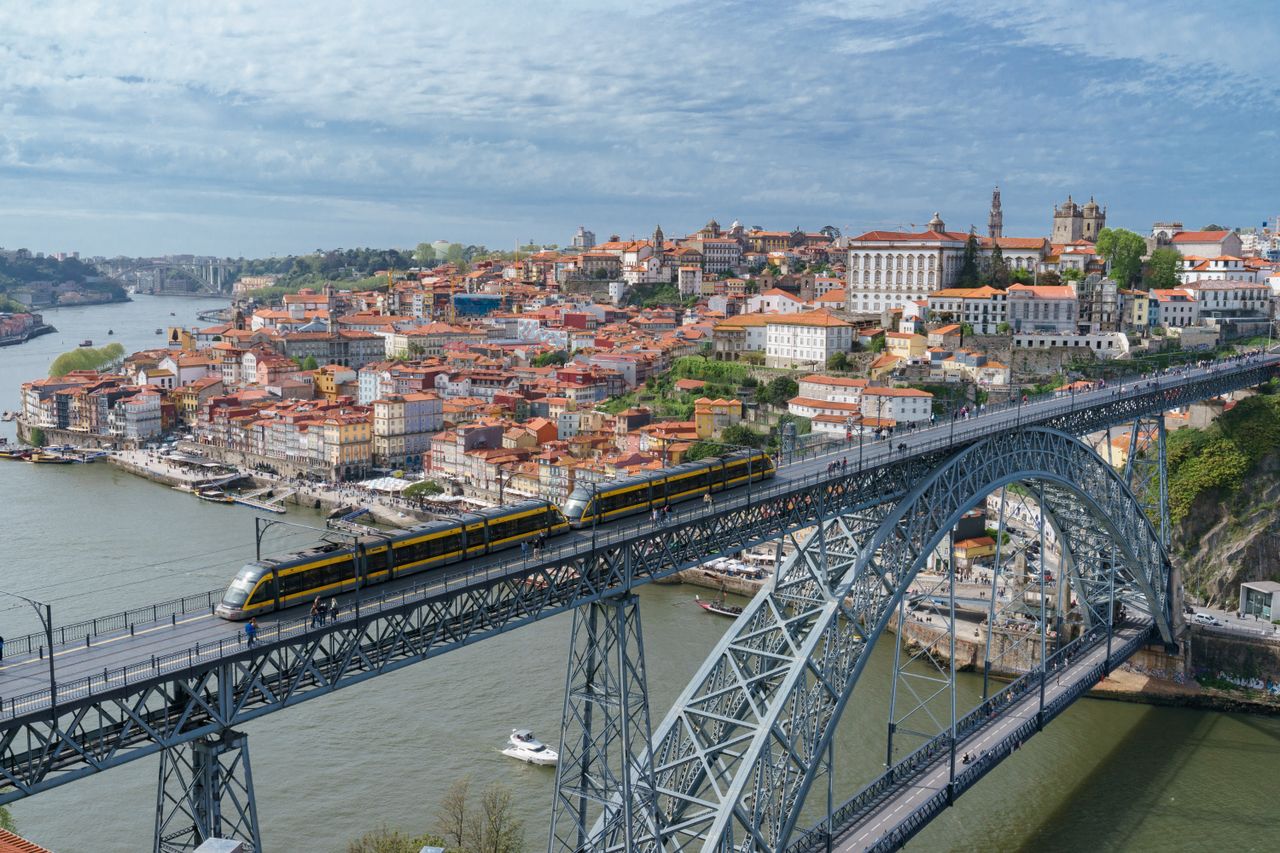
 PortoiPhoto: Krzysztof Golik · CC BY-SA 4.0 · Wikimedia Commons
A clear regional choice also makes your packing list more useful. Atlantic itineraries call for layers, water-resistant shoes, and easy beach access. City trips need comfortable walking shoes and a plan that balances outdoor neighborhoods with museums and dining. A summer beach route deserves swimwear and sun protection, while an autumn culture trip benefits from a light jacket for evenings. HolidayWow builds a packing list and checklist from your plan, month, and destination climate, keeping preparation connected to the route you chose.
- Choose a coastal or city-centered base
- Match the pace to your daily activities
- Add Atlantic layers for the coast
- Build indoor stops into changeable months
- Keep swimwear and sun protection ready
LisboniPhoto: tjabeljan · CC BY 4.0 · Wikimedia CommonsPortoiPhoto: Krzysztof Golik · CC BY-SA 4.0 · Wikimedia Commons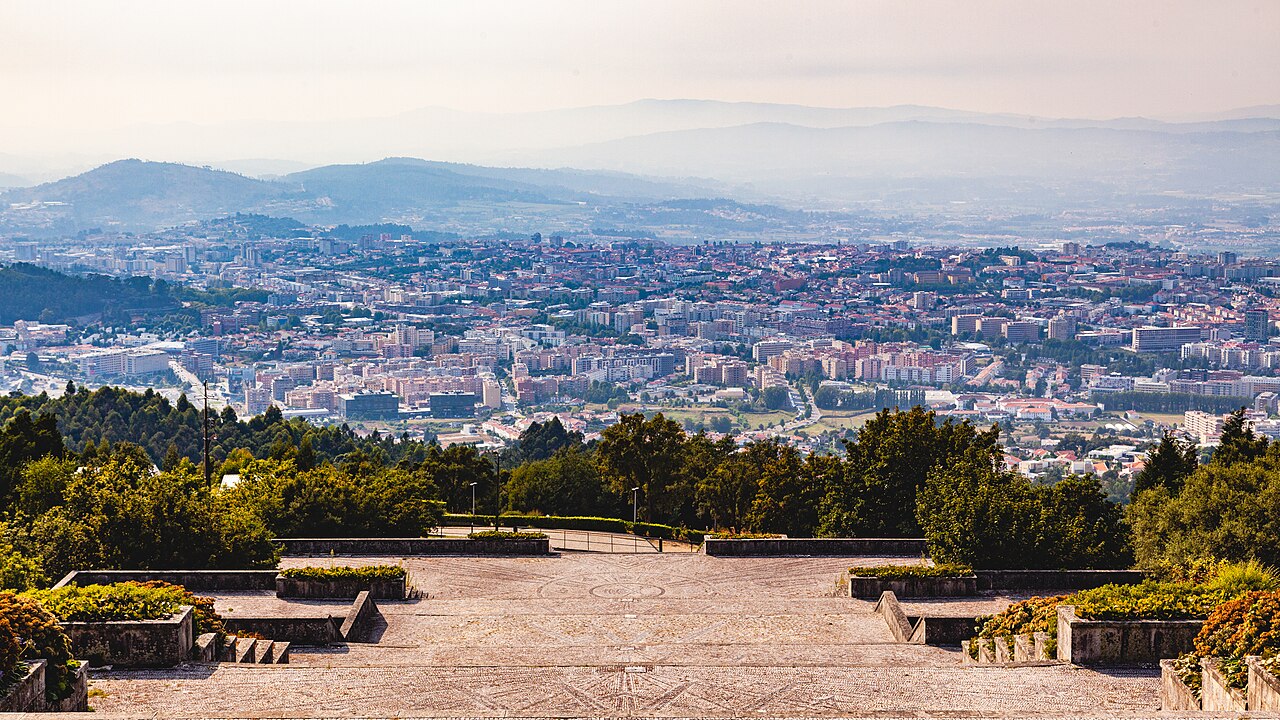
Best time to travel in Portugal
In Portugal, the best time for a trip is June to September, with daytime highs up to 74 °F.
Everything about a trip in PortugalWeather in Portugal month by month
- January59 °F
- February59 °F
- March61 °F
- April63 °F
- May67 °F
- June70 °F
- July73 °F
- August74 °F
- September73 °F
- October70 °F
- November64 °F
- December60 °F
Turn Your Preferred Month Into a Practical Portugal Plan
Start by describing the trip you want in one sentence or by voice. You can name Portugal, the month, the number of travelers, the pace, and your interest in beaches, food, culture, or scenery. HolidayWow reads those details and places each day on a map. Every stop appears as a pin, each day becomes a route, and every travel leg is shown within the plan. That layout makes it easier to see when a day is ambitious and when another base would create a more comfortable rhythm.

Flight times to Portugal
- from Boston6 h 26nonstop
- from New York JFK6 h 46nonstop
- from Newark6 h 47nonstop
- from Miami8 h 12nonstop
Your plan remains editable. You can drag a stop to another day, swap a place, or lighten the pace after checking conditions for your dates. Live weather appears on the day cards when you add dates, while the climate guide helps with longer-range month selection. The page also presents live partner prices for stays, tours, and transport, with booking links in your language and currency. From New York, Portugal is 3,358 miles away, and the same distance tools place your starting point in the trip context.
Flight times to Portugal
- from Boston6 h 26nonstop
- from New York JFK6 h 46nonstop
- from Newark6 h 47nonstop
- from Miami8 h 12nonstop
Build the Trip Around Comfortable Daily Movement
A strong Portugal itinerary gives each destination a clear purpose. Use Lisbon for neighborhoods, landmarks, and the waterfront. Use Porto for the river, port cellars, food, and nearby scenery. Give the Algarve time for beaches and coastal viewpoints, then consider a northern stop if your trip has room. The distance can feel large on a map, so a focused route creates more satisfying days than a collection of quick changes.
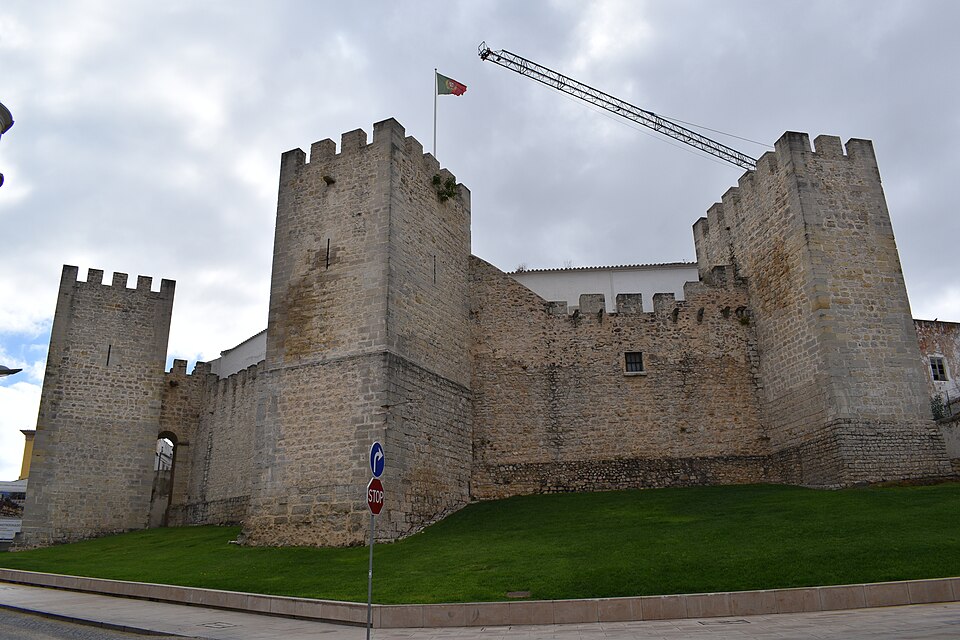
The weather works best when your daily plan includes a reliable anchor. Start with a walk, museum, meal, or beach session, then place the more weather-sensitive activity in the strongest part of the day. Summer travelers can protect the midday pause, while travelers in wetter months can anchor plans around Lisbon or Porto’s indoor attractions. HolidayWow’s relaxed, balanced, and packed paces help you shape the amount of daily movement. The plan checker then reorders each day after a change, keeping your route workable as the trip develops.
Already started
Your trip in Portugal
- 74 °F by day in August
- from New York JFK about 6 h 46
Day 1
Arrival in Lisbon
Flight from New York JFK in 6 h 46, nonstop. Settle in, first evening by the harbor or in the center.

Day 2
Parque Eduardo VII
Start early; bring water and sturdy shoes.
Day 3
Boca do Inferno
Start early; bring water and sturdy shoes.
Day 4
Naturreservat Tejo-Mündung
Start early; bring water and sturdy shoes.
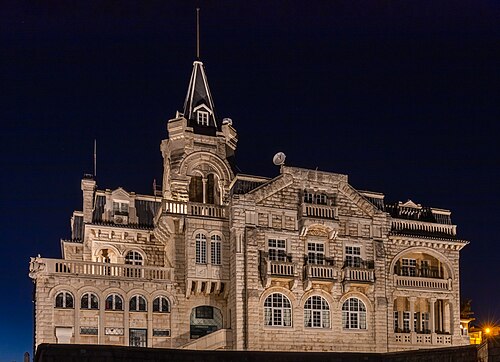 iPhoto: Diego Delso · CC BY-SA 4.0 · Wikimedia Commons
Day 5
On to Cascais
A new base for the next few days; explore Cascais on foot.
Day 6
National Hunting Park of Mafra
Start early; bring water and sturdy shoes.
Day 7
Last morning and flight home
One last walk, then back to New York JFK.
Look around without an account; sign in to save.
Weather in Portugal: frequently asked questions
What is the best month to visit Portugal?
May and June suit sightseeing and outdoor touring, while July and August suit travelers seeking the warmest days and extended beach time. September adds 73 °F average daytime temperatures with space for coastal activities and cultural stops. Choose from the month that best matches your main activities.
Which Portuguese month has the most sunshine?
July records 12 sunshine hours, 73 °F average daytime temperatures, and 1 rain day in the climate data. It is a strong choice for the Algarve, Lisbon coast, and northern beaches. The month also supports evening walks, outdoor dining, and full days around the coast.
When is Portugal best for walking and sightseeing?
April, May, and June give sightseeing travelers a useful mix of mild daytime temperatures and increasing sunshine. Lisbon, Porto, Sintra, Braga, Coimbra, and the Douro Valley all reward slow touring. Add coastal paths and outdoor meals where the route stays compact.
Is Portugal a good winter vacation destination?
Portugal works well for winter city breaks, food trips, and cultural travel. January averages 59 °F during the day and 52 °F at night. A city base gives you access to museums, historic neighborhoods, dining, and nearby countryside, while layers support walks beside the Atlantic.
What is the best month for the Algarve?
June through September gives the Algarve the strongest warm-weather foundation. June supports sightseeing and beach days, July brings the highest sunshine figure, August has the warmest daytime average, and September stays warm with more room for a flexible itinerary.
Can I plan a Portugal trip around live weather?
Yes. Describe the destination, month, group, and pace in HolidayWow, then add dates when ready. Each day card can show live weather, and you can move stops, swap places, or lighten a day after checking the forecast. Climate data also supports planning before exact dates are set.
How can I compare prices for a Portugal vacation?
HolidayWow brings live partner prices for stays, tours, transport, and flights into your plan. The page checks current listings and shows a live-price action when appropriate. You can compare options through the trip, add price watch for selected experiences, and share the plan with your group.


Your next trip
Plan your vacation in Portugal

Describe your trip in one sentence. When, who with and what matters to you.