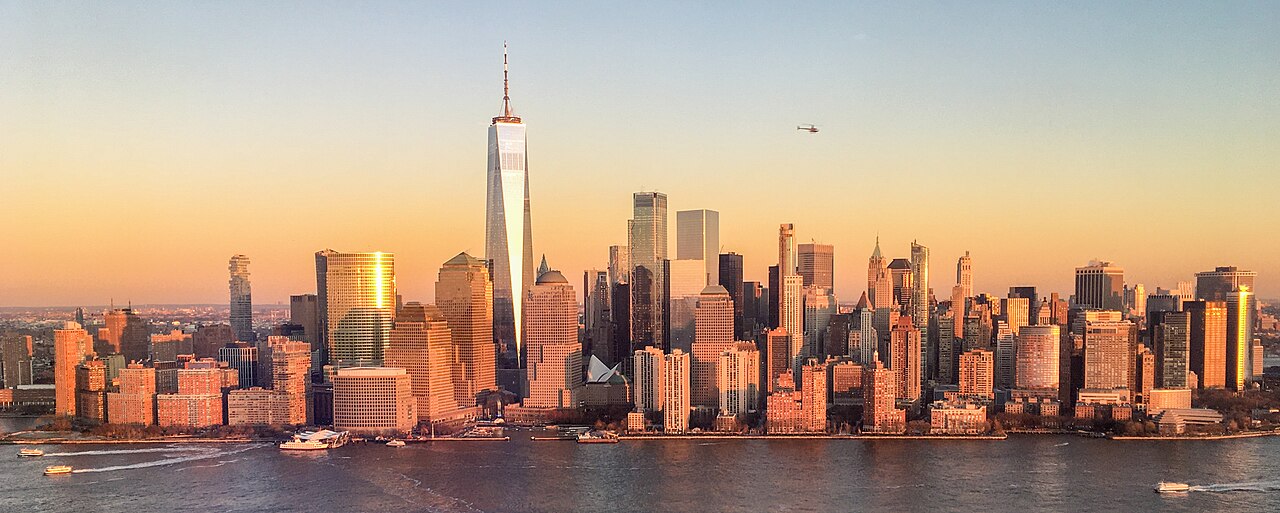
November: 53 °F by day
New York City weather and the best time to visit
Published October 12, 2026 · HolidayWow editors · Written with AI, numbers checked against our data ·
The best time to visit New York City depends on your priorities. April, May, September, and October bring comfortable daytime temperatures for sightseeing, while July and August offer the warmest days for outdoor plans. Winter brings colder temperatures and a strong atmosphere of holiday lights, theater, and indoor attractions.
In New York City, the best time for a trip is June to October, with daytime highs up to 80 °F.
Weather looks good?7 days in New York City in August, Beach and hiking, from Chicago O'Hare on your own
Plan a trip
Now in New York City
45 °F
Clear
Wind 8 mph, Humidity 69%
As of 20:57 local time
The next 7 days
- Today
 45° / 42°Fair
- Tomorrow
 56° / 37°Sunny
- Wednesday59° / 41°Sunny
- Thursday60° / 38°Sunny
- Friday62° / 43°Sunny
- Saturday
 58° / 42°Cloudy
- Sunday60° / 49°Cloudy
Choose spring for comfortable city days
April, May, and June give you a practical balance for walking through Manhattan, exploring Central Park, and spending time in neighborhoods beyond Midtown. April averages 54 °F during the day and 44 °F at night. May reaches 63 °F by day and 53 °F at night, with longer daylight hours that make outdoor itineraries easier to shape.
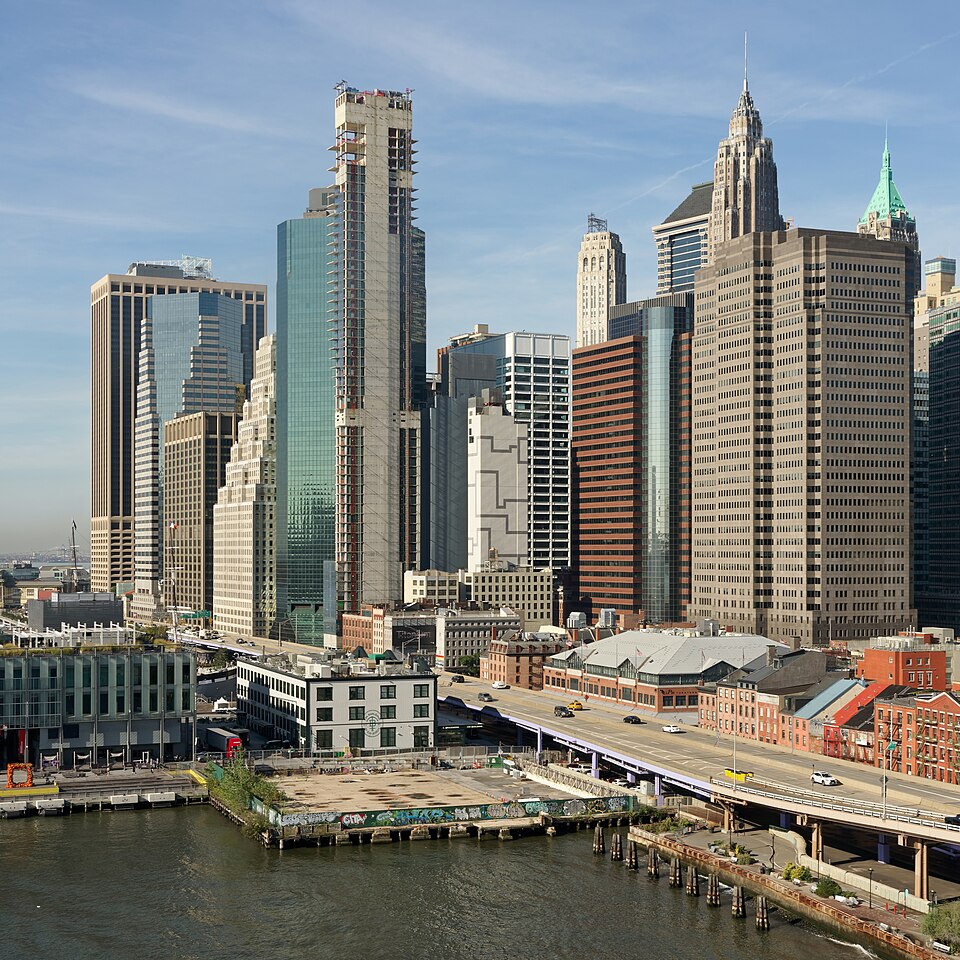
May is particularly good for visitors who want to combine major attractions with relaxed walks. The city has museums, markets, parks, and waterfront paths across its five boroughs, so a little planning helps you keep each day comfortable. Keep a light layer nearby because spring evenings can feel cooler than the daytime temperature suggests.
- Visit Central Park with a flexible route
- Pair one museum day with neighborhood walks
- Use May for longer daylight planning
Make summer work for parks, food, and festivals
July is the warmest month, with an average daytime temperature of 80 °F and nighttime temperature of 71 °F. August stays close at 79 °F by day and 70 °F at night. These months suit travelers who want outdoor dining, rooftop views, harbor walks, and a full calendar of cultural events.
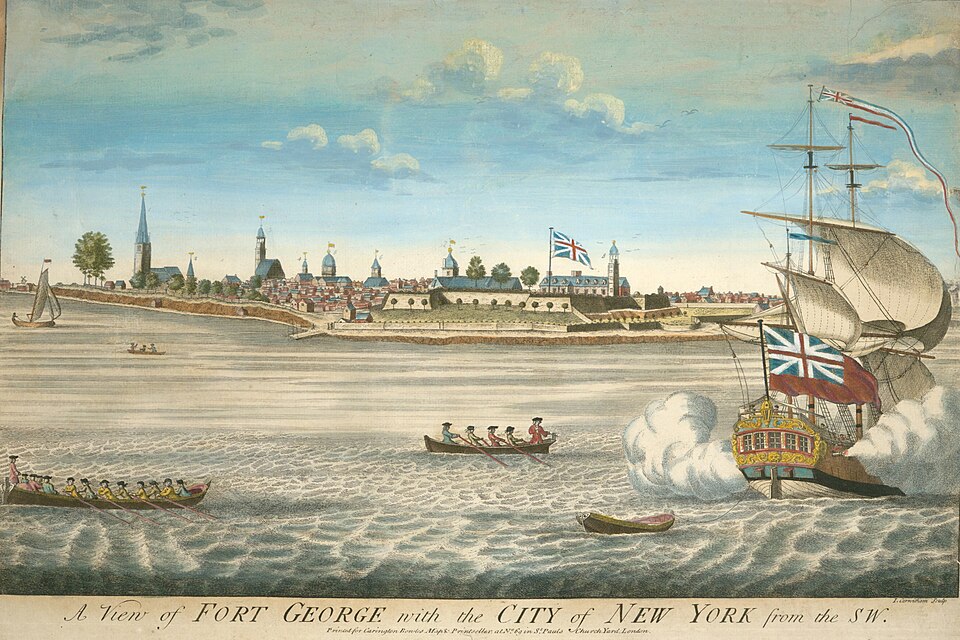 iPhoto: John Carwitham / William Burgis · Public domain · Wikimedia Commons
Summer also calls for a steady pace. July has 15 rain days in the climate data, while August has 13, so keep indoor choices ready for part of each day. The forecast data can guide your timing, while the map helps you keep attractions in the same borough and reduce unnecessary movement.
- Start outdoor walks earlier in the day
- Keep one indoor stop nearby
- Group attractions by borough
iPhoto: John Carwitham / William Burgis · Public domain · Wikimedia Commons
What's the weather like in New York City in November?
In November, days in New York City average 53 °F and 44 °F at night. In December, days in New York City average 45 °F and 36 °F at night.
- November53°44 °F at night5 hours of sun a day
 8 rain days
- December45°36 °F at night4 hours of sun a day11 rain days
| Month | Jan | Feb | Mar | Apr | May | Jun | Jul | Aug | Sep | Oct | Nov | Dec |
|---|---|---|---|---|---|---|---|---|---|---|---|---|
| Day °F | 39 | 40 | 45 | 54 | 63 | 73 | 80 | 79 | 74 | 64 | 53 | 45 |
| Night °F | 30 | 30 | 35 | 44 | 53 | 63 | 71 | 70 | 64 | 55 | 44 | 36 |
| Sun h/day | 4 | 5 | 6 | 7 | 8 | 9 | 9 | 8 | 7 | 6 | 5 | 4 |
| Rain days | 10 | 10 | 10 | 11 | 12 | 13 | 15 | 13 | 10 | 9 | 8 | 11 |
Plan a seven-day New York City itinerary
A seven-day visit gives you room to see the city beyond a checklist. Spend one day in Midtown around the Empire State Building, Grand Central Terminal, and the Rockefeller Center area. Add another day for the Metropolitan Museum of Art and a walk along the edge of Central Park.
 New YorkiPhoto: King of Hearts · CC BY-SA 4.0 · Wikimedia Commons
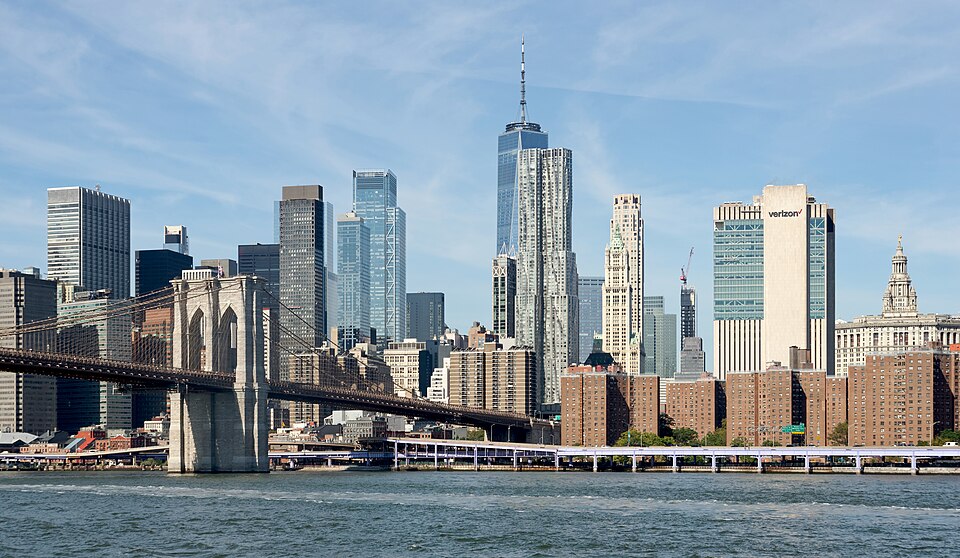 ManhattaniPhoto: Jakub Hałun · CC BY 4.0 · Wikimedia Commons
Use the Brooklyn Bridge and DUMBO for a waterfront day, then choose a museum or neighborhood food stop nearby. Reserve separate days for Lower Manhattan, the Statue of Liberty area, and a Bronx outing such as the Bronx Zoo or a walk through a major park. A relaxed pace works well when you are moving between neighborhoods with children or a group.
- Day one: Midtown landmarks and Central Park
- Day two: museums and a relaxed neighborhood meal
- Day three: Brooklyn Bridge and DUMBO
- Day four: Lower Manhattan
- Day five: the Bronx
- Day six: a chosen neighborhood day
- Day seven: a flexible day for repeats and photos
New YorkiPhoto: King of Hearts · CC BY-SA 4.0 · Wikimedia CommonsManhattaniPhoto: Jakub Hałun · CC BY 4.0 · Wikimedia CommonsUse fall for walks, harbor views, and changing colors
September and October are strong choices for a trip centered on walking, waterfront views, and autumn color around the city and nearby parks. September averages 74 °F during the day and 64 °F at night. October cools to 64 °F by day and 55 °F at night, creating comfortable conditions for sightseeing and outdoor photography.
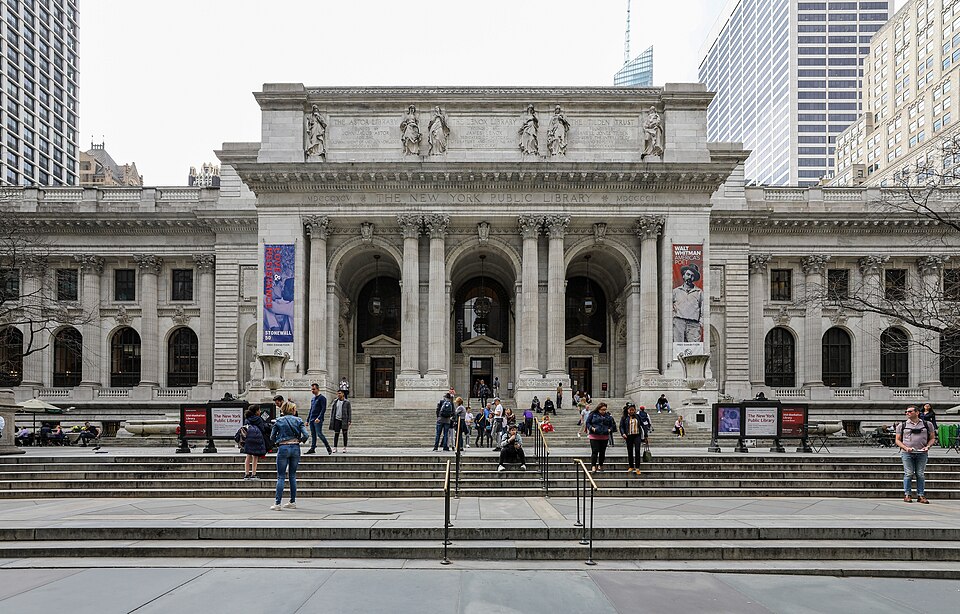 iPhoto: bryansjs · CC BY-SA 2.0 · Wikimedia Commons
October also suits travelers who enjoy a full city experience with a seasonal mood. The temperature range supports visits to Central Park, the High Line, and waterfront areas, while indoor museums and theaters provide flexible alternatives. The HolidayWow planner can place each day on the map so you can adjust the order when the weather changes.
iPhoto: bryansjs · CC BY-SA 2.0 · Wikimedia Commons
Best time to travel in New York City
In New York City, the best time for a trip is June to October, with daytime highs up to 80 °F.
Everything about a trip in New York CityWeather in New York City month by month
- January39 °F
- February40 °F
- March45 °F
- April54 °F
- May63 °F
- June73 °F
- July80 °F
- August79 °F
- September74 °F
- October64 °F
- November53 °F
- December45 °F
Choose winter for a focused city break
January is the coolest month, with average daytime temperatures of 39 °F and nighttime temperatures of 30 °F. December is similar, with daytime and nighttime averages of 45 °F and 36 °F. Winter is a good match for travelers who want Broadway, museums, restaurants, holiday markets, and a deliberate pace through the city.

Build each day around one main district and add indoor experiences. You can pair a morning in a museum with an afternoon in Greenwich Village, or spend a day around Rockefeller Center and nearby dining. A colder month rewards a plan with clear priorities and plenty of places to pause.
Let the planner match the season to your trip
Describe New York City, your dates or month, the people traveling, and your preferred pace in one sentence. HolidayWow reads the place, timing, group, and budget from your request, then builds an editable map plan. You can choose a relaxed, balanced, or packed pace and change individual days as your plans take shape.

 iPhoto: Jim.henderson · CC BY-SA 4.0 · Wikimedia Commons
The app is free to download and to plan with. Its climate information covers daily and nighttime temperature, sunshine hours, and rain days for every month, using NASA POWER and NOAA OISST data. Add exact dates when you are ready, then use live weather and live partner prices through the plan.
For a first visit, a balanced pace gives you enough structure without making every day feel scheduled. Keep your home airport in mind when comparing travel options: New York is 753 miles from Atlanta, 725 miles from Chicago, and 192 miles from Boston.
- Set the month before choosing daily stops
- Choose a pace that matches your group
- Add dates for live weather and partner prices
- Keep the plan editable as your plans change
iPhoto: Jim.henderson · CC BY-SA 4.0 · Wikimedia CommonsAlready started
Your trip in New York City
- 79 °F by day in August
 from Chicago O'Hare about 1 h 56
Day 1
Arrival in Manhattan
Flight from Chicago O'Hare in 1 h 56, nonstop. Settle in, first evening by the harbor or in the center.
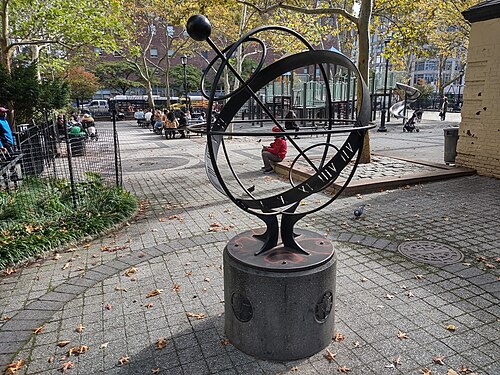 iPhoto: Jim.henderson · CC BY-SA 4.0 · Wikimedia Commons
Day 2
St. Catherine's Park
Start early; bring water and sturdy shoes.
 iPhoto: Jim.henderson · CC BY 4.0 · Wikimedia Commons
Day 3
Hell's Kitchen Park
Start early; bring water and sturdy shoes.
 iPhoto: Jim.henderson · CC BY-SA 4.0 · Wikimedia Commons
Day 4
Court Square Park
Start early; bring water and sturdy shoes.

Day 5
On to Brooklyn
A new base for the next few days; explore Brooklyn on foot.
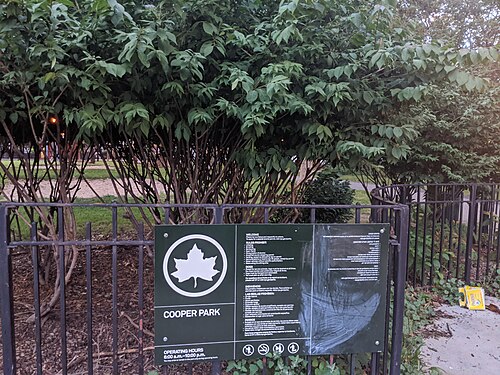 iPhoto: SnowFire · CC BY 4.0 · Wikimedia Commons
Day 6
Cooper Park
Start early; bring water and sturdy shoes.
Day 7
Last morning and flight home
One last walk, then back to Chicago O'Hare.
Look around without an account; sign in to save.
Weather in New York City: frequently asked questions
What is the best time to visit New York City?
April, May, September, and October are strong choices for sightseeing because daytime temperatures are generally comfortable and outdoor plans have room to breathe. July and August suit travelers who want the warmest weather, while winter works well for theater, museums, restaurants, and holiday-season atmosphere.
Is New York City best in spring or fall?
Both seasons suit many visitors. Spring brings longer daylight hours and a gradual warming trend, while fall offers comfortable daytime conditions and autumn color. Choose spring for parks and lighter city days, or fall for waterfront walks, seasonal scenery, and a classic city atmosphere.
What is the warmest month in New York City?
July is the warmest month in the climate data, with an average daytime temperature of 80 °F and nighttime temperature of 71 °F. August follows closely at 79 °F during the day and 70 °F at night. Summer visitors should include indoor stops alongside outdoor plans.
Can I visit New York City in winter?
Yes. Winter rewards a focused itinerary built around Broadway, museums, restaurants, holiday markets, and neighborhood walks. January averages 39 °F during the day and 30 °F at night, so dress in layers and group nearby attractions together.
How can I plan New York City around the weather?
Start with the month, group, and pace you want, then place attractions in sensible geographic groups. HolidayWow turns a sentence or voice request into an editable map plan, with day cards that can change as the forecast and your interests develop. The app is free to download and to plan with.



Your next trip
Plan your vacation in New York City

Describe your trip in one sentence. When, who with and what matters to you.