Best time: May to October
Japan on a Budget: Plan a Smarter, More Affordable Vacation
Published October 8, 2026 · HolidayWow editors · Written with AI, numbers checked against our data ·
Japan rewards travelers who plan each base before choosing activities. Spend several nights in one city, travel by rail, mix neighborhood meals with memorable restaurant dinners, and choose a season that suits your priorities. A flexible itinerary also creates more savings than a fast route across the country.
In Japan, the best time for a trip is May to October, with daytime highs up to 85 °F.
7 days in Japan in September, Culture, from Los Angeles on your own
Plan a trip- Best time to go
- May to October
- Daytime high in August
- 85 °F
- Flight from San Francisco, nonstop
- about 10 h 01


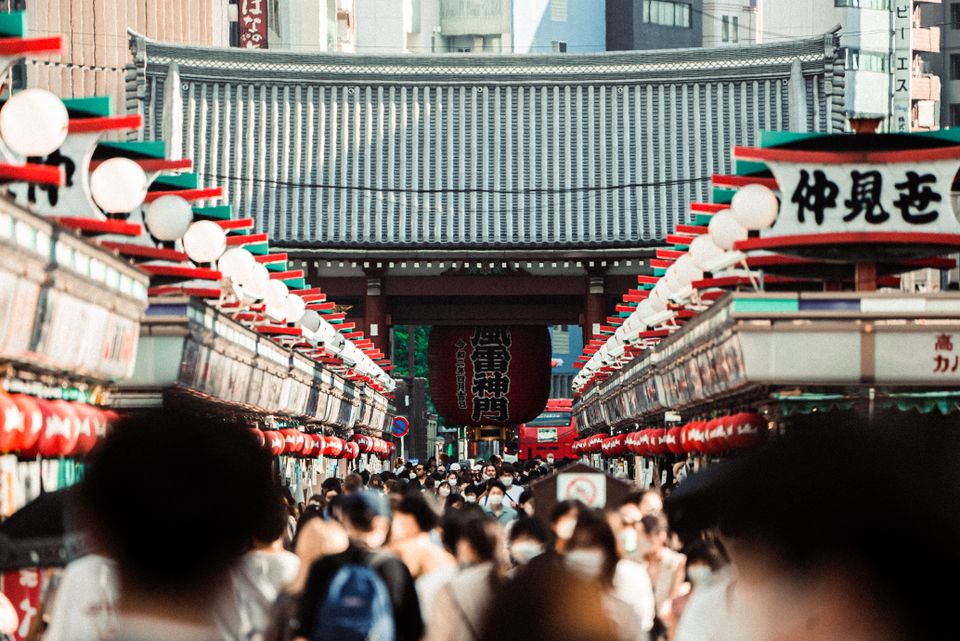
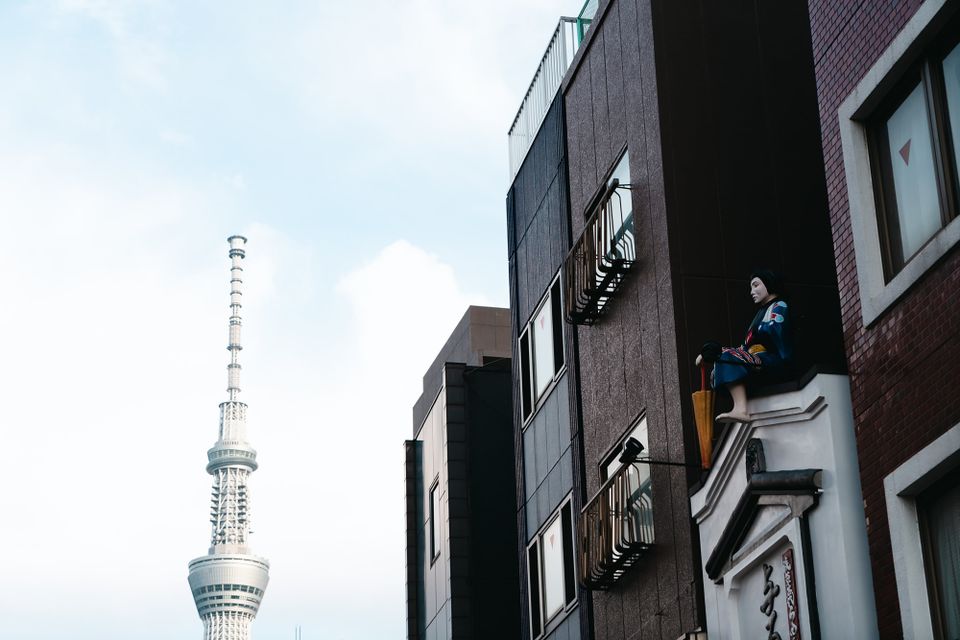
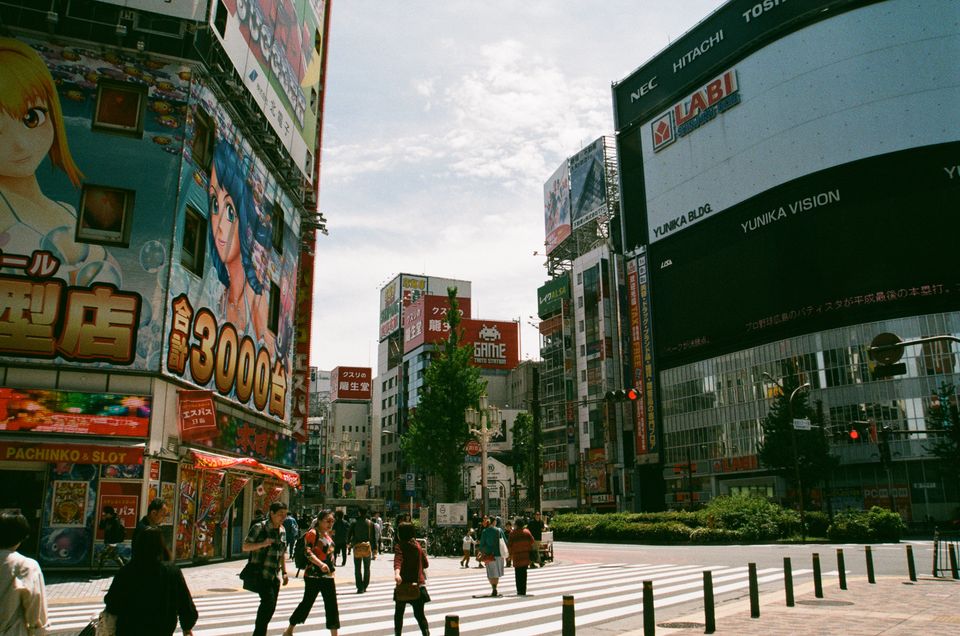
Japan at a glance
- What’s the vibe?
- A budget-friendly Japan trip begins with a smaller number of base changes. Staying in one neighborhood for several nights gives you time to learn the local train routes, nearby markets, inexpensive restaurants, and useful landmarks.
- Best time to go
- In Japan, the best time for a trip is May to October, with daytime highs up to 85 °F.
- How to get there?
- From San Francisco, you can be in Japan in about 10 h 01.
How to Build an Affordable Japan Vacation
A budget-friendly Japan trip begins with a smaller number of base changes. Staying in one neighborhood for several nights gives you time to learn the local train routes, nearby markets, inexpensive restaurants, and useful landmarks. It also reduces packing and settling-in time. Tokyo, Kyoto, and Osaka each reward a slower visit, while a carefully selected rural destination can provide access to scenery and traditional culture at a gentler pace.
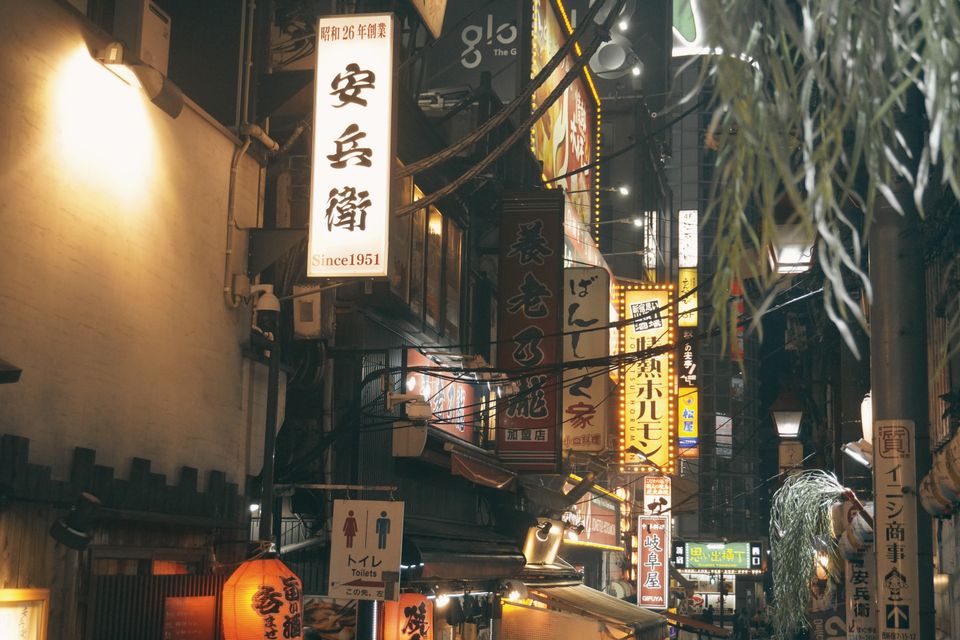
Your daily plan should balance famous sights with ordinary local experiences. Neighborhood food streets, public gardens, temples, walking districts, and small museums often create memorable days without turning every hour into another expense. Keep one flexible block in the itinerary. Weather and spontaneous recommendations can then shape the day without forcing the rest of the route to change.
Japan's climate varies widely through the year, so the best month depends on the kind of trip you want. Spring offers comfortable city touring, summer supports island and coastal trips, autumn brings crisp air for walks, and winter can work well for cities and snow regions. Checking seasonal conditions before booking helps you choose a trip that feels comfortable from arrival through departure.
Choose One Main Region and Add a Short Side Trip
For a first visit, Tokyo deserves several nights as a main base. From there, you can explore central neighborhoods, spend a day in Asakusa, visit shrines in outer districts, and see collections at museums such as the Tokyo National Museum. Staying near a rail station makes it easier to begin each day and return later without relying on a taxi for every outing.
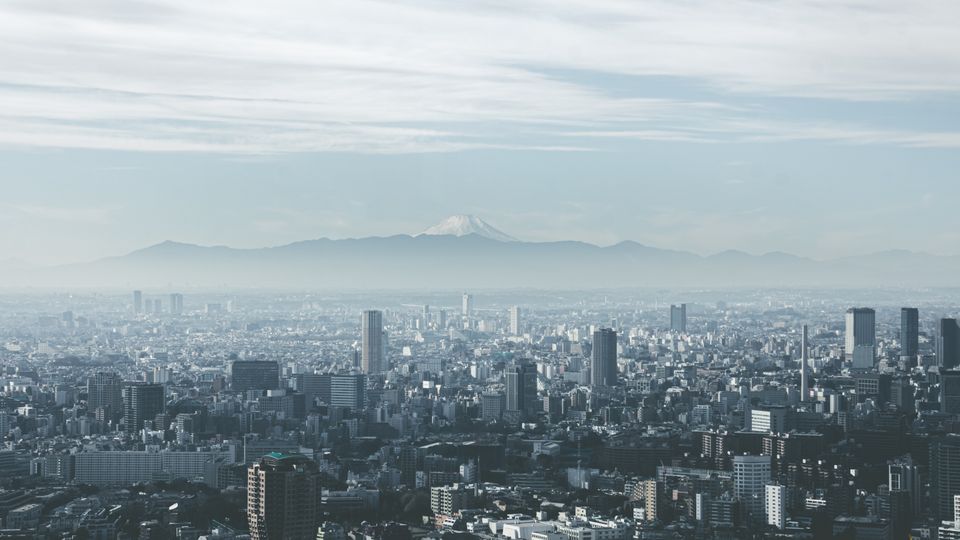 Tokyo
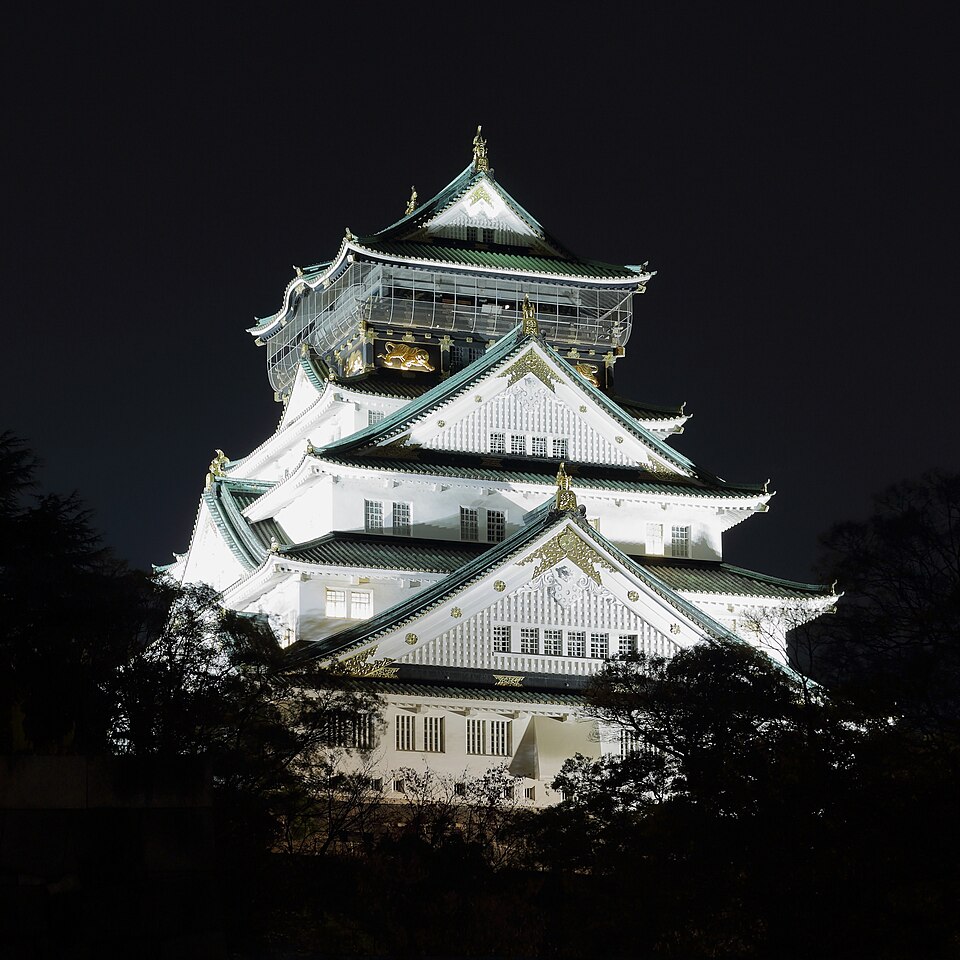 OsakaiPhoto: Martin Falbisoner · CC BY-SA 4.0 · Wikimedia Commons
Kyoto is an excellent alternative base, especially for travelers who want temples, traditional streets, gardens, and a calmer rhythm. Nishijin offers atmospheric lanes early in the day, while the Higashiyama district places many celebrated sights within a walkable area. Arashiyama is popular, so leaving it for an early start gives your morning more space and makes wandering part of the experience.
Osaka works well for travelers who enjoy energetic streets, food culture, and easy access to nearby destinations. From Osaka, you can make a day trip to Kyoto or Nara while keeping your main stay in one place. Add a short regional excursion rather than moving hotels several times. Your plan can show the route, the stops, and each day clearly, helping you judge whether an added destination genuinely supports your budget and pace.
TokyoOsakaiPhoto: Martin Falbisoner · CC BY-SA 4.0 · Wikimedia Commons
Make Rail Travel and Neighborhood Days Work Together
Japan is well suited to travelers who prefer rail-based itineraries. A city pass can be useful when your plan includes several days in the same urban area, while individual tickets may suit a route with a few regional trips. Compare the actual days in your plan rather than buying around an assumed journey. A clear route helps you recognize where rail connections save effort and where a local bus or walking route fits better.
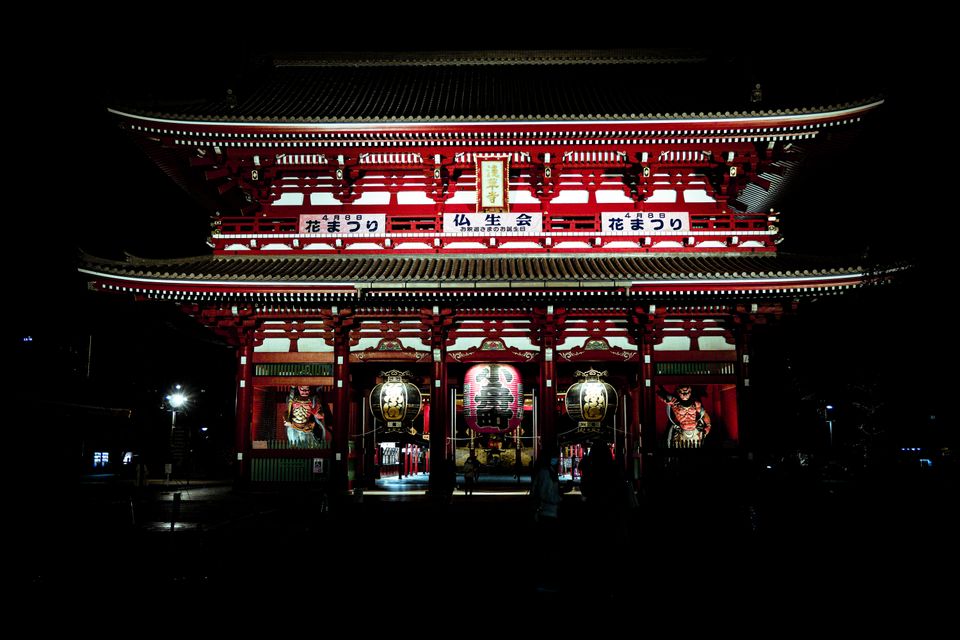
Within a city, mix trains and metro travel with walking and cycling. Many rewarding areas become more memorable when you arrive through local streets rather than racing between headline attractions. Start early at popular sites, then return to a central neighborhood for lunch at a casual restaurant. This approach supports longer discovery days while leaving space for a restful evening near your accommodation.
The planner can draw every day as a route, place stops on the map, and organize the legs. Choose the relaxed pace for one or two stops per day, or change individual days to a balanced rhythm. After moving a stop, the plan checker can reorder the day. That flexibility makes it easier to protect a meal, a rest, or an appointment without rebuilding the entire vacation.
Already started
Your trip in Japan
 79 °F by day in September
- from Los Angeles about 10 h 37
Day 1
Arrival in Osaka
Flight from Los Angeles in 10 h 37, nonstop. Settle in, first evening by the harbor or in the center.

Day 2
Arashiyama
Start early; bring water and sturdy shoes.
Day 3
Yoshino-yama
Start early; bring water and sturdy shoes.
Day 4
Mount Kongō
Start early; bring water and sturdy shoes.

Day 5
On to Kyoto
A new base for the next few days; explore Kyoto on foot.
Day 6
Hiei-zan
Start early; bring water and sturdy shoes.
Day 7
Last morning and flight home
One last walk, then back to Los Angeles.
Look around without an account; sign in to save.
Weather and climate in Japan
The warmest month is August, with 85 °F by day and 72 °F at night. The sunniest month is May, with 7 hours of sun a day.
| Month | Jan | Feb | Mar | Apr | May | Jun | Jul | Aug | Sep | Oct | Nov | Dec |
|---|---|---|---|---|---|---|---|---|---|---|---|---|
| Day °F | 43 | 45 | 53 | 62 | 71 | 77 | 83 | 85 | 79 | 69 | 58 | 48 |
| Night °F | 28 | 29 | 34 | 42 | 52 | 61 | 70 | 72 | 65 | 53 | 41 | 32 |
| Sun h/day | 4 | 4 | 5 | 6 | 7 | 5 | 5 | 7 | 5 | 5 | 5 | 3 |
| Rain days | 9 | 9 | 11 | 11 | 11 | 14 | 16 | 15 | 15 | 11 | 8 | 10 |
Weather in Japan month by month
- January43 °F
- February45 °F
- March53 °F
- April62 °F
- May71 °F
- June77 °F
- July83 °F
- August85 °F
- September79 °F
- October69 °F
- November58 °F
- December48 °F
Eat Well by Balancing Markets, Cafes, and Special Dinners
Budget planning begins with food that suits your party. Casual noodle shops, bakery sandwiches, rice bowls, market stalls, and neighborhood cafés can provide satisfying meals across a long trip. Eating where residents eat also brings you closer to the rhythm of the neighborhood. A breakfast from a station bakery and a lunch from a market counter are simple ways to keep the day flexible.

Plan a few memorable restaurant experiences rather than making every meal a reservation. One polished dinner, a market visit, or a seasonal specialty can define a city visit while plenty of other meals remain approachable. Tokyo's outer food districts, Kyoto's kitchen streets, and Osaka's energetic food culture all reward a mix of planning and curiosity.
Food allergies and dietary needs deserve early attention. Research menus in English when needed, save useful Japanese phrases, and confirm restaurant arrangements where necessary. The planner keeps stops, days, and reservations connected, so a restaurant choice can influence the rest of that day's route. You can also keep the budget in your home currency, watch selected experiences, and split shared costs when traveling as a group.
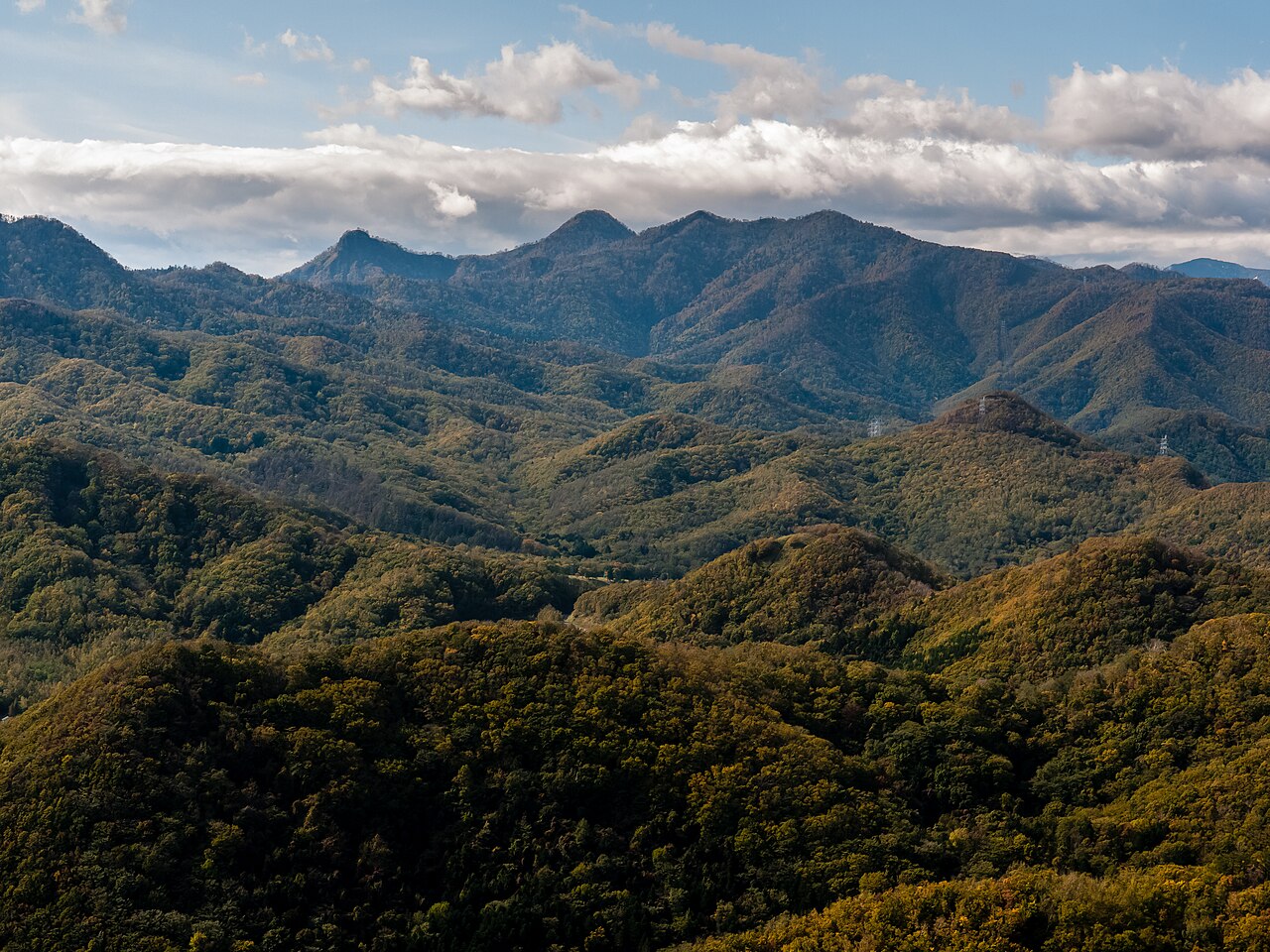
Pick the Season That Matches Your Priorities
For comfortable urban sightseeing, spring and autumn offer a clear rhythm for walking between temples, museums, parks, and train stations. March is milder than winter, while April and May warm further. Autumn begins in September and brings cooler conditions useful for active days. Seasonal leaves and garden displays can shape your route, so place the most popular outdoor sights where they work well with the forecast and your chosen pace.
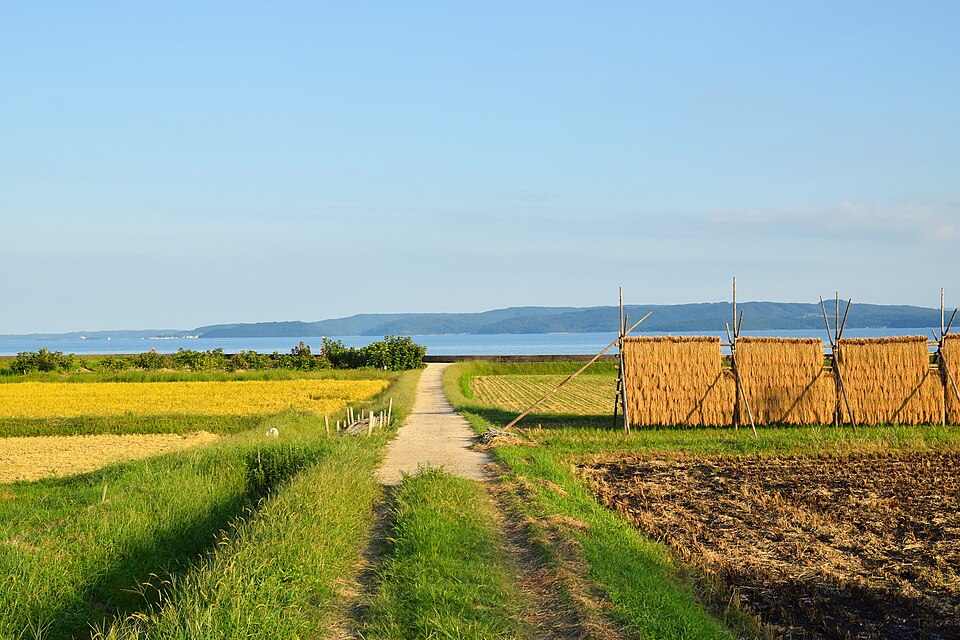
Summer brings warm and humid conditions to much of central Japan, along with opportunities for coastal trips and island escapes. Japan also has cooler mountain and highland areas where summer can feel pleasant. Winter serves city travelers well and opens access to snow regions. Kyoto in particular offers a notable winter atmosphere when gardens and temple grounds receive light snow, so request morning time in less busy viewing areas and build warming meal stops into the day.
Spring break, summer vacation, Thanksgiving, and Christmas break are common US planning periods. Check the dates that suit your family before committing to a route. A trip built around a fixed school calendar benefits from flexible stays and a clear daily plan. Dates can be added later in HolidayWow, after which day cards display the correct weekday, live weather, and live prices for the trip.
A Three-Day and Seven-Day Route for First-Time Visitors
A three-day Tokyo plan keeps the pace grounded. Begin with Asakusa and nearby heritage streets, then use the afternoon for a museum or central neighborhood such as Ueno or Harajuku. Reserve another day for Shimokitazawa, Yoyogi Park, and a western district, with a local café or neighborhood dinner between them. Keep the final day central to your accommodation so airport or station transfers stay simple.
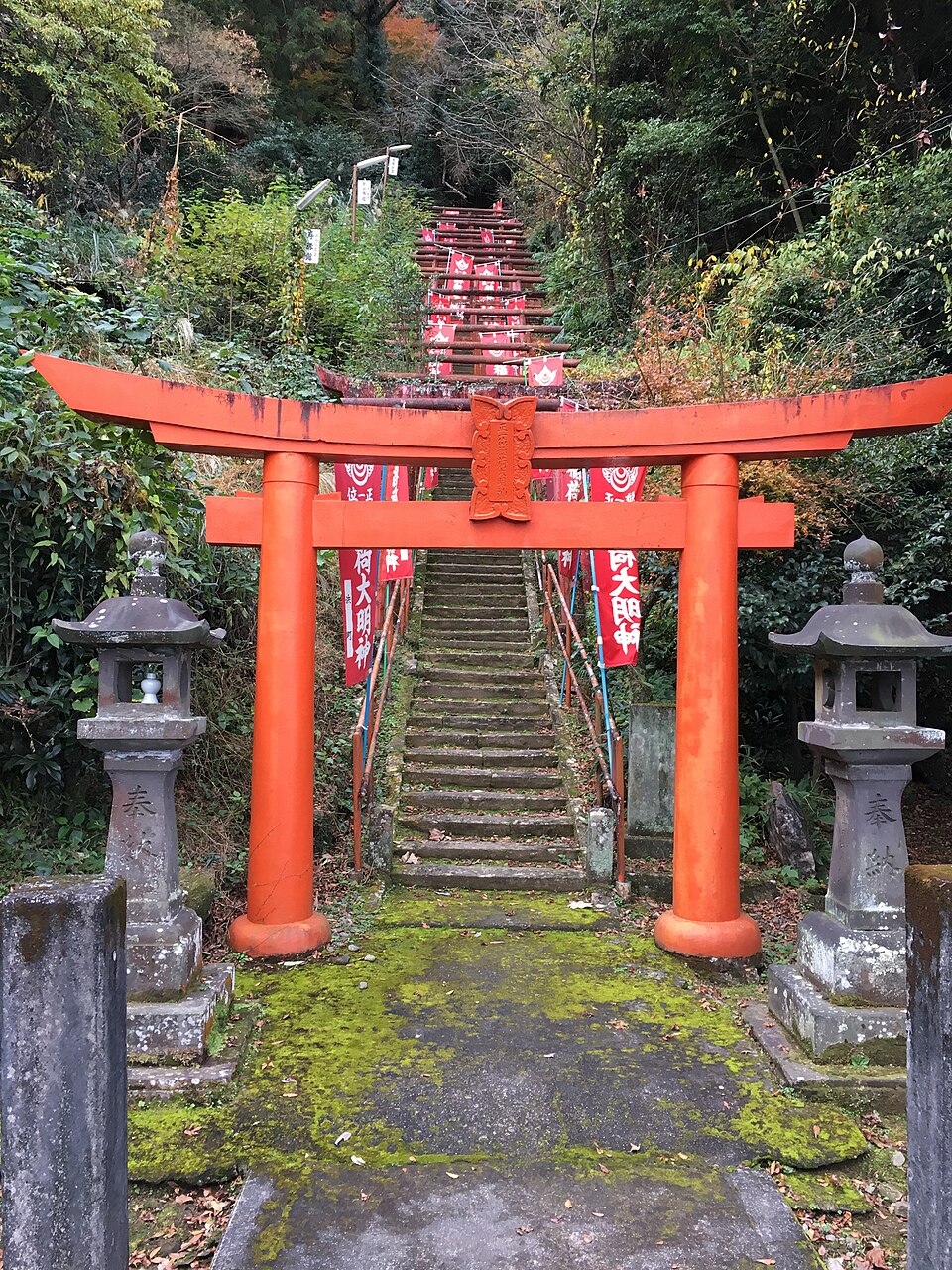

A seven-day trip works well with one Tokyo base followed by Kyoto. Give Tokyo four nights and Kyoto three. Use a train transfer as part of the journey rather than a rushed change, then plan a relaxed Kyoto arrival, a day in Higashiyama, a morning in Arashiyama, and a final flexible day. Nara can replace part of this outline when you value temples, deer, and an easy day outside the main city.
For a seven-day version that includes Osaka, divide the route between Tokyo, Kyoto, and Osaka without changing hotels every day. The planner can reorder stops after an edit, while the relaxed pace helps preserve travel days for settling in. The trip film presents the flight arc, bases, and days together, giving your travel party a clear way to review the whole route before departure.
Getting there
The quickest way is from San Francisco: you're in Japan in about 10 h 01 on a nonstop flight. Nonstop flights leave from 4 US airports. The nearest airport is Tokyo Haneda International Airport (HND), 217 miles away.
- HNDTokyo Haneda International Airport217 miles to the destination
- NGOChubu Centrair International Airport47 miles to the destination
| From | Flight time | To | Nonstop flight |
|---|---|---|---|
| San Francisco SFO | about 10 h 01 | HND | Nonstop |
| Los Angeles LAX | about 10 h 37 | HND | Nonstop |
| Chicago O'Hare ORD | about 12 h 06 | HND | Nonstop |
| New York JFK JFK | about 12 h 58 | HND | Nonstop |
| Seattle SEA | about 9 h 22 | HND | |
| Denver DEN | about 11 h 14 | HND | |
| Dallas/Fort Worth DFW | about 12 h 24 | HND | |
| Boston BOS | about 12 h 53 | HND | |
| Newark EWR | about 12 h 56 | HND | |
| Atlanta ATL | about 13 h 10 | HND | |
| Orlando MCO | about 13 h 54 | HND | |
| Miami MIA | about 14 h 14 | HND |
Flight times estimated from the distance, nonstop routes from OpenTravelData.
Travel advice for Japan
The current advice on safety, health and entry is published in full by the U.S. Department of State. Check it before you book and again shortly before you leave.
Save on the Extras Without Cutting the Character From Your Trip
A thoughtful budget protects the experiences you value most. Decide which tickets, meals, and premium activities are central to the vacation, then use neighborhood and self-guided days for the rest. Some famous attractions sell timed tickets, so check booking guidance before setting that day. A reservation page for a special experience can sit beside the other stops instead of becoming a separate planning project.
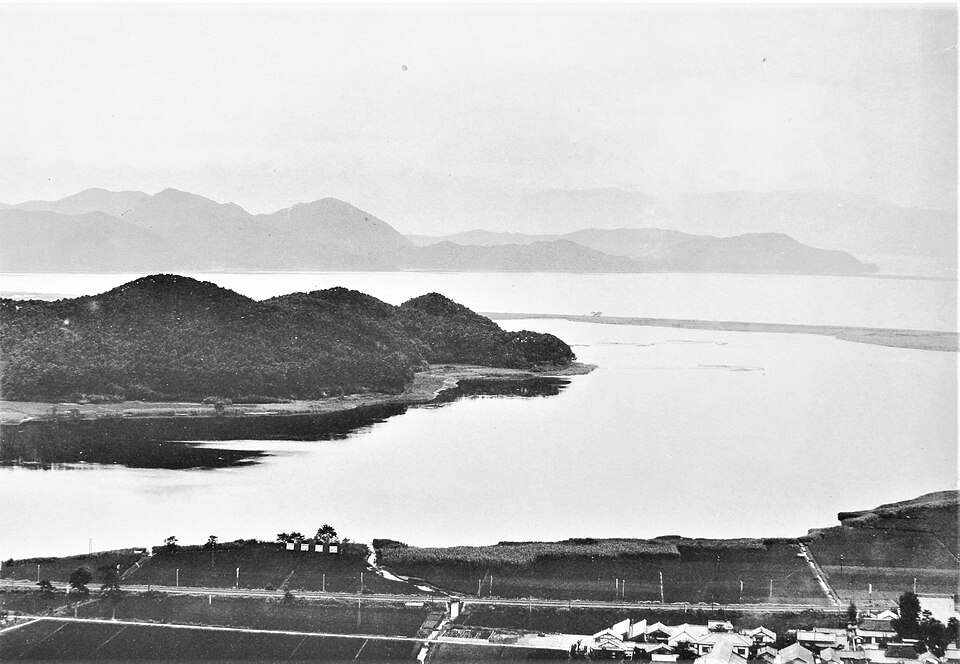
The same approach works with accommodation. Compare the location and features of a stay rather than focusing on the room alone. Staying just outside the most central district can place you near a major station and support convenient meals and trains. In Japan, the practical base matters as much as the neighborhood, especially when your group plans to explore on foot each day.
Live partner information helps with decisions about stays, tours, and transport. The page can show current partner prices in USD, and you can use a check live price action when you want to view the latest option. Prices are kept live rather than written into the plan as estimates. This lets you choose while the route and dates remain visible beside the current booking information.
Plan the Route, Costs, and Documents in One Place
Start by telling HolidayWow, “A week in Japan on a budget with a relaxed pace.” You can enter the request by sentence or voice. The planner reads the destination, group, timing, and travel style, then creates a map-based plan. You can move a stop, swap an activity, or lighten a demanding day, and the plan checker reorders the route after each change.
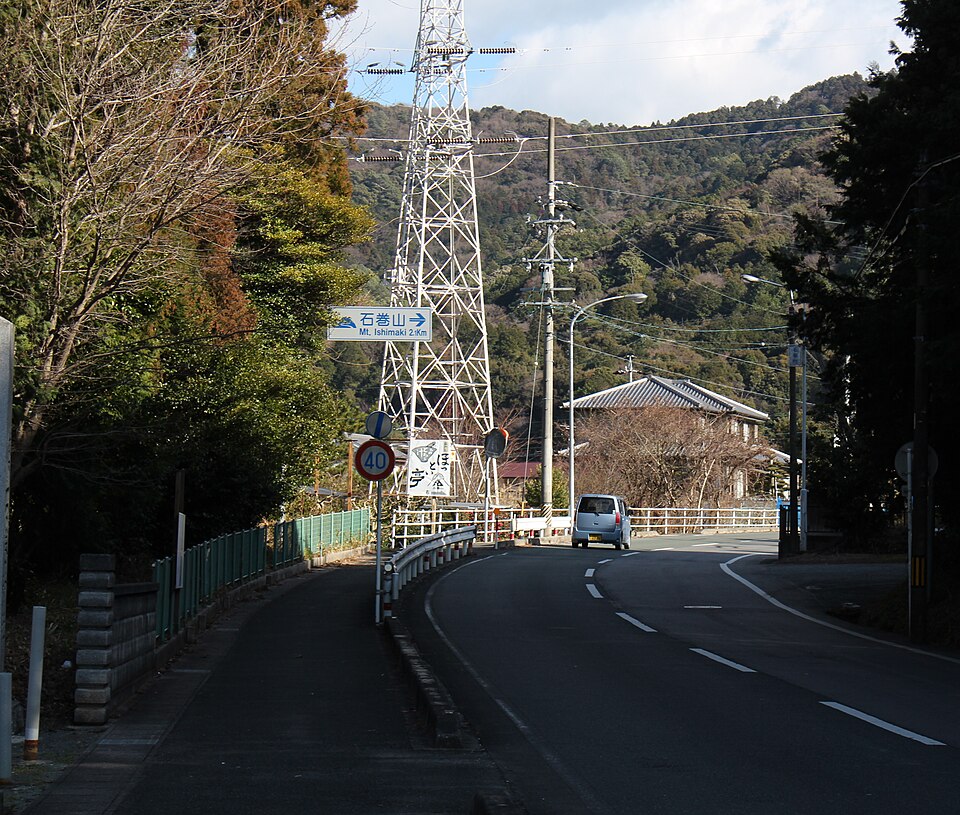
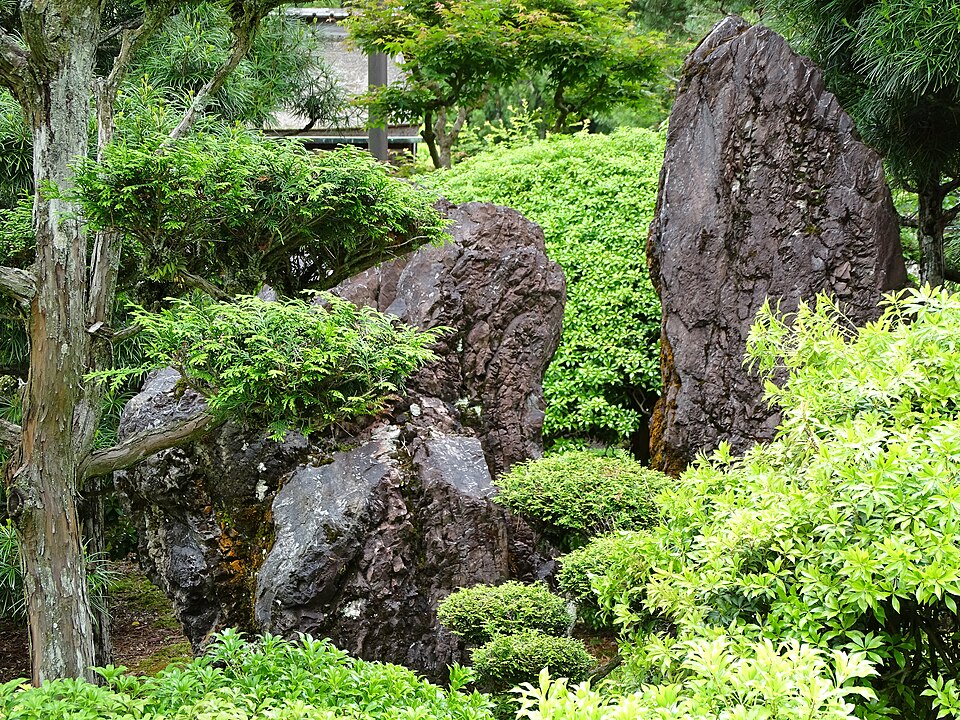
Sharing makes the same itinerary useful to everyone in your group. A single link opens the plan, with roles for viewing and editing. Companions can comment and vote on options before decisions are made. The budget supports price watch and cost splitting, while the packing list and checklist draw on the route, month, and climate. Your passports, tickets, and confirmations stay with the trip in the document vault.
Distances from several US airports help frame the route, but the long-haul portion should stay flexible around a good fare and schedule. Seattle is 4,969 miles from Japan, San Francisco is 5,343 miles, Los Angeles is 5,672 miles, and New York is 6,878 miles. The app is free to download and to plan with, so you can build and adjust the trip before moving into partner booking links.
Japan: frequently asked questions
How can I plan Japan on a budget?
Choose one or two main bases, use rail routes that support your sightseeing, and plan a mix of neighborhood meals and special dinners. Review the route and stay locations in HolidayWow, then use live partner prices and booking links. Keeping several nights in each area reduces hotel changes and makes daily travel easier to manage.
What is the best way to see Japan with less expense?
Pair famous sights with parks, museums, neighborhood markets, temples, and walking districts. Choose a relaxed pace with one or two main stops per day, then leave a flexible block for a nearby experience. This creates room to adjust around opening schedules, meals, weather, and the energy of your group.
Should I travel through Japan using a rail pass?
It depends on the route and the number of journeys in each city. A multi-day stay in Tokyo or Kyoto may favor a city-based pass, while a shorter itinerary can be simpler with individual tickets. Enter your real days in the planner and compare each route before choosing a travel setup.
Can HolidayWow show current stays and experience prices?
Yes. Stays, tours, and transport appear through partner options with live prices or a check live price action. The page presents them in USD, so you can review current options while keeping your destinations and days in view. Booking links then continue through the relevant partner.
Can I adjust a Japan itinerary for an older traveler or family?
Yes. Select the relaxed pace for lower-activity days or use a balanced pace when the group wants two or three stops. You can drag a stop, swap a place, or make a day lighter in the plan. The checker reorders the day after a change, helping everyone review the revised route.
Does the planner work for a group sharing one trip?
Yes. Share one link and set roles for viewing and editing. Group members can comment, vote, watch selected stays and experiences, and split shared costs. The document vault keeps tickets, passports, and confirmations connected to the trip, while the shared plan remains editable when plans change.


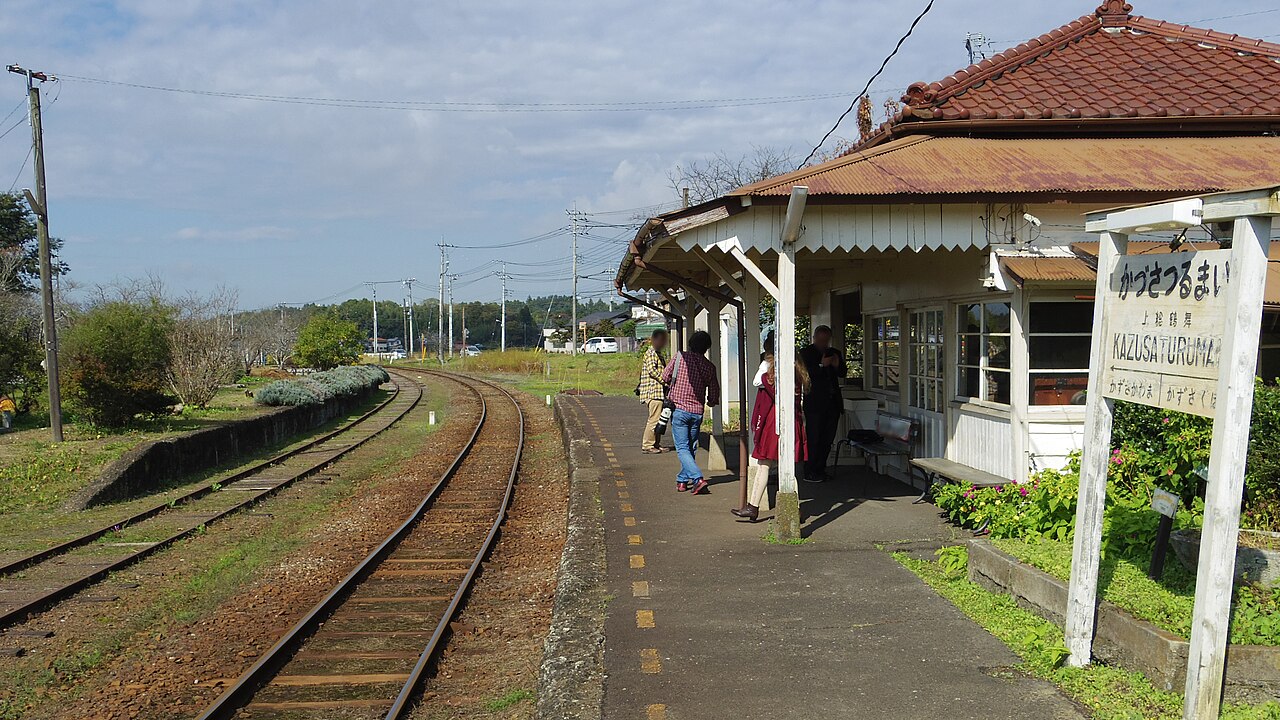
Your next trip
Plan your vacation in Japan

Describe your trip in one sentence. When, who with and what matters to you.