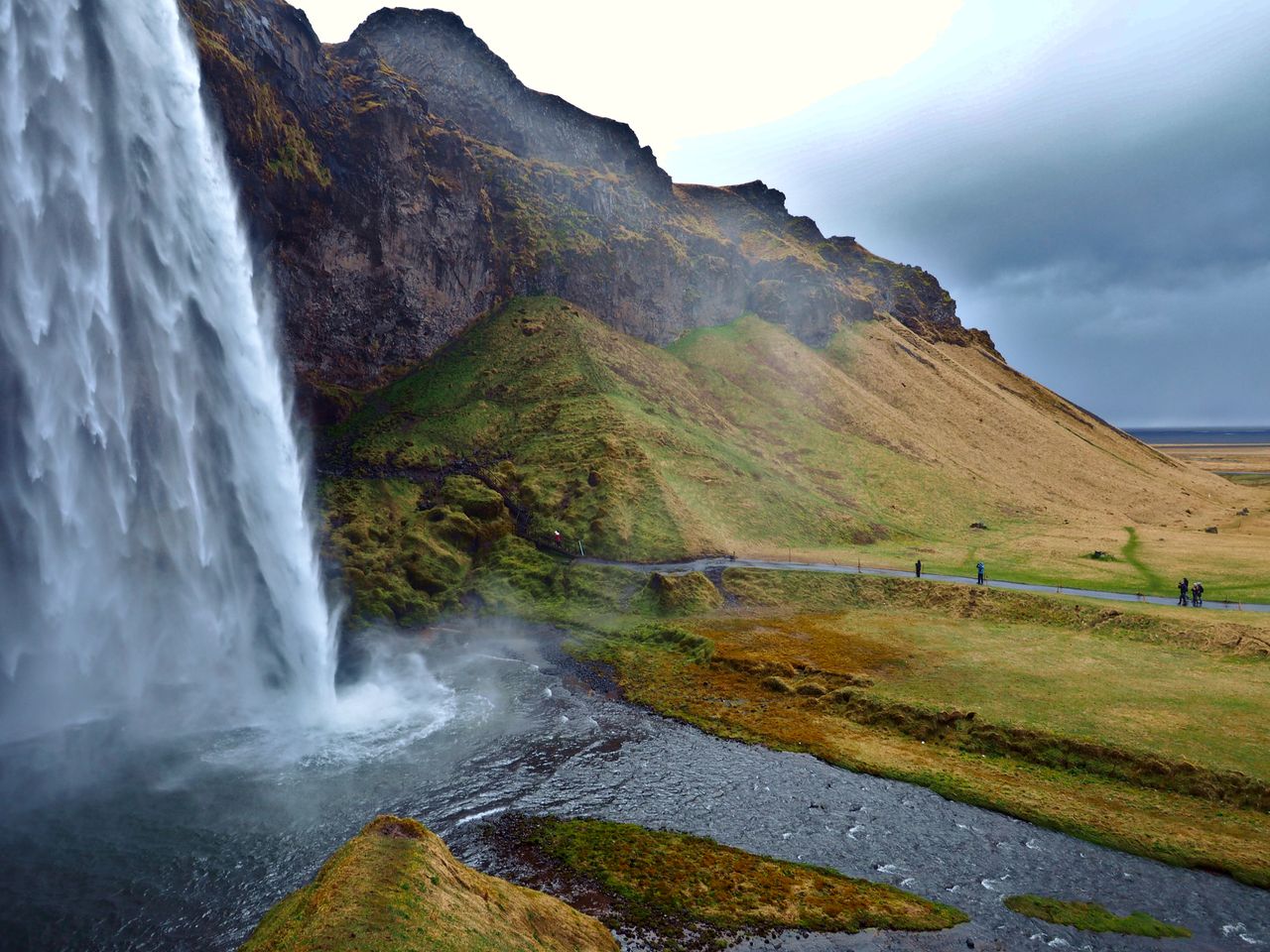
November: 26 °F by day
Iceland Weather and the Best Time to Visit
Published October 12, 2026 · HolidayWow editors · Written with AI, numbers checked against our data ·
The best time to visit Iceland depends on what you want from your vacation. May through September offers the strongest balance of warmer temperatures, longer days and easier road travel, while winter brings snow-covered landscapes, northern lights possibilities and a quieter seasonal atmosphere.
In Iceland, every month is a good time to travel, with daytime highs from 22 °F to 44 °F.
Weather looks good?7 days in Iceland in July, Beach and hiking, from New York JFK on your own
Plan a trip
Now in Iceland
11 °F
Clear
Wind 14 mph, Humidity 63%
As of 23:14 local time
The next 7 days
- Tomorrow
 17° / 11°Partly cloudy
- Wednesday
 16° / 13°Cloudy
- Thursday19° / 15°Partly cloudy
- Friday22° / 18°Cloudy
- Saturday
 40° / 31°heavy rain29 mm rain
- Sunday38° / 36°Changeable4 mm rain
- Monday35° / 27°Partly cloudy2 mm rain
Choose Iceland by season and travel priorities
May through September is the most practical window for travelers who want to combine broad sightseeing with comfortable outdoor conditions. May has daytime temperatures around 34 °F, while June and July reach about 41 °F and 44 °F. The longer daylight gives you more time for waterfalls, geothermal areas, coastal walks and evening drives across the countryside.
Late summer keeps many of those advantages. August averages around 42 °F during the day, and September brings colorful landscapes with daytime temperatures near 37 °F. The changing light and seasonal character make September appealing for photographers and travelers who prefer a less structured pace.
- May through September for long days and a wide range of road-accessible sights
- June and July for the warmest daytime conditions
- September for autumn colors and a quieter travel rhythm
- October through March for winter scenery, snow activities and northern lights planning
What Iceland feels like in spring and summer
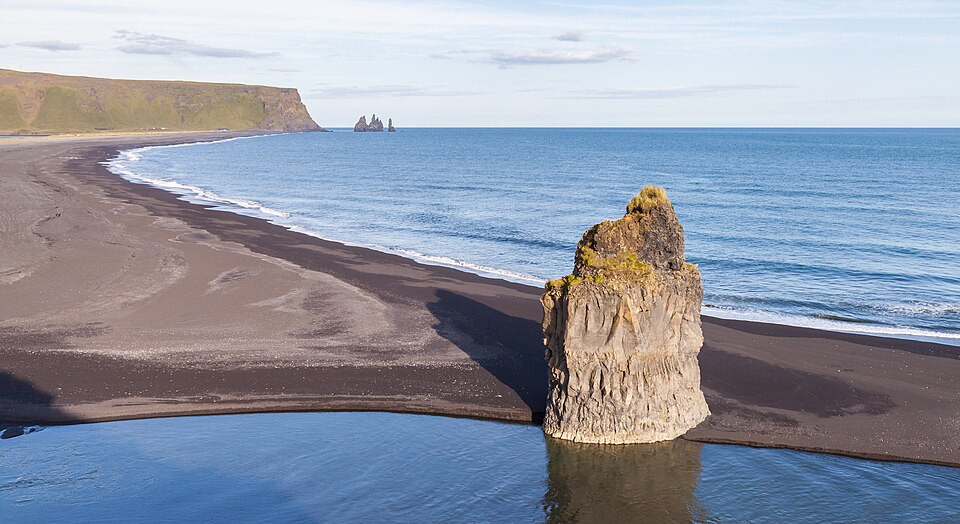
Spring begins with a real transition. March still has short daylight and frequent wet weather, while April brings more open hours and daytime temperatures around 29 °F. The South Coast starts to feel especially useful for a road trip, with stops such as Seljalandsfoss, Skogafoss and the beaches near Vík giving you a clear route through varied scenery.
Summer is well suited to a classic Iceland circuit. You can link the Golden Circle with the South Coast, then continue north if your time and energy support a longer route. Set aside time for pauses at geothermal fields, short walks and viewpoints where weather can shift quickly. The daylight is generous, so a relaxed itinerary can still include several meaningful stops.
What's the weather like in Iceland in November?
In November, days in Iceland average 26 °F and 17 °F at night. In December, days in Iceland average 22 °F and 14 °F at night.
- November26°17 °F at night
 1 hours of sun a day21 rain days
- December22°14 °F at night0 hours of sun a day22 rain days
| Month | Jan | Feb | Mar | Apr | May | Jun | Jul | Aug | Sep | Oct | Nov | Dec |
|---|---|---|---|---|---|---|---|---|---|---|---|---|
| Day °F | 23 | 24 | 24 | 29 | 34 | 41 | 44 | 42 | 37 | 30 | 26 | 22 |
| Night °F | 14 | 14 | 15 | 18 | 26 | 33 | 36 | 35 | 31 | 23 | 17 | 14 |
| Sun h/day | 1 | 1 | 4 | 8 | 9 | 9 | 7 | 6 | 4 | 2 | 1 | 0 |
| Rain days | 23 | 21 | 23 | 19 | 18 | 18 | 20 | 19 | 22 | 22 | 21 | 22 |
Plan a winter trip around changing conditions
Winter has its own appeal, with snow-covered ground, blue ice formations and the possibility of seeing the northern lights when conditions align. Daytime temperatures are around 26 °F in November and 22 °F in December, while January reaches about 23 °F. These values make warm layers, waterproof outerwear and suitable footwear especially useful.
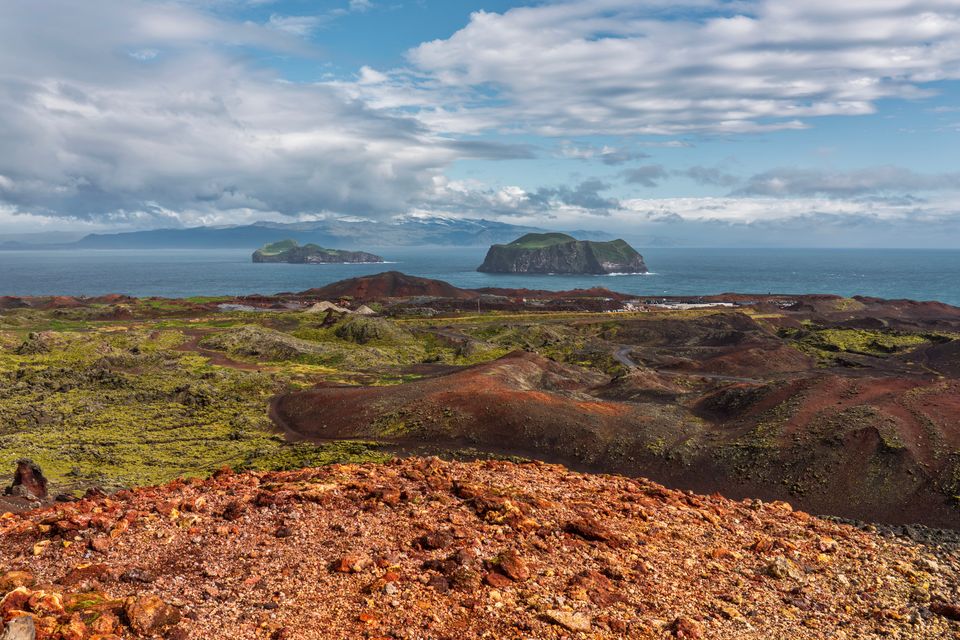
A winter visit works well when you build flexibility into the route. Keep the main experience clear, such as a South Coast drive or a stay near an ice cave, and leave room to respond to conditions. A glacier hike, snowmobile outing or northern lights search can be included through a partner activity when availability suits your dates.
- Waterproof jacket and layered clothing
- Insulated footwear for snow and ice
- Flexible route with conditions checked each day
- A clear indoor or town-based alternative for each driving day
Use the map to shape an Iceland road trip
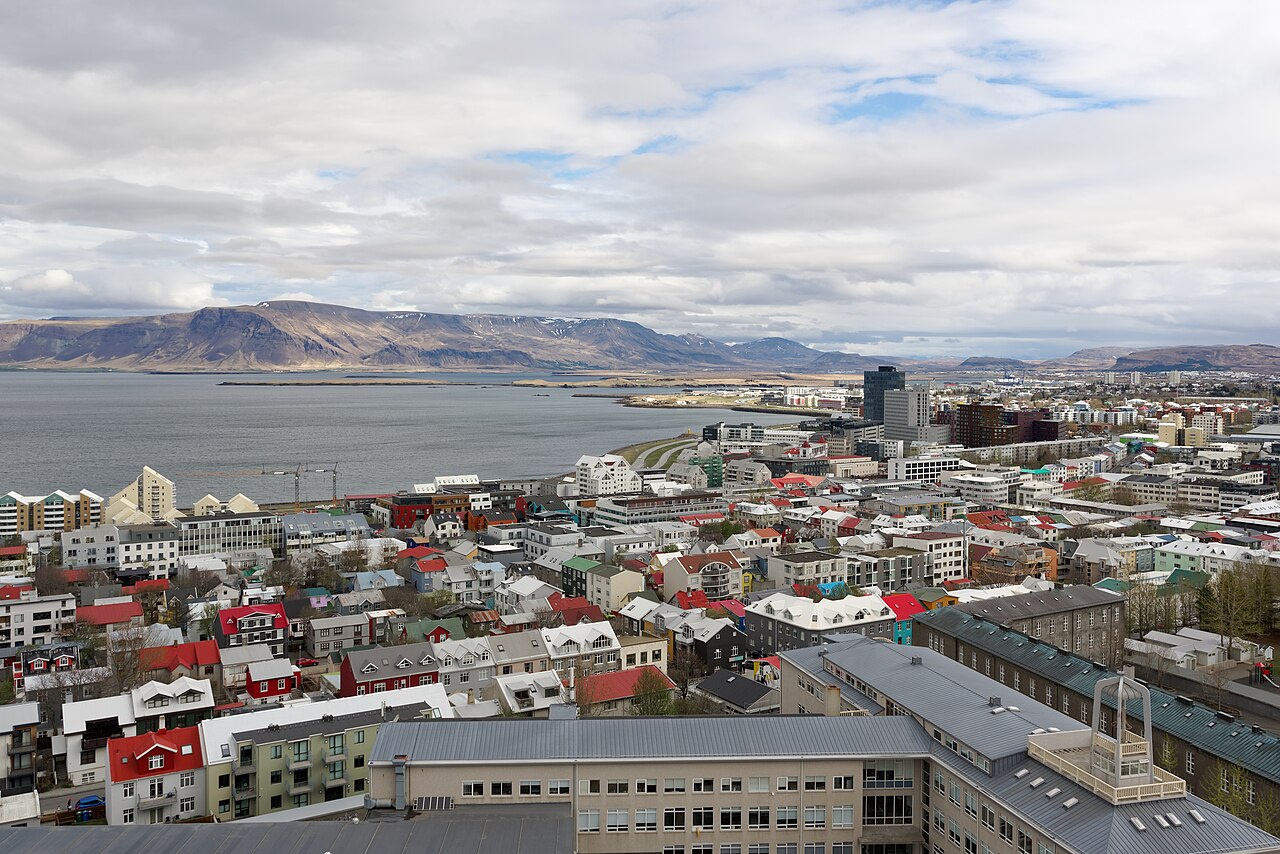
Iceland rewards a route with a sense of direction. Start in Reykjavík for an easy arrival day, then decide whether your priorities point toward the Golden Circle, the South Coast or the northern road. Staying in two or three bases can make the trip easier to manage and gives you a comfortable place to return after each excursion.
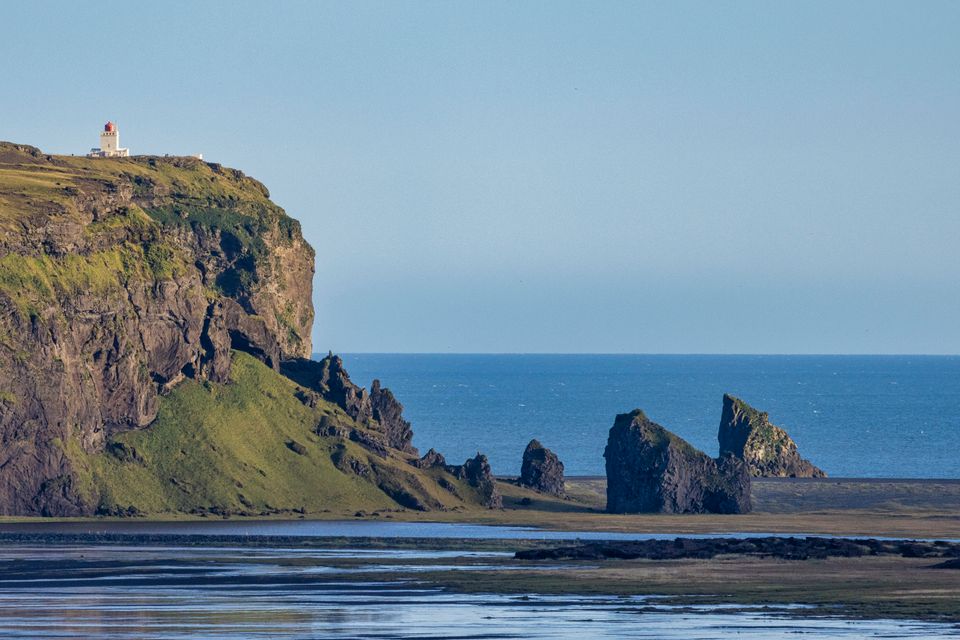
HolidayWow helps you describe the trip in one sentence or by voice, including the month, group and pace. Each day is drawn as a route on the map, with stops placed as pins and travel time shown for every leg. You can move a stop, swap a place or make a day lighter, then let the plan checker reorganize the route after each change.
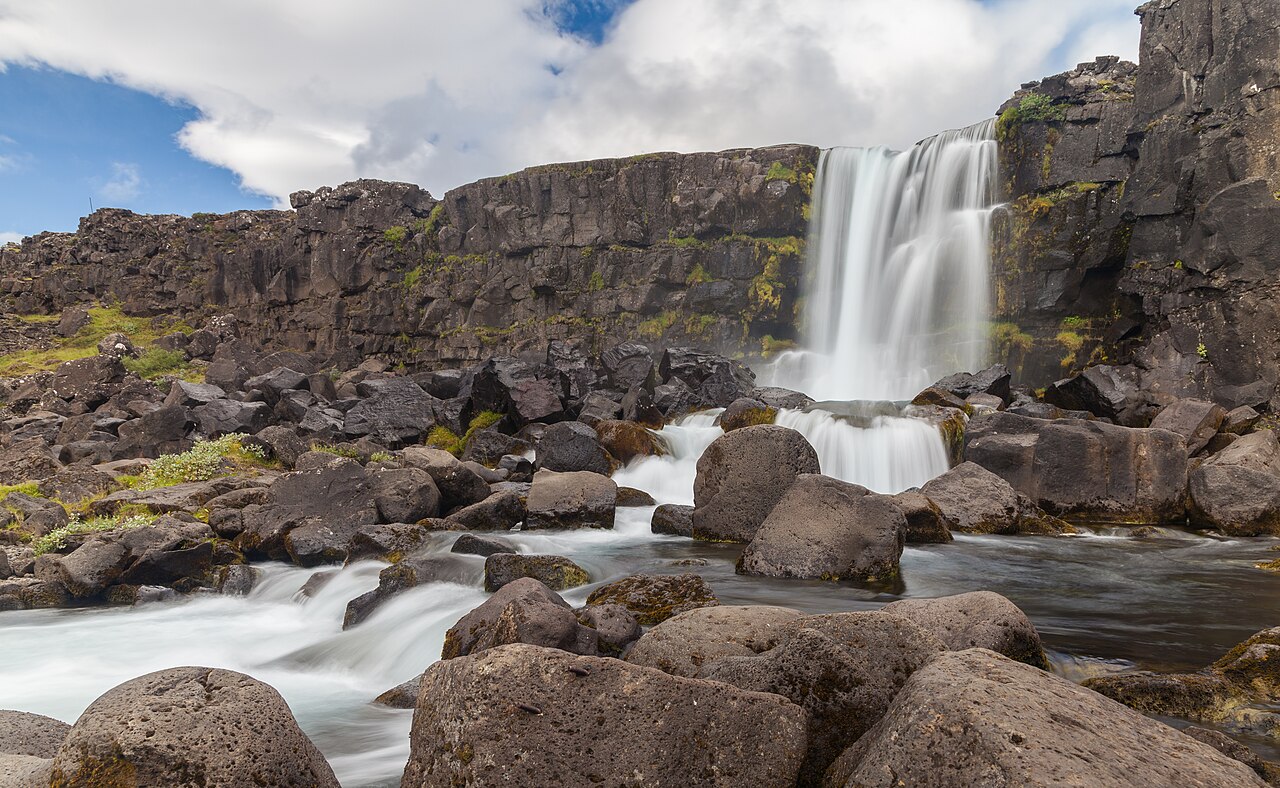
Best time to travel in Iceland
In Iceland, every month is a good time to travel, with daytime highs from 22 °F to 44 °F.
Everything about a trip in IcelandWeather in Iceland month by month
- January23 °F
- February24 °F
- March24 °F
- April29 °F
- May34 °F
- June41 °F
- July44 °F
- August42 °F
- September37 °F
- October30 °F
- November26 °F
- December22 °F
A practical three-day South Coast plan
For a short first visit, the South Coast gives you a strong mix of waterfalls, black-sand beaches and open landscapes. Begin in Reykjavík, drive toward Seljalandsfoss and Skogafoss, and continue to Vík for the coastline. The route suits travelers who want several memorable stops without attempting the entire country in one vacation.
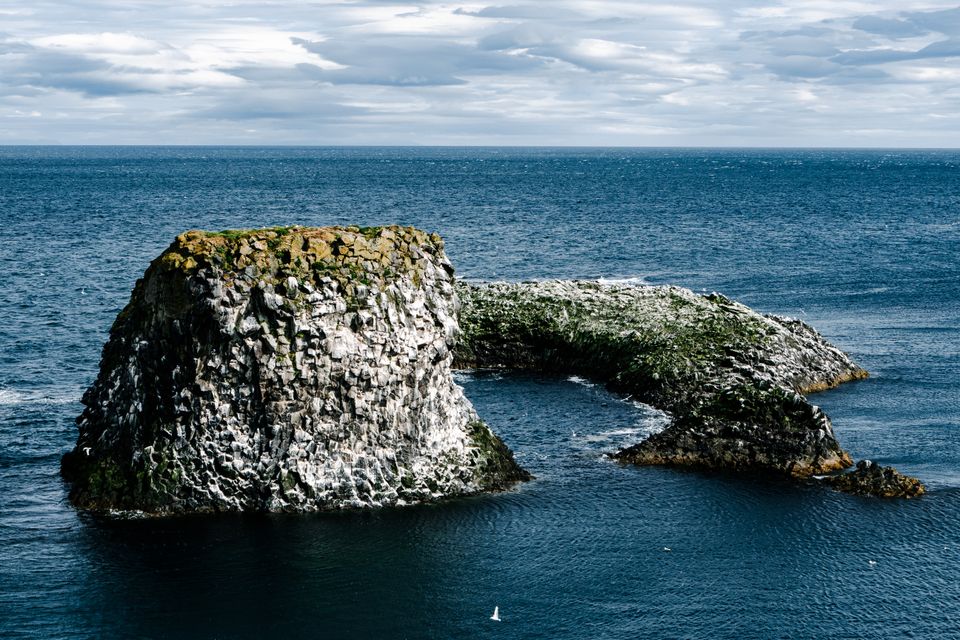

A three-day rhythm can work well with Reykjavík, Vík and one overnight base along the coast. Keep the first day focused on the Golden Circle or an arrival buffer, use the second day for the waterfall and coast route, and reserve the final day for Vík, flexible stops and the return toward Reykjavík. In summer, the long daylight gives each day room to breathe.
Prepare for weather, roads and changing plans
Iceland's weather can change between nearby valleys, so treat forecasts as part of the daily plan rather than a fixed backdrop. The climate data on this page gives you a monthly starting point from NASA POWER and NOAA OISST, while the planner can add live weather when you enter dates. This makes it easier to place walks and viewpoints where the day’s conditions make sense.

For a group trip, share the plan through one link and assign viewing or editing roles. The document vault keeps passports, tickets and confirmations with the trip, while the packing list and checklist reflect your destination, month and planned activities. The app is free to download and to plan with, and partner links show live prices for stays, tours, transport and flights.
- Check live weather before each outdoor day
- Keep layers for wind, rain and sudden temperature shifts
- Store travel documents in the document vault
- Share one itinerary link with your travel group
Already started
Your trip in Iceland
- 44 °F by day in July
 from New York JFK about 5 h 21
Day 1
Arrival in Reykjavík
Flight from New York JFK in 5 h 21, nonstop. Settle in, first evening by the harbor or in the center.

Day 2
Eiríksjökull
Start early; bring water and sturdy shoes.
Day 3
Hvítárvatn
Start early; bring water and sturdy shoes.
Day 4
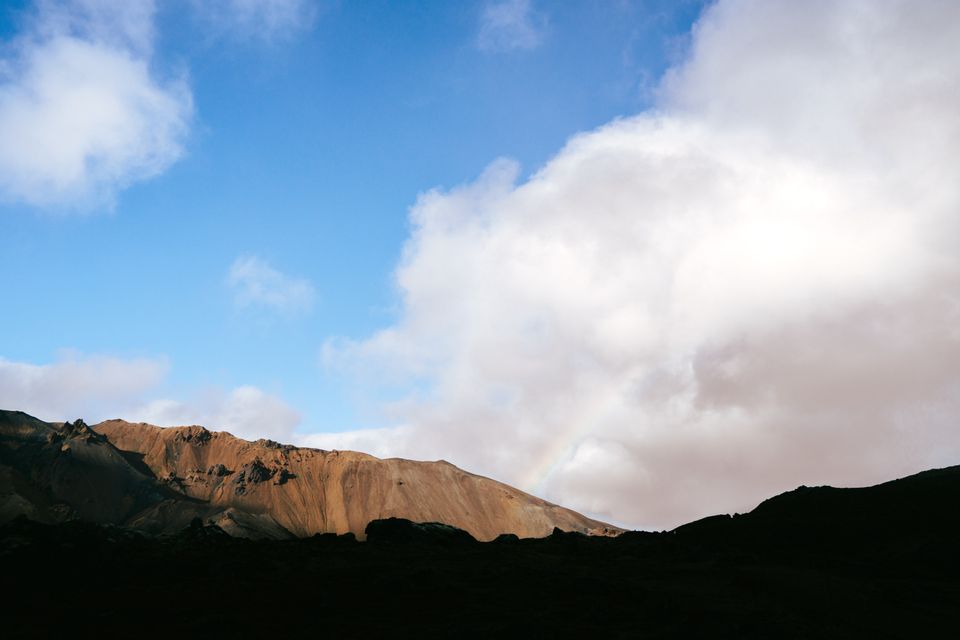
Kerlingarfjöll
Start early; bring water and sturdy shoes.
 iPhoto: Gerd Eichmann · CC BY-SA 4.0 · Wikimedia Commons
Day 5
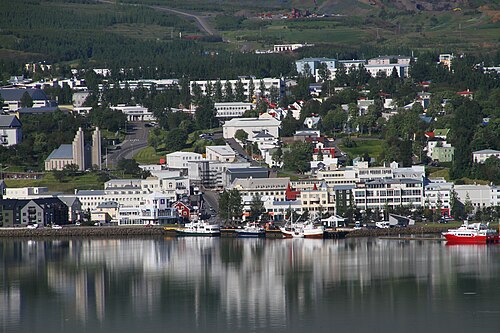
On to Akureyri
A new base for the next few days; explore Akureyri on foot.
Day 6
Súlur
Start early; bring water and sturdy shoes.
Day 7
Last morning and flight home
One last walk, then back to New York JFK.
Look around without an account; sign in to save.
Weather in Iceland: frequently asked questions
What is the best month to visit Iceland?
June and July are strong choices for the warmest daytime conditions, with temperatures around 41 °F and 44 °F. May and September also suit road trips, offering longer daylight and seasonal scenery while giving the trip a different character from midsummer.
Is Iceland good to visit in winter?
Yes. Winter is suited to snow scenery, glacier activities and northern lights planning. December daytime temperatures are around 22 °F, so warm layers, waterproof clothing and flexible routes are important. Build in time for conditions to shape each day.
How many daylight hours does Iceland have in summer?
The climate data shows about 9 sunshine hours in June and May, with 7 in July. The longer daylight period is useful for waterfalls, coastlines, geothermal areas and evening viewpoints, although conditions still call for layered clothing.
Can I plan an Iceland road trip on a map?
Yes. HolidayWow places each day on a map with stops as pins and shows the travel time for every leg. You can move a stop, swap a place or adjust the pace, then use the plan checker to reorder the day.
Does the Iceland planner work for groups?
Yes. You can share one plan link, give group members viewing or editing roles, collect votes and comments, and split costs. The plan also includes a packing list, document vault and partner booking links.


Your next trip
Plan your vacation in Iceland

Describe your trip in one sentence. When, who with and what matters to you.