Best time: May to October
Japan Trip Cost From Chicago
Published October 6, 2026 · HolidayWow editors · Written with AI, numbers checked against our data ·
The cost of a Japan trip from Chicago depends on your route, bases, travel dates, pace, and booking choices. A map based plan keeps the major expense categories together while live partner prices show current options for flights, stays, tours, and transport in USD.
In Japan, the best time for a trip is May to October, with daytime highs up to 85 °F.
7 days in Japan in September, Culture, from Los Angeles on your own
Plan a trip- Best time to go
- May to October
- Daytime high in August
- 85 °F
- Flight from San Francisco, nonstop
- about 10 h 01


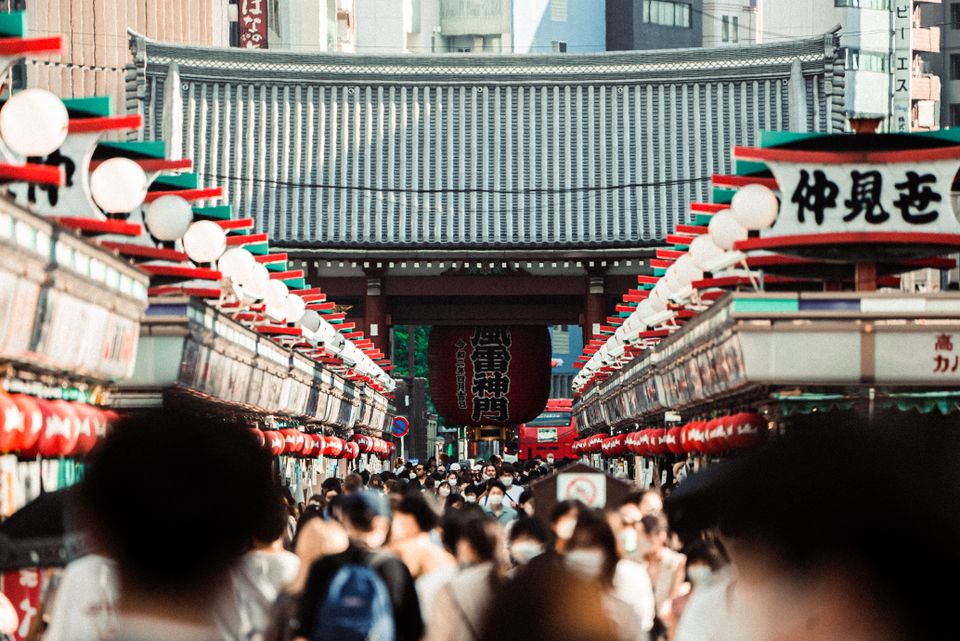
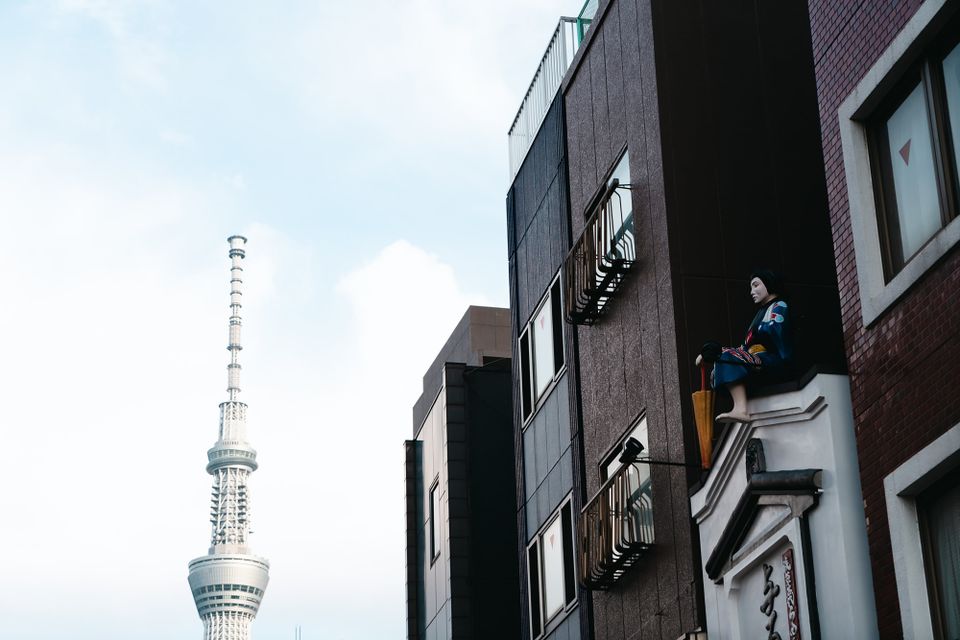
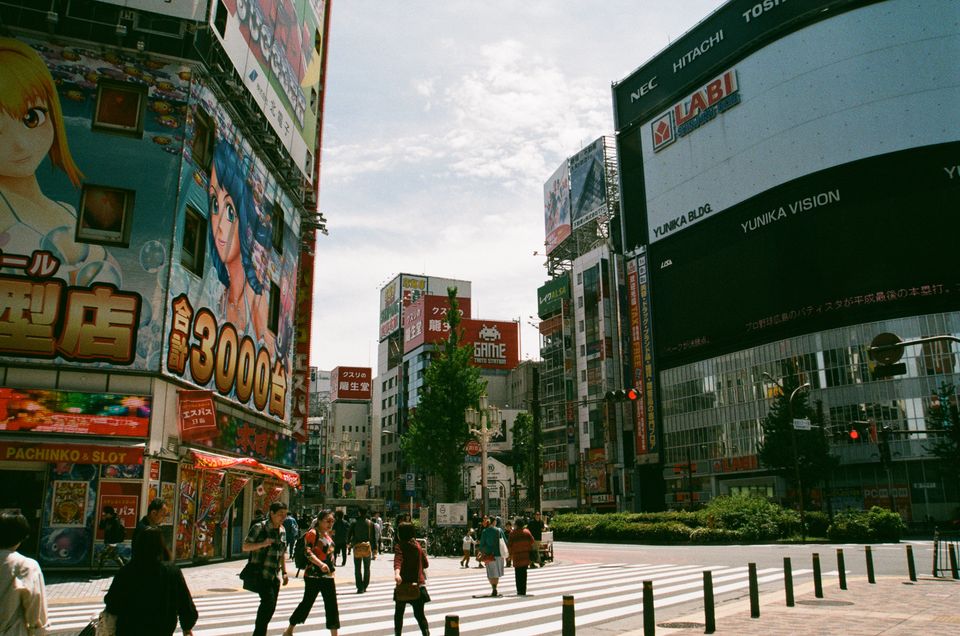
Japan at a glance
- What’s the vibe?
- A Japan trip cost is easiest to understand when each choice has a place in the plan. Flights from Chicago form the starting point, while the number of cities and nights in each one determines much of the accommodation and local transport total.
- Best time to go
- Daytime highs range from 43 °F in January to 85 °F in August. Rain is rarest in November (8 days) and most frequent in July (16 days).
- How to get there?
- From San Francisco, you can be in Japan in about 10 h 01.
What shapes a Japan budget from Chicago
A Japan trip cost is easiest to understand when each choice has a place in the plan. Flights from Chicago form the starting point, while the number of cities and nights in each one determines much of the accommodation and local transport total. A compact itinerary across a smaller number of bases can make daily movement easier, while a longer route creates more variety.
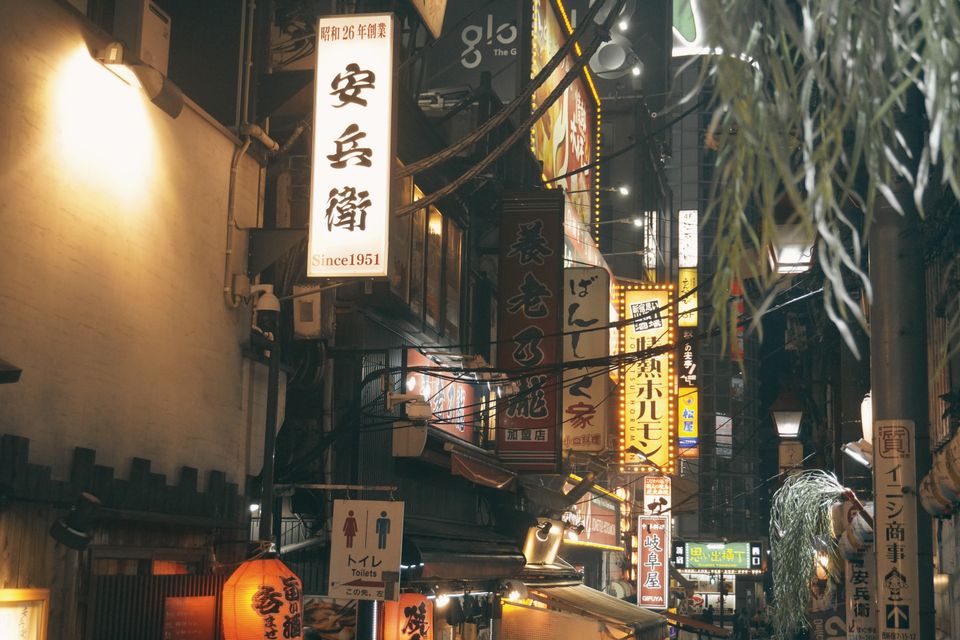
The distance from Chicago is 6,437 miles, so your origin belongs in the route from the beginning. Door to door planning can include the ride to the airport, the flight, and the transfer to the first stay. That structure helps you compare the whole journey rather than judging a flight apart from everything arranged around it.
Your group size, travel pace, and preferred experiences also affect the total. A relaxed trip with a smaller number of stops leaves more room for meals and unplanned time. A packed itinerary adds activities and transport legs. HolidayWow keeps those choices visible so you can adjust the balance before booking.
Flights and first arrival expenses
The flight component starts with the connection from Chicago to Japan. The page displays current partner flight options and a live price button, so the amount stays connected to the actual booking result. Look at the arrival airport as well as the ticket price, since the first transfer can shape the beginning of your stay.
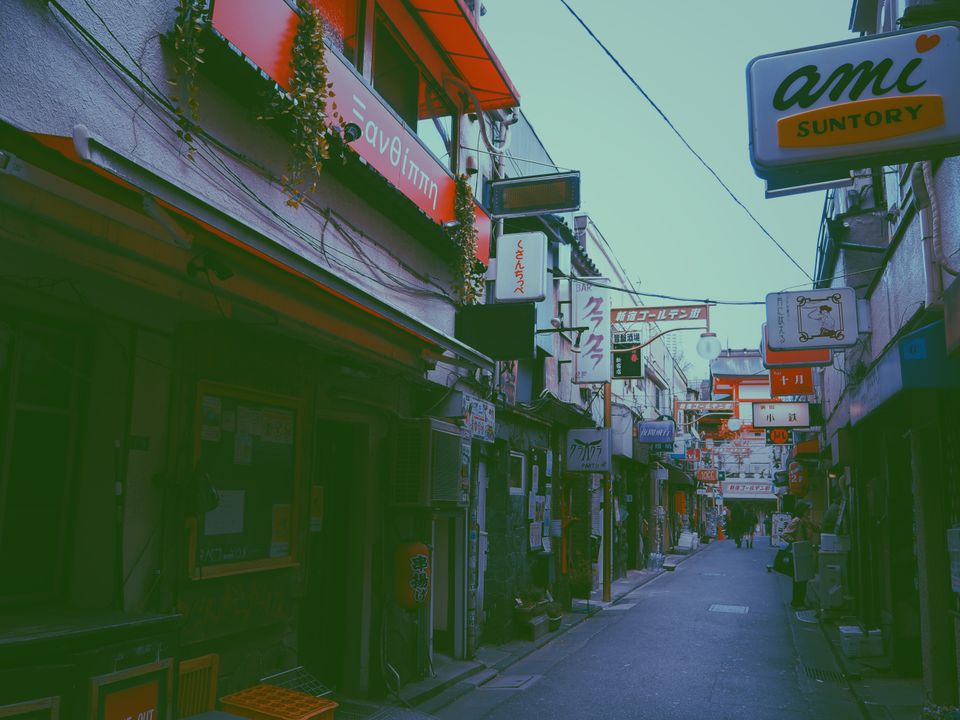
Plan the arrival day around one neighborhood and a simple evening. This gives you time to orient yourself after crossing time zones and makes the first transfer easier to follow. A clear first stay also gives the rest of the itinerary a dependable starting point for daily routes.
When your dates are flexible, compare several travel windows rather than one fixed departure. The planner can begin with a month and add dates later. Once dates are present, each day card can show its weekday, live weather, and current partner prices, keeping the budget connected to the actual trip.

Stays, bases, and local movement
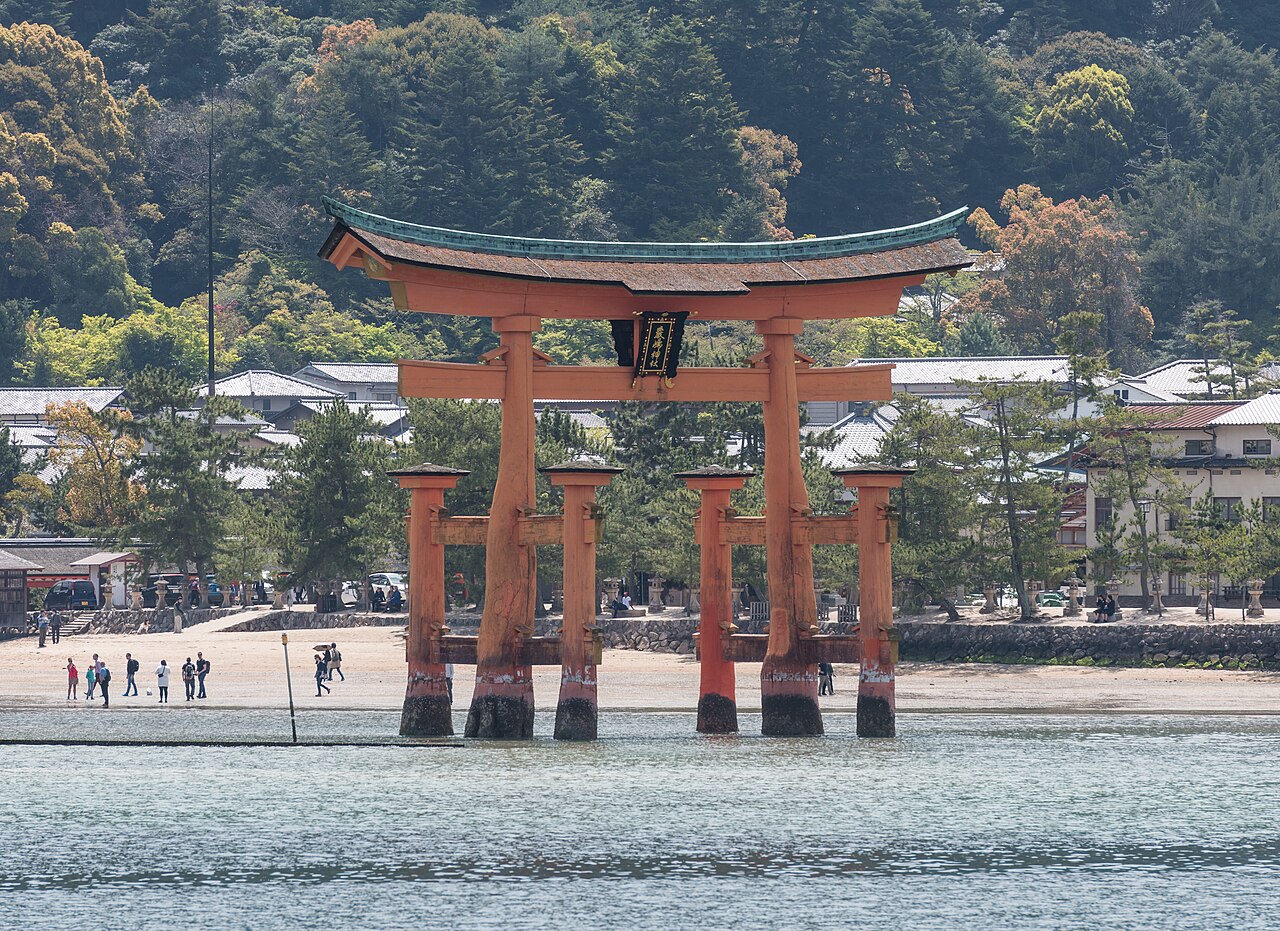
Where you stay changes both the cost and the experience. A Tokyo base offers access to a wide range of neighborhoods, dining, and cultural sights. Kyoto can suit travelers who want a quieter rhythm and a strong connection to temples, gardens, and traditional streets. A smaller base may work well when the main goal is a focused regional trip.
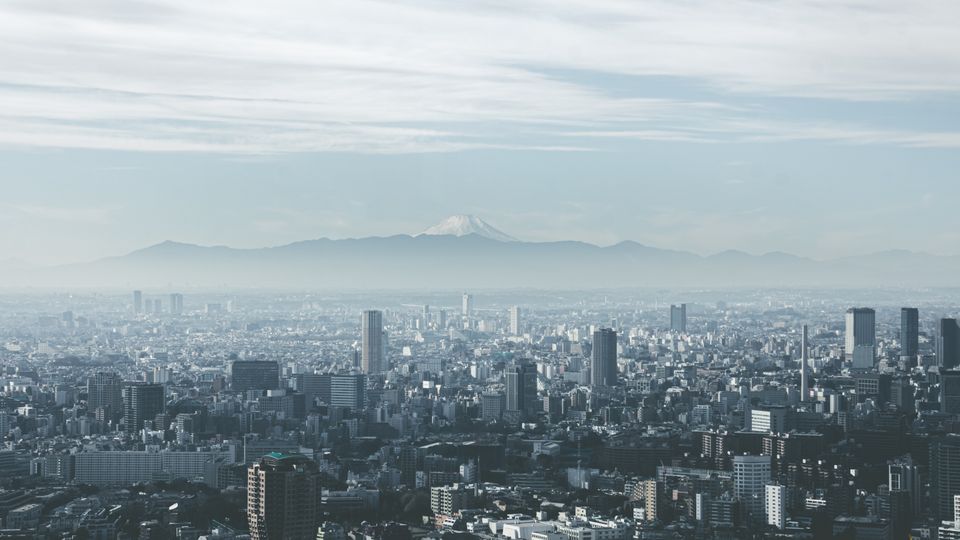 Tokyo
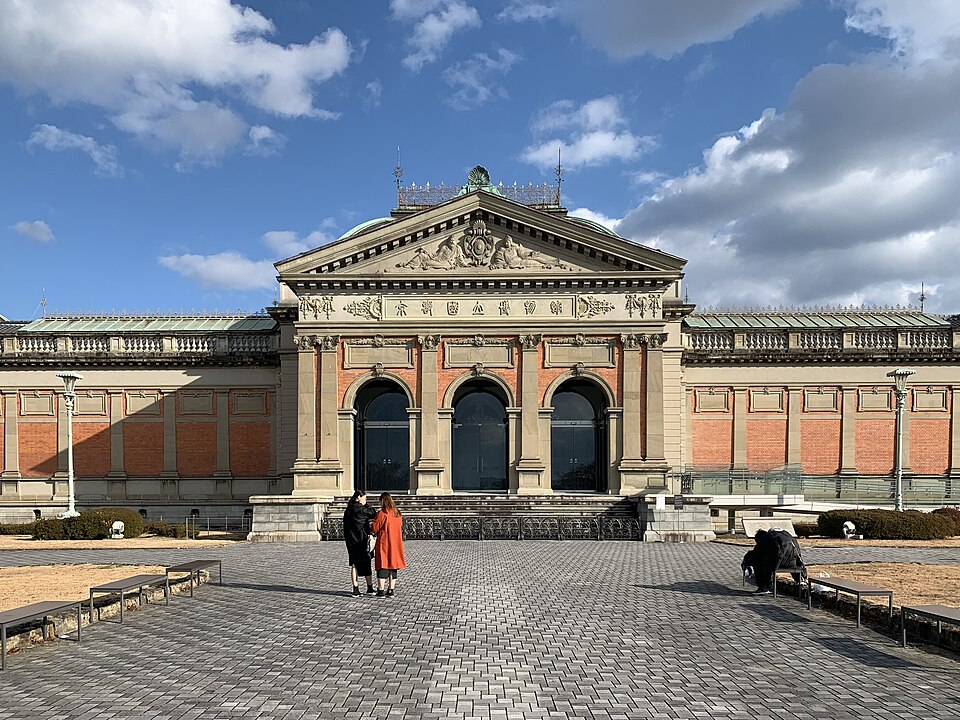 KyotoiPhoto: Chainwit. · CC BY 4.0 · Wikimedia Commons
Stays are shown through live partner pricing, which lets you compare the actual choices available for your dates. Check the location before choosing, especially the relationship between the station, the first sights, and the evening return route. A stay that fits the daily plan can remove extra transport decisions from the trip.
Local transport belongs in the same budget conversation. The planner can place transport options beside the days they support, and the map can show each leg. For a multi city itinerary, choosing convenient bases can make the daily routes easier to manage and help you understand where local movement costs enter the plan.
TokyoKyotoiPhoto: Chainwit. · CC BY 4.0 · Wikimedia CommonsThe right months for this trip
Pleasant warmth comes in May, June, July, August, September and October. Take May: 71 °F by day and 11 days of rain.
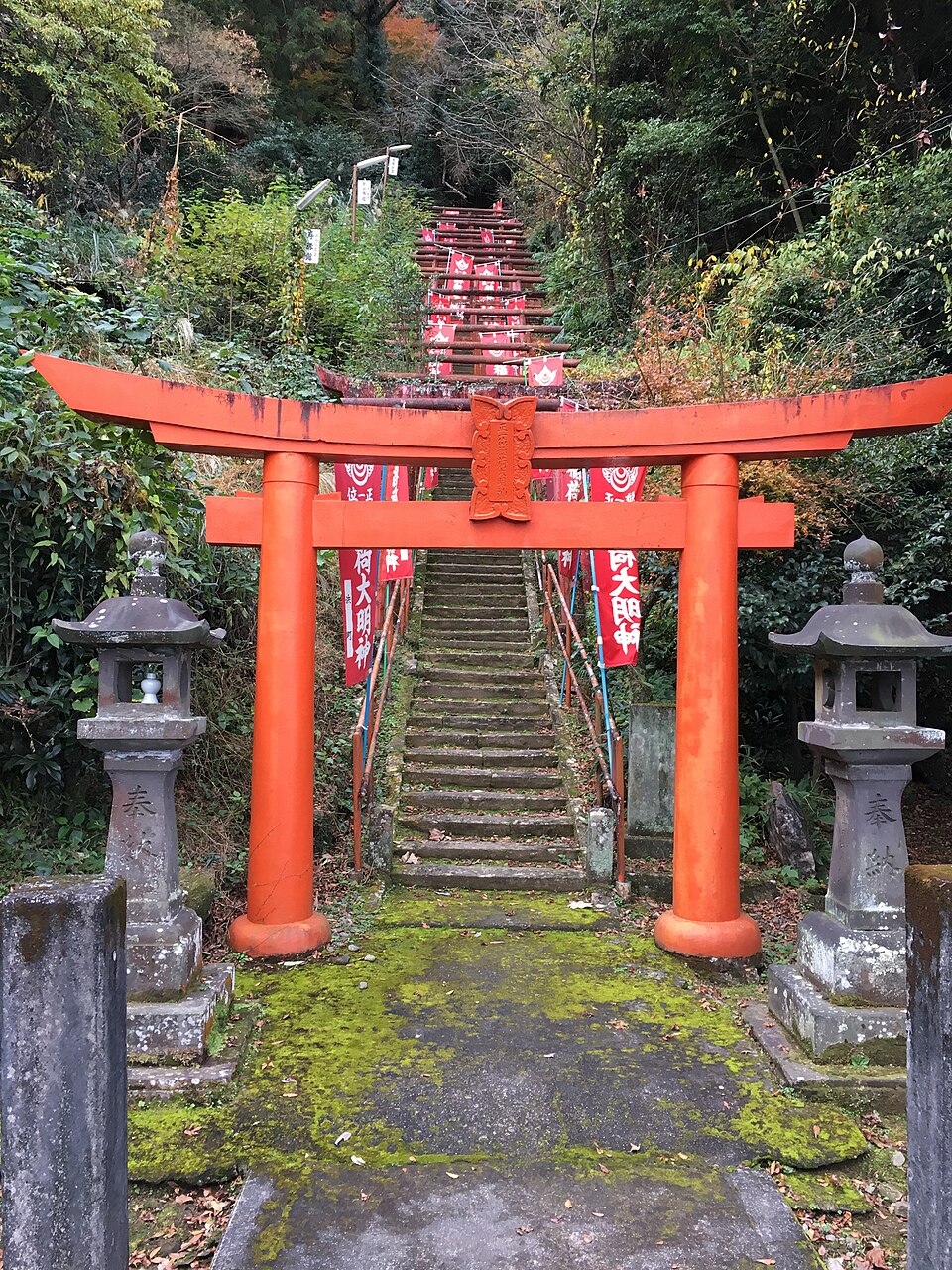
The Japan climate in numbers
Daytime highs range from 43 °F in January to 85 °F in August. Rain is rarest in November (8 days) and most frequent in July (16 days). The sunniest month is May with 7 hours a day.
For walking and sightseeing in pleasant warmth, aim for May, June, July, August, September and October.
- January: 43 °F, 9 rain days, 4 h of sun
- February: 45 °F, 9 rain days, 4 h of sun
- March: 53 °F, 11 rain days, 5 h of sun
- April: 62 °F, 11 rain days, 6 h of sun
- May: 71 °F, 11 rain days, 7 h of sun
- June: 77 °F, 14 rain days, 5 h of sun
- July: 83 °F, 16 rain days, 5 h of sun
- August: 85 °F, 15 rain days, 7 h of sun
- September: 79 °F, 15 rain days, 5 h of sun
- October: 69 °F, 11 rain days, 5 h of sun
- November: 58 °F, 8 rain days, 5 h of sun
- December: 48 °F, 10 rain days, 3 h of sun
Already started
Your trip in Japan
 79 °F by day in September
- from Los Angeles about 10 h 37
Day 1
Arrival in Kyoto
Flight from Los Angeles in 10 h 37, nonstop. Settle in, first evening by the harbor or in the center.

Day 2
Arashiyama
Start early; bring water and sturdy shoes.
Day 3
Yoshino-yama
Start early; bring water and sturdy shoes.
Day 4
Mount Kongō
Start early; bring water and sturdy shoes.

Day 5
On to Okinawa Prefecture
A new base for the next few days; explore Okinawa Prefecture on foot.
Day 6
Hiei-zan
Start early; bring water and sturdy shoes.
Day 7
Last morning and flight home
One last walk, then back to Los Angeles.
Look around without an account; sign in to save.
Weather and climate in Japan
The warmest month is August, with 85 °F by day and 72 °F at night. The sunniest month is May, with 7 hours of sun a day.
| Month | Jan | Feb | Mar | Apr | May | Jun | Jul | Aug | Sep | Oct | Nov | Dec |
|---|---|---|---|---|---|---|---|---|---|---|---|---|
| Day °F | 43 | 45 | 53 | 62 | 71 | 77 | 83 | 85 | 79 | 69 | 58 | 48 |
| Night °F | 28 | 29 | 34 | 42 | 52 | 61 | 70 | 72 | 65 | 53 | 41 | 32 |
| Sun h/day | 4 | 4 | 5 | 6 | 7 | 5 | 5 | 7 | 5 | 5 | 5 | 3 |
| Rain days | 9 | 9 | 11 | 11 | 11 | 14 | 16 | 15 | 15 | 11 | 8 | 10 |
Weather in Japan month by month
- January43 °F
- February45 °F
- March53 °F
- April62 °F
- May71 °F
- June77 °F
- July83 °F
- August85 °F
- September79 °F
- October69 °F
- November58 °F
- December48 °F
When people plan trips to Japan
Search interest for Japan peaks in January and is lowest in July, based on monthly search volumes.
How to shape a May day in Japan
Mornings suit an unhurried walk through the old streets or along the water. The warmest hours, at 71 °F, are perfect for being outside. Evenings drop to 52 °F, so plan dinner somewhere warm and keep a layer handy.
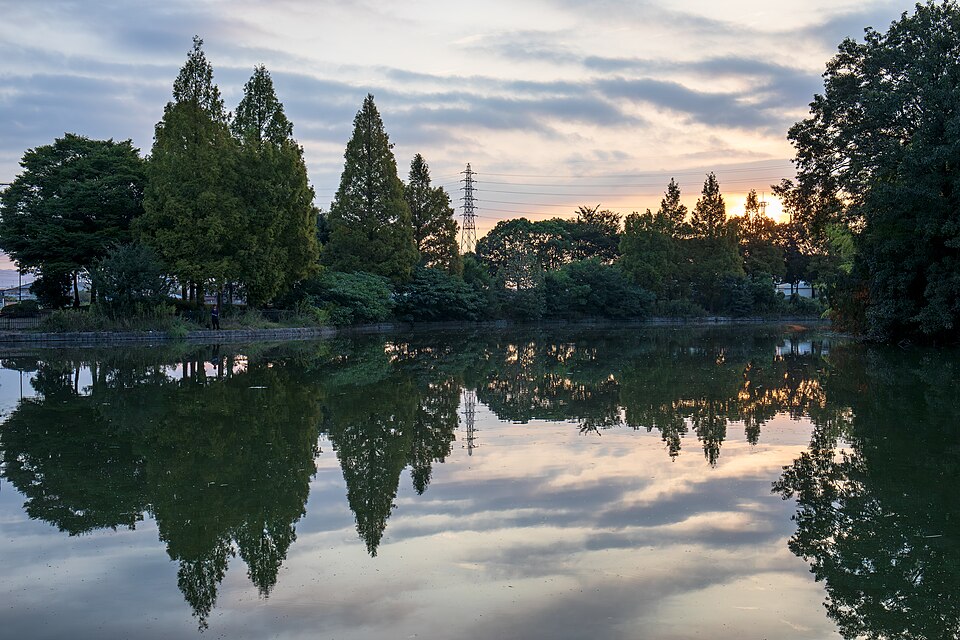

Getting to Japan from home
Japan lies {{dist.home:ORD}} from Chicago in a straight line. Atlanta lies {{dist.home:ATL}} away. Los Angeles lies {{dist.home:LAX}} away.
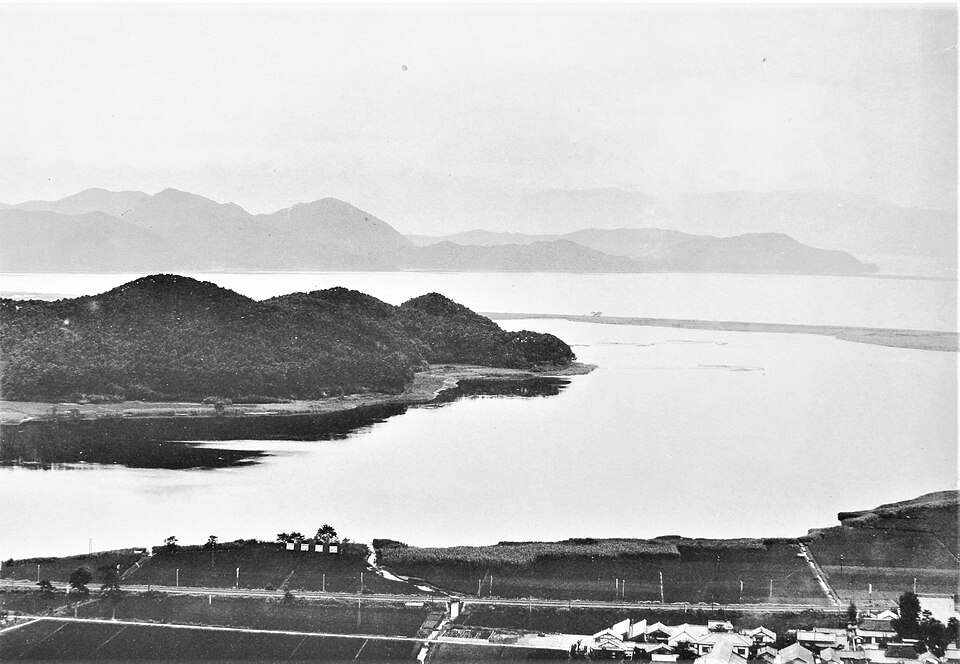
Door to door, the plan lines up the ride to the airport, the flight with live fares and the transfer on arrival.
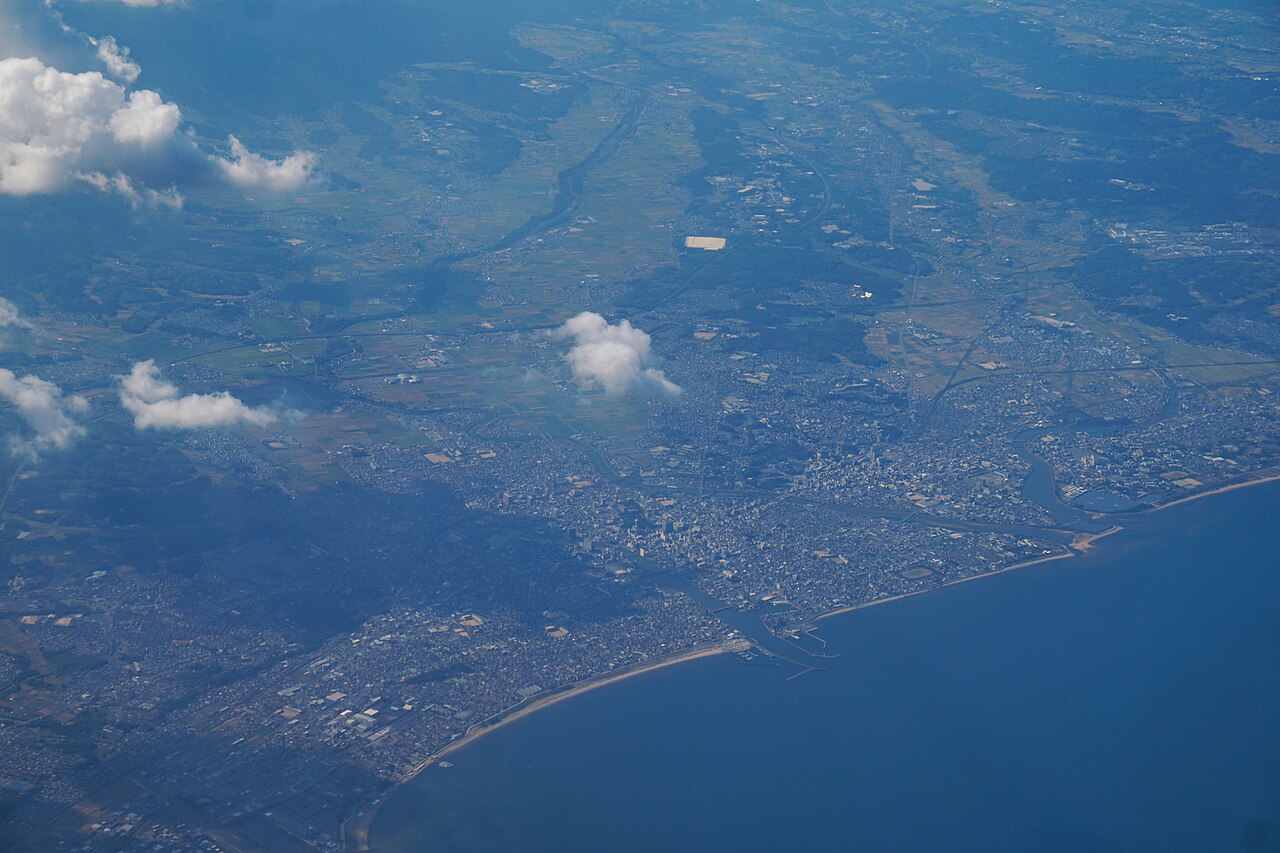
Packing for Japan in May
With 71 °F by day and 52 °F at night and 11 rain days in May, pack for changeable mild weather. Your plan builds this list for you and updates it when you change the dates.
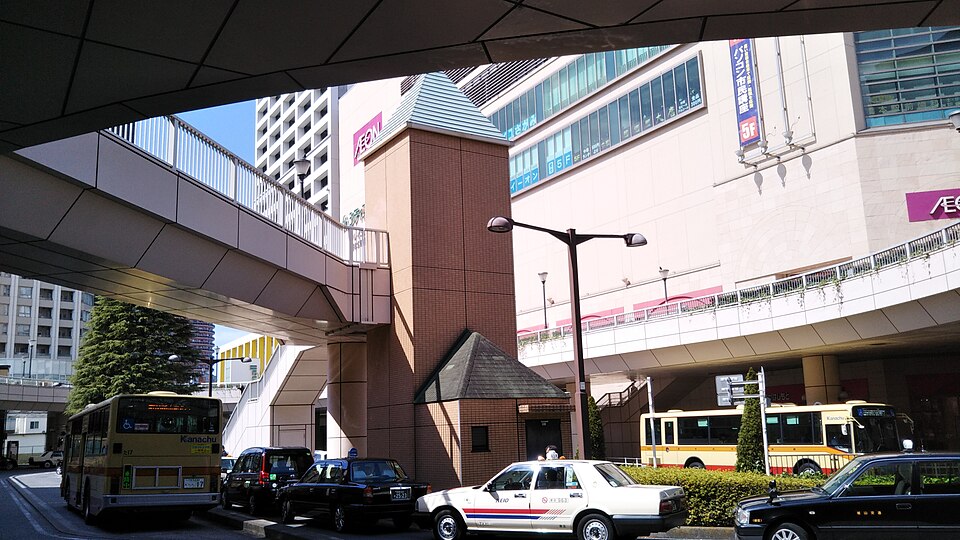
- Comfortable walking shoes
- A warm layer for the evenings
- A packable rain jacket or umbrella
- A travel adapter for your chargers
Prices for Japan
Every price for Japan on this page comes live from a partner, in your currency. Open a card to see today's rate for your dates.
Getting there
The quickest way is from San Francisco: you're in Japan in about 10 h 01 on a nonstop flight. Nonstop flights leave from 4 US airports. The nearest airport is Tokyo Haneda International Airport (HND), 217 miles away.
- HNDTokyo Haneda International Airport217 miles to the destination
- NGOChubu Centrair International Airport47 miles to the destination
| From | Flight time | To | Nonstop flight |
|---|---|---|---|
| San Francisco SFO | about 10 h 01 | HND | Nonstop |
| Los Angeles LAX | about 10 h 37 | HND | Nonstop |
| Chicago O'Hare ORD | about 12 h 06 | HND | Nonstop |
| New York JFK JFK | about 12 h 58 | HND | Nonstop |
| Seattle SEA | about 9 h 22 | HND | |
| Denver DEN | about 11 h 14 | HND | |
| Dallas/Fort Worth DFW | about 12 h 24 | HND | |
| Boston BOS | about 12 h 53 | HND | |
| Newark EWR | about 12 h 56 | HND | |
| Atlanta ATL | about 13 h 10 | HND | |
| Orlando MCO | about 13 h 54 | HND | |
| Miami MIA | about 14 h 14 | HND |
Flight times estimated from the distance, nonstop routes from OpenTravelData.
Travel advice for Japan
The current advice on safety, health and entry is published in full by the U.S. Department of State. Check it before you book and again shortly before you leave.
Food, activities, and a realistic daily rhythm
Food and activities are best planned as part of the daily experience instead of as separate wish lists. Leave room for a market visit, a neighborhood meal, a temple walk, or a museum near the place where you are staying. These choices add texture to the trip and make the itinerary easier to use.

Tours and activities come from live partner options when you are ready to compare them. Pair a booked activity with open space in the same day. That balance helps you account for meals, walking, local transport, and time between neighborhoods while keeping the trip comfortable.
The climate data can guide the month you choose. Japan reaches its warmest month in August, while January is the coolest month in the destination data. November is the driest month, and July is the wettest. Use those patterns as a planning reference, then shape each day around the sights and pace that suit your group.
A three day or seven day planning outline
For three days, begin with one central base and keep the route simple. Use the first day for arrival, a local orientation walk, and an easy dinner. Place one major neighborhood or cultural experience on the second day. Use the third day for one nearby attraction before returning to the airport route.
For seven days, two or three bases can create a balanced pace. Spend several days in the first city, move to a second region, and reserve the final days for a final sight or a flexible neighborhood day. The map based plan makes each transfer and daily route visible, while the plan checker can re-order the day after you edit a stop.
A relaxed pace is useful for a first visit, while a balanced pace suits travelers who want a clear sightseeing rhythm. HolidayWow offers relaxed, balanced, and packed settings for the trip or individual days. That control makes it easier to match the itinerary to your energy, interests, and available time.
How HolidayWow keeps the budget visible
HolidayWow gives the trip a home in the US market, with a budget in USD and live price information from partners. The plan can include stays, tours, transport, and flights, while the document vault keeps passports, tickets, and confirmations with the itinerary they belong to. Cost splitting also helps groups keep shared expenses organized.

Begin with one sentence or use voice input to describe the trip you want. The planner reads the destination, month, group, pace, and budget from your words. Add dates later when they are ready. The side panel assistant can respond to the selected day, stop, or trip film and make changes through the same planning actions.
For a shared trip, invite companions through one link. Group members can view the same plan, vote, comment, and use the right editing role. The trip film presents the route, bases, days, and flight arc on a map, giving everyone a clear picture before the journey starts.
Japan: frequently asked questions
How much does a Japan trip from Chicago cost?
The total depends on your dates, route, number of bases, accommodation choices, activities, and local movement. HolidayWow displays live partner prices in USD for the relevant flights, stays, tours, and transport, so your planning page reflects current booking options rather than a fixed estimate.
Can I plan a Japan trip from Chicago with HolidayWow?
Yes. Describe the trip in one sentence or by voice, and the planner can organize the destination, month, group, pace, and budget. The plan begins with your home and can include the airport journey, flight, transfer, stays, and daily routes on one map.
Which Japan months work well for a trip from Chicago?
The destination climate data shows August as the warmest month and January as the coolest. November is the driest month, while July is the wettest. Your preferred pace, activities, and schedule can guide the final choice, with climate information used to support each month.
Can I see live flight and hotel prices for Japan?
Yes. The page shows live partner prices or a check live price button for stays, tours, transport, and flights. Adding dates to the itinerary gives each day card a weekday, live weather, and current pricing context so you can make the booking decision from one plan.
Can I share my Japan trip plan with family or friends?
Yes. One link opens the same plan for everyone. Group members can vote, comment, and use roles for viewing or editing. HolidayWow also includes cost splitting, a document vault, and a trip film that presents the route, bases, and days on the map.


Your next trip
Plan your vacation in Japan

Describe your trip in one sentence. When, who with and what matters to you.