Ten years of climate
Temperature, sea, sun and rain days for every month, measured, not guessed. You see how your trip will feel before you go.
Published 8 October 2026 · HolidayWow editors · Written with AI, numbers checked against our data ·
Planning on a budget comes down to timing and watching a handful of large costs rather than cutting the trip shorter. HolidayWow shows live prices and shoulder-month climate numbers to make both easier.
A shoulder month often costs less for stays and flights while still offering comfortable weather, and the climate numbers make the trade-off visible before committing to the pricier peak month by habit.
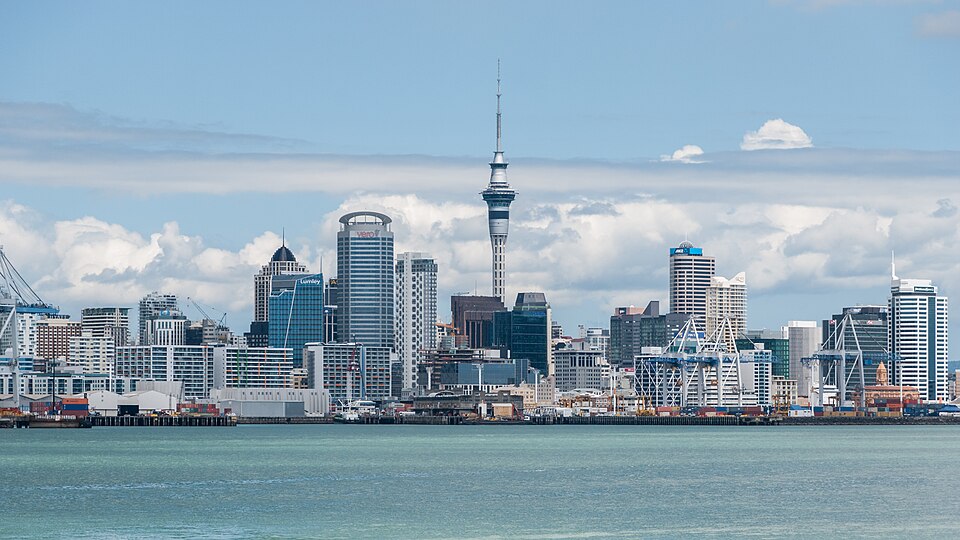 AucklandiPhoto: DXR · CC BY-SA 4.0 · Wikimedia Commons
Auckland in December, around 22°C by day and 16°C overnight with the sea at 19°C, 8 hours of sun and 11 rain days, sits just before the peak summer crowd there, worth checking against a January trip on both weather and price.
AucklandiPhoto: DXR · CC BY-SA 4.0 · Wikimedia CommonsRelaxed (1 to 2 stops a day), balanced (2 to 3 stops) or packed (3 to 5 stops) affects the budget indirectly: a shorter list of tours booked across a relaxed trip means a shorter list for price watch to track and a lower running total overall.
 BangkokiPhoto: Preecha.MJ · CC BY-SA 4.0 · Wikimedia Commons
Bangkok in May, around 34°C by day and 26°C overnight with 7 hours of sun and 22 rain days, supports a relaxed pace well in the heat, which also happens to keep the day's bookings to a manageable number.
BangkokiPhoto: Preecha.MJ · CC BY-SA 4.0 · Wikimedia CommonsOne well-placed base with short transfers to the day's stops usually costs less in transport than several short stays spread across a wider area, since each move between bases adds its own cost.
 New YorkiPhoto: King of Hearts · CC BY-SA 4.0 · Wikimedia Commons
New York in October, around 14°C by day and 5°C overnight with 5 hours of sun and 14 rain days, has enough to see from one well-placed base that moving stays partway through rarely saves money.
New YorkiPhoto: King of Hearts · CC BY-SA 4.0 · Wikimedia CommonsDescribing the trip in one sentence draws the days as a route on the map, with travel times on every leg, which is worth doing before pricing individual stays since the shape of the days affects which stay actually makes sense.
Door to door, the first day includes the ride to the airport, the flight and the transfer to the first stay, costs that belong in the budget from the start rather than discovered separately.

New trip


When, who with, what matters and what's a no. No form, no ten filters. HolidayWow understands the dates, budget, departure point, pace and wishes from one sentence.

New trip
Every idea comes with a total price and a clear answer to why it fits you: weather, flight time, beaches, food, short distances.

Your trip ideas
Sicily
Food · small towns · sea
7 days for 2
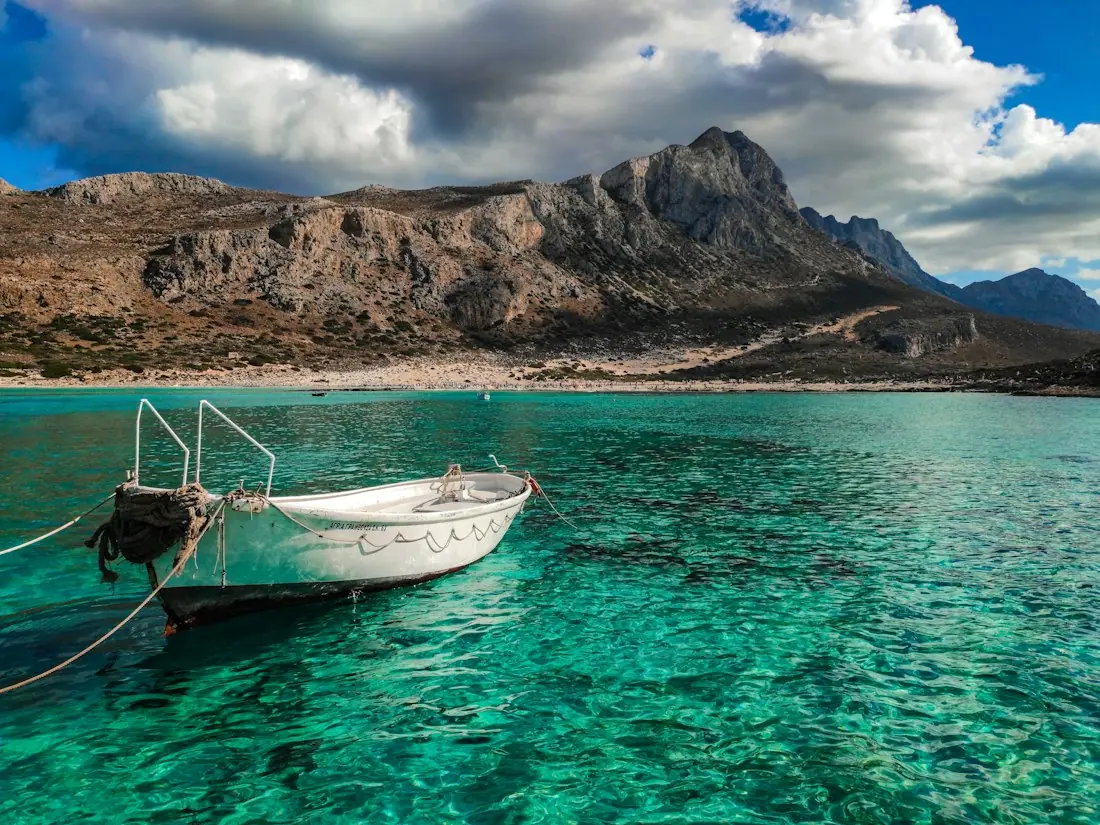
Crete
Sea · tavernas · nature
7 days for 2
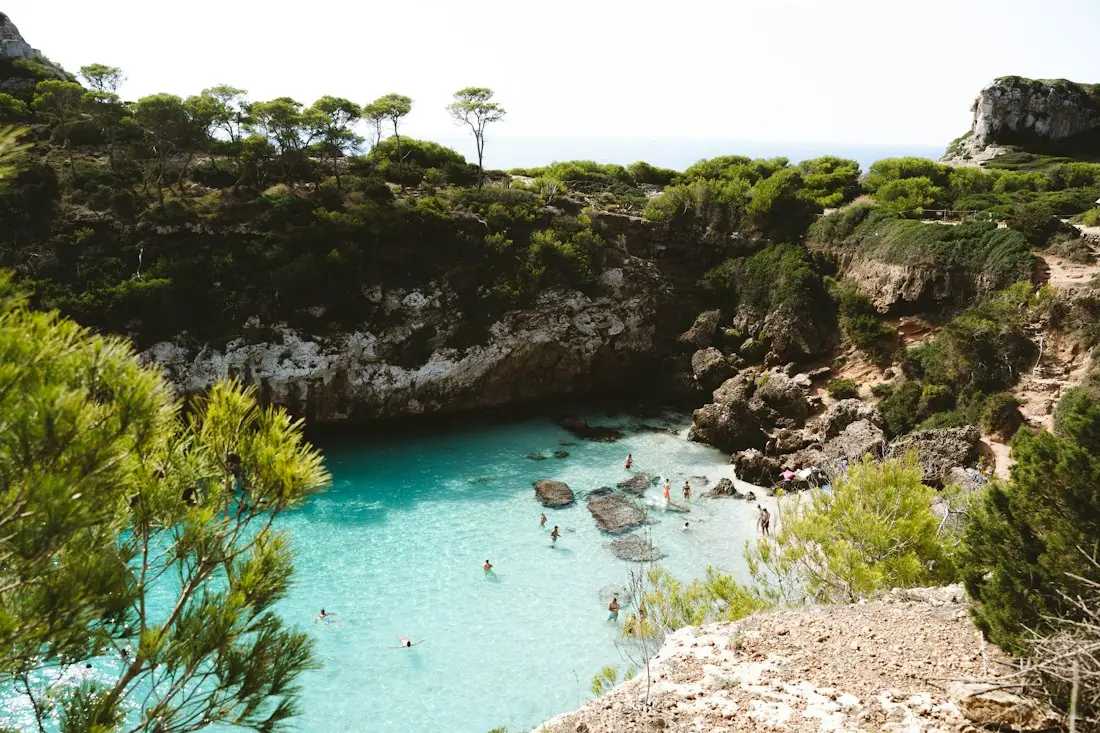
Mallorca
Sea · comfort · short distances
7 days for 2
Arrival, transfer, check-in, sunset, dinner. Just say “make it cheaper” or “no car hire” and the trip adapts.

Day 1
Arrival
Arrival in Heraklion Transfer · 35 minCheck-in by the sea
 Sunset
 Taverna at the harbour
Rain on the way? Then the beach day becomes a day at the market and a museum. Flight status, weather and your day plan in one place.

Day 3 · boat trip
Stays, tours and transport show a live price from partners (Booking.com, GetYourGuide, Viator, Trip.com, flight partners), or a "Check live price" button, letting two options be compared on what they actually cost right now rather than a remembered figure from an earlier search.
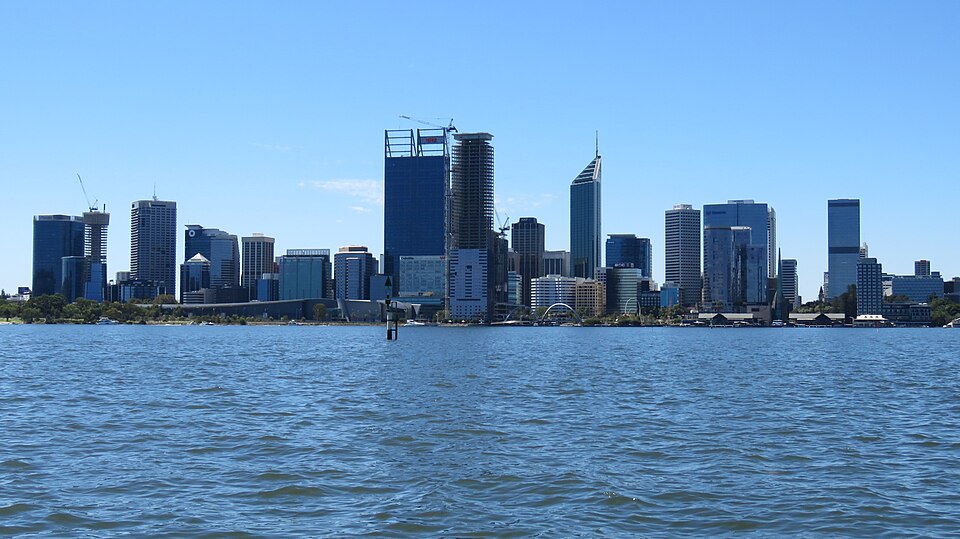 PerthiPhoto: Calistemon · CC BY-SA 4.0 · Wikimedia Commons
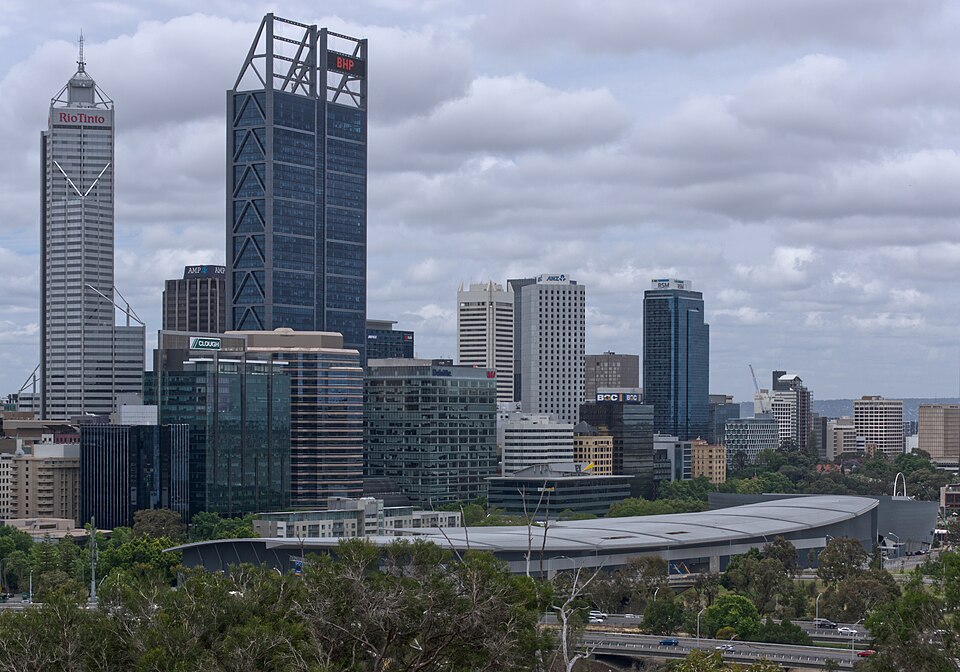 PerthiPhoto: Alexey V. Kurochkin · CC BY-SA 4.0 · Wikimedia Commons
Perth in June, around 19°C by day and 15°C overnight with 6 hours of sun and 12 rain days, is a quieter winter month there, often cheaper to stay in than the warmer months most visitors choose instead.
PerthiPhoto: Calistemon · CC BY-SA 4.0 · Wikimedia CommonsPerthiPhoto: Alexey V. Kurochkin · CC BY-SA 4.0 · Wikimedia CommonsPrice watch keeps an eye on stays and tours still being compared, flagging a change before booking rather than requiring a manual check back every few days.
 Spain
Spain in March, around 16°C by day and 3°C overnight with 7 hours of sun and 9 rain days, sits in a shoulder season where prices move more than in a settled peak month, making price watch especially useful there.
Spain
A trip budget in Australian dollars sits alongside the plan, totalling stays, tours and transport as they are added, so the running cost is visible throughout the planning rather than appearing all at once at the very end.

Booking from inside the same plan also avoids the small cost of comparing several separate sites manually, since every option already sits in one place with its live price attached.
Once a stay or a tour is shared, its cost can be split across the group inside the same plan, keeping the budget as one shared figure rather than several private tallies that need reconciling afterward.
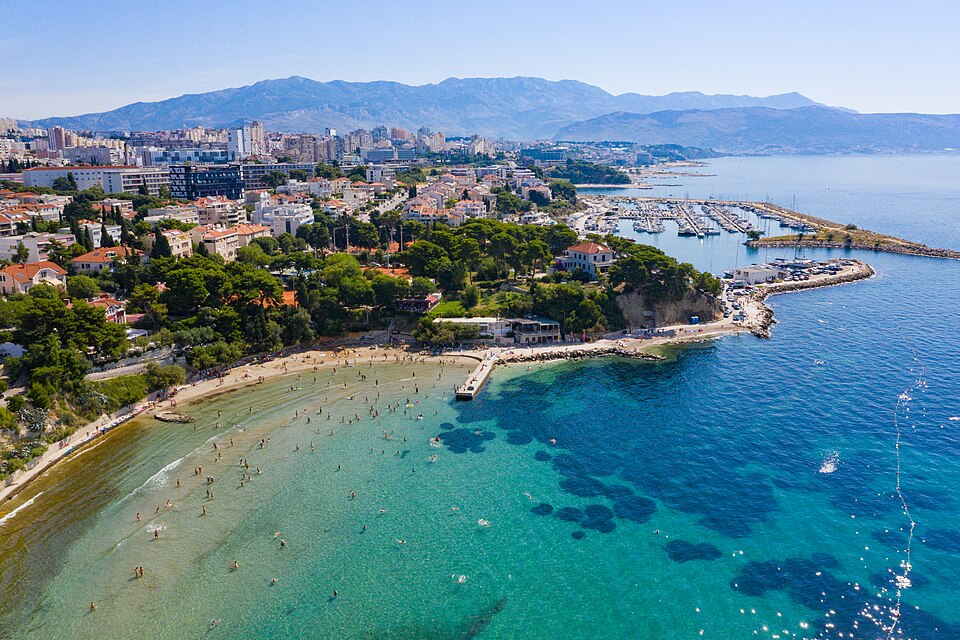 SplitiPhoto: dronepicr · CC BY 2.0 · Wikimedia Commons
One link shares the plan with everyone travelling, with roles for who can view and who can edit, so the whole group sees the same running total rather than everyone keeping a private, slightly different tally of their own.
SplitiPhoto: dronepicr · CC BY 2.0 · Wikimedia Commons
Temperature, sea, sun and rain days for every month, measured, not guessed. You see how your trip will feel before you go.
Direct flights, flight times and transfers from 7 Australian airports, worked out from your door to the hotel.

Flights, hotel, transfers and experiences in one sum for everyone traveling, with the provider and when the price was checked. No teaser prices.
A packing list and checklist build themselves from the plan, the month and the climate, which avoids the small but real cost of buying something abroad that was simply forgotten at home.

A document vault keeps passports, tickets and booking confirmations filed against the trip, useful for sidestepping a rebooking fee caused by a misplaced confirmation on a budget-conscious trip where every extra cost matters more than it would on a trip with more room to spare.
With around 20 days of annual leave typical in Australia, the Long Weekend planner shows how a public holiday plus a few days of leave can reach a shoulder-season trip without needing a longer, pricier block of leave.

Because school holidays fall on different weeks by state, travelling slightly outside them where possible often means a quieter, cheaper trip than the same destination during the peak break, since prices at a given destination tend to track demand from every state at once rather than just one.
Checking a shoulder month against a peak one, since stays and flights both tend to cost less while the weather is often still perfectly comfortable for the trip itself.
Indirectly. A relaxed pace with a shorter booking list tends to keep the running total lower than a packed trip with several tours booked every day.
The app is free to download and to plan with, including the trip budget and price watch. Booking happens through partner links when you choose to confirm a stay or a tour.
Often yes, since each move between bases adds its own transport cost, while one well-placed base with short transfers sidesteps that repeated cost across the whole trip.
It flags a price change on anything still being compared, so a saving or a price increase is noticed well before the booking is actually made rather than afterward.
Yes. Once a stay or a tour is shared, its cost can be split across the group inside the same plan, alongside a shared trip budget.
Yes. A list built from the plan, the month and the climate reduces the chance of buying something abroad at a higher price that was simply forgotten at home before leaving.
No. The trip budget builds itself as stays, tours and transport are added, so a rough plan already shows a running total to work from before a single booking is confirmed.

Your next trip

Describe your trip in one sentence. When, who with and what matters to you.

Where it's warm right now, real fare finds from your airport, long weekends for your state and a ready-made trip to make your own.