Ten years of climate
Temperature, sea, sun and rain days for every month, measured, not guessed. You see how your trip will feel before you go.


Published 8 October 2026 · HolidayWow editors · Written with AI, numbers checked against our data ·
Checking the weather for a trip usually means a separate search before or after the plan is made. HolidayWow puts the climate numbers for the month, and live weather once dates are set, directly on the day card.
Day and night temperature, sea temperature where relevant, sunshine hours and rain days are shown for the month of the trip from the moment the plan exists, rather than something to search for once the destination is decided.

The data comes from NASA POWER for air temperature, sunshine and rain (2006 to 2025) and NOAA OISST for sea temperature (1991 to 2020), the same climate record behind every month shown in the app.
Before dates are added, the day cards show the climate numbers typical for the month, enough to judge the pace and the packing for the trip. Once exact dates are set, each day card fills in with its weekday and live weather as the trip gets closer.
That shift from typical climate to live weather happens without rebuilding the plan: the same day card simply gains more detail as the date it refers to becomes current.

Adelaide in May sits around 18°C by day and 10°C overnight, with the sea at 17°C, 6 hours of sun and 10 rain days, a mild autumn month suited to a balanced pace with a jacket for the evenings.
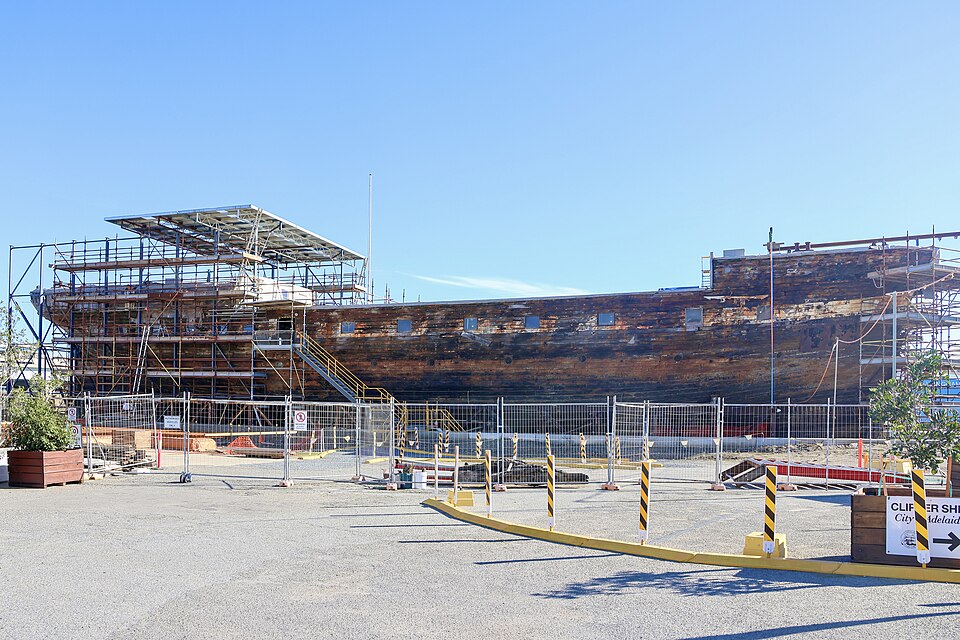 AdelaideiPhoto: Yu Chu Chin · CC BY-SA 4.0 · Wikimedia Commons
Those numbers shape the plan before a single date is set: a relaxed morning, an outdoor midday and an earlier evening than a warmer month would call for.
AdelaideiPhoto: Yu Chu Chin · CC BY-SA 4.0 · Wikimedia CommonsPhuket in October runs warm and wet, around 28°C by day and 27°C overnight, with the sea at 29°C, 6 hours of sun and 29 rain days, among the rainier months on record for the island.
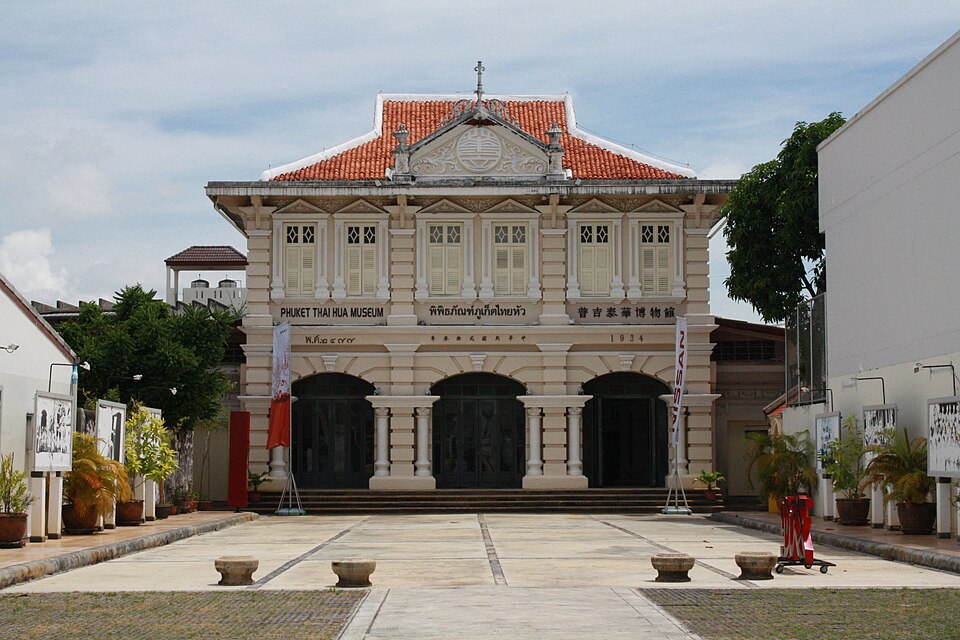 PhuketiPhoto: Полина Славянская · CC BY 3.0 · Wikimedia Commons
 PhuketiPhoto: This photo was taken by Anton Zelenov . Please credit this with : Photo : Anton Zelenov in the immediate vicinity of the · CC BY-SA 4.0 · Wikimedia Commons
A plan built around these numbers leans toward a relaxed pace with a shaded or indoor stop most afternoons, rather than a packed day that assumes dry weather throughout.
PhuketiPhoto: Полина Славянская · CC BY 3.0 · Wikimedia CommonsPhuketiPhoto: This photo was taken by Anton Zelenov . Please credit this with : Photo : Anton Zelenov in the immediate vicinity of the · CC BY-SA 4.0 · Wikimedia Commons
New trip


When, who with, what matters and what's a no. No form, no ten filters. HolidayWow understands the dates, budget, departure point, pace and wishes from one sentence.

New trip
Every idea comes with a total price and a clear answer to why it fits you: weather, flight time, beaches, food, short distances.

Your trip ideas
Sicily
Food · small towns · sea
7 days for 2
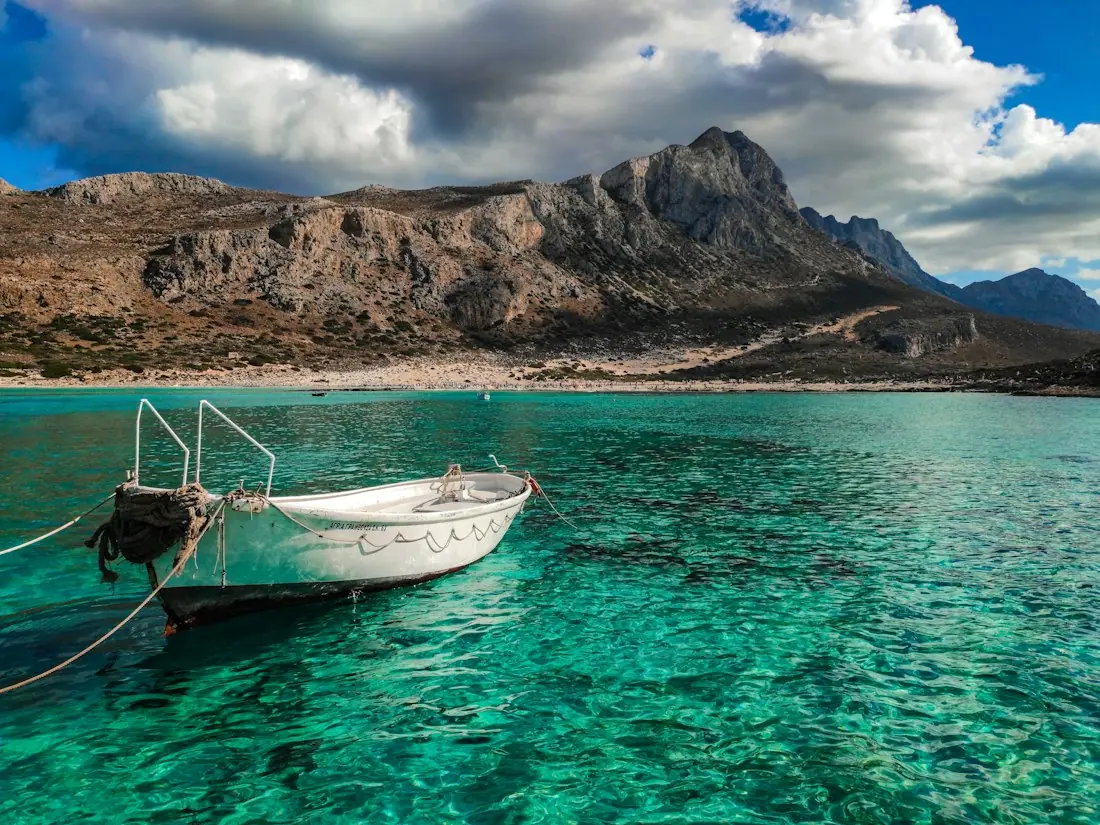
Crete
Sea · tavernas · nature
7 days for 2
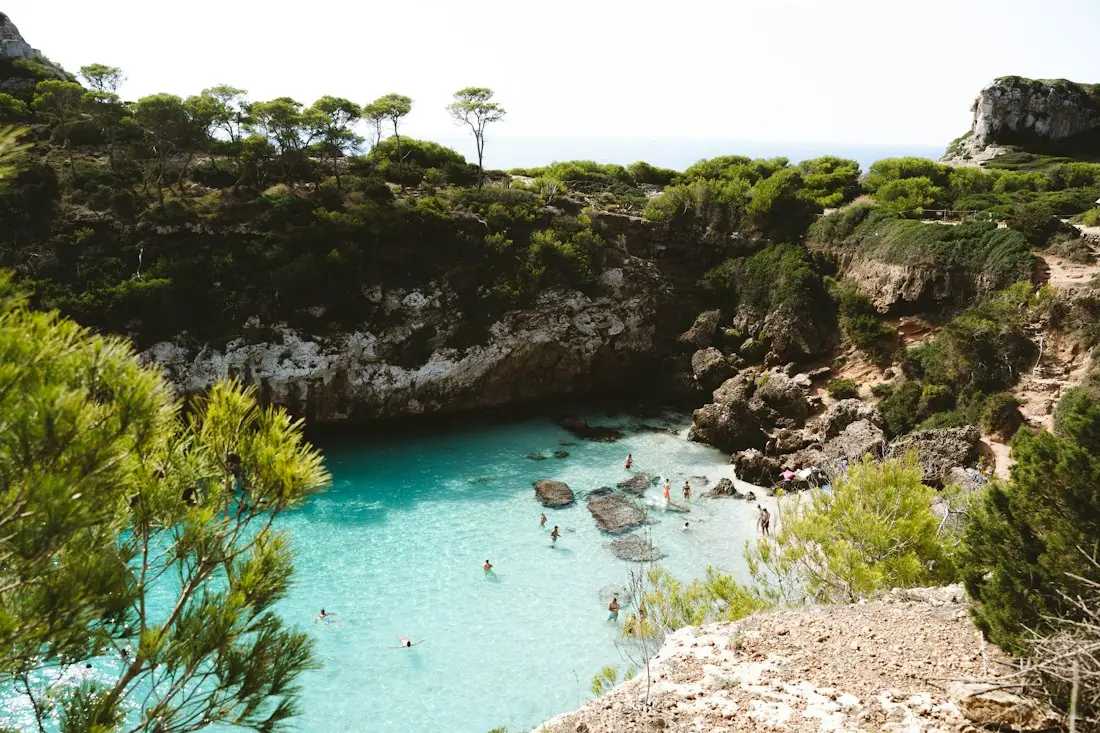
Mallorca
Sea · comfort · short distances
7 days for 2
Arrival, transfer, check-in, sunset, dinner. Just say “make it cheaper” or “no car hire” and the trip adapts.

Day 1
Arrival
Arrival in Heraklion Transfer · 35 minCheck-in by the sea
 Sunset
 Taverna at the harbour
Rain on the way? Then the beach day becomes a day at the market and a museum. Flight status, weather and your day plan in one place.

Day 3 · boat trip
Osaka in August sits around 30°C by day and 23°C overnight, with 7 hours of sun and 16 rain days, hot and humid enough to favour an early start and an indoor or shaded stretch through the middle of the day.
 OsakaiPhoto: Martin Falbisoner · CC BY-SA 4.0 · Wikimedia Commons
The climate numbers make that pattern visible before the trip starts, rather than being discovered on the first uncomfortable afternoon.
OsakaiPhoto: Martin Falbisoner · CC BY-SA 4.0 · Wikimedia CommonsLombok Island in January runs warm and very wet, around 29°C by day and 25°C overnight, with 6 hours of sun and 28 rain days, while Sri Lanka in December sits a little cooler at 27°C by day and 21°C overnight, with 5 hours of sun and 24 rain days.
 Sri Lanka
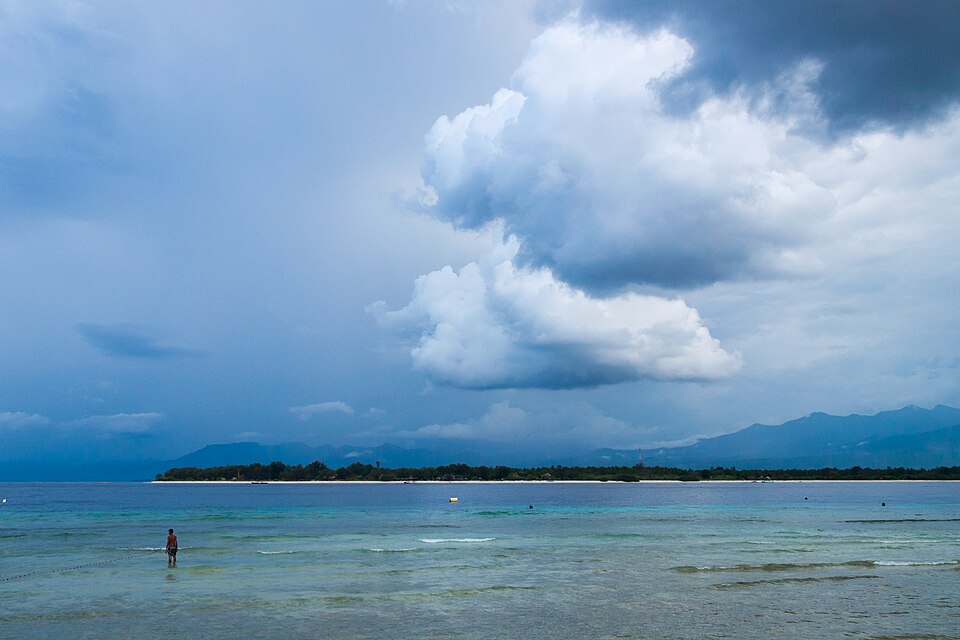 Lombok IslandiPhoto: Vyacheslav Argenberg · CC BY 4.0 · Wikimedia Commons
Comparing the two side by side on the same climate numbers shows how two warm, wet months still differ enough in rain days and sunshine hours to change the pace that suits each one, even when the day temperatures themselves look fairly close together.
Sri LankaLombok IslandiPhoto: Vyacheslav Argenberg · CC BY 4.0 · Wikimedia Commons
Germany in February sits around 4°C by day and minus 2°C overnight, with 3 hours of sun and 12 rain days, cold and often grey, the kind of month where a relaxed pace with longer indoor stops suits the short daylight hours.
 GermanyiPhoto: dronepicr · CC BY 2.0 · Wikimedia Commons
The sunshine hours figure matters as much as the temperature here: 3 hours of sun across the whole day leaves less room for an outdoor stop that runs long, and the plan's pace reflects that rather than treating every cold month the same way.
GermanyiPhoto: dronepicr · CC BY 2.0 · Wikimedia CommonsSince summer in Australia runs December to February, a trip planned around school holidays that fall in that window often means packing and pacing for the opposite season at an overseas destination, which the climate numbers make clear well before departure.
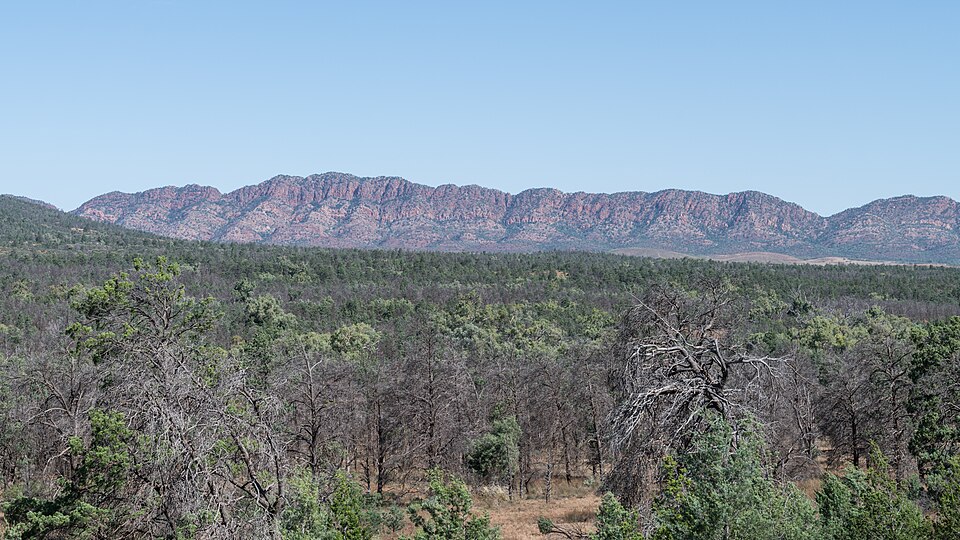 AustraliaiPhoto: DXR · CC BY-SA 4.0 · Wikimedia Commons
With around 20 days of annual leave typical in Australia, travellers checking the Long Weekend planner can line a short trip up against a destination's best weeks using the same climate data shown across the planner.
AustraliaiPhoto: DXR · CC BY-SA 4.0 · Wikimedia Commons
Temperature, sea, sun and rain days for every month, measured, not guessed. You see how your trip will feel before you go.
Direct flights, flight times and transfers from 7 Australian airports, worked out from your door to the hotel.

Flights, hotel, transfers and experiences in one sum for everyone traveling, with the provider and when the price was checked. No teaser prices.
Stays, tours and transport show live prices from partners (Booking.com, GetYourGuide, Viator, Trip.com, flight partners), with a shaded or indoor tour easy to spot and book for a wetter day once the climate numbers flag it.

A packing list and checklist build themselves from the plan, the month and the climate, so the right layers and rain gear are already listed rather than guessed from memory of what a month like this is usually like. A trip budget in Australian dollars sits alongside the plan too, with price watch on any tour being compared before booking.
Large text and voice input cover the climate numbers the same way they cover the rest of the plan, useful for reading a day card's weather without squinting, or asking the assistant what a month looks like before typing a full sentence.

The side panel assistant can answer a question about a day's weather directly, reading the same climate numbers shown on the card rather than requiring a separate search elsewhere.
Describe the trip in one sentence, and the plan appears on the map with the climate numbers for the month already shown on every day card.

Yes. Climate numbers for day and night temperature, sea temperature, sunshine hours and rain days come from NASA POWER and NOAA OISST data for every month.
Yes. Once exact dates are added, each day card fills in with its weekday and live weather as the trip date approaches.
The app is free to download and to plan with, including every climate number shown on the plan. Booking happens through partner links when you choose to confirm a stay or a tour.
Yes. Climate numbers for any month and destination in the app can be checked against each other before the trip is finalised.
The climate numbers make a rainy or hotter month visible on the plan, and the pace, relaxed, balanced or packed, can be set to suit it directly.
Sea temperature comes from NOAA OISST data covering 1991 to 2020, shown alongside air temperature for destinations near the coast.
No. Climate numbers for the month are shown as soon as the destination and month are named, before any exact date is added.
Yes. The side panel assistant can answer a question about a day's climate directly, reading from the same numbers shown on the day card.

Your next trip

Describe your trip in one sentence. When, who with and what matters to you.

Where it's warm right now, real fare finds from your airport, long weekends for your state and a ready-made trip to make your own.