
November: -7 °C by day
Canada weather and the best time to visit
Published 12 October 2026 · HolidayWow editors · Written with AI, numbers checked against our data ·
Canada weather changes dramatically between regions and seasons, so the best time to visit Canada depends on whether you want winter snow, colourful autumn landscapes or warm summer days. July is generally the warmest month, while June brings the highest rainfall. Plan around the experience you want, then use regional forecasts for the final decision.
In Canada, the best months for a trip are July and August, with daytime highs up to 22 °C.
Weather looks good?7 days in Canada in July, Beach and hiking, from Brisbane on your own
Plan a trip
Now in Canada
3 °C
Clear
Wind 17 km/h, Humidity 65%
As of 16:14 local time
The next 7 days
- Today
 3° / 2°Sunny
- Tomorrow4° / 0°Sunny
- Wednesday
 2° / -2°Fair
- Thursday1° / -3°Partly cloudy
- Friday
 0° / -1°Changeable7 mm rain
- Saturday-2° / -3°Changeable3 mm rain
- Sunday-4° / -6°Cloudy
Choose Canada by season
Canada is a country of distinct seasons. Summer brings long daylight hours, outdoor festivals, national parks and comfortable conditions for sightseeing. July has the warmest average daytime temperature in the country, at 22 °C, with August close behind at 21 °C. These months suit travellers who want to explore cities, drive through the countryside and spend time outdoors.
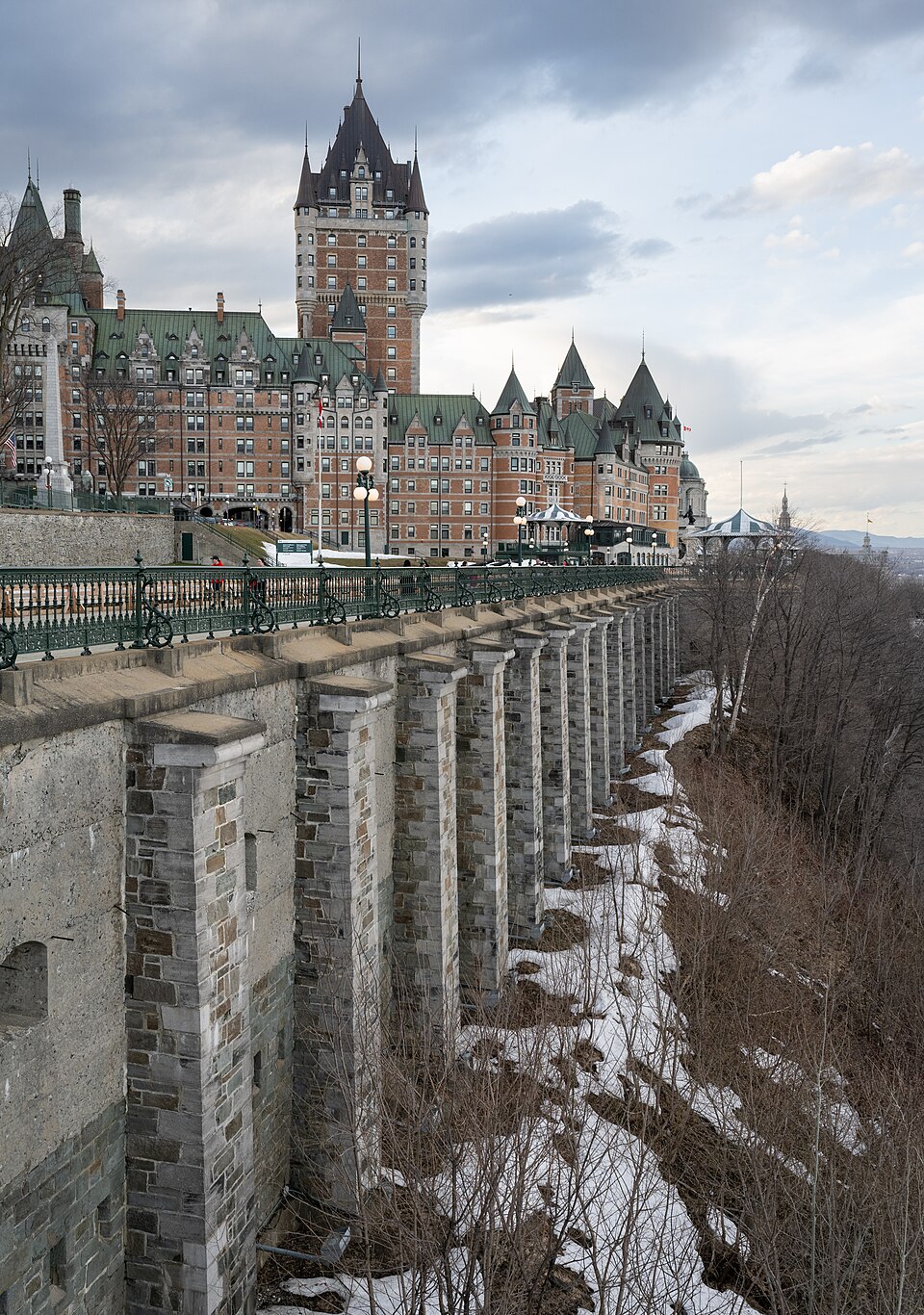
Autumn is appealing for changing foliage and quieter inland routes, although temperatures fall quickly from September into October. Winter covers much of the country with snow and cold, creating a strong setting for ski resorts, ice roads and northern landscapes. If you are visiting during this season, choose your regions and activities before booking, since each destination has its own conditions.
When to visit for warmer conditions
For a summer holiday, June through August provides the warmest part of the Canadian travel season. Average daytime temperatures rise from 19 °C in June to 22 °C in July and 21 °C in August. Nights remain cooler, sitting at 11 °C, 14 °C and 12 °C respectively, so layers are useful even during warm afternoons.
 iPhoto: Michal Klajban · CC BY-SA 4.0 · Wikimedia Commons
May and September are good alternatives for travellers who want spring or autumn experiences with mild daytime temperatures. Both months reach 15 °C, while their overnight temperatures are 5 °C and 7 °C. These periods can work well for city breaks, scenic drives and outdoor walks when you pack for cool mornings and changeable conditions.
- July for the warmest average daytime conditions
- June to August for outdoor sightseeing and national parks
- May or September for mild daytime temperatures
iPhoto: Michal Klajban · CC BY-SA 4.0 · Wikimedia Commons iPhoto: Xicotencatl · CC BY-SA 4.0 · Wikimedia Commons
What's the weather like in Canada in November?
In November, days in Canada average -7 °C and -13 °C at night. In December, days in Canada average -15 °C and -22 °C at night.
- November-7°-13 °C at night2 hours of sun a day
 8 rain days
- December-15°-22 °C at night2 hours of sun a day7 rain days
| Month | Jan | Feb | Mar | Apr | May | Jun | Jul | Aug | Sept | Oct | Nov | Dec |
|---|---|---|---|---|---|---|---|---|---|---|---|---|
| Day °C | -15 | -14 | -6 | 5 | 15 | 19 | 22 | 21 | 15 | 5 | -7 | -15 |
| Night °C | -23 | -23 | -14 | -3 | 5 | 11 | 14 | 12 | 7 | -1 | -13 | -22 |
| Sun h/day | 3 | 6 | 8 | 9 | 9 | 8 | 8 | 7 | 6 | 4 | 2 | 2 |
| Rain days | 9 | 6 | 9 | 9 | 10 | 15 | 14 | 12 | 9 | 9 | 8 | 7 |
Plan a Canada trip around your interests
If you are deciding the best time to visit Canada, start with the holiday you want. Summer supports hiking, boat trips, festivals and long drives through the Rockies. Autumn works well for scenic landscapes and food-focused city visits. Winter gives you access to snow-based activities and winter festivals, with January averaging -15 °C during the day and -23 °C at night.
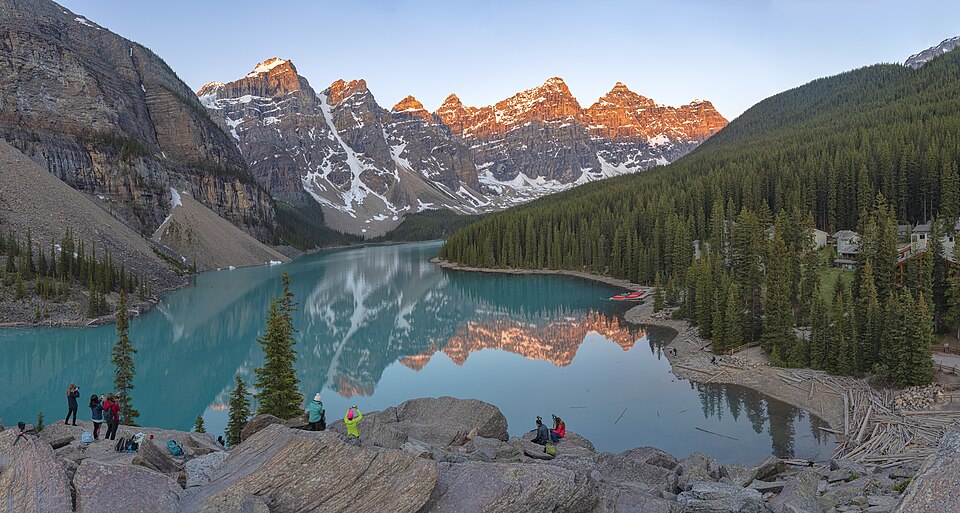 iPhoto: Chensiyuan · CC BY-SA 4.0 · Wikimedia Commons
The best approach is to match the month with your preferred pace. HolidayWow reads your destination, month, group and budget when you describe the trip. You can choose a relaxed, balanced or packed pace, then adjust individual days on the map. This makes it easier to create a Canada itinerary that suits a family, a couple or a group travelling together.
- Relaxed pace: one or two stops each day
- Balanced pace: two or three stops each day
- Packed pace: three or five stops each day
iPhoto: Chensiyuan · CC BY-SA 4.0 · Wikimedia CommonsHow far is Canada from Australia?
Canada is a long-haul destination from Australia, so distance is an important part of your planning. From Sydney, Canada is 13,658 km away, while Melbourne is 14,348 km away. Brisbane is 12,977 km away and Perth is 15,650 km away. The distance helps you compare route options and build a realistic travel plan.

Flight times to Canada
- from Brisbane15 h 12with a change
- from Gold Coast15 h 15with a change
- from Sydney15 h 59with a change
- from Canberra16 h 15with a change
HolidayWow can include the journey from your home, the flight and the transfer to your first stay in the plan. Dates are optional when you first start planning, so you can shape the route by month before setting exact days. Later, add dates to bring weekdays, live weather and live partner prices into the plan.
- Sydney departure: 13,658 km
- Melbourne departure: 14,348 km
- Brisbane departure: 12,977 km
- Perth departure: 15,650 km
Flight times to Canada
- from Brisbane15 h 12with a change
- from Gold Coast15 h 15with a change
- from Sydney15 h 59with a change
- from Canberra16 h 15with a change
Best time to travel in Canada
In Canada, the best months for a trip are July and August, with daytime highs up to 22 °C.
Everything about a holiday in CanadaWeather in Canada month by month
- January-15 °C
- February-14 °C
- March-6 °C
- April5 °C
- May15 °C
- June19 °C
- July22 °C
- August21 °C
- September15 °C
- October5 °C
- November-7 °C
- December-15 °C
Already started
Your trip in Canada
- 22 °C by day in July
- from Brisbane about 15 h 12
Day 1
Arrival in Vancouver
Flight from Brisbane in 15 h 12. Settle in, first evening by the harbour or in the centre.

Day 2
Peter Pond Lake
Start early; bring water and sturdy shoes.
Day 3
Churchill Lake
Start early; bring water and sturdy shoes.
Day 4
Frobisher Lake
Start early; bring water and sturdy shoes.
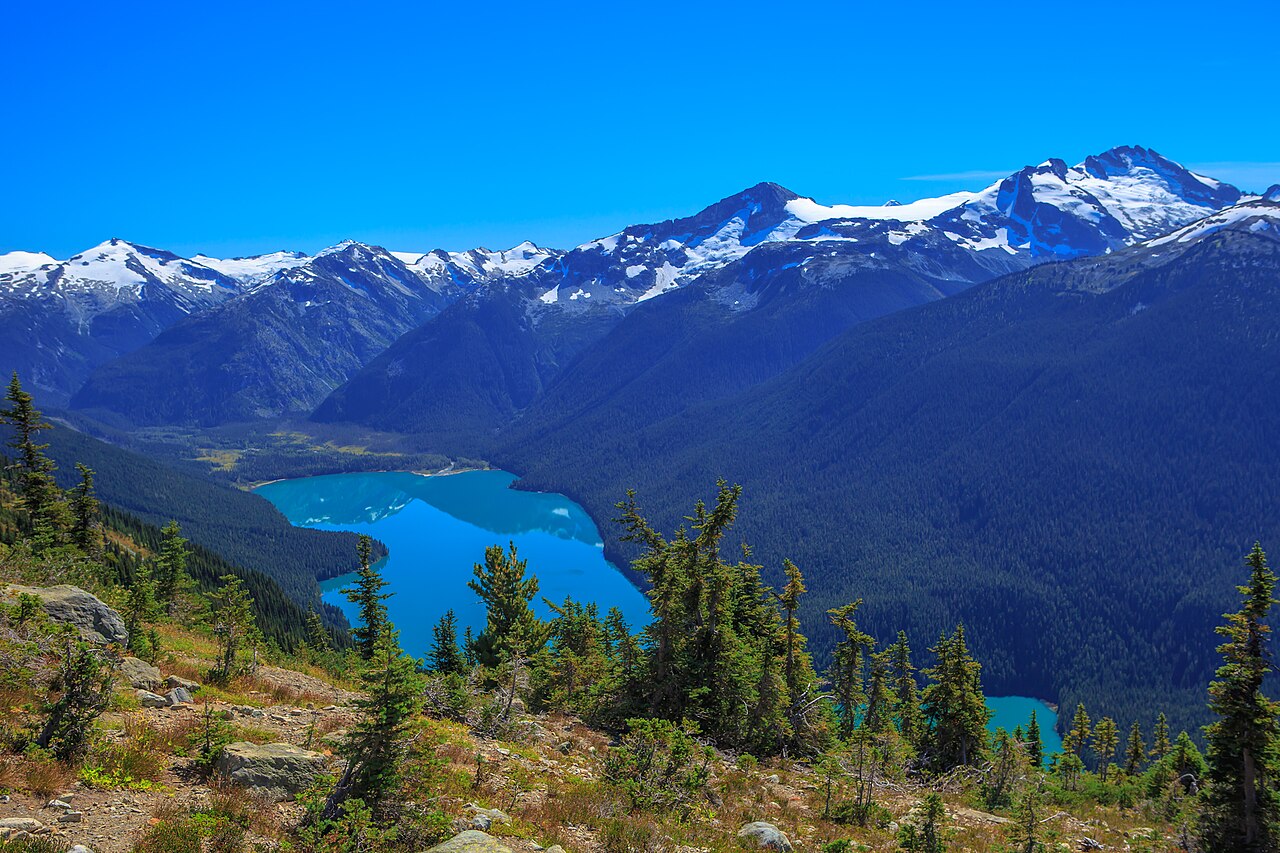
 iPhoto: Wilfredor · CC0 · Wikimedia Commons
Day 5
On to Quebec
A new base for the next few days; explore Quebec on foot.
Day 6
Lac La Loche
Start early; bring water and sturdy shoes.
Day 7
Last morning and flight home
One last walk, then back to Brisbane.
Look around without an account; sign in to save.
Weather in Canada: frequently asked questions
What is the best time to visit Canada?
The best time depends on your holiday. Summer suits outdoor sightseeing and national parks, autumn offers colourful landscapes and winter is ideal for snow-based activities. July is the warmest month, with an average daytime temperature of 22 °C.
When is Canada warmest?
July is the warmest month in the climate data, averaging 22 °C during the day and 14 °C at night. August is nearly as warm, with daytime and nighttime averages of 21 °C and 12 °C.
Which Canadian month has the most rain?
June has the highest recorded rainfall, with 15 rain days and 98 mm of rain. July follows with 14 rain days and 86 mm. A flexible itinerary lets you move outdoor activities around changing conditions.
Is Canada good to visit in spring?
Yes. May offers an average daytime temperature of 15 °C and 9 sunshine hours, making it a comfortable month for sightseeing and outdoor travel. Overnight temperatures can be around 5 °C, so pack layers for cool mornings.
How can I plan a Canada holiday?
Describe your trip in HolidayWow by sentence or voice. The planner reads the place, month, group, pace and budget, then places each day on a map. You can edit stops, choose a travel pace, add dates and share the plan with your group.


Your next trip
Plan your holiday in Canada

Describe your trip in one sentence. When, who with and what matters to you.