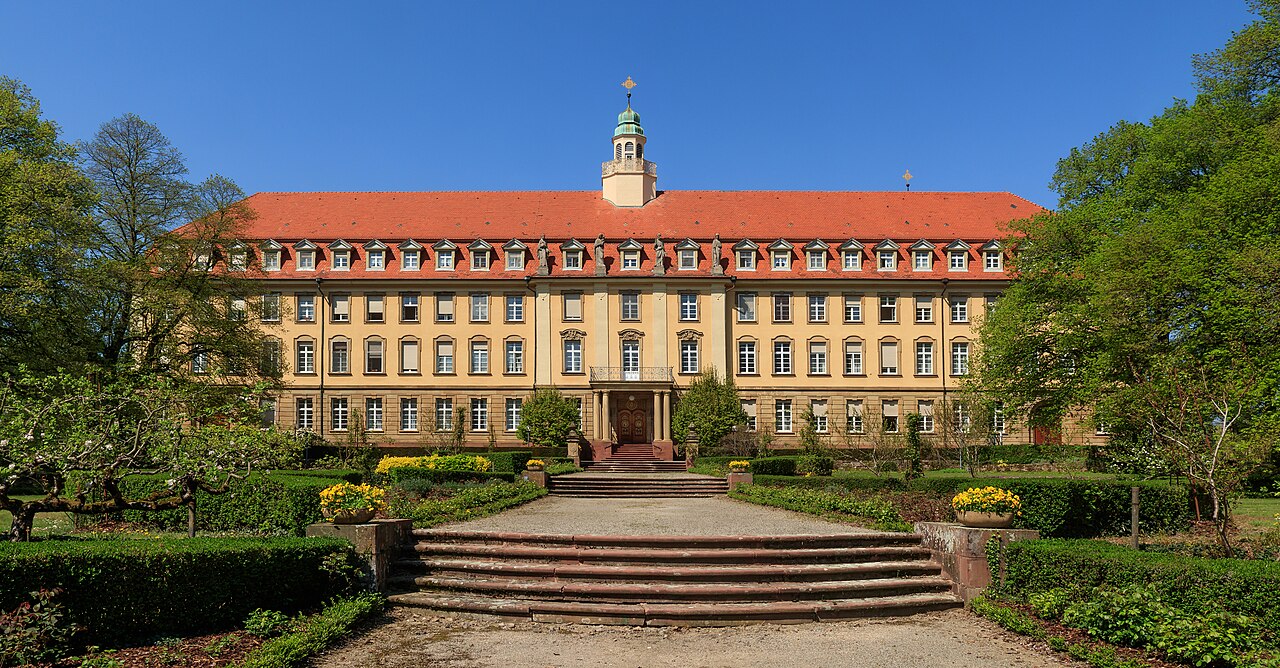
November: 7 °C by day
Germany weather and the best time to visit
Published 12 October 2026 · HolidayWow editors · Written with AI, numbers checked against our data ·
Germany suits different kinds of holidays throughout the year. Spring brings city walks and fresh countryside colour, summer supports long sightseeing days, autumn pairs crisp days with seasonal food and forest walks, while winter is suited to Christmas markets, museums and snowy regional trips. The warmest months are July and August, and April is the driest month in this climate guide.
In Germany, the best time for a trip is June to September, with daytime highs up to 24 °C.
Weather looks good?7 days in Germany in August, Beach and hiking, from Perth on your own
Plan a trip
Now in Germany
5 °C
Partly cloudy
Wind 13 km/h, Humidity 98%
As of 00:14 local time
The next 7 days
- Today
 11° / 1°Heavy showers16 mm rain
- Tomorrow10° / 7°Light showers9 mm rain
- Thursday9° / 6°Light rain11 mm rain
- Friday6° / 1°Cloudy9 mm rain
- Saturday
 5° / -1°Partly cloudy
- Sunday3° / -1°Cloudy
- Monday2° / -4°Fair
Choose Germany by season and travel style
The best time to visit Germany depends on the holiday you want. April and May are comfortable for sightseeing in Berlin, Munich and Nuremberg, with daytime temperatures of 13 °C and 17 °C. Autumn is appealing for a slower cultural trip, with daytime temperatures of 14 °C in October and 7 °C in November. Winter is especially rewarding when your route includes Christmas markets, indoor galleries and regional train journeys.
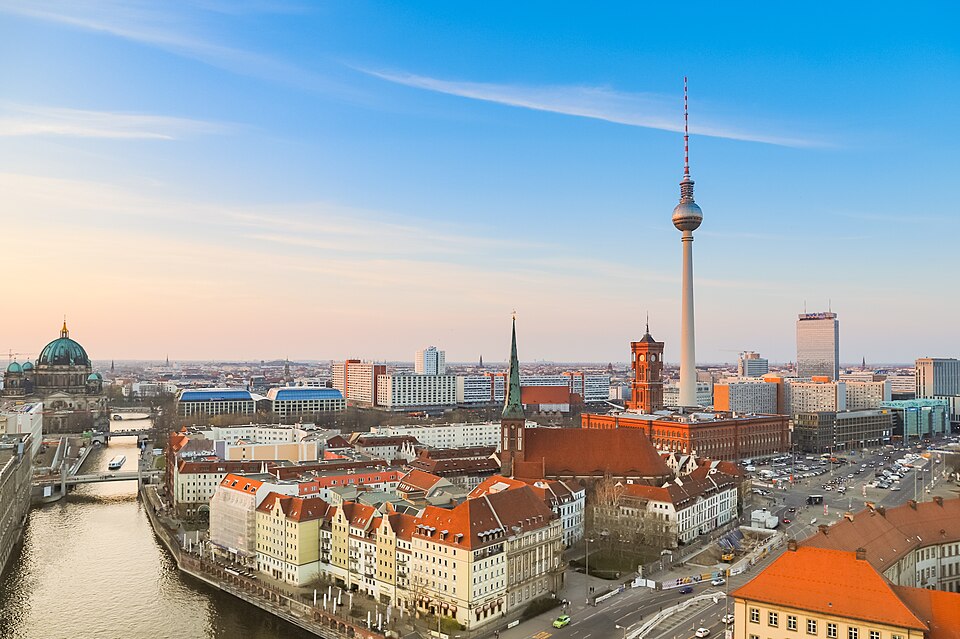
Summer days for broad itineraries
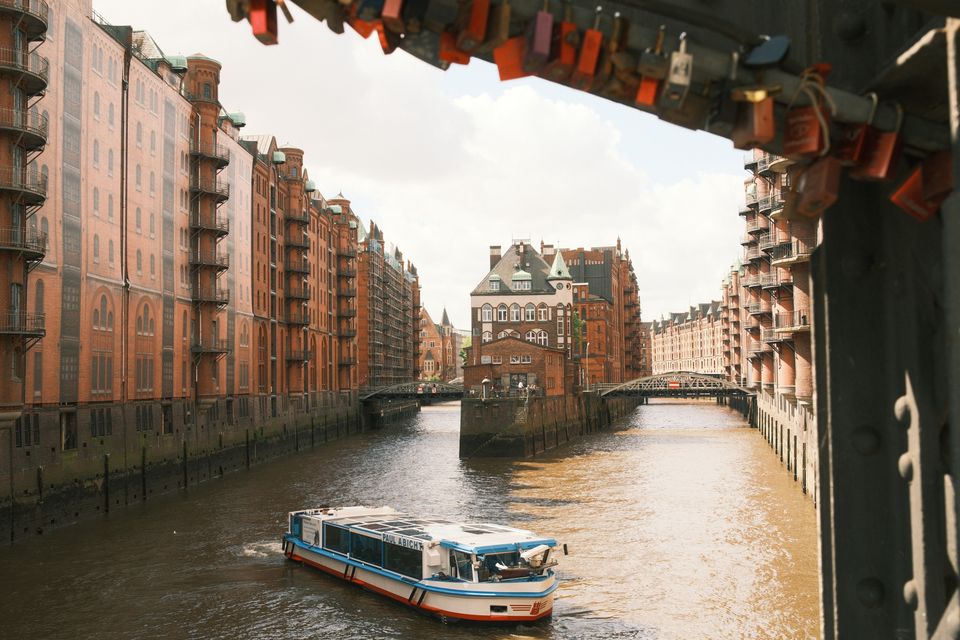
July and August are the warmest months, with daytime temperatures of 24 °C and nights around 13 °C. They work well for itineraries that spread your trip across several cities, since daylight gives you room for a morning train, an afternoon museum and an evening meal. Hamburg adds a change of setting through its canals and warehouse district, while Berlin provides a strong base for public art, history and evening programmes.
What's the weather like in Germany in November?
In November, days in Germany average 7 °C and 2 °C at night. In December, days in Germany average 3 °C and -1 °C at night.
- November7°
 2 °C at night
 2 hours of sun a day13 rain days
- December3°-1 °C at night1 hours of sun a day16 rain days
| Month | Jan | Feb | Mar | Apr | May | Jun | Jul | Aug | Sept | Oct | Nov | Dec |
|---|---|---|---|---|---|---|---|---|---|---|---|---|
| Day °C | 2 | 4 | 8 | 13 | 17 | 21 | 24 | 24 | 20 | 14 | 7 | 3 |
| Night °C | -3 | -2 | 0 | 3 | 7 | 11 | 13 | 13 | 9 | 6 | 2 | -1 |
| Sun h/day | 2 | 3 | 5 | 7 | 7 | 8 | 7 | 6 | 5 | 3 | 2 | 1 |
| Rain days | 15 | 12 | 12 | 10 | 14 | 13 | 15 | 13 | 10 | 13 | 13 | 16 |
Autumn colour and winter atmosphere
October and November are good months for a Germany holiday built around food, castles, museums and slower regional travel. Berlin's autumn avenues are especially suited to an easy walking day, while Hamburg's canals remain a practical choice for a change of scenery. December brings daytime temperatures of 3 °C and nights around -1 °C, making it a good match for Christmas markets, thermal breaks and indoor cultural stops.
Build a Germany itinerary with the planner
HolidayWow turns a short description of your German holiday into an editable map plan. Tell the planner that you want a city break, a rail journey or a family holiday, and it can set a relaxed, balanced or packed pace. Every day can show its stops and travel legs, while moving a stop to another day updates the order of the day.
For Australian travellers, the Long Weekend planner can help shape public holidays and leave days into a longer break. The trip film presents the route, bases and daily plans on a shareable map, and group members can comment or vote. Stays, tours and transport are shown with live partner prices, so your plan keeps the booking information beside the daily structure.
Best time to travel in Germany
In Germany, the best time for a trip is June to September, with daytime highs up to 24 °C.
Everything about a holiday in GermanyWeather in Germany month by month
- January2 °C
- February4 °C
- March8 °C
- April13 °C
- May17 °C
- June21 °C
- July24 °C
- August24 °C
- September20 °C
- October14 °C
- November7 °C
- December3 °C
A practical Germany route from Australia
From Sydney, Germany is 16,369 km away, while Melbourne is 16,202 km away. Brisbane, Perth, Adelaide, the Gold Coast and Canberra also have direct distance references in the planner, helping you compare the journey from your chosen home airport before you organise the rest of the holiday.
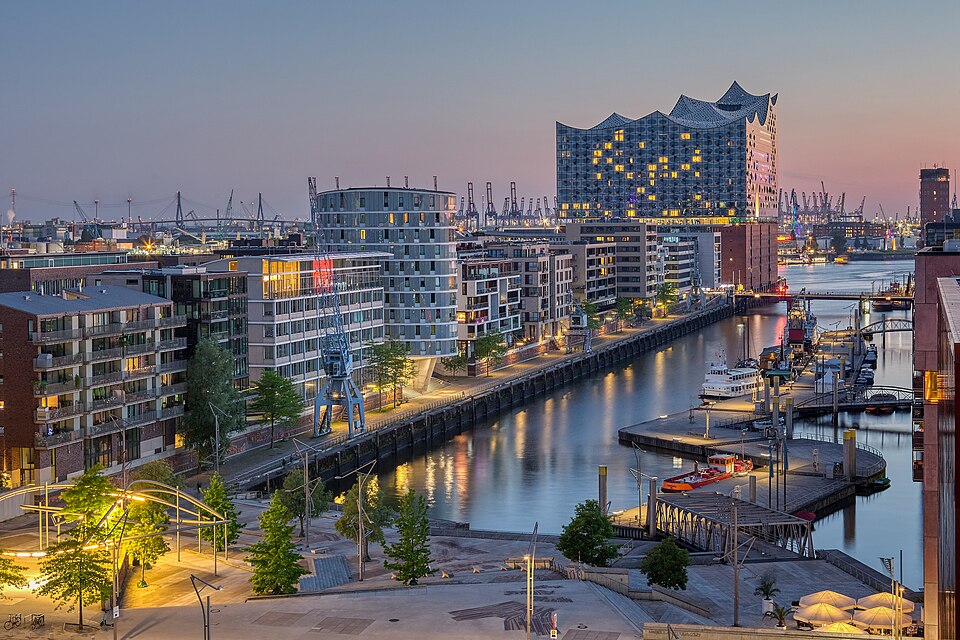 HamburgiPhoto: Axel Tschentscher · CC BY-SA 4.0 · Wikimedia Commons
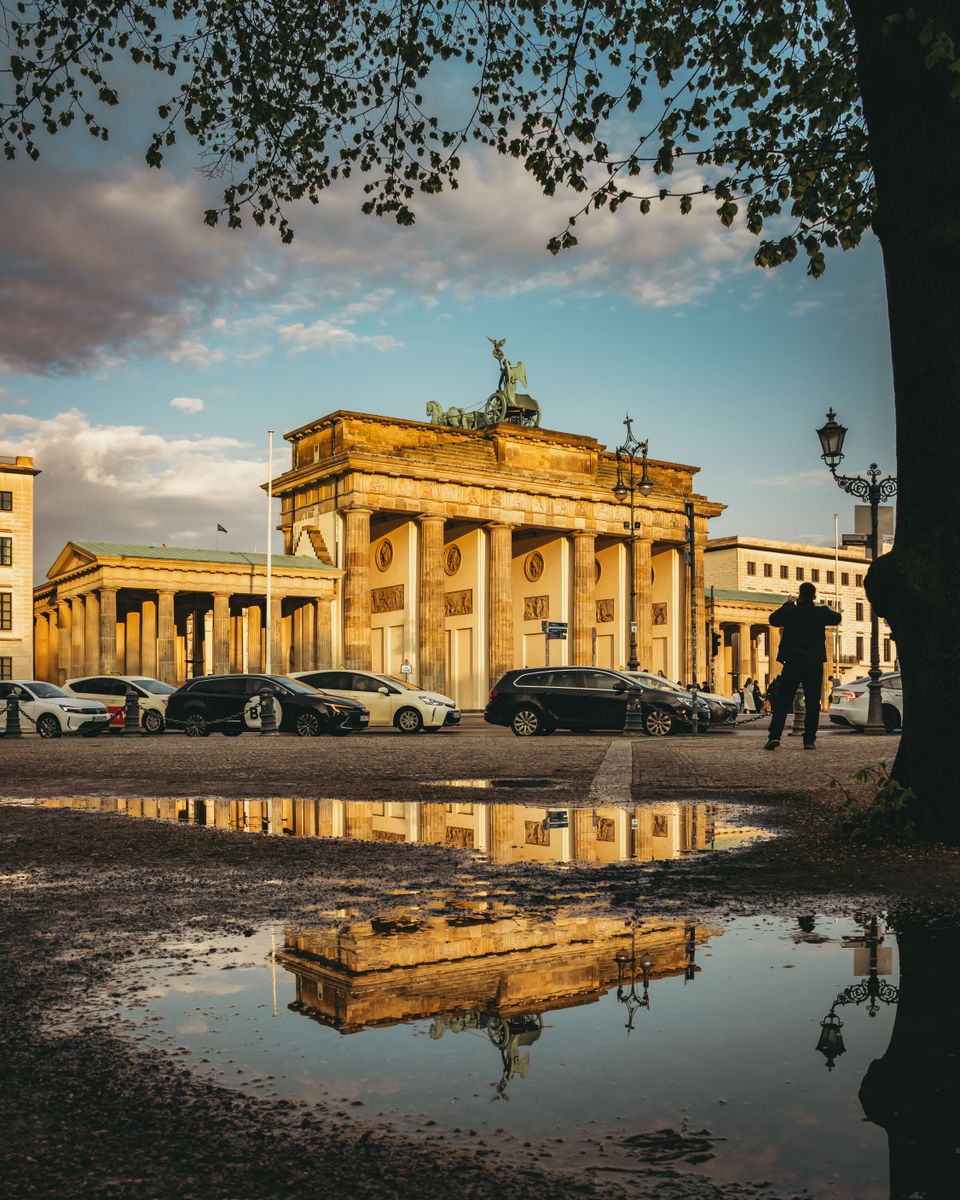
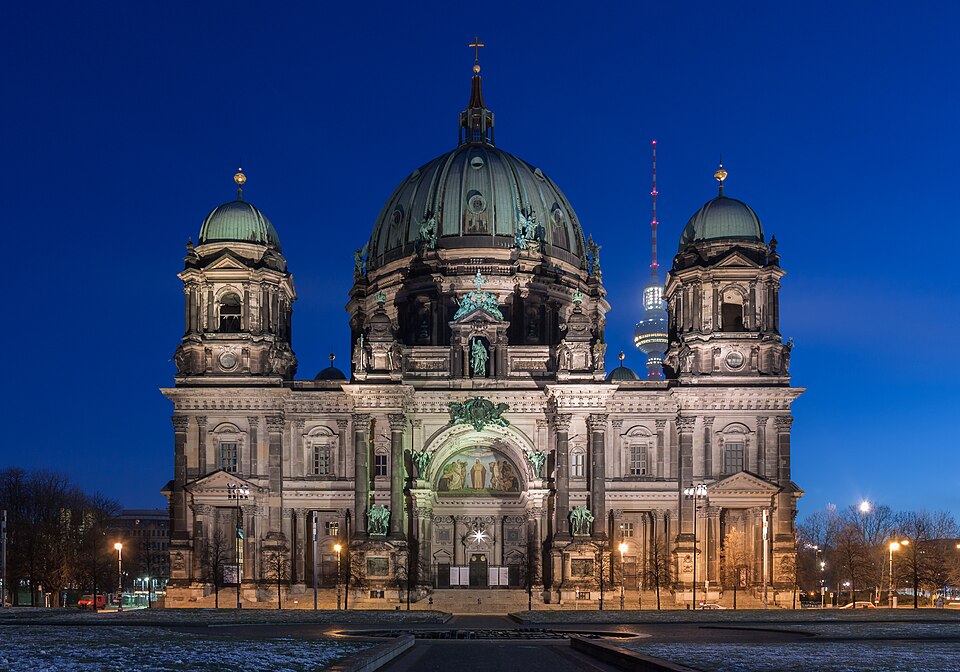 BerliniPhoto: Ansgar Koreng · CC BY 3.0 de · Wikimedia Commons
A three-day version works well for Berlin, with one day for the central historic area and another for museums and the Tiergarten. A seven-day route can add Hamburg or Nuremberg, creating a manageable city-hop rather than a long series of transfers. Let the planner create a map-first plan, then adjust each day according to the weather, the pace you enjoy and the activities you want to keep.
HamburgiPhoto: Axel Tschentscher · CC BY-SA 4.0 · Wikimedia CommonsBerliniPhoto: Ansgar Koreng · CC BY 3.0 de · Wikimedia CommonsAlready started
Your trip in Germany
- 24 °C by day in August
 from Perth about 16 h 02
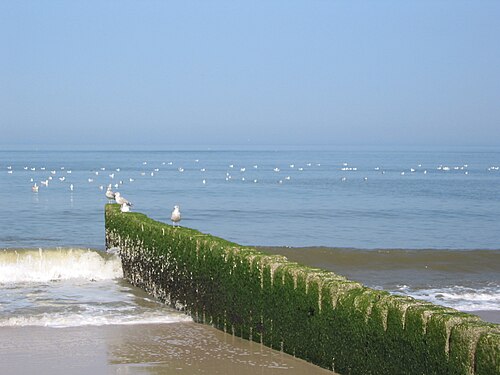 iPhoto: Magnus Manske · CC BY 1.0 · Wikimedia Commons
Day 1
Arrival in Sylt
Flight from Perth in 16 h 02. Settle in, first evening by the harbour or in the centre.
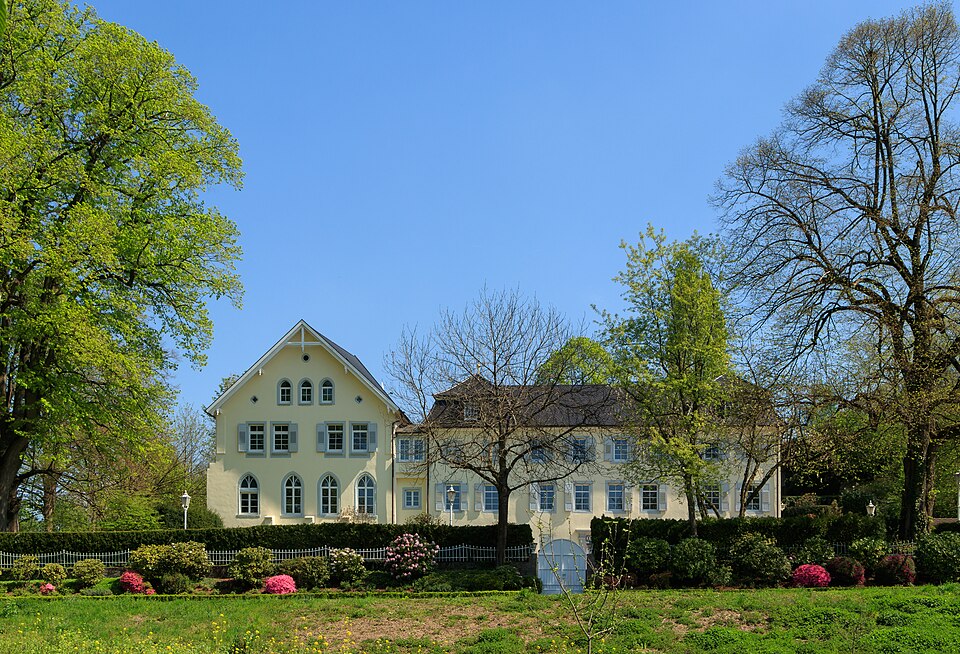
- iPhoto: Magnus Manske · CC BY 1.0 · Wikimedia Commons
Day 2
Sylt
Day trip to Sylt, back to Sylt in the evening.
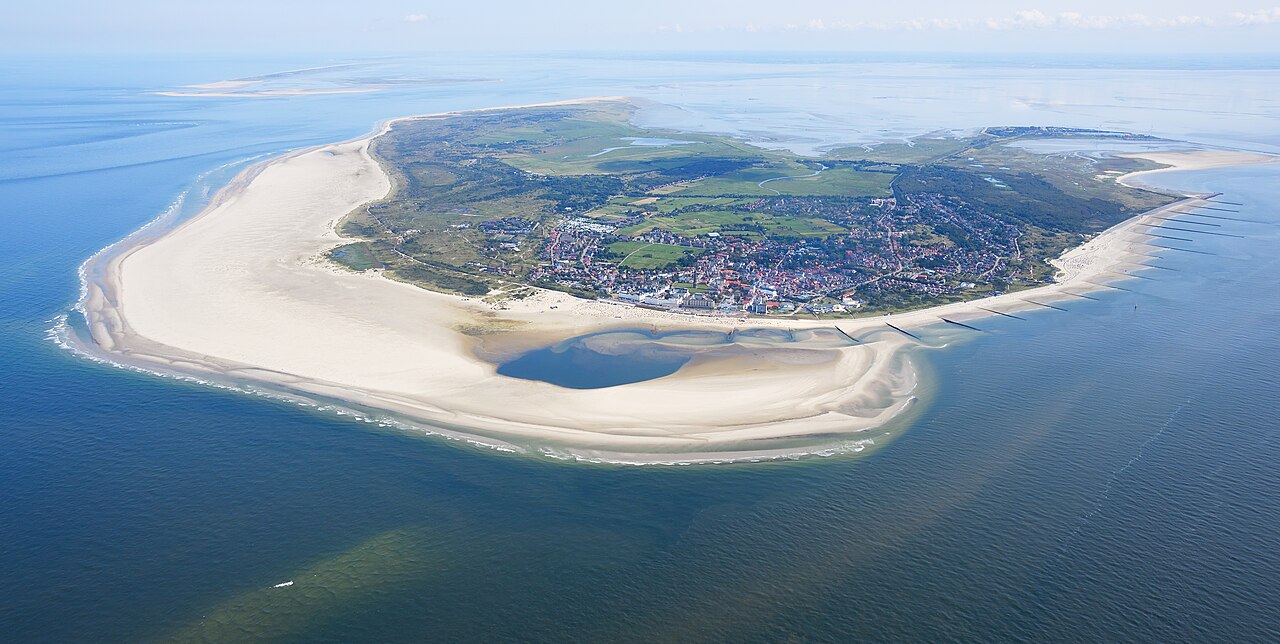
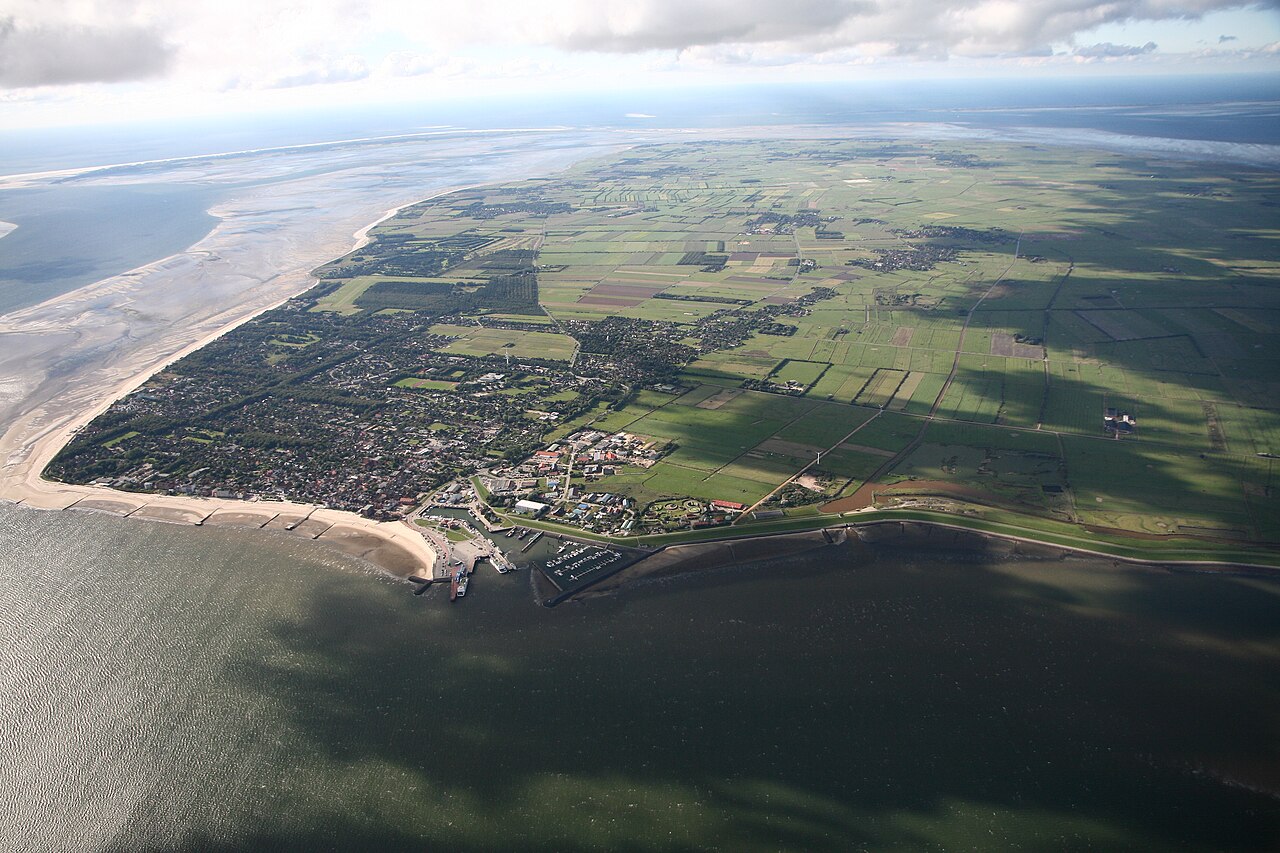
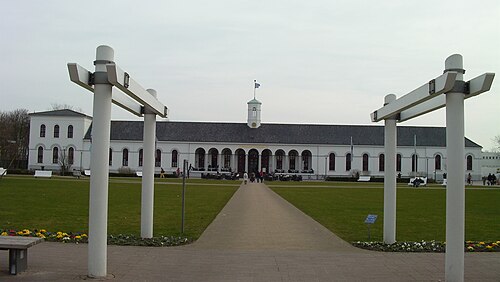 iPhoto: Jojofromw · CC BY 3.0 · Wikimedia Commons
Day 3
Norderney
Day trip to Norderney, back to Sylt in the evening.

Day 4
Borkum
Day trip to Borkum, back to Sylt in the evening.
- iPhoto: Jojofromw · CC BY 3.0 · Wikimedia Commons
Day 5
On to Norderney
A new base for the next few days; explore Norderney on foot.
Day 6
Föhr
Day trip to Föhr, back to Norderney in the evening.
Day 7
Last morning and flight home
One last walk, then back to Perth.
Look around without an account; sign in to save.
Weather in Germany: frequently asked questions
What is the best time to visit Germany?
May to September is a practical choice for sightseeing and outdoor travel, while April and October often suit slower city itineraries. December is rewarding for Christmas markets, museums and winter atmosphere. Choose the month that matches the holiday rather than treating one season as suitable for every traveller.
Which German months are warmest?
July and August are the warmest months in the climate data, both reaching 24 °C during the day and 13 °C overnight. These months suit broad routes and outdoor activities, with a flexible plan helping you move between cities when the day’s conditions change.
Is Germany good for a winter holiday?
Yes. Winter is a strong choice for Christmas markets, museums, regional food and cosy breaks in cities such as Berlin, Munich or Nuremberg. December has colder conditions, so warm layers and comfortable footwear are useful. The planner can add climate-based packing reminders to your trip.
What is the driest month in Germany?
April is the driest month in the supplied climate data, with 10 rain days. It also offers daytime temperatures of 13 °C and evening temperatures around 3 °C, making it a practical month for walking tours, city visits and spring scenery across several German regions.
Can I plan a Germany trip by train?
HolidayWow can place your bases and daily stops on a map, with travel legs shown between them. You can ask for a relaxed or balanced pace, then edit the plan by moving stops or changing a day. Live partner information helps you connect the route with current transport and booking choices.
How does HolidayWow help Australian travellers plan Germany?
You can describe the trip in one sentence or use voice input. The planner reads the month, group, pace and budget, then builds an editable map plan. The Long Weekend planner also brings Australian public holidays and leave days into the planning process, while the trip can be shared with companions.



Your next trip
Plan your holiday in Germany

Describe your trip in one sentence. When, who with and what matters to you.