November: 16 °C by day
Italy weather and the best time to visit
Published 12 October 2026 · HolidayWow editors · Written with AI, numbers checked against our data ·
Italy is most rewarding from April through June and in September, when sightseeing, walking and outdoor dining fit comfortably into the day. July and August bring the hottest weather, while spring offers gentler temperatures for Rome, Florence and Tuscany. Winter suits Alpine towns, food-focused city breaks and quieter seasonal experiences.
In Italy, the best time for a trip is May to October, with daytime highs up to 33 °C.
Weather looks good?7 days in Italy in September, Beach and hiking, from Perth on your own
Plan a trip
Now in Italy
13 °C
fog
Wind 8 km/h, Humidity 96%
As of 02:48 local time
The next 7 days
- Today
 18° / 12°Light showers6 mm rain
- Tomorrow
 20° / 14°Sunny3 mm rain
- Thursday
 17° / 13°Partly cloudy7 mm rain
- Friday17° / 10°Sunny8 mm rain
- Saturday15° / 6°Sunny
- Sunday13° / 4°Rain13 mm rain
- Monday13° / 7°Partly cloudy1 mm rain
Choose Italy by season and regional conditions
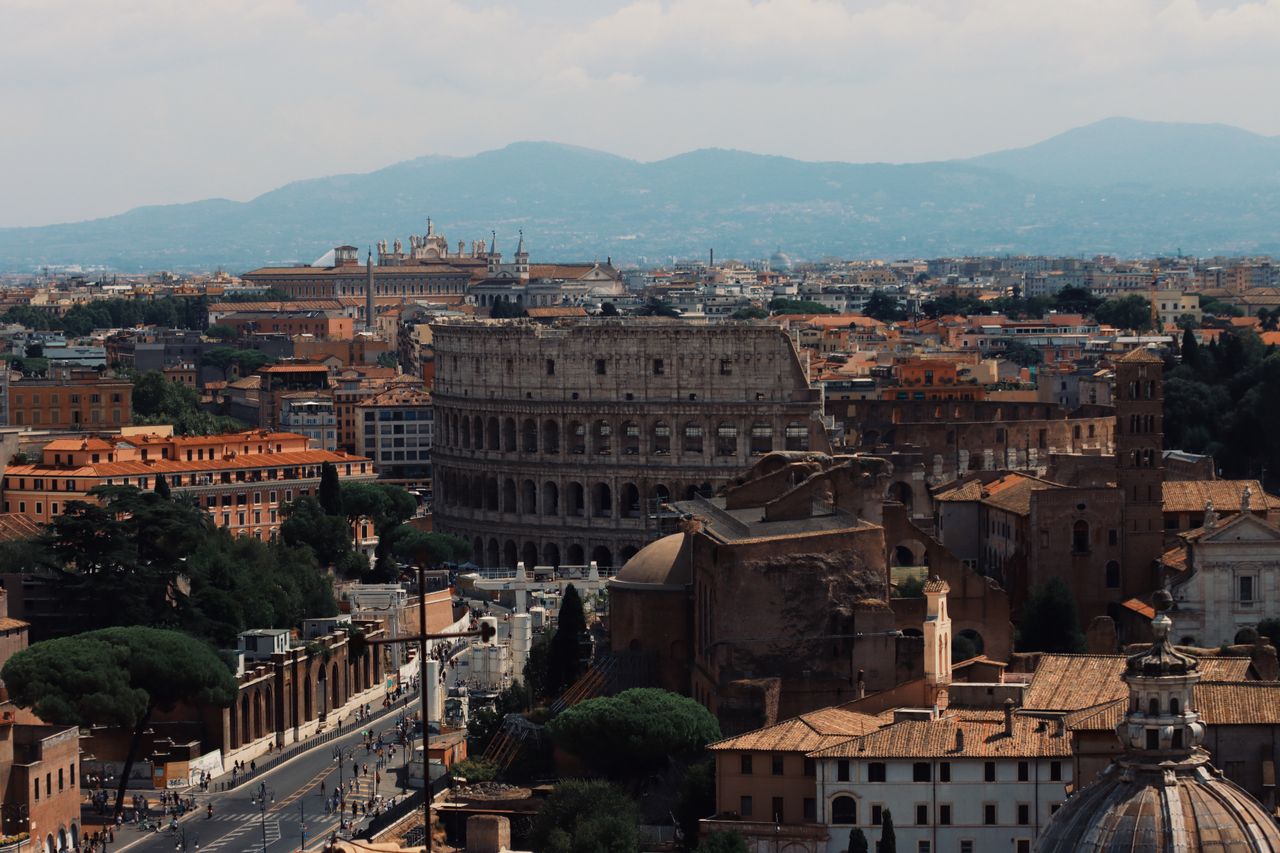
The best time to visit Italy depends on what you want from the holiday. Northern cities, the Dolomites and Tuscany have cool winters and warm summers, while southern coastal areas generally stay mild through winter. Sicily and the Amalfi Coast also suit a spring itinerary, when days are bright and the pace remains comfortable for long walks.
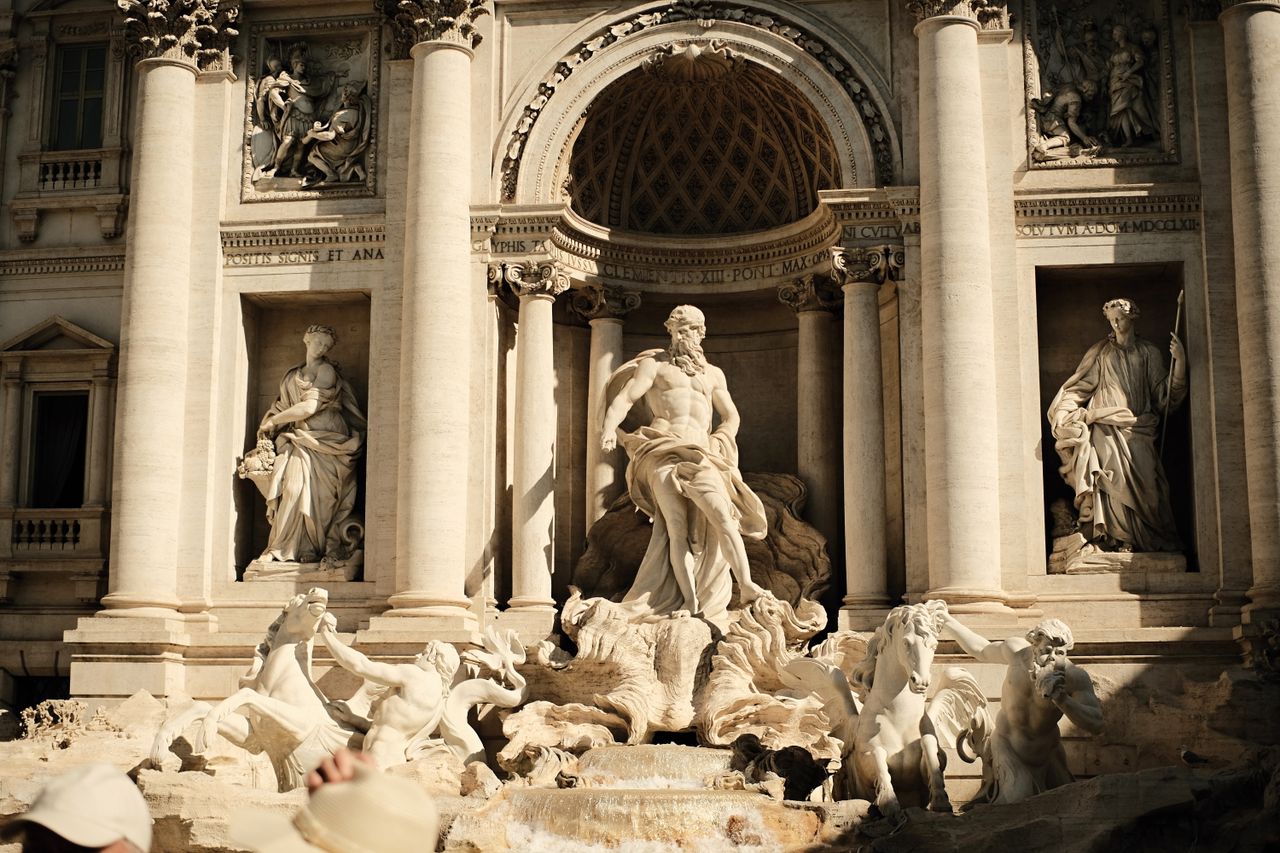
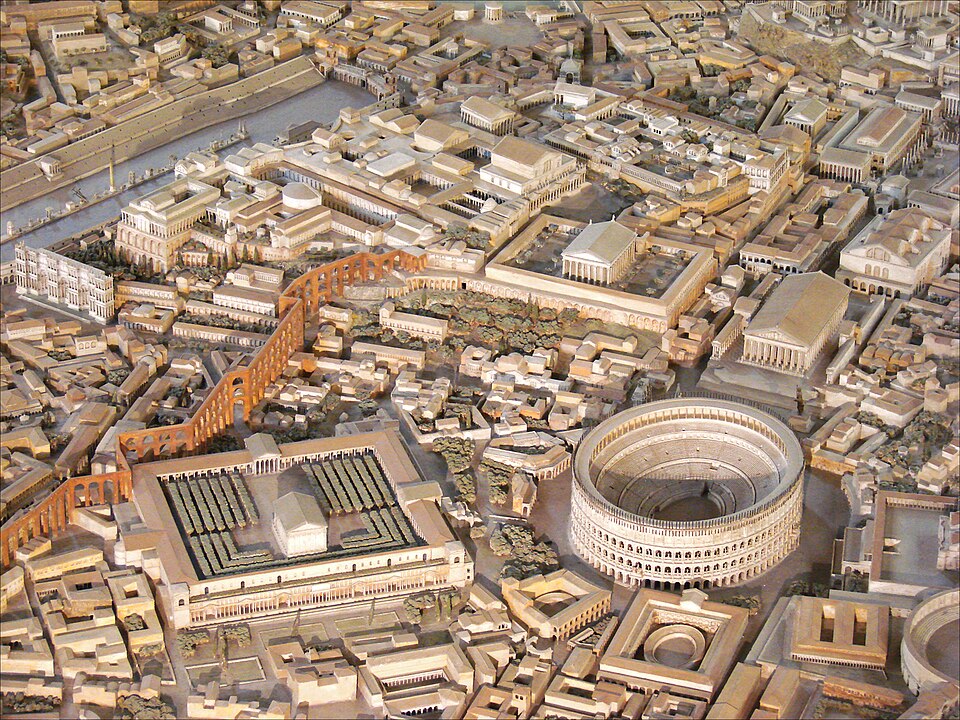 RomeiPhoto: Jean-Pierre Dalbéra from Paris, France · CC BY 2.0 · Wikimedia Commons
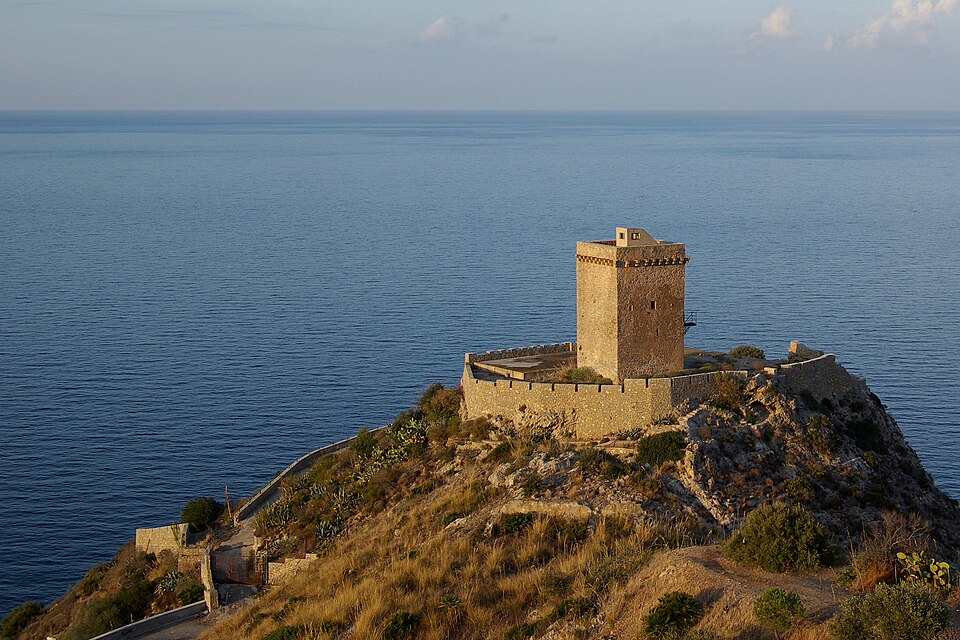 SicilyiPhoto: Berthold Werner · CC BY-SA 3.0 · Wikimedia Commons
Summer delivers the strongest heat and the clearest match between sightseeing and beach time. It also suits travellers who want a full range of activities in one trip. Put Rome and Florence at the centre of the itinerary, then add the Amalfi Coast, Puglia or Sicily according to the time available. A relaxed pace gives heat and busy city centres proper room in the day.
Winter is rewarding for a different Italy. Alpine skiing and snowy mountain villages come first in the north, while Rome, Florence and Bologna support food-focused city breaks. You can pair historic sights with warm afternoons and intimate evening dining, then use a quieter daily rhythm that suits cooler light and seasonal change.
RomeiPhoto: Jean-Pierre Dalbéra from Paris, France · CC BY 2.0 · Wikimedia CommonsSicilyiPhoto: Berthold Werner · CC BY-SA 3.0 · Wikimedia CommonsSpring brings comfortable days for Rome, Florence and Tuscany
Spring is a strong choice for a first Italian holiday. Rome works well from March into May, with historic sites, neighbourhood walks and a growing selection of outdoor tables. Florence is especially rewarding when spring temperatures make the Duomo, Uffizi galleries and riverside paths easier to combine in one day.
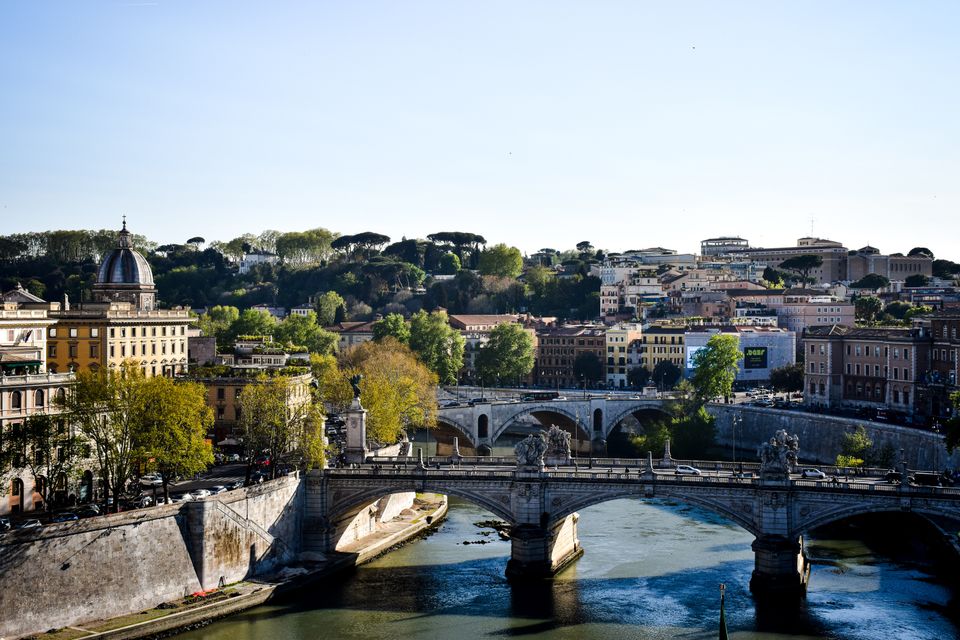
Tuscany benefits from this period as well. Base yourself in a hill town or countryside stay, then visit vineyards, villages and walking routes without beginning every day at sunrise. April and May provide a useful balance of warming days, longer daylight and room for a balanced itinerary. Add Florence at the start and spend the remaining days among the hills.
Keep light layers ready because cool mornings can feel different from the afternoon. Shoes designed for walking and a compact rain jacket suit changeable spring conditions. The aim is not to chase perfect weather. It is to build days with both indoor cultural highlights and flexible outdoor time.
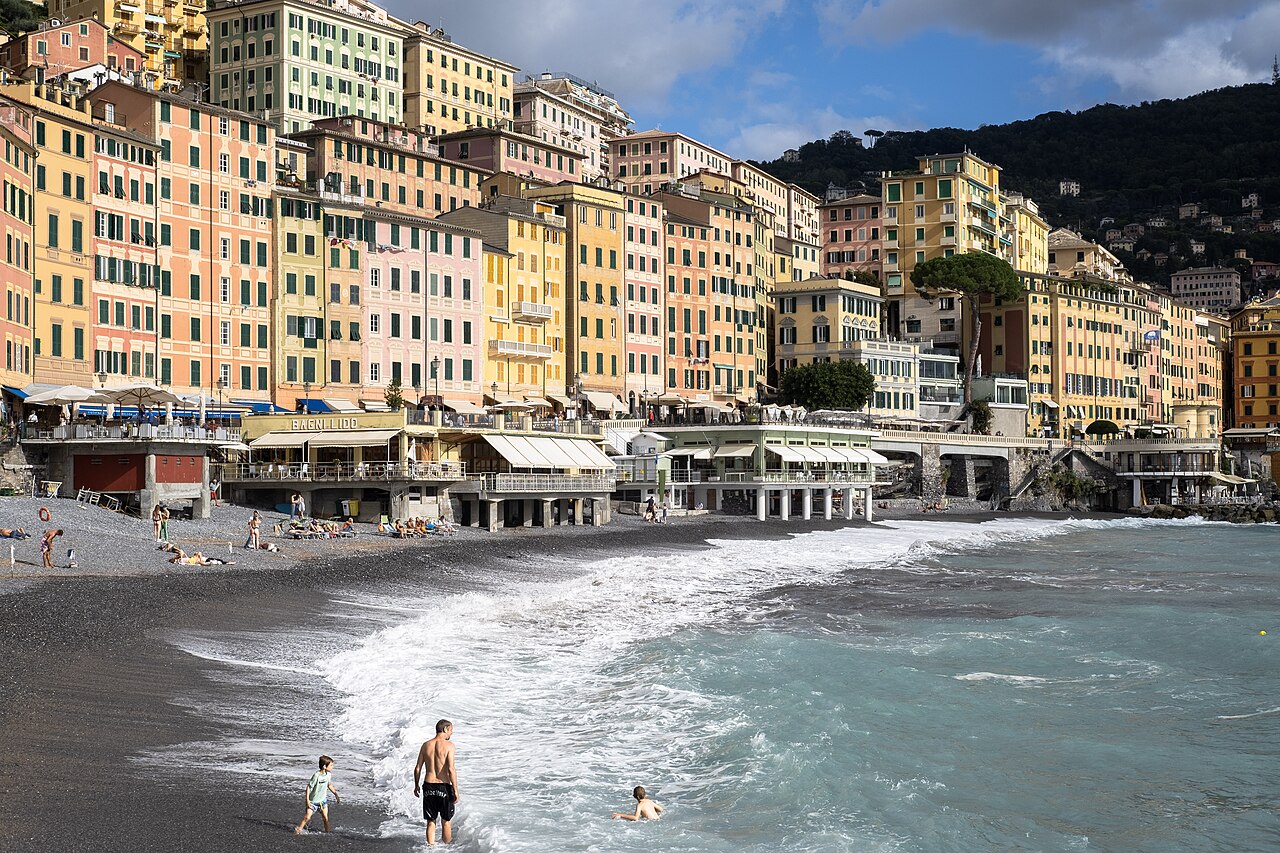
What's the weather like in Italy in November?
In November, days in Italy average 16 °C and 7 °C at night. In December, days in Italy average 11 °C and 3 °C at night.
- November16°
 7 °C at night4 hours of sun a day13 rain days
- December11°3 °C at night4 hours of sun a day12 rain days
| Month | Jan | Feb | Mar | Apr | May | Jun | Jul | Aug | Sept | Oct | Nov | Dec |
|---|---|---|---|---|---|---|---|---|---|---|---|---|
| Day °C | 10 | 12 | 14 | 19 | 23 | 29 | 33 | 33 | 27 | 22 | 16 | 11 |
| Night °C | 2 | 2 | 4 | 7 | 11 | 15 | 18 | 19 | 15 | 11 | 7 | 3 |
| Sun h/day | 4 | 5 | 6 | 8 | 9 | 11 | 12 | 11 | 8 | 6 | 4 | 4 |
| Rain days | 11 | 11 | 11 | 10 | 12 | 7 | 4 | 5 | 9 | 9 | 13 | 12 |
Summer fits coastal itineraries and long daylight
July and August are the warmest months in the climate record, making them a natural choice for the Italian coast. The Amalfi Coast offers cliffside villages, sea swims and boat days, while Puglia suits travellers who prefer beaches, food and a gentle road itinerary. Sicily adds archaeological sites, coastal scenery and regional flavours.
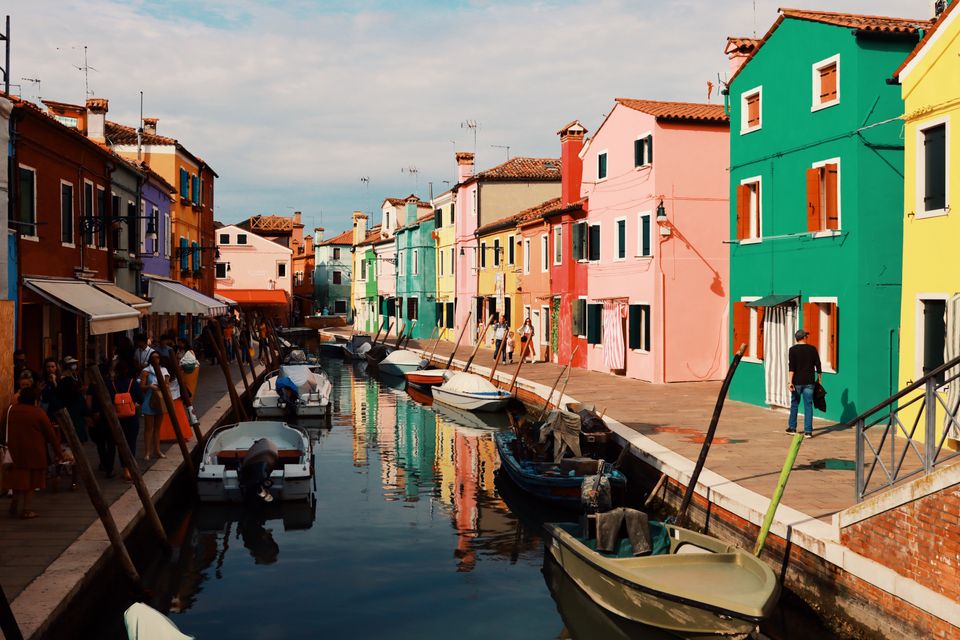
Plan summer days around the strongest part of the sun. Start with a landmark or market, take a slower midday break, then head toward the waterfront or a coastal walk later. In Rome, use early starts for the Colosseum and central neighbourhoods. In Florence, visit major interiors before spending the warmest part of the day beside the Arno or at a relaxed meal.
A road trip works well when each day has one main base. Sicily rewards a longer loop, while Tuscany and Puglia suit routes with pauses for villages, vineyards and viewpoints. The HolidayWow planner can place each stay and stop on a map, then adjust the day when a swim, rest or longer drive needs priority.
Autumn suits food cities and a gentler touring rhythm
September and October are good months for travellers who want Italy’s food and culture without concentrating every experience into peak summer. Rome, Bologna and Florence make sense as a city route, with local markets, museums and regional cooking filling the days. Tuscany can be calmer for walking and rural scenery as summer activity settles.
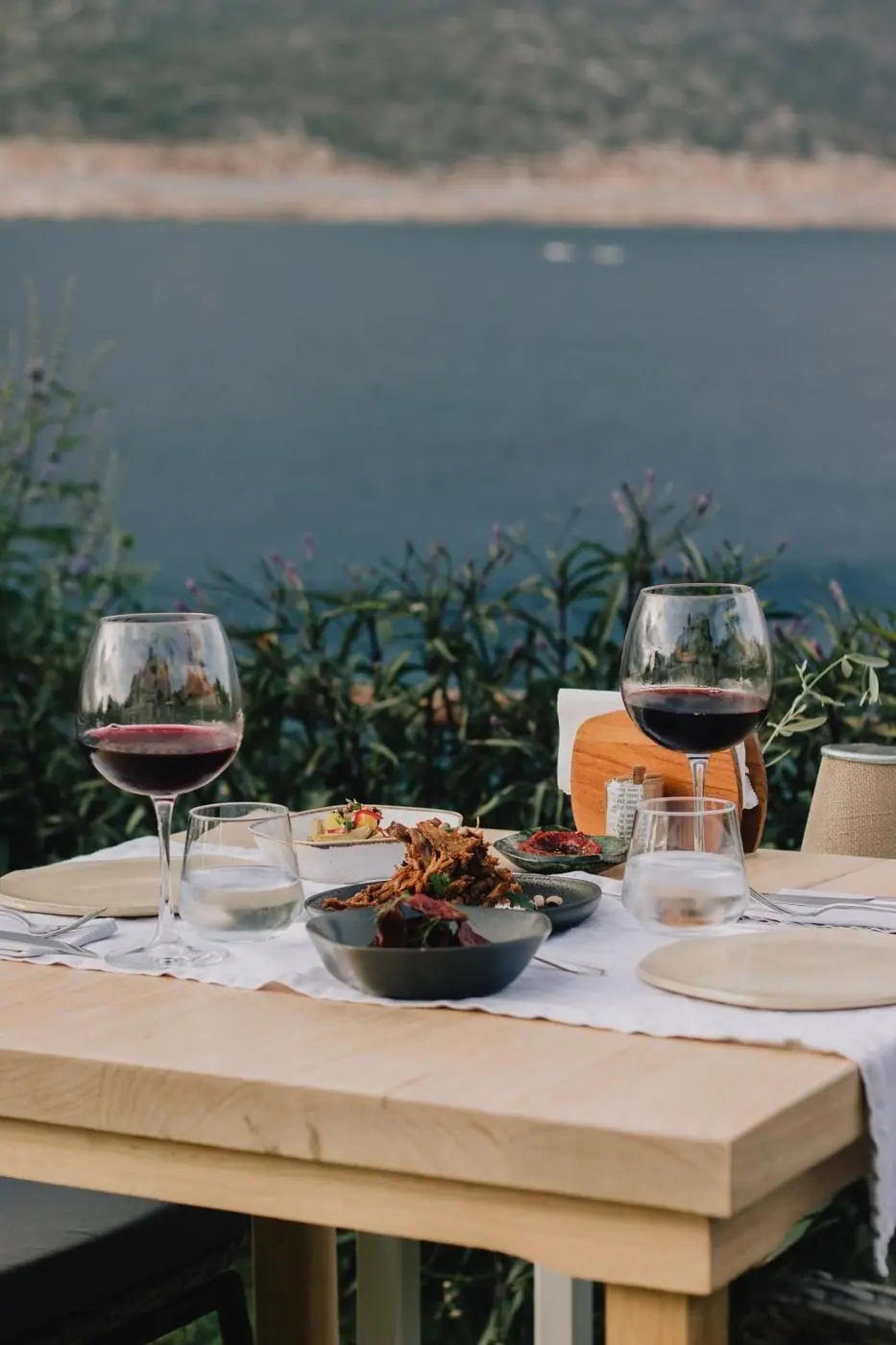
September works well for a holiday that begins on the coast and finishes in a city. Add Puglia or Sicily for a slower start, then travel north to Rome or Florence as the season progresses. October brings deeper autumn character, especially in smaller towns and countryside areas. A light jacket is useful for evenings and higher-elevation places.
Use a relaxed or balanced pace so the itinerary has breathing space. HolidayWow can re-order a day after you move a stop, swap a base or lighten the schedule. The plan checker helps keep the route coherent, while the map keeps nearby ideas visible without forcing them into the same day.
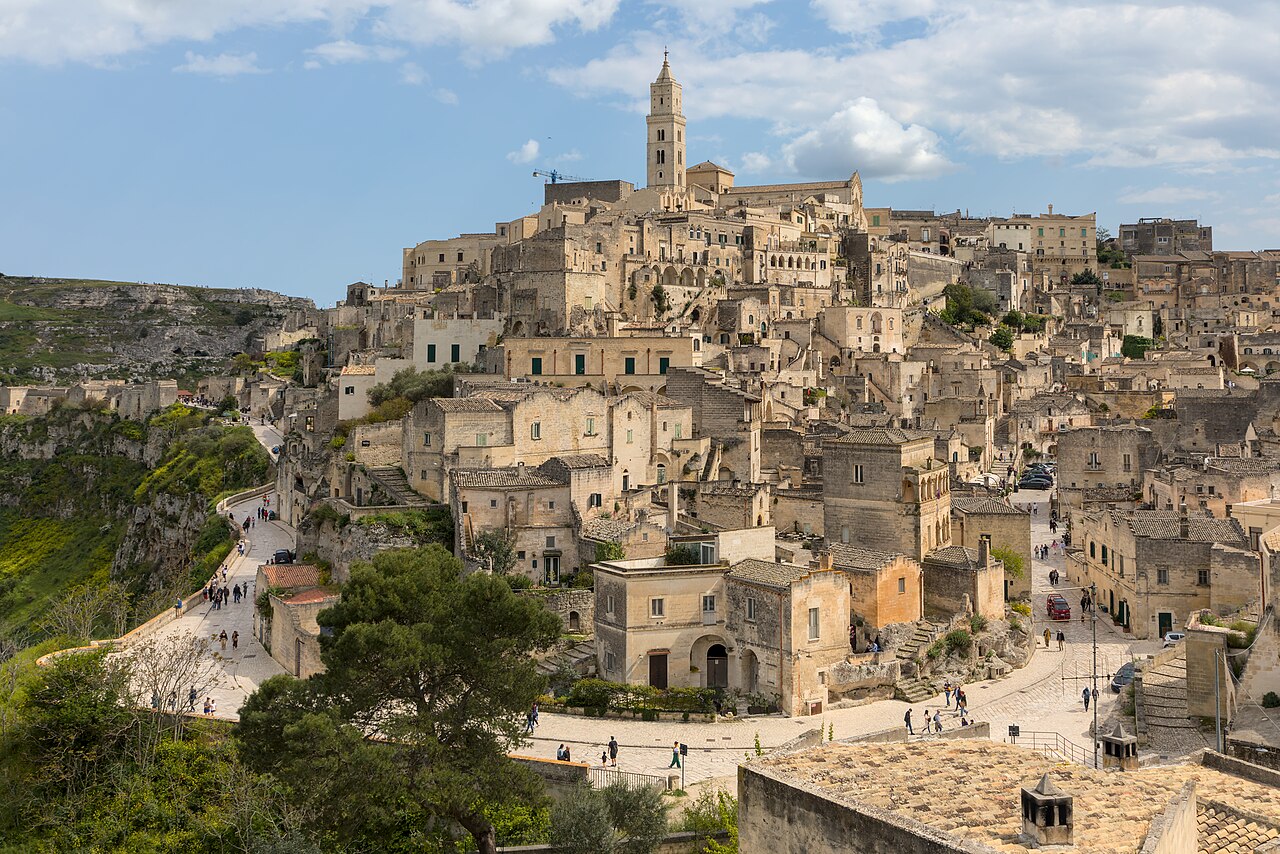
Best time to travel in Italy
In Italy, the best time for a trip is May to October, with daytime highs up to 33 °C.
Everything about a holiday in ItalyWeather in Italy month by month
- January10 °C
- February12 °C
- March14 °C
- April19 °C
- May23 °C
- June29 °C
- July33 °C
- August33 °C
- September27 °C
- October22 °C
- November16 °C
- December11 °C
Plan an Italy holiday around the right base
Choose your base by the experience you want. Stay in Rome near the historic centre for a first visit, in Florence for art and Tuscan day trips, and in Bologna for food, railways and an easy regional itinerary. Venice rewards travellers who want to stay close to the Grand Canal, while a Tuscan hill town provides a quieter base for scenery and slow travel.
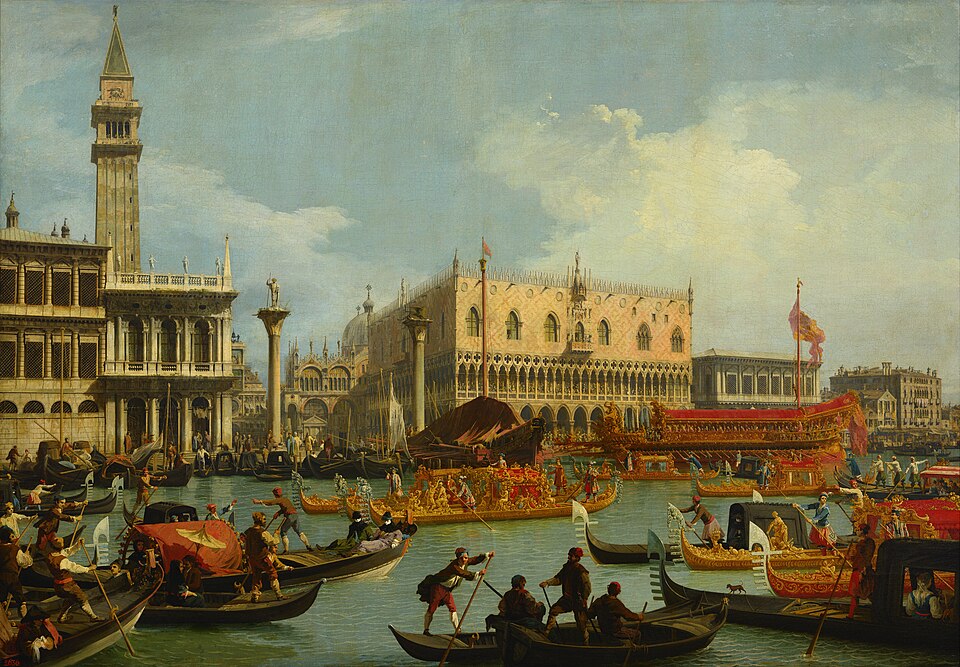 VeniceiPhoto: Canaletto · Public domain · Wikimedia Commons
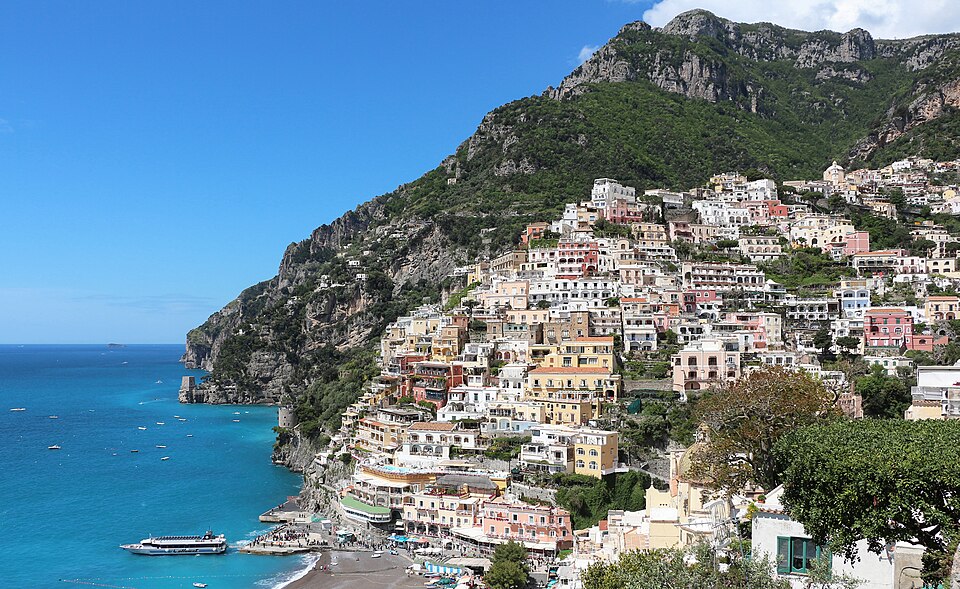 PositanoiPhoto: Bernard Gagnon · CC BY 4.0 · Wikimedia Commons
The coast calls for a different choice. Positano and the Amalfi Coast suit a classic seaside holiday, Puglia works well for beaches and food, and Sicily gives more variety across a longer route. Check the journey between bases before committing. A well-placed stay lets you explore the surrounding area while keeping each day’s travel realistic.
For Australian travellers, compare the distance from your home airport with the connection options on the page. Sydney is 16,321 km from Italy, Melbourne is 15,979 km away, and Brisbane is 16,097 km away. Keep the distance as one part of the decision, then organise the route around the holiday experience rather than the flight alone.
VeniceiPhoto: Canaletto · Public domain · Wikimedia CommonsPositanoiPhoto: Bernard Gagnon · CC BY 4.0 · Wikimedia CommonsUse the map to shape a three-day or seven-day trip
A three-day city break works in Rome or Florence. Spend the first day on the major historic sights, use the second for neighbourhoods, food and a flexible afternoon, and reserve the final day for a museum, a park or a day trip. HolidayWow can set a balanced pace and place each stop on the map.
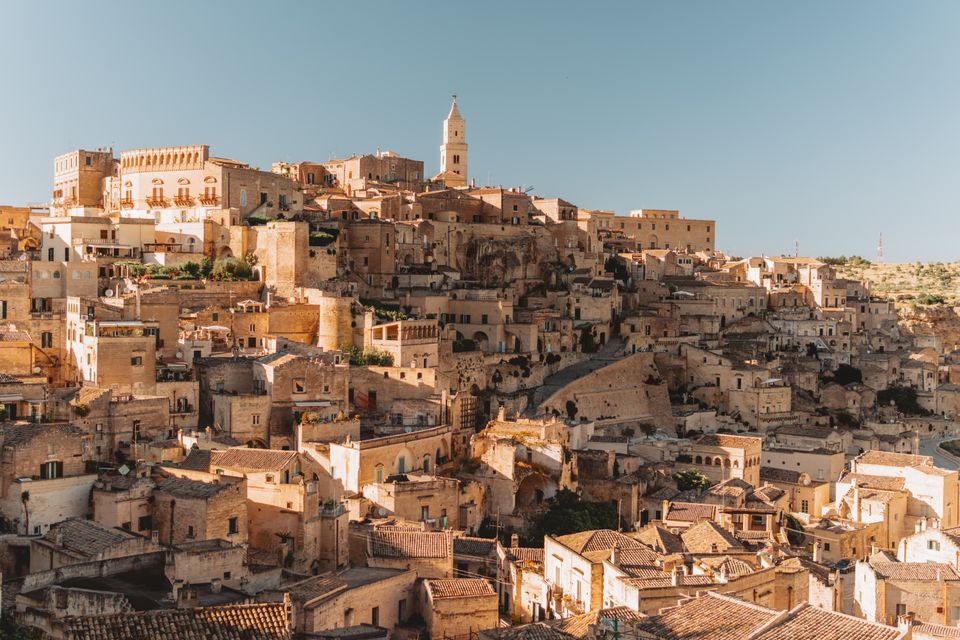

A seven-day route has room for two bases. Combine Rome with Florence, pair Florence with Tuscany, or follow a southern route through Puglia and Sicily. Add a coastal day, a food-focused evening and an outdoor excursion so weather and personal interests both shape the holiday. Dates can be added later, when each day card gains its weekday, live weather and live partner prices.
Share the route with the people travelling with you. HolidayWow lets everyone view the same map, while roles control editing, comments and voting. It also builds a packing list and checklist from the destination, month and climate, which is particularly useful when your route combines cities, walking days and coastal stops.
Already started
Your trip in Italy
- 27 °C by day in September
 from Perth about 15 h 45
Day 1
Arrival in Rome
Flight from Perth in 15 h 45. Settle in, first evening by the harbour or in the centre.

Day 2
Cloaca Maxima
Cloaca Maxima in the morning, then lunch in Rome.
Day 3
San Carlo bei den vier Brunnen
San Carlo bei den vier Brunnen in the morning, then lunch in Rome.
Day 4
Tempel des Portunus
Tempel des Portunus in the morning, then lunch in Rome.
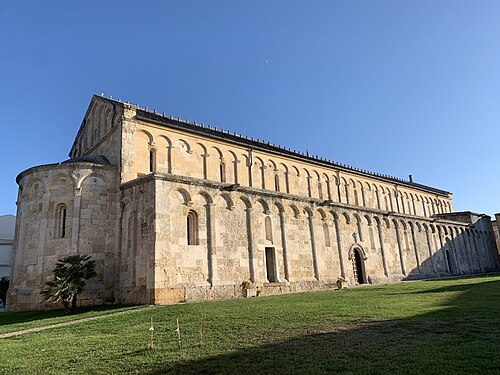 iPhoto: Photo2023 · CC BY 4.0 · Wikimedia Commons
Day 5
On to Sardinia
A new base for the next few days; explore Sardinia on foot.
Day 6
Kaiserforen
Kaiserforen in the morning, then lunch in Sardinia.
Day 7
Last morning and flight home
One last walk, then back to Perth.
Look around without an account; sign in to save.
Weather in Italy: frequently asked questions
What is the best time to visit Italy?
April to June and September are strong choices for sightseeing, walking and outdoor dining. July and August suit the coast, warm evenings and long daylight. Winter works well for Alpine skiing, food-focused city breaks and a quieter pace in cities such as Rome and Bologna.
Is Italy warm enough to visit in spring?
Spring is comfortable across many Italian cities, with daytime temperatures rising through March, April and May. Rome and Florence are especially practical for a sightseeing holiday, while Tuscany and the northern countryside suit flexible walking itineraries. Pack layers for cool mornings and evenings.
Which Italian cities are best for a short holiday?
Rome suits first-time visitors with major landmarks, historic neighbourhoods and a strong food scene. Florence is ideal for art, architecture and Tuscany, while Bologna brings a relaxed city rhythm and excellent regional food. Venice is suited to a stay centred on the Grand Canal and nearby islands.
Is summer the best time for the Italian coast?
Summer is a strong match for beaches and warm coastal weather, especially around the Amalfi Coast, Puglia and Sicily. Build in slower midday periods and use morning or evening for walking, sightseeing and boat activities. A relaxed pace gives each coastal base more room.
Can I plan an Italy trip on a map?
Yes. HolidayWow turns your trip description into a map-first plan with daily routes, stops and editable day cards. You can move a stop, swap a place, change the pace and let the plan checker re-order the day. The app is free to download and to plan with.
Can I organise an Italian holiday around Australian long weekends?
HolidayWow includes an Australian Long Weekend planner that combines public holidays and leave days into longer trip ideas. It can help shape an Italian journey from available dates, while the main plan keeps flights, stays, transfers and daily stops together in one map-based view.


Your next trip
Plan your holiday in Italy

Describe your trip in one sentence. When, who with and what matters to you.