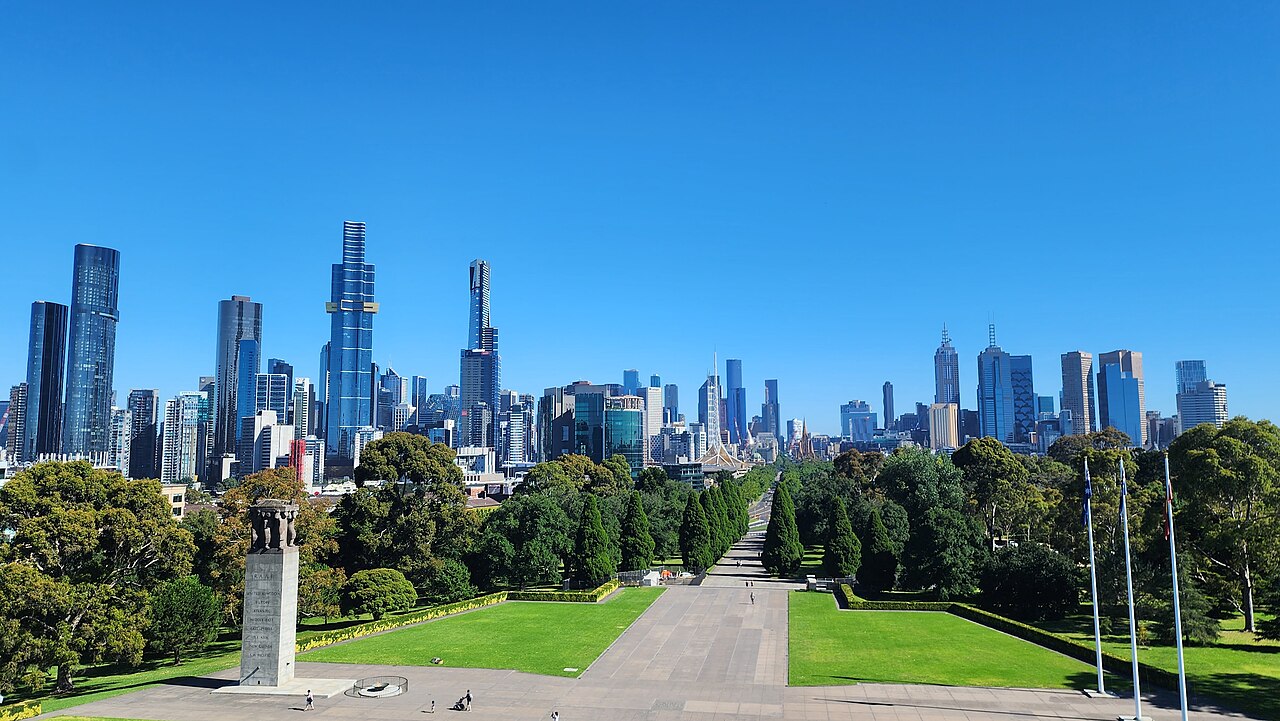
24 °C by day
Melbourne in March for an Easy Autumn Break
Published 6 October 2026 · HolidayWow editors · Written with AI, numbers checked against our data ·
Melbourne in March suits city breaks, cultural itineraries and relaxed walks, with comfortable daytime temperatures and a chance of rain on some days. Pack a light layer, plan flexible activities and use March school holidays to guide bookings and transport.
In March, expect average highs of 24 °C in Melbourne and 15 °C at night. The sun shines for about 8 hours a day, rain falls on 8 days of the month.
7 days in Melbourne in March, Culture, from Adelaide on your own
Plan a trip- Daytime highs in March
- 24 °C
- Sun per day
- 8 h
- Flight from Canberra, nonstop
- about 1 h 10


What March Brings to a Melbourne Holiday
March gives Melbourne a comfortable middle ground for sightseeing and outdoor activity. Average daytime temperatures reach 24 °C, while nights average 15 °C, so daytime walks and city attractions are comfortable with a light jacket nearby. The month receives around eight hours of sunshine daily on average.
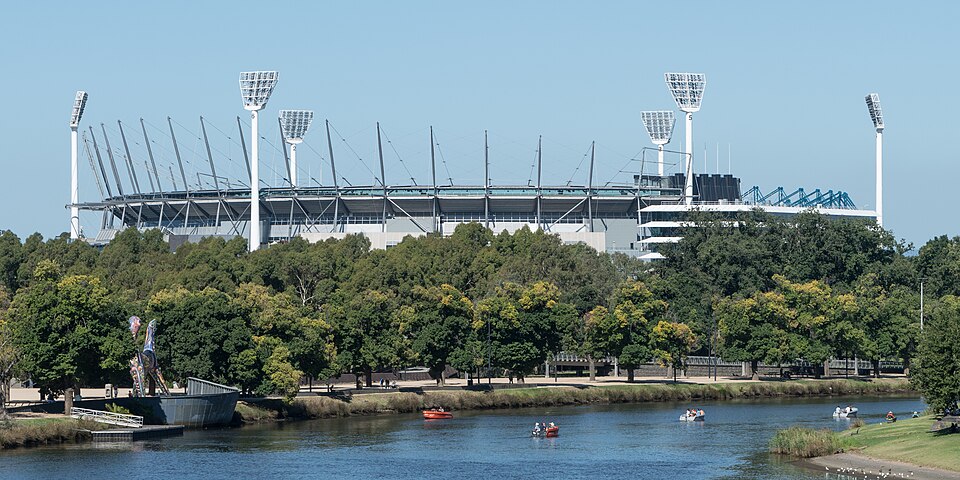

Rain can appear during the month, with around eight rain days and 51 mm of rainfall in the climate record. A flexible itinerary lets you move outdoor stops towards brighter periods and place galleries, restaurants and indoor attractions on wetter days.
March sits between the warmer summer months and cooler autumn conditions. Compared with February, daytime temperatures are lower, while the chance of rain increases. Pack layers and keep the central base flexible for changes in the daily forecast.
March compared
February is warmer, with 26 °C by day; April is cooler, with 20 °C by day.
- February26°9 h sun
- March24°8 h sun
- April20°6 h sun
Where is it warmest in Victoria in March?
The warmest place in March is in Yarra Valley with 25 °C, followed by Gippsland with 24 °C and Melbourne with 24 °C.
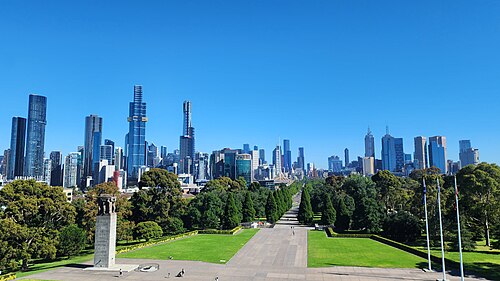
Building a Three Day Melbourne Itinerary
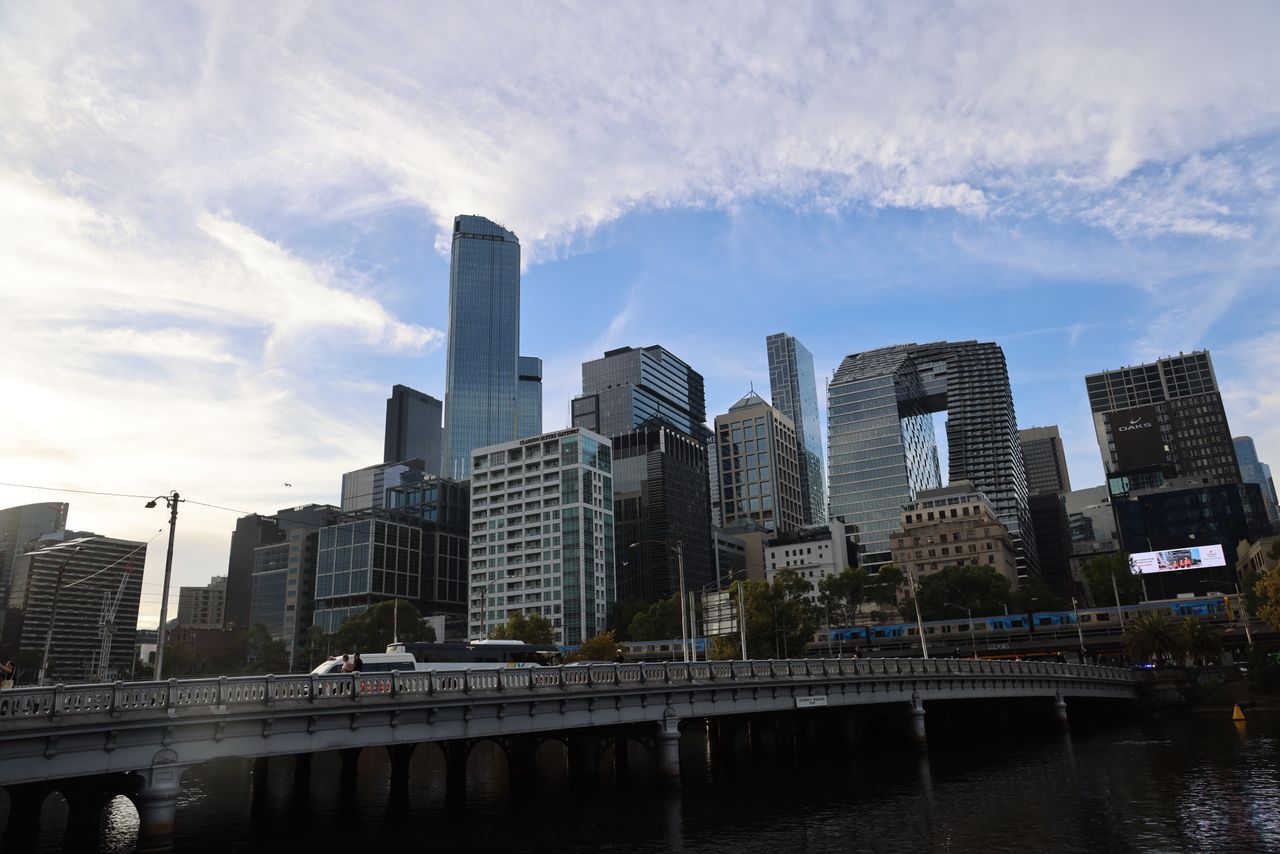
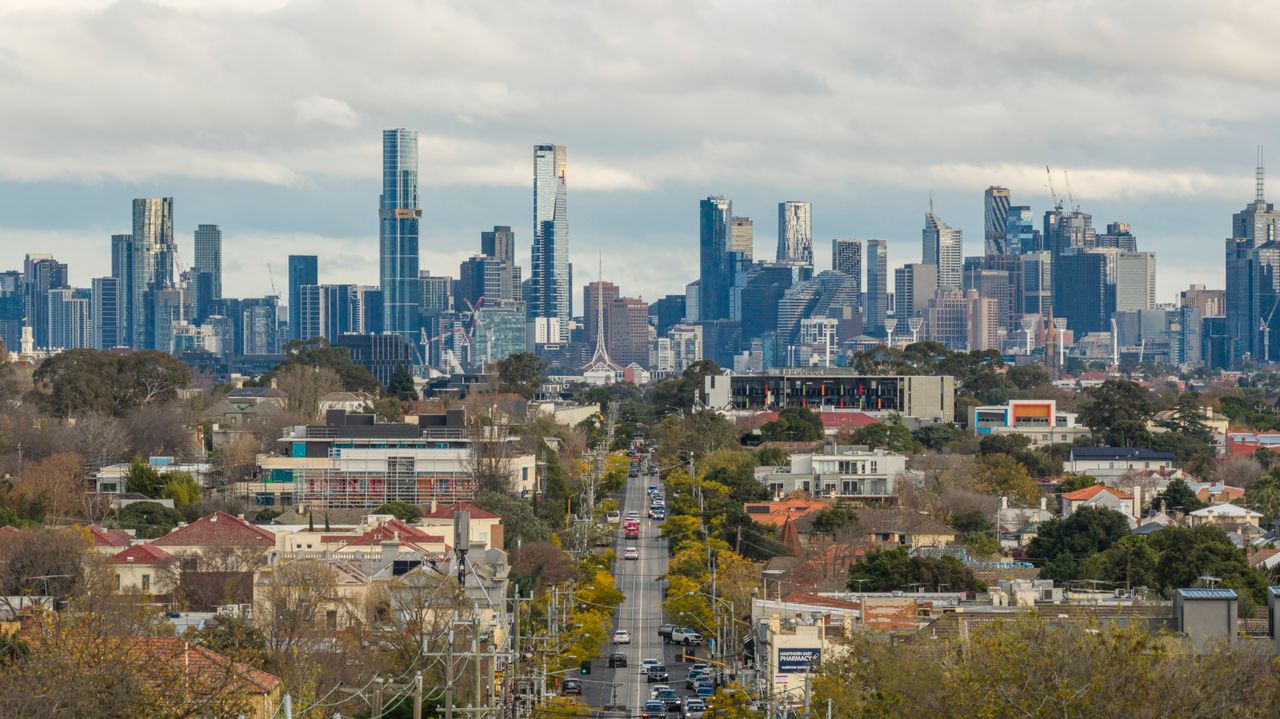
Use the first day to settle into the city and explore the central Melbourne area. Add a Yarra River walk, a city meal and an evening view of the skyline. Keeping the first day balanced gives you time to adjust to local conditions and the pace of the city.
 iPhoto: S2art · CC BY-SA 4.0 · Wikimedia Commons
Spend the second day pairing one major cultural experience with a neighbourhood outing. A museum or gallery works well when rain is more likely, followed by a flexible walk through the streets. Add a tram or train journey so the day includes an easy change of scenery.
Make the third day lighter by choosing a waterfront or park experience and leaving time for shopping or a final meal. This shape suits couples, families and friends who want a clear itinerary without turning every day into a fixed schedule.
iPhoto: S2art · CC BY-SA 4.0 · Wikimedia Commons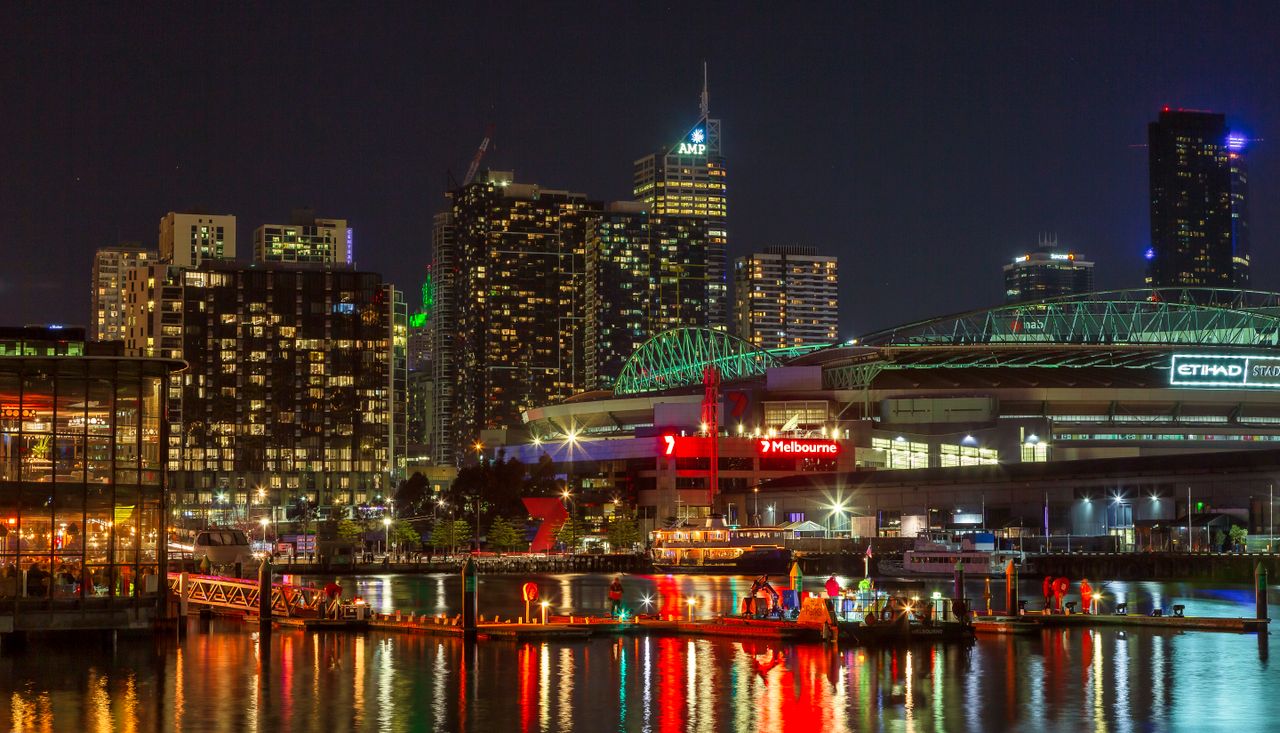
Stretching the Break to Seven Days
A seven day Melbourne holiday allows time for a slower pace and a wider range of experiences. Keep the first and last days simple, with arrival, departures and time near your accommodation. Use the central days for the attractions and neighbourhoods that matter most to your group.
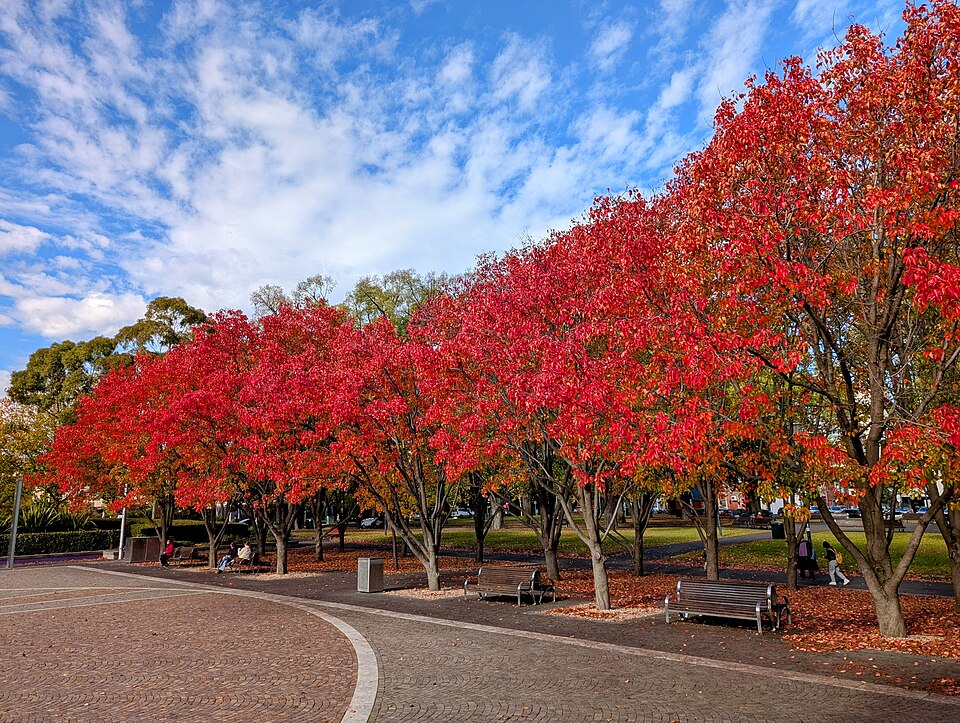
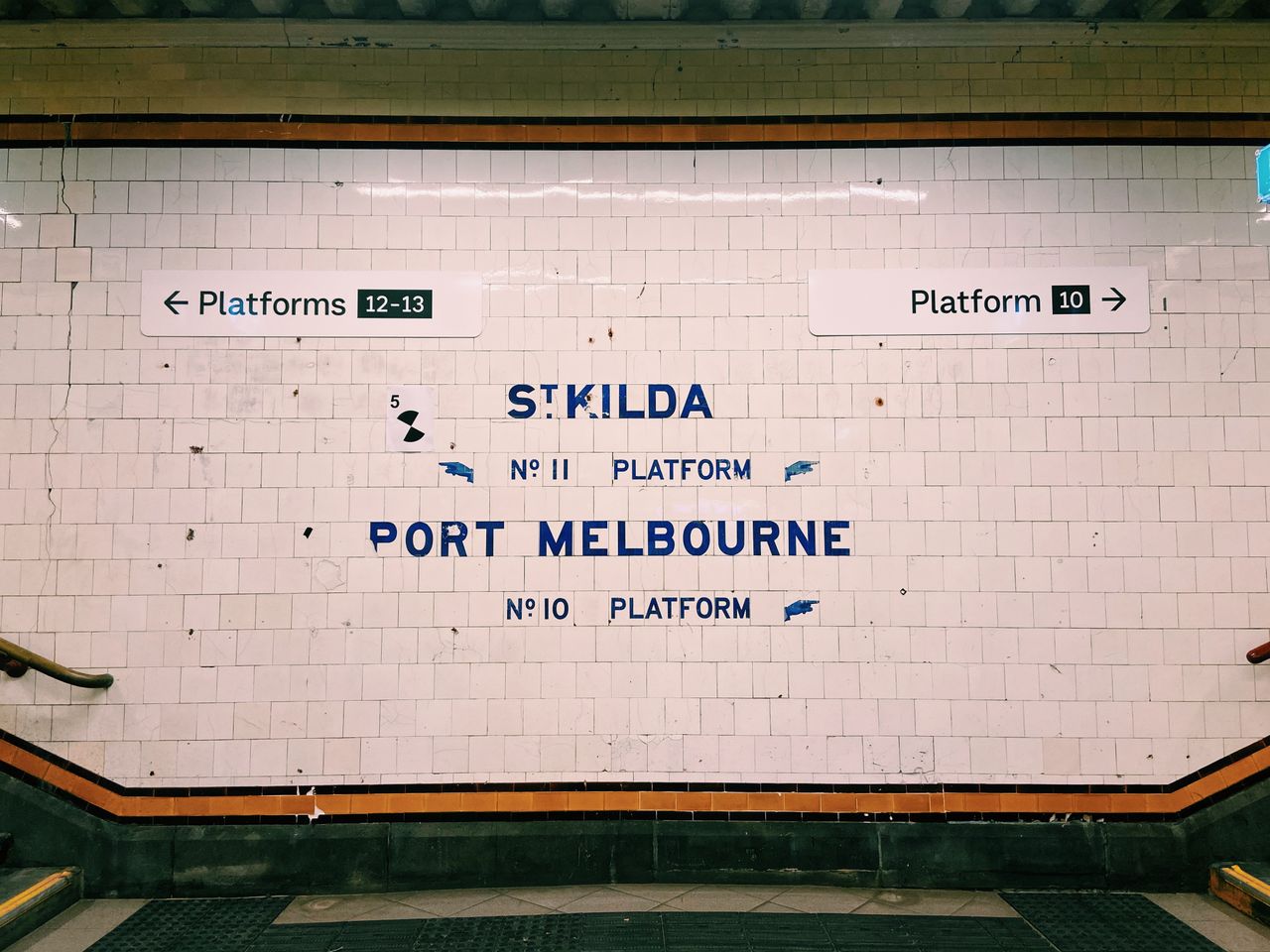
Add St Kilda or Port Melbourne to the itinerary when you want time near the water and a change from the central city. These areas work well for a relaxed day with a walk, a meal and time to follow the local atmosphere rather than a fixed list of attractions.
Use the Long Weekend planner when Melbourne forms part of a broader Australian holiday. It combines public holidays and leave days into a longer break, helping you compare the practical shape of the trip before you set dates and organise transport.
March weather in Melbourne
In March, Melbourne sits in a comfortable middle range. Days reach 24 °C on average and nights 15 °C, with about 8 hours of sunshine a day. The month counts 8 rain days and 51 mm of rain, so keep one flexible day a week.
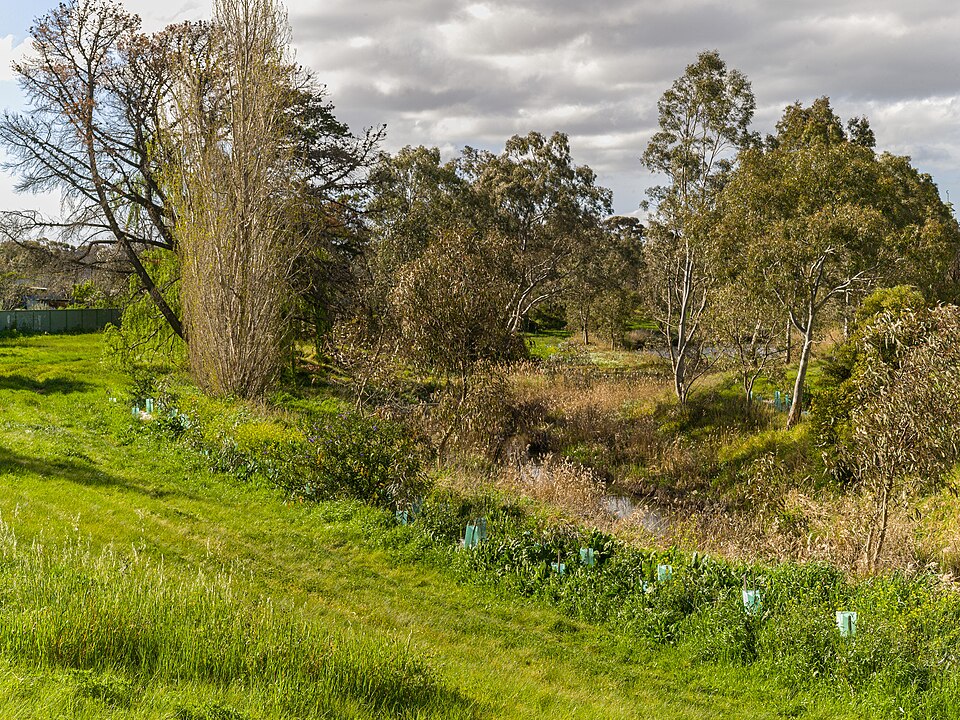
 iPhoto: Bernard Spragg. NZ from Christchurch, New Zealand · Public domain · Wikimedia Commons
In the warmth ranking of the year it comes in at number 3.
iPhoto: Bernard Spragg. NZ from Christchurch, New Zealand · Public domain · Wikimedia Commons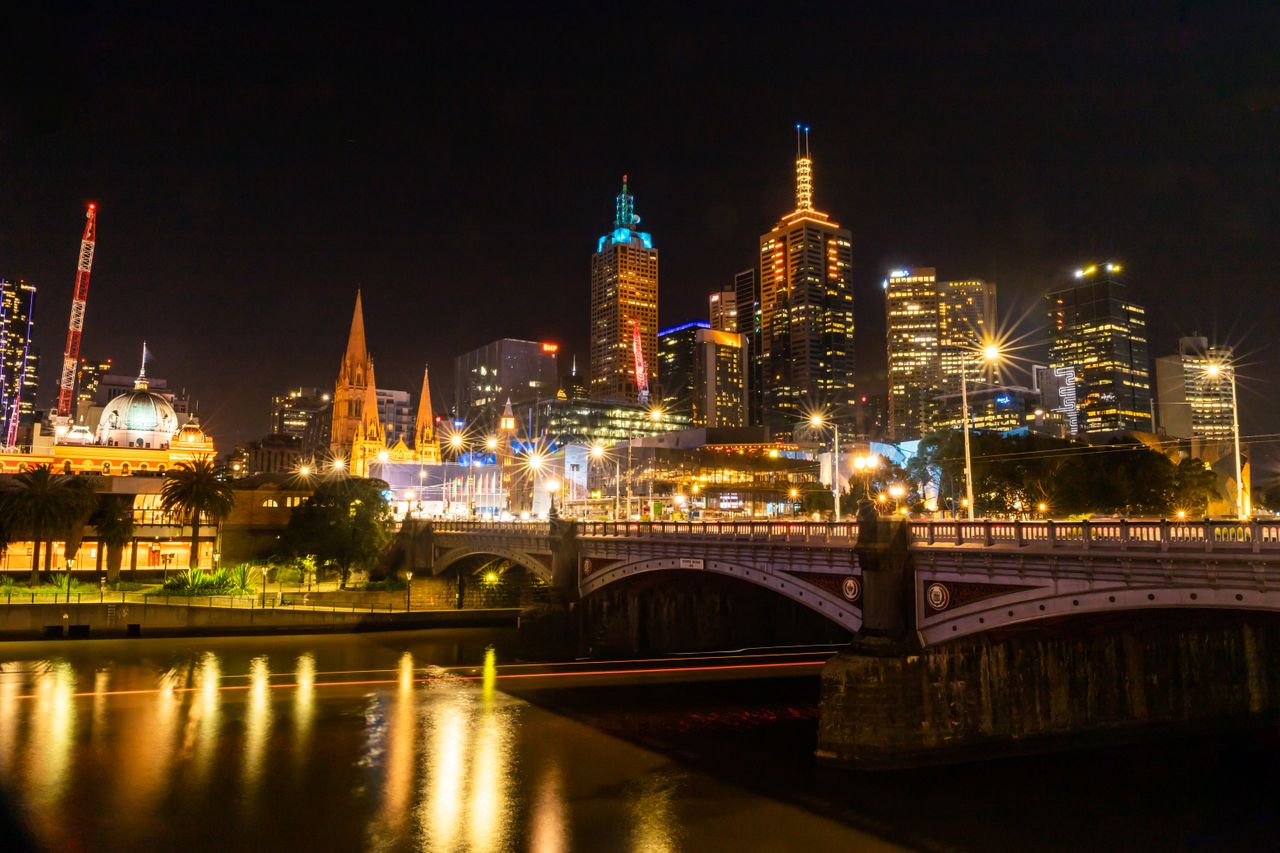
How March compares in Melbourne
February brings 26 °C by day and April 20 °C, so March marks the slide into cooler weeks. For rain the count is 6, 8 and 9 days across the three months. If you like it warmer, February is the pick; March rewards those who enjoy softer light and calmer days.

- February: 26 °C, 6 rain days, 9 h of sun
- March: 24 °C, 8 rain days, 8 h of sun
- April: 20 °C, 9 rain days, 6 h of sun
How to shape a March day in Melbourne
Mornings suit an unhurried walk through the old streets or along the water. The warmest hours, at 24 °C, are perfect for being outside. Evenings drop to 15 °C, so plan dinner somewhere warm and keep a layer handy.
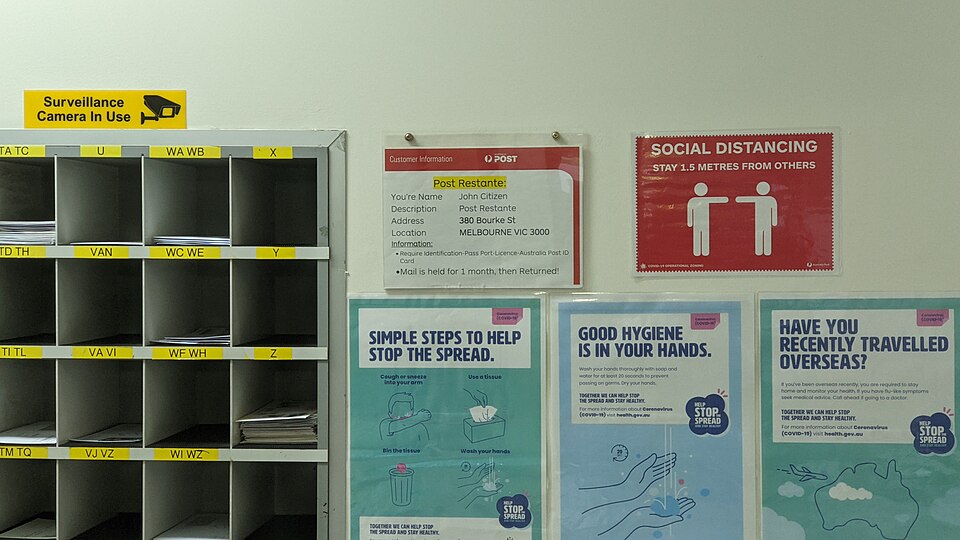 iPhoto: Ecstatic jennings · CC BY-SA 4.0 · Wikimedia CommonsiPhoto: Ecstatic jennings · CC BY-SA 4.0 · Wikimedia Commons
Which week of March to pick
School breaks in this month include Easter/autumn holidays (Queensland), Autumn holidays (Victoria), from the official calendars. The weeks clear of school breaks are 1 March to 7 March, 8 March to 14 March and 15 March to 21 March. 22 March to 28 March and 29 March to 31 March overlap with school holidays, so stays fill faster then.
 QueenslandiPhoto: Andrew Mercer (www.baldwhiteguy.co.nz) · CC BY-SA 4.0 · Wikimedia Commons
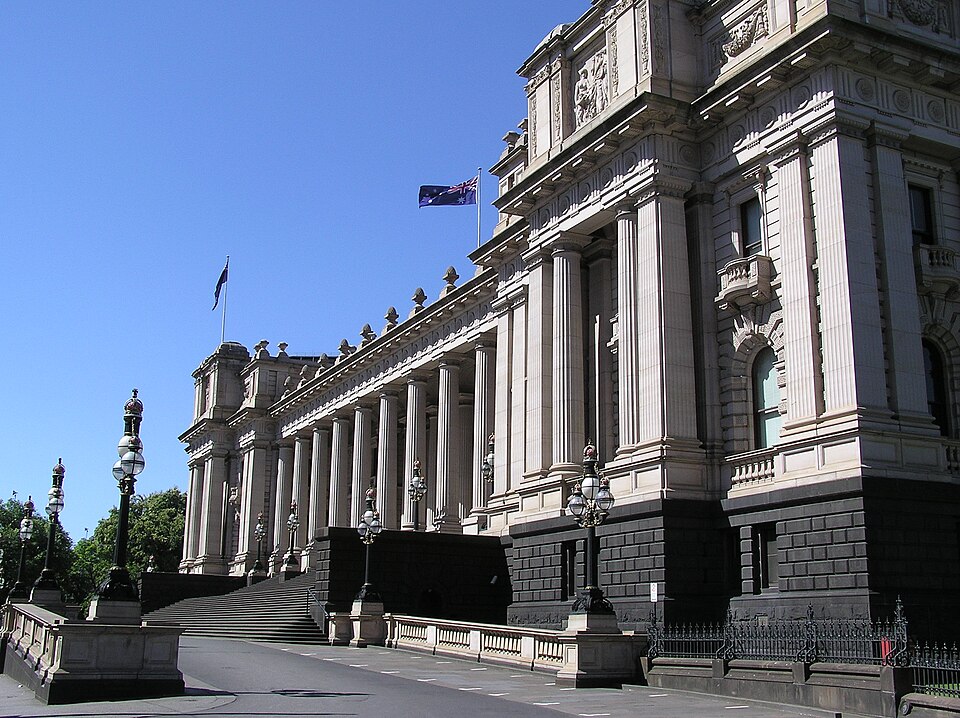 VictoriaiPhoto: Donaldytong · Public domain · Wikimedia CommonsQueenslandiPhoto: Andrew Mercer (www.baldwhiteguy.co.nz) · CC BY-SA 4.0 · Wikimedia CommonsVictoriaiPhoto: Donaldytong · Public domain · Wikimedia Commons
Already started
Your trip in Melbourne
 24 °C by day in March
- from Adelaide about 1 h 22
Day 1
Arrival in Melbourne
Flight from Adelaide in 1 h 22, direct. Settle in, first evening by the harbour or in the centre.

Day 2
Shore Reserve
Start early; bring water and sturdy shoes.
Day 3
Chelsworth Park
Start early; bring water and sturdy shoes.
Day 4
Alexandra Gardens
Start early; bring water and sturdy shoes.
Day 5
Harleston Park
Start early; bring water and sturdy shoes.
Day 6
Commonwealth Reserve
Start early; bring water and sturdy shoes.
Day 7
Last morning and flight home
One last walk, then back to Adelaide.
Look around without an account; sign in to save.
Weather in Melbourne month by month
- January26 °C
- February26 °C
- March24 °C
- April20 °C
- May17 °C
- June14 °C
- July13 °C
- August14 °C
- September16 °C
- October19 °C
- November21 °C
- December24 °C
Getting there
The quickest way is from Canberra: you're in Melbourne in about 1 h 10 on a direct flight. Direct flights leave from 6 Australian airports. The nearest airport is Melbourne Essendon Airport (MEB), 11 km away.
- MEBMelbourne Essendon Airport11 km to the destination
- MELMelbourne Airport19 km to the destination
- MBWMelbourne Moorabbin Airport22 km to the destination
| From | Flight time | To | Direct flight |
|---|---|---|---|
| Canberra CBR | about 1 h 10 | MEL | Direct |
| Adelaide ADL | about 1 h 22 | MEL | Direct |
| Sydney SYD | about 1 h 26 | MEL | Direct |
| Gold Coast OOL | about 2 h 08 | MEL | Direct |
| Brisbane BNE | about 2 h 12 | MEL | Direct |
| Perth PER | about 3 h 42 | MEL | Direct |
Flight times estimated from the distance, direct routes from OpenTravelData.
Getting to Melbourne from home
From Sydney, Melbourne is {{dist.home:SYD}} away as the crow flies. From Melbourne it is {{dist.home:MEL}}. Brisbane lies {{dist.home:BNE}} away.
Flight times to Melbourne
- from Canberra1 h 10direct
- from Adelaide1 h 22direct
- from Sydney1 h 26direct
- from Gold Coast2 h 08direct
Door to door, the plan lines up the ride to the airport, the flight with live fares and the transfer on arrival.
Flight times to Melbourne
- from Canberra1 h 10direct
- from Adelaide1 h 22direct
- from Sydney1 h 26direct
- from Gold Coast2 h 08direct
Your March packing list
With 24 °C by day and 15 °C at night and 8 rain days, pack for changeable mild weather. Your plan builds this list for you and updates it when you change the dates.

- Comfortable walking shoes
- A warm layer for the evenings
- A packable rain jacket or umbrella
- A travel adapter for your chargers
Prices for Melbourne
Stays, tours and flights for Melbourne show their live price from our partners, in your currency, right below. We never estimate a price: what you see is what the partner charges today.
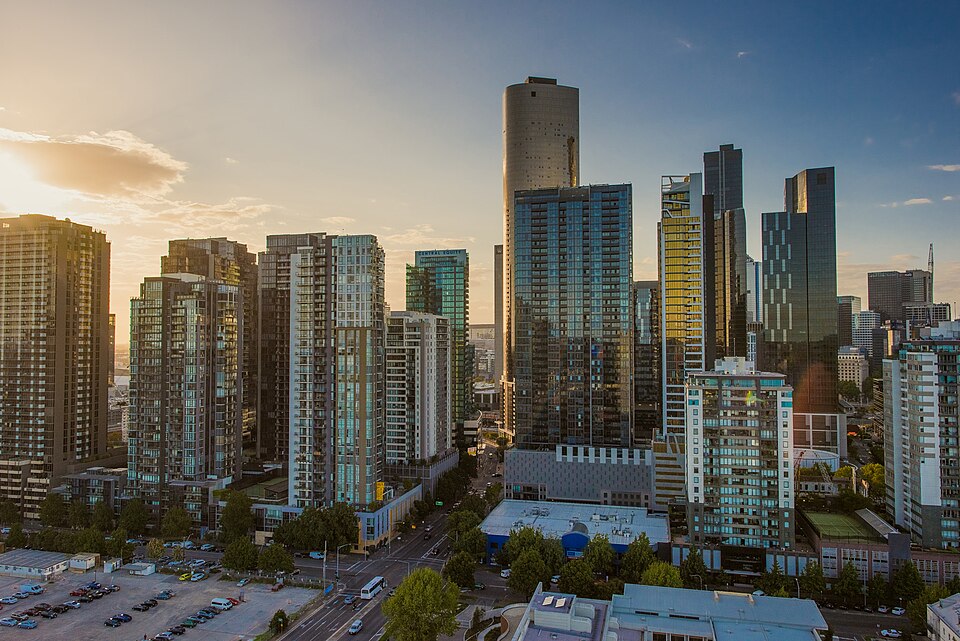
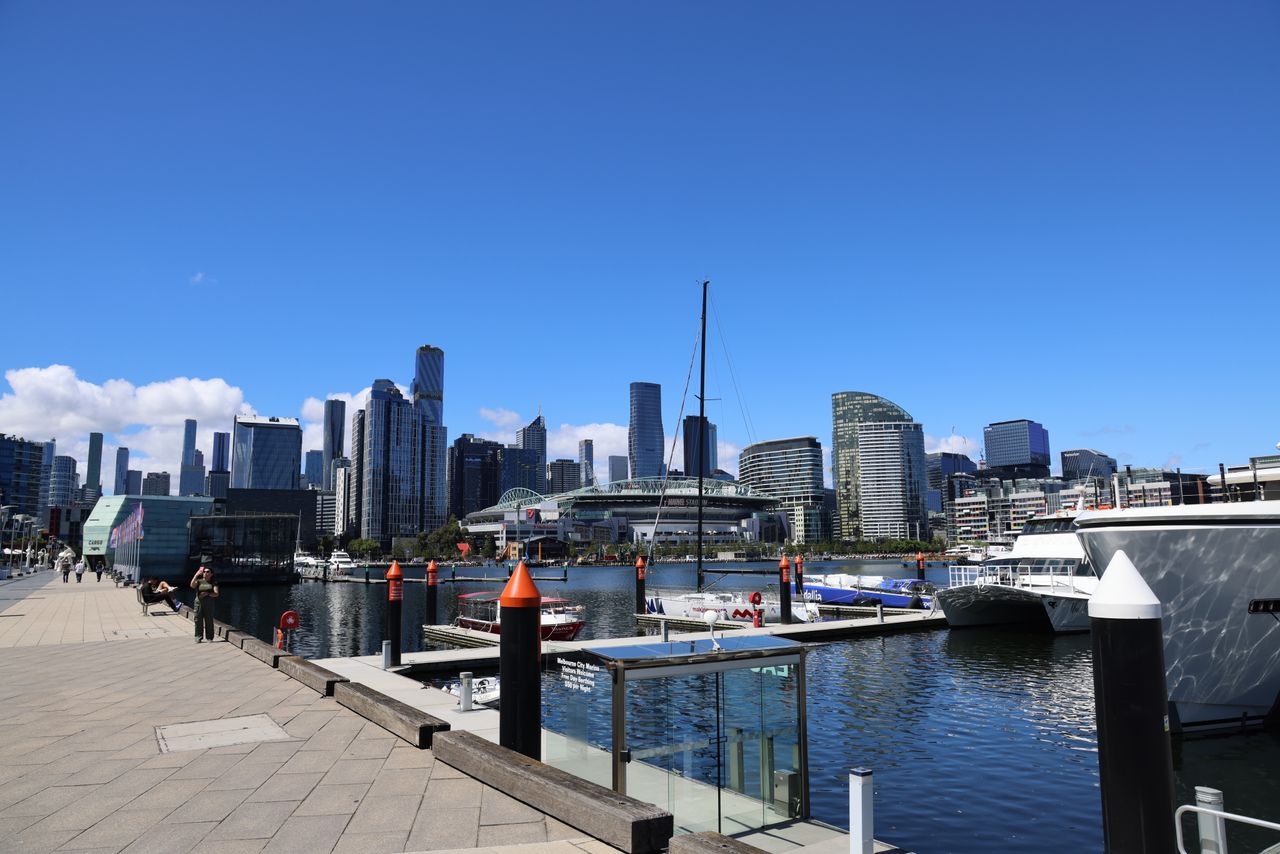
Where to Base Yourself for a March Visit
The central city is a practical base for a first Melbourne visit because it places restaurants, cultural attractions, shopping and transport connections within easy reach. It also suits a short break where you want to return to the same accommodation after each day out.
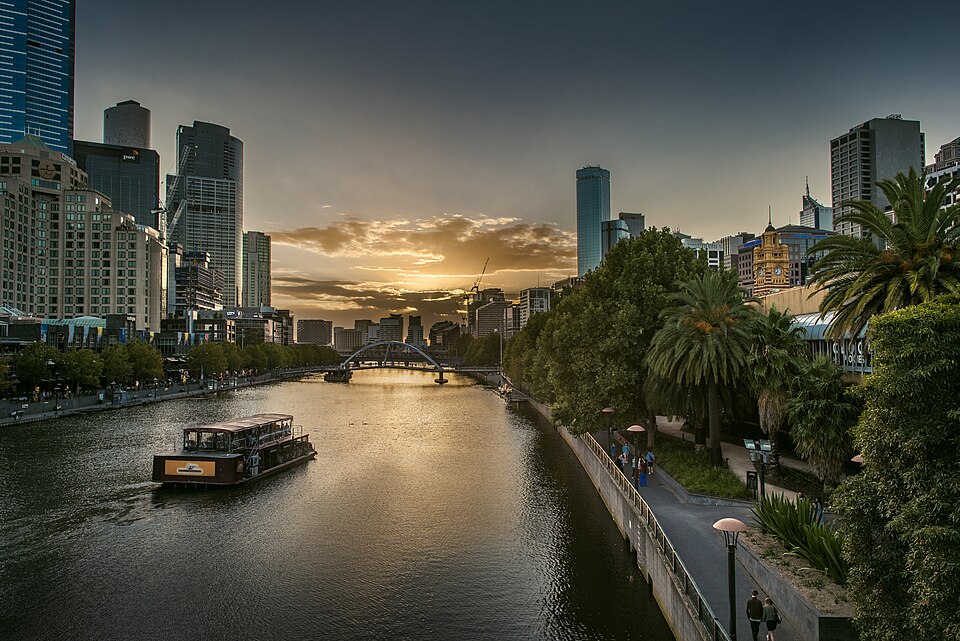
Choose St Kilda for a stay with a strong waterfront character and access to dining, walks and the coast. Choose Port Melbourne when a relaxed arrival day and time near the bay suit your group. Compare the daily journey to the sights on your list before settling on one area.
Think about the balance between atmosphere and movement. A central base keeps the itinerary direct, while a neighbourhood stay can make the holiday feel more relaxed. The right choice depends on your group, daily plans and appetite for travel across Melbourne.
Planning Around Autumn School Holidays
Victorian autumn holidays run from 26 March to 11 April 2027, so a Melbourne trip can overlap with a family school break. Queensland and Victoria share the same listed period, which makes late March useful for families planning travel from different parts of Australia.
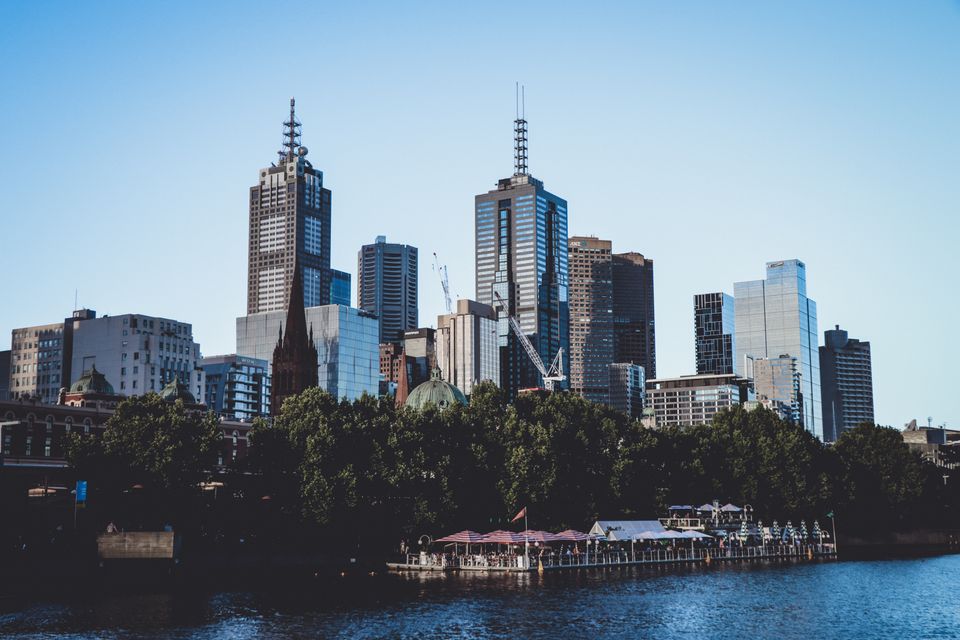
Book accommodation and transport before adding extra Melbourne days to the itinerary. This is especially helpful when your family wants a city break with several scheduled activities. The exact arrangement depends on your children's school calendar and the dates your group can travel.
HolidayWow can turn a sentence such as a Melbourne family holiday in March into a map based plan. Set a relaxed or balanced pace, move stops between days and use the packing list to prepare for variable March conditions.
Getting Ready with the HolidayWow Planner
Start by describing Melbourne in March, the length of the break, your group and the kind of pace you want. The planner reads the destination, month, travellers, budget and preferences, then places each day on the map with stops and travel legs.
Add dates later if your plans are ready. Every day card can show the weekday, live weather and live prices, helping you make decisions close to departure. The app also includes live partner prices for stays, tours, transport and flights.
Share the plan with your group through one link. Travellers can view, edit, vote and comment, while the document vault keeps passports, tickets and confirmations connected to the trip. The free app works for planning on the go as well as at home.
Melbourne in March: frequently asked questions
Is Melbourne in March a good time for a city break?
Melbourne in March works well for sightseeing, food, museums, parks and waterfront walks. Average daytime temperatures are 24 °C, with 15 °C at night. Keep some indoor options available because the month can include rain, and choose a pace that leaves room for changing conditions.
What should I pack for Melbourne in March?
Pack light layers, comfortable walking shoes, a compact rain jacket and a changeable outfit for warmer daytime conditions. A March packing list can include a warm top for cooler evenings, although the recorded night average is 15 °C. Add items suited to any planned indoor activities.
Can families visit Melbourne during the March school holidays?
Yes. Victorian autumn holidays run from 26 March to 11 April 2027, and the listed Queensland and Victorian period makes late March a practical family window. Build the city itinerary with a balanced pace, keep days flexible and use the Long Weekend planner to check the broader holiday arrangement.
How many days are ideal for Melbourne in March?
Three days are enough for a clear city break with a Yarra River walk, cultural attractions, food and a waterfront outing. Seven days let you explore more neighbourhoods and add a relaxed park or bay day. Choose the length that matches your group and the time available for travel.
Can I edit a Melbourne holiday plan after I start it?
Yes. HolidayWow lets you move a stop to another day, swap a place or make a day lighter. The plan checker reorders the route after each change, while relaxed, balanced and packed paces help you match each day to your energy and plans.

Plan your holiday in Melbourne in March

Describe your trip in one sentence. When, who with and what matters to you.