
Best time: July to September
Nova Scotia from Halifax for a flexible Canadian road trip
Published October 4, 2026 · HolidayWow editors · Written with AI, numbers checked against our data ·
Nova Scotia from Halifax is an easy starting point for a Canadian road trip, with the province’s coastal scenery, historic towns, and scenic drives close together. Choose Halifax for your first stay, plan each route on a map, and adjust the pace as your vacation takes shape.
In Nova Scotia, the best time for a trip is July to September, with daytime highs up to 25 °C.
7 days in Nova Scotia in August, Culture, from Montreal on your own
Plan a trip- Best time to go
- July to September
- Daytime high in August
- 25 °C
- Flight from Montreal, nonstop
- about 1 h 33


 iPhoto: CP Hoffman from Washington, DC, United States · CC BY-SA 2.0 · Wikimedia Commons
 iPhoto: Tony Webster from San Francisco, California · CC BY-SA 2.0 · Wikimedia Commons
Nova Scotia at a glance
- What’s the vibe?
- Halifax works well as the first base because it brings together the waterfront, dining, local history, and convenient road connections. From there, your plan can grow toward coastal scenery, fishing communities, Cape Breton, or the quiet rural routes found farther inland.
- Best time to go
- The warmest month is August with 25 °C, the coolest January with 0 °C. February is the driest with 11 rain days and June the wettest with 15.
- How to get there?
- From Montreal, you can be in Nova Scotia in about 1 h 33.
Begin with Halifax and give the province room to unfold
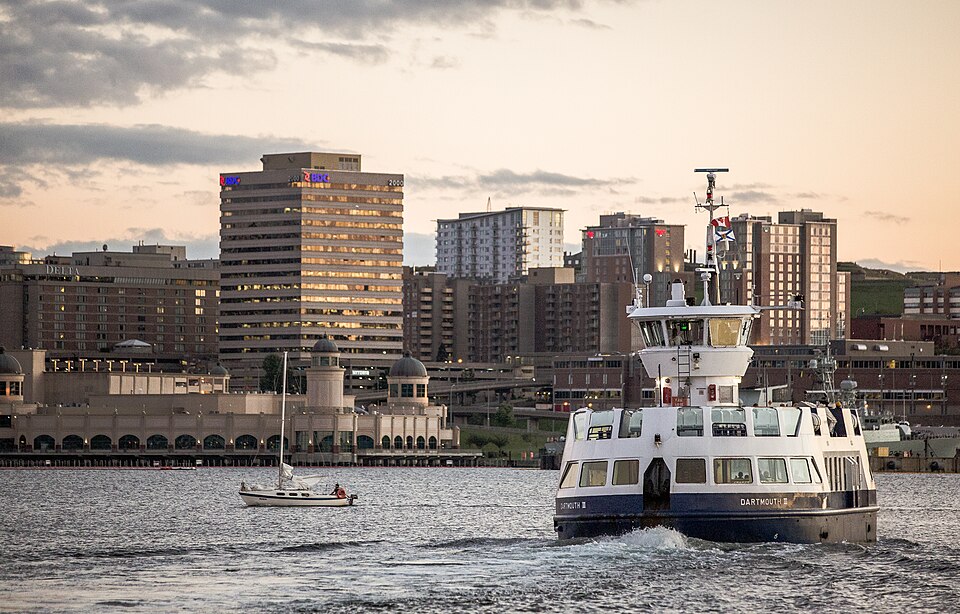
Halifax works well as the first base because it brings together the waterfront, dining, local history, and convenient road connections. From there, your plan can grow toward coastal scenery, fishing communities, Cape Breton, or the quiet rural routes found farther inland. A few days in Halifax also gives you time to settle into Atlantic Canada before beginning the rest of the drive.
The waterfront is a natural place to start your first day, followed by time in neighbourhoods known for restaurants, music, and independent shops. The Citadel and the waterfront offer an easy introduction to the city without requiring a packed schedule. Adding a museum or a longer meal gives the day a comfortable rhythm and leaves room for a walk whenever the weather suits you.
Treat Halifax as a base rather than a checklist. Book a central stay, keep the first day light, and reserve the following days for the landscapes that interest you most. This works especially well for couples, families, and small groups who want a mixture of city time, scenic travel, and spontaneous stops without changing hotels every night.
Pick the season that matches your preferred pace
Summer brings Nova Scotia’s warmest weather, longer daylight, and the strongest conditions for exploring the province at an easy outdoor pace. August is the warmest month, while July also offers warm days and comfortable evenings. These months suit scenic drives, coastal walks, harbour visits, and days that include several small stops along the road.


Spring has a quieter character and rewards travellers who enjoy cool air, fresh colour, and a sense of discovery. May and June provide milder daytime conditions, with June bringing longer days and more warmth. October can suit fall colour and road trips, while September offers a useful balance of warmth, seasonal colour, and a gradual shift toward cooler evenings.
Winter travel works well for travellers who value coastal atmosphere, food, and a clear sense of place. January is the coldest month, and its short daylight period calls for a focused itinerary centred on a few rewarding destinations. Snow can influence road conditions, so check the latest official travel information and build in flexibility for weather and visibility.

Shape a road trip around several comfortable bases
A short Nova Scotia itinerary can use Halifax for city days and the South Shore for lighthouse scenery, beaches, and small towns. Moving through the province rather than circling one area gives you a stronger sense of place. Each base should offer enough to fill its days while keeping transfers and daily drives comfortable.
 iPhoto: Gordon Leggett · CC BY 4.0 · Wikimedia Commons
For a seven-day outline, spend the opening portion in Halifax, then continue along the coast. Add a lighthouse stop, a harbour walk, and a seafood meal along the route. In the middle of the trip, stay near scenery that supports hiking, beaches, or cycling. Use the final days for Cape Breton or another coastal region that matches your interests.
Change the route according to your group. Drivers may prefer shorter legs and more time at each stop, while confident road trippers can extend the driving and reduce the number of bases. Keep each day realistic by choosing a main destination, adding a nearby experience, and leaving space for photographs, meals, and changing weather.
iPhoto: Gordon Leggett · CC BY 4.0 · Wikimedia CommonsNova Scotia from Halifax
From Halifax, Nova Scotia is {{dist.home:YHZ}} away as the crow flies. Toronto lies {{dist.home:YYZ}} away. From Vancouver it is {{dist.home:YVR}}. For a trip out of Halifax, aim for June, July, August and September.
 iPhoto: Gordon Leggett · CC BY 4.0 · Wikimedia Commons
Montreal lies {{dist.home:YUL}} away. From Calgary it is {{dist.home:YYC}}. The plan adds the ride to the airport, the flight with live fares from our partners, and the transfer to your first stay.
iPhoto: Gordon Leggett · CC BY 4.0 · Wikimedia Commons iPhoto: Wladyslaw · CC BY-SA 3.0 · Wikimedia Commons
Already started
Your trip in Nova Scotia
 25 °C by day in August
- from Montreal about 1 h 33
Day 1
Arrival in Appalachian Mountains
Flight from Montreal in 1 h 33, nonstop. Settle in, first evening by the harbor or in the center.

Day 2
Hemlock Ravine Park
Start early; bring water and sturdy shoes.
Day 3
DeWolf Park
Start early; bring water and sturdy shoes.
Day 4
Stewiake River Park
Start early; bring water and sturdy shoes.

Day 5
On to Halifax
A new base for the next few days; explore Halifax on foot.
Day 6
Ferry Terminal Park
Start early; bring water and sturdy shoes.
Day 7
Last morning and flight home
One last walk, then back to Montreal.
Look around without an account; sign in to save.
Weather and climate in Nova Scotia
The warmest month is August, with 25 °C by day and 14 °C at night. The sunniest month is July, with 8 hours of sun a day.
Weather in Nova Scotia month by month
- January0 °C
- February0 °C
- March3 °C
- April9 °C
- May15 °C
- June20 °C
- July24 °C
- August25 °C
- September21 °C
- October15 °C
- November8 °C
- December2 °C
When to go to Nova Scotia
The warmest month is August with 25 °C, the coolest January with 0 °C. February is the driest with 11 rain days and June the wettest with 15. July brings the most sun, around 8 hours daily.
 iPhoto: mricon · CC BY-SA 2.0 · Wikimedia Commons
Comfortable sightseeing weather, with highs between the low twenties and about thirty degrees, comes in June, July, August and September.
- January: 0 °C, 12 rain days, 3 h of sun
- February: 0 °C, 11 rain days, 4 h of sun
- March: 3 °C, 11 rain days, 6 h of sun
- April: 9 °C, 12 rain days, 6 h of sun
- May: 15 °C, 13 rain days, 7 h of sun
- June: 20 °C, 15 rain days, 7 h of sun
- July: 24 °C, 14 rain days, 8 h of sun
- August: 25 °C, 13 rain days, 7 h of sun
- September: 21 °C, 12 rain days, 6 h of sun
- October: 15 °C, 15 rain days, 5 h of sun
- November: 8 °C, 13 rain days, 3 h of sun
- December: 2 °C, 15 rain days, 2 h of sun
iPhoto: mricon · CC BY-SA 2.0 · Wikimedia CommonsDemand for Nova Scotia through the year
Monthly search volumes put the peak for Nova Scotia in July and the low point in December.
 iPhoto: RicLaf from Halifax, Canada · CC BY-SA 2.0 · Wikimedia CommonsiPhoto: RicLaf from Halifax, Canada · CC BY-SA 2.0 · Wikimedia Commons
 iPhoto: Gordon Leggett · CC BY-SA 4.0 · Wikimedia Commons
A day in Nova Scotia in June
Begin with a long walk while the light is soft. Around midday it reaches 20 °C, ideal for the outdoor highlight of the day. By night it is 10 °C: a cosy restaurant suits the evening.


What to pack for Nova Scotia
For August, plan for changeable mild weather: 25 °C in the day, 14 °C after dark, 13 days of rain. The packing list in your plan adjusts itself to the month and the days you pick.

- Comfortable walking shoes
- A warm layer for the evenings
- A packable rain jacket or umbrella
- A travel adapter for your chargers
Getting there
The quickest way is from Montreal: you're in Nova Scotia in about 1 h 33 on a nonstop flight. Nonstop flights leave from 7 Canadian airports. The nearest airport is Halifax / Stanfield International Airport (YHZ), 42 km away.
- YHZHalifax / Stanfield International Airport42 km to the destination
| From | Flight time | To | Nonstop flight |
|---|---|---|---|
| Montreal YUL | about 1 h 33 | YHZ | Nonstop |
| Ottawa YOW | about 1 h 43 | YHZ | Nonstop |
| Toronto YYZ | about 2 h 06 | YHZ | Nonstop |
| Winnipeg YWG | about 3 h 33 | YHZ | Nonstop |
| Edmonton YEG | about 4 h 48 | YHZ | Nonstop |
| Calgary YYC | about 4 h 53 | YHZ | Nonstop |
| Vancouver YVR | about 5 h 39 | YHZ | Nonstop |
Flight times estimated from the distance, nonstop routes from OpenTravelData.
Live prices for Nova Scotia
The cards below pull today's partner prices for Nova Scotia in your currency, so the number you see is the one you pay.

Build the first travel day around a clear arrival plan
The practical starting point is the journey from your home to Halifax and onward to your first stay. If you are beginning in the Halifax area, the airport is 42 km away. Your door to door plan can connect the ride to the airport, the flight, and the transfer to the accommodation, giving everyone a clear sequence for arrival.


Arrival plans are especially useful when travelling with children, equipment, or several people. Keep the first evening simple with a nearby meal, a comfortable check in, and an easy walk if everyone feels ready. Save longer attractions for the following morning, when everyone has adjusted to local conditions and can follow a more flexible plan.
Live flight details and partner prices should remain connected to the plan rather than stored as fixed assumptions. HolidayWow can show current options through partner links in Canadian dollars, while the document vault keeps tickets and confirmations with the relevant day. This gives the group one place to check essential details before departure and after arrival.
Use the map to balance scenery, stops, and driving
A map first makes the structure of a Nova Scotia trip easy to understand. Each day appears as a route, with stops placed along it and the order adjusted after every edit. You can move an attraction to another day, replace a stop, or make the schedule lighter without rebuilding the full vacation from scratch.
Choose a relaxed, balanced, or packed pace for the trip, then adjust individual days when the group wants more time. A relaxed day suits a long walk followed by dinner near the stay. A packed day can connect several close attractions, while a coastal drive benefits from a lighter map and more unplanned pauses.
The planner is also useful when the plan includes different interests. Family members can follow cultural and outdoor activities, while another traveller adds food, photography, or shopping. Share the route through one link, invite comments and votes, and use cost splitting when the group is tracking shared expenses. The result remains a collaborative plan with a clear daily structure.
Nova Scotia: frequently asked questions
What is the best way to plan a Nova Scotia trip from Halifax?
Start with Halifax as your first base, then add coastal routes and regional bases according to the length of your vacation. Build each day around one main destination with nearby stops, and use a relaxed or balanced pace if you want time for walks, meals, and photographs. A map makes the route and daily order easy to revise.
When is Nova Scotia most comfortable for a road trip?
July and August offer the warmest conditions, with long days and plenty of time for coastal sightseeing. May, June, September, and October suit travellers who prefer milder weather and a more seasonal atmosphere. Winter brings its own appeal for food, history, and quiet coastal days, while current road and weather information should guide each journey.
How many days should I allow for a Nova Scotia road trip?
A three-day visit works well for Halifax and one nearby coastal region, while seven days gives you room to experience several landscapes without changing bases too often. Longer vacations can add Cape Breton, more lighthouse routes, and additional inland scenery. The best duration depends on how much driving and daily activity you want.
Can I adjust a Halifax to Nova Scotia itinerary after booking it?
Yes. You can move stops between days, change a destination, and adjust the travel pace after each edit. Add dates later to bring weekday information, live weather, and live prices into the day cards. Live options appear through partner links, and bookings happen inside the plan using Canadian dollars.
Can my family share the same Nova Scotia road trip plan?
One shared link opens the same itinerary for everyone. Group members can view or edit according to their role, add comments, and vote on possible stops. The document vault keeps tickets and confirmations associated with the trip, while cost splitting helps the group keep track of shared planning expenses.

Plan your vacation in Nova Scotia

Describe your trip in one sentence. When, who with and what matters to you.