Best time: July and August
Whistler Solo: Make the Most of Your Mountain Trip
Published October 14, 2026 · HolidayWow editors · Written with AI, numbers checked against our data ·
Whistler suits a solo traveller who wants clear days in the mountains, a compact village base, and enough flexibility to follow the weather. Choose your pace around skiing, hiking, sightseeing, and quiet evenings in the village, then build the route in HolidayWow.
In Whistler, the best months for a trip are July and August, with daytime highs up to 19 °C.
7 days in Whistler in July, Culture, from Calgary on your own
Plan a trip- Best time to go
- July and August
- Daytime high in July
- 19 °C
- Flight from Calgary, nonstop
- about 1 h 25


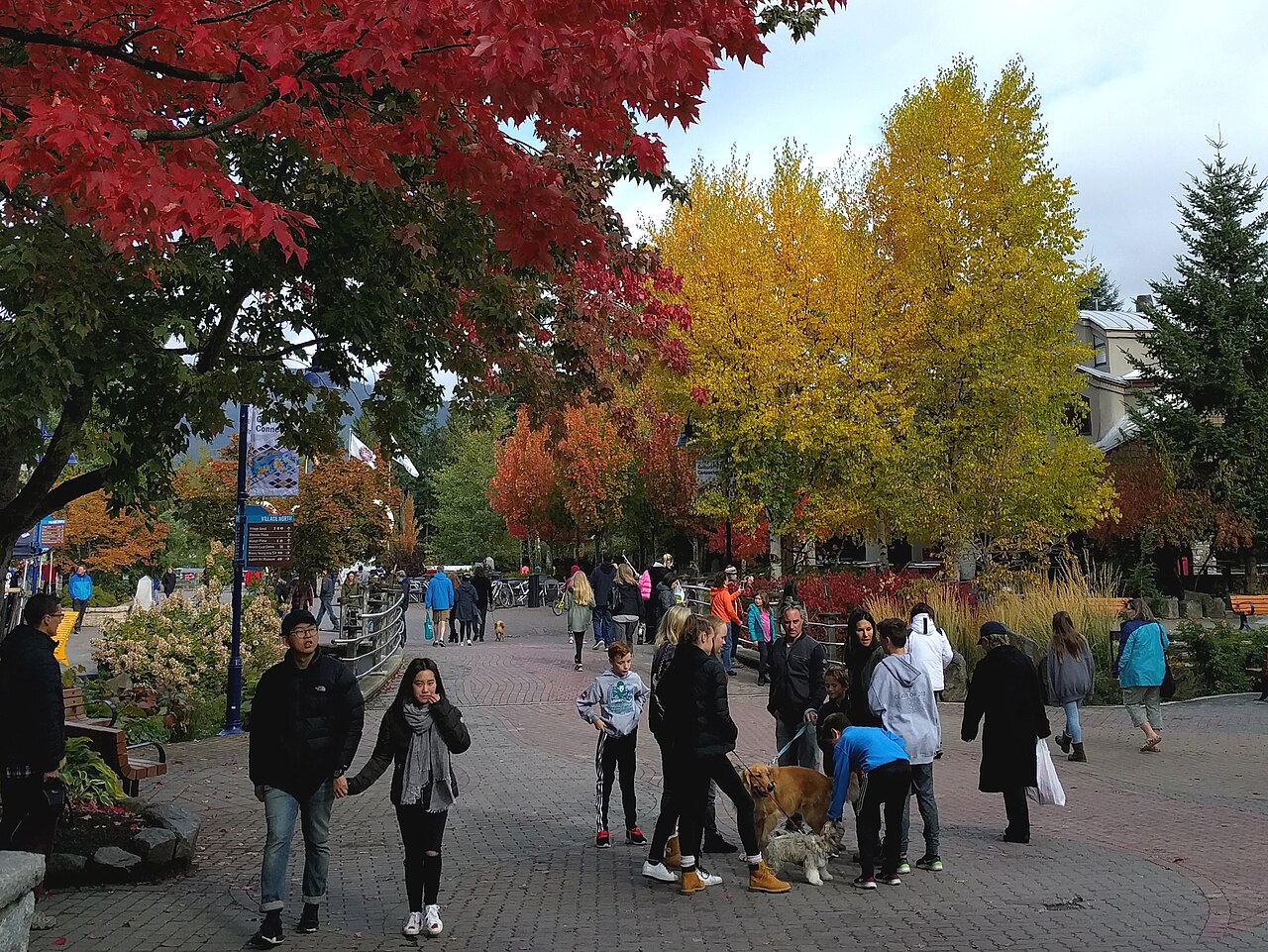
 iPhoto: lululemon athletica · CC BY 2.0 · Wikimedia Commons
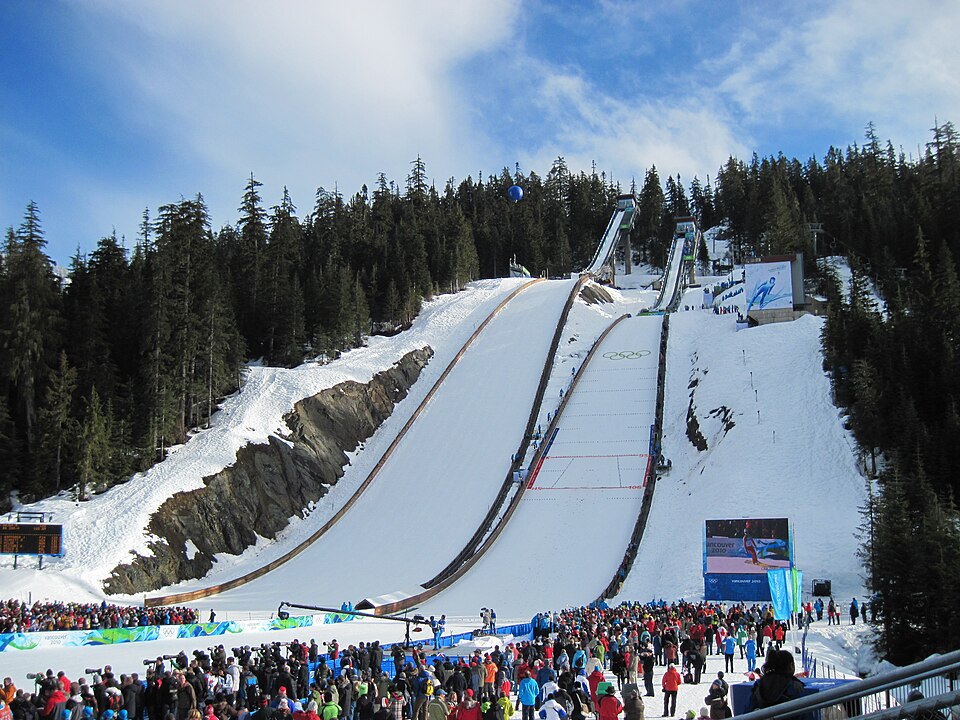
 iPhoto: Florian Fuchs · CC BY-SA 4.0 · Wikimedia Commons
Whistler at a glance
- What’s the vibe?
- For a solo trip, the village is the most convenient base because it places restaurants, shops, lifts, and après-ski activities within easy reach. You can start each day without arranging a group itinerary, then return to the same place for dinner and a walk through the village.
- Best time to go
- In Whistler, the best months for a trip are July and August, with daytime highs up to 19 °C.
- How to get there?
- From Calgary, you can be in Whistler in about 1 h 25.
Choose a Whistler Base for One Traveller
For a solo trip, the village is the most convenient base because it places restaurants, shops, lifts, and après-ski activities within easy reach. You can start each day without arranging a group itinerary, then return to the same place for dinner and a walk through the village. A stay near the main pedestrian areas also makes the first morning simpler when snow conditions shape your plans.
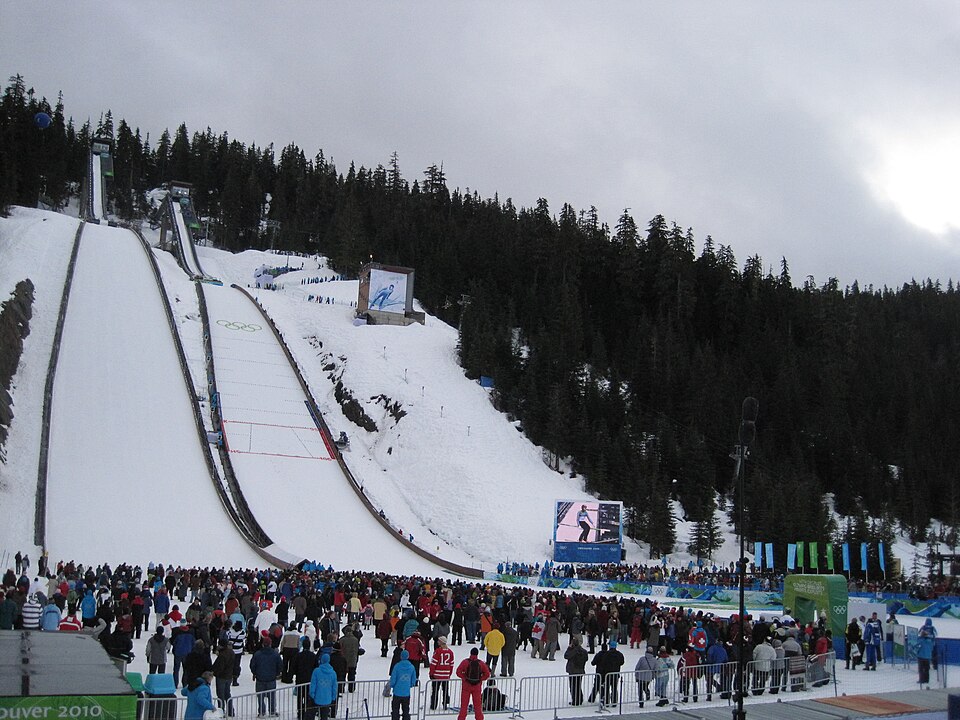
If skiing is your main focus, choose a hotel or lodge with direct access to the mountain or an easy shuttle connection. If you prefer hiking, viewpoints, and relaxed sightseeing, you can select a base that suits a gentler daily rhythm. HolidayWow lets you place your stay, stops, and travel legs on one map, so the location decision stays connected to the rest of your trip.
- Place your first stay in the village for easy access to restaurants and activities
- Choose direct mountain access when skiing shapes the trip
- Keep one day open for a slower village pace
Match Your Mountain Days to the Season
Whistler has a strong winter season, with January through March offering reliable snow conditions for skiing and snowboarding. The climate data shows January daytime temperatures of -2 °C and nighttime temperatures of -9 °C, so warm layers, waterproof outerwear, and reliable winter footwear belong high in your packing list. March has a daytime temperature of -1 °C and a nighttime temperature of -8 °C, with a similarly cold mountain feel.
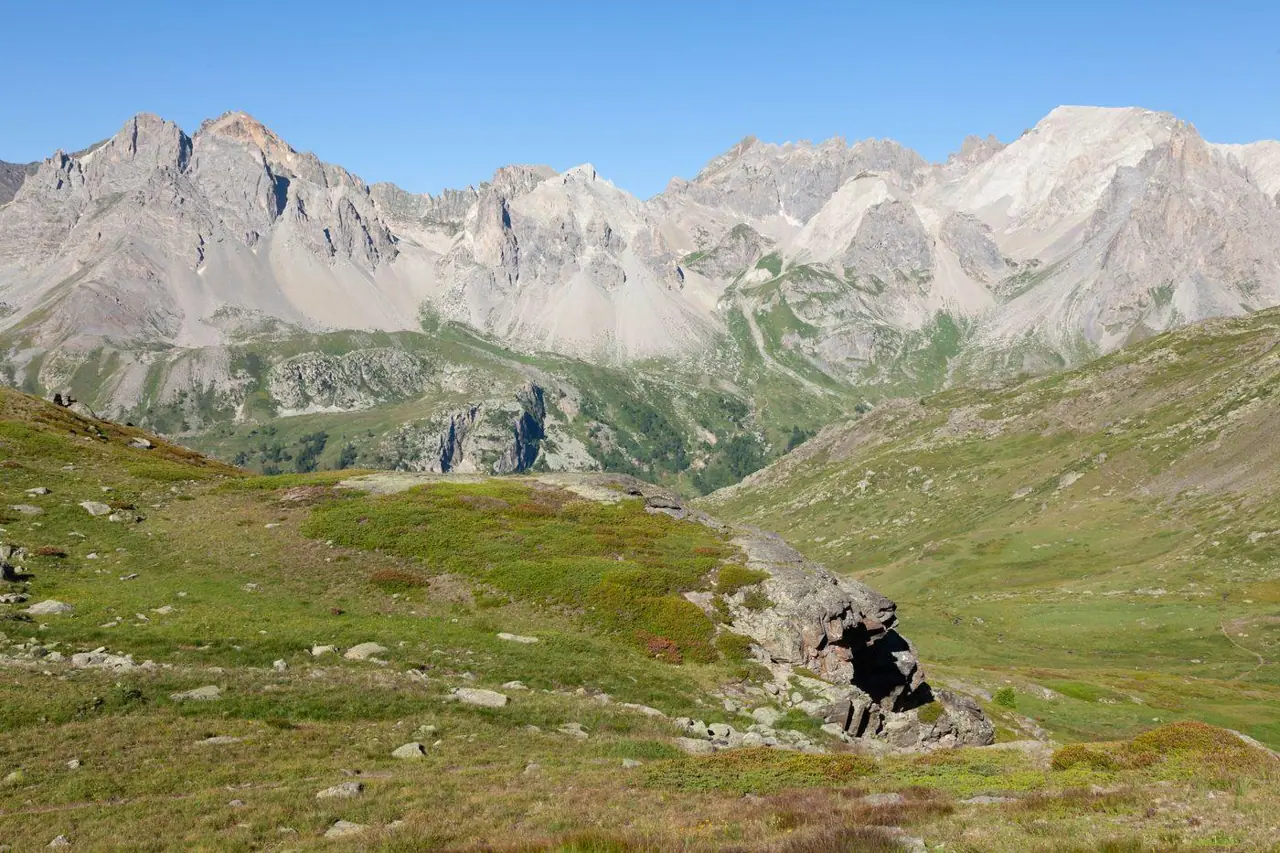
For a summer solo escape, July and August provide warmer days for walks, scenic excursions, and time outdoors. July records a daytime temperature of 19 °C, while August records 18 °C. The warmer months are also suited to flexible plans that mix mountain scenery with village meals and slower afternoons. May and September offer a middle ground, with daytime temperatures of 7 °C and 14 °C respectively.
- January and March suit winter mountain activities
- July and August suit warmer hiking and sightseeing days
- May and September work for mixed mountain and village plans
Already started
Your trip in Whistler
 19 °C by day in July
- from Calgary about 1 h 25
Day 1
Arrival in Whistler
Flight from Calgary in 1 h 25, nonstop. Settle in, first evening by the harbor or in the center.

Day 2
Lakeside Park
Start early; bring water and sturdy shoes.
Day 3
Lost Lake Park
Start early; bring water and sturdy shoes.
Day 4
Rainbow Park
Start early; bring water and sturdy shoes.
Day 5
Florence Petersen Park
Start early; bring water and sturdy shoes.
Day 6
Wayside Park
Start early; bring water and sturdy shoes.
Day 7
Last morning and flight home
One last walk, then back to Calgary.
Look around without an account; sign in to save.
Weather and climate in Whistler
The warmest month is July, with 19 °C by day and 8 °C at night. The sunniest month is July, with 9 hours of sun a day.
| Month | Jan | Feb | Mar | Apr | May | Jun | Jul | Aug | Sep | Oct | Nov | Dec |
|---|---|---|---|---|---|---|---|---|---|---|---|---|
| Day °C | -2 | -3 | -1 | 1 | 7 | 14 | 19 | 18 | 14 | 7 | -1 | -4 |
| Night °C | -9 | -11 | -8 | -5 | 1 | 5 | 8 | 8 | 5 | 0 | -6 | -10 |
| Sun h/day | 2 | 4 | 4 | 6 | 8 | 7 | 9 | 8 | 6 | 4 | 2 | 2 |
| Rain days | 20 | 17 | 20 | 17 | 15 | 17 | 11 | 10 | 12 | 18 | 21 | 21 |
Weather in Whistler month by month
- January-2 °C
- February-3 °C
- March-1 °C
- April1 °C
- May7 °C
- June14 °C
- July19 °C
- August18 °C
- September14 °C
- October7 °C
- November-1 °C
- December-4 °C
Shape a Three Day Solo Itinerary
On your first day, settle into the village and choose one focused mountain activity rather than filling every hour. Skiing or snowboarding works well in winter, while a scenic hike or valley walk suits the warmer season. Finish with a meal in the village and spend the evening nearby, allowing your plan to reflect your energy and the day's conditions.
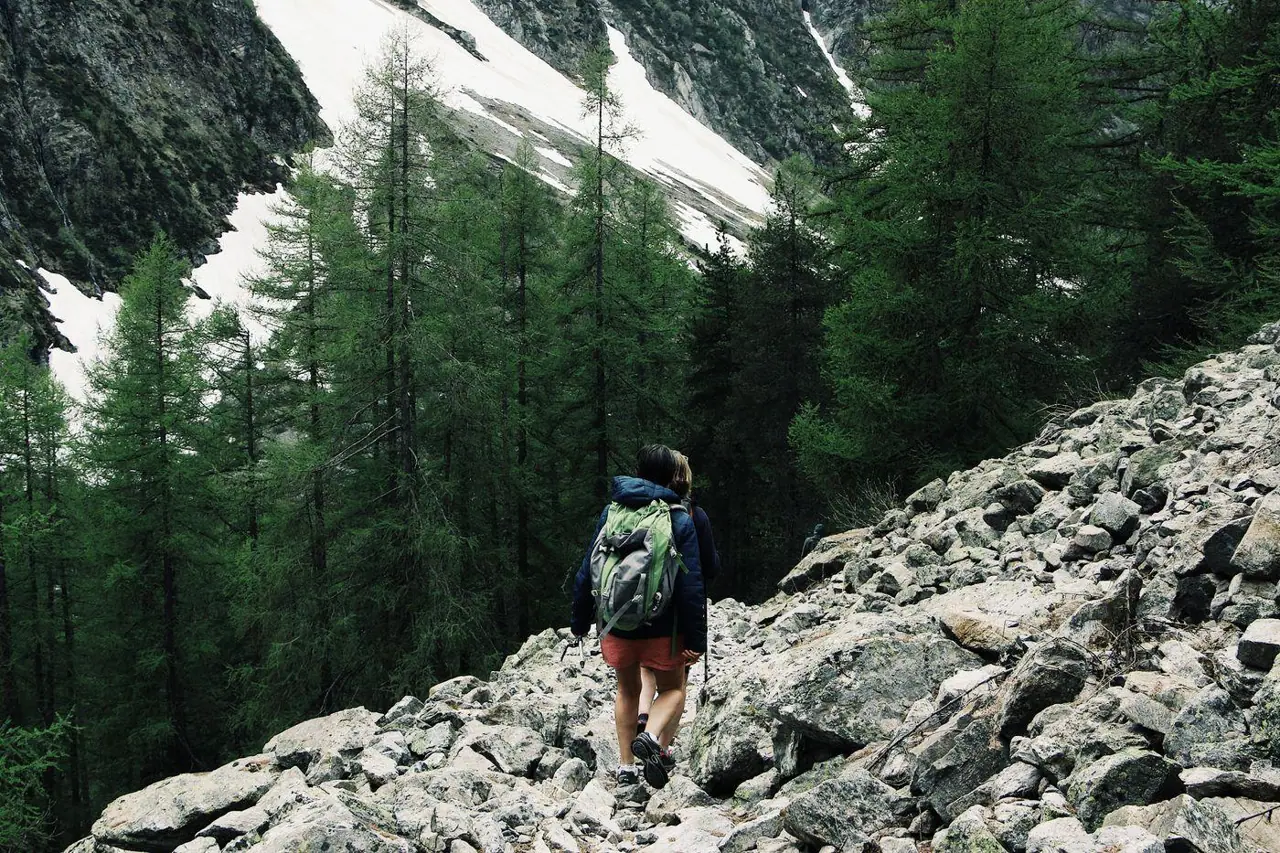

Use the second day for a fuller excursion. In winter, you can dedicate the day to the slopes. In summer, combine a walk with a scenic stop around the mountains. On day three, keep the itinerary light with a village stroll, a favourite restaurant, and time for a final viewpoint or nearby experience. HolidayWow can set a relaxed, balanced, or packed pace, then reorder the day after you move a stop.
- Day one: settle in and choose one mountain activity
- Day two: spend the day on a full excursion
- Day three: keep the village day simple and personal
Build a Longer Solo Mountain Break
For a seven day trip, give each part of the stay its own rhythm. Spend several days around the mountain, then add a slower day for the village and a scenic excursion farther afield. This structure makes it easier to change your plans based on snow, trail conditions, or your preferred pace while keeping the trip interesting.
Start with one base in the village, then add another accommodation or excursion if your itinerary benefits from a change of location. Keep the first and final days gentle so you have room to travel comfortably and enjoy your last views. If you are combining the trip with Canadian leave, the Long Weekend planner can help turn public holidays and leave days into a longer mountain break.
- Give the first and final days a gentle pace
- Use the village as a flexible central base
- Add a second area for a change of scenery when the trip calls for it
Getting there
The quickest way is from Calgary: you're in Whistler in about 1 h 25 on a nonstop flight. Nonstop flights leave from 7 Canadian airports. The nearest airport is Vancouver International Airport (YVR), 104 km away.
- YVRVancouver International Airport104 km to the destination
| From | Flight time | To | Nonstop flight |
|---|---|---|---|
| Calgary YYC | about 1 h 25 | YVR | Nonstop |
| Edmonton YEG | about 1 h 33 | YVR | Nonstop |
| Winnipeg YWG | about 2 h 45 | YVR | Nonstop |
| Toronto YYZ | about 4 h 26 | YVR | Nonstop |
| Ottawa YOW | about 4 h 40 | YVR | Nonstop |
| Montreal YUL | about 4 h 48 | YVR | Nonstop |
| Halifax YHZ | about 5 h 39 | YVR | Nonstop |
Flight times estimated from the distance, nonstop routes from OpenTravelData.
Plan Around Your Home City and Solo Needs
The distance from your home airport can shape the travel day, especially when you are balancing a mountain trip with work and other commitments. From Toronto, Whistler is 3,320 km away, while Vancouver is 104 km away. Montreal, Calgary, Ottawa, Edmonton, Halifax, and Winnipeg have their own connection points, so your starting point is easy to carry into the route.
A solo itinerary benefits from clear decisions made before arrival. HolidayWow reads a trip described in one sentence or by voice, including the destination, month, group, pace, and budget. You can add dates later to see weekday details, live weather, and live partner prices. The plan also includes a packing list, checklist, and document vault for the practical side of travelling independently.
- Use your home airport distance to shape the first travel day
- Add dates later if your plans are flexible
- Keep packing, documents, and bookings with the itinerary
Whistler: frequently asked questions
Is Whistler good for a solo holiday?
Yes, Whistler works well for a solo holiday because the village is compact, mountain activities are easy to organize, and meals and walks can be enjoyed independently. Choose a base near the village and give yourself at least one relaxed day so the trip balances activity with personal space.
What is the best time to visit Whistler alone?
The best timing depends on your priorities. January and March suit skiing and snowboarding, while July and August suit warmer mountain walks and sightseeing. May and September are useful for a mixed trip with a daytime temperature of 7 °C and 14 °C respectively.
Can I make a solo Whistler trip flexible?
Yes. Build a relaxed plan first, then change the route when the weather or your energy calls for a different day. HolidayWow lets you move a stop, swap a place, lighten a day, and choose a new pace. Dates are optional when you want to plan by month.
How many days should I stay in Whistler solo?
A three day visit works for a focused mountain break with time for one full activity day and a gentle village day. A seven day stay gives you room for several mountain days, scenic excursions, changing weather, and a relaxed finish. The Long Weekend planner can help connect Canadian holidays and leave days.
What should I pack for Whistler?
Pack warm layers, waterproof outerwear, suitable footwear, and equipment for the activities you plan to do. In January, daytime temperatures are -2 °C and nighttime temperatures are -9 °C, so winter clothing matters. HolidayWow creates a packing list and checklist from your plan, month, and climate.

Plan your vacation in Whistler

Describe your trip in one sentence. When, who with and what matters to you.