Best time: July and August
Banff solo travel for an independent Rockies adventure
Published October 6, 2026 · HolidayWow editors · Written with AI, numbers checked against our data ·
A solo trip to Banff suits travellers who enjoy scenic drives, clear trails and the freedom to shape each day around energy, weather and personal interests. Base yourself in Banff or Canmore, choose a relaxed daily pace and keep a flexible reserve for lakes, viewpoints and spontaneous walks.
In Banff, the best months for a trip are July and August, with daytime highs up to 18 °C.
7 days in Banff in July, Culture, from Vancouver on your own
Plan a trip- Best time to go
- July and August
- Daytime high in July
- 18 °C
- Flight from Vancouver, nonstop
- about 1 h 25


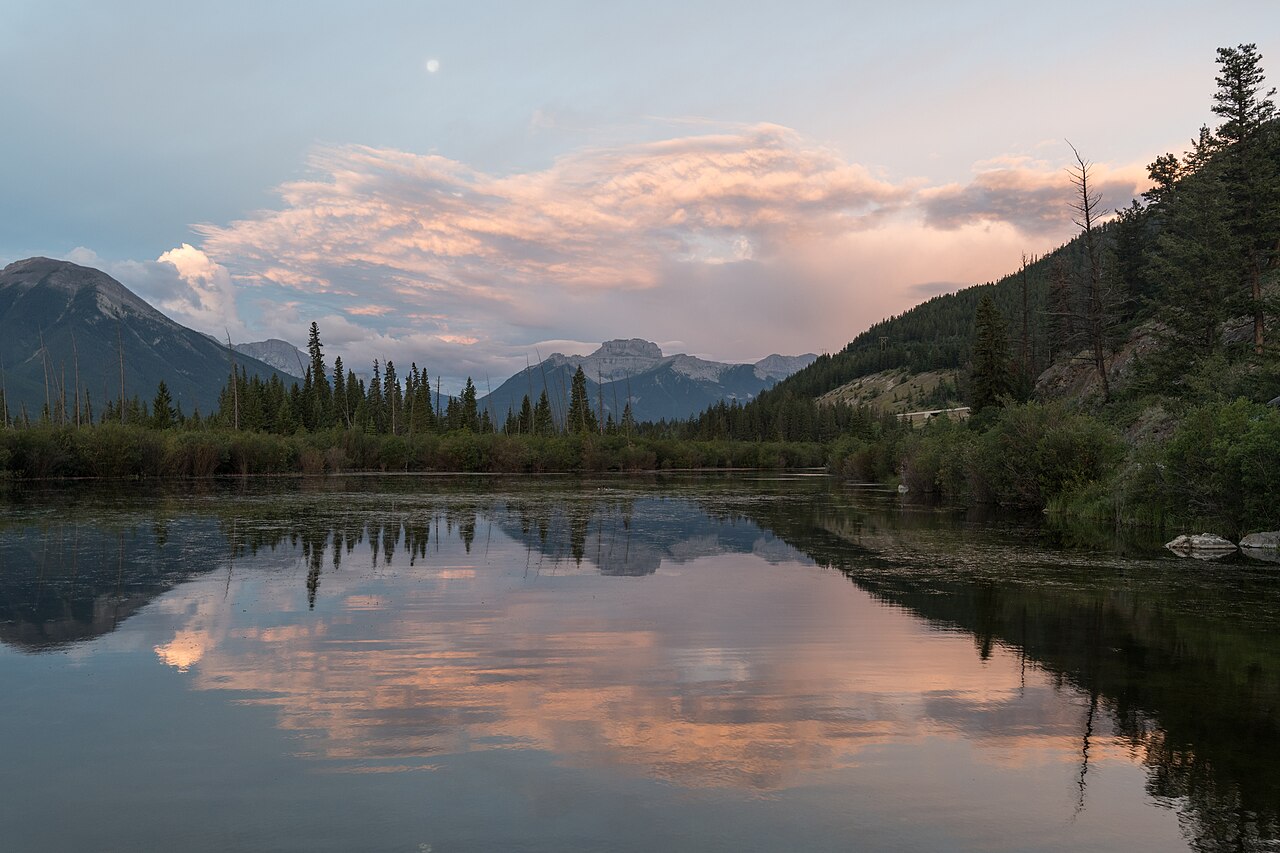
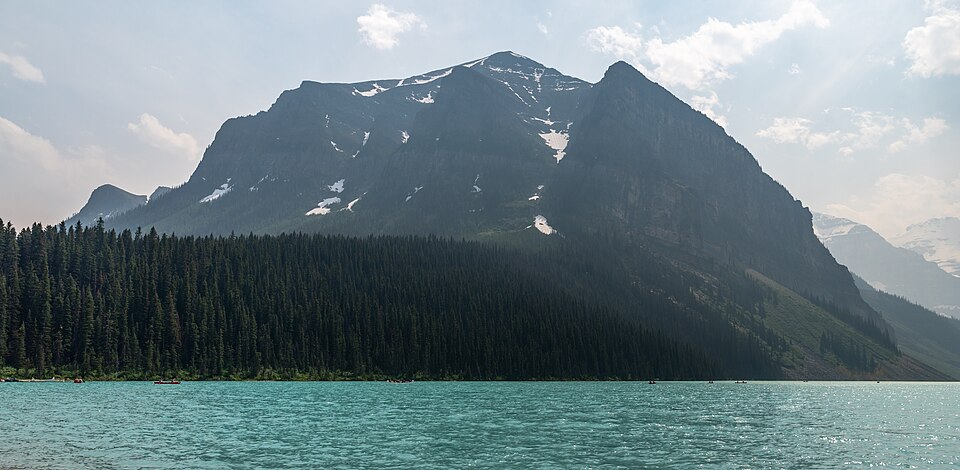 iPhoto: Ethan Sahagun · CC BY 4.0 · Wikimedia Commons
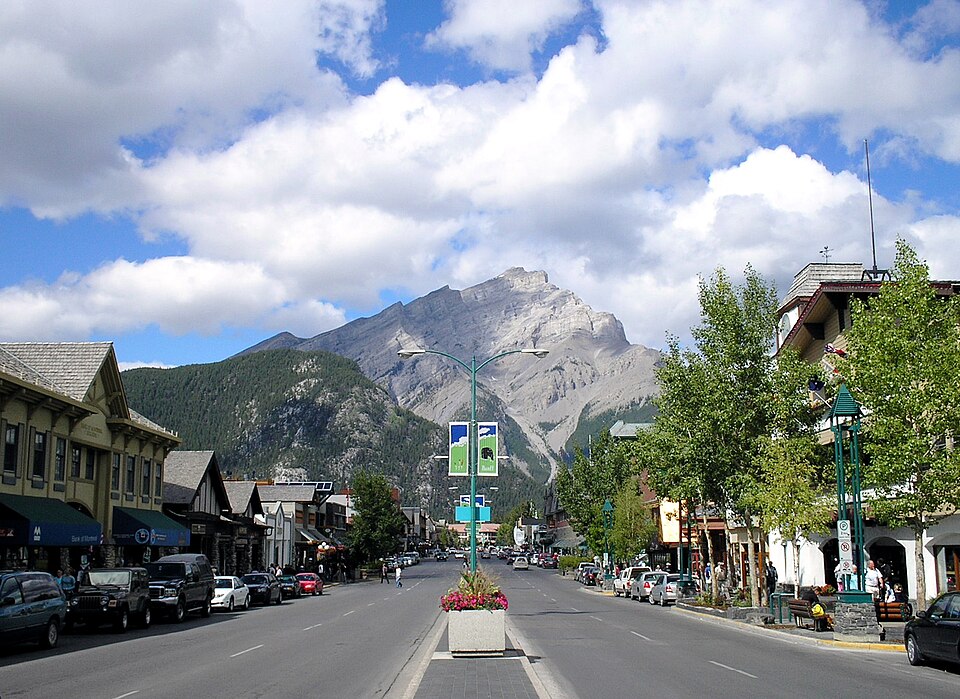
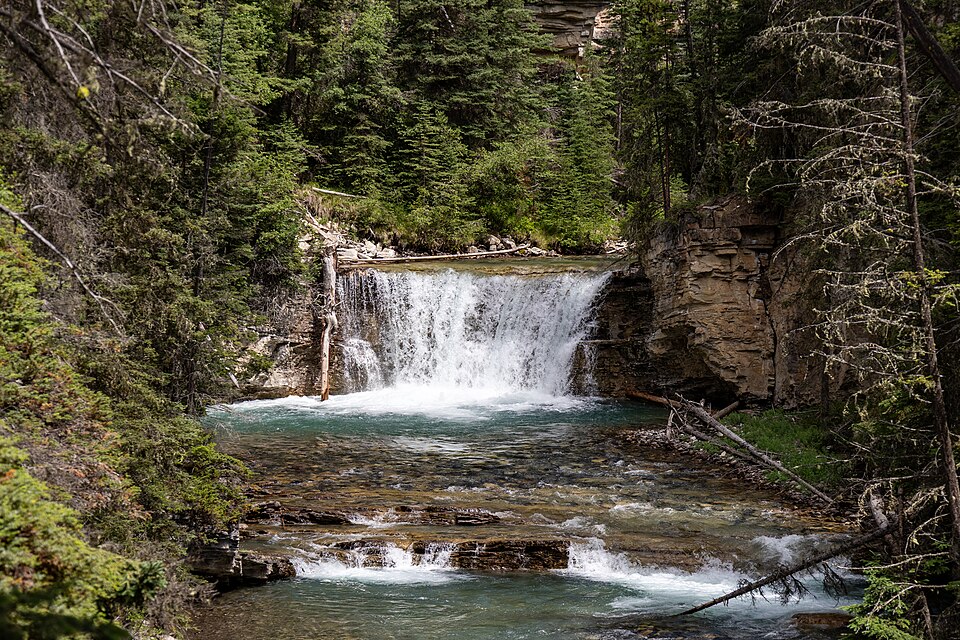 iPhoto: Chris Woodrich · CC BY-SA 4.0 · Wikimedia Commons
Banff at a glance
- What’s the vibe?
- Banff gives one traveller plenty to follow with a clear sense of place. The town sits within easy reach of the Bow River, Sulphur Mountain, Cave and Basin, Lake Minnewanka and some of the Rockies’ most recognisable scenery.
- Best time to go
- A layered approach is the most useful system for Banff. Bring a moisture resistant outer shell, a warm mid layer, comfortable footwear and a small daypack for water, snacks and extra clothing.
- How to get there?
- From Vancouver, you can be in Banff in about 1 h 25.
Why Banff works well for a solo traveller
Banff gives one traveller plenty to follow with a clear sense of place. The town sits within easy reach of the Bow River, Sulphur Mountain, Cave and Basin, Lake Minnewanka and some of the Rockies’ most recognisable scenery. You can gather several interests in one neighbourhood, then return to your accommodation without repeating the same route each day.
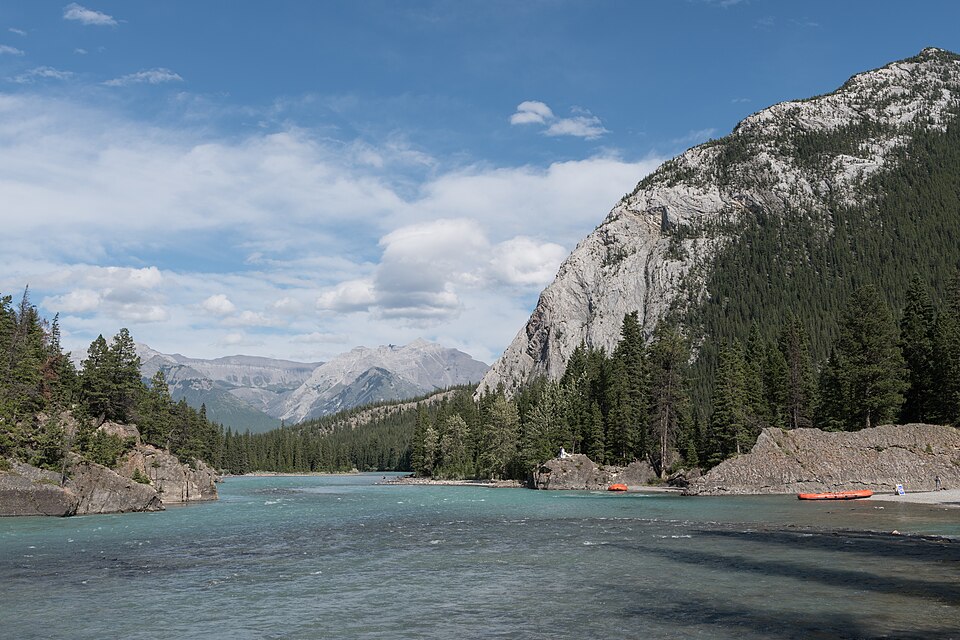
Solo travel also creates room for a slower rhythm. Spend the morning walking beside the river, move to a gallery or café in town during the afternoon, and save the longer scenic route for another day. Banff Avenue and its surrounding streets make a practical base for travellers who prefer restaurants, shops and services within a short walk.
Canmore offers a different atmosphere, with a quieter town setting and direct access to outdoor routes. It works especially well if your days centre on hiking, cycling or long scenic outings. Staying across several nights in one place also simplifies packing and leaves more energy for the surrounding landscape.
Choose the season that matches your mountain plans
July and August provide the warmest weather in the climate record, with average daytime temperatures of 18 °C and 17 °C. These months suit travellers who want long daylight hours for walks, lakeside pauses and mountain viewpoints. An early start can give you a calm stretch of trail before the day’s main outdoor activity.
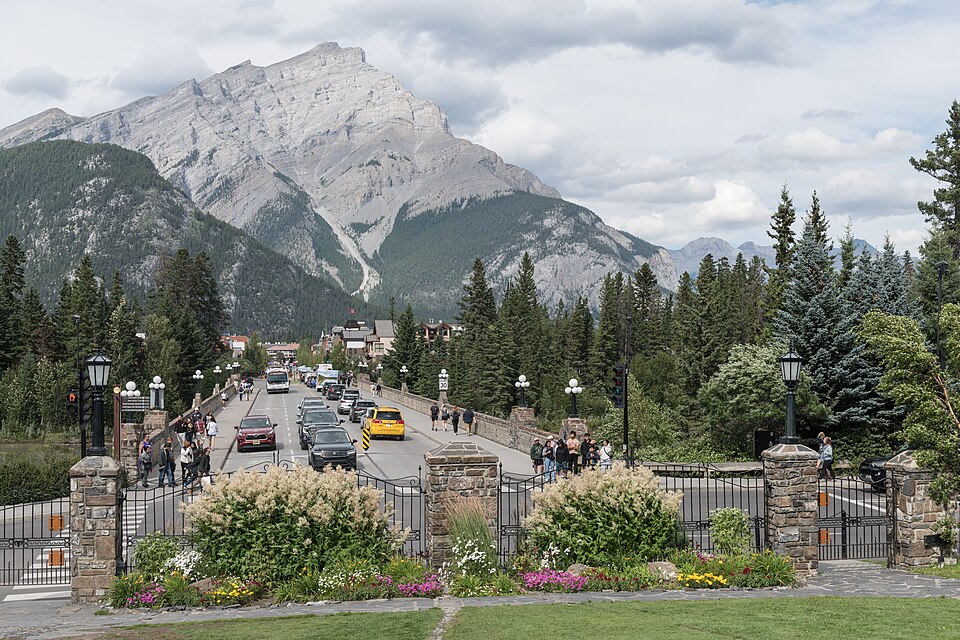 iPhoto: DXR · CC BY-SA 4.0 · Wikimedia Commons
June offers a dramatic transition into summer, with daytime temperatures around 13 °C and the highest monthly rainfall in the climate record. The shoulder months of May and September can suit a solo traveller who prefers fresh mountain air with a greater chance of cool conditions along exposed trails. Layer planning matters throughout the year.
January and February call for a winter-focused vacation, with average daytime temperatures of -8 °C. If skiing and snow are central to your trip, a winter base makes sense. For summer hiking, waterfalls, wildlife watching and photography, July and August give you the warmest monthly pattern in the data.
iPhoto: DXR · CC BY-SA 4.0 · Wikimedia CommonsAlready started
Your trip in Banff
 18 °C by day in July
- from Vancouver about 1 h 25
Day 1
Arrival in Banff
Flight from Vancouver in 1 h 25, nonstop. Settle in, first evening by the harbor or in the center.

Day 2
Lake Minnewanka
Start early; bring water and sturdy shoes.
Day 3
Sulphur Mountain
Start early; bring water and sturdy shoes.
Day 4
Central Park
Start early; bring water and sturdy shoes.
Day 5
Banff-Nationalpark
Start early; bring water and sturdy shoes.
Day 6
Bow Falls
Start early; bring water and sturdy shoes.
Day 7
Last morning and flight home
One last walk, then back to Vancouver.
Look around without an account; sign in to save.
Weather and climate in Banff
The warmest month is July, with 18 °C by day and 6 °C at night. The sunniest month is July, with 10 hours of sun a day.
| Month | Jan | Feb | Mar | Apr | May | Jun | Jul | Aug | Sep | Oct | Nov | Dec |
|---|---|---|---|---|---|---|---|---|---|---|---|---|
| Day °C | -8 | -8 | -4 | 0 | 9 | 13 | 18 | 17 | 12 | 4 | -5 | -10 |
| Night °C | -17 | -18 | -14 | -9 | -2 | 3 | 6 | 5 | 1 | -5 | -13 | -18 |
| Sun h/day | 4 | 6 | 8 | 8 | 8 | 9 | 10 | 9 | 7 | 5 | 4 | 3 |
| Rain days | 13 | 13 | 17 | 17 | 18 | 21 | 15 | 14 | 14 | 15 | 17 | 15 |
Weather in Banff month by month
- January-8 °C
- February-8 °C
- March-4 °C
- April0 °C
- May9 °C
- June13 °C
- July18 °C
- August17 °C
- September12 °C
- October4 °C
- November-5 °C
- December-10 °C
Build a balanced 3 day or 7 day Banff route
For a 3 day visit, keep the first day local with the Bow River pathways, Banff town and a nearby viewpoint. Use the second day for Lake Minnewanka, Johnston Canyon or another scenic outing chosen around the season. Reserve the third day for a longer route or a flexible block that leaves room for a second look at a favourite place.
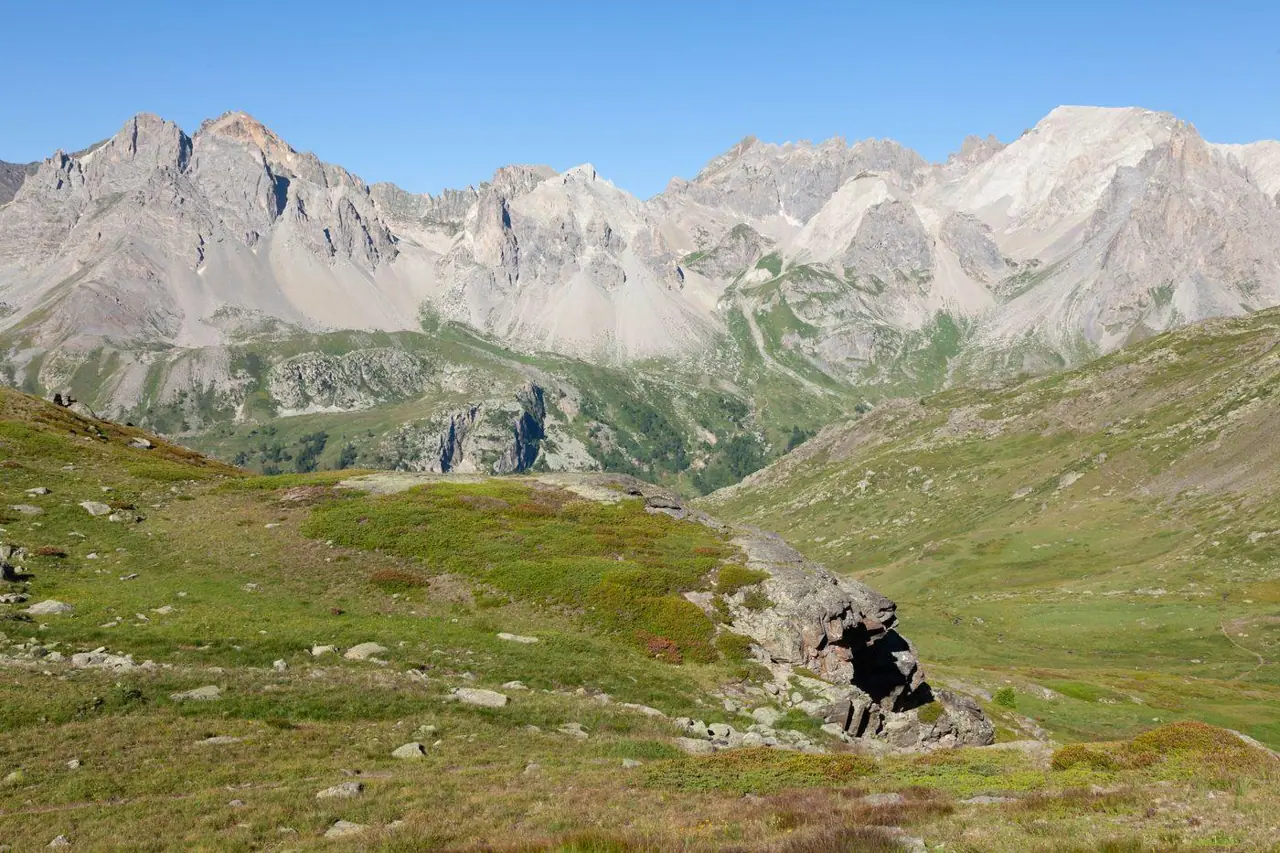

A 7 day trip benefits from dividing Banff into smaller areas. Spend several days around the town, then create a separate outing for Canmore and the surrounding road. Add another day for lakes, another for a substantial trail and a final day with space for a museum, gallery, café or rest. The relaxed pace offers one or two stops on many days.
HolidayWow can turn a sentence such as “A week in Banff for one traveller with a relaxed pace” into a map-based plan. You can move stops between days, lighten an active afternoon or add a scenic detour. The side-panel assistant works from the selected day or stop, helping you refine the route without rebuilding the entire vacation.
- Keep the first day close to your Banff accommodation
- Give each major outdoor outing its own map block
- Add a flexible day for changing mountain conditions
- Use the relaxed pace for one or two stops each day
Pack for variable Rocky Mountain weather
A layered approach is the most useful system for Banff. Bring a moisture resistant outer shell, a warm mid layer, comfortable footwear and a small daypack for water, snacks and extra clothing. Summer temperatures can feel mild at midday, while shade, elevation or a change in conditions can feel much cooler.

Pack according to the route as well as the month. A riverside stroll needs less equipment than an exposed hike with elevation change. For winter travel, research trail and road conditions, carry appropriate cold weather clothing and plan around the recreational facilities included in your trip. The destination’s climate data can guide the month, while the live day card helps you prepare for the day itself.
The HolidayWow packing list takes the destination, month and climate into account. Add your own walking poles, camera, refillable water container and personal medication where suitable. A document vault keeps passports, tickets and confirmations alongside the plan, which gives a solo traveller one reliable place to check essential details.
Getting there
The quickest way is from Vancouver: you're in Banff in about 1 h 25 on a nonstop flight. Nonstop flights leave from 6 Canadian airports. The nearest airport is Calgary International Airport (YYC), 109 km away.
- YYCCalgary International Airport109 km to the destination
| From | Flight time | To | Nonstop flight |
|---|---|---|---|
| Vancouver YVR | about 1 h 25 | YYC | Nonstop |
| Winnipeg YWG | about 1 h 59 | YYC | Nonstop |
| Toronto YYZ | about 3 h 41 | YYC | Nonstop |
| Ottawa YOW | about 3 h 54 | YYC | Nonstop |
| Montreal YUL | about 4 h 02 | YYC | Nonstop |
| Halifax YHZ | about 4 h 53 | YYC | Nonstop |
Flight times estimated from the distance, nonstop routes from OpenTravelData.
Plan getting to Banff from across Canada
Your starting point shapes the structure of the trip. Banff is 109 km from Calgary and 273 km from Edmonton, making a direct regional connection convenient for travellers beginning in either city. From Toronto, the distance is 2,798 km, while Vancouver is 585 km away. Each figure helps you frame the scale of the journey before choosing dates and a stay.
 VancouveriPhoto: Quintin Soloviev · CC BY 4.0 · Wikimedia Commons
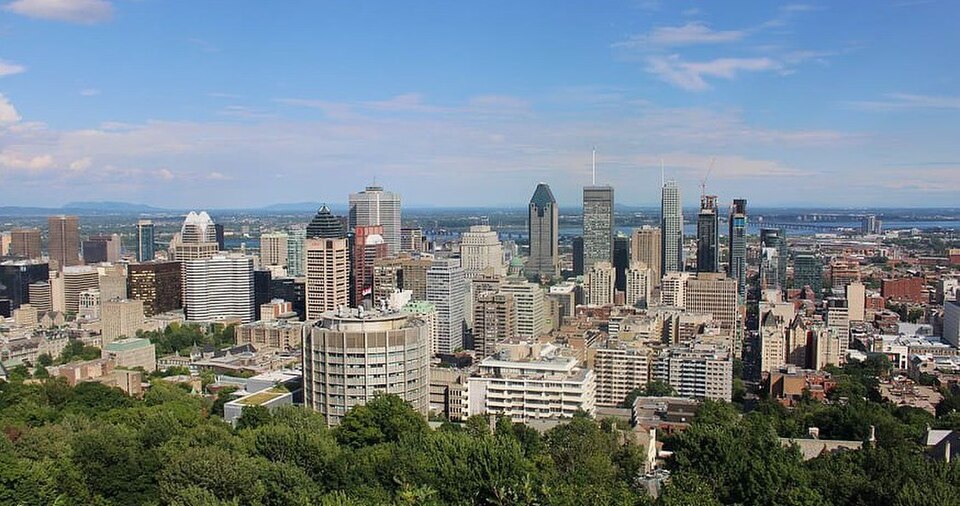 MontrealiPhoto: https://www.pxfuel.com/ · CC0 · Wikimedia Commons
The same planning applies to flights from Montreal at 3,113 km, Ottawa at 2,986 km and Halifax at 3,851 km. Winnipeg sits 1,300 km from Banff, while Calgary is the closest home city in the supplied distances at 109 km. Add your airport, transfer and first stay to the plan so the full arrival sequence has a clear place.
For Canadian travellers extending a weekend or using vacation leave, the Long Weekend planner can help organise public holidays and leave days. The destination facts and your travel month guide the main structure, while dates can be added when you are ready. Live partner prices appear for relevant stays, transport and activities rather than entering the planning as estimates.
VancouveriPhoto: Quintin Soloviev · CC BY 4.0 · Wikimedia CommonsMontrealiPhoto: https://www.pxfuel.com/ · CC0 · Wikimedia CommonsBanff: frequently asked questions
Is Banff a good destination for a solo trip?
Banff is a strong fit for one traveller who likes scenery, walking and a flexible daily rhythm. Banff or Canmore both work as bases, while nearby lakes, trails, galleries and cafés create plenty of interest. A mapped plan helps you connect each day while keeping the freedom to pause, change direction or spend extra time where conditions feel right.
Should a solo traveller stay in Banff or Canmore?
Banff town suits travellers who want restaurants, shops and services close to their accommodation. Canmore suits a trip centred on outdoor pursuits and a quieter base. Your decision can also reflect the length of stay, planned routes and the kind of evening you want after each day. Both locations work well within a Banff itinerary.
What is the best season for a solo hiking trip?
July and August are the warmest months in the supplied climate record, with average daytime temperatures of 18 °C and 17 °C. May, June and September can suit travellers who welcome cooler mountain conditions. Winter centres on snow and cold weather, so your season should follow the activities you most want to experience.
How should I structure a 3 day visit to Banff?
Use one day for Banff town and the Bow River, another for a major lake or canyon outing, and the final day for a flexible scenic route. Keeping each day focused makes travelling easier and gives you time to respond to the season. One or two main stops per day creates a comfortable pace for a solo traveller.
Can HolidayWow build a Banff plan for one traveller?
Yes. Describe the destination, duration, month and preferred pace in one sentence or through voice input. HolidayWow places each day on a map and creates editable stops. You can move an attraction, make a day lighter or request a change through the side-panel assistant, then share the finished route through one link.
Plan your vacation in Banff

Describe your trip in one sentence. When, who with and what matters to you.