November: 15 °C by day
Japan weather and the best time to visit Japan
Published October 14, 2026 · HolidayWow editors · Written with AI, numbers checked against our data ·
Japan’s best travel months depend on the trip you want. Spring brings comfortable daytime temperatures, autumn offers clear changeable weather, and summer suits travelers seeking warm conditions. Winter is suited to city sightseeing, snow regions, and travelers who enjoy cool weather. HolidayWow helps you compare seasons, choose your bases, and build a route around the pace that works for you.
In Japan, the best time for a trip is May to October, with daytime highs up to 30 °C.
Weather looks good?7 days in Japan in September, Beach and hiking, from Vancouver on your own
Plan a trip
Now in Japan
10 °C
Fair
Wind 5 km/h, Humidity 79%
As of 08:14 local time
The next 7 days
- Today
 16° / 10°Light rain11 mm rain
- Tomorrow18° / 11°Partly cloudy3 mm rain
- Thursday13° / 7°Partly cloudy
- Friday
 10° / 5°Sunny
- Saturday10° / 4°Sunny
- Sunday10° / 2°Sunny
- Monday12° / 1°Sunny
Choose Japan by season and travel style
For many travelers, May and June offer a balanced combination of mild to warm days, increasing daylight, and a comfortable pace for sightseeing. Tokyo, Kyoto, Osaka, and other urban destinations work well during this period, with enough flexibility to adjust plans around showers. May brings average daytime temperatures of 22 °C, while June reaches 25 °C and adds more rain.
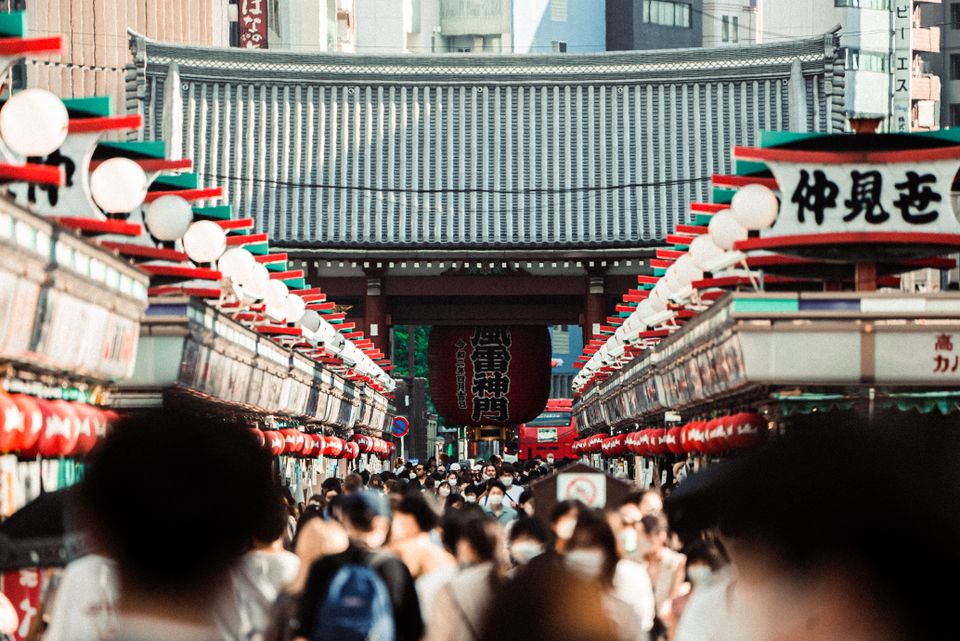
October and November are strong choices for travelers who value comfortable city days and autumn scenery. October has an average daytime temperature of 21 °C, with 11 rain days. November cools to 15 °C and has 8 rain days, making it a practical month for walking tours, temple visits, and longer journeys between destinations. Autumn colours vary by region, so check the timing for northern areas before fixing your route.
Summer is warm and atmospheric, especially for food-focused trips, festivals, and coastal experiences. July reaches an average daytime temperature of 29 °C and August reaches 30 °C. Both months belong to Japan’s wet season, and July records the highest rain total in the climate profile. Build in flexible days, use lightweight clothing, and keep indoor activities close to outdoor sightseeing.
What Japan weather feels like through the year
January is the coolest month in the profile, with average daytime temperatures of 6 °C and overnight temperatures of -2 °C. It is a sensible choice for Tokyo, Kyoto, hot springs, and ski areas. Japanese cities remain rewarding in winter, and a clear day can make temple gardens, markets, and neighbourhood food walks especially enjoyable. Pack layers for the difference between daytime and evening conditions.

February stays cold, with an average daytime temperature of 7 °C and overnight temperatures of -2 °C. March begins the transition toward spring, reaching 12 °C by day and 1 °C overnight. April is milder at 17 °C during the day and 6 °C at night, with ample time for sightseeing and slower travel. These months suit travelers who prefer cool air, seasonal food, and city walks without summer heat.

What's the weather like in Japan in November?
In November, days in Japan average 15 °C and 5 °C at night. In December, days in Japan average 9 °C and 0 °C at night.
- November15°
 5 °C at night5 hours of sun a day8 rain days
- December9°0 °C at night3 hours of sun a day10 rain days
| Month | Jan | Feb | Mar | Apr | May | Jun | Jul | Aug | Sep | Oct | Nov | Dec |
|---|---|---|---|---|---|---|---|---|---|---|---|---|
| Day °C | 6 | 7 | 12 | 17 | 22 | 25 | 29 | 30 | 26 | 21 | 15 | 9 |
| Night °C | -2 | -2 | 1 | 6 | 11 | 16 | 21 | 22 | 18 | 11 | 5 | 0 |
| Sun h/day | 4 | 4 | 5 | 6 | 7 | 5 | 5 | 7 | 5 | 5 | 5 | 3 |
| Rain days | 9 | 9 | 11 | 11 | 11 | 14 | 16 | 15 | 15 | 11 | 8 | 10 |
Plan a Japan route around bases and daily pace
Japan rewards travelers who choose a few bases and let each day have a clear focus. Tokyo works as a useful first base for neighbourhoods, museums, markets, and day trips. Kyoto suits temples, gardens, and slower walks. Osaka gives you energetic food streets and easy access to nearby places, while a coastal or mountain stay can add a change of scenery.
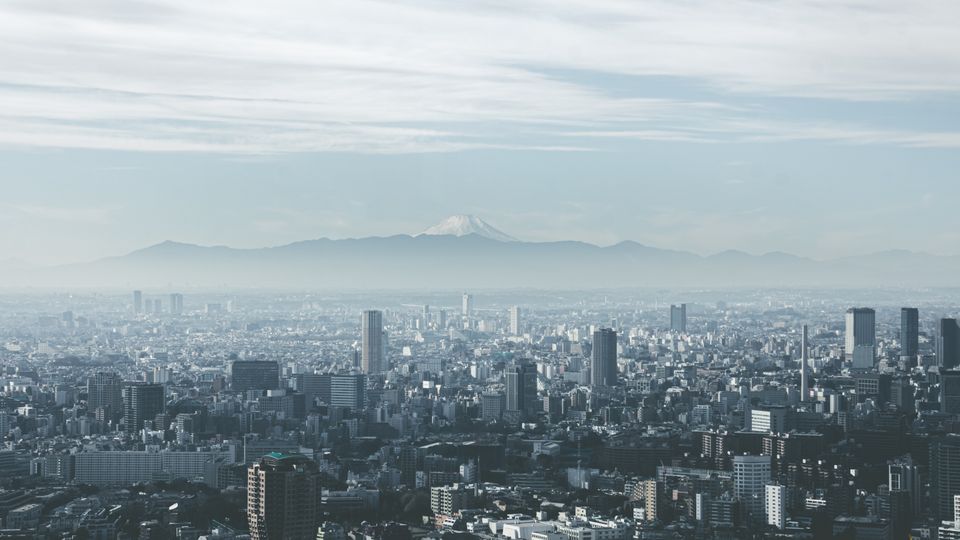 Tokyo
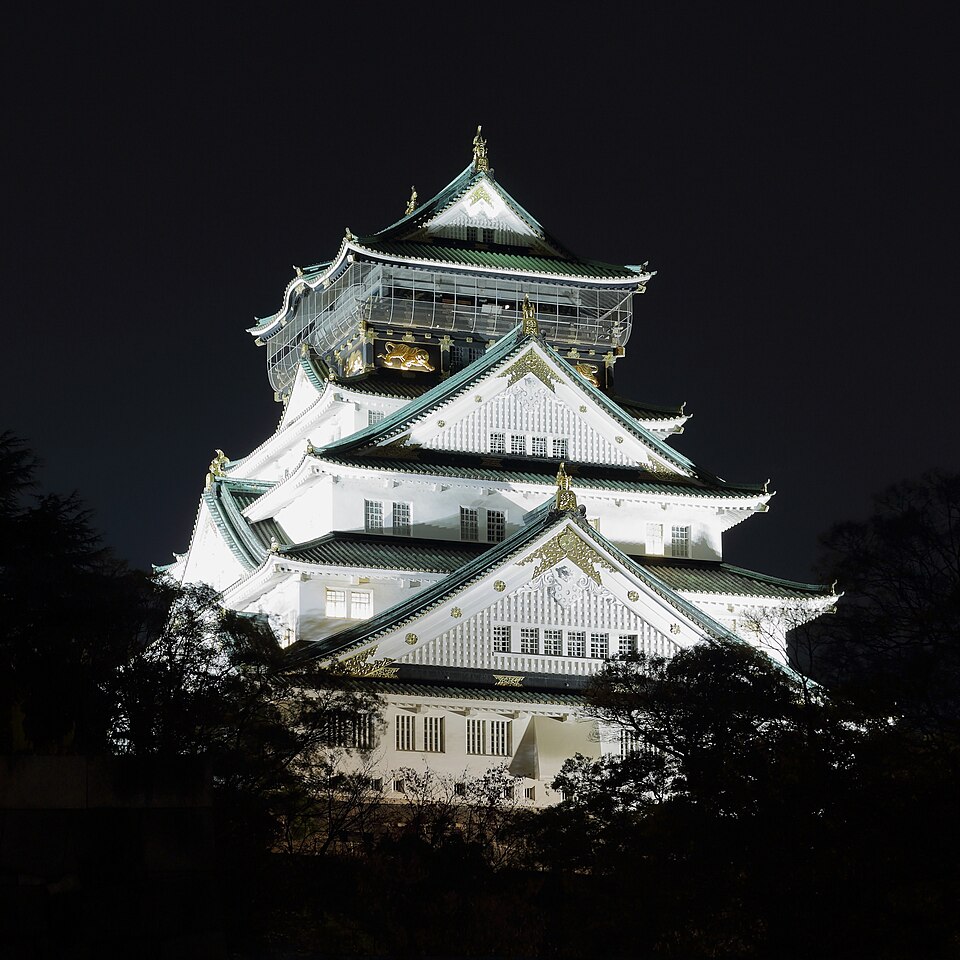 OsakaiPhoto: Martin Falbisoner · CC BY-SA 4.0 · Wikimedia Commons
A relaxed pace with 1 to 2 stops a day is useful when you are moving between bases. A balanced pace with 2 to 3 stops works well for city itineraries. Choose a packed pace for travelers who want to cover more ground, then edit individual days to keep travel comfortable. HolidayWow draws each day as a route on the map, with stops and travel legs in sequence, so you can see how a plan fits together before booking.
For a seven day outline, spend the first part of the trip in Tokyo, continue to Kyoto for cultural sightseeing, and finish in Osaka or another urban base. Leave breathing room between major transfers. Add local meals, parks, markets, and a neighbourhood walk so the map reflects the way you want to travel rather than a checklist of distant attractions.
TokyoOsakaiPhoto: Martin Falbisoner · CC BY-SA 4.0 · Wikimedia CommonsMatch your month to the route you want
Choose spring for gardens, temples, and comfortable walking. May offers the strongest blend of daytime warmth and daylight in the profile, while April is gentler and useful for travelers who enjoy a slower pace. Late spring can also work well for combining Tokyo, Kyoto, and Osaka with day trips into surrounding countryside.
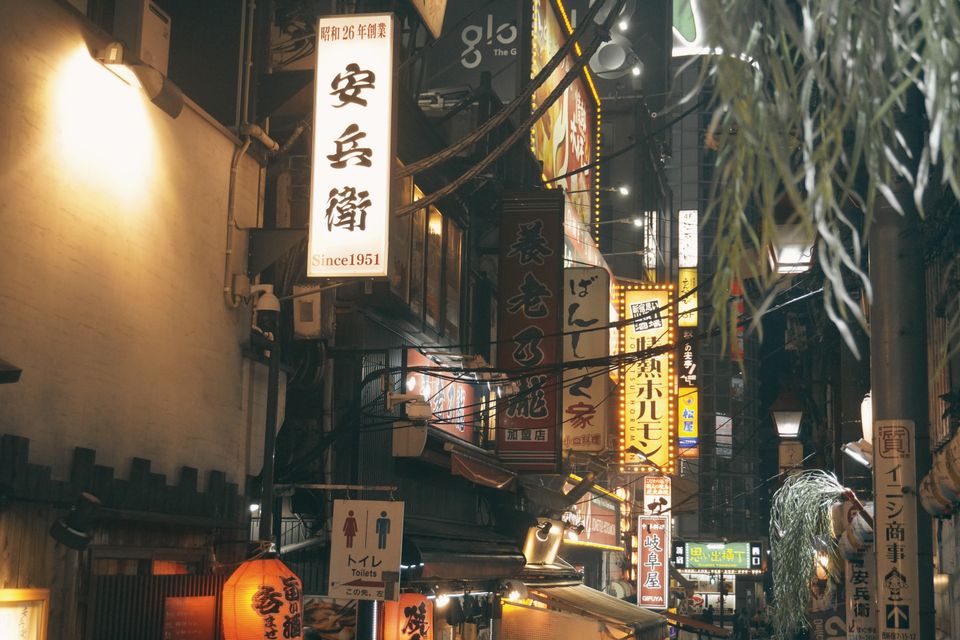
Choose autumn for colourful landscapes and a broad range of travel interests. October is warmer by day, while November brings cooler conditions and 8 recorded rain days. From Toronto, Japan is 10,553 km away, so a Canadian traveler can compare the distance from several departure cities and plan the route around the home airport that suits their long weekend or vacation.
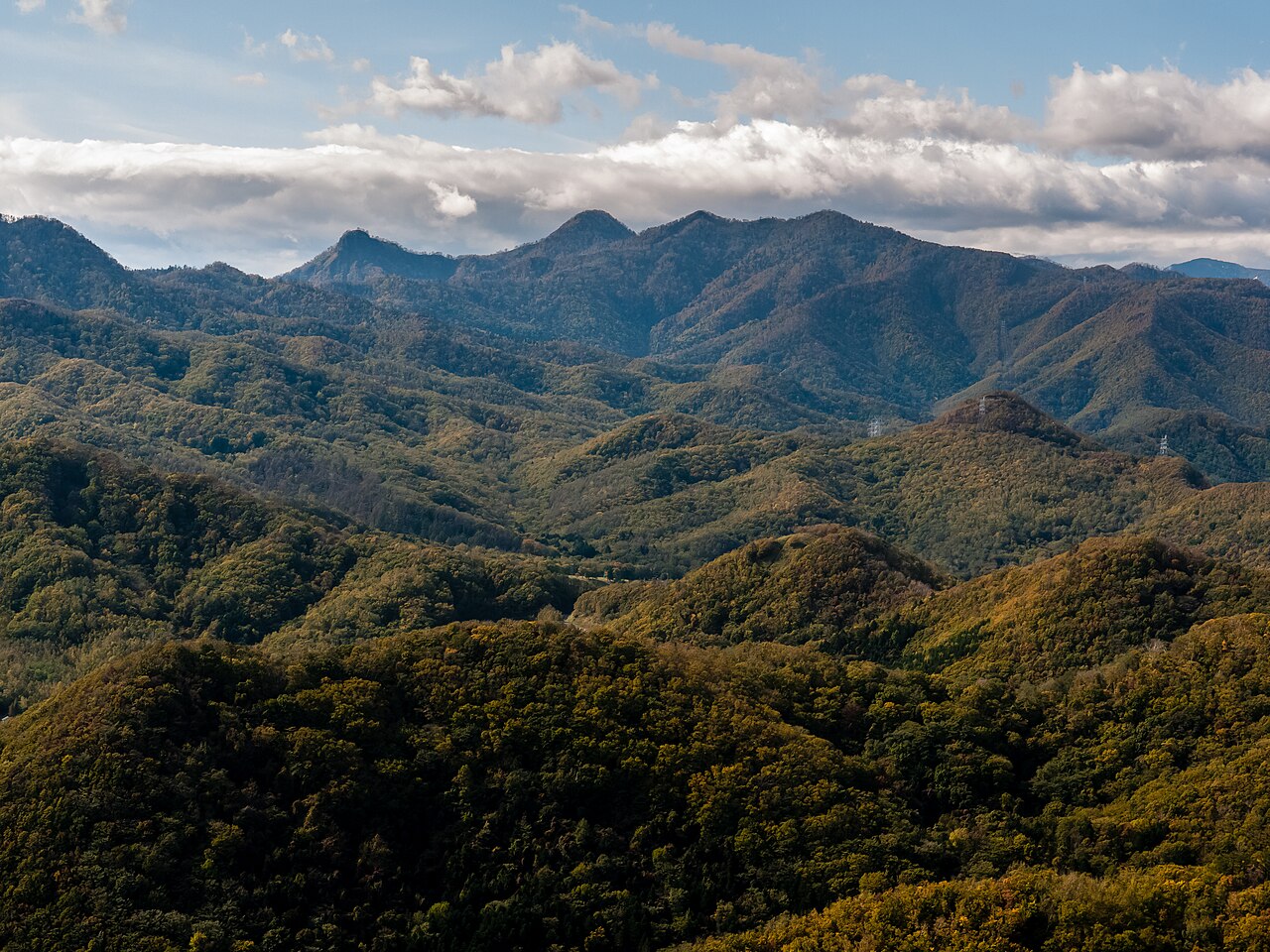
Best time to travel in Japan
In Japan, the best time for a trip is May to October, with daytime highs up to 30 °C.
Everything about a trip in JapanWeather in Japan month by month
- January6 °C
- February7 °C
- March12 °C
- April17 °C
- May22 °C
- June25 °C
- July29 °C
- August30 °C
- September26 °C
- October21 °C
- November15 °C
- December9 °C
Use the weather profile to prepare with confidence
Pack for the conditions you will experience in each region, not for Japan as one uniform destination. Light layers work for spring and autumn, breathable clothing suits summer, and a warm coat adds comfort during winter evenings. Rain gear belongs in the bag from spring through autumn, especially if your route includes mountain areas or outdoor festivals.
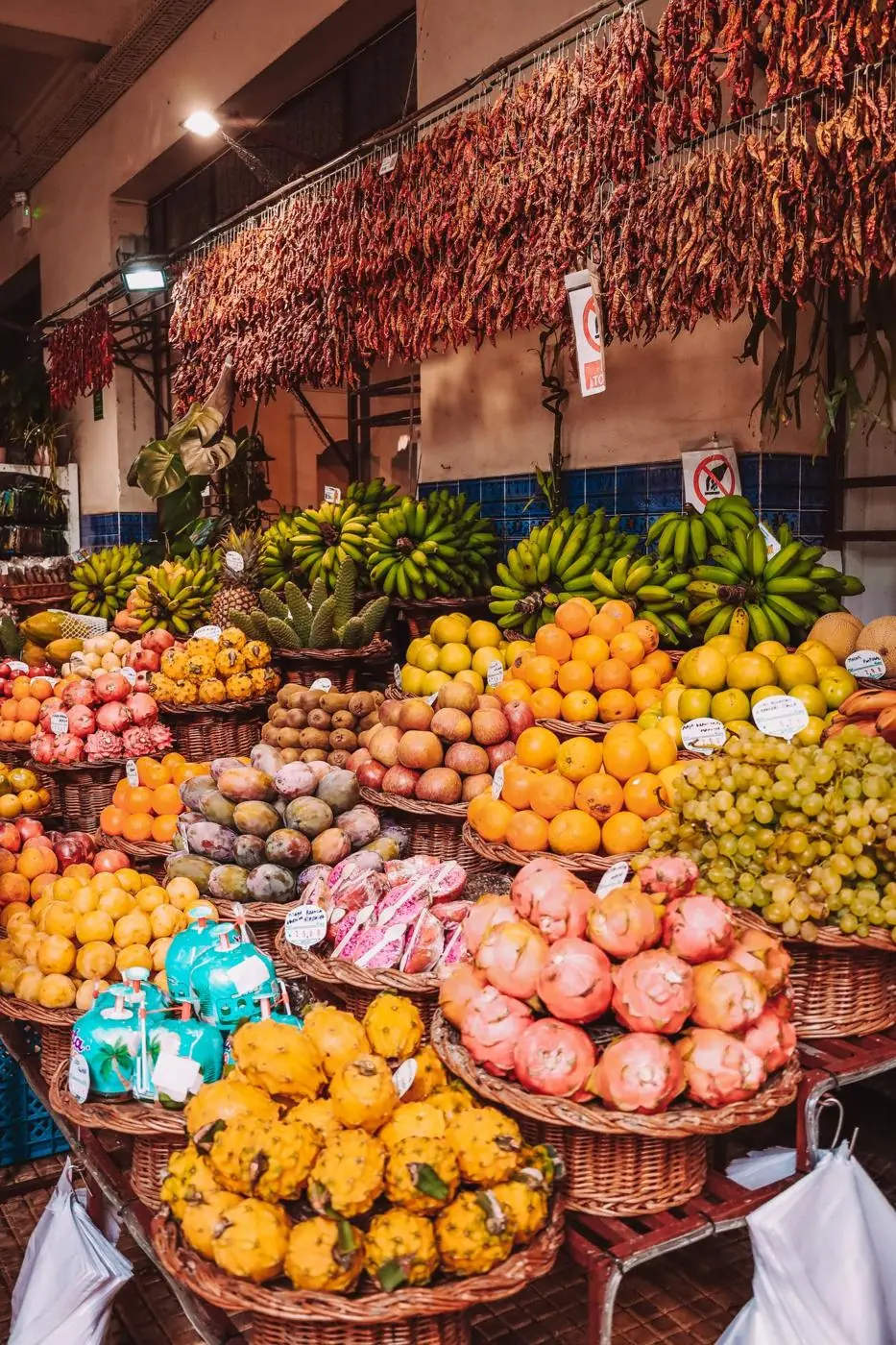
HolidayWow builds a packing list and checklist from your plan, month, and climate information. You can add dates later, and each day card can show its weekday, live weather, and live partner prices. The planner also offers real prices for stays, tours, transport, and flights through partner links, so you can review current options inside the plan.
Already started
Your trip in Japan
- 26 °C by day in September
 from Vancouver about 9 h 12
Day 1
Arrival in Osaka
Flight from Vancouver in 9 h 12, nonstop. Settle in, first evening by the harbor or in the center.

Day 2
Arashiyama
Start early; bring water and sturdy shoes.
Day 3
Yoshino-yama
Start early; bring water and sturdy shoes.
Day 4
Mount Kongō
Start early; bring water and sturdy shoes.

Day 5
On to Kyoto
A new base for the next few days; explore Kyoto on foot.
Day 6
Hiei-zan
Start early; bring water and sturdy shoes.
Day 7
Last morning and flight home
One last walk, then back to Vancouver.
Look around without an account; sign in to save.
Weather in Japan: frequently asked questions
What is the best time to visit Japan weather wise?
May and June are balanced choices for warm days, spring scenery, and city sightseeing. October and November suit autumn travel, with comfortable daytime temperatures and a good range of activities. Summer is warm, while winter is rewarding for city visits, hot springs, and snow regions.
When is Japan warmest?
August is the warmest month in the climate profile, with an average daytime temperature of 30 °C and overnight temperatures of 22 °C. July is also warm, with 29 °C during the day. Both months are part of the wet season, so flexible outdoor plans work well.
Is November a good month for Japan?
November works well for travelers who want cooler sightseeing weather and 8 recorded rain days. Average daytime temperatures reach 15 °C, with 8 rain days. It is a good month for city routes, autumn scenery, food trips, and a relaxed itinerary across major urban bases.
How should I pack for Japan?
Pack layers for spring and autumn, breathable clothing for summer, and a warm coat for winter evenings. Rain gear is useful across much of the year. HolidayWow creates a packing list and checklist from your route, month, and climate information.
Can HolidayWow help plan a Japan holiday from Canada?
Yes. Describe the trip in one sentence or by voice, and the planner reads the place, month, group, pace, and budget. For Canadian travelers, the distance can be shown from Toronto with 10,553 km, while the map helps organize each day and its stops.
Can I choose relaxed or packed days in Japan?
Yes. HolidayWow offers relaxed, balanced, and packed travel paces. A relaxed day has 1 to 2 stops, a balanced day has 2 to 3, and a packed day has 3 to 5. You can set the pace for the trip or adjust individual days as you edit the plan.

Your next trip
Plan your vacation in Japan

Describe your trip in one sentence. When, who with and what matters to you.