November: 16 °C by day
Italy weather by month for a well-paced vacation
Published October 14, 2026 · HolidayWow editors · Written with AI, numbers checked against our data ·
The best time to visit Italy depends on your priorities and the regions on your itinerary. May and June offer warm days, comfortable nights, and strong sunshine, while July and August bring the highest temperatures. Spring suits walking tours, and autumn works well for cities, food tours, and vineyard visits.
In Italy, the best time for a trip is May to October, with daytime highs up to 33 °C.
Weather looks good?7 days in Italy in September, Beach and hiking, from Montreal on your own
Plan a trip
Now in Italy
9 °C
Mostly clear
Wind 3 km/h, Humidity 87%
As of 00:14 local time
The next 7 days
- Today
 18° / 9°Light showers5 mm rain
- Tomorrow
 20° / 14°Sunny2 mm rain
- Thursday
 18° / 13°Partly cloudy10 mm rain
- Friday17° / 10°Sunny8 mm rain
- Saturday15° / 6°Sunny
- Sunday13° / 4°Rain13 mm rain
- Monday13° / 7°Partly cloudy1 mm rain
What is the best time to visit Italy?
For sightseeing across Rome, Florence, Venice, and Tuscany, May and June are excellent choices. May reaches 23 °C during the day and 11 °C at night, with 9 sunshine hours. June brings 11 sunshine hours, 29 °C daytime temperatures, and 7 rain days. These conditions make outdoor walks, boat rides, and café stops comfortable across much of the country.
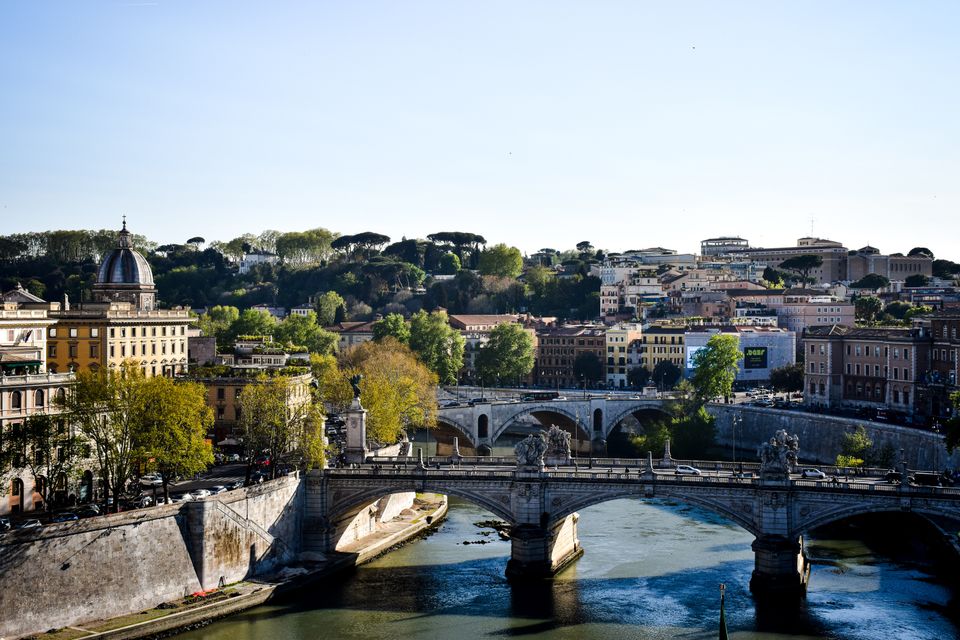
September offers a useful balance for travellers who prefer warm afternoons and a more measured sightseeing rhythm. Average daytime temperatures reach 27 °C, while nights average 15 °C. Rome, Florence, and Matera work well during this period, and coastal areas remain comfortable for evening walks. October is milder at 22 °C by day and 11 °C at night, with 6 sunshine hours.
Spring weather for city breaks and walking tours
March marks the beginning of a useful shoulder season. Average daytime temperatures reach 14 °C and nights reach 4 °C. Sunshine averages 6 hours a day, so Rome's historic centre, Florence's cathedral district, and Matera's stone quarters can be explored with a light jacket and a flexible daily rhythm. Rain can shape the order of outdoor stops, so keeping museums and eateries nearby helps.

April is one of the most balanced months for a first visit. Daytime temperatures average 19 °C, nights average 7 °C, and sunshine reaches 8 hours. The weather supports walking along the Trevi Fountain area, touring Florence on foot, and visiting vineyard landscapes around Tuscany. A relaxed pace leaves room for café breaks when streets or hillsides call for a pause.
Summer weather and a slower daily schedule
July and August are Italy's warmest months, with daytime averages of 33 °C. Nights average 18 °C in July and 19 °C in August. July records 12 sunshine hours, 4 rain days, and 30 mm of rain. These are strong conditions for sightseeing and outdoor meals, especially in Rome and Florence, where a morning start and an afternoon pause create a more comfortable pace.
Summer also works well for travellers who want the Adriatic or Tyrrhenian coast, although the Italian climate figures reflect national conditions rather than local microclimates. Northern cities, coastal areas, Sicily, and southern regions can each have distinct weather. For a city-focused holiday, schedule major sights in the morning, reserve midday for a swim or long lunch, and return to shaded squares or museums later.
What's the weather like in Italy in November?
In November, days in Italy average 16 °C and 7 °C at night. In December, days in Italy average 11 °C and 3 °C at night.
- November16°7 °C at night4 hours of sun a day13 rain days
- December11°3 °C at night4 hours of sun a day12 rain days
| Month | Jan | Feb | Mar | Apr | May | Jun | Jul | Aug | Sep | Oct | Nov | Dec |
|---|---|---|---|---|---|---|---|---|---|---|---|---|
| Day °C | 10 | 12 | 14 | 19 | 23 | 29 | 33 | 33 | 27 | 22 | 16 | 11 |
| Night °C | 2 | 2 | 4 | 7 | 11 | 15 | 18 | 19 | 15 | 11 | 7 | 3 |
| Sun h/day | 4 | 5 | 6 | 8 | 9 | 11 | 12 | 11 | 8 | 6 | 4 | 4 |
| Rain days | 11 | 11 | 11 | 10 | 12 | 7 | 4 | 5 | 9 | 9 | 13 | 12 |
Autumn weather for food, culture, and vineyard regions
October suits travellers who enjoy cuisine-focused trips and comfortable walking weather. Average daytime temperatures are 22 °C, with nights at 11 °C and 6 sunshine hours. Tuscany becomes especially practical for a stay built around food, historic towns, and countryside drives. Florence also pairs well with a day trip into the surrounding countryside when you want open space between city stops.

September can support a broader mix of sightseeing and coastal plans. The month averages 27 °C during the day, 15 °C at night, and 8 sunshine hours. November receives 13 rain days and 111 mm of rain, making it a month for museums, food experiences, and meals centred on local seasonal dishes. The Trevi Fountain, Florence Cathedral, and Matera's historic centre reward travellers who plan around changing weather.
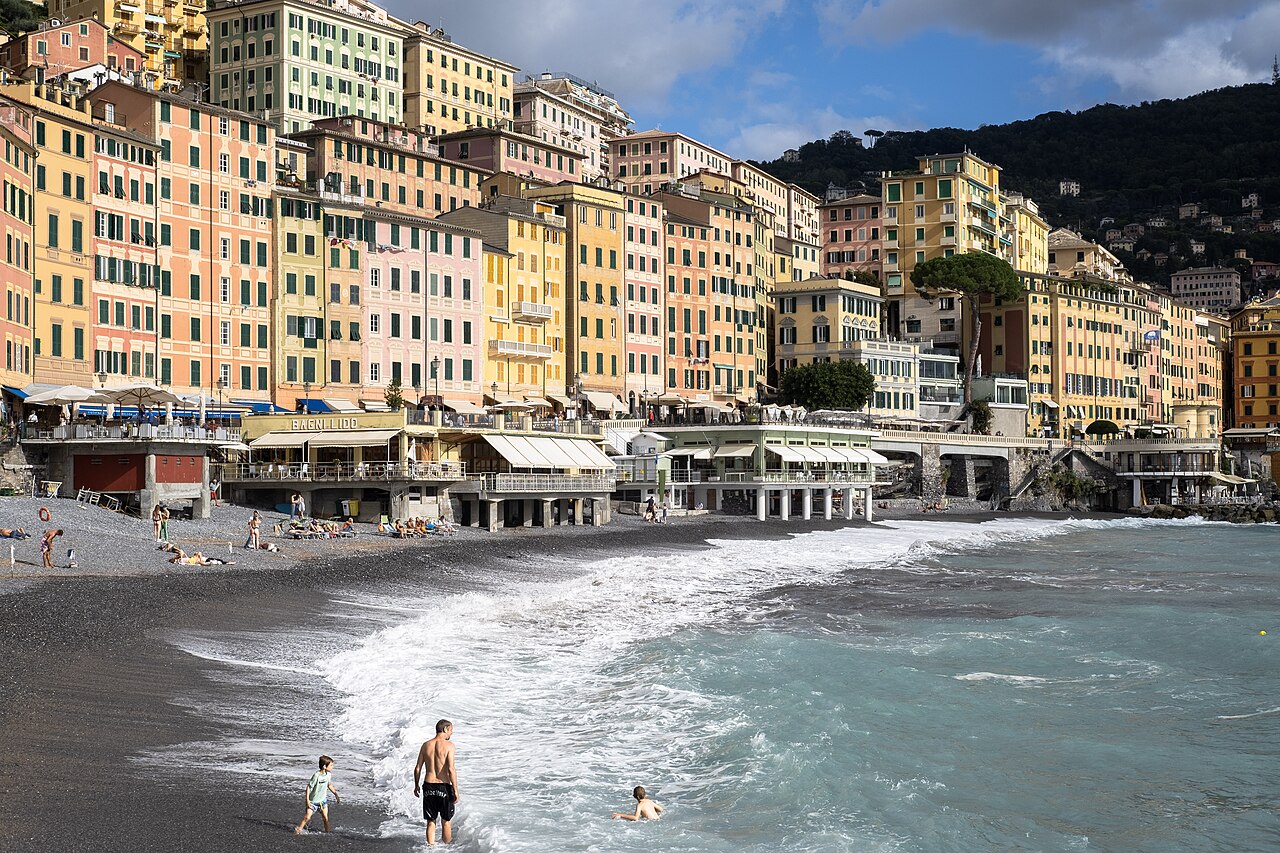
Winter weather for cities, food, and indoor culture
January is Italy's coolest month, with daytime temperatures averaging 10 °C and nights at 2 °C. Sunshine averages 4 hours, while rain occurs across 11 days. Rome, Florence, and Venice still offer strong winter programmes built around galleries, churches, local food, and seasonal neighbourhoods. Coat layers and comfortable shoes make long walking days easier across stone streets and stations.

December is similar in temperature, with daytime averages of 11 °C and nights at 3 °C. Christmas markets, festive meals, and city attractions provide a clear focus for a winter holiday. For a Canadian traveller, the Long Weekend planner can help turn public holidays and vacation days into a practical Italian trip. March break can also fit an April visit with warmer sightseeing weather and additional spring light.
How should weather shape an Italian itinerary?
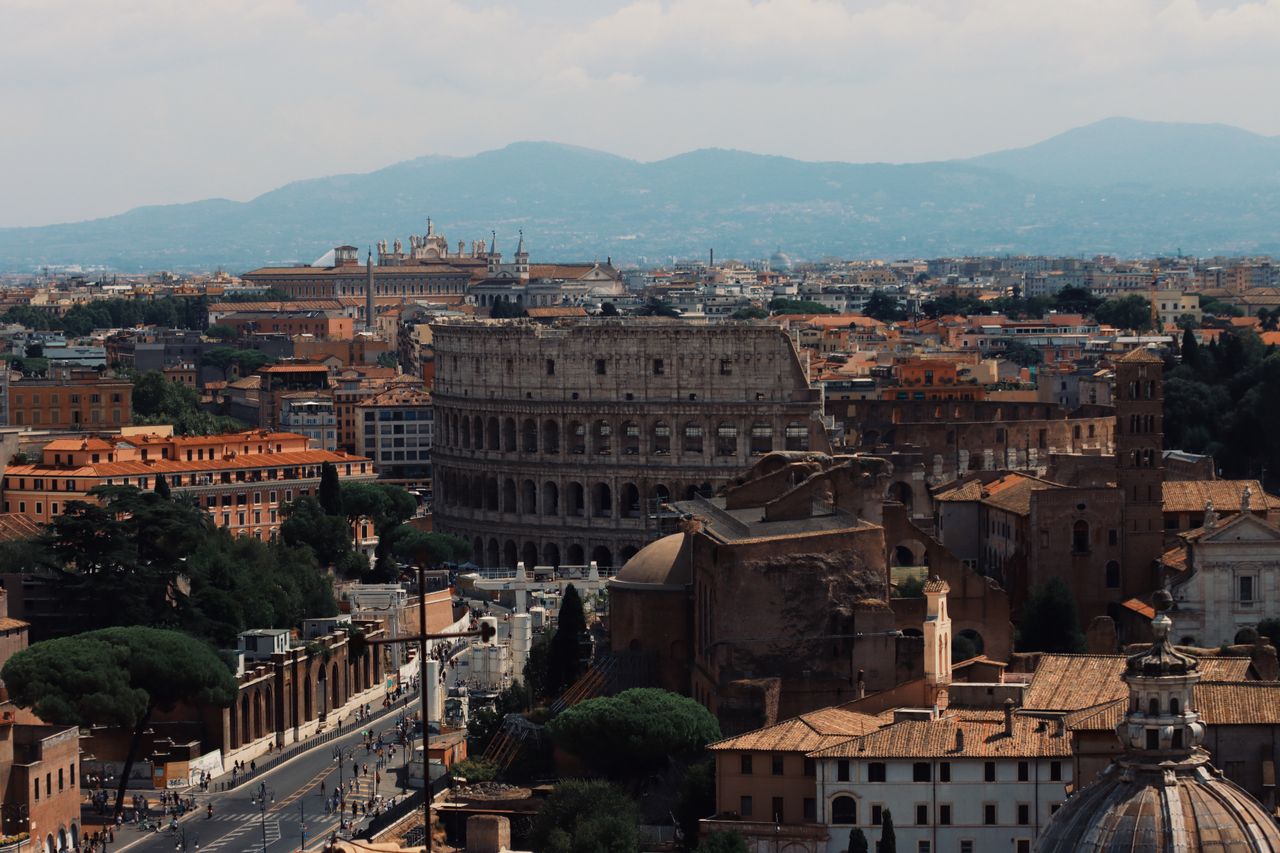
Start with geography and pace. A route through Rome, Florence, and Venice works well with a balanced pace of 2 to 3 stops per day. Rome benefits from an early start at the Colosseum and the Trevi Fountain, while Florence is easier to cover on foot with planned pauses. In Venice, the Grand Canal, Doge's Palace, and Burano can be grouped according to the weather and your preferred pace.
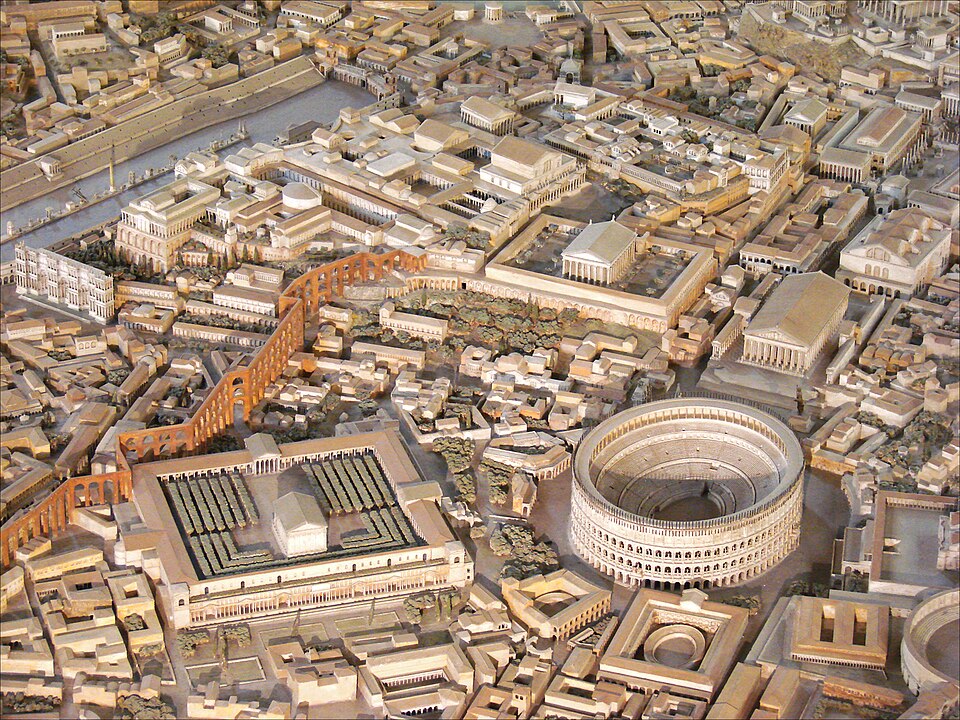 RomeiPhoto: Jean-Pierre Dalbéra from Paris, France · CC BY 2.0 · Wikimedia Commons
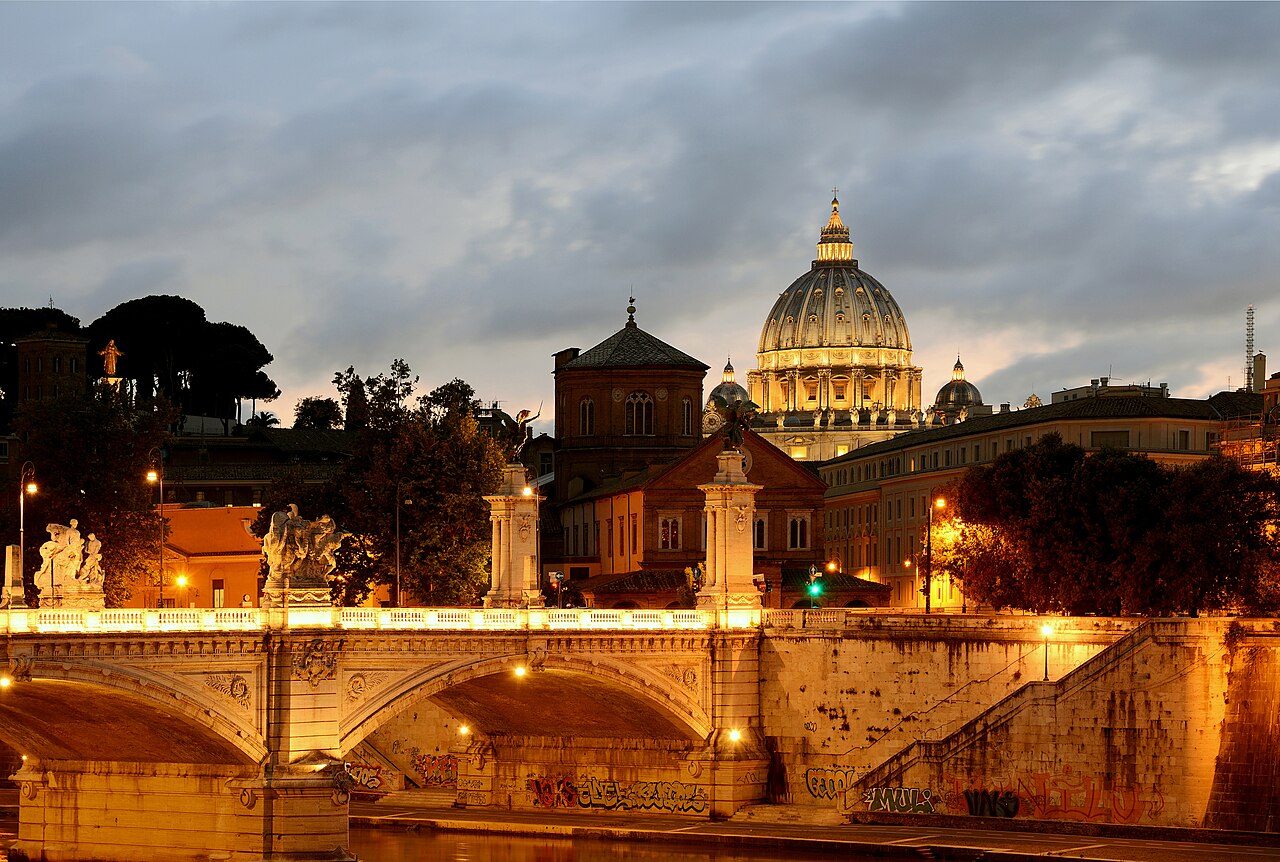
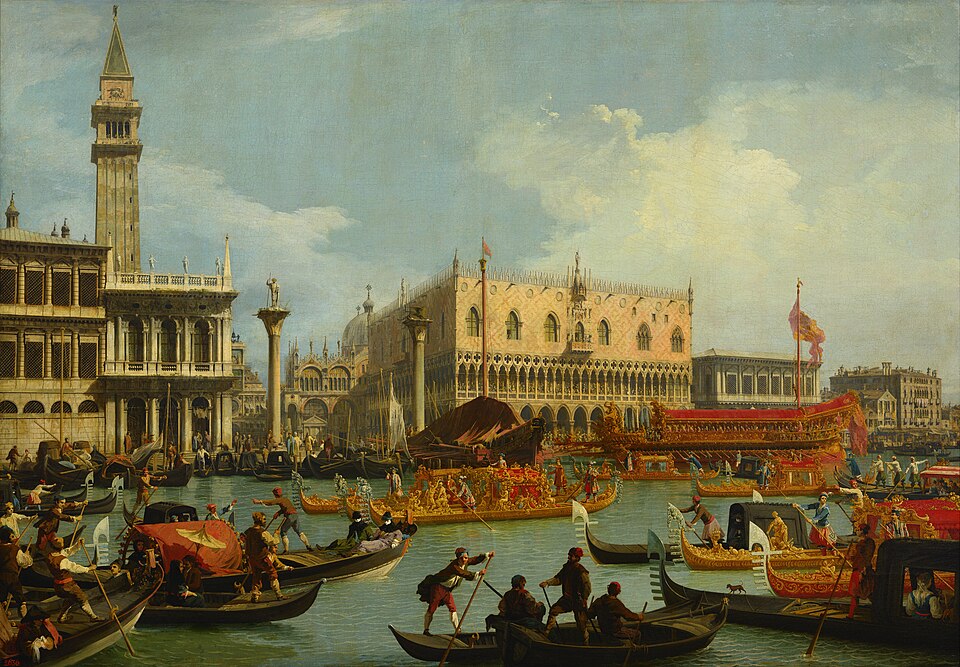 VeniceiPhoto: Canaletto · Public domain · Wikimedia Commons
For Tuscany and Matera, build days around the landscape rather than adding long lists. Florence can anchor a stay with day trips to nearby countryside. Matera suits travellers who appreciate architecture, quiet walking, and a compact destination. HolidayWow reads the destination, month, group, pace, and budget from your description, then draws each day as a route with stops and practical connections.
RomeiPhoto: Jean-Pierre Dalbéra from Paris, France · CC BY 2.0 · Wikimedia CommonsVeniceiPhoto: Canaletto · Public domain · Wikimedia Commons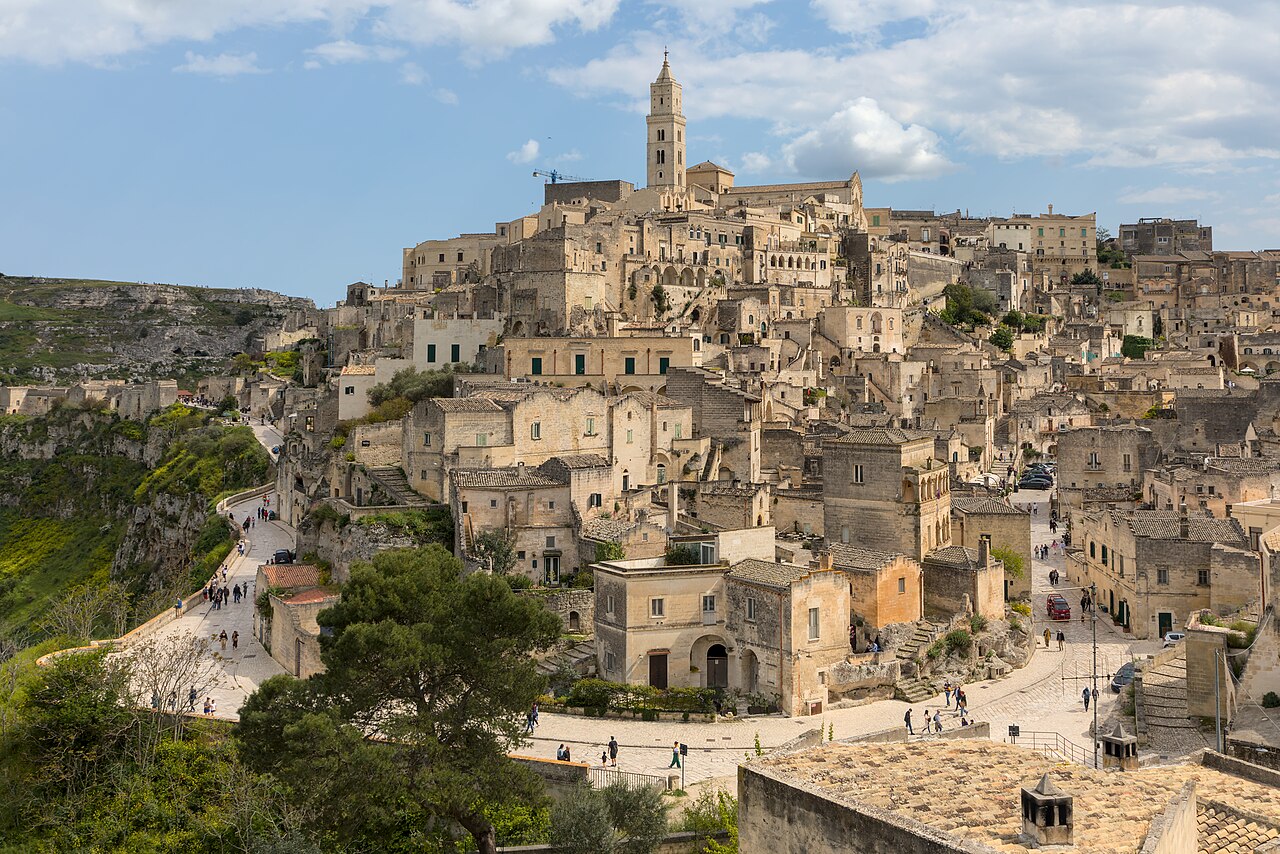
Best time to travel in Italy
In Italy, the best time for a trip is May to October, with daytime highs up to 33 °C.
Everything about a trip in ItalyWeather in Italy month by month
- January10 °C
- February12 °C
- March14 °C
- April19 °C
- May23 °C
- June29 °C
- July33 °C
- August33 °C
- September27 °C
- October22 °C
- November16 °C
- December11 °C
Planning Italy from a Canadian home airport
A flight from Toronto begins with a distance of 7,057 km to Italy, while Vancouver is 8,941 km away. Montreal sits 6,557 km from the destination, and Calgary is 8,394 km away. These live distance figures help you compare geography before you choose dates and assemble a route through the country.

Flight times to Italy
- from Montreal8 h 06nonstop
- from Toronto8 h 40nonstop
- from Vancouver10 h 50nonstop
- from Halifax7 h 16with a change
The planner can work from a month before exact dates are ready. You can add dates later to place weekday, current weather, and live partner prices into each day card. Stays, tours, transport, and flights come from live partner listings, with booking links in Canadian dollars. The plan also includes a packing list, a document vault, sharing controls, and a budget with cost splitting for a group.
Flight times to Italy
- from Montreal8 h 06nonstop
- from Toronto8 h 40nonstop
- from Vancouver10 h 50nonstop
- from Halifax7 h 16with a change
Already started
Your trip in Italy
- 27 °C by day in September
- from Montreal about 8 h 06
Day 1
Arrival in Rome
Flight from Montreal in 8 h 06, nonstop. Settle in, first evening by the harbor or in the center.

Day 2
Cloaca Maxima
Cloaca Maxima in the morning, then lunch in Rome.
Day 3
San Carlo bei den vier Brunnen
San Carlo bei den vier Brunnen in the morning, then lunch in Rome.
Day 4
Tempel des Portunus
Tempel des Portunus in the morning, then lunch in Rome.
 iPhoto: Photo2023 · CC BY 4.0 · Wikimedia Commons
Day 5
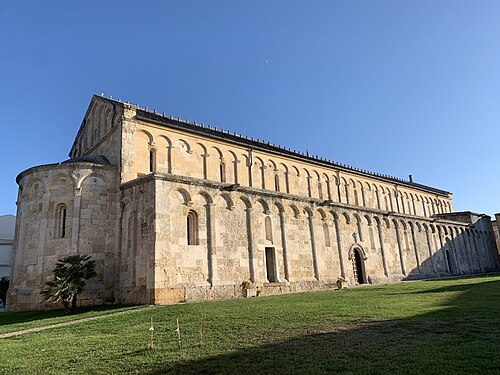
On to Sardinia
A new base for the next few days; explore Sardinia on foot.
Day 6
Kaiserforen
Kaiserforen in the morning, then lunch in Sardinia.
Day 7
Last morning and flight home
One last walk, then back to Montreal.
Look around without an account; sign in to save.
Weather in Italy: frequently asked questions
What is the best month for Italy weather?
May and June provide a strong balance of warmth, sunshine, and comfortable conditions for sightseeing. May averages 23 °C during the day and 11 °C at night. June reaches 29 °C by day, with 11 sunshine hours. September also suits warm travel, reaching 27 °C during the day and 15 °C at night.
Which Italian cities work well in spring?
Rome, Florence, Venice, and Matera all suit spring itineraries when outdoor walking forms part of the trip. March is cooler, with daytime temperatures averaging 14 °C. April offers 19 °C daytime temperatures, 7 °C at night, and 8 sunshine hours. Layering lets you adjust between sunny streets, museums, and shaded historic sites.
Is summer the warmest time to visit Italy?
July and August are the warmest months in the national climate data. Both average 33 °C during the day, while nights reach 18 °C and 19 °C. July also records 12 sunshine hours and 4 rain days. A morning sightseeing rhythm with a midday pause suits warm conditions around Rome, Florence, and coastal destinations.
Is autumn good for touring Italy?
Autumn works well for food experiences, museums, vineyard regions, and city walks. September averages 27 °C during the day and 8 sunshine hours. October reaches 22 °C by day and 11 °C at night. November is wetter, with 13 rain days, so a schedule based on indoor culture, regional meals, and flexible stops makes sense.
Can Canadians use March break to plan an Italy vacation?
You can use March break as the starting point for a Canadian holiday. March averages 14 °C during the day and 4 °C at night, while April offers warmer conditions for Rome, Florence, Venice, or Tuscany. HolidayWow's Long Weekend planner also combines Canadian public holidays and leave days to help turn short breaks into a longer vacation.
How does HolidayWow plan around Italian weather?
Describe the trip in one sentence or by voice, and the planner reads the place, month, group, pace, and budget. It then places each day and stop on a map. You can change the pace, move a stop to another day, or ask the side-panel assistant to adjust the plan. Climate figures come from NASA POWER and NOAA OISST data.


Your next trip
Plan your vacation in Italy

Describe your trip in one sentence. When, who with and what matters to you.