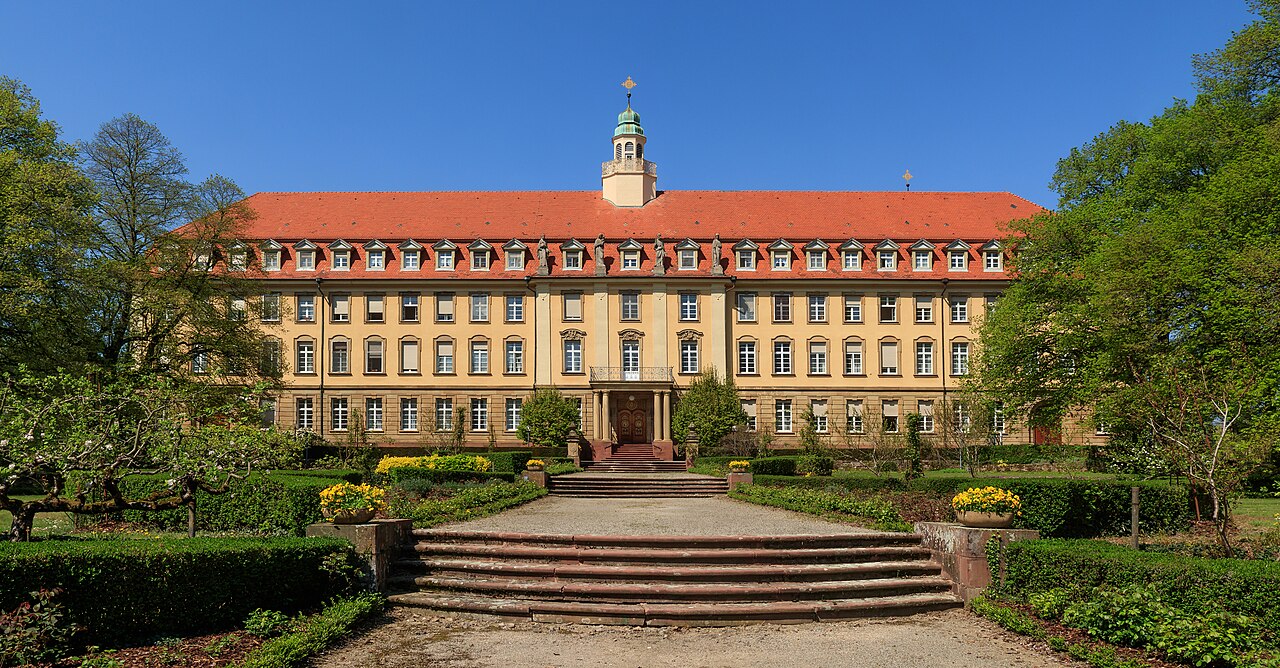
November: 7 °C by day
Germany weather and the best time to visit
Published October 14, 2026 · HolidayWow editors · Written with AI, numbers checked against our data ·
Germany weather changes sharply across the year, so the best time to visit depends on the mix of cities, seasons and activities you want. Spring suits northern villages and outdoor walks, summer brings the warmest days, and autumn pairs colourful landscapes with lively city culture. Plan around the destinations and pace that matter most to you.
In Germany, the best time for a trip is June to September, with daytime highs up to 24 °C.
Weather looks good?7 days in Germany in August, Beach and hiking, from Montreal on your own
Plan a trip
Now in Germany
4 °C
Cloudy
Wind 12 km/h, Humidity 78%
As of 00:13 local time
The next 7 days
- Today
 10° / 1°Rain6 mm rain
- Tomorrow9° / 6°Showers12 mm rain
- Thursday9° / 6°Light showers5 mm rain
- Friday9° / 7°Light showers9 mm rain
- Saturday
 7° / 3°Fair
- Sunday3° / -3°Changeable2 mm rain
- Monday7° / 6°Light rain6 mm rain
How to choose your Germany travel season
April through October offers the widest range of comfortable sightseeing weather. April brings brighter days for exploring Munich, Heidelberg and smaller old towns, while June, July and August suit Berlin, Hamburg, the Rhine and Alpine walks. Autumn works well for travellers who enjoy museums, food markets and changing foliage, with October offering a useful balance of daytime warmth and a distinctive seasonal mood.
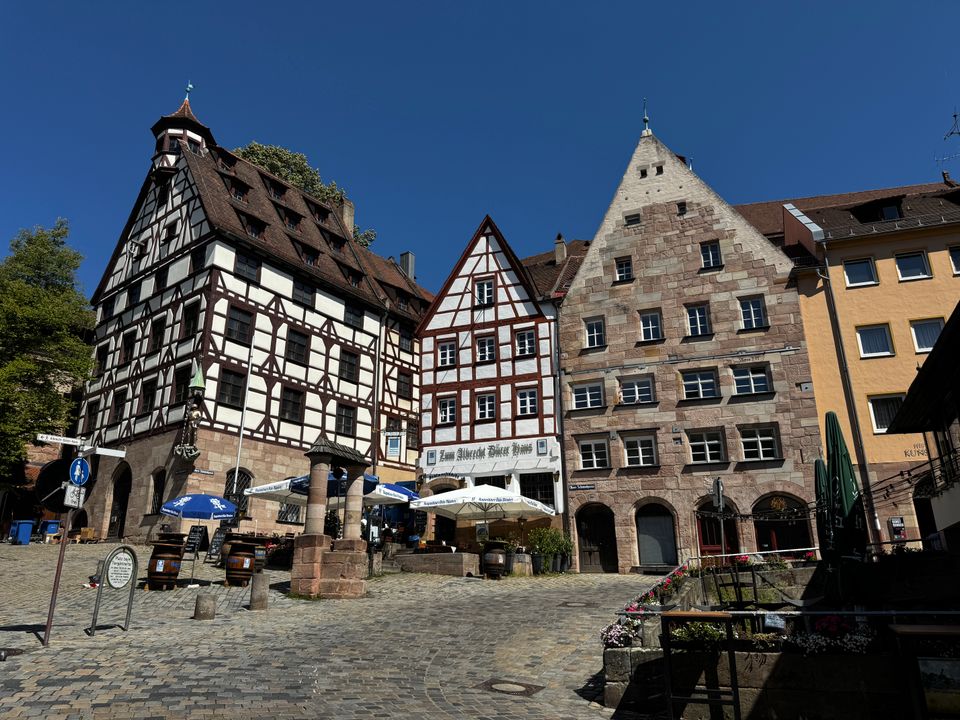
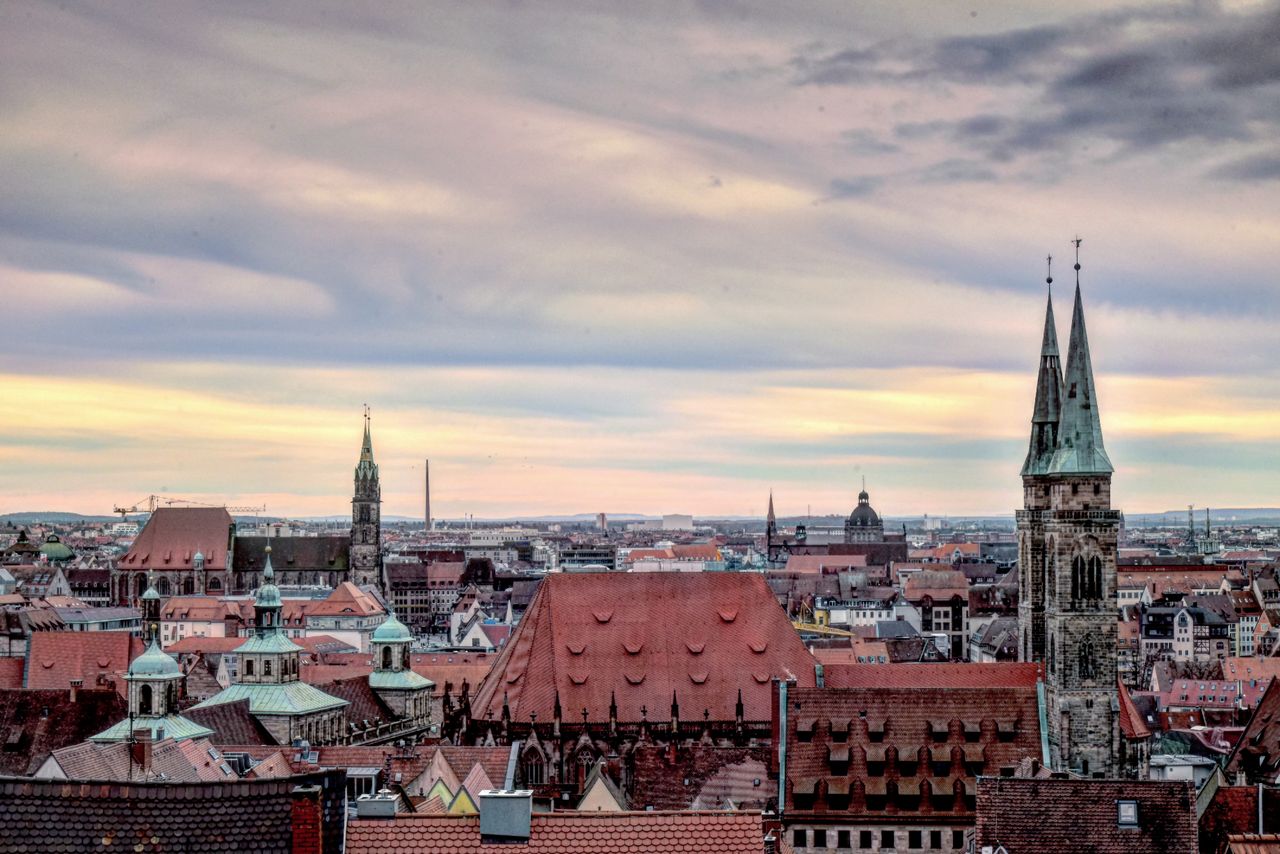
Winter has its own appeal for Christmas markets, winter walks and cosy stops in cities such as Nuremberg. January is the coldest month in the climate record, with a daytime temperature of 2 °C and a nighttime temperature of -3 °C. Build in warm layers, choose central accommodation, and keep each day focused on a compact group of sights so that weather changes fit easily into the plan.
Spring and summer weather across Germany
Spring becomes increasingly pleasant through April and May. April averages 13 °C by day and 3 °C at night, with 7 hours of sunshine and 10 rain days. May raises the daytime average to 17 °C and the nighttime average to 7 °C. It is a good month for Rhine villages, castle areas and long city walks, with a light jacket for evenings and early mornings.
Summer is the warmest season. June reaches 21 °C during the day and 11 °C at night, with 8 hours of sunshine. July and August both reach 24 °C during the day and 13 °C at night. Keep city days balanced with a morning walk, an indoor or shaded midday pause, and an evening outing. This rhythm also helps you fit Berlin, Munich, Dresden and Hamburg into a balanced itinerary.
Autumn colours, city days and seasonal food
September is a strong choice for culture and colour. Its daytime average is 20 °C, its nighttime average is 9 °C, and it records 5 hours of sunshine. October cools to 14 °C by day and 6 °C overnight, with 3 hours of sunshine. These conditions suit Berlin, Munich, Nuremberg and Rhine routes where seasonal food, coffee stops and architecture are central parts of the day.

November brings a quieter city rhythm, with daytime and nighttime averages of 7 °C and 2 °C. It works well for travellers focused on galleries, design districts, historic centres and regional food experiences. Layering gives you flexibility between indoor museums, evening streets and daytime walks. A relaxed pace can also make moving between German cities feel comfortable.
What's the weather like in Germany in November?
In November, days in Germany average 7 °C and 2 °C at night. In December, days in Germany average 3 °C and -1 °C at night.
- November7°
 2 °C at night
 2 hours of sun a day13 rain days
- December3°-1 °C at night1 hours of sun a day16 rain days
| Month | Jan | Feb | Mar | Apr | May | Jun | Jul | Aug | Sep | Oct | Nov | Dec |
|---|---|---|---|---|---|---|---|---|---|---|---|---|
| Day °C | 2 | 4 | 8 | 13 | 17 | 21 | 24 | 24 | 20 | 14 | 7 | 3 |
| Night °C | -3 | -2 | 0 | 3 | 7 | 11 | 13 | 13 | 9 | 6 | 2 | -1 |
| Sun h/day | 2 | 3 | 5 | 7 | 7 | 8 | 7 | 6 | 5 | 3 | 2 | 1 |
| Rain days | 15 | 12 | 12 | 10 | 14 | 13 | 15 | 13 | 10 | 13 | 13 | 16 |
What German winters are like for visitors
December has a daytime average of 3 °C and a nighttime average of -1 °C, along with 1 hour of sunshine. It is suited to Christmas markets, illuminated town squares, museums and regional food. January is colder, while February begins the gradual transition toward spring. Winter days work well when you alternate outdoor sights with warm indoor stops.
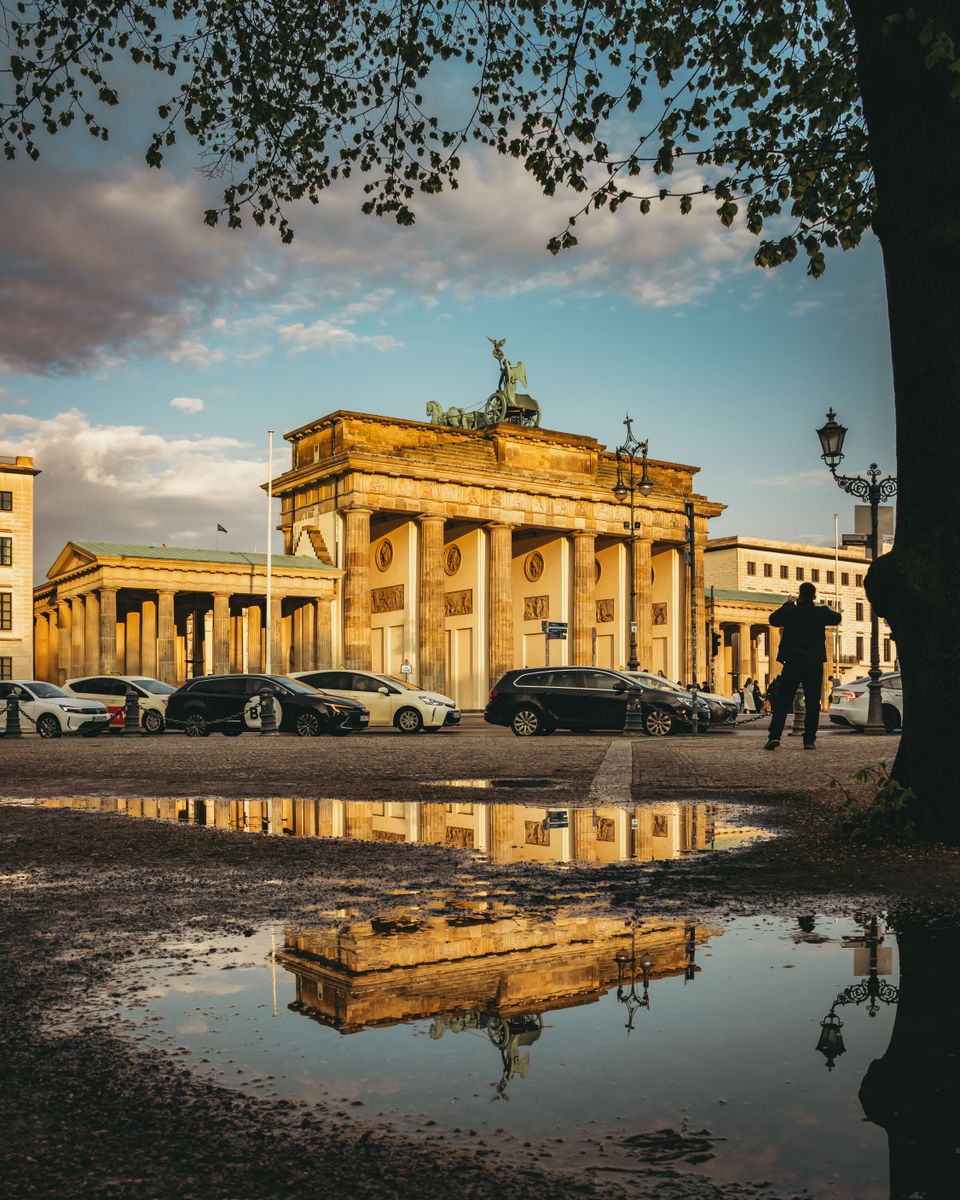
Snow is more relevant in the Alps and higher terrain than in every part of Germany. If winter sports are central to the trip, confirm local conditions and book the mountain portion carefully. For city travel, choose a central hotel near public transport and pack a waterproof outer layer, comfortable walking shoes and warm accessories. HolidayWow can turn a month into a dated plan when your flights and stays are ready.
Where Canadian travellers can begin their German journey
Canada to Germany is a long-distance journey, and the distance from your departure city helps frame the route. Toronto is 6,376 km from Germany, Montreal is 5,891 km away, and Vancouver is 8,021 km away. From Calgary, the distance is 7,496 km, while Ottawa is 6,018 km away. The page keeps the connection beside the weather and itinerary decisions that follow it.
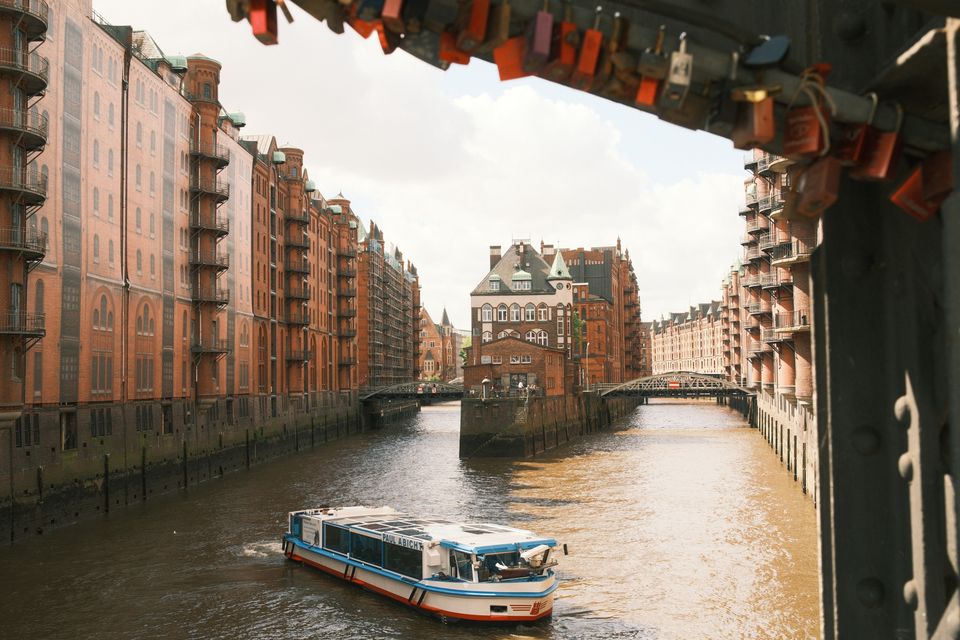
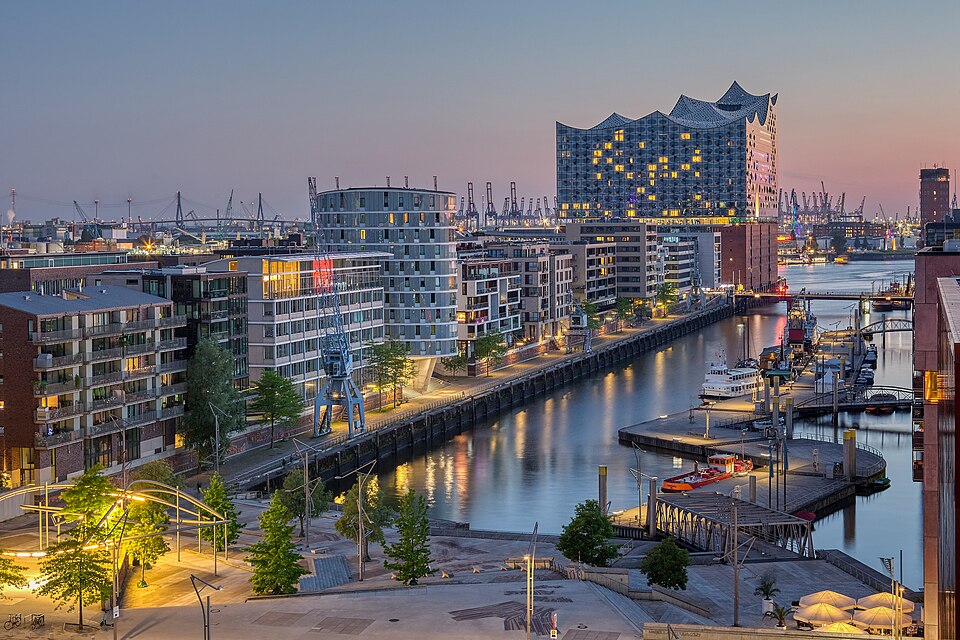 HamburgiPhoto: Axel Tschentscher · CC BY-SA 4.0 · Wikimedia Commons
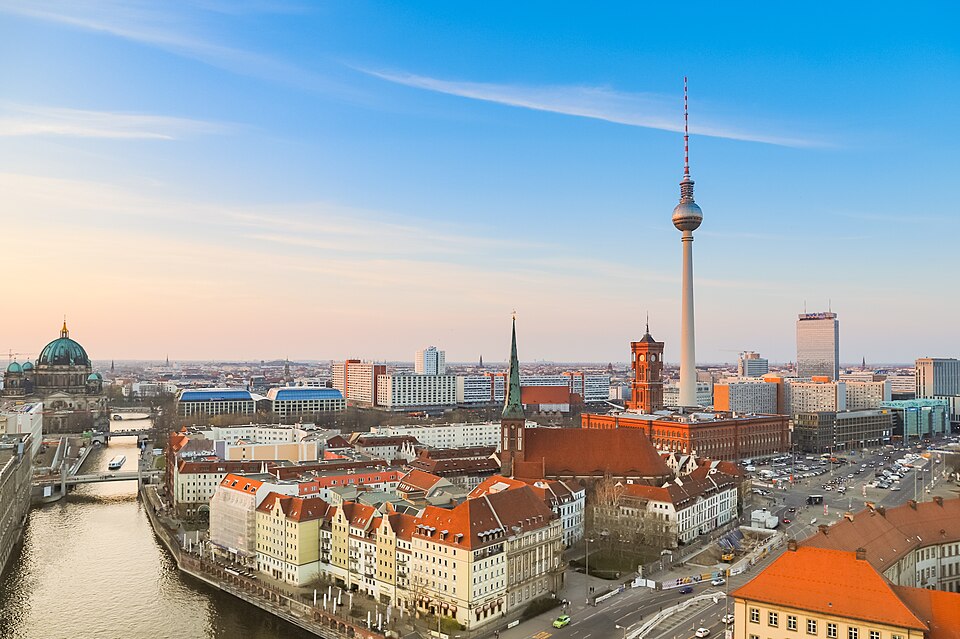
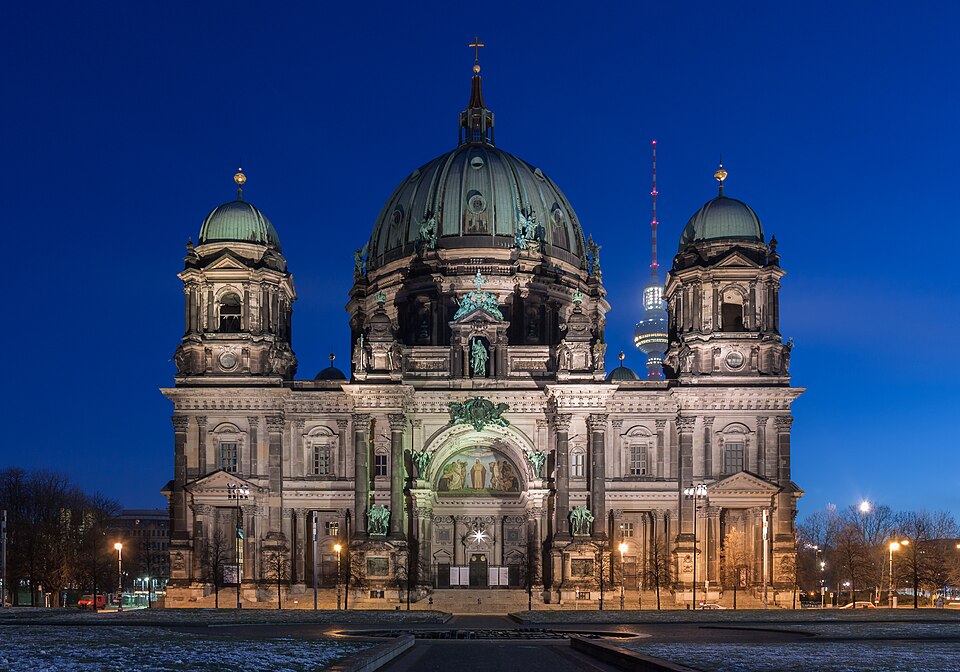 BerliniPhoto: Ansgar Koreng · CC BY 3.0 de · Wikimedia Commons
Many Canadian itineraries begin in Berlin or Frankfurt and continue by rail to another city. Berlin works for museums, neighbourhoods, gardens and political history. Frankfurt provides access to the Rhine region and useful transport connections. Hamburg suits canal walks and maritime culture, while Munich pairs city museums with easy routes toward Alpine scenery.
HamburgiPhoto: Axel Tschentscher · CC BY-SA 4.0 · Wikimedia CommonsBerliniPhoto: Ansgar Koreng · CC BY 3.0 de · Wikimedia CommonsBuild a practical itinerary around the forecast
A weather-conscious plan should account for the day, not simply the month. Use the relaxed pace for walks and old towns, the balanced pace for city sightseeing, and the packed pace for a short holiday with firm priorities. In summer, schedule longer walks for morning and evening. In spring and autumn, use the middle of the day for outdoor routes and reserve museums for changeable weather.
HolidayWow reads the place, month, group and pace from a sentence or voice request. It draws each day as a route on a map, places stops on the map, and makes the plan editable. You can move a stop to another day, lighten the schedule or swap a place. Dates can be added later, giving each day card its weekday, live weather and live partner prices.

Best time to travel in Germany
In Germany, the best time for a trip is June to September, with daytime highs up to 24 °C.
Everything about a trip in GermanyWeather in Germany month by month
- January2 °C
- February4 °C
- March8 °C
- April13 °C
- May17 °C
- June21 °C
- July24 °C
- August24 °C
- September20 °C
- October14 °C
- November7 °C
- December3 °C
Rail travel, packing and a shared German plan
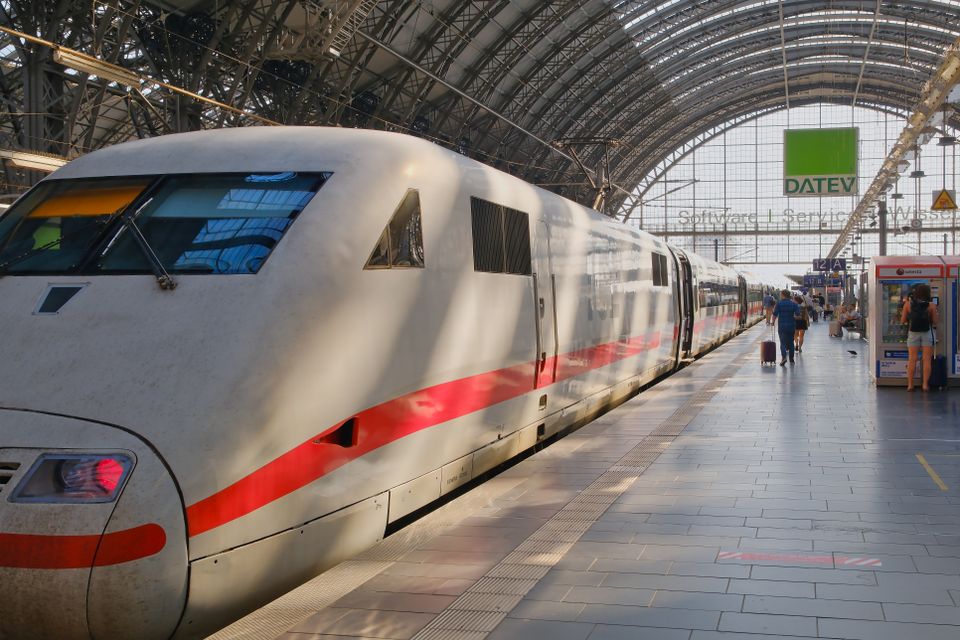
Germany works well for travellers who want several bases in one trip. High speed rail links major cities and makes a city centred itinerary easier to shape. Keep each base long enough to explore nearby sights, and place the most important activity early enough to adjust around the day’s conditions. A map based plan helps you see the sequence before confirming travel details.

Pack based on the month and your planned indoor and outdoor time. The climate record tracks daytime and nighttime temperatures, sunshine and rain, so you can add suitable layers, shoes and weather protection. HolidayWow creates a packing list and checklist from your plan. Its document vault keeps passports, tickets and confirmations with the trip, while one shared link gives group members viewing, editing, voting and comment options.
- Pack layers for daytime and nighttime conditions
- Add waterproof protection for the month
- Choose walking shoes for city streets
- Keep travel documents together in the vault
Already started
Your trip in Germany
- 24 °C by day in August
 from Montreal about 7 h 36
Day 1
Arrival in Frankfurt
Flight from Montreal in 7 h 36, nonstop. Settle in, first evening by the harbor or in the center.

Day 2
Frankfurt
Day trip to Frankfurt, back to Frankfurt in the evening.
 iPhoto: Magnus Manske · CC BY 1.0 · Wikimedia Commons
Day 3
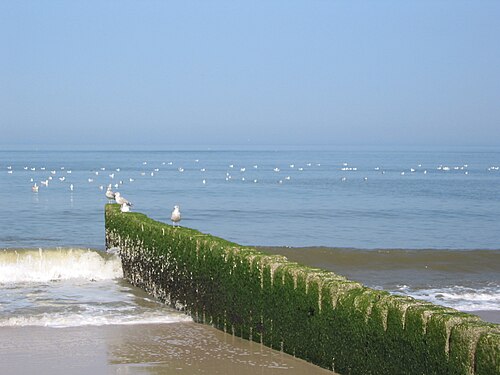
Sylt
Day trip to Sylt, back to Frankfurt in the evening.
 iPhoto: Jojofromw · CC BY 3.0 · Wikimedia Commons
Day 4
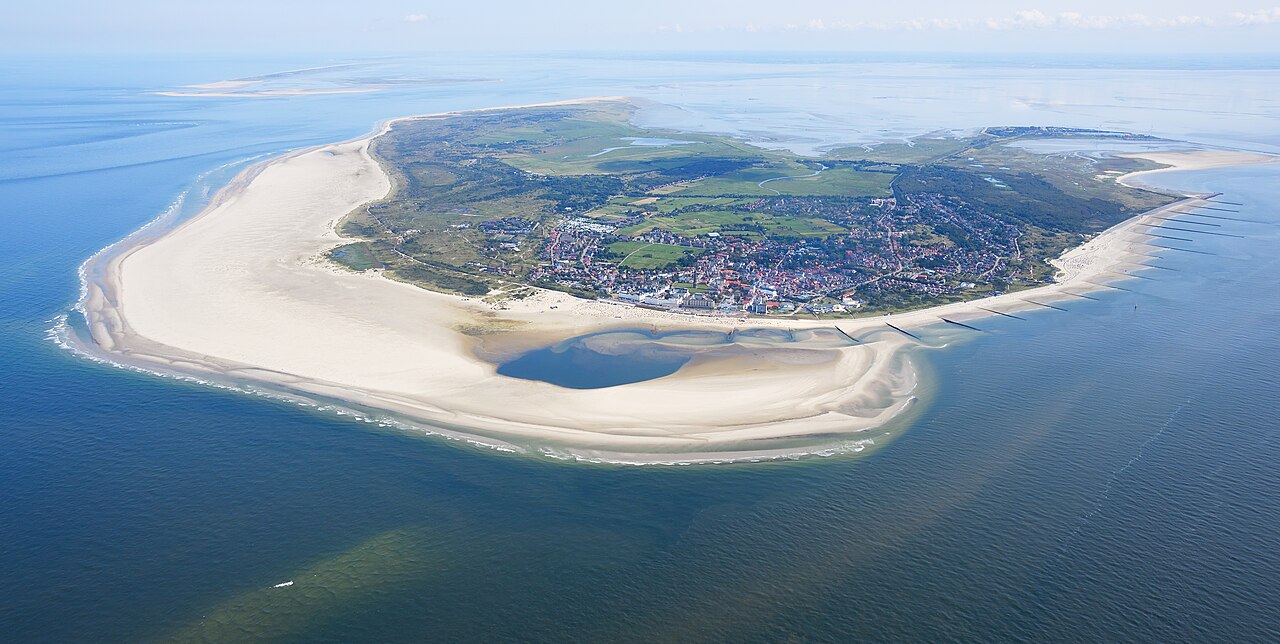
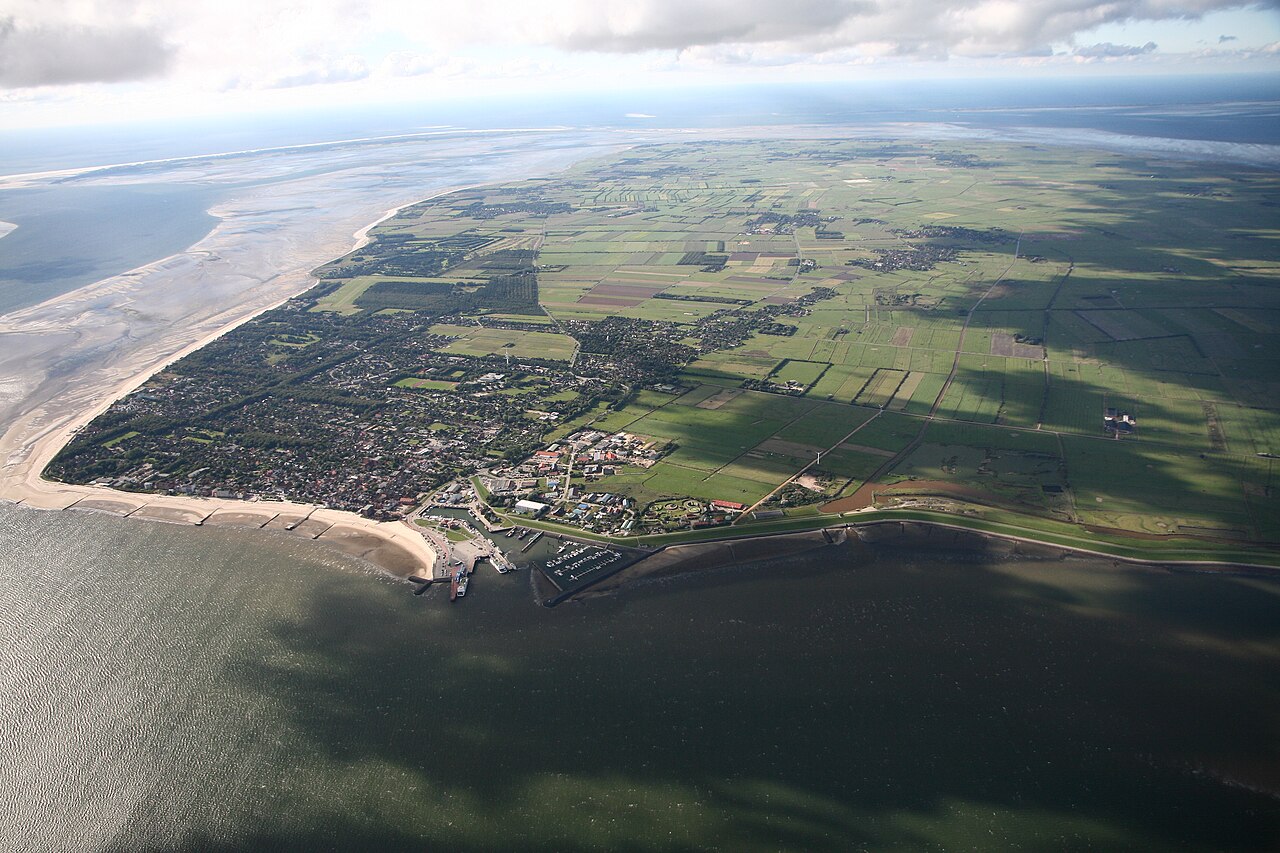
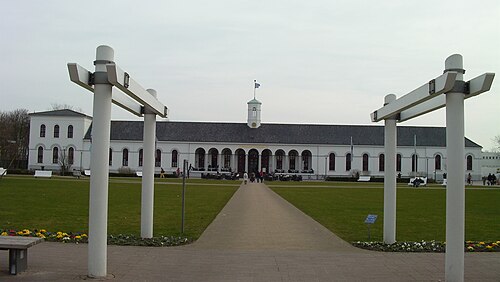
Norderney
Day trip to Norderney, back to Frankfurt in the evening.
- iPhoto: Magnus Manske · CC BY 1.0 · Wikimedia Commons
Day 5
On to Sylt
A new base for the next few days; explore Sylt on foot.
Day 6
Borkum
Day trip to Borkum, back to Sylt in the evening.
Day 7
Last morning and flight home
One last walk, then back to Montreal.
Look around without an account; sign in to save.
Weather in Germany: frequently asked questions
What is the best time to visit Germany?
April through September provides strong conditions for sightseeing and outdoor travel. July and August offer the warmest daytime averages, while April and May suit village walks and spring sightseeing. September and October work well for city culture and autumn scenery. Choose the season that matches your preferred activities and route.
Which German months are warmest?
July and August are the warmest months in the climate record. Both have a daytime average of 24 °C and a nighttime average of 13 °C. June is also comfortable, with 21 °C by day and 11 °C overnight. Warm weather supports city walks, Rhine travel and higher elevation routes.
Can I visit Germany during winter?
Yes. Winter works well for Christmas markets, museums, historic centres and Alpine activities. December has a daytime average of 3 °C and January reaches 2 °C. Central accommodation, warm layers and a mixed indoor and outdoor itinerary make winter travel comfortable.
How should I plan around German rain?
Place museums, galleries and indoor food experiences near outdoor days that suit your route. Spring months such as April have 10 rain days, while summer can bring more. HolidayWow adds live weather when you add dates to a plan, helping you revisit the order of each day as conditions develop.
Does HolidayWow plan trips to several German cities?
Yes. Describe the destinations, month, group and pace, and HolidayWow creates editable days on a map. You can move stops, swap places, change the daily pace and share one plan with your group. The Long Weekend planner can also connect Canadian public holidays and leave days to trip ideas.


Your next trip
Plan your vacation in Germany

Describe your trip in one sentence. When, who with and what matters to you.