
November: 8 °C by day
Nova Scotia weather and the best time to visit
Published October 14, 2026 · HolidayWow editors · Written with AI, numbers checked against our data ·
Nova Scotia weather varies across a full Canadian range, with mild coastal summers, colourful autumn days, and cold winter conditions. Summer offers the warmest daytime temperatures, while May and September can suit visitors who want comfortable days, seasonal scenery, and room to explore at a relaxed pace.
In Nova Scotia, the best time for a trip is July to September, with daytime highs up to 25 °C.
Weather looks good?7 days in Nova Scotia in August, Beach and hiking, from Montreal on your own
Plan a trip
Now in Nova Scotia
2 °C
Clear
Wind 12 km/h, Humidity 83%
As of 19:14 local time
The next 7 days
- Today
 2° / 0°Sunny
- Tomorrow8° / -1°Sunny
- Wednesday
 10° / 1°Partly cloudy
- Thursday
 10° / 2°Cloudy
- Friday13° / 4°Fair
- Saturday8° / 1°Fair
- Sunday13° / 3°Cloudy
Choosing a season for Nova Scotia
August brings the warmest daytime average in the climate data, with 25 °C during the day and 14 °C overnight. It is a good month for coastal sightseeing, harbour walks, and driving between Halifax, Lunenburg, and the Annapolis Valley. July also offers 24 °C daytime temperatures, 15 °C nights, and eight sunshine hours.

May and September provide a comfortable middle ground for a Nova Scotia vacation. Daytime averages reach 15 °C in May and 21 °C in September, with warmer nights than March or November. These months work well for travellers who want outdoor time while keeping the daily plan comfortable.
Reading the seasonal weather pattern
Winter is cold, with daytime averages around 0 °C in January and February and overnight averages of -8 °C. Snow, coastal wind, and shorter daylight periods shape the character of a winter visit. Halifax remains a practical base for museums, restaurants, and winter landscapes, while a flexible itinerary helps you place outdoor stops according to the day’s conditions.


Spring gradually warms through March and April. March reaches 3 °C by day and -5 °C overnight, while April reaches 9 °C by day and 0 °C overnight. June and July bring more daylight and useful warmth, although June records 15 rain days in the climate profile. Pack layers and keep a flexible route for changing coastal weather.

What's the weather like in Nova Scotia in November?
In November, days in Nova Scotia average 8 °C and 0 °C at night. In December, days in Nova Scotia average 2 °C and -5 °C at night.
- November8°0 °C at night3 hours of sun a day
 13 rain days
- December2°-5 °C at night2 hours of sun a day15 rain days
A scenic week through coastal Nova Scotia
For a balanced week, use Halifax as a starting point and spend the next few days exploring nearby coastlines, historic towns, and the Annapolis Valley. The map plan can place each day along a clear route, with pins for the places you choose and travel time shown for every leg. A relaxed pace keeps the drive enjoyable and leaves time for spontaneous stops.


A sample seven-day structure could include Halifax for arrival, Peggy’s Cove and the Old Shore Road, Lunenburg for a full day, the Annapolis Valley, and a final stay near the coast. The exact order depends on your starting point and the places you want to see. HolidayWow lets you move a stop to another day, lighten a route, or swap a destination when the plan needs to change.
Weather planning for Canadian road trips
Nova Scotia is easy to explore with a road-first itinerary, especially when your trip includes several coastal bases. The planner’s map view shows each day as a route, so you can review the shape of the journey before departure. It can also include the ride to the airport, the flight, and the transfer to the first stay when you add dates.

From Montreal, the distance to Nova Scotia is 842 km, and from Toronto it is 1,328 km. Vancouver, Calgary, Edmonton, and Winnipeg are farther afield, so a connection or an overnight arrival may shape the route. Halifax Stanfield is 42 km from Halifax, making the local airport a natural arrival point for many regional itineraries.
 iPhoto: Skeezix1000 · CC BY-SA 3.0 · Wikimedia Commons
Best time to travel in Nova Scotia
In Nova Scotia, the best time for a trip is July to September, with daytime highs up to 25 °C.
Everything about a trip in Nova ScotiaWeather in Nova Scotia month by month
- January0 °C
- February0 °C
- March3 °C
- April9 °C
- May15 °C
- June20 °C
- July24 °C
- August25 °C
- September21 °C
- October15 °C
- November8 °C
- December2 °C
Matching a vacation to the forecast
Add dates after choosing a month to bring live weather information into each day card. The planning view can then help you decide whether to place a walk, a scenic drive, or a harbour visit in the most comfortable part of your route. Climate data gives you a useful starting point, while the day-level plan adapts to the actual conditions during your stay.

For a slower Canadian vacation, the Long Weekend planner can connect public holidays with leave days and shape a longer trip. The page also supports a packing list and checklist based on the destination, month, and climate. Share the finished route with your group so everyone can see the stops, days, and booking links in the same plan.
Already started
Your trip in Nova Scotia
- 25 °C by day in August
 from Montreal about 1 h 33
Day 1
Arrival in Lunenburg
Flight from Montreal in 1 h 33, nonstop. Settle in, first evening by the harbor or in the center.

Day 2
Hemlock Ravine Park
Start early; bring water and sturdy shoes.
Day 3
DeWolf Park
Start early; bring water and sturdy shoes.
Day 4
Stewiake River Park
Start early; bring water and sturdy shoes.
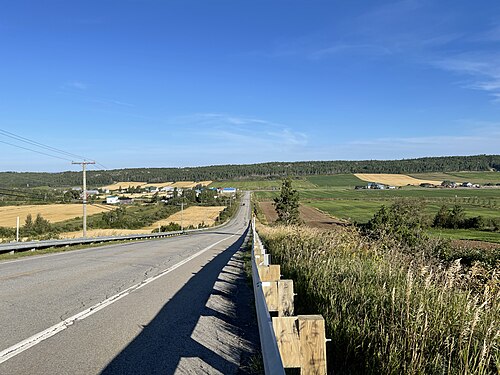 iPhoto: Nichole Ouellette · CC BY-SA 4.0 · Wikimedia Commons
Day 5
On to Appalachian Mountains
A new base for the next few days; explore Appalachian Mountains on foot.
Day 6
Ferry Terminal Park
Start early; bring water and sturdy shoes.
Day 7
Last morning and flight home
One last walk, then back to Montreal.
Look around without an account; sign in to save.
Weather in Nova Scotia: frequently asked questions
What is the best time to visit Nova Scotia?
July and August are the warmest months, with daytime averages of 24 °C and 25 °C. May and September are comfortable alternatives for sightseeing, coastal drives, and shorter daylight plans. Choose the season that matches your preferred pace and the activities you want to include.
Is Nova Scotia weather warm in summer?
Yes, summer brings comfortable daytime temperatures for many coastal activities. July records 24 °C by day and 15 °C overnight, with eight sunshine hours in the climate data. August is the warmest month, reaching 25 °C during the day and 14 °C at night.
What should I pack for Nova Scotia in spring?
Pack layers for cool mornings, changing temperatures, and coastal wind. April averages 9 °C during the day and 0 °C overnight, while May reaches 15 °C by day and 4 °C overnight. A waterproof outer layer, comfortable walking shoes, and room for casual outfits suit changing spring conditions.
Can I plan a road trip around Nova Scotia?
You can plan a road trip with a map-first route and separate daily stops. HolidayWow lets you choose a relaxed, balanced, or packed pace, then move stops between days as your plans develop. The route view shows each day, stop, and travel leg in one place.
How do I choose places to visit in Nova Scotia?
Start with the type of trip you want. Halifax, Peggy’s Cove, Lunenburg, and the Annapolis Valley suit a classic coastal route, while the plan can be adjusted for beaches, walks, food, and scenic drives. The editable itinerary helps you balance travel time with time spent at each stop.



Your next trip
Plan your vacation in Nova Scotia

Describe your trip in one sentence. When, who with and what matters to you.