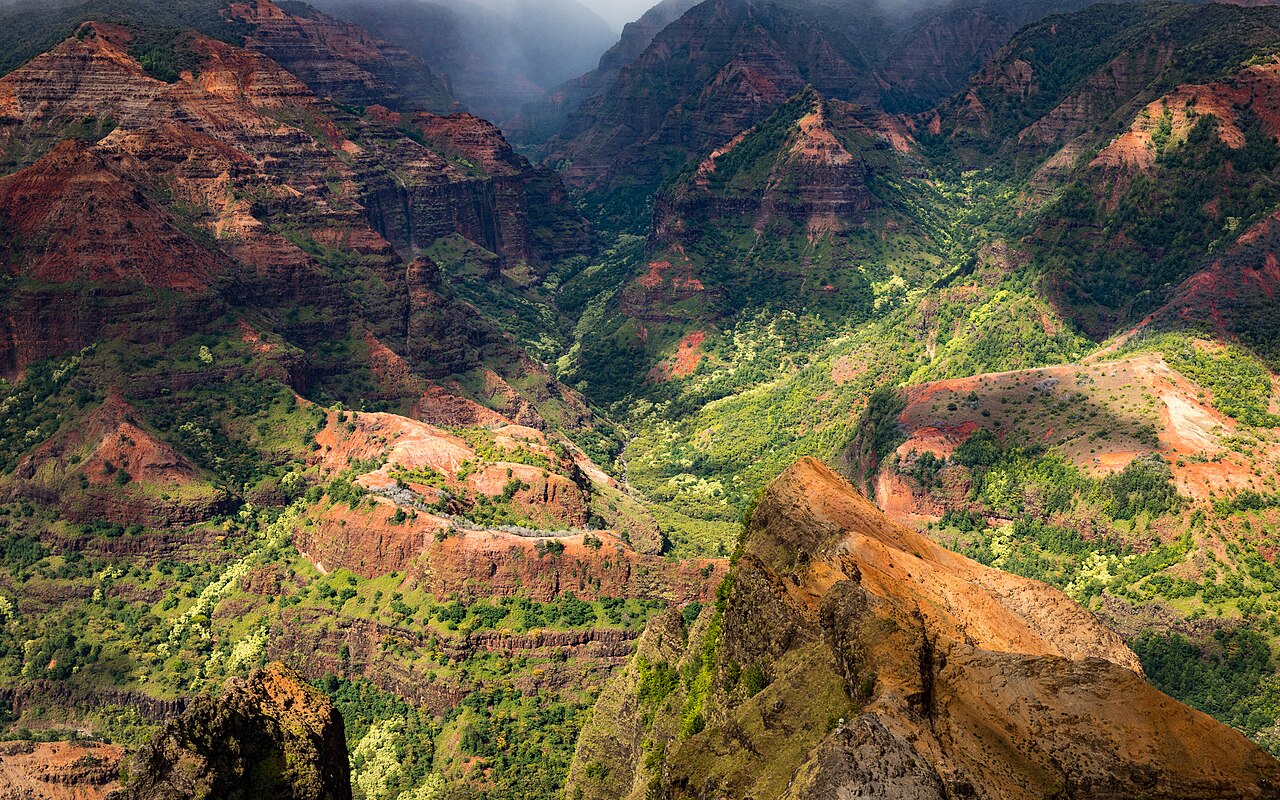
Sea in November: 26 °C
Hawaii weather and your best time to visit
Published October 14, 2026 · HolidayWow editors · Written with AI, numbers checked against our data ·
Hawaii welcomes travellers with warm coastal conditions throughout the year. June and July offer the strongest combination of sunshine and comparatively low rainfall, while January through April brings comfortable daytime temperatures. Choose your month according to the balance between warmth, sunshine, ocean comfort, and your preferred pace.
In Hawaii, every month is a good time to travel, with daytime highs from 24 °C to 28 °C and the sea up to 27 °C.
Weather looks good?7 days in Hawaii in May, Beach and hiking, from Vancouver on your own
Plan a trip
Now in Hawaii
25 °C
Partly cloudy
Wind 28 km/h, Humidity 59%
As of 12:14 local time
The next 7 days
- Today25° / 20°Partly cloudy
- Tomorrow
 23° / 19°Rain11 mm rain
- Wednesday24° / 19°Partly cloudy1 mm rain
- Thursday23° / 18°Light showers7 mm rain
- Friday22° / 19°Light showers8 mm rain
- Saturday23° / 19°Light showers1 mm rain
- Sunday23° / 18°Light showers6 mm rain
The Hawaii weather outlook at a glance
Hawaii has a tropical climate shaped by warm ocean air, trade winds, and local rainfall patterns. The figures here describe broad regional conditions, while individual islands can have very different microclimates. Honolulu and Waikiki are convenient for first visits, with Diamond Head, beach walks, city dining, and family activities close together. The North Shore offers a slower, scenic stay around beaches and coastal roads. Choose your base according to the kind of vacation you want, not just the monthly forecast.
The best time to visit Hawaii depends on what you value most. From May through September brings longer daylight for sightseeing and beach time. Winter remains mild and can suit Canadian travellers seeking a warm break, although the island chain receives more rain during parts of the year. March break is a practical vacation period when temperatures are already comfortable. Christmas break also works well for travellers who want a festive trip, with the advantage of setting a clearly defined holiday window.
Choosing Hawaii's warmest and sunniest months
July is the warmest month in the climate record, reaching an average daytime temperature of 28 °C. June reaches 27 °C and stands out as the driest month, with 35 mm of rain and 11 hours of sunshine. August also reaches 28 °C, with 10 sunshine hours and 9 rain days. These months suit travellers who want warm afternoons for beaches, snorkelling, coastal drives, and outdoor walks, though a light rain layer remains useful in mountain and windward areas.
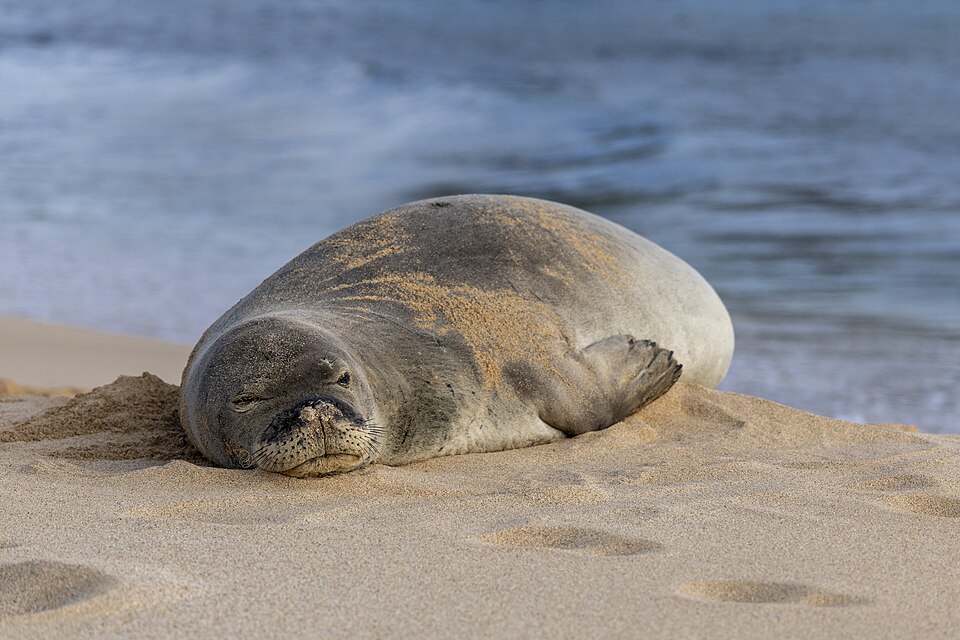
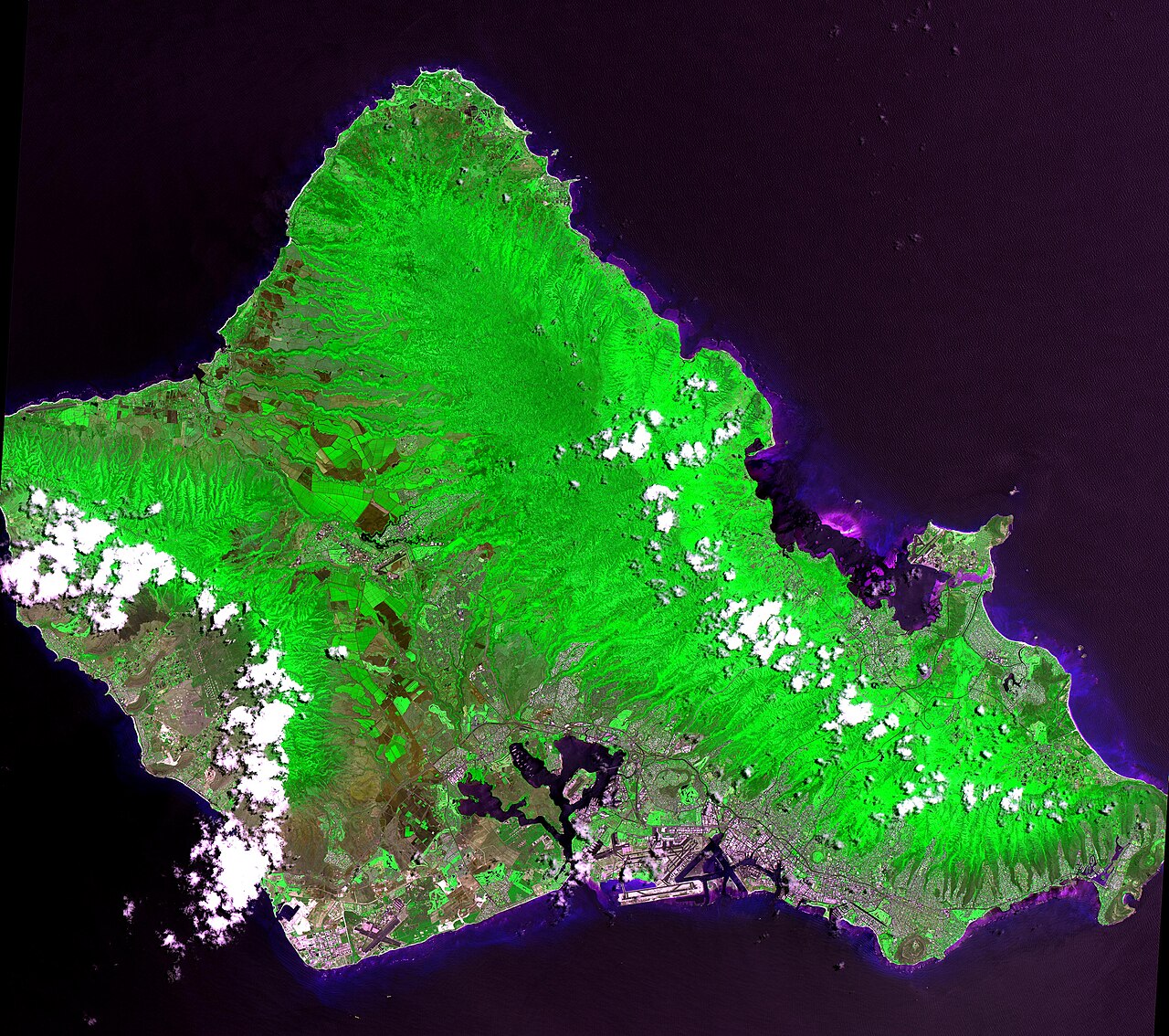
 iPhoto: Famartin · CC BY-SA 4.0 · Wikimedia Commons
May offers a comfortable balance of 26 °C daytime temperatures, 10 sunshine hours, and 11 rain days. It can be a strong choice for families who want summer conditions with an easier seasonal transition. September remains very warm at 28 °C, with sea temperatures reaching 27 °C. You can follow warmer weather south, where Hawaiʻi Island tends to dry quickly after summer rains. Waikiki and the South Shore suit a first stay because they put beaches, shopping, dining, and major sights within a compact area.
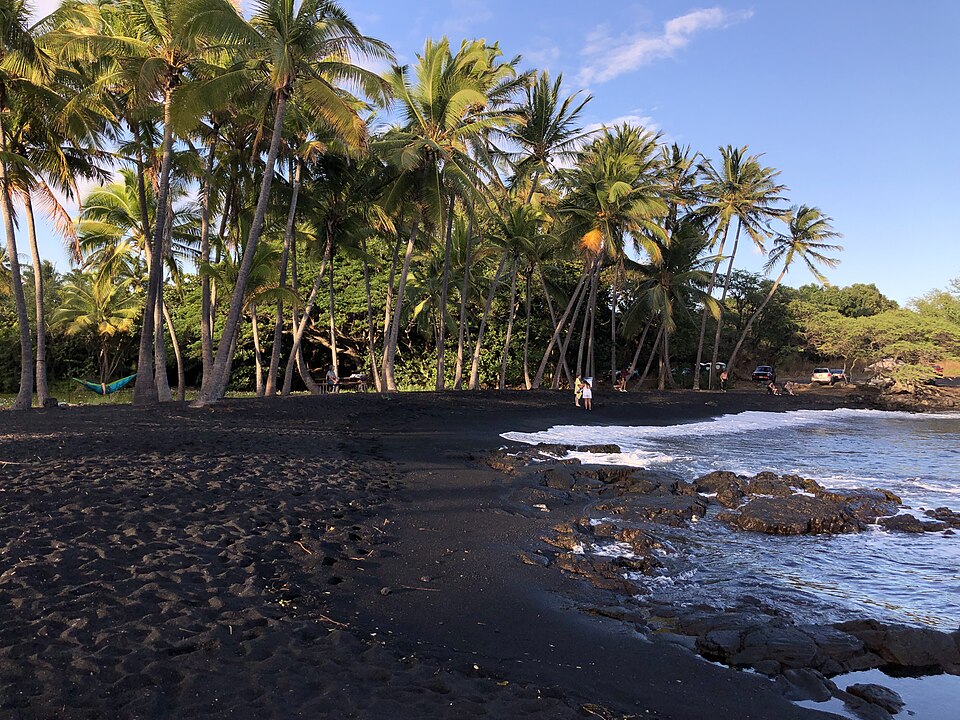
iPhoto: Famartin · CC BY-SA 4.0 · Wikimedia Commons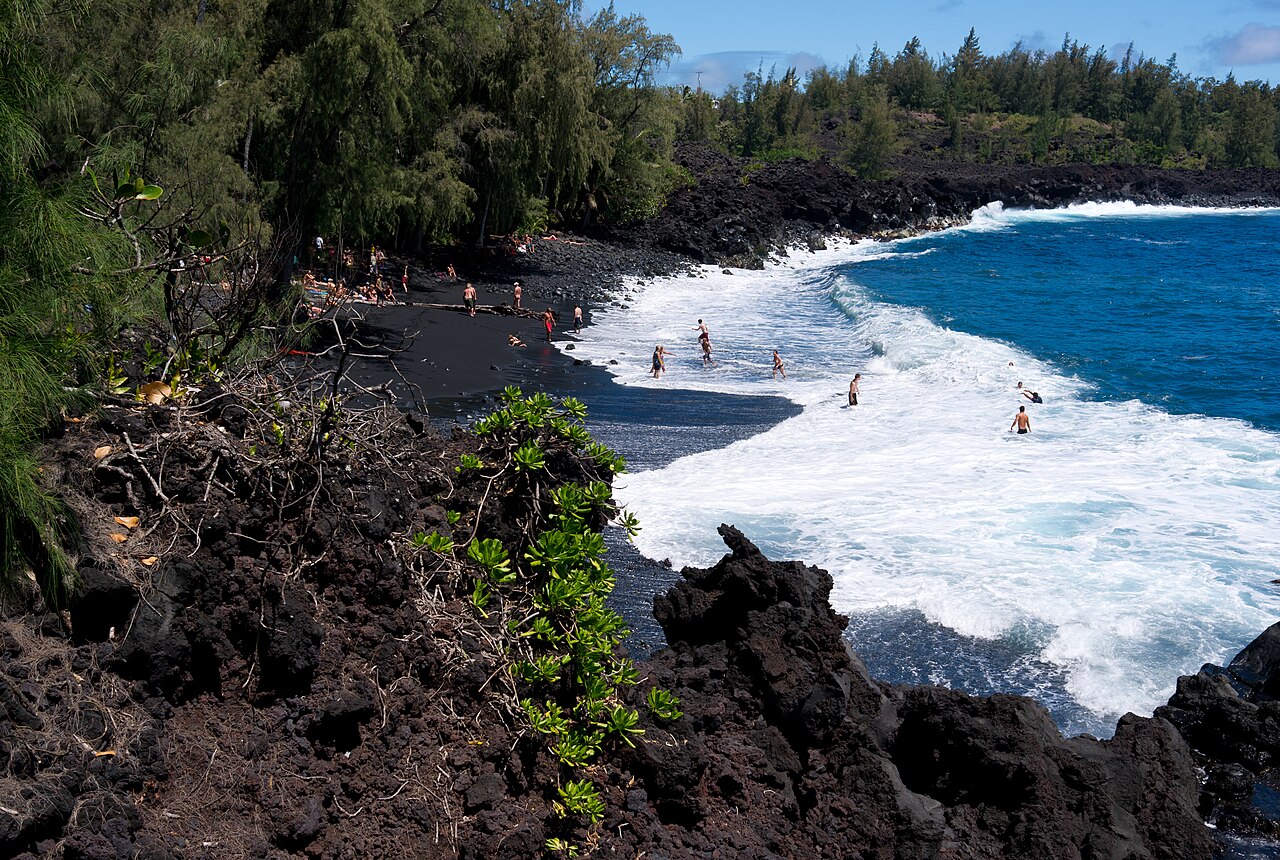
What's the weather like in Hawaii in November?
In November, days in Hawaii average 26 °C and 24 °C at night, and the sea is 26 °C. In December, days in Hawaii average 25 °C and 23 °C at night, and the sea is 25 °C.
- November26°
 24 °C at night
 26 °C sea temperature
 7 hours of sun a day15 rain daysBeach Index 73 of 100
- December25°23 °C at night25 °C sea temperature7 hours of sun a day16 rain daysBeach Index 64 of 100
| Month | Jan | Feb | Mar | Apr | May | Jun | Jul | Aug | Sep | Oct | Nov | Dec |
|---|---|---|---|---|---|---|---|---|---|---|---|---|
| Day °C | 25 | 24 | 25 | 25 | 26 | 27 | 28 | 28 | 28 | 28 | 26 | 25 |
| Night °C | 22 | 22 | 22 | 22 | 23 | 24 | 25 | 25 | 25 | 25 | 24 | 23 |
| Sea °C | 24 | 24 | 24 | 24 | 25 | 26 | 26 | 26 | 27 | 27 | 26 | 25 |
| Sun h/day | 7 | 8 | 8 | 9 | 10 | 11 | 10 | 10 | 9 | 8 | 7 | 7 |
| Rain days | 11 | 13 | 15 | 12 | 11 | 9 | 10 | 9 | 11 | 14 | 15 | 16 |
A reliable winter break without losing the beach
January and February are mild across the climate record, both reaching 24 °C during the day and 22 °C at night. Sea temperatures stay at 24 °C, making swimming and beach walks comfortable. January receives 7 sunshine hours, while February receives 8. These months work well for couples, a winter escape, or a relaxed family vacation focused on resorts, food, short walks, and gentle island days.
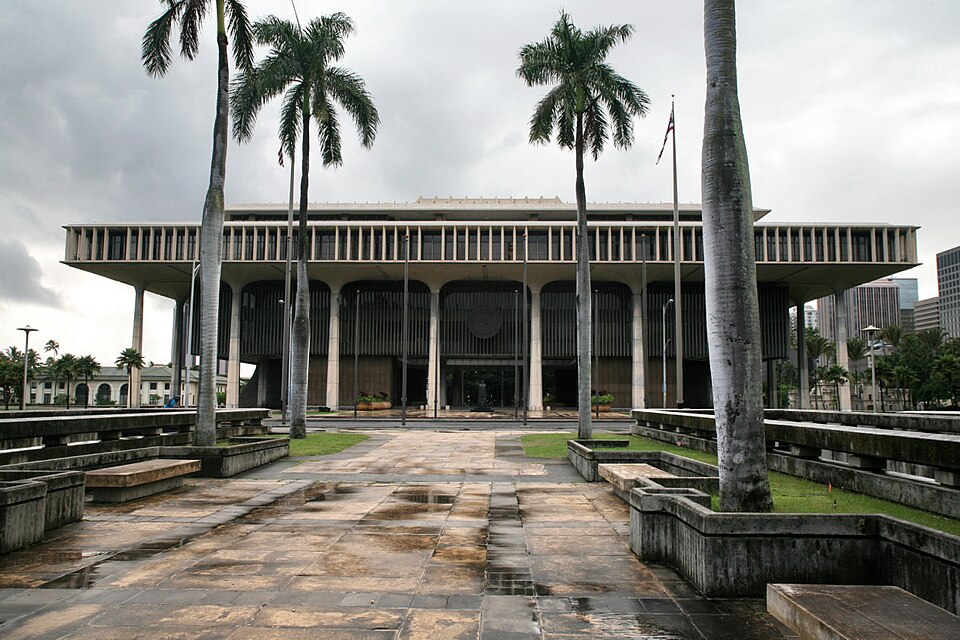
November and December are wetter, with 15 and 16 rain days respectively. Wet weather also shapes the landscape, bringing rich green colour to mountain slopes and lively waterfalls. Honolulu provides convenient access to indoor attractions, Waikiki beaches, dining, and shopping when you want to adjust the outdoor pace. For March break, Hawaii offers 25 °C daytime temperatures, 8 sunshine hours, and a 24 °C sea. A packed island holiday can use these conditions for beach time, scenic drives, and a compact sequence of coastal stops.
Where to base yourself for comfort and easy days
Waikiki is a practical base for many first-time visitors. Its beachfront setting makes early swims and sunset walks simple, while Honolulu provides a broad selection of restaurants, shops, cultural attractions, and tours. Families can use the compact resort area to balance activity days with relaxed beach time. A relaxed pace with 1 or 2 stops each day leaves space for the weather to shape your outing without rearranging the entire plan.
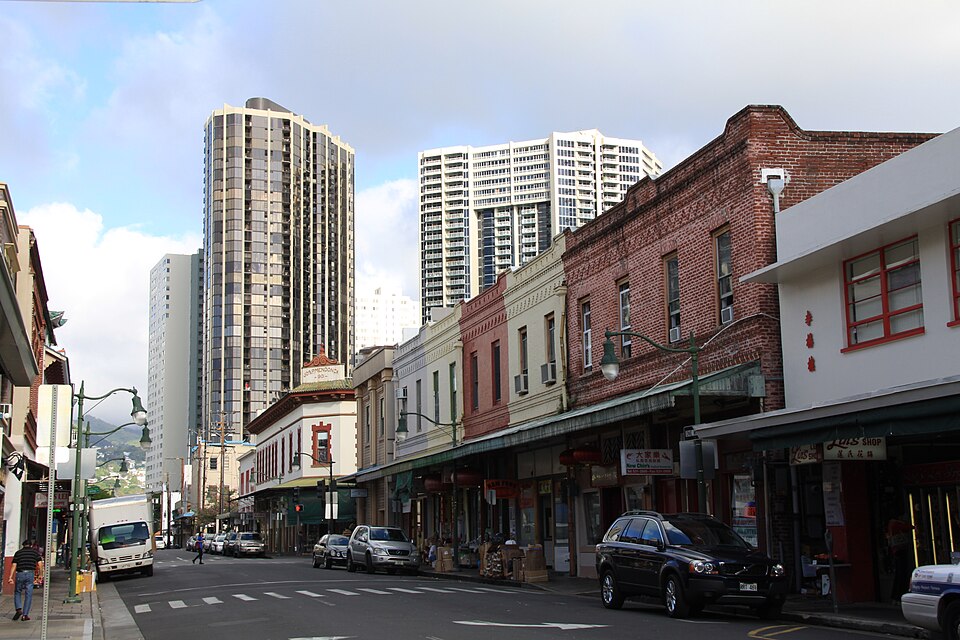 HonoluluiPhoto: boaski from Oslo, Norway · CC BY-SA 2.0 · Wikimedia Commons
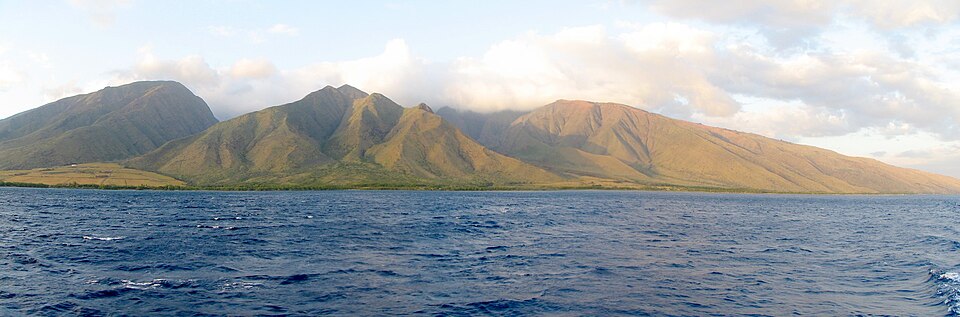 MauiiPhoto: Pahu at German Wikipedia · CC BY-SA 3.0 · Wikimedia Commons
For scenery and a quieter coastal rhythm, consider the North Shore of Oʻahu around Haleʻiwa. The area suits travellers who enjoy surf beaches, local food, and slower drives. On Hawaiʻi Island, the South Shore around Kona provides access to warm water, volcanic landscapes, and coastal excursions. Maui works well for a stay centred on beaches, whale watching experiences during the right season, and scenic routes. Choosing one main base and adding a short second stay gives you access to more scenery with less repeated packing.
HonoluluiPhoto: boaski from Oslo, Norway · CC BY-SA 2.0 · Wikimedia CommonsMauiiPhoto: Pahu at German Wikipedia · CC BY-SA 3.0 · Wikimedia Commons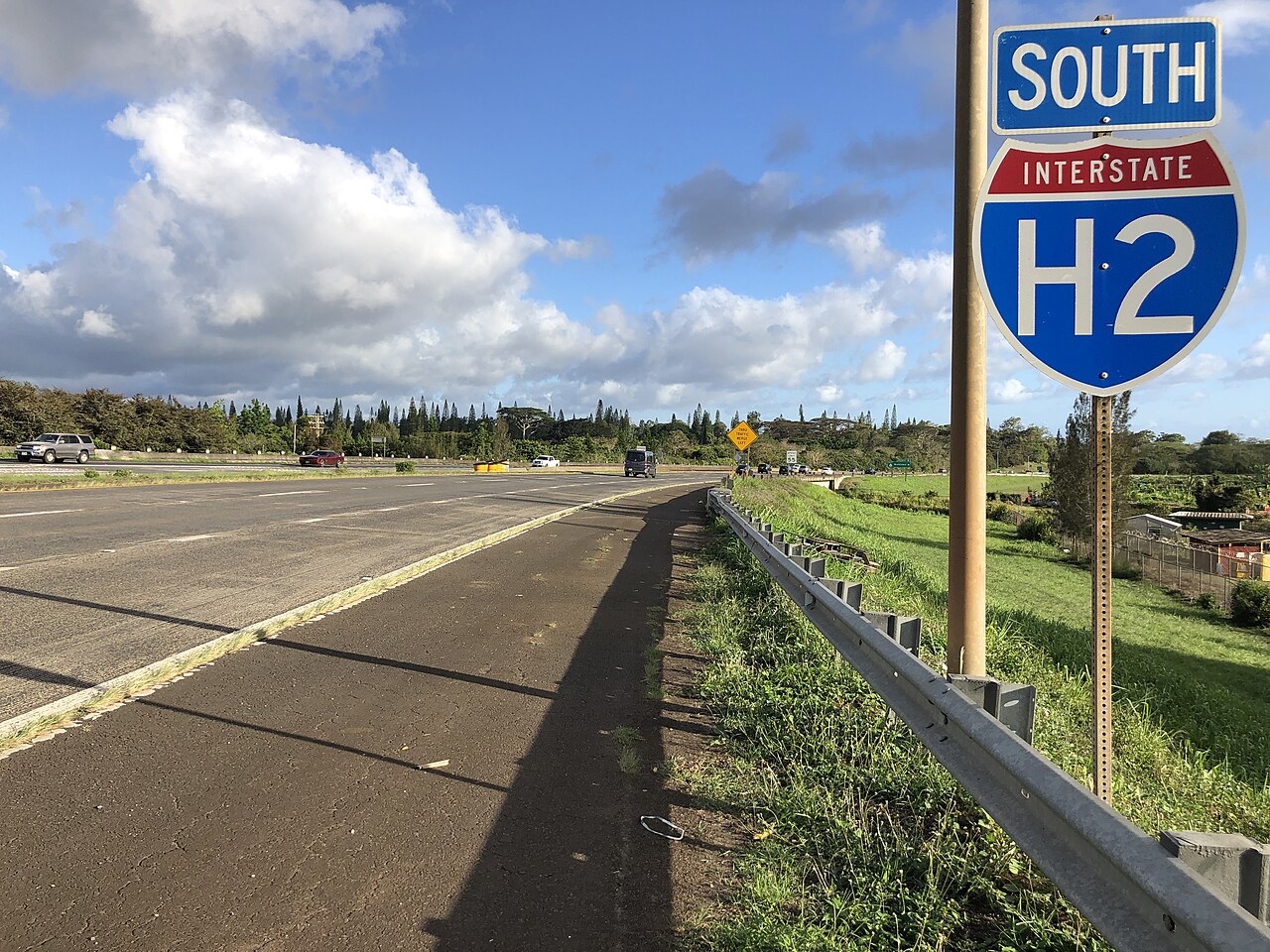 iPhoto: Famartin · CC BY-SA 4.0 · Wikimedia Commons
Sea temperature in Hawaii
The sea averages 26 °C in November and 25 °C in December. With the sea at 21 °C or more, it's swim season all year round.
Beach Index November: every coastal placeBest time to travel in Hawaii
In Hawaii, every month is a good time to travel, with daytime highs from 24 °C to 28 °C and the sea up to 27 °C.
Everything about a trip in HawaiiWeather in Hawaii month by month
- January25 °C24 °C
- February24 °C24 °C
- March25 °C24 °C
- April25 °C24 °C
- May26 °C25 °C
- June27 °C26 °C
- July28 °C26 °C
- August28 °C26 °C
- September28 °C27 °C
- October28 °C27 °C
- November26 °C26 °C
- December25 °C25 °C
Planning seven days around the Hawaiian weather
For a 7-day Oʻahu itinerary, begin with Waikiki and Diamond Head, then spend a day around Honolulu and the city shoreline. Reserve another day for a scenic drive with a flexible stop near a beach or lookout. A North Shore day can include Haleʻiwa, surf beaches, and local food. Add Pearl Harbor and a central Honolulu evening, giving the trip a mix of history, scenery, and downtime by the ocean.


A longer Hawaii vacation benefits from regional differences rather than constant movement. Spend several days on Oʻahu, then consider Maui or Hawaiʻi Island for scenery and outdoor experiences. HolidayWow turns a sentence such as “A week in Hawaii with the kids during March break” into a map with daily routes, selected stops, and a pace that suits each person. You can move a stop to another day, lighten a busy day, or keep a beach morning beside an afternoon excursion. Dates can be added later for weekday information, live weather, and live partner prices.
Build a weather-ready vacation from Canada
Pack light layers for cool evenings, strong sun protection for daytime, and footwear suited to beaches, paved paths, and short trails. The document vault keeps passports, tickets, and confirmations with the plan, while the packing list draws on your month and destination. When you add dates, each day card can present live weather so you can move outdoor activities toward favourable conditions and keep indoor attractions available for wet periods.
Canadian travellers can compare departure distances within HolidayWow. From Toronto, Hawaii is 7,464 km away, while Vancouver is 4,342 km away. Montreal is 7,888 km away, Calgary is 5,018 km, and Ottawa is 7,744 km. Edmonton is 5,148 km away, Halifax is 8,679 km, and Winnipeg is 6,120 km. The Long Weekend planner can connect public holidays and available leave with a Hawaii break. Share one link with your group, set viewing and editing roles, and use comments to agree on the month and island.
- Use a month before setting exact dates
- Choose a main island base
- Add a beach day to every week
- Keep one flexible day for changing weather
- Share the plan with travel companions
Already started
Your trip in Hawaii
- 26 °C by day in May
- Sea 25 °C
 from Vancouver about 5 h 34
Day 1
Arrival in Honolulu
Flight from Vancouver in 5 h 34, nonstop. Settle in, first evening by the harbor or in the center.

Day 2
Waikīkī
Beach day: the sea is around 25 °C in May.
Day 3
Lanikai Beach
Beach day: the sea is around 25 °C in May.
Day 4
Sandy Beach
Beach day: the sea is around 25 °C in May.
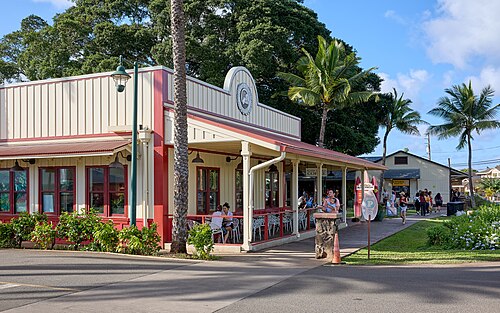 iPhoto: Frank Schulenburg · CC BY-SA 4.0 · Wikimedia Commons
Day 5
On to Oahu
A new base for the next few days; explore Oahu on foot.
Day 6
Sunset Beach
Beach day: the sea is around 25 °C in May.
Day 7
Last morning and flight home
One last coffee with a sea view, then back to Vancouver.
Look around without an account; sign in to save.
Weather in Hawaii: frequently asked questions
What is the best time to visit Hawaii?
May through September offers the strongest blend of warm temperatures and sunshine. June is the driest month, while July and August are the warmest. January through April provides comfortable winter conditions, and spring or fall can be a good choice when you prefer milder seasonal changes alongside beach time.
Is Hawaii warm enough for swimming in winter?
Yes. The climate record gives January and February sea temperatures of 24 °C, with daytime air temperatures of 24 °C. Rain can interrupt beach days, yet swimming, coastal walks, and resort activities remain comfortable. A flexible plan helps you move outdoor stops toward brighter weather.
Which Hawaiian island is best for a first visit?
Oʻahu is a strong starting point for a first visit. Honolulu and Waikiki bring beaches, shopping, dining, history, and Diamond Head into one accessible trip. You can explore the North Shore by day, then return to a convenient base. Hawaiʻi and Maui suit trips focused more strongly on volcanic scenery or scenic island roads.
Can I stay in one main area during a Hawaii trip?
Yes. Staying in one main area gives you time to learn the local beaches, restaurants, and weather rhythm. Many travellers use two bases for a longer vacation, settling into one island before moving to another. HolidayWow can place the stays and daily routes on a map, then let you move stops between days.
How should I pack for Hawaii weather?
Bring light clothing, a rain layer, sun protection, swimwear, and comfortable shoes for beaches and walks. Mountain and coastal areas can feel cooler and breezier than resorts. Add your planned activities to the HolidayWow packing list, which uses the destination and month to help organize what you need.
Can I compare Hawaii months for March break?
Yes. March offers 25 °C daytime temperatures, 22 °C at night, and a 24 °C sea temperature. It is a practical option for a warm family holiday, especially when you want outdoor activities while keeping an indoor option for rain. The Long Weekend planner can help connect March break and leave days with your trip.


Your next trip
Plan your vacation in Hawaii

Describe your trip in one sentence. When, who with and what matters to you.