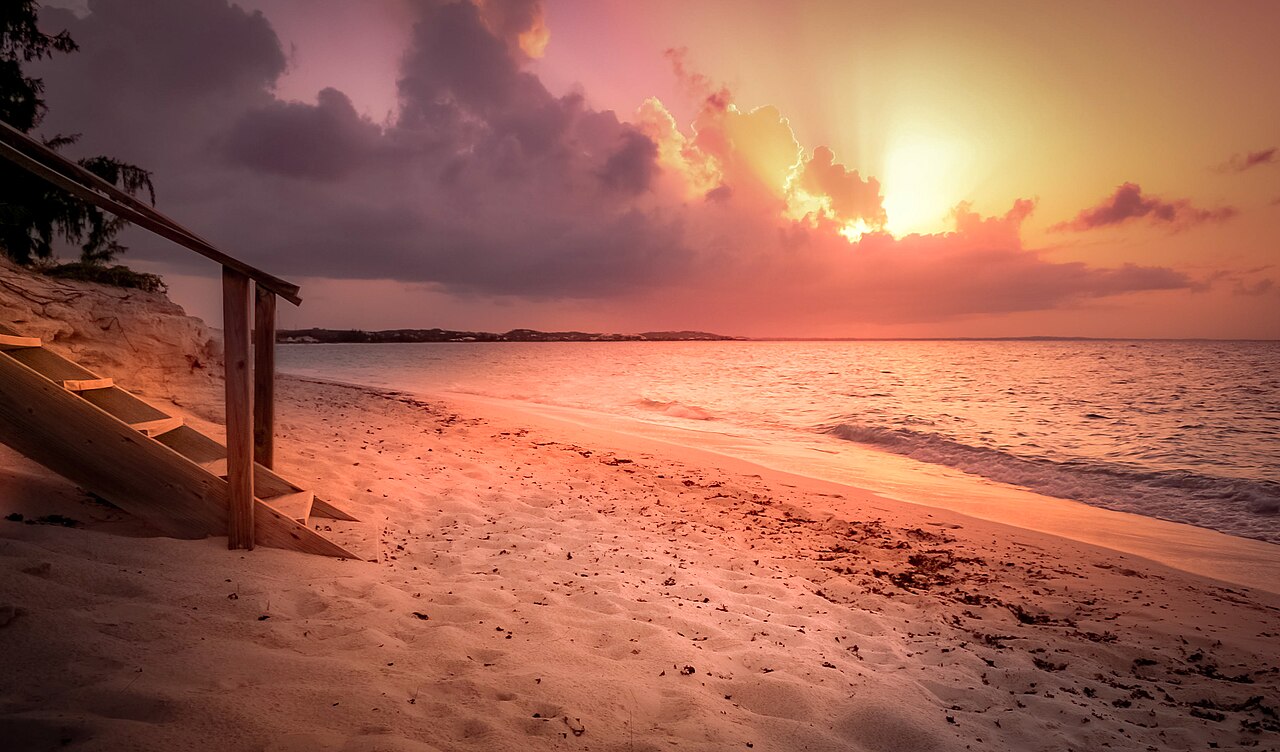
Sea in November: 28 °C
Turks and Caicos Weather by Month
Published October 14, 2026 · HolidayWow editors · Written with AI, numbers checked against our data ·
Turks and Caicos weather stays warm throughout the year, with the calmest, driest conditions from December through April. Choose this period for reliable beach plans, while September brings the highest daytime temperatures and October has the most rain days.
In Turks and Caicos Islands, the best time for a trip is November to August, with daytime highs up to 29 °C and the sea up to 29 °C.
Weather looks good?7 days in Turks and Caicos Islands in February, Beach and hiking, from Toronto on your own
Plan a trip
Now in Turks and Caicos Islands
27 °C
heavy rain
Wind 21 km/h, Humidity 78%
As of 01:56 local time
The next 7 days
- Today28° / 23°Light rain26 mm rain
- Tomorrow29° / 22°Rain11 mm rain
- Thursday29° / 23°Showers19 mm rain
- Friday30° / 24°Light showers2 mm rain
- Saturday31° / 25°Light showers2 mm rain
- Sunday29° / 25°Light showers4 mm rain
- Monday29° / 25°Light rain1 mm rain
When to visit for balanced beach weather
The best time to visit Turks and Caicos for beach weather is broadly the same as the best time to visit for warm water. December through April combines comfortable air temperatures with comparatively short wet spells. February stands out as the driest month, while January and March also suit travellers who want a clear structure for beach days, island excursions, and outdoor meals.


March is a useful choice for Canadians planning around March break. The climate record shows a daytime temperature of 26 °C, a night temperature of 24 °C, sea temperature of 25 °C, and nine sunshine hours. The month also has seven rain days, so a flexible itinerary lets your group move outdoor activities around passing showers and still make the most of the coast.
April brings similar daytime warmth with a sea temperature of 26 °C and nine sunshine hours. It works well for a relaxed resort stay, a sailing excursion, or a longer island itinerary. May begins a transition toward a wetter pattern, so visitors who value a predictable daily rhythm can still choose May while keeping room for weather changes in the plan.
- December through April for a balanced beach rhythm
- February for the driest climate pattern
- March for Canadian March break plans
- May through November for warm-water adventures
Reading the warmest and wettest seasons
September is the warmest month in the climate record, with a daytime temperature of 30 °C, a night temperature of 28 °C, and sea temperature of 29 °C. This is a strong period for swimmers, divers, kayakers, and anyone who wants the warmest ocean conditions. A relaxed pace also makes sense because the heat and humidity call for pauses around the middle of the day.

October has the most rain days in the annual pattern, with 19 days receiving rain and 89 mm recorded. Its temperatures remain tropical, including a daytime temperature of 29 °C and sea temperature of 29 °C. Think of wet weather as part of the island rhythm: place swims, tours, and meals indoors when needed, while keeping beach excursions for clearer periods.
November eases to seven sunshine hours and a sea temperature of 28 °C. The rain pattern eases as well, with 14 rain days and 74 mm recorded. The late summer and early autumn months suit travellers who want warm water and can follow a flexible daily plan. HolidayWow lets you set a relaxed or balanced pace and keep each day easy to rearrange when conditions change.
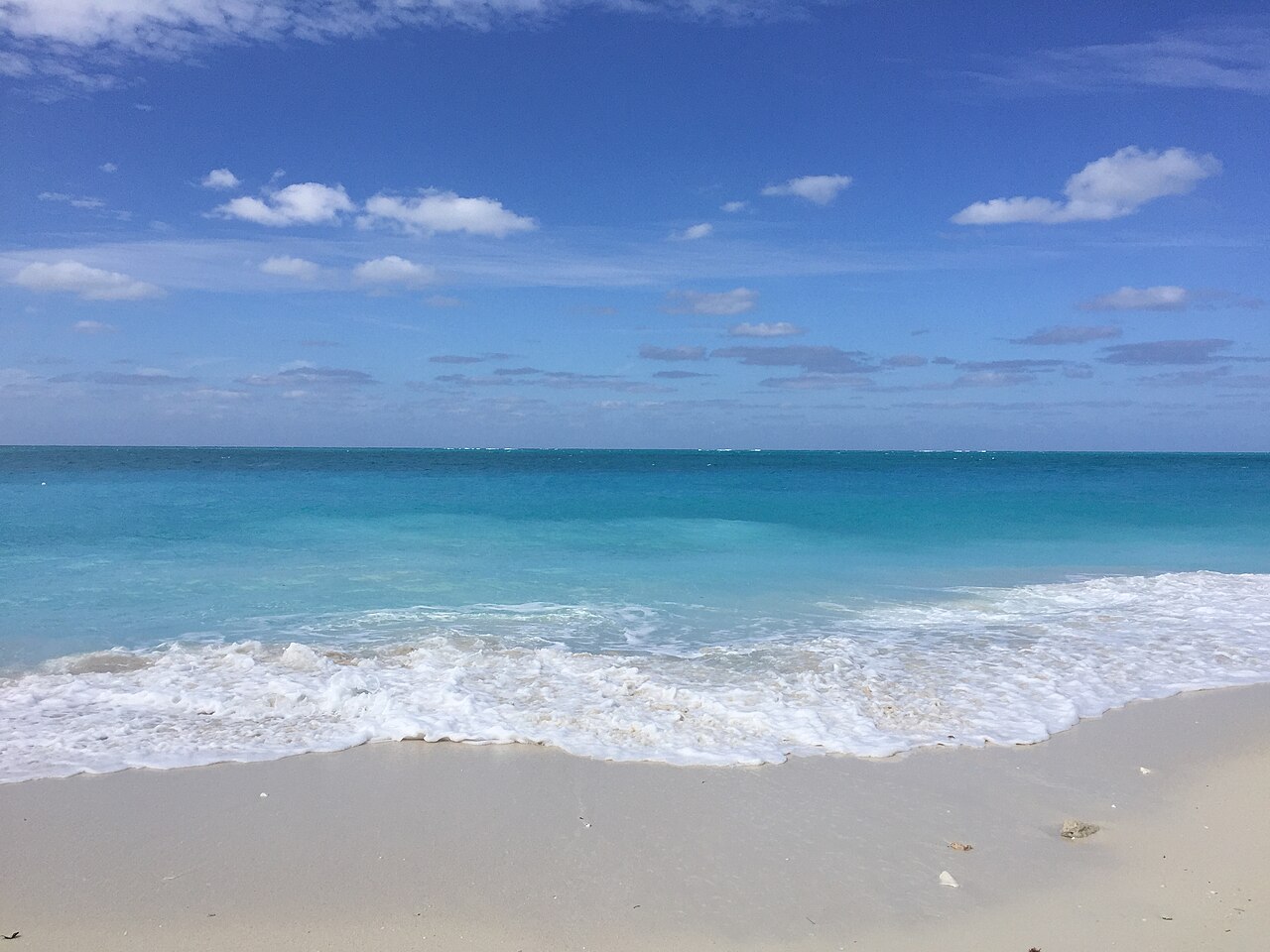
What's the weather like in Turks and Caicos Islands in November?
In November, days in Turks and Caicos Islands average 28 °C and 27 °C at night, and the sea is 28 °C. In December, days in Turks and Caicos Islands average 27 °C and 26 °C at night, and the sea is 26 °C.
- November28°
 27 °C at night
 28 °C sea temperature
 7 hours of sun a day14 rain daysBeach Index 78 of 100
- December27°26 °C at night26 °C sea temperature7 hours of sun a day10 rain daysBeach Index 80 of 100
| Month | Jan | Feb | Mar | Apr | May | Jun | Jul | Aug | Sep | Oct | Nov | Dec |
|---|---|---|---|---|---|---|---|---|---|---|---|---|
| Day °C | 26 | 26 | 26 | 26 | 27 | 29 | 29 | 29 | 30 | 29 | 28 | 27 |
| Night °C | 25 | 24 | 24 | 25 | 26 | 27 | 28 | 28 | 28 | 28 | 27 | 26 |
| Sea °C | 26 | 25 | 25 | 26 | 27 | 28 | 28 | 29 | 29 | 29 | 28 | 26 |
| Sun h/day | 8 | 9 | 9 | 9 | 9 | 9 | 9 | 9 | 9 | 8 | 7 | 7 |
| Rain days | 8 | 7 | 7 | 7 | 14 | 13 | 11 | 11 | 16 | 19 | 14 | 10 |
A practical weather chart for island days
The temperature range is remarkably consistent, so the month often matters more for rain, sunshine, and your preferred travel pace. January through March offers daytime temperatures of 26 °C, while nights sit between 24 °C and 25 °C. Sea temperatures of 25 °C or 26 °C support swimming, reef excursions, and unhurried afternoons beside the water.
 iPhoto: Boris Kasimov · CC BY 2.0 · Wikimedia Commons
From May through August, daytime temperatures rise from 27 °C to 29 °C and the sea reaches 28 °C in June, July, and August. Sunshine holds at nine hours in each of these months. May has 14 rain days, June has 13, July has 11, and August has 11. These conditions suit a vacation that mixes water activities with shaded breaks and flexible indoor stops.
December offers a comfortable transition into the year with 27 °C during the day, 26 °C at night, and a sea temperature of 26 °C. It has seven sunshine hours and ten rain days. For Canadian families balancing Christmas break, stat holidays, and leave days, a trip built around one main island base can keep transfers and daily planning straightforward.
iPhoto: Boris Kasimov · CC BY 2.0 · Wikimedia CommonsChoosing Provo, Grace Bay, or another island base
Grace Bay on Providenciales is a practical base for first-time visitors who want beaches, dining, excursions, and a compact holiday rhythm. Provo is also a sensible choice for a short stay because it gives you an established tourism centre without requiring you to move between islands for everyday activities. Keep your outings within a few themes: beach time, a boat trip, a nature activity, and a relaxed evening.
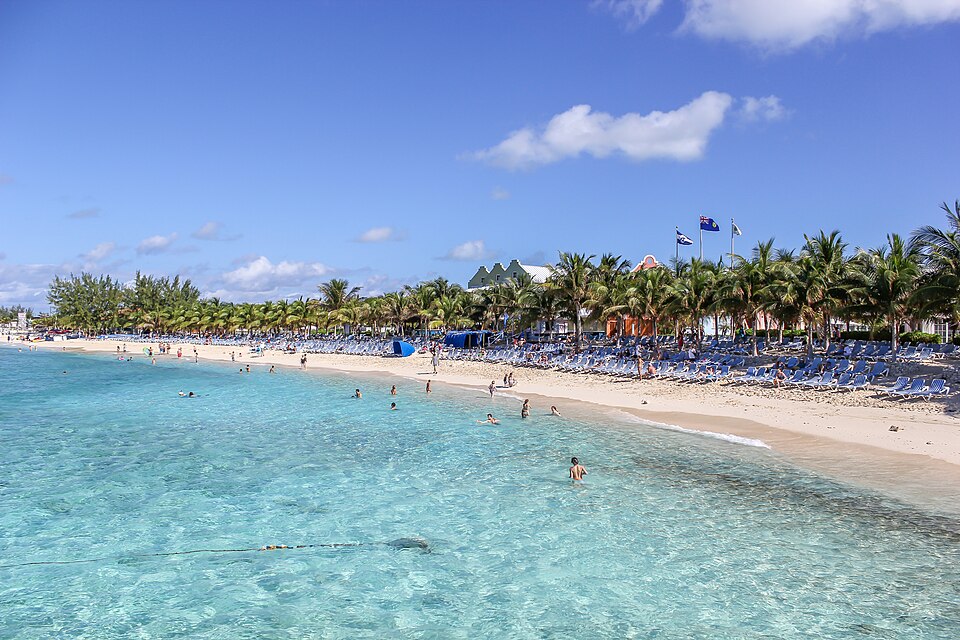 iPhoto: Jonathan Palombo · CC BY 2.0 · Wikimedia Commons
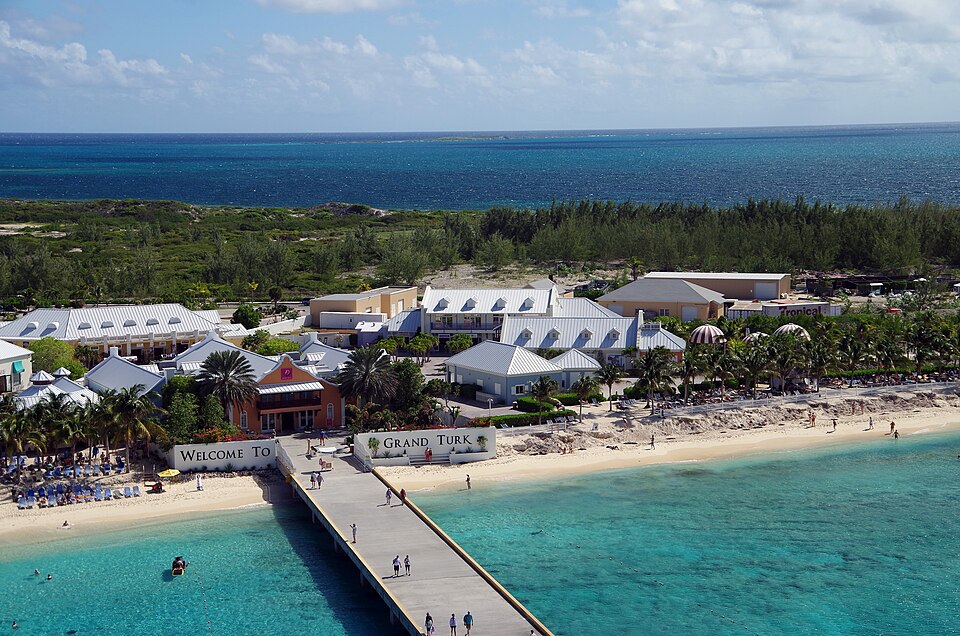 iPhoto: Balou46 · CC BY-SA 4.0 · Wikimedia Commons
Other islands suit travellers with a more focused interest. Grand Turk works well for visitors interested in history and water sports around Cockburn Town. Salt Cay and Grand Turk create a different island experience from Providenciales, while North Caicos appeals to travellers who value a quieter pace. Island choice and internal transport require early planning, particularly for a Canadian long weekend.
For a week, use one main base and treat any additional island as part of the itinerary rather than an automatic move. HolidayWow draws each day as a route on the map, with every stop and travel leg shown. You can drag a stop to another day, swap a place, or make a day lighter before booking partner stays, tours, transport, and flights.
- Grace Bay for a broad first visit
- Grand Turk for history and water activities
- Salt Cay for a quieter island rhythm
- North Caicos for nature and space
iPhoto: Jonathan Palombo · CC BY 2.0 · Wikimedia CommonsiPhoto: Balou46 · CC BY-SA 4.0 · Wikimedia Commons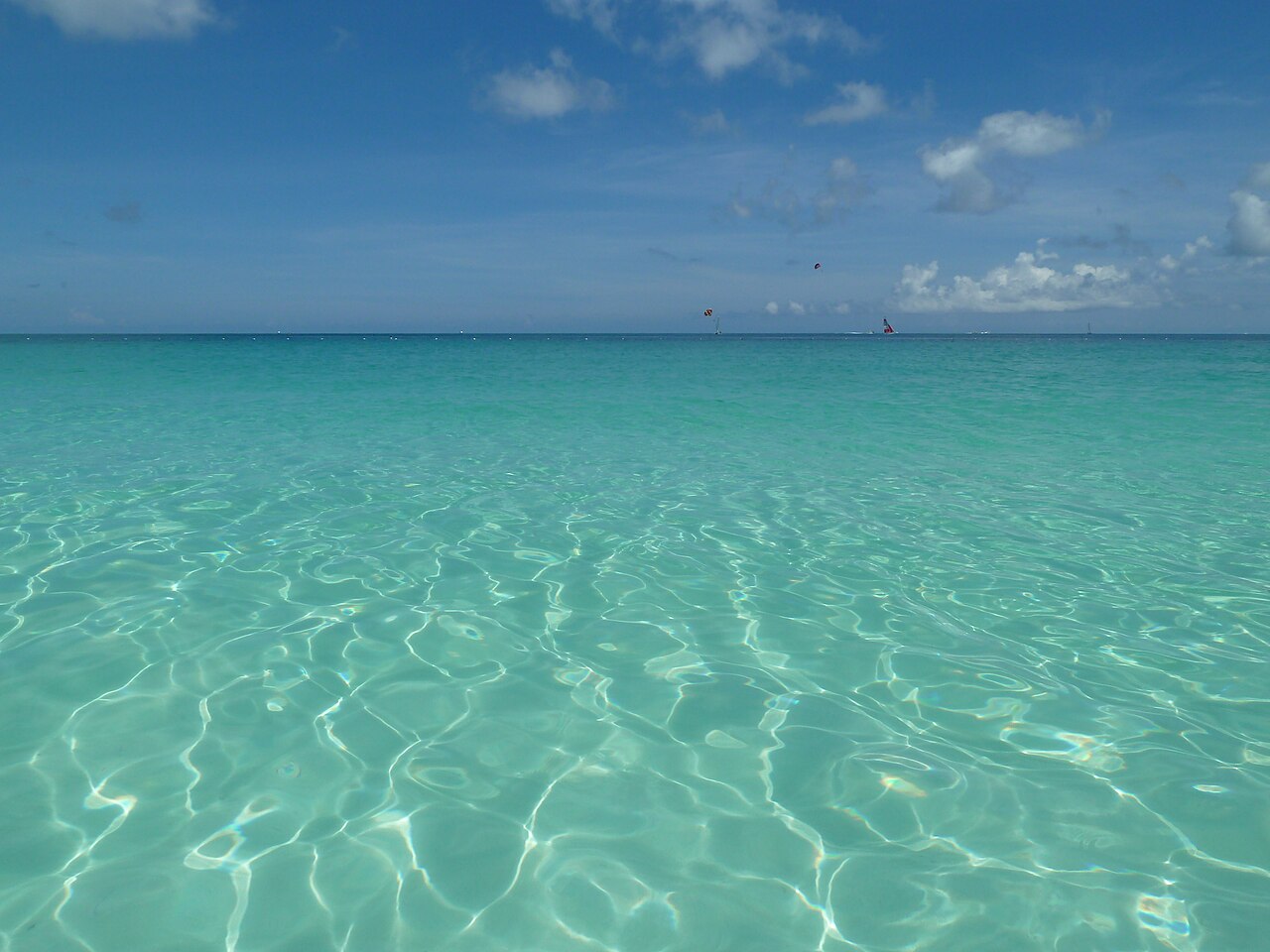 iPhoto: DAVID S. FERRY III from PLANT CITY,FL., U.S.A. · CC0 · Wikimedia Commons
Sea temperature in Turks and Caicos Islands
The sea averages 28 °C in November and 26 °C in December. With the sea at 21 °C or more, it's swim season all year round.
Beach Index November: every coastal placeBest time to travel in Turks and Caicos Islands
In Turks and Caicos Islands, the best time for a trip is November to August, with daytime highs up to 29 °C and the sea up to 29 °C.
Everything about a trip in Turks and Caicos IslandsWeather in Turks and Caicos Islands month by month
- January26 °C26 °C
- February26 °C25 °C
- March26 °C25 °C
- April26 °C26 °C
- May27 °C27 °C
- June29 °C28 °C
- July29 °C28 °C
- August29 °C29 °C
- September30 °C29 °C
- October29 °C29 °C
- November28 °C28 °C
- December27 °C26 °C
Plan a relaxed seven day island itinerary
A balanced first week gives you enough time to settle into the climate and experience more than one part of the islands. Begin with arrival, your accommodation, and a light evening near the beach. Let the first full day establish your beach routine, then add an excursion. Keep another day flexible for a second visit to the water or for moving an activity after a shower.
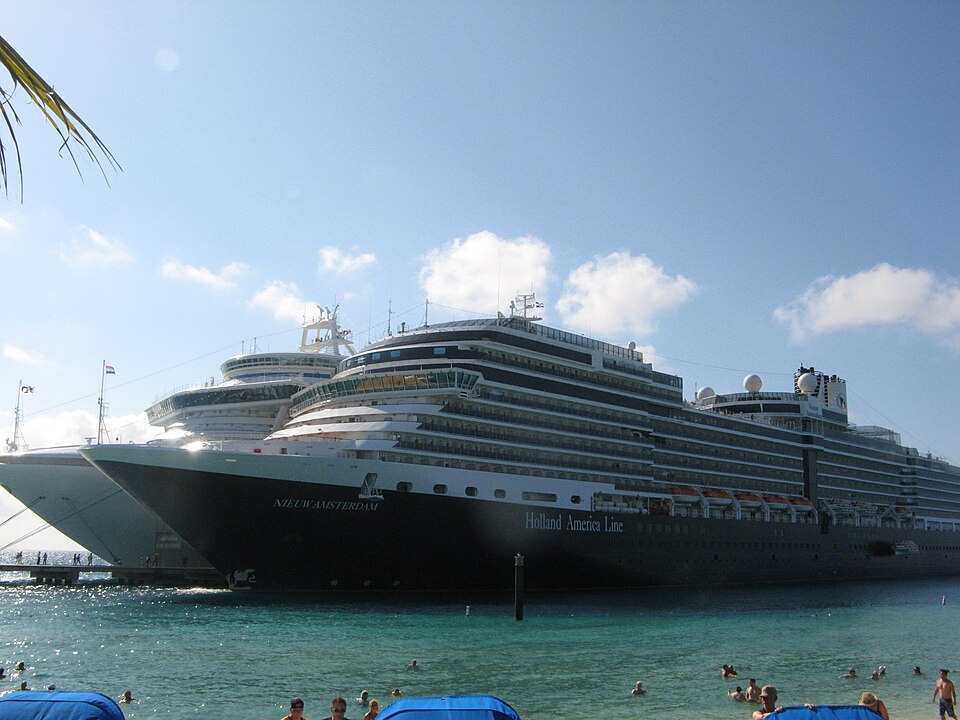 iPhoto: Cybergoth · CC BY-SA 1.0 · Wikimedia Commons

A useful week alternates activity and recovery. Spend one day with Grace Bay, one on an organized boat or water excursion, and another visiting the historic and coastal character of Grand Turk if island transfers suit your group. Leave a day for repeat favourites, such as swimming, kayaking, dining, or a calm afternoon under shade. The balanced pace of two to three stops per day gives the week structure without making every hour rigid.
Canadian travellers using the Long Weekend planner can connect public holidays and leave days before choosing dates. March break is a natural fit, while summer vacation and Christmas break support a longer family rhythm. Dates are optional while shaping the idea, and adding them later brings weekdays, live weather, and live prices into each day card. The app is free to download and to plan with.
- Arrival day and a beach walk
- Grace Bay swimming and kayaking
- A boat or reef excursion
- Grand Turk history and coastal sightseeing
- A free day for repeat activities
- A final sunset beach session
iPhoto: Cybergoth · CC BY-SA 1.0 · Wikimedia CommonsTravel from Canada with distances in view
Start with the distance from your home airport because it gives the departure end of your plan a clear scale. Toronto is 2,540 km from the Turks and Caicos Islands, Montreal is 2,640 km, Ottawa is 2,641 km, and Halifax is 2,678 km. Western and central Canadian airports are also represented in the page, helping you compare your travel context before choosing a vacation window.

Flight times to Turks and Caicos Islands
- from Toronto3 h 30nonstop
- from Montreal3 h 37nonstop
- from Ottawa3 h 36with a change
- from Halifax3 h 39with a change
Door to door planning gives the route a useful centre. In HolidayWow, describe the destination, month, group, pace, and budget in one sentence or by voice. The plan can begin at your home, include the airport ride and flight, and continue through the transfer to your first stay. Live prices appear in CAD through partner links when you are ready to compare booking options.
Pack with the climate and your island activities in mind. Swimwear, reef-safe sun protection, a light rain layer, and footwear for sand and water belong on the basic list. A packing list and checklist are built from the plan, the month, and the climate. The document vault also keeps passports, tickets, and confirmations with the trip they belong to.
- Home airport and return details
- Partner stay and transfer options
- Swimwear and reef-safe sun protection
- Light rain layer and water footwear
- Passports, tickets, and confirmations
Flight times to Turks and Caicos Islands
- from Toronto3 h 30nonstop
- from Montreal3 h 37nonstop
- from Ottawa3 h 36with a change
- from Halifax3 h 39with a change
Already started
Your trip in Turks and Caicos Islands
 26 °C by day in February
- Sea 25 °C
- from Toronto about 3 h 30
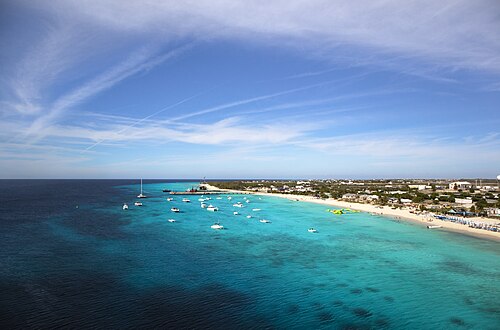 iPhoto: ParsonsPhotographyNL · CC BY-SA 4.0 · Wikimedia Commons
Day 1
Arrival in Grand Turk
Flight from Toronto in 3 h 30, nonstop. Settle in, first evening by the harbor or in the center.

Day 2
Sapodilla Bay Beach (Turks And Caicos)
Beach day: the sea is around 25 °C in February.
Day 3
Taylor Bay Beach
Beach day: the sea is around 25 °C in February.
Day 4
Bight Reef
Beach day: the sea is around 25 °C in February.

Day 5
On to Providenciales
A new base for the next few days; explore Providenciales on foot.
Day 6
Long Bay Beach
Beach day: the sea is around 25 °C in February.
Day 7
Last morning and flight home
One last coffee with a sea view, then back to Toronto.
Look around without an account; sign in to save.
Weather in Turks and Caicos Islands: frequently asked questions
What is the best time to visit Turks and Caicos?
December through April offers a balanced mix of warm air, pleasant sea temperatures, sunshine, and a comparatively lighter rain pattern. February is the driest month in the climate record. March combines daytime temperatures of 26 °C with nine sunshine hours, making it a strong choice for March break.
Is Turks and Caicos warm enough to swim in during winter?
Yes. January sea temperatures reach 26 °C, and they remain between 25 °C and 26 °C through April. December also records a sea temperature of 26 °C. These conditions suit beach stays, kayaking, reef trips, and relaxed swimming when you choose protective reef-safe sun care.
Which month has the warmest weather in Turks and Caicos?
September is the warmest month in the climate record. Daytime temperatures reach 30 °C, nights average 28 °C, and sea temperatures reach 29 °C. It works well for water activities and a relaxed resort rhythm, with breaks around midday and plenty of hydration part of a comfortable day.
What should I know about rain during the wettest months?
October has the highest rain pattern, with 19 rain days and 89 mm recorded. September also receives 66 mm. Warm sea temperatures continue through both months, so a flexible itinerary can place boat trips and beach outings around wet periods while keeping indoor meals and tours close at hand.
Can Canadians plan around March break or a long weekend?
Yes. HolidayWow includes a Long Weekend planner for Canada, based on public holidays and leave days. March break, summer vacation, and Christmas break can guide a family itinerary. You can first plan with a month, then add dates to bring weekdays, live weather, and live prices into the day cards.
How can I adapt an island plan when the weather changes?
Choose a balanced or relaxed pace, then keep excursions flexible. HolidayWow lets you move stops between days, change a place, or lighten a day after a shift. Its side panel understands your selected day or stop, while the map keeps the route, bases, and daily order visible as the plan changes.



Your next trip
Plan your vacation in Turks and Caicos Islands

Describe your trip in one sentence. When, who with and what matters to you.