Ten years of climate
Temperature, sea, sun and rain days for every month, measured, not guessed. You see how your trip will feel before you go.


Published October 11, 2026 · HolidayWow editors · Written with AI, numbers checked against our data ·
A New York group tour works well when everyone shares a clear plan, a comfortable pace, and a few important priorities. Use a map based itinerary to connect Manhattan highlights, Brooklyn, local neighbourhoods, and time together without turning the vacation into a rigid schedule.
Start by asking the group what everyone wants from New York. Some travellers may value museums and landmarks, while others may prefer neighbourhoods, food, shopping, or a relaxed evening after a full day. A shared plan makes the main choices visible and gives everyone a chance to suggest a place before the itinerary takes shape.
 New YorkiPhoto: King of Hearts · CC BY-SA 4.0 · Wikimedia Commons
 ManhattaniPhoto: Jakub Hałun · CC BY 4.0 · Wikimedia Commons
Manhattan can anchor the first part of the trip when the group wants to see the Empire State Building, Central Park, Times Square, and the city skyline. Add Brooklyn for a change of pace, with the Brooklyn Bridge and its waterfront views giving the group an outdoor stop. Group places that work well together on the same day.
HolidayWow reads a trip description such as a group visit to New York and places the days on a map. You can set a relaxed, balanced, or packed pace for the whole trip or change it for a particular day. That flexibility helps a group move at a steady rhythm while leaving room for spontaneous stops.
New YorkiPhoto: King of Hearts · CC BY-SA 4.0 · Wikimedia CommonsManhattaniPhoto: Jakub Hałun · CC BY 4.0 · Wikimedia CommonsA central Manhattan base gives the group convenient access to major sights and makes it easier to change the order of a day. It also suits travellers who want to walk between landmarks, use the subway, and return to the same neighbourhood for meals. Choose a stay location according to the kind of experience the group values most.
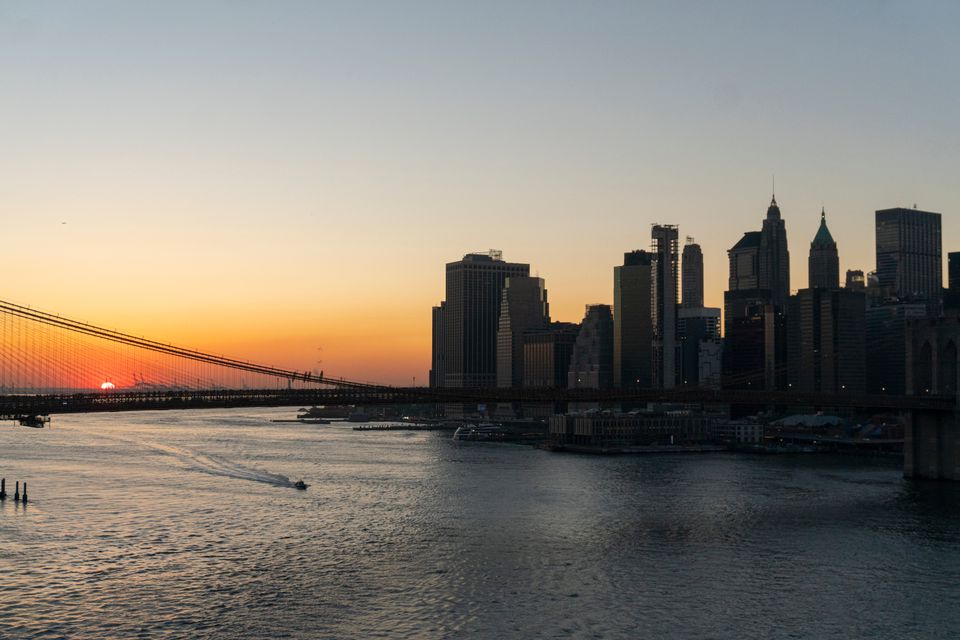
Staying in Brooklyn creates a useful alternative base for a group that prefers neighbourhood atmosphere, food, and a quieter evening. The Brooklyn Bridge connects the borough to Lower Manhattan, making it a natural pairing with a day spent around downtown. A group can return to Manhattan for an evening activity or a planned dinner.
The plan does not require hotel changes every day. Keeping a small number of bases gives the group time to settle in and makes document storage easier. The map shows each day, stop, and route, so the group can understand how the bases relate to the places it wants to visit.

New York's seasons shape the practical rhythm of a group tour. Spring brings day temperatures around 11 °C in April and 19 °C in May, while summer reaches 25 °C in July. Warmer months work well for longer walks, waterfront stops, and outdoor time, with sunglasses, water, and light layers ready for changing conditions.

Autumn offers comfortable daytime conditions in September and October, with September reaching 21 °C and October reaching 14 °C. These months suit sightseeing days with time for neighbourhoods and bridge views. In winter, group members can plan shorter walking blocks and more time indoors, using museums, galleries, and restaurants as part of the daily route.
The destination climate data also shows the difference between warm days and cold nights, especially from November through March. A packed schedule can look attractive on paper, while a balanced pace often gives a group more energy for the places it travelled to see. The planner lets you lighten a day after checking the route and selected stops.
New trip


When, who with, what matters and what's a no. No form, no ten filters. HolidayWow understands the dates, budget, departure point, pace and wishes from one sentence.

New trip
Every idea comes with a total price and a clear answer to why it fits you: weather, flight time, beaches, food, short distances.

Your trip ideas
Sicily
Food · small towns · sea
7 days for 2

Crete
Sea · tavernas · nature
7 days for 2
Mallorca
Sea · comfort · short distances
7 days for 2
Arrival, transfer, check-in, sunset, dinner. Just say “make it cheaper” or “no rental car” and the trip adapts.

Day 1
Arrival
Arrival in Heraklion Transfer · 35 minCheck-in by the sea
 Sunset
 Taverna at the harbor
Rain on the way? Then the beach day becomes a day at the market and a museum. Flight status, weather and your day plan in one place.

Day 3 · boat trip
A group tour benefits from decisions made together. Confirm which neighbourhoods the group wants to cover, which landmarks are priorities, and how much free time everyone wants each day. Share the plan early so people can flag mobility needs, food preferences, and interests that deserve a place in the route.

HolidayWow gives the group one link to the same plan, with roles for viewing and editing. Members can vote and comment on the selected route, while the assistant can adjust a day, stop, or travel moment through the same actions used by the buttons. The result is a shared planning process connected to the actual map.
A checklist and packing list are built from the plan, the month, and the climate. The document vault keeps passports, tickets, and confirmations with the trip they belong to. For Canadian travellers, the Long Weekend planner can also connect public holidays and leave days with a broader vacation idea.

For a three day visit, begin with a central Manhattan day that brings together a landmark, a park, and an evening neighbourhood. The second day can cross to Brooklyn for the Brooklyn Bridge and waterfront views, then return to a dinner area chosen by the group. Keep the final day focused on one or two activities that everyone has been looking forward to.

This outline suits a group that wants a clear introduction to New York without spreading the route too widely. The planner can set two to three stops for a balanced day, move a stop to another date, or swap a place when the group changes its mind. Each day stays connected to the map, making the route easy to review together.
For a seven day trip, divide the visit into themed areas and give the group breathing room. Use some days for Manhattan landmarks, one day for Brooklyn, and another for a neighbourhood food or arts outing. Dates are optional when you begin planning, so the group can first choose a month and add exact days later.
The distance to New York changes the way a Canadian group can shape the trip. From Toronto, the city is 382 km away, while Montreal is 292 km away and Ottawa is 264 km away. Put the arrival and departure details beside the itinerary so the group can coordinate airport transfers, hotel arrivals, and the first planned stop.
 VancouveriPhoto: Quintin Soloviev · CC BY 4.0 · Wikimedia Commons
 MontrealiPhoto: https://www.pxfuel.com/ · CC0 · Wikimedia Commons
The same plan can also include travellers from Vancouver, Calgary, Edmonton, Halifax, and Winnipeg. Their distances are 3,713 km, 3,049 km, 3,038 km, 943 km, and 1,860 km respectively. Share the map early, since a common arrival day gives everyone a clear reference for meetings and the first evening.
A group budget in the home currency adds practical structure to the planning stage. HolidayWow supports price watch for stays and tours and cost splitting for groups. Partner links show live prices in CAD, and the document vault keeps tickets, passports, and confirmations beside the relevant day of the trip.
VancouveriPhoto: Quintin Soloviev · CC BY 4.0 · Wikimedia CommonsMontrealiPhoto: https://www.pxfuel.com/ · CC0 · Wikimedia Commons
Temperature, sea, sun and rain days for every month, measured, not guessed. You see how your trip will feel before you go.
Nonstop flights, flight times and transfers from 8 Canadian airports, worked out from your door to the hotel.

Flights, hotel, transfers and experiences in one sum for everyone traveling, with the provider and when the price was checked. No teaser prices.
A group plan becomes stronger when preferences are recorded beside the itinerary. Ask members to comment on landmarks, food, art, shopping, parks, and photo opportunities. The group can then choose a balanced set of stops and leave room for a spontaneous change during the trip.

HolidayWow lets members vote and comment on the same plan, with roles for viewing and editing. You can move a stop to another day, swap a place, make a day lighter, and let the plan checker reorder the route after each change. This keeps the itinerary responsive to the people using it.
The trip film presents the flight arc, bases, and each day on the map, and it can be shared with the group. A shared plan gives Canadian travellers a clear place to review decisions, budgets, documents, and next steps before departure.
A balanced pace suits many groups because it allows two to three stops while preserving time for meals, transit, and a relaxed evening. Choose a relaxed pace for a group that enjoys neighbourhoods and longer breaks, or a packed pace when the itinerary centres on major sights. You can change the setting for an individual day.
Yes. Keep the day easy to adjust by mixing indoor attractions with outdoor stops and building in regular breaks. A family or mixed age group can set a relaxed pace, share one plan, and use comments or voting to decide which landmarks, museums, and neighbourhoods matter most to everyone.
Manhattan suits a tour centred on famous landmarks, Central Park, Times Square, and a broad range of museums. Brooklyn offers neighbourhood character, the Brooklyn Bridge, waterfront views, and a strong fit for food oriented groups. A plan with one base or two nearby bases gives everyone a clear structure.
The planner shows live partner prices and provides links for stays, tours, transport, and flights. Booking can happen through those partner links in your language and CAD. The plan also supports cost splitting, price watch, and a document vault for tickets and confirmations.
May through October gives the group comfortable daytime conditions for sightseeing and outdoor stops. September and October are useful choices for autumn colours and a steady sightseeing rhythm. Winter trips suit groups that prefer museums, galleries, food, and indoor activities, with warmer layers ready for outdoor views.

Your next trip

Describe your trip in one sentence. When, who with and what matters to you.

Where it's warm right now, real fare finds from your airport, long weekends for your province and a ready-made trip to make your own.