November: 8 °C by day
Switzerland Weather and the Best Time to Visit
Published October 14, 2026 · HolidayWow editors · Written with AI, numbers checked against our data ·
The best time to visit Switzerland depends on the trip you want. Summer suits lake towns, hiking and long daylight hours, while spring brings lower alpine snow and autumn offers crisp mountain walks. Winter serves skiers, winter walks and festive city breaks. Check each base because temperature changes with elevation and local conditions.
In Switzerland, the best months for a trip are July and August, with daytime highs up to 21 °C.
Weather looks good?7 days in Switzerland in August, Beach and hiking, from Montreal on your own
Plan a trip
Now in Switzerland
1 °C
Changeable
Wind 8 km/h, Humidity 78%
As of 00:14 local time
The next 7 days
- Today
 5° / 1°heavy rain13 mm rain
- Tomorrow5° / 0°Light showers13 mm rain
- Thursday1° / -2°Changeable10 mm rain
- Friday1° / -4°Changeable12 mm rain
- Saturday-1° / -3°Cloudy9 mm rain
- Sunday1° / -12°Changeable8 mm rain
- Monday
 -1° / -2°Snow19 mm rain
Choose a Swiss season that matches your activities
Summer is the easiest season to read at a glance: warm afternoons, long days and a broad choice of lake, rail and hiking routes. The country reaches its highest listed daytime temperatures in July and August, making them practical choices for travellers who want to explore several regions. Even then, carry a light layer for shaded trails, mountain lifts and evenings beside a lake.
Spring works well when you want a blend of mountain scenery, flowers and reliable town connections. May is wetter than February in the supplied climate record, yet warmer weather opens more outdoor possibilities. Autumn suits travellers who value clear mountain views and a gentle travel rhythm. Winter centres make the most sense when snow and winter recreation are central to your vacation.
Read the forecast for elevation, not the country alone
Swiss weather varies sharply between lake level, city centres and high alpine areas. A mild afternoon beside Lake Geneva or Lake Lucerne can coexist with snow above a mountain village. Forecasts therefore matter more than the national monthly figures when you are choosing a hike, visiting a summit or travelling between valleys. Keep the final weather check close to departure and keep each day flexible enough to move indoors.

Clouds and rain can also arrive between bright spells, especially during transitional seasons. Pack layers, water-resistant outerwear and footwear suited to the terrain you actually plan to use. A city trip centred on museums, food and lake walks requires a different packing list from an alpine route. Checking the forecast for your destination, month and planned elevation gives you the most useful picture.
What's the weather like in Switzerland in November?
In November, days in Switzerland average 8 °C and 0 °C at night. In December, days in Switzerland average 3 °C and -3 °C at night.
- November8°
 0 °C at night
 4 hours of sun a day14 rain days
- December3°-3 °C at night4 hours of sun a day15 rain days
| Month | Jan | Feb | Mar | Apr | May | Jun | Jul | Aug | Sep | Oct | Nov | Dec |
|---|---|---|---|---|---|---|---|---|---|---|---|---|
| Day °C | 2 | 4 | 7 | 12 | 15 | 20 | 21 | 21 | 18 | 14 | 8 | 3 |
| Night °C | -5 | -4 | -1 | 3 | 7 | 12 | 13 | 13 | 9 | 5 | 0 | -3 |
| Sun h/day | 4 | 6 | 7 | 6 | 6 | 7 | 8 | 7 | 6 | 5 | 4 | 4 |
| Rain days | 14 | 12 | 14 | 14 | 20 | 19 | 18 | 17 | 14 | 13 | 14 | 15 |
Build an itinerary around comfortable travel days
A balanced Swiss itinerary benefits from one or two anchors, such as Zurich for arrival, Lucerne for lakes and mountain views, or Bern for its central position. From there, add rail journeys to scenic towns and day trips rather than creating a route with constant packing and unpacking. Two nights in a base often create a better sense of place than moving after every night.
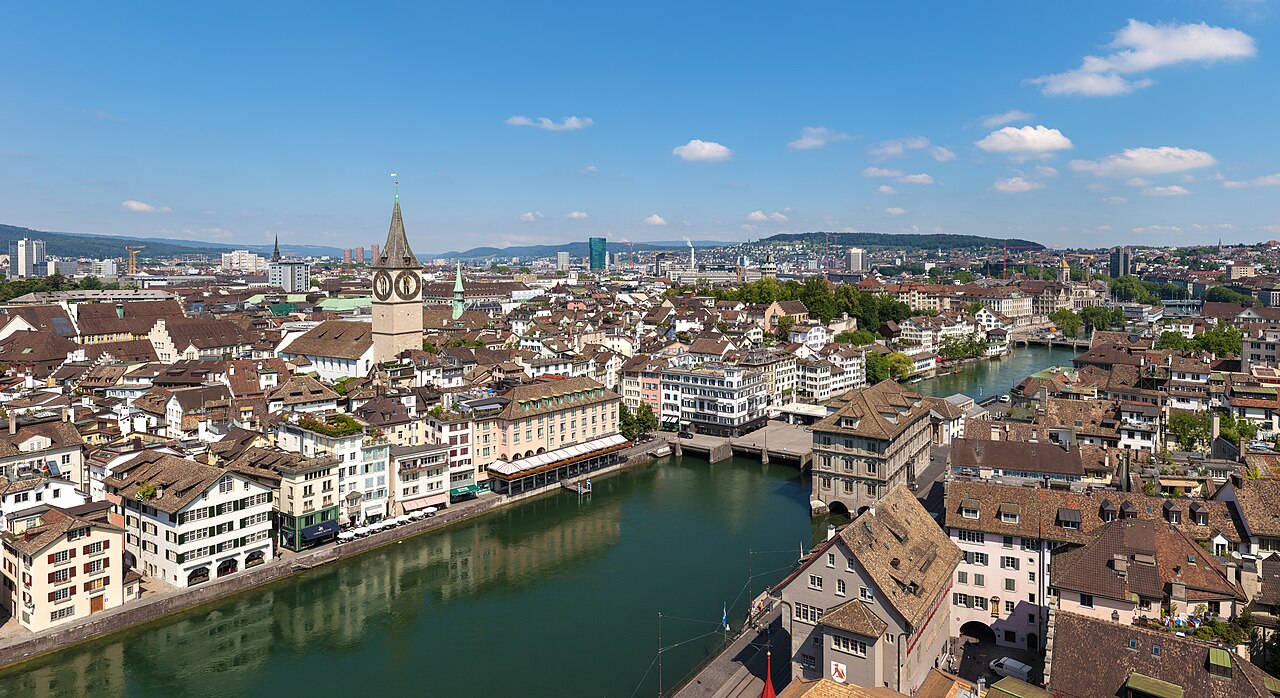
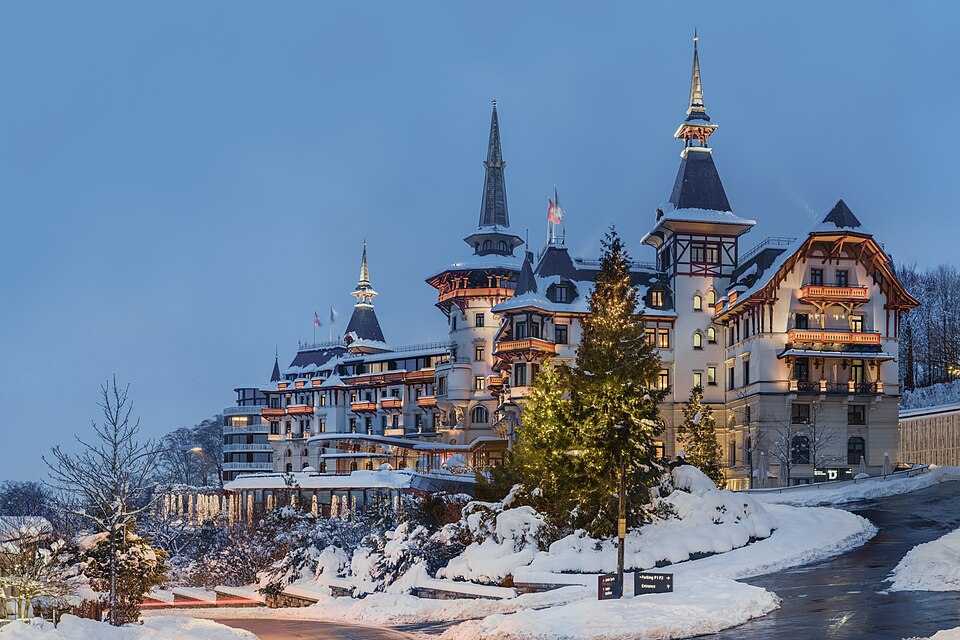 ZurichiPhoto: NOTE: This image is a panorama consisting of multiple frames that were merged or stitched in software. As a result, this · CC BY-SA 4.0 · Wikimedia Commons
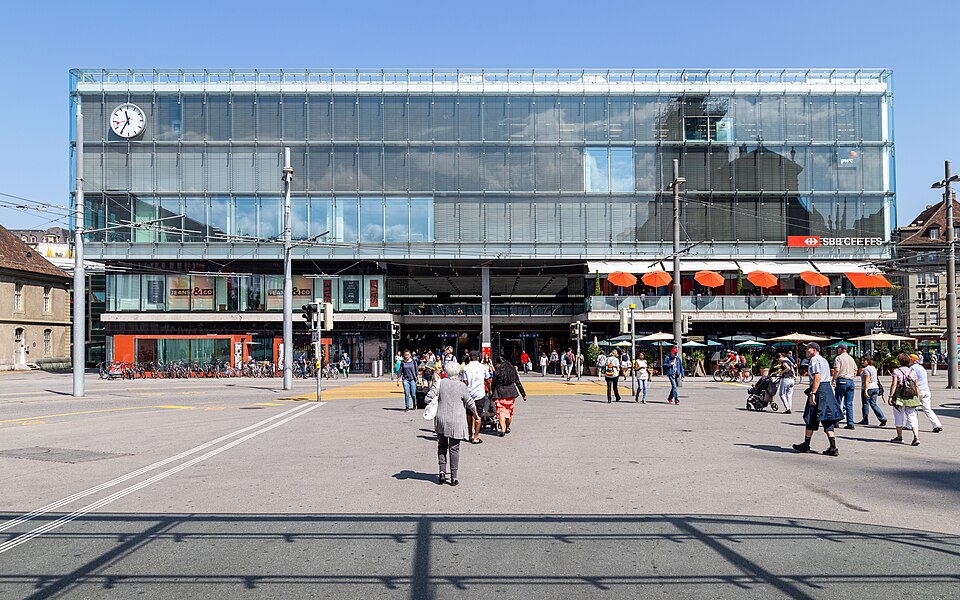 BerniPhoto: JoachimKohler-HB · CC BY-SA 4.0 · Wikimedia Commons
For a seven day trip, use the first day to settle into your arrival city, choose two full days for regional sightseeing, and save time for a mountain or lakeside excursion. Keep one day light for a weather change, a slower meal or a spontaneous neighbourhood walk. The balanced pace fits most groups and leaves room to slow down after a journey from Canada.
ZurichiPhoto: NOTE: This image is a panorama consisting of multiple frames that were merged or stitched in software. As a result, this · CC BY-SA 4.0 · Wikimedia CommonsBerniPhoto: JoachimKohler-HB · CC BY-SA 4.0 · Wikimedia CommonsTurn Canadian dates into a flexible mountain plan
The distance from Toronto to Switzerland is 6,510 km, while Montreal is 6,013 km and Calgary is 7,809 km. These live distances make the scale of the journey clear and help you compare nearby departure options. Once the broader travel pattern is settled, use March break, summer vacation or Christmas break to anchor the calendar around Canadian school schedules.
 iPhoto: Daniel Kraft · CC BY-SA 3.0 · Wikimedia Commons
HolidayWow's Long Weekend planner can help you combine public holidays and Canadian leave days into a longer trip. Describe the destination, month, group and pace in one sentence or by voice. The resulting plan places each day and stop on a map, and you can move a stop, lighten a day or change a base as the forecast and booking decisions develop.
iPhoto: Daniel Kraft · CC BY-SA 3.0 · Wikimedia CommonsBest time to travel in Switzerland
In Switzerland, the best months for a trip are July and August, with daytime highs up to 21 °C.
Everything about a trip in SwitzerlandWeather in Switzerland month by month
- January2 °C
- February4 °C
- March7 °C
- April12 °C
- May15 °C
- June20 °C
- July21 °C
- August21 °C
- September18 °C
- October14 °C
- November8 °C
- December3 °C
Already started
Your trip in Switzerland
 21 °C by day in August
 from Montreal about 7 h 26
Day 1
Arrival in Zurich
Flight from Montreal in 7 h 26, nonstop. Settle in, first evening by the harbor or in the center.

Day 2
Reichenbachfall
Start early; bring water and sturdy shoes.
Day 3
Staubbachfall
Start early; bring water and sturdy shoes.
Day 4
Trümmelbachfälle
Start early; bring water and sturdy shoes.

Day 5
On to Bern
A new base for the next few days; explore Bern on foot.
Day 6
Engstligenfälle
Start early; bring water and sturdy shoes.
Day 7
Last morning and flight home
One last walk, then back to Montreal.
Look around without an account; sign in to save.
Weather in Switzerland: frequently asked questions
What is the best time to visit Switzerland for hiking?
Summer provides the warmest weather and longest daylight periods, making it a practical choice for many alpine walks. Spring and autumn can suit experienced hikers who value fresh mountain scenery and a quieter rhythm. Check trail access, elevation forecasts and local conditions before each outing because weather across Swiss regions can change quickly.
Is Switzerland good for a winter vacation?
Winter is well suited to skiing, snowboarding, winter walking and festive visits to Swiss cities. Choose a mountain centre for snow activities or base in a city and add regional excursions. Your packing list should reflect the exact activities, including waterproof layers, suitable cold-weather gear and footwear for snow or ice.
Which Swiss month offers the warmest afternoons?
July and August share the highest daytime temperature in the supplied climate data, at 21 °C. The warmer weather is useful for lakes, walking and combining several bases. High elevations can still feel cool, so a light layer belongs in your packing list even during the warmest part of the year.
How should I plan around Swiss rain?
Place outdoor activities early in the day when forecasts are favourable, then keep a flexible indoor option nearby. Museums, thermal baths, food tours and local markets work well around changeable weather. HolidayWow can show each stop on the map, helping you group nearby activities and reduce travel after conditions shift.
Can HolidayWow help plan a trip to Switzerland?
Yes. Enter your destination, dates or month, group and preferred pace in one sentence or through voice input. The planner builds an editable route, supplies climate information, shows partner booking options and helps organize packing, costs and documents. The app is free to download and to plan with.

Your next trip
Plan your vacation in Switzerland

Describe your trip in one sentence. When, who with and what matters to you.