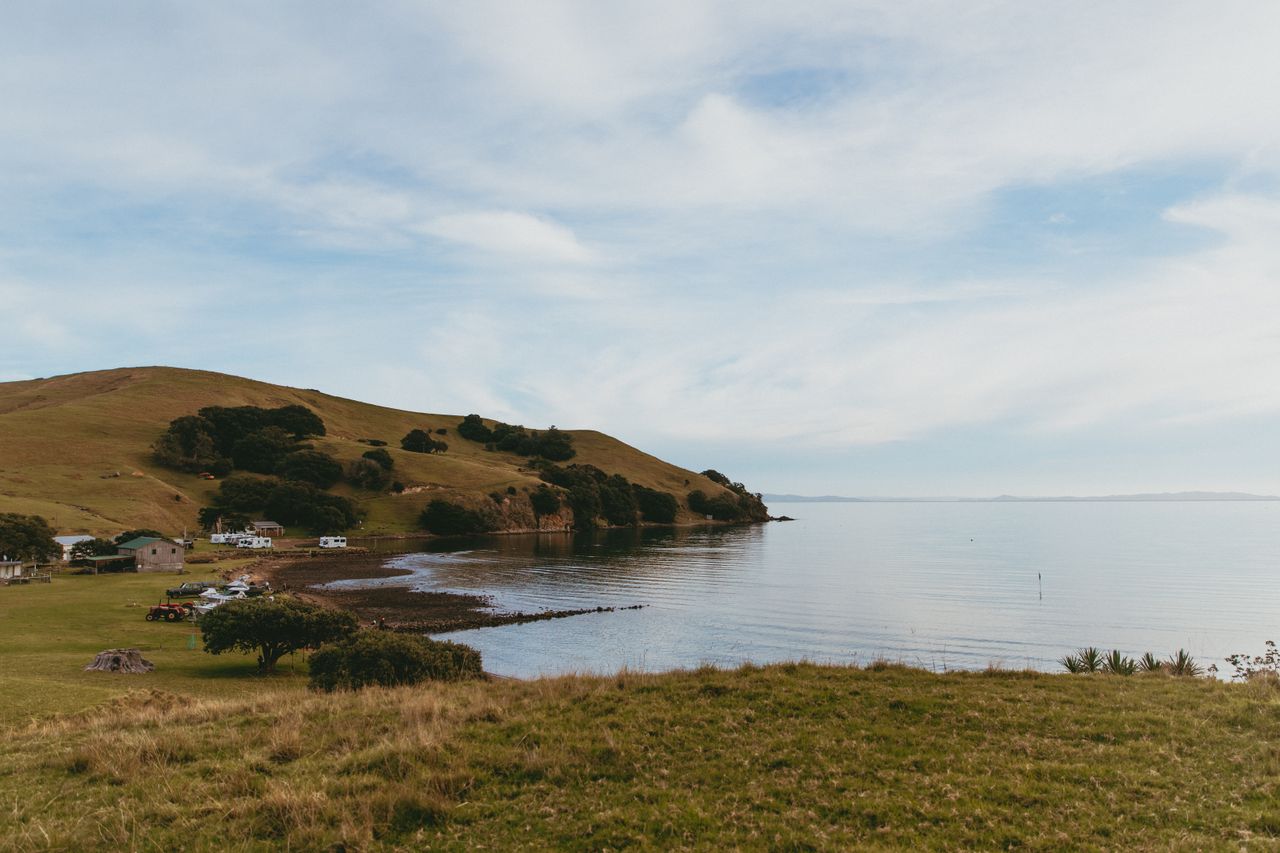
November: 16 °C by day
New Zealand weather for every season
Published October 14, 2026 · HolidayWow editors · Written with AI, numbers checked against our data ·
New Zealand suits many kinds of vacations, with the strongest choice depending on the season and your priorities. Summer offers the warmest days and long daylight, autumn brings colour and softer sightseeing weather, winter serves ski and hot spring trips, and spring suits flexible explorers who can handle changeable conditions.
In New Zealand, the best time for a trip is January to March, with daytime highs up to 20 °C.
Weather looks good?7 days in New Zealand in February, Beach and hiking, from Vancouver on your own
Plan a trip
Now in New Zealand
19 °C
Partly cloudy
Wind 22 km/h, Humidity 60%
As of 14:57 local time
The next 7 days
- Today19° / 12°Partly cloudy
- Tomorrow
 20° / 11°Cloudy1 mm rain
- Thursday16° / 9°Partly cloudy
- Friday18° / 11°Partly cloudy
- Saturday17° / 12°Partly cloudy1 mm rain
- Sunday19° / 12°Partly cloudy
- Monday19° / 14°Cloudy
What New Zealand weather means for your vacation
New Zealand has a temperate maritime climate, so conditions change quickly across a relatively compact country. The North Island and South Island have different regional patterns, and the same month can bring different skies within a short journey. For a first visit, January through March offers the warmest daytime averages, while June through August provides a clear winter framework for alpine activities and indoor attractions.
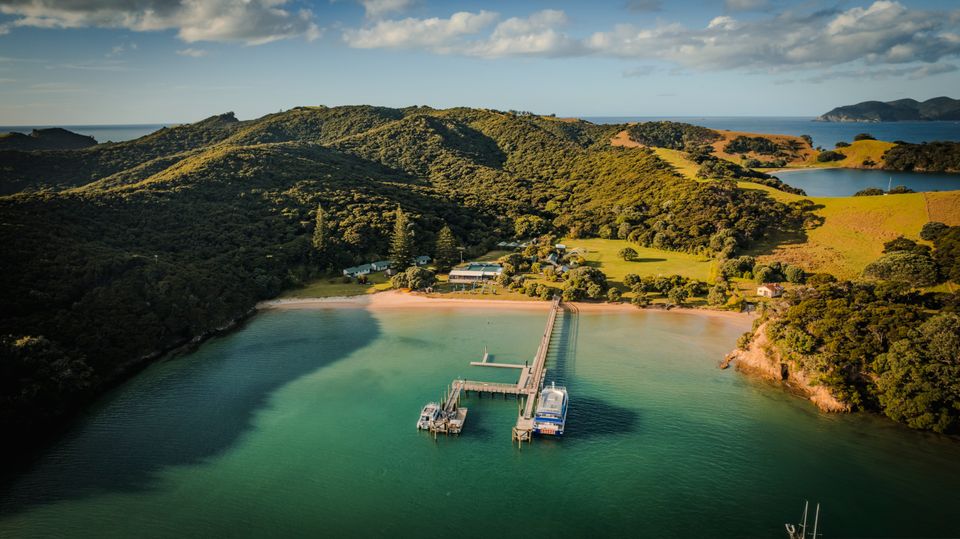
Your best month depends on the trip you want. Long days favour hiking, touring and time outdoors. Winter supports snow sports and hot spring visits. Shoulder seasons can suit food trips, city stops and scenic travel because daily warmth remains practical for many sightseeing plans. A sound packing routine matters throughout the year, with layers giving you the flexibility to move between sun, wind and rain.
Choosing the warmest season for outdoor travel
January is the warmest month in the climate record, with average daytime temperatures of 20 °C and night temperatures of 15 °C. February follows closely at 20 °C by day and 16 °C at night. Both months also provide nine sunshine hours in the average day, making them practical choices for sightseeing, coastal walks and road journeys when you want the strongest seasonal warmth.
 iPhoto: Michal Klajban · CC BY-SA 4.0 · Wikimedia Commons
November and December offer another attractive outdoor window. November records 16 °C by day, 12 °C at night and nine sunshine hours. December reaches 18 °C by day and 14 °C at night, also with nine sunshine hours. These months work well for travellers who value comfortable exploration and do not need peak summer heat.
iPhoto: Michal Klajban · CC BY-SA 4.0 · Wikimedia Commons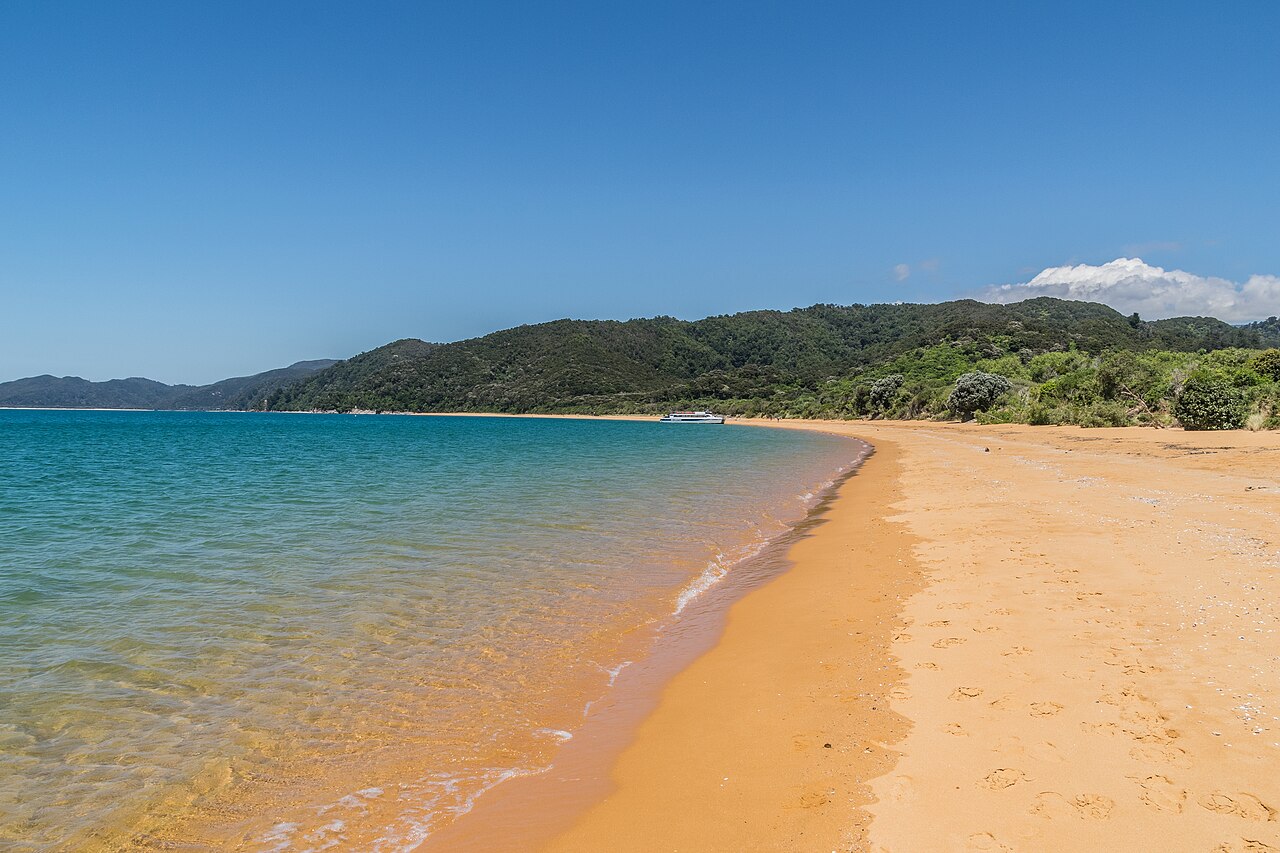
What's the weather like in New Zealand in November?
In November, days in New Zealand average 16 °C and 12 °C at night. In December, days in New Zealand average 18 °C and 14 °C at night.
- November16°
 12 °C at night
 9 hours of sun a day
 11 rain days
- December18°14 °C at night9 hours of sun a day11 rain days
| Month | Jan | Feb | Mar | Apr | May | Jun | Jul | Aug | Sep | Oct | Nov | Dec |
|---|---|---|---|---|---|---|---|---|---|---|---|---|
| Day °C | 20 | 20 | 19 | 17 | 15 | 12 | 12 | 12 | 13 | 14 | 16 | 18 |
| Night °C | 15 | 16 | 14 | 13 | 11 | 10 | 9 | 9 | 9 | 10 | 12 | 14 |
| Sun h/day | 9 | 9 | 8 | 6 | 5 | 4 | 4 | 6 | 7 | 8 | 9 | 9 |
| Rain days | 8 | 7 | 8 | 11 | 13 | 13 | 13 | 13 | 12 | 13 | 11 | 11 |
Autumn days for colour and flexible sightseeing
March is a useful choice for Canadian travellers seeking summer warmth with a pronounced seasonal change. Average daytime temperatures reach 19 °C and nights average 14 °C, with eight sunshine hours. April cools to 17 °C by day and 13 °C at night. Its six sunshine hours reward travellers who value comfortable temperatures and time for scenic drives, gardens and longer stops.
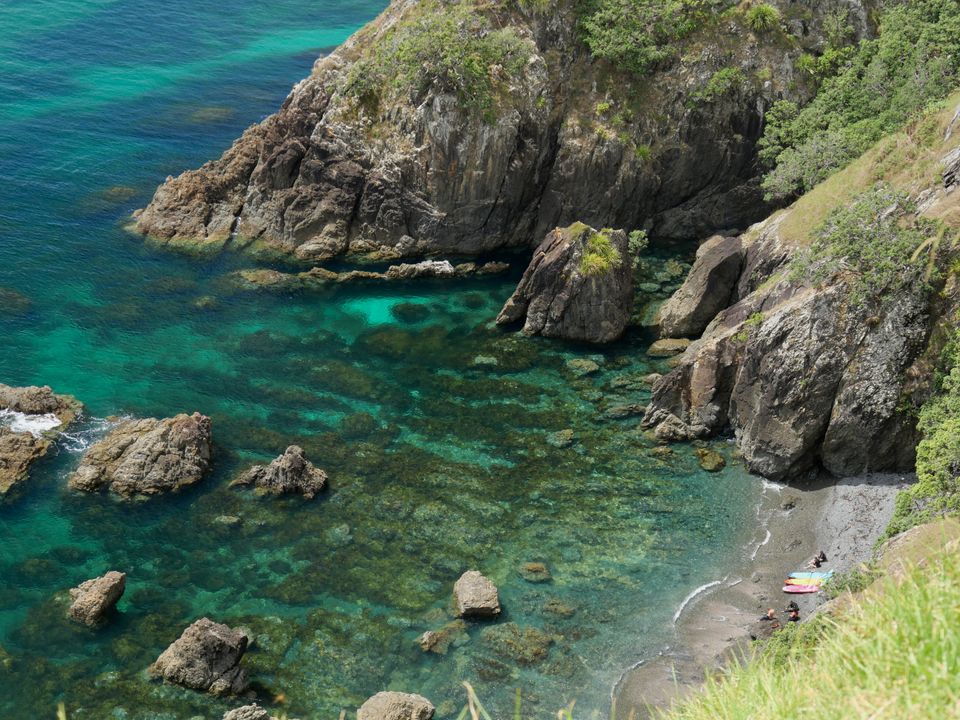
Autumn weather is changeable, so build some flexibility into the itinerary. Keep outdoor walks and viewpoints near the main plan, and place visits to indoor attractions, galleries or eateries where weather changes are easy to absorb. March can pair well with March break, while April may suit adults who prefer a transition into cooler travel conditions.
Spring travel when conditions can reward preparation
September records 13 °C by day and 9 °C at night, with seven sunshine hours. October warms to 14 °C by day and 10 °C at night, with eight sunshine hours. Spring suits an itinerary that combines outdoor discoveries with the freedom to adjust a route as conditions develop, particularly across the South Island and the central and northern North Island.
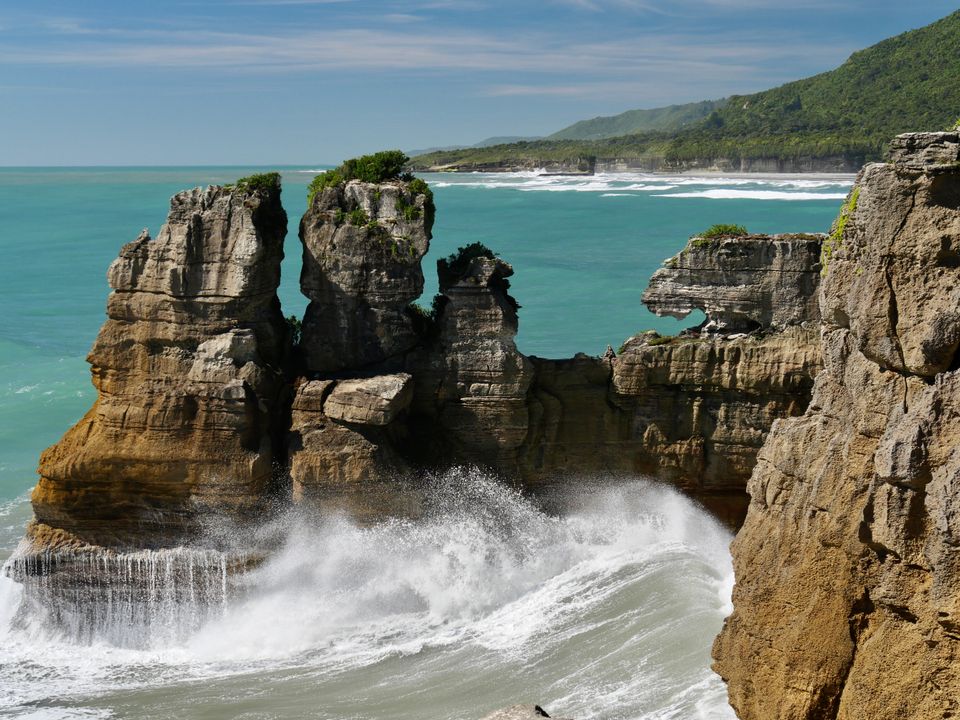
For a road trip, spring is a useful time to focus on one region at a time. Long daylight in the warmer months can support scenic touring, while packable layers help with early starts and changing skies. Keep a simple weather check beside each outing and leave enough time in the itinerary to pause for a walk, café or viewpoint.
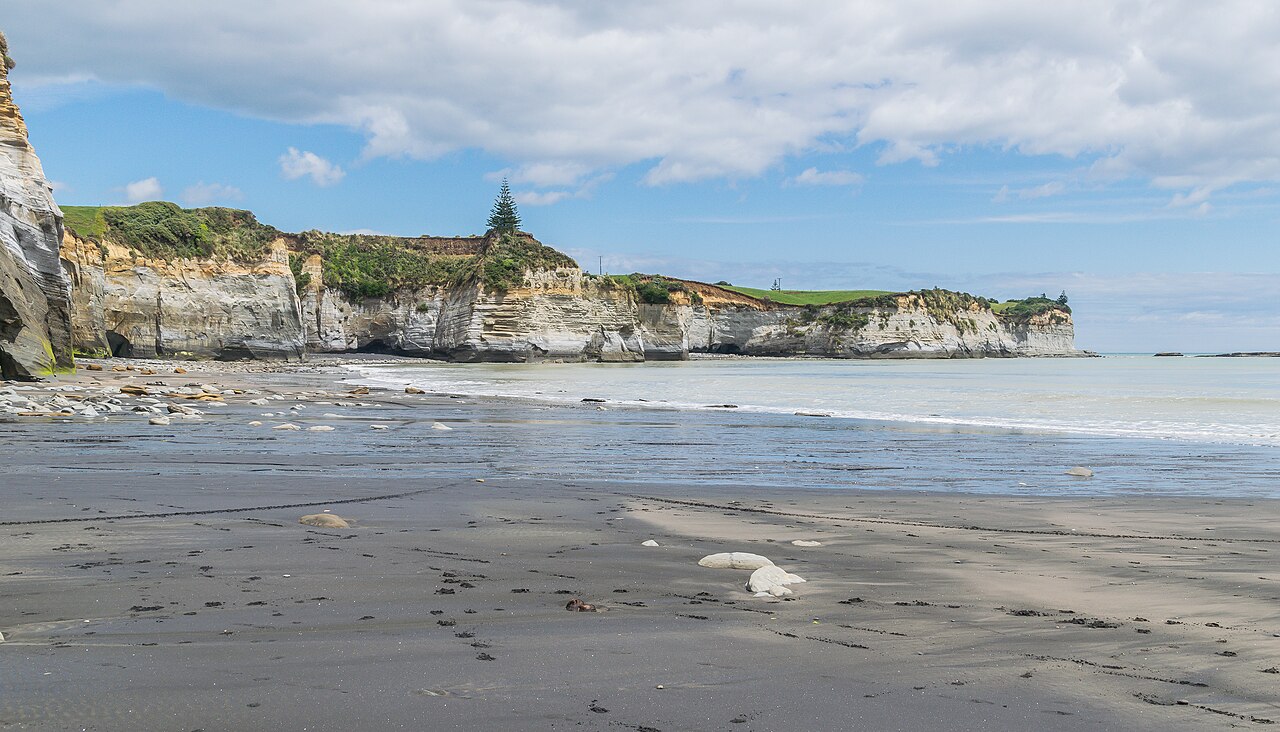
Best time to travel in New Zealand
In New Zealand, the best time for a trip is January to March, with daytime highs up to 20 °C.
Everything about a trip in New ZealandWeather in New Zealand month by month
- January20 °C
- February20 °C
- March19 °C
- April17 °C
- May15 °C
- June12 °C
- July12 °C
- August12 °C
- September13 °C
- October14 °C
- November16 °C
- December18 °C
How to match the season to North and South Island plans
A North Island itinerary often works well for first time visitors because Auckland, Rotorua and the Bay of Islands each support distinct experiences. Warm months suit harbour walks, geothermal visits and longer outdoor days. Winter visitors can add Rotorua's geothermal attractions and Auckland's dining and cultural activities, using flexible timing around the weather.
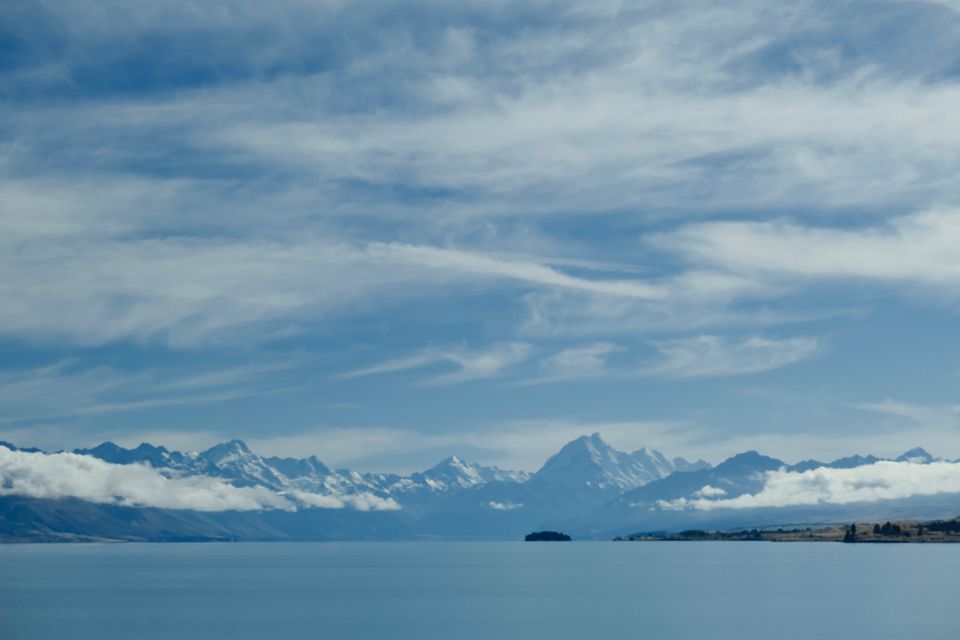
South Island trips reward travellers who want larger scenery and slower road days. Summer supports walks around Queenstown, Wanaka and the West Coast, while winter adds Queenstown and Wanaka ski fields. Spring and autumn suit travellers who want time in small towns, food stops and scenic viewpoints. Splitting the island across several days gives the landscape room to shape the trip.
Plan a weather-ready route with HolidayWow
HolidayWow reads a trip described in one sentence or by voice, then places the days and stops on a map. Choose a relaxed, balanced or packed pace for New Zealand so the route reflects your preferred amount of activity. You can move a stop to another day, lighten a day or request a change through the side panel assistant.

The Long Weekend planner helps Canadian travellers connect public holidays and leave days with a New Zealand vacation. Add dates after choosing a month, and each day card can display its weekday, live weather and live prices. From Vancouver, New Zealand is 11,775 km away, while Toronto is 14,173 km away. The same plan can include a packing list, checklist and shared group link.
Already started
Your trip in New Zealand
- 20 °C by day in February
 from Vancouver about 13 h 31
 iPhoto: Michal Klajban · CC BY-SA 4.0 · Wikimedia Commons
Day 1
Arrival in Christchurch
Flight from Vancouver in 13 h 31, nonstop. Settle in, first evening by the harbor or in the center.

Day 2
Abel-Tasman-Nationalpark
Start early; bring water and sturdy shoes.
Day 3
Rangitoto ki te Tonga/D’Urville Island
Start early; bring water and sturdy shoes.
Day 4
Arapaoa Island
Start early; bring water and sturdy shoes.
 iPhoto: Tom Ackroyd · CC BY-SA 4.0 · Wikimedia Commons
Day 5
On to Wellington
A new base for the next few days; explore Wellington on foot.
Day 6
Queen Charlotte Sound
Start early; bring water and sturdy shoes.
Day 7
Last morning and flight home
One last walk, then back to Vancouver.
Look around without an account; sign in to save.
Weather in New Zealand: frequently asked questions
What is the best time to visit New Zealand?
January through March suits travellers seeking the warmest daytime weather, with average highs of 19 °C to 20 °C. April and November work well for comfortable sightseeing, June through August serves snow and hot spring travel, and spring or autumn can suit a slower itinerary with flexible outdoor plans.
What is the warmest month in New Zealand?
January is the warmest month in the climate data, averaging 20 °C during the day and 15 °C at night. February also averages 20 °C by day and records the highest night average at 16 °C. Both months offer nine average sunshine hours.
Is New Zealand good for hiking in summer?
Yes, summer is a practical season for hiking because January and February average 20 °C during the day, with nine sunshine hours. The North Island and South Island both offer varied trails, so build routes around your chosen base, current conditions and the amount of time you want for scenic stops.
Can I visit New Zealand during Canadian March break?
March break is a strong fit. March averages 19 °C by day and 14 °C at night, with eight sunshine hours. Use the Long Weekend planner to compare dates, build a New Zealand route and decide which region best matches your group. Add dates later to bring weekday, weather and live price information into each day card.
What should I pack for New Zealand weather?
Pack layers, a rain shell, comfortable walking shoes and a warm mid layer. Summer calls for sun protection and clothing suited to cool evenings, while winter needs warmer layers for alpine towns. HolidayWow can build a packing list and checklist from your plan, month and destination climate.
Can I plan a New Zealand trip on a map?
HolidayWow creates a map first, with daily routes, pinned stops and the travel details for each leg. You can choose a relaxed, balanced or packed pace, move stops between days and ask the assistant to revise the route. The plan can then be shared with companions for comments and votes.


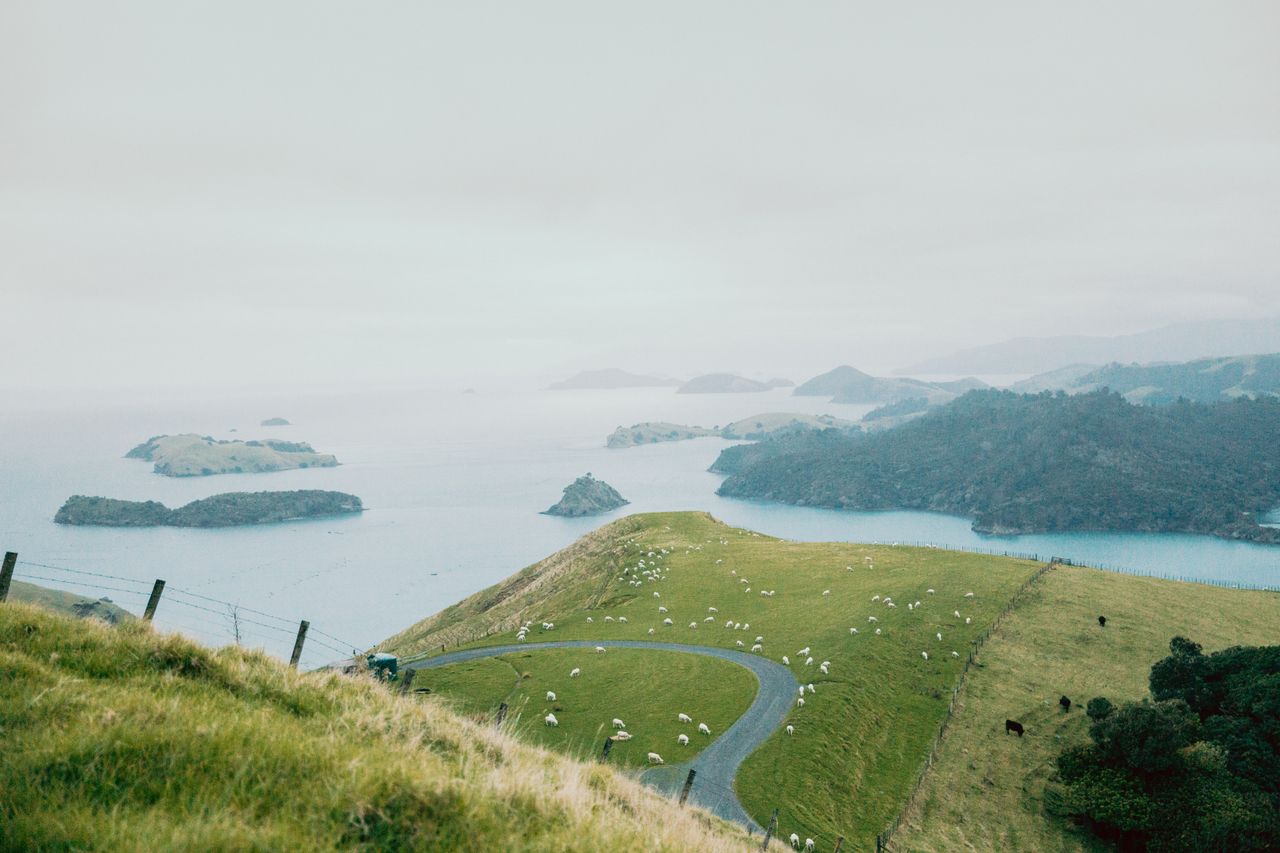
Your next trip
Plan your vacation in New Zealand

Describe your trip in one sentence. When, who with and what matters to you.