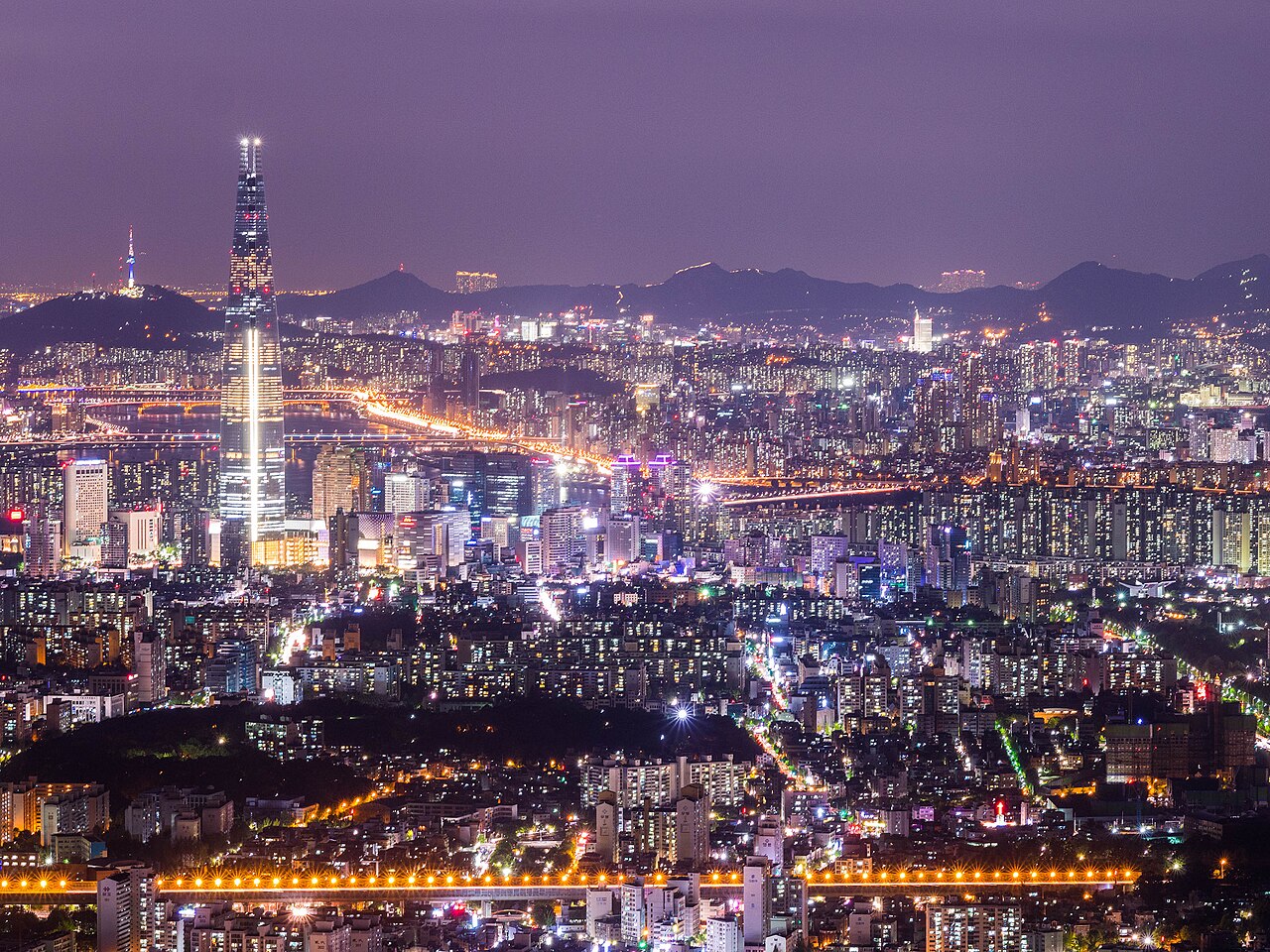
November: 12 °C by day
South Korea weather for every month
Published October 14, 2026 · HolidayWow editors · Written with AI, numbers checked against our data ·
South Korea weather changes sharply across the seasons. Spring and autumn suit city touring and mountain walks, summer brings warm conditions and the heaviest rain, while winter offers clear, cold days for Seoul, food, and seasonal scenery. Choose your month by combining daytime warmth, overnight temperatures, rainfall, and the pace you want.
In South Korea, the best months for a trip are May and June, with daytime highs up to 28 °C.
Weather looks good?7 days in South Korea in September, Beach and hiking, from Vancouver on your own
Plan a trip
Now in South Korea
12 °C
Cloudy
Wind 12 km/h, Humidity 86%
As of 10:54 local time
The next 7 days
- Today
 14° / 10°Light rain4 mm rain
- Tomorrow
 10° / 5°Partly cloudy1 mm rain
- Thursday3° / 0°Partly cloudy
- Friday
 3° / -2°Sunny1 mm rain
- Saturday3° / -3°Sunny
- Sunday8° / -3°Sunny
- Monday14° / 1°Cloudy
South Korea weather at a glance
The most useful time to visit South Korea depends on what you want from the trip. April, May, and October bring comfortable daytime temperatures for Seoul palaces, market districts, and mountain paths. August is the warmest month, while July combines high heat with the year’s wettest conditions. January offers the driest weather, along with the coldest nights in the climate record.

You should plan around a two sided seasonal pattern. Northern and inland areas experience colder winters, while the southern coast has a milder maritime influence. The country also stretches from sea level to mountain resorts, so adding a few hours by train or road can bring noticeably different conditions. A city-focused trip needs a flexible daily rhythm, while a hiking trip benefits from a stable spell and a clear forecast close to departure.
For Canadians, South Korea is a strong match with March break, a summer vacation, or a long weekend built around public holidays. The Long Weekend planner can help you combine leave with official holidays, while HolidayWow can turn your destination, dates, and group details into a route. This makes a complex month easier to compare before you book.
Spring brings blossom season and useful walking weather
March is a transition month. Daytime temperatures reach 12 °C, while nights sit near -1 °C, so layers matter for early starts. Seoul is especially good for changing seasons, palace visits, neighbourhoods, and indoor cultural stops. As spring advances, itineraries naturally shift toward longer walks and outdoor markets.
April feels milder, with daytime highs around 18 °C and nights near 4 °C. It is a strong choice for travellers who want spring scenery without summer heat. Expect more wet days than March, so a day plan can pair outdoor landmarks with museums, tea rooms, markets, and cafés. You can also choose Jeju or another southern destination when mild coastal conditions suit your group better.
- Pack layers for cool mornings
- Plan outdoor stops for the warmest part of the day
- Keep indoor activities within easy reach
- Choose flexible bases for weather changes

What's the weather like in South Korea in November?
In November, days in South Korea average 12 °C and 1 °C at night. In December, days in South Korea average 4 °C and -6 °C at night.
- November12°
 1 °C at night5 hours of sun a day6 rain days
- December4°-6 °C at night6 hours of sun a day4 rain days
| Month | Jan | Feb | Mar | Apr | May | Jun | Jul | Aug | Sep | Oct | Nov | Dec |
|---|---|---|---|---|---|---|---|---|---|---|---|---|
| Day °C | 2 | 5 | 12 | 18 | 24 | 28 | 29 | 30 | 25 | 19 | 12 | 4 |
| Night °C | -8 | -6 | -1 | 4 | 10 | 16 | 20 | 21 | 15 | 8 | 1 | -6 |
| Sun h/day | 6 | 6 | 7 | 7 | 8 | 6 | 5 | 6 | 5 | 6 | 5 | 6 |
| Rain days | 4 | 5 | 7 | 8 | 8 | 11 | 17 | 17 | 11 | 6 | 6 | 4 |
Summer is warm, vivid and shaped by the monsoon
June brings daytime temperatures around 28 °C and nights near 16 °C. It works well for long urban days, food tours, and trips toward southern islands and beaches. Rain becomes more frequent, yet the weather can alternate between humid spells and brighter periods. A balanced pace gives you room to respond to conditions on the day.
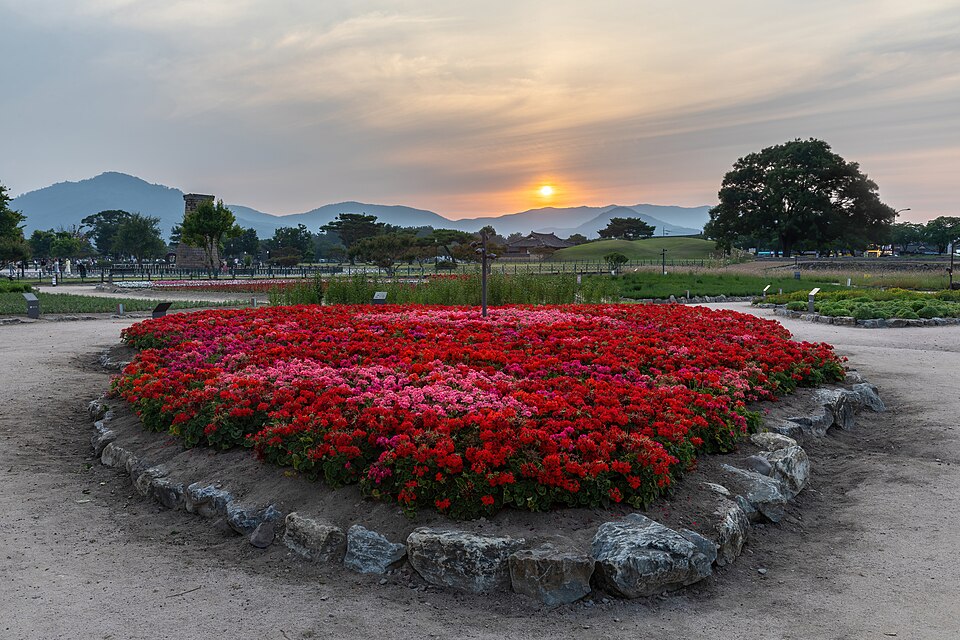 iPhoto: Basile Morin · CC BY-SA 4.0 · Wikimedia Commons
July is the wettest month, with 273 mm of rain and daytime temperatures near 29 °C. August stays warm at 30 °C during the day and has the year’s highest overnight average at 21 °C. For summer travellers, indoor culture, markets, museums, and late evening walks can share the itinerary with outdoor sightseeing. Gwangalli, Haeundae, and Jeju give you clear coastal choices, while Seoul supports a lively city-based holiday.
iPhoto: Basile Morin · CC BY-SA 4.0 · Wikimedia CommonsAutumn suits sightseeing and mountain travel
September begins with warm daytime temperatures near 25 °C and nights around 15 °C. It suits a gradual transition from summer into cooler mountain conditions, although September also has meaningful rainfall. October then offers a clearer autumn rhythm, with daytime highs near 19 °C, nights around 8 °C, and six rain days. This is a useful month for both Seoul and scenic rail journeys.
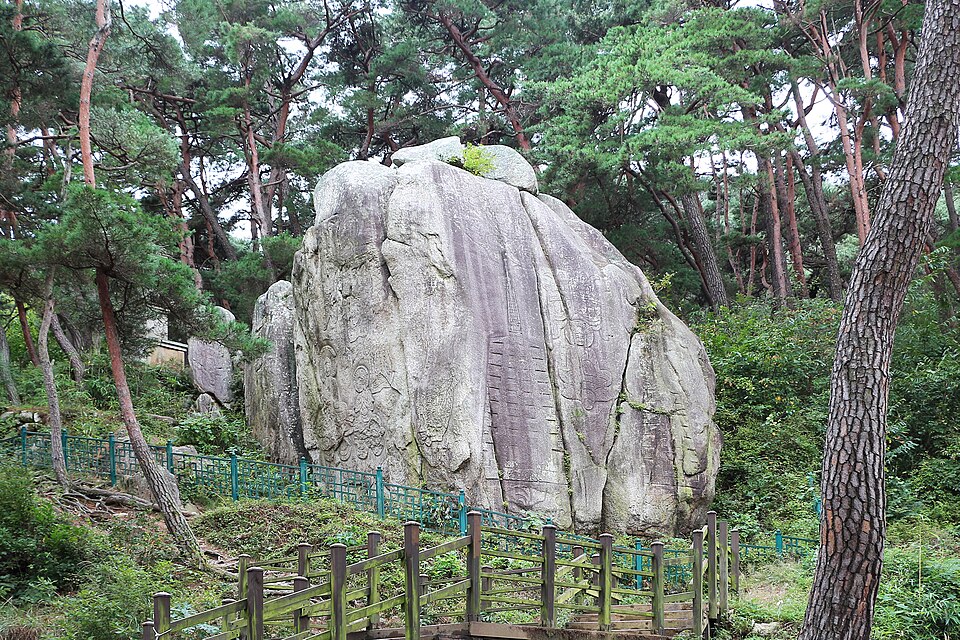 iPhoto: Bernard Gagnon · CC0 · Wikimedia Commons
Autumn colour draws many visitors to mountain parks and forested regions. Weather can change quickly at elevation, so a layered packing list and a flexible route are sensible. HolidayWow can create a relaxed or balanced day, then let you move a stop if cloud or rain changes your plans. The plan checker reorders the day after each edit, helping the route remain coherent.
- Keep mountain days adaptable
- Carry warm layers for elevation
- Use city stops as weather alternatives
- Build time for local food and markets
iPhoto: Bernard Gagnon · CC0 · Wikimedia Commons iPhoto: Bernard Gagnon · CC0 · Wikimedia Commons
Best time to travel in South Korea
In South Korea, the best months for a trip are May and June, with daytime highs up to 28 °C.
Everything about a trip in South KoreaWeather in South Korea month by month
- January2 °C
- February5 °C
- March12 °C
- April18 °C
- May24 °C
- June28 °C
- July29 °C
- August30 °C
- September25 °C
- October19 °C
- November12 °C
- December4 °C
Winter is cold, crisp and rewarding for city culture
January is the driest and coolest month in the record. Daytime temperatures sit around 2 °C, nights fall to -8 °C, and the month records four rain days. That dry pattern suits Seoul sightseeing, palaces, markets, museums, and excellent food experiences. Warm gloves, a substantial coat, and comfortable footwear make outdoor days easier.
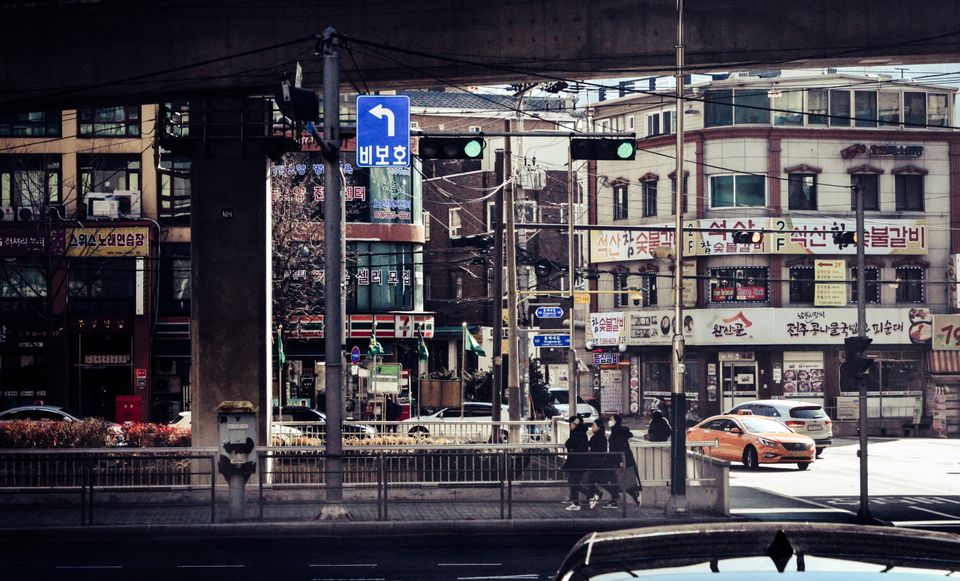
December is similar but slightly milder, with daytime temperatures near 4 °C and nights around -6 °C. February warms to 5 °C during the day while nights remain near -6 °C. Ski areas and winter landscapes attract some travellers, while city explorers can focus on indoor culture and neighbourhoods. HolidayWow builds a packing list from the month and climate, then keeps it with the trip.
How to use HolidayWow for this trip
Start by describing a South Korea trip in one sentence or by voice. Include the month, group, budget, and preferred pace. HolidayWow reads those details and drafts a map with daily routes and stops. You can set the whole trip or individual days to relaxed, balanced, or packed, which makes it easy to combine city sightseeing with a quieter final day.

Flight times to South Korea
- from Vancouver9 h 56nonstop
- from Toronto12 h 40nonstop
- from Edmonton10 h 09with a change
- from Calgary10 h 19with a change
Dates are optional when you begin with a month, and you can add them later. Each day can then show its weekday, live weather, and current partner prices. The document vault keeps passports, tickets, and confirmations with the relevant trip. Sharing gives Canadian companions one link, with viewing and editing roles, comments, and group voting for itinerary decisions.
For door to door planning, the route can begin at your home and include the ride to the airport, the flight, and the transfer to the first stay. From Toronto, South Korea is 10,726 km away. From Vancouver it is 8,237 km, from Calgary 8,599 km, and from Montréal 10,697 km. The page handles distances as live information so your planning view remains current.
Flight times to South Korea
- from Vancouver9 h 56nonstop
- from Toronto12 h 40nonstop
- from Edmonton10 h 09with a change
- from Calgary10 h 19with a change
Already started
Your trip in South Korea
- 25 °C by day in September
- from Vancouver about 9 h 56
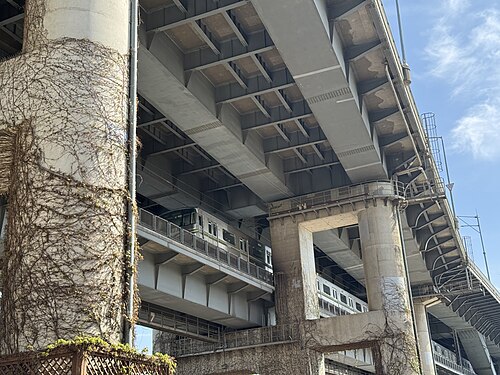 iPhoto: 슐라 · CC BY-SA 4.0 · Wikimedia Commons
Day 1
Arrival in Seoul
Flight from Vancouver in 9 h 56, nonstop. Settle in, first evening by the harbor or in the center.

Day 2
Jirisan
Start early; bring water and sturdy shoes.
Day 3
Jirisan-Nationalpark
Start early; bring water and sturdy shoes.
Day 4
Gayasan-Nationalpark
Start early; bring water and sturdy shoes.
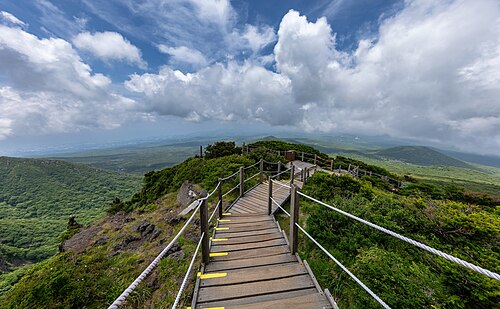 iPhoto: Basile Morin · CC BY-SA 4.0 · Wikimedia Commons
Day 5
On to Jeju Island
A new base for the next few days; explore Jeju Island on foot.
Day 6
Deogyusan-Nationalpark
Start early; bring water and sturdy shoes.
Day 7
Last morning and flight home
One last walk, then back to Vancouver.
Look around without an account; sign in to save.
Weather in South Korea: frequently asked questions
What is the best month to visit South Korea?
April, May, and October are practical choices for sightseeing and walking, with daytime temperatures from 18 °C to 24 °C. May offers the warmest of these spring conditions, while October usually has a clearer autumn feel. Your preferred experiences, route, and tolerance for rain should guide the final choice.
What is the warmest month in South Korea?
August is the warmest month in the climate record, averaging 30 °C during the day and 21 °C at night. It is a good fit for southern beaches, island stays, and evenings outdoors. Summer trips benefit from a flexible day plan because July and August also receive substantial rain.
What is the wettest month for a South Korea trip?
July is the wettest month, with 273 mm of rain in the climate record. The weather still supports urban travel, with daytime temperatures near 29 °C. Pair outdoor plans with museums, food halls, markets, cafés, and other indoor experiences so your group can enjoy each day flexibly.
Is winter a good time to visit South Korea?
Winter suits travellers focused on Seoul culture, food, shopping, museums, and snowy mountain scenery. January averages 2 °C during the day and -8 °C at night, so proper winter layers matter. December and February are a little milder by day, while winter also offers festive city experiences.
What should I pack for South Korea?
Pack according to the month and your route. Spring and autumn call for layers, while summer benefits from light clothing, rain protection, and comfortable shoes. Winter requires a warm coat, gloves, and insulated footwear. HolidayWow creates a climate-based packing list and checklist that you can adjust as your plan changes.
Can I plan a March break trip to South Korea?
Yes. March gives you a mixture of cool evenings and warming daytime conditions, with daytime temperatures near 12 °C. Use the Long Weekend planner to coordinate March break with leave days and public holidays. HolidayWow then turns your chosen dates, group, budget, and pace into an editable map.

Your next trip
Plan your vacation in South Korea

Describe your trip in one sentence. When, who with and what matters to you.